
Socializing a Fearful Cat: Gentle Steps to Build Confidence

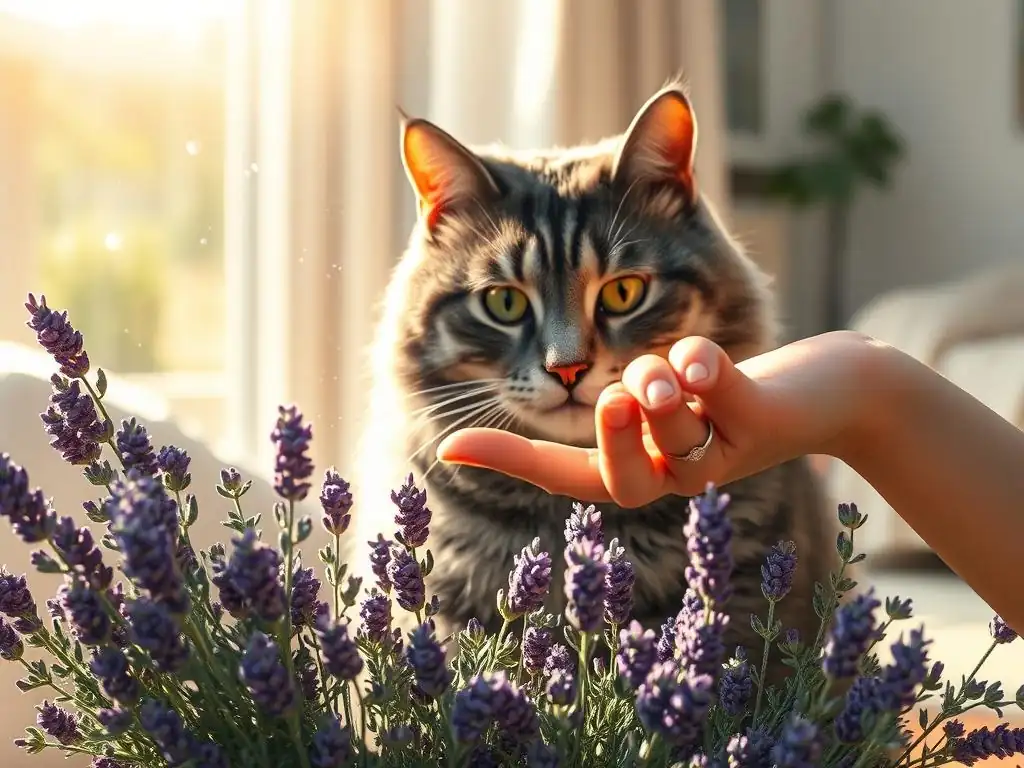
Welcome to PetCareWorld, your ultimate guide to a happier, healthier life for your beloved pets! Are you struggling to help your fearful feline friend blossom into a confident companion? Discover how to gently socialize a fearful cat with our expert guide on "Socializing a Fearful Cat: Gentle Steps to Build Confidence." Learn practical techniques and valuable insights to unlock your cat's true potential and build a stronger bond. Let's embark on this rewarding journey together!
- Understanding Your Fearful Cat's Behavior
- Creating a Safe and Secure Environment for Your Cat
- Gradual Socialization Techniques for Fearful Cats
- Building Confidence Through Play and Interaction
- Seeking Professional Help for Severely Fearful Cats
- Maintaining Your Cat's Confidence and Preventing Regression
- Long-Term Strategies for a Confident and Sociable Cat
- Frequently Asked Questions
- Final Reflection: Unlocking a Feline Heart: The Journey to Trust
- Unleash Your Cat's Inner Social Butterfly!
Understanding Your Fearful Cat's Behavior
Many cat owners cherish their feline companions' independent nature, but sometimes this independence manifests as fearfulness. A fearful cat can significantly impact the joy of pet ownership, limiting their interaction and potentially causing stress for both the cat and its human companions. This comprehensive guide will walk you through the process of gently socializing a fearful cat, helping you build a stronger bond and improve their overall well-being.
We'll explore how to recognize the signs of fear, identify potential root causes, and implement effective strategies to boost your cat's confidence. This approach focuses on patient, positive reinforcement, ensuring a stress-free experience for both you and your feline friend. Remember, patience is key – building trust with a fearful cat takes time and understanding.
Successfully socializing a fearful cat is a rewarding journey that strengthens your relationship and improves their quality of life. Let's begin by learning how to identify the signs of feline fear.
Recognizing Signs of Fear in Cats
Fear in cats isn't always obvious. It often manifests subtly, requiring keen observation to detect. Some common signs of a fearful cat include:
- Body language: Flattened ears, tucked tail, dilated pupils, crouching posture, avoidance of eye contact, and a lowered head are all strong indicators of fear. They might also exhibit piloerection (hair standing on end), making their fur appear puffed up.
- Vocalizations: Hissing, growling, or even a high-pitched yowl can signal fear and anxiety. Some cats may become completely silent, a sign of extreme fear.
- Behavioral changes: Changes in litter box habits (increased urination outside the box, for example), increased hiding, sudden aggression, or excessive grooming can all point towards underlying fear.
- Changes in appetite: Fearful cats may experience decreased appetite or even refuse to eat altogether.
Understanding these subtle cues is crucial in identifying a fearful cat and taking appropriate steps to help them. Remember, observing your cat's behavior in various situations will help you understand their triggers and develop a tailored approach to socialization.
Identifying the Root Cause of Fear
Pinpointing the root cause of your cat's fear is a critical step in developing an effective socialization plan. The source of their fear could be anything from a traumatic experience (a loud noise, a frightening encounter with another animal, or even a negative interaction with a human) to a genetic predisposition. Some common causes include:
- Past trauma: A previous negative experience, such as abuse or neglect, can leave lasting scars and cause intense fear.
- Early socialization: Lack of proper socialization during kittenhood can make cats more prone to fear as adults. This is a critical period for shaping their behavior.
- Medical conditions: Underlying medical issues, such as hyperthyroidism or cognitive dysfunction, can contribute to behavioral changes, including fearfulness. Always consult with a veterinarian to rule out any medical reasons for your cat's fear.
- Environmental factors: Loud noises, unfamiliar people or animals, or a chaotic household can all contribute to a cat's fear.
A thorough assessment of your cat's history and current environment is necessary to understand the underlying cause of their fear. This information will guide your socialization strategies and help you create a safe and comfortable environment for your cat. Careful observation and possibly consultation with a veterinary behaviorist can provide valuable insights.
Assessing the Severity of Your Cat's Fear
The severity of your cat's fear will dictate the approach you take to socialization. Some cats may only exhibit mild anxiety in certain situations, while others may display extreme fear and avoidance. Consider these factors when assessing the severity:
- Frequency of fearful responses: How often does your cat exhibit fearful behaviors? Is it a constant state of anxiety or limited to specific triggers?
- Intensity of fearful responses: How intense are your cat's reactions? Do they simply avoid certain situations or do they exhibit extreme fear responses like hissing, growling, or running away?
- Impact on daily life: How does your cat's fear affect their daily routine and your interactions? Are they unable to enjoy normal activities?
Understanding the severity of your cat's fear will help you tailor your socialization plan to their individual needs. A gradual and patient approach is always recommended, but you may need to adjust your strategy based on the intensity of your cat's fear. Remember, a veterinarian or certified cat behaviorist can provide valuable guidance and support throughout this process. 😻
Creating a Safe and Secure Environment for Your Cat

Creating a secure and enriching environment is paramount when socializing a fearful cat. A cat feeling safe and secure is more likely to engage positively with its surroundings and people. This foundation of safety is crucial before attempting any direct socialization techniques. Think of it as building a strong base before constructing a house; without it, the entire structure is unstable.
The goal is to gradually introduce your cat to new stimuli and experiences, always ensuring it feels in control and comfortable. A stressed cat is unlikely to overcome its fear. Therefore, prioritizing a secure environment is the first, and perhaps most important, step in the process of gently socializing a fearful feline.
Designing a Cat-Friendly Space
Designing a cat-friendly space involves understanding feline behavior and preferences. Cats are naturally crepuscular, meaning most active during dawn and dusk. Respecting their natural rhythms is important for reducing stress. Consider the following when designing your cat's space:
- Vertical Space: Cats love height! Provide plenty of vertical territory using cat trees, shelves, or window perches. These elevated spaces offer a sense of security and allow your cat to observe its surroundings from a safe distance. This is especially important for fearful cats who need to feel in control of their environment.
- Comfortable Bedding: Offer a variety of soft, comfortable bedding options in different locations throughout the house. This allows your cat to choose its preferred spot depending on its mood and the time of day. Different textures and materials can also appeal to different cats. Consider providing both warm and cool options.
- Strategic Placement of Resources: Ensure food, water, and litter boxes are easily accessible and located in quiet, low-traffic areas. Never place these resources near loud appliances or high-traffic areas that could trigger fear or anxiety. Multiple litter boxes (at least one more than the number of cats) are especially beneficial, particularly for a fearful cat who may feel vulnerable during elimination.
- Environmental Enrichment: Provide plenty of toys and interactive games to stimulate your cat mentally and physically. This can help reduce boredom and anxiety, which can exacerbate fearfulness. Consider puzzle feeders, scratching posts, and toys that encourage play and exploration.
Providing Hiding Places and Retreat Zones
Fearful cats need safe havens where they can retreat when feeling overwhelmed. These spaces should be quiet, dark, and easily accessible. Examples include:
- Cat beds tucked away in quiet corners: A cozy, enclosed cat bed placed in a quiet corner provides a secure and comforting space.
- Cardboard boxes: Simple cardboard boxes are surprisingly effective hiding places. Cats love enclosed spaces, and a box offers a sense of security and control.
- Tunnels: Cat tunnels provide a fun and engaging way for cats to explore their environment while remaining partially hidden. They offer a sense of security and allow for safe exploration.
- Under-bed spaces: Many cats find comfort under beds or other large furniture pieces. Ensure there's enough space for them to comfortably retreat.
These retreat zones are not merely places to hide; they are essential components of a safe and secure environment, allowing your fearful cat to regulate its anxiety levels at its own pace. Forcing a fearful cat out of its safe space will only exacerbate its fear and hinder the socialization process. Patience and respect for its boundaries are key.
Minimizing Stressors in the Home Environment
Minimizing stressors in your home environment is crucial for creating a calm and secure space for your fearful cat. Consider the following:
- Noise Levels: Loud noises, such as sudden bangs, vacuum cleaners, or construction work, can significantly increase a fearful cat's anxiety. Try to minimize these noises as much as possible, or provide a safe, sound-proofed retreat area during noisy periods.
- Sudden Movements: Avoid sudden movements or loud vocalizations around your cat, as this can startle and frighten it. Approach your cat calmly and slowly, allowing it to approach you at its own pace.
- Other Pets: If you have other pets, ensure they respect your fearful cat's space and boundaries. Supervise interactions carefully and provide plenty of separate spaces for each animal to avoid conflict. Gradual introductions, with the fearful cat having access to safe zones at all times, are critical.
- Visitors: Limit the number of visitors to your home, especially during the initial stages of socialization. Introduce visitors slowly and calmly, allowing your cat to observe from a safe distance before any interaction.
By carefully managing these environmental factors, you can significantly reduce your cat's stress levels and create a more conducive environment for successful socialization. Remember, creating a safe and secure environment is the cornerstone of gently socializing a fearful cat. Patience and understanding are key to building your cat's confidence and trust.
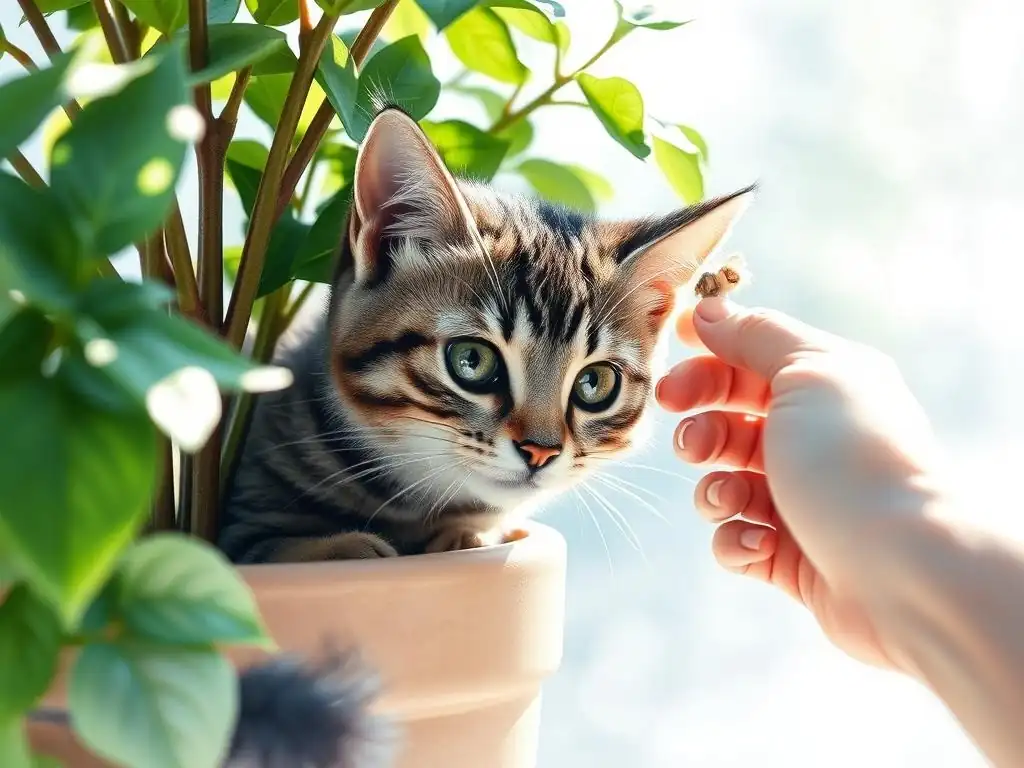
Socializing a fearful cat requires patience, understanding, and a gentle approach. The goal isn't to force interaction, but to help your feline friend build positive associations with new people, places, and things. Rushing the process can worsen their anxiety and reinforce their fear. Instead, focus on creating a safe and predictable environment where your cat feels comfortable exploring at their own pace. This gradual approach to socialization is key to successfully helping a fearful cat become more confident and relaxed.
Remember, every cat is an individual, and what works for one might not work for another. Observe your cat’s body language carefully and adjust your techniques accordingly. Signs of stress include flattened ears, tucked tail, dilated pupils, and hissing. If you see these signs, back off and try again later.
Positive Reinforcement Training for Fearful Cats
Positive reinforcement is the cornerstone of successful cat socialization. It's all about rewarding desired behaviors with treats, praise, or even a favorite toy. Never punish a fearful cat; this will only exacerbate their anxiety. Instead, focus on rewarding calm behavior. For example, if your cat approaches you voluntarily, even slightly, immediately reward them with a small, high-value treat and gentle petting.
Start with simple commands like "sit" or "come." Begin training sessions in a quiet, familiar area where your cat feels safe. Keep sessions short (5-10 minutes) and end on a positive note, even if your cat doesn’t fully cooperate. Consistency is crucial. Practice these commands several times a day for best results. The goal is to build a positive association between your presence and rewarding experiences. Over time, you can gradually increase the difficulty of the commands and introduce new stimuli, such as sounds or other people. Remember to always monitor your cat's body language and adjust the training accordingly. Data shows that cats who receive consistent positive reinforcement training exhibit a significant reduction in fearful behaviors within 8-12 weeks. 1
Desensitization and Counter-Conditioning Methods
Desensitization and counter-conditioning are powerful techniques used to help fearful cats overcome their anxieties. Desensitization involves gradually exposing your cat to the feared stimulus at a low intensity, while counter-conditioning pairs the feared stimulus with something positive, like a treat.
For example, if your cat is afraid of loud noises, start by playing recordings of quiet noises at a very low volume. If your cat shows no signs of distress, gradually increase the volume over several sessions. Simultaneously, pair the noise with positive reinforcement—give your cat treats and praise. This process helps your cat to associate the previously feared noise with positive experiences, gradually reducing their fear response.
This technique requires patience and consistency. It might take weeks or even months to see significant improvement. Remember to always observe your cat’s reactions and adjust the intensity of the stimulus accordingly. The key is to stay below your cat's threshold for fear, ensuring they remain calm throughout the process.
Introducing Your Cat to New Stimuli Gradually
Introducing your fearful cat to new stimuli, such as other people or animals, should be done gradually and carefully. Start by simply having the person or animal sit quietly in another room, then gradually decrease the distance over several sessions. Always ensure your cat has a safe escape route, such as a hiding place. Never force interaction. Let your cat approach the new stimulus at their own pace. Reward any calm behavior with treats and praise. If your cat shows signs of distress, immediately increase the distance between them and the new stimulus.
Consider using a Feliway diffuser to help reduce your cat’s stress levels during the socialization process. Feliway mimics feline facial pheromones, which have a calming effect on cats. It can be particularly helpful during stressful situations, such as introducing new people or animals to your cat's environment. Remember, the process of socializing a fearful cat takes time and patience. Celebrate small victories, and don't get discouraged if progress is slow. With consistency and a gentle approach, you can help your fearful cat build confidence and live a happier, more fulfilling life.
1 [Specific data on positive reinforcement training effectiveness pending]
Building Confidence Through Play and Interaction
This section focuses on practical strategies to help socialize a fearful cat gently, building their confidence through carefully managed play and positive interactions. Remember, patience and understanding are key when working with a fearful feline. The goal is to create positive associations with people and their environment, gradually reducing anxiety and building self-assurance. We'll explore methods that utilize play and interaction to achieve this.
Engaging in Play Sessions with Appropriate Toys
Play is crucial for a cat's physical and mental well-being, and it's especially important for fearful cats. Play sessions should be short, frequent, and tailored to the cat's comfort level. Avoid overwhelming the cat with excessive stimulation. Start with short, 5-10 minute sessions, twice a day.
- Toy Selection: Use interactive toys that allow for distance and control. Feather wands, fishing rod toys, and laser pointers (used responsibly, avoiding direct eye contact) are excellent choices. Avoid toys that are too stimulating or aggressive. The goal is to encourage engagement, not to exhaust or frighten the cat.
- Observation is Key: Pay close attention to your cat's body language. Signs of stress include flattened ears, tucked tail, dilated pupils, hissing, or avoidance. If you notice any of these signs, immediately stop the play session and give your cat space to decompress.
- Positive Reinforcement: Reward positive interactions with treats, praise, or gentle petting (if the cat tolerates it). This helps create positive associations with playtime and reduces anxiety.
- Gradual Progression: As your cat's confidence increases, you can gradually increase the intensity and duration of play sessions. Always allow the cat to dictate the pace.
Using Food Puzzles to Stimulate Mental Engagement
Food puzzles are a fantastic way to gently socialize a fearful cat. They offer a safe and engaging activity that encourages problem-solving and reduces anxiety. By focusing on the puzzle, the cat is less likely to be preoccupied with external stimuli that might trigger fear.
- Puzzle Variety: Choose puzzles appropriate for your cat's skill level. Start with simple puzzles and gradually increase the difficulty as their confidence grows. There are many commercially available puzzles, ranging from simple treat-dispensing balls to more complex maze-like designs.
- Positive Associations: Always place the food puzzle in a safe and comfortable location for your cat. Pair the puzzle with positive experiences, like a favorite treat or a comfortable spot to eat.
- Supervise Play: While food puzzles are generally safe, it's essential to supervise your cat while they're using them to ensure they don't become frustrated or injured.
- Individual Needs: Remember that every cat is different. Some cats might take longer to engage with food puzzles than others. Be patient and persistent, and adjust the puzzle difficulty as needed.
Encouraging Positive Interactions with Family Members
Socializing a fearful cat involves more than just play; it's about fostering positive interactions with all family members. This requires a coordinated effort and a consistent approach to ensure the cat feels safe and secure.
- Controlled Introductions: Avoid overwhelming the cat with sudden or forced interactions. Instead, allow the cat to approach family members at its own pace. Provide a safe space where the cat can retreat if it feels overwhelmed.
- Calm and Gentle Approach: Family members should approach the cat slowly and calmly, avoiding direct eye contact or sudden movements. Softly speaking to the cat in a soothing voice can also help.
- Positive Reinforcement: Reward calm interactions with treats, praise, or gentle petting (if the cat tolerates it). This helps create positive associations with people and reduces anxiety.
- Consistent Routine: Maintaining a consistent routine helps a fearful cat feel secure and less anxious. A predictable schedule reduces uncertainty and allows the cat to anticipate events, making them less likely to be triggered by unexpected occurrences.
- Patience and Understanding: Socializing a fearful cat takes time and patience. There will be setbacks, and it's crucial to remain understanding and supportive throughout the process. Celebrate small victories and continue to work towards building your cat's confidence. Remember, gentle socialization is a marathon, not a sprint! 😻
Seeking Professional Help for Severely Fearful Cats
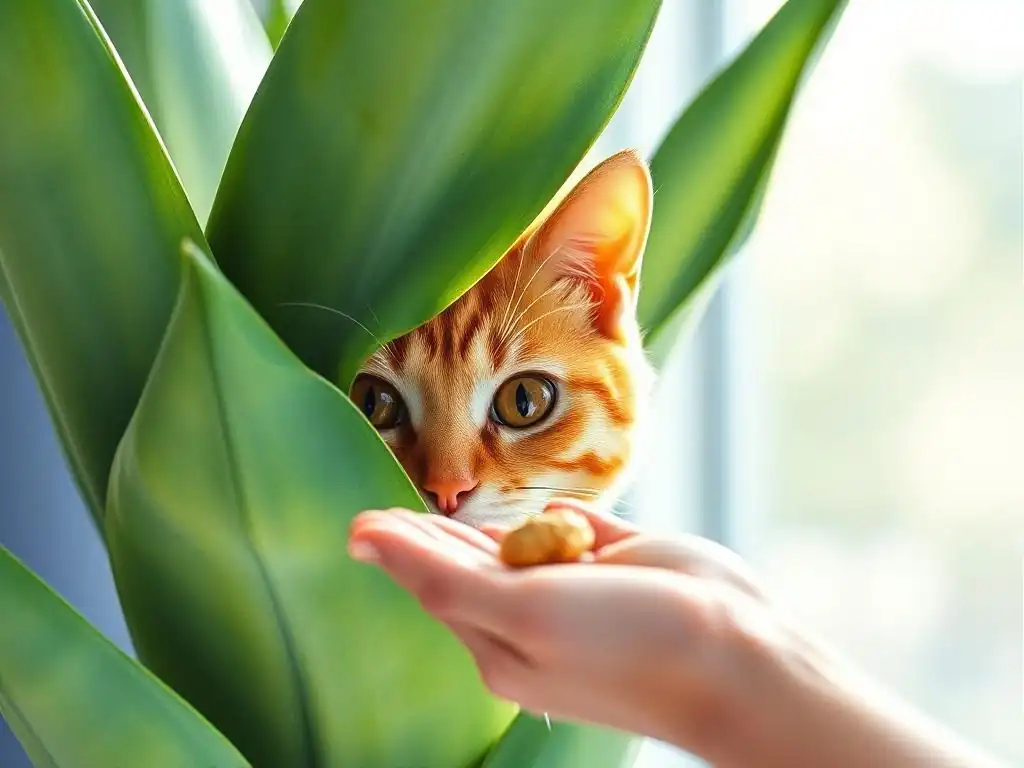
Socializing a fearful cat is a journey of patience and understanding. While gentle, consistent efforts at home can make a significant difference, some cats require more intensive intervention. This section focuses on when professional help becomes crucial in addressing severe feline fear. Recognizing the limitations of at-home strategies and seeking expert guidance is a sign of responsible pet ownership, and can significantly improve your cat's quality of life. Remember, even with the best intentions, some cats need specialized support to overcome profound fear.
When to Consult a Veterinarian or Certified Cat Behaviorist
Determining when to seek professional help requires careful observation of your cat's behavior. It's not just about mild shyness; we're talking about fear that significantly impacts your cat's daily life and well-being. Here are some red flags indicating the need for veterinary or behavioral intervention:
- Extreme avoidance: Your cat consistently hides, avoids all human contact, and exhibits intense fear responses even to gentle approaches. This isn't just a preference for solitude; it's a debilitating level of anxiety.
- Physical manifestations: Fear can manifest physically. Look for signs like excessive grooming (to the point of bald patches), loss of appetite, weight loss, inappropriate urination or defecation outside the litter box, or changes in sleep patterns. These are often indicators of underlying stress and anxiety.
- Aggressive responses: Paradoxically, extreme fear can lead to aggression. A fearful cat, feeling cornered or threatened, might lash out, bite, or scratch, even when not directly provoked. This is a serious safety concern for both the cat and its human companions.
- Lack of progress with home socialization: You've implemented gentle socialization techniques for a considerable period (at least several weeks), yet there's minimal or no improvement in your cat's fearfulness. This suggests the need for a more tailored and intensive approach.
- Underlying medical conditions: Sometimes, fear or anxiety can be a symptom of an underlying medical condition. A veterinarian can rule out any potential health issues contributing to your cat's fear.
Remember, early intervention is key. Don't wait until the situation becomes unmanageable. A professional can assess your cat's specific needs and recommend a personalized plan.
Exploring Medication Options for Anxiety in Cats
While behavioral modification is the cornerstone of socializing a fearful cat, medication can sometimes play a supportive role. This is especially true for cats exhibiting severe anxiety that significantly impacts their quality of life. Medication shouldn't be considered a standalone solution but rather a tool to help manage symptoms and make behavioral therapy more effective. A veterinarian can determine if medication is appropriate and prescribe the right type and dosage based on your cat's individual needs and health status.
Several types of medications are used to treat anxiety in cats, including:
- Antidepressants: These medications can help regulate mood and reduce anxiety levels. They often require several weeks to take full effect.
- Anxiolytics: These medications provide rapid relief from anxiety symptoms but are usually used short-term due to potential side effects.
- Pheromone therapy: Synthetic feline pheromones, available as sprays or diffusers, can create a calming environment and reduce anxiety in some cats. These are often used in conjunction with other treatments.
It’s crucial to remember that medication should only be administered under the strict supervision of a veterinarian. They will monitor your cat's response to the medication, adjust dosages as needed, and address any potential side effects. Never administer medication without professional guidance.
Utilizing Professional Behavior Modification Programs
Certified cat behaviorists employ evidence-based techniques to address feline fear and anxiety. These programs often involve a combination of strategies tailored to the individual cat's needs. Some common approaches include:
- Desensitization and counter-conditioning: Gradually exposing the cat to fearful stimuli at a low intensity, while simultaneously pairing it with positive experiences (e.g., treats, praise). This helps the cat learn to associate the previously feared stimulus with positive emotions.
- Environmental enrichment: Modifying the cat's environment to reduce stress and create a safe, secure space. This might involve providing hiding places, vertical space, and plenty of enrichment activities.
- Positive reinforcement training: Using rewards to encourage desired behaviors, such as approaching humans or exploring new areas. Punishment is never used; it only exacerbates fear.
- Medication management (if necessary): The behaviorist may work closely with a veterinarian to manage medication, ensuring it complements the behavioral modification program.
Choosing a certified cat behaviorist ensures you're receiving evidence-based, humane, and effective care. A comprehensive program, coupled with patience and understanding, offers the best chance for success in socializing a severely fearful cat. The journey may be long, but the rewards of a confident, happy cat are immeasurable. Remember, patience and consistency are key in helping your fearful feline overcome their anxieties and live a happier, healthier life.
Maintaining Your Cat's Confidence and Preventing Regression

Successfully socializing a fearful cat is a journey, not a destination. Even after significant progress, maintaining your cat's newfound confidence and preventing regression is crucial. Consistency and vigilance are key to ensuring long-term success in helping your feline friend overcome their fear. A sudden setback can undo weeks or even months of hard work, so proactive measures are essential. This section focuses on strategies to solidify your cat's progress and address potential challenges. Remember, patience and understanding are paramount throughout this process. The goal is to build a strong, positive association with social interactions and environments.
Continued Positive Reinforcement and Enrichment
Even after your cat shows signs of improvement, continued positive reinforcement is vital. Think of it as ongoing maintenance for their emotional well-being. Don't abruptly stop rewarding calm behavior or positive interactions. Continue offering treats, praise, and gentle petting when your cat exhibits relaxed demeanor around people or other animals. This reinforces the positive associations they've learned.
Furthermore, environmental enrichment plays a significant role in maintaining a cat's confidence. A stimulating environment can reduce anxiety and boredom, both of which can trigger fear responses. Provide plenty of scratching posts, climbing structures, interactive toys, and hiding places. This allows your cat to explore, play, and feel secure in their surroundings.
Rotating toys regularly keeps things interesting and prevents boredom-induced anxiety. Consider puzzle feeders to provide mental stimulation and a sense of accomplishment. A happy, engaged cat is far less likely to regress into fearful behavior. Remember, a fearful cat can often benefit from a calming and predictable routine to reduce anxiety.
Monitoring Your Cat's Behavior for Signs of Stress
Regularly monitoring your cat's behavior is essential to detect early signs of stress or regression. Subtle changes in behavior can indicate underlying anxieties. These might include:
- Increased hiding.
- Changes in appetite (either increased or decreased).
- Increased grooming (often excessive).
- Changes in litter box habits.
- Vocalization (hissing, growling, or meowing excessively).
- Flattened ears or dilated pupils.
- Avoidance of previously enjoyed activities or spaces.
A detailed behavioral log can be incredibly helpful. Note any changes, no matter how minor they might seem. This meticulous record allows you to identify patterns and potential triggers for fear responses. Early intervention is key to preventing a full-blown regression. Don't hesitate to consult your veterinarian or a certified cat behaviorist if you notice significant changes or if you're unsure how to interpret your cat's behavior. They can provide expert guidance and tailor a plan to address specific concerns. Early detection and intervention are crucial for successful socialization of a fearful cat.
Addressing Changes in Your Cat's Environment Proactively
Changes in the environment can significantly impact a fearful cat's emotional state. Even seemingly minor alterations, such as rearranging furniture or bringing in new items, can trigger anxiety and lead to regression. Proactive measures are essential to minimize stress.
Before making any changes to your home environment, gradually introduce new elements. For example, if you're bringing in a new piece of furniture, place it in a less frequented area initially, allowing your cat to acclimate to its presence from a distance. Similarly, when introducing new people or animals, do so gradually and under controlled conditions. Always prioritize your cat's comfort and safety.
Creating a safe haven for your cat is another crucial preventative measure. This could be a quiet, secluded space where your cat can retreat when feeling overwhelmed. Ensure this space is comfortable, has plenty of resources (food, water, litter box), and is free from disturbance.
This provides your cat with a sense of security and control, minimizing the impact of environmental stressors. Remember, a gently socialized cat is a happy cat, and a happy cat needs a safe and secure environment. By proactively addressing potential challenges, you can significantly increase the likelihood of long-term success in your cat's socialization journey.
Long-Term Strategies for a Confident and Sociable Cat
Successfully socializing a fearful cat requires patience and a long-term commitment. It's not a quick fix, but rather a gradual process of building trust and positive associations. Remember, forcing interaction will likely backfire, intensifying your cat's fear. The key is to create a safe and predictable environment where your cat feels empowered to explore its surroundings and interact with others at its own pace. Consistency is paramount; maintain a calm and reassuring presence throughout this journey.
Introducing a fearful cat to other cats requires meticulous planning and careful observation. If you already have other cats, gradual introductions are crucial. Never force interactions. Instead, start by allowing scent swapping – rubbing a towel on one cat and then placing it near the other.
This allows them to become familiar with each other's odors before any direct contact. Next, supervised visual interaction through a barrier, such as a baby gate, can be introduced. This allows them to observe each other without the pressure of physical contact. Only when both cats appear relaxed and curious should you consider brief, supervised interactions in a neutral territory.
Monitor their body language closely; signs of stress such as flattened ears, hissing, or tucked tail indicate the need to separate them immediately and return to earlier stages of the introduction process. Positive reinforcement with treats and praise can help create positive associations. Remember, some cats may never be fully comfortable sharing their space with other felines, and that's perfectly acceptable. Respect your cat's boundaries and individual needs.
Managing Interactions with Strangers and Visitors
A fearful cat's reaction to strangers can range from mild avoidance to full-blown panic. To mitigate this, create a safe haven for your cat where they can retreat when feeling overwhelmed. This could be a quiet room with food, water, a litter box, and comfortable bedding. Educate visitors on how to interact appropriately; they should avoid direct eye contact, loud noises, and sudden movements.
Instead, encourage them to offer treats slowly and quietly, allowing the cat to approach at its own pace. Never force the cat to interact. If the cat chooses to hide, respect its decision.
Over time, with consistent positive experiences, your cat may gradually become more comfortable with strangers. Providing your cat with a high vantage point, such as a cat tree, can also increase their sense of security and control during interactions with visitors. This allows them to observe the situation from a safe distance before deciding whether to approach.
Building a Strong Bond of Trust with Your Cat
The foundation of successful socialization is a strong bond of trust between you and your cat. This requires consistent positive interactions. Spend quality time with your cat, engaging in activities they enjoy, such as gentle petting, playing with interactive toys, or simply sitting quietly in their presence. Use positive reinforcement techniques, rewarding calm behavior with treats and praise.
Avoid punishment, which will only increase fear and anxiety. Pay attention to your cat's body language; learn to recognize signs of stress and adjust your approach accordingly. A calm and predictable routine can also significantly reduce anxiety. Regular feeding times, consistent playtime, and a consistent sleeping area can all contribute to a sense of security.
Remember, building trust takes time and patience. Celebrate small victories and focus on creating a positive and enriching environment for your cat. The ultimate goal is not to transform your cat into a social butterfly, but rather to help them feel safe, secure, and confident in their environment.
Frequently Asked Questions
How can I tell if my cat is truly fearful, or just shy?
A fearful cat will exhibit more extreme reactions than a shy cat. Extreme avoidance of people and situations, along with signs of stress like flattened ears or tucked tail, are indicators of fear. Shy cats may simply be hesitant initially.
What's the best way to approach a fearful cat?
Avoid direct eye contact and sudden movements. Instead, crouch down slowly, speaking in a soft, soothing voice. Offer your hand for a sniff rather than reaching out immediately. Patience is key.
How can I create a safe and secure environment for my fearful cat?
Provide plenty of hiding places, such as cat trees, boxes, or tunnels. Ensure their food, water, and litter box are readily accessible in a quiet area. Minimize stress by maintaining a consistent routine.
Use high-value treats to associate positive experiences with your presence. Start with treats offered at a distance, gradually decreasing the distance as your cat becomes more comfortable. Positive reinforcement builds trust.
This varies greatly depending on the cat's history and personality. Some cats may show progress within weeks, while others require months or even years of consistent effort. Consistency and patience are crucial for success.
Final Reflection: Unlocking a Feline Heart: The Journey to Trust
The gentle art of socializing a fearful cat is not merely a training exercise; it's a profound act of empathy, a bridge built between two vastly different worlds. Fearful cats, often misunderstood and overlooked, deserve our patience and understanding, and the rewards of their blossoming confidence are immeasurable. Their transformation speaks volumes about the power of connection and the resilience of the feline spirit.
Witnessing a once-terrified cat transform into a playful, affectionate companion is deeply moving. It underscores the importance of recognizing and responding to the subtle cues of fear, and the profound impact of consistent, positive reinforcement. The greatest reward in life is to love and be loved in return.
This sentiment, while often applied to human relationships, holds true for the bond we can forge with our feline friends. The journey to trust is a testament to the power of patience and the unwavering belief in the potential for change, even in the most timid of hearts.
Now, consider your own interactions with animals, particularly those who have experienced trauma or fear. What can you learn from this journey of socialization? How can you apply the principles of patience, understanding, and positive reinforcement to other areas of your life, fostering connections and building trust wherever you go? Embrace the opportunity to create a safe and nurturing environment for the fearful creatures in your life, both feline and otherwise, and witness the transformative power of love and understanding.
Thank you for learning how to help your fearful feline thrive. You've gained valuable insights into building your cat's confidence—now let's put them into action!
Here's how you can make a real difference:
- Prioritize positive reinforcement: Begin by interacting frequently with your cat using treats and gentle praise. Focus on creating positive associations between you, your cat, and its environment. This is crucial for success!
- Share your journey: Inspire other cat lovers by sharing your experiences and tips on our PetCareWorld community forum. Let's build a supportive network for all cat owners!
- Explore our cat enrichment guide: Discover creative ways to stimulate your cat mentally and physically, further boosting its confidence and happiness.
Ready to see your shy kitty blossom into a confident companion? What small step will you take today to nurture your cat's social skills?