
Kidney Disease and Anemia in Cats: The Connection Explained

Welcome to PetCareWorld, your ultimate guide to a happier, healthier life for your beloved companion! Are you concerned about your feline friend? We delve into the crucial link between cat kidney disease and anemia in our latest comprehensive guide, exploring the causes, symptoms, and potential treatments. Discover the surprising connections and learn how to best support your cat's well-being. Ready to become a more informed and confident pet owner? Let's explore the fascinating world of pet care together!
- Understanding the Link Between Cat Kidney Disease and Anemia
- Causes of Anemia in Cats with Kidney Disease
- Diagnosing Anemia in Cats with Kidney Disease
- Treatment and Management of Anemia in CKD Cats
- Improving Quality of Life for Cats with Anemia and CKD
- Prognosis and Long-Term Outlook for Cats with Anemia and CKD
- Frequently Asked Questions
- Final Reflection: Understanding the Silent Struggle of Feline CKD and Anemia
- Unleash Your Cat's Inner Vitality: Support Their Kidney Health Today!
Understanding the Link Between Cat Kidney Disease and Anemia
Chronic kidney disease (CKD) is a sadly common and often insidious ailment affecting feline companions. This condition, characterized by a gradual decline in kidney function, impacts a cat's ability to filter waste products from the blood. While the symptoms can be subtle at first, leading to delayed diagnosis, CKD significantly affects overall health and well-being.
One of the most concerning complications associated with CKD is anemia – a deficiency in red blood cells that can lead to fatigue, weakness, and other serious health issues. This article delves into the intricate relationship between feline CKD and anemia, exploring the underlying mechanisms, symptoms, and the importance of early detection and management for a better quality of life for your cat. Understanding this connection is crucial for cat owners, enabling proactive care and potentially improving the longevity and comfort of their beloved pets.
We will explore the physiological processes involved, the diagnostic methods used to identify both conditions, and discuss the management strategies that can help alleviate the symptoms and improve the overall prognosis for cats suffering from both CKD and anemia. This comprehensive guide aims to provide a clear and informative explanation of this critical link, empowering you to advocate for your cat's health.
Chronic Kidney Disease (CKD) in Cats: A Primer
Chronic kidney disease (CKD) in cats is a progressive condition where the kidneys gradually lose their ability to filter waste products and maintain proper fluid balance. This often occurs slowly and insidiously, with initial symptoms being subtle and easily overlooked. The kidneys' role is vital; they filter waste, regulate blood pressure, produce hormones essential for red blood cell production (erythropoietin), and control electrolyte levels. When kidney function declines, these vital processes are impaired. Several factors contribute to the development of CKD, including genetics, age (it's more common in older cats), infections, and exposure to toxins. Early detection is crucial for effective management. Common signs, although often subtle at first, may include increased thirst and urination, lethargy, weight loss, changes in appetite, and poor coat condition. Diagnosis typically involves blood and urine tests to assess kidney function and identify any associated abnormalities.
The progression of CKD is often divided into stages, each reflecting the severity of kidney damage. These stages are usually based on blood tests measuring creatinine and blood urea nitrogen (BUN) levels, indicators of kidney function. Early intervention, including dietary adjustments and supportive care, can significantly impact the cat's quality of life and slow disease progression. Regular veterinary check-ups, especially for older cats, are essential for early detection and management of CKD.
Anemia in Cats: Symptoms and Diagnosis
Anemia, characterized by a decreased number of red blood cells or a reduced amount of hemoglobin, is a common complication of CKD in cats. Red blood cells carry oxygen throughout the body; therefore, anemia leads to reduced oxygen delivery, resulting in fatigue, weakness, pale gums, and shortness of breath. In cats with CKD, anemia develops due to the kidneys' impaired production of erythropoietin, a hormone crucial for stimulating red blood cell production in the bone marrow. The resulting deficiency in red blood cells reduces the blood's oxygen-carrying capacity, leading to various clinical signs.
Diagnosing anemia involves a complete blood count (CBC), which measures the number of red blood cells, hemoglobin levels, and hematocrit (the percentage of red blood cells in the blood). Further investigations may be necessary to determine the underlying cause of the anemia. In the context of CKD, the diagnosis often involves a combination of blood tests to assess kidney function and a CBC to confirm the presence and severity of anemia. A thorough physical examination, including assessment of the cat's overall condition and evaluation of mucous membrane color, is also important.
The Physiological Connection: How CKD Leads to Anemia in Cats
The link between CKD and anemia in cats is primarily due to the kidneys' diminished production of erythropoietin (EPO). EPO is a hormone that stimulates the bone marrow to produce red blood cells. As kidney function deteriorates in CKD, EPO production decreases, leading to a decline in red blood cell production. This results in anemia, a condition characterized by a lower-than-normal number of red blood cells. The reduced oxygen-carrying capacity of the blood can cause various symptoms, ranging from mild fatigue to severe lethargy and shortness of breath.
Furthermore, CKD can also contribute to anemia through other mechanisms. Kidney damage can lead to inflammation and bleeding in the gastrointestinal tract, resulting in blood loss and further reducing the red blood cell count. Additionally, the accumulation of toxins in the bloodstream, a consequence of impaired kidney function, can also negatively impact red blood cell production and survival. Understanding these interconnected physiological processes is crucial for effective diagnosis and management of both CKD and anemia in cats. The treatment often involves managing the underlying CKD, which can improve EPO production and mitigate the associated anemia. In some cases, supplemental EPO therapy may be necessary to stimulate red blood cell production.
Causes of Anemia in Cats with Kidney Disease

Anemia, a condition characterized by a deficiency of red blood cells or hemoglobin, frequently accompanies Chronic Kidney Disease (CKD) in cats. Understanding the intricate link between feline CKD and anemia is crucial for effective diagnosis and management. This section delves into the primary mechanisms driving anemia in cats suffering from kidney disease, highlighting the complex interplay of factors contributing to this debilitating complication.
The prevalence of anemia in cats with CKD underscores the importance of recognizing the symptoms and seeking veterinary intervention promptly. The earlier the condition is diagnosed, the better the chances of managing the symptoms and improving the cat's quality of life. This section aims to clarify the "cat kidney disease anemia link" for pet owners concerned about their feline companions.
Erythropoietin Deficiency: The Key Factor
Erythropoietin (EPO) is a hormone primarily produced by the kidneys. Its vital role is to stimulate the bone marrow to produce red blood cells. In cats with CKD, damaged kidneys fail to produce sufficient EPO. This deficiency, often the primary driver of anemia in these animals, leads to a significant decrease in red blood cell production.
The severity of the EPO deficiency directly correlates with the stage of kidney disease. Advanced CKD typically results in more pronounced EPO deficiency and, consequently, more severe anemia. Veterinary diagnostics often include EPO level testing to assess the extent of kidney damage and guide treatment strategies. Understanding the role of EPO is fundamental to comprehending the "cat kidney disease anemia link".
Reduced Red Blood Cell Production
Beyond EPO deficiency, other factors contribute to reduced red blood cell production in cats with CKD. These include:
- Nutritional deficiencies: Kidney disease can impair the absorption of essential nutrients, such as iron and vitamin B12, both vital for red blood cell synthesis. These deficiencies further exacerbate anemia. Dietary adjustments, often involving specialized prescription diets, are crucial in managing these nutritional deficiencies.
- Bone marrow dysfunction: In advanced stages of CKD, the bone marrow itself may become compromised, reducing its capacity to respond even to adequate levels of EPO. This adds another layer of complexity to the anemia management. Regular blood tests help monitor bone marrow function and overall health.
- Inflammation: Chronic inflammation, often associated with CKD, can also suppress red blood cell production. This inflammatory response further complicates the already weakened state of the cat's body. Managing inflammation through medication and dietary changes is essential.
The combined effect of these factors significantly reduces the body's ability to produce healthy red blood cells, leading to a noticeable drop in hemoglobin levels and the development of anemia. The subtle interplay of these factors highlights the complexity of managing CKD in cats.
Blood Loss and Impaired Red Blood Cell Function
While reduced red blood cell production is the most significant contributor, other factors can also play a role in the development of anemia in cats with CKD. These include:
- Gastrointestinal bleeding: Cats with CKD may experience gastrointestinal ulcers or bleeding, leading to blood loss and contributing to anemia. Careful monitoring of the digestive system is important.
- Urinary tract bleeding: Damage to the urinary tract, a common complication of CKD, can also cause blood loss and contribute to anemia. Regular urinalysis is essential in detecting this.
- Shortened red blood cell lifespan: In CKD, the lifespan of red blood cells may be shortened, leading to increased destruction and further contributing to anemia. This adds another layer of complexity to the already challenging disease management.
These factors, while potentially contributing to anemia, are often secondary to the primary issue of EPO deficiency. However, addressing these secondary factors is still vital for comprehensive management of the condition. Understanding the multifaceted nature of anemia in cats with CKD allows for a more holistic approach to treatment and improves the overall prognosis. Recognizing the "cat kidney disease anemia link" is paramount for effective veterinary care.
Nutritional Deficiencies Contributing to Anemia

Anemia in cats with kidney disease isn't solely a consequence of the disease itself; it's often exacerbated by nutritional deficiencies. Chronic kidney disease (CKD) impacts the kidneys' ability to effectively filter waste products and regulate essential nutrients. This leads to a cascade of problems that can directly influence the production and maintenance of red blood cells.
For instance, reduced kidney function often results in decreased production of the hormone erythropoietin (EPO). EPO is crucial for stimulating red blood cell production in the bone marrow. When EPO levels are low, as is common in CKD, the body struggles to produce sufficient red blood cells, leading to anemia.
Furthermore, impaired kidney function can affect the absorption and utilization of vital nutrients necessary for red blood cell formation. Cats with CKD may experience decreased absorption of iron, vitamin B12, and folic acid—all essential components in the synthesis of hemoglobin, the protein in red blood cells that carries oxygen. A deficiency in any of these nutrients can significantly contribute to or worsen the anemia associated with kidney disease.
The reduced appetite often seen in cats with CKD further complicates matters, hindering nutrient intake and exacerbating existing deficiencies. This vicious cycle of poor nutrient absorption and reduced appetite can quickly lead to a severe anemic state. Careful monitoring of nutrient levels and appropriate dietary adjustments are therefore crucial in managing anemia in cats with CKD.
Veterinarians often recommend specialized diets formulated to address these nutritional deficiencies and support red blood cell production. These diets are typically lower in phosphorus and higher in essential nutrients to compensate for impaired absorption and utilization.
Reduced Erythropoietin Production
The connection between kidney disease and anemia in cats is intrinsically linked to the reduced production of erythropoietin (EPO). Healthy kidneys play a vital role in producing EPO, a hormone that stimulates red blood cell production in the bone marrow. In cats suffering from chronic kidney disease (CKD), the damaged kidneys are significantly less efficient at producing EPO.
This deficiency directly translates to a decreased rate of red blood cell production, resulting in anemia. The severity of the anemia often correlates with the severity of the kidney disease and the degree of EPO deficiency. Early detection and management of CKD are therefore critical in mitigating the development of anemia.
The clinical implications of reduced EPO are significant. Cats experiencing EPO deficiency exhibit symptoms such as lethargy, weakness, pale gums, and shortness of breath, all indicative of a reduced oxygen-carrying capacity in the blood. Treatment strategies often focus on supplementing EPO, either through injections of recombinant human EPO or through dietary and supportive care designed to enhance the body's ability to utilize available nutrients for red blood cell production.
Regular blood tests to monitor EPO levels and hematocrit (the percentage of red blood cells in the blood) are essential in managing this aspect of feline CKD. Without sufficient EPO, the cat's body simply cannot produce enough red blood cells to maintain a healthy oxygen level in the blood, leading to a progressive and potentially life-threatening anemia.
Inflammation and Bone Marrow Suppression
Beyond nutritional deficiencies and reduced EPO, inflammation and bone marrow suppression also play a significant role in the development of anemia in cats with kidney disease. Chronic kidney disease (CKD) often triggers a systemic inflammatory response within the body. This inflammation can directly impact the bone marrow, the site of red blood cell production. The inflammatory process can suppress the bone marrow's ability to effectively produce red blood cells, further contributing to anemia. This suppression is not simply a matter of reduced production; inflammation can also lead to premature destruction of red blood cells, exacerbating the anemia.
The inflammatory response in CKD is complex and involves various cytokines and other inflammatory mediators. These molecules can interfere with the normal processes of hematopoiesis (blood cell formation) in the bone marrow, leading to a reduction in red blood cell production and an increase in red blood cell destruction. This dual effect significantly worsens the anemia. Managing inflammation is therefore a crucial aspect of managing anemia in cats with CKD.
This often involves a multi-pronged approach, including dietary modifications, supportive care, and in some cases, anti-inflammatory medications. The goal is to reduce the systemic inflammation, thereby minimizing its negative impact on bone marrow function and red blood cell production. Regular monitoring of inflammatory markers and hematological parameters is essential to assess the effectiveness of treatment strategies aimed at mitigating this complex interplay between inflammation, bone marrow suppression, and anemia in feline CKD.
Diagnosing Anemia in Cats with Kidney Disease
This section delves into the diagnostic procedures crucial for identifying anemia in cats suffering from Chronic Kidney Disease (CKD). Early and accurate diagnosis is paramount for effective management and improving the cat's quality of life. Understanding the connection between cat kidney disease and anemia is key to successful treatment strategies. The link between these two conditions is often complex, requiring a multifaceted approach to diagnosis.
Blood Tests: Complete Blood Count (CBC) and Other Markers
Anemia in cats with kidney disease is frequently detected through a Complete Blood Count (CBC). This fundamental blood test provides a comprehensive overview of the cat's blood, revealing crucial information about red blood cell parameters. Specifically, a CBC measures:
- Red Blood Cell Count (RBC): A low RBC count is a hallmark of anemia. In CKD, this reduction is often normocytic and normochromic, meaning the size and color of the red blood cells remain relatively normal, unlike in other types of anemia.
- Hemoglobin (Hb) and Hematocrit (Hct): These values reflect the oxygen-carrying capacity of the blood. Decreased Hb and Hct directly indicate anemia's severity. Clinicians closely monitor these values to track the progression and response to treatment.
- Mean Corpuscular Volume (MCV) and Mean Corpuscular Hemoglobin Concentration (MCHC): These parameters help differentiate between different types of anemia. In CKD-related anemia, MCV and MCHC usually remain within the normal range, further supporting the diagnosis.
Beyond the standard CBC, additional blood tests are essential to assess the extent of kidney damage and identify potential contributing factors to anemia. These may include:
- Blood Urea Nitrogen (BUN) and Creatinine: These markers assess kidney function and help stage the severity of CKD. Elevated levels point to impaired kidney function, which often accompanies anemia in this context.
- Erythropoietin (EPO) levels: EPO is a hormone produced by the kidneys that stimulates red blood cell production. In CKD, reduced EPO production contributes significantly to anemia. Measuring EPO levels helps determine the extent to which decreased EPO is contributing to the anemia.
- Iron studies: While iron deficiency anemia is less common in CKD cats, assessing iron levels helps rule out this alternative cause.
Urinalysis and Other Diagnostic Tests
While blood tests are central to diagnosing anemia, urinalysis provides additional vital information. Analyzing the urine can reveal:
- Proteinuria: The presence of excess protein in the urine indicates kidney damage, a common factor in CKD and a potential contributor to anemia. The degree of proteinuria can correlate with the severity of both conditions.
- Specific gravity: This measurement reflects the kidneys' ability to concentrate urine. Abnormal specific gravity can indicate impaired kidney function, supporting the diagnosis of CKD and its link to anemia.
Beyond blood tests and urinalysis, other diagnostic tests may be necessary depending on the individual cat's condition and response to initial testing. These could include:
- Bone marrow aspiration: In some cases, a bone marrow aspiration may be performed to evaluate red blood cell production directly. This invasive procedure is typically reserved for cases where other tests are inconclusive or suggest underlying bone marrow disorders.
- Imaging studies (ultrasound, X-ray): These techniques can help visualize the kidneys and assess their size, shape, and overall health. This assessment helps determine the extent of kidney damage and contributes to the overall picture of the cat's condition.
Identifying Underlying Causes of Anemia
Anemia in cats with CKD is often multifactorial, meaning several factors contribute to its development. While reduced EPO production is a key player, other factors can exacerbate the anemia:
- Inflammation: Chronic inflammation associated with CKD can suppress red blood cell production and accelerate anemia's progression. Managing inflammation through appropriate treatment is crucial.
- Nutritional deficiencies: Deficiencies in essential nutrients, such as iron or vitamin B12, can further compromise red blood cell production. Dietary adjustments and supplementation may be necessary in some cases.
- Blood loss: Although less common, gastrointestinal bleeding or other sources of blood loss can contribute to anemia. Careful examination and further investigations are necessary to rule out this possibility.
Understanding the interplay of these factors is crucial for effective treatment. A comprehensive approach, tailored to the individual cat's needs, is essential for managing both CKD and the associated anemia. This often involves addressing the underlying kidney disease, stimulating red blood cell production (potentially with EPO supplements), managing inflammation, and optimizing nutrition. Regular monitoring is key to tracking the effectiveness of treatment and adjusting strategies as needed. 😻
Treatment and Management of Anemia in CKD Cats
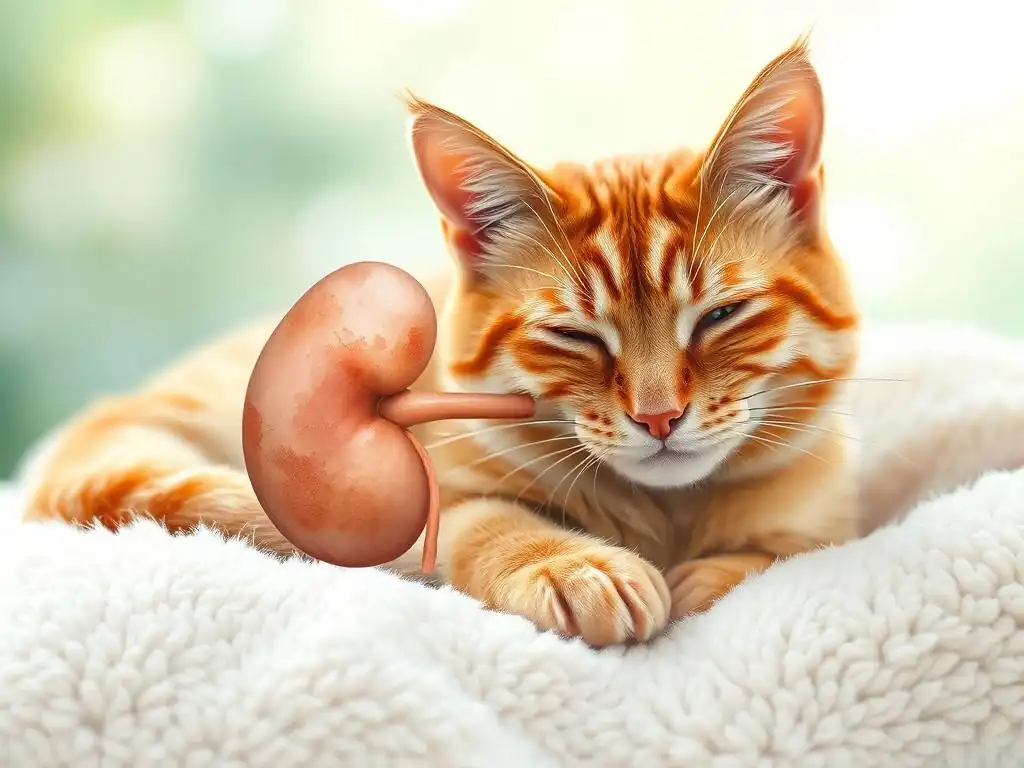
Chronic kidney disease (CKD) in cats often leads to anemia, a condition characterized by a deficiency of red blood cells. Understanding the link between cat kidney disease and anemia is crucial for effective management and improving your feline companion's quality of life. This section focuses on the various treatment approaches available to address anemia in cats with CKD. The goal is to alleviate symptoms, improve overall health, and extend lifespan.
Successful management requires a multifaceted approach tailored to the individual cat's needs and the severity of their condition. Remember, always consult your veterinarian for diagnosis and a personalized treatment plan. They can assess your cat's specific situation and recommend the most appropriate course of action.
Erythropoietin Supplements: Stimulating Red Blood Cell Production
Anemia in CKD cats often stems from a decreased production of erythropoietin (EPO) by the damaged kidneys. EPO is a hormone vital for stimulating red blood cell production in the bone marrow. Supplementation with synthetic EPO is a common treatment strategy to combat this deficiency. Veterinarians typically prescribe subcutaneous injections of recombinant human erythropoietin (rHuEPO). The frequency and dosage are carefully adjusted based on the cat's response and blood test results, which are monitored regularly to assess the effectiveness of the treatment.
The benefits of EPO supplementation include increased red blood cell counts, leading to improved oxygen-carrying capacity and a reduction in anemia-related symptoms like lethargy and weakness. However, it's important to note that EPO therapy isn't a cure for CKD; it addresses a symptom of the disease. Moreover, some cats may experience side effects, such as hypertension (high blood pressure), which needs careful monitoring.
Careful consideration of the potential risks and benefits is essential before initiating EPO therapy. Veterinary supervision is paramount throughout the treatment process to ensure optimal results and minimize potential adverse effects. Regular blood pressure checks are vital to manage any potential hypertension.
Iron Supplementation: Addressing Iron Deficiency
While EPO stimulates red blood cell production, iron is a crucial component of hemoglobin, the protein responsible for carrying oxygen in red blood cells. Cats with CKD can develop iron deficiency due to impaired iron absorption or chronic blood loss. Iron deficiency can exacerbate anemia, even with EPO therapy. Therefore, iron supplementation may be necessary in some cases to ensure adequate iron stores for optimal red blood cell production.
Iron supplements are usually administered orally or intravenously, depending on the cat's individual needs and the severity of the deficiency. The dosage is determined by blood tests that measure iron levels. Regular monitoring of iron levels is essential to prevent iron overload, which can be toxic. The veterinarian will carefully adjust the dosage to maintain optimal iron levels without exceeding safe limits. Oral iron supplements can sometimes cause gastrointestinal upset, so careful observation is crucial. The choice between oral and intravenous administration depends on factors like the cat's tolerance and the severity of the iron deficiency.
Blood Transfusions: When Necessary
In cases of severe, life-threatening anemia, a blood transfusion may be necessary. This is typically considered a last resort when other treatments have proven ineffective or when the anemia is causing significant clinical signs. Blood transfusions provide an immediate increase in red blood cells, improving oxygen delivery and alleviating symptoms.
Blood transfusions require careful matching of blood types to prevent adverse reactions. The procedure is usually performed under veterinary supervision, and the cat is closely monitored for any complications. While blood transfusions can be life-saving in critical situations, they are not a long-term solution for CKD-related anemia. They address the immediate crisis but don't treat the underlying cause. Post-transfusion monitoring is vital to ensure proper recovery and to manage any potential complications. The long-term management of CKD and its associated anemia remains crucial even after a blood transfusion.
Dietary Management for Anemia and CKD
Anemia in cats with Chronic Kidney Disease (CKD) necessitates a multifaceted approach to treatment, and dietary management plays a crucial role. The goal is to provide a diet that supports kidney function while simultaneously addressing the nutritional deficiencies contributing to anemia. This often involves a careful balance of protein, phosphorus, and other essential nutrients. Simply put, a poorly managed diet can worsen both the anemia and the underlying CKD, leading to a faster decline in the cat's health.
The ideal diet for a cat with CKD and anemia needs to be precisely formulated to minimize the strain on the kidneys while maximizing the absorption of essential nutrients. This means carefully controlling phosphorus levels, which are often elevated in CKD and can further exacerbate kidney damage. High phosphorus levels can also lead to worsening anemia by interfering with red blood cell production. Therefore, a low-phosphorus diet is paramount.
Many commercially available prescription diets for CKD cats are designed to address these concerns. These diets typically contain reduced phosphorus levels, along with modified protein sources to reduce the workload on the kidneys. The protein content itself is a balancing act.
While sufficient protein is necessary for overall health and red blood cell production, excessive protein can overwork the kidneys. Thus, the diet needs to find the sweet spot: providing enough protein for essential functions without overwhelming the compromised renal system. Veterinary professionals can assist in selecting the most appropriate diet based on the cat's individual needs and stage of CKD.
Beyond phosphorus and protein, other dietary considerations include potassium and sodium levels. These electrolytes need to be monitored carefully, as imbalances can negatively impact kidney function and overall health. Furthermore, the diet should be highly palatable to ensure the cat consumes sufficient nutrients. A cat suffering from CKD and anemia may experience decreased appetite, so a tasty and appealing diet is crucial for maintaining adequate nutrition. In some cases, appetite stimulants may be necessary in conjunction with dietary changes.
Finally, it's crucial to remember that dietary management is not a standalone treatment. It should be part of a comprehensive approach that includes regular veterinary check-ups, monitoring of blood work, and potentially other supportive therapies, such as erythropoietin injections to stimulate red blood cell production. The veterinary team will work closely with the owner to create a tailored treatment plan that addresses the unique needs of the cat.
Consistent monitoring and adjustments to the diet, based on the cat's response and bloodwork, are vital for optimal outcomes. Ignoring dietary management can significantly impact the cat’s quality of life and longevity.
Improving Quality of Life for Cats with Anemia and CKD

This section focuses on practical strategies to enhance the well-being of cats suffering from the intertwined conditions of Chronic Kidney Disease (CKD) and anemia. The connection between feline CKD and anemia is significant, as kidney failure often leads to reduced erythropoietin production, a hormone vital for red blood cell formation. This results in anemia, further weakening the already compromised cat. Successfully managing these conditions requires a multi-pronged approach encompassing nutritional adjustments, diligent hydration management, and consistent veterinary monitoring. Addressing these aspects can significantly improve your cat's quality of life and extend its lifespan.
Nutritional Support: Specific Diet Recommendations
Anemia in cats with CKD necessitates a carefully tailored diet. The goal is to provide adequate protein while minimizing the strain on already compromised kidneys. Commercial prescription diets formulated for renal support are crucial. These diets typically feature:
- Reduced phosphorus: High phosphorus levels exacerbate kidney damage. These diets carefully control phosphorus content to protect kidney function.
- Controlled protein: While protein is essential, excessive protein can overload the kidneys. These diets use high-quality, easily digestible proteins in moderate amounts.
- Enhanced omega-3 fatty acids: These fatty acids possess anti-inflammatory properties that may help mitigate kidney inflammation and support overall health.
- Added antioxidants: Antioxidants help combat oxidative stress, a factor contributing to kidney damage and anemia.
It's vital to consult your veterinarian to determine the most appropriate prescription diet for your cat's specific needs and stage of CKD. Avoid feeding homemade diets unless specifically formulated by a veterinary nutritionist, as improper balance can worsen the condition. Regular blood work will track the effectiveness of the dietary intervention and allow for timely adjustments. Monitoring your cat's weight and appetite is also crucial; any significant changes should be reported to your veterinarian immediately. The successful management of a cat with CKD and anemia is often directly correlated with adherence to a prescribed renal diet.
Hydration Management: Maintaining Fluid Balance
Maintaining adequate hydration is paramount in managing CKD and its associated anemia. Dehydration worsens kidney function and intensifies anemia symptoms. Cats with CKD often have decreased thirst, making proactive hydration strategies essential. Techniques to promote fluid intake include:
- Providing fresh water at all times: Ensure multiple water bowls are available in different locations, using different bowl types to find what your cat prefers.
- Adding water to wet food: Mixing wet food with extra water can increase overall fluid intake.
- Subcutaneous fluids: In advanced stages of CKD, your veterinarian may recommend subcutaneous fluid administration at home. This involves injecting fluids under the skin, providing a slow, steady hydration boost.
- Water fountains: Some cats are more attracted to flowing water. A cat water fountain might encourage increased water consumption.
Monitoring your cat's urine output is vital. Decreased urination could indicate dehydration, requiring immediate veterinary attention. The color of your cat's urine is also a good indicator – dark yellow urine suggests dehydration, while pale yellow urine indicates good hydration. Regularly checking your cat's hydration status contributes significantly to managing its overall health and mitigating the effects of anemia associated with CKD.
Monitoring and Regular Veterinary Checkups
Regular veterinary checkups are indispensable for managing both CKD and anemia in cats. These visits allow for:
- Blood work: Regular blood tests monitor kidney function, anemia severity (hematocrit and hemoglobin levels), and electrolyte balance. This data guides adjustments to treatment plans, including dietary changes and medication.
- Urinalysis: Analyzing urine helps assess kidney function and detect potential infections or other complications.
- Physical examination: A thorough physical exam assesses your cat's overall health, identifying any new symptoms or changes in condition.
- Treatment adjustments: Based on monitoring results, your veterinarian can adjust medication, dietary recommendations, or fluid therapy as needed.
The frequency of veterinary visits will depend on the severity of your cat's condition. Early detection and proactive management are key to slowing disease progression and improving your cat's quality of life. Don't hesitate to contact your veterinarian if you notice any changes in your cat's appetite, energy levels, or urination habits. Consistent monitoring and prompt veterinary intervention are crucial for optimal management of cat kidney disease and its link to anemia. Remember, proactive care is vital in this situation.
Supportive Care and Symptom Management
Managing the symptoms associated with anemia and Chronic Kidney Disease (CKD) in cats is crucial for improving their quality of life. This involves a multifaceted approach focusing on both alleviating discomfort and supporting the cat's overall well-being. Anemia, a common complication of CKD, leads to fatigue, weakness, and reduced appetite. These symptoms, coupled with those of CKD itself (such as increased thirst and urination, vomiting, and weight loss), can significantly impact a cat's daily life. Therefore, supportive care aims to mitigate these effects and enhance comfort.
One key aspect of supportive care is nutritional management. Cats with CKD and anemia often require a specialized diet formulated to reduce the workload on their kidneys while providing adequate protein and essential nutrients. These diets are typically lower in phosphorus and protein than standard cat food, helping to slow the progression of kidney damage. Furthermore, they often include added antioxidants and other beneficial components to support the immune system and combat oxidative stress, common in CKD.
The veterinarian will recommend the most appropriate diet based on the cat's individual needs and condition. Careful monitoring of food intake and weight is essential to ensure adequate nutrition. Sometimes, appetite stimulants may be necessary to encourage eating, especially if the cat is experiencing nausea or loss of appetite.
Fluid therapy plays a vital role in managing both anemia and CKD. Dehydration is a common problem in cats with CKD, and maintaining adequate hydration helps to flush toxins from the body and improve kidney function. This can be achieved through subcutaneous fluid administration at home, which involves injecting fluids under the skin. The veterinarian will provide instruction on the proper technique and frequency of fluid administration.
Increased water intake through drinking fountains or adding water to food can also be helpful. Regular blood tests will monitor hydration levels and guide fluid therapy adjustments. Monitoring urine output is also important to assess kidney function and hydration status.
Managing other symptoms is also important. If the cat is experiencing nausea or vomiting, antiemetic medications may be prescribed to control these symptoms and improve appetite. Pain management is crucial if the cat is experiencing discomfort. Pain relievers specifically designed for cats with kidney disease will be carefully selected and administered by the veterinarian.
Regular veterinary check-ups are essential to monitor the cat's progress, adjust treatment as needed, and address any emerging health concerns. This proactive approach helps to maintain the cat's comfort and improve their overall quality of life, even while managing the challenges of CKD and anemia. The goal is to keep the cat as comfortable and active as possible for as long as possible. Remember, even with CKD and anemia, cats can still enjoy a good quality of life with proper care and management.
Prognosis and Long-Term Outlook for Cats with Anemia and CKD
The prognosis for cats with anemia secondary to chronic kidney disease (CKD) is unfortunately often guarded, varying significantly depending on several interconnected factors. While some cats may live for several years after diagnosis with appropriate management, others may experience a more rapid decline. The severity of both the anemia and the CKD itself heavily influences the overall outlook.
A cat diagnosed early, with mild anemia and manageable CKD, has a better chance of a longer life than a cat presenting with advanced CKD and severe anemia. This underscores the critical importance of early detection and proactive veterinary care. The "Cat kidney disease anemia link" is a strong one, and understanding this connection is crucial for managing the disease effectively.
Factors Affecting Prognosis
Several factors significantly impact the prognosis of a cat suffering from both CKD and anemia. These include:
- Stage of CKD: The further advanced the CKD, the poorer the prognosis. Cats in earlier stages (stages 1 and 2) generally have a more favorable outlook than those in later stages (stages 3 and 4). This is because the kidneys' ability to filter waste and maintain homeostasis is progressively diminished as the disease progresses.
- Severity of Anemia: The degree of anemia, measured by packed cell volume (PCV) or hemoglobin levels, directly correlates with prognosis. Severe anemia often indicates a more advanced stage of CKD and predicts a shorter lifespan. Cats with mild to moderate anemia tend to have a better chance of longer survival.
- Presence of other health problems: Concurrent illnesses, such as hyperthyroidism, diabetes mellitus, or heart disease, can significantly worsen the prognosis. These conditions add extra stress to the already compromised system and complicate treatment. Managing these comorbidities is vital for improving the overall outcome.
- Response to Treatment: The effectiveness of treatment, including medications to manage anemia (e.g., erythropoietin stimulating agents) and CKD (e.g., phosphate binders, fluid therapy), greatly influences the prognosis. Cats that respond well to treatment generally live longer and have a better quality of life.
- Nutritional Support: Providing a high-quality, renal-specific diet is essential. These diets are formulated to reduce the workload on the kidneys and provide adequate nutrition without exacerbating the disease. Proper nutrition plays a significant role in slowing disease progression and improving the cat's overall health.
Managing Expectations and Providing Compassionate Care
Managing expectations is crucial for both pet owners and veterinarians when dealing with CKD and anemia in cats. While aggressive treatment can improve the quality of life and potentially prolong survival, a realistic assessment of the disease's progression is necessary. Focusing on comfort and quality of life becomes increasingly important as the disease advances. This may involve adjusting treatment goals from extending lifespan to optimizing comfort and minimizing pain.
Providing compassionate care involves:
- Regular veterinary checkups: Frequent monitoring allows for early detection of complications and adjustments to treatment plans as needed. This proactive approach helps maintain the cat's comfort and well-being.
- Pain management: Pain can be a significant issue in advanced CKD. Veterinarians can prescribe appropriate pain medication to ensure the cat's comfort.
- Supportive care: This includes providing a comfortable and supportive environment, ensuring access to fresh water, and offering a diet that the cat finds palatable.
- Emotional support for the owner: Coping with a chronically ill pet is emotionally challenging. Seeking support from veterinary staff, support groups, or other pet owners can be beneficial.
The Importance of Early Detection and Intervention
Early detection of CKD and associated anemia is paramount in improving prognosis and quality of life. Regular veterinary checkups, including blood work, are crucial, especially in older cats. Early diagnosis allows for timely intervention, slowing the progression of the disease and mitigating the severity of anemia. The earlier treatment begins, the better the chances of managing the condition effectively and improving the cat's overall outcome.
Recognizing the subtle signs of CKD, such as increased thirst and urination, weight loss, and lethargy, can be vital in seeking veterinary attention promptly. Early intervention can significantly impact the "Cat kidney disease anemia link," allowing for more effective management of both conditions. Regular monitoring and proactive veterinary care offer the best chance for a better outcome for cats facing this challenging health issue.
Frequently Asked Questions
What is the link between kidney disease and anemia in cats?
Kidney disease in cats often leads to anemia because damaged kidneys fail to produce enough erythropoietin (EPO), a hormone crucial for red blood cell production. This results in a lower-than-normal red blood cell count.
Can all cats with kidney disease develop anemia?
No, not all cats with kidney disease develop anemia. The severity of kidney disease and the individual cat's response to it play a role. Some cats may experience mild anemia, while others remain unaffected.
What are the symptoms of anemia in cats with kidney disease?
Symptoms can include lethargy, pale gums, weakness, and reduced appetite. However, these symptoms are also common in kidney disease itself, making diagnosis challenging. Veterinary examination is crucial.
How is anemia treated in cats with kidney disease?
Treatment focuses on managing the underlying kidney disease and addressing the anemia. This may include supportive care, fluid therapy, and possibly erythropoietin injections or other medications to stimulate red blood cell production.
Is anemia in cats with kidney disease always fatal?
While anemia can worsen the prognosis for cats with kidney disease, it's not always fatal. With appropriate veterinary care and management of the underlying condition, many cats can live comfortably for extended periods, even with anemia.
Final Reflection: Understanding the Silent Struggle of Feline CKD and Anemia
The insidious link between feline chronic kidney disease (CKD) and anemia remains a critical concern for cat owners and veterinarians alike, impacting the well-being of countless felines worldwide. Ignoring this connection can lead to delayed diagnosis and compromised treatment, ultimately affecting the quality and length of a cat's life. The silent suffering of these animals underscores the urgent need for increased awareness and proactive veterinary care.
The profound impact of CKD and its associated anemia extends far beyond the clinical realm; it touches the very heart of the human-animal bond. We, as caregivers, are entrusted with the responsibility of recognizing the subtle signs and seeking appropriate veterinary intervention. The emotional toll of witnessing a beloved companion struggle with this debilitating disease is immense. The bond with a pet is as powerful as any human relationship, and their suffering is our suffering.
This sentiment perfectly encapsulates the emotional weight of this often-overlooked connection.
Now, consider your own feline companion. Have you observed any subtle changes in their energy levels, appetite, or coat condition? Take the time to learn the warning signs of CKD and anemia, and don't hesitate to schedule a veterinary checkup if you have any concerns. Empowering yourself with knowledge is the first step towards ensuring your cat receives the timely care they deserve, allowing you to cherish the precious time you have together. Let's work together to improve the lives of cats suffering from this often-overlooked disease.
Unleash Your Cat's Inner Vitality: Support Their Kidney Health Today!
Thank you for learning about the important link between kidney disease and anemia in cats. We hope this article provided valuable insights into understanding and managing this common feline health problem. Let's now focus on proactive steps to improve your cat's well-being:
- Schedule a wellness checkup with your veterinarian: Early detection is crucial for effectively managing kidney disease and anemia. Discuss your concerns and preventative measures with your vet.
- Explore holistic approaches: Research natural supplements and dietary adjustments that can support kidney function and boost red blood cell production. Many options can complement your veterinarian's recommendations.
- Share this vital information: Help other cat owners protect their beloved pets by sharing this article. Spread awareness about the importance of early detection and proactive care.
Ready to give your cat a healthier future? What steps will you take today to prioritize their kidney health?