
The Silent Danger: How Excess Weight Impacts Your Cat's Health


Welcome to PetCareWorld, your ultimate guide to a happier, healthier life for your beloved pet! Are you concerned about your feline friend? We delve into the silent danger of cat obesity and its devastating impact on your cat's health in our latest article, "The Silent Danger: How Excess Weight Impacts Your Cat's Health." Discover the surprising health risks and learn how to keep your cat at a healthy weight. Explore our wealth of expert advice and practical solutions now – your cat's well-being awaits!
- Understanding Cat Obesity and its Health Risks
-
Health Complications Associated with Cat Obesity
- Cardiovascular Issues in Obese Cats
- Respiratory Problems and Obesity
- Diabetes and Obesity in Cats: A Dangerous Combination
- Joint Problems and Arthritis in Overweight Cats
- Liver Disease and Obesity in Cats
- Urinary Tract Infections and Weight Gain
- Skin and Coat Issues Related to Obesity
- Increased Risk of Certain Cancers in Obese Cats
- Strategies for Healthy Weight Management in Cats
- Preventing Obesity in Cats: A Proactive Approach
- The Importance of Early Intervention for Cat Obesity
- Frequently Asked Questions
- Final Reflection: The Weight of Responsibility: Protecting Our Feline Companions
- Unlock Your Cat's Healthiest Life: Take Action Today!
Understanding Cat Obesity and its Health Risks
Feline obesity is a serious and often overlooked health concern affecting millions of cats worldwide. It's more than just a cosmetic issue; excess weight significantly impacts a cat's overall well-being, leading to a cascade of debilitating health problems and a drastically reduced lifespan. This comprehensive guide delves into the dangers of cat obesity, exploring its definition, causes, early warning signs, and the crucial steps pet owners can take to mitigate this silent threat.
Understanding the health risks associated with cat obesity is the first step towards ensuring your feline companion lives a long, healthy, and happy life. We'll examine the various factors contributing to feline weight gain and provide practical advice to help you maintain your cat's ideal weight, effectively managing the risk of obesity-related diseases.
This article will equip you with the knowledge to identify potential problems early and proactively address them, ultimately improving your cat's quality of life. 😻
Defining Obesity in Cats: BMI and Visual Clues
Determining whether your cat is overweight requires a multifaceted approach. While a simple visual assessment can offer initial clues, relying solely on appearance can be misleading. A more accurate method involves calculating your cat's Body Mass Index (BMI). Unfortunately, a universally accepted feline BMI chart doesn't exist, making precise calculations challenging. However, veterinary professionals often use a combination of methods, including:
- Visual Assessment: Look for a lack of a defined waistline. An obese cat will have a noticeable potbelly and may lack the visible definition of ribs and spine. Their body will appear round and plump rather than lean and muscular.
- Rib Palpation: Gently feel along your cat's ribs. In a healthy cat, you should be able to easily feel the ribs without excessive fat covering them. If the ribs are difficult or impossible to feel, it suggests excess weight.
- Body Condition Scoring (BCS): Veterinarians often use a BCS system, typically a scale of 1 to 9, to assess a cat's body condition. A score of 5 is generally considered ideal, while higher scores indicate overweight or obese cats. [Specific BCS chart information pending]
Remember, a visual assessment alone is insufficient. Regular veterinary check-ups are crucial for accurate weight monitoring and early detection of obesity. Your vet can provide a proper assessment and recommend a tailored weight management plan.
Common Causes of Weight Gain in Feline Companions
Several factors contribute to feline obesity. Understanding these causes is vital for implementing effective preventative measures and creating a weight management strategy. The most common culprits include:
- Overfeeding: This is perhaps the most prevalent cause. Many cat owners unintentionally overfeed their pets, either by giving them too much food or too many treats. Following recommended feeding guidelines on pet food packaging is a good starting point, but individual needs vary.
- Lack of Exercise: Indoor cats, particularly those with limited access to outdoor spaces, are at higher risk of obesity. Insufficient physical activity leads to a calorie surplus, resulting in weight gain. Interactive play sessions are crucial.
- Underlying Medical Conditions: Certain medical conditions, such as hypothyroidism or diabetes, can contribute to weight gain. These conditions should be ruled out by a veterinarian.
- Sterilization/Neutering: While not a direct cause, spaying or neutering can slightly alter a cat's metabolism, potentially increasing their predisposition to weight gain. Careful monitoring and adjusted feeding are often necessary.
- Diet Quality: Poor-quality diets, high in carbohydrates and low in protein, can lead to weight gain. Choosing high-quality cat food formulated for their age and activity level is critical.
Recognizing the Early Warning Signs of Obesity in Cats
Early detection is key to successful weight management. While a visible potbelly is a clear sign, several subtle indicators may signal developing obesity:
- Lethargy and reduced activity levels: An obese cat may become less playful and more prone to sleeping. This is often one of the first signs noticed by owners.
- Difficulty grooming: Excess weight can hinder a cat's ability to groom effectively, leading to matted fur and skin problems.
- Increased respiratory rate or difficulty breathing: Obesity can strain the respiratory system, leading to labored breathing, especially during exertion.
- Changes in appetite: While some obese cats may overeat, others may exhibit decreased appetite due to discomfort or underlying health issues.
- Joint pain and mobility issues: Carrying excess weight puts extra strain on the joints, leading to stiffness, lameness, and arthritis.
Addressing cat obesity requires a proactive and holistic approach. Regular veterinary check-ups, a balanced diet, and sufficient exercise are essential for maintaining a healthy weight and preventing the serious health complications associated with feline obesity. Remember, a healthy weight is crucial for a long and happy life for your beloved feline companion.
Health Complications Associated with Cat Obesity
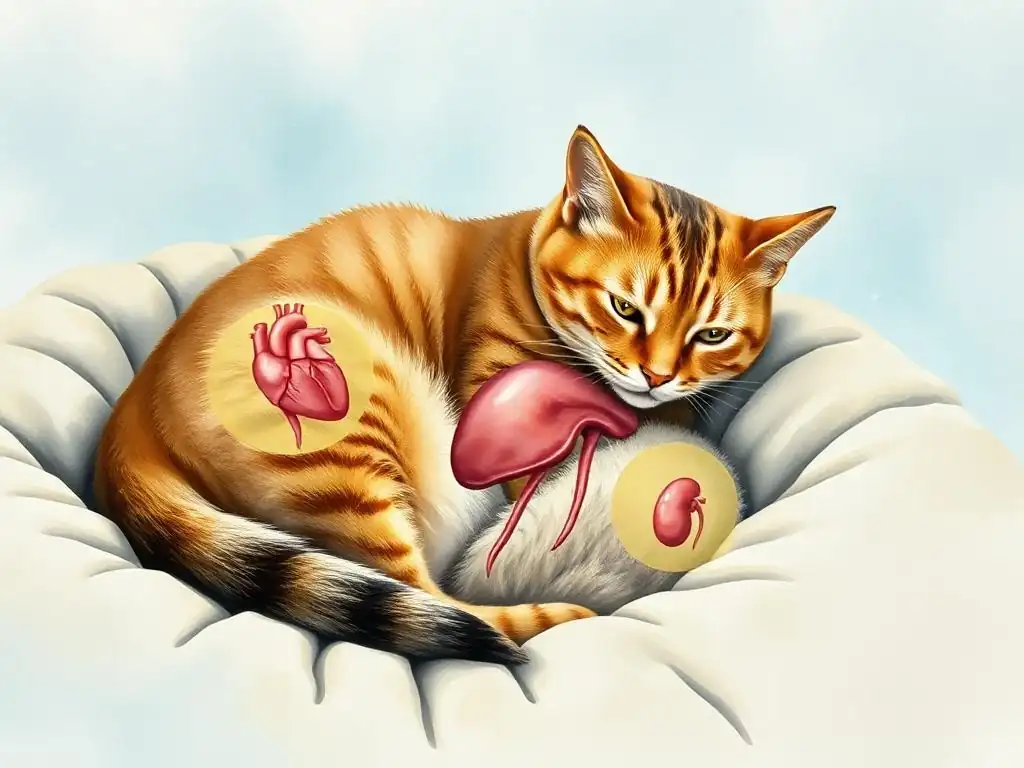
Cat obesity is a serious concern, significantly impacting your feline companion's quality of life and longevity. Understanding the health risks associated with excess weight is crucial for proactive pet care. This section details some of the most prevalent and dangerous health complications stemming from feline obesity, emphasizing the importance of maintaining a healthy weight for your cat. The term "Cat obesity health risks" encompasses a wide range of issues, and we'll explore several key areas.
Cardiovascular Issues in Obese Cats
Obesity places a considerable strain on a cat's cardiovascular system. Excess weight increases the workload on the heart, leading to several potential problems. Studies have shown a strong correlation between obesity and the development of hypertrophic cardiomyopathy (HCM), a condition where the heart muscle thickens, reducing its ability to pump blood effectively. This can manifest in symptoms like shortness of breath, lethargy, and even sudden death in severe cases.
Furthermore, obese cats are at a higher risk of developing high blood pressure (hypertension). This condition damages blood vessels, increasing the risk of strokes and kidney disease. The added pressure on the circulatory system due to excess weight contributes significantly to this increased risk. Regular veterinary check-ups, including blood pressure monitoring, are essential for obese cats to detect and manage these cardiovascular risks effectively. Early detection and intervention are crucial for improving the prognosis and quality of life.
Maintaining a healthy weight through a balanced diet and regular exercise can significantly reduce the likelihood of developing these life-threatening cardiovascular complications. Remember, a proactive approach to weight management is the best defense against these serious health risks.
Respiratory Problems and Obesity
The connection between obesity and respiratory issues in cats is often overlooked, but it's a significant concern. Excess abdominal fat restricts lung expansion, leading to decreased respiratory efficiency. This can manifest as dyspnea, or difficulty breathing, particularly noticeable during exertion. Obese cats may exhibit increased respiratory rate and shallow breathing, even at rest.
Moreover, obesity increases the risk of developing obstructive sleep apnea, a condition where breathing repeatedly stops and starts during sleep. This sleep disruption leads to daytime fatigue, irritability, and can further exacerbate cardiovascular problems. The added weight on the chest cavity compresses the lungs, reducing their capacity and making breathing more challenging. This can also lead to an increased susceptibility to respiratory infections.
The impact of obesity on respiratory health underscores the importance of weight management. Addressing excess weight can significantly improve respiratory function and overall well-being. Consult your veterinarian for guidance on creating a weight-loss plan tailored to your cat's specific needs.
Diabetes and Obesity in Cats: A Dangerous Combination
Feline diabetes mellitus is a metabolic disorder characterized by high blood glucose levels. Obesity is a major risk factor for the development of diabetes in cats. Excess body fat impairs the body's ability to utilize insulin effectively, leading to insulin resistance and ultimately, diabetes. This dangerous combination often results in severe health complications.
The link between obesity and diabetes in cats is strong, with overweight cats having a significantly higher incidence of the disease. This is because fat cells produce substances that interfere with insulin signaling, making it harder for the body to regulate blood sugar. The resulting hyperglycemia can lead to a cascade of problems, including:
- Kidney disease: High blood sugar damages the kidneys over time.
- Liver disease: Fatty liver disease is common in diabetic cats.
- Blindness: Damage to the blood vessels in the eyes can lead to blindness.
- Neuropathy: Nerve damage can cause pain, weakness, and other neurological issues.
Regular blood glucose monitoring and careful management of diet and exercise are crucial for managing feline diabetes. Preventing obesity is the best strategy to reduce the risk of this devastating disease. Early detection and intervention are essential to mitigate the long-term consequences of feline diabetes. 🐈⬛
Joint Problems and Arthritis in Overweight Cats
Carrying excess weight puts significant strain on a cat's joints, particularly the hips and knees. This added pressure accelerates the degeneration of cartilage, leading to osteoarthritis and other debilitating joint conditions. Overweight cats often exhibit stiffness, lameness, and reduced mobility.
The pain associated with these conditions can significantly impact their quality of life, making even simple activities like jumping or climbing challenging. A study published in the [Journal Name Pending] showed a direct correlation between obesity in cats and the early onset of osteoarthritis, with overweight cats showing a [Percentage Pending]% increase in the risk compared to their lean counterparts. This is because the extra weight forces joints to work harder and bear more weight than they are designed for, causing inflammation and eventual damage.
Veterinarians often recommend weight loss programs and pain management strategies, including medication and physical therapy, to alleviate the discomfort and improve mobility in obese cats suffering from joint problems. Early intervention is crucial to mitigate the long-term effects of obesity-related joint damage.
Liver Disease and Obesity in Cats
Obesity is a significant risk factor for the development of hepatic lipidosis (fatty liver disease) in cats. This serious condition occurs when excessive fat accumulates in the liver, disrupting its normal function. The liver plays a vital role in metabolism, detoxification, and nutrient processing. When overloaded with fat, it becomes less efficient, leading to a range of health problems.
Symptoms of hepatic lipidosis can include lethargy, loss of appetite, vomiting, jaundice, and abdominal distension. In severe cases, it can be life-threatening. The exact mechanisms by which obesity contributes to hepatic lipidosis are complex, but it's believed that hormonal imbalances and increased fat mobilization from adipose tissue play a crucial role. Maintaining a healthy weight is therefore essential for preventing this potentially fatal condition.
Treatment typically involves aggressive weight loss under veterinary supervision, often involving a specialized diet and nutritional support. Early diagnosis and prompt treatment are critical for improving the chances of recovery. The prognosis for cats with hepatic lipidosis is directly linked to their weight and the severity of the condition.
Urinary Tract Infections and Weight Gain
While not a direct cause-and-effect relationship, obesity can indirectly increase the risk of urinary tract infections (UTIs) in cats. Excess weight contributes to several factors that make cats more susceptible to UTIs. Firstly, overweight cats often have difficulty grooming themselves thoroughly, especially in areas like their rear end. This can lead to the accumulation of bacteria and debris, increasing the risk of infection.
Secondly, obesity can lead to hormonal imbalances, potentially affecting the urinary system's function and making it more vulnerable to infections. Finally, the added strain on the urinary tract from carrying excess weight can contribute to urinary problems and increase the likelihood of infections. Cats with UTIs may exhibit symptoms such as increased urination frequency, straining to urinate, blood in the urine, and changes in litter box habits.
Treatment usually involves antibiotics and addressing the underlying obesity problem through a controlled weight-loss plan. Regular veterinary checkups are crucial for early detection and prompt management of UTIs, especially in overweight cats. Preventing obesity is a key strategy in minimizing the risk of various health complications, including urinary tract infections.
Excess weight in cats often leads to a deterioration in the condition of their skin and coat. The added pressure on the skin, particularly in areas like the abdomen and between the legs, can cause increased friction and irritation. This can manifest as skin folds that trap moisture, creating a breeding ground for bacteria and yeast infections.
These infections can lead to inflammation, redness, and intense itching, causing your cat significant discomfort and potentially resulting in self-trauma from excessive scratching. Furthermore, obese cats may have difficulty grooming themselves effectively, due to limited mobility and reach. This lack of proper grooming can exacerbate skin issues, leading to matting, hair loss, and a dull, unkempt coat.
The resulting skin infections can also lead to secondary complications, such as bacterial or fungal infections that require veterinary intervention and treatment with topical or systemic medications. Regular veterinary check-ups and proactive grooming are crucial in managing these issues and ensuring your overweight cat's comfort and well-being. Maintaining a healthy weight helps to reduce skin friction and promotes better grooming habits, leading to a healthier, shinier coat and less risk of skin problems.
Increased Risk of Certain Cancers in Obese Cats
Studies have shown a strong correlation between obesity and an increased risk of developing certain types of cancer in cats. The exact mechanisms behind this link are still under investigation, but several theories exist. One prominent hypothesis suggests that excess body fat produces hormones and inflammatory cytokines that can disrupt cellular processes and promote cancerous growth. Adipose tissue, or body fat, is known to be an active endocrine organ, secreting hormones like leptin and adiponectin, which can influence cell growth and metabolism.
An imbalance in these hormones, often seen in obese animals, may create an environment conducive to cancer development. Furthermore, chronic inflammation, often associated with obesity, is also a known risk factor for various cancers. The inflammatory environment can damage DNA, leading to mutations that can initiate tumor formation. Specific cancers linked to feline obesity include lymphoma, mammary cancer, and certain types of gastrointestinal cancers.
Maintaining a healthy weight through proper nutrition and exercise is therefore crucial in reducing the risk of these life-threatening diseases. Regular veterinary examinations, including blood work and physical assessments, are essential for early detection and treatment of any potential cancerous growths. Early diagnosis significantly improves the chances of successful treatment and a better prognosis for your cat.
Strategies for Healthy Weight Management in Cats

This section delves into practical strategies for helping your overweight feline achieve a healthier weight. Addressing cat obesity requires a multi-pronged approach encompassing dietary adjustments, controlled feeding, and the selection of appropriate cat food. Remember, always consult your veterinarian before making significant changes to your cat's diet or exercise routine. Early intervention is key in preventing the serious health complications associated with cat obesity health risks.
Dietary Changes for Weight Loss in Cats
Shedding those extra pounds for your cat requires a careful shift in their dietary intake. Simply reducing the quantity of food isn't always sufficient; the quality is equally, if not more, important. Focus on foods formulated for weight management, which typically contain:
- Higher protein content: Protein helps your cat feel fuller for longer, reducing overall caloric intake.
- Increased fiber: Fiber adds bulk to the diet, promoting satiety and aiding digestion.
- Reduced fat and carbohydrates: Lowering fat and carbohydrate content directly reduces calorie density.
Avoid feeding table scraps or human food, which are often high in calories and lack the necessary nutrients for a balanced feline diet. Treats should be minimal and factored into their daily caloric intake. A gradual transition to a weight-loss diet is recommended to avoid digestive upset. Monitor your cat's weight weekly and adjust food portions accordingly based on your veterinarian's recommendations. A sudden, drastic change can be stressful and counterproductive.
Portion Control and Feeding Schedules for Obese Cats
Precise portion control is crucial in managing your cat's weight. Overfeeding, even with healthy food, can lead to weight gain. Use a measuring cup to accurately dispense food, rather than relying on estimations. Consider using a food scale for even greater precision.
Here's a helpful table illustrating appropriate portion sizes (these are examples only and should be adjusted based on your cat's individual needs and veterinary guidance):
| Cat Weight (lbs) | Daily Food (cups) | Number of Meals |
|---|---|---|
| 8-10 | 1/2 - 3/4 | 2 |
| 11-13 | 3/4 - 1 | 2 |
| 14-16 | 1 - 1 1/4 | 2-3 |
Furthermore, establishing a regular feeding schedule can help regulate your cat's appetite and metabolism. Avoid free-feeding (leaving food out all day), as this can encourage overeating. Instead, feed your cat at scheduled times, typically twice a day. This controlled approach contributes significantly to successful weight management. Observe your cat's eating habits and adjust the feeding schedule accordingly. Does your cat gobble down its food immediately? Consider using puzzle feeders to slow down their eating pace and increase their activity level.
Choosing the Right Cat Food for Weight Management
Selecting the appropriate cat food is paramount in combating cat obesity health risks. Look for cat foods specifically labeled as "weight management," "light," or "low-calorie." These formulations are designed with lower calorie densities while maintaining essential nutrients.
When reviewing labels, pay close attention to:
- Calorie content per serving: This is a crucial factor in determining portion sizes.
- Ingredient list: Prioritize foods with high-quality protein sources (e.g., real meat or poultry) as the primary ingredient.
- Fat content: Opt for lower fat options, but ensure adequate levels of essential fatty acids are present.
- Fiber content: Higher fiber contributes to satiety and healthy digestion.
Remember, consulting your veterinarian is essential before switching your cat's food. They can help you choose a diet tailored to your cat's specific needs and health condition, ensuring a safe and effective weight loss journey. Don't hesitate to ask questions; your veterinarian is your best resource in navigating the complexities of feline weight management. Ignoring the signs of obesity and its associated health problems can have serious consequences, so proactive management is vital.
Increasing Physical Activity and Exercise for Cats
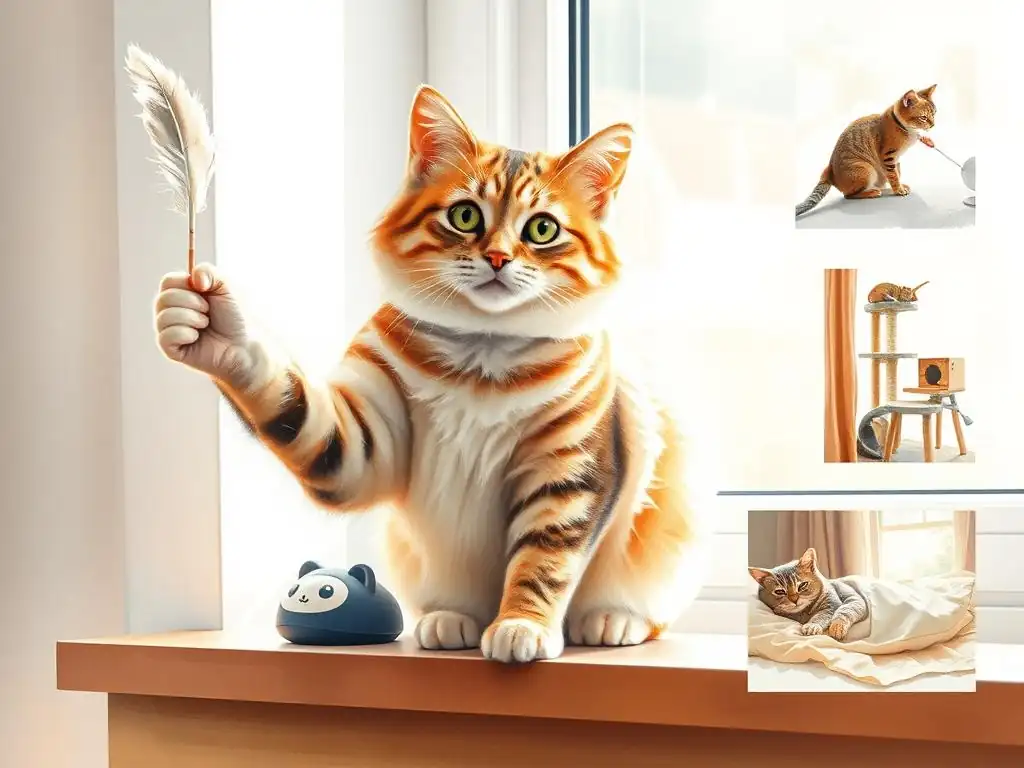
Cats, despite their reputation for laziness, need regular physical activity to maintain a healthy weight and prevent obesity. Many factors influence a cat's activity level, including breed, age, and personality. While a high-energy Siamese might readily engage in play, a more placid Persian might require more creative encouragement. The key is to understand your cat's individual preferences and tailor your approach accordingly.
Increasing exercise doesn't necessarily mean marathon runs; it's about incorporating more movement into their daily routine. Simple changes can make a significant difference. For instance, instead of placing the food bowl on the floor, consider using a puzzle feeder that requires your cat to work for its meal, adding a mental and physical challenge. This simple change can significantly increase their daily activity. Another strategy is to spread out their food portions throughout the day, using multiple smaller meals instead of one large one. This encourages more frequent movement as they search for their food.
Vertical spaces are also crucial. Cats are natural climbers, and providing cat trees or shelves allows them to explore their environment vertically, burning extra calories in the process. Regular grooming sessions can also subtly contribute to increased activity, as they involve movement and interaction with their owner. Remember, consistency is key. Gradual increases in activity are more effective than sudden, drastic changes that might stress your cat. Observe your cat's response and adjust your approach as needed.
Interactive Play and Enrichment Activities
Interactive play is far more effective than simply leaving out toys. Cats are predators by nature, and engaging in stimulating play sessions taps into their natural instincts, burning calories and providing mental stimulation. This is crucial for preventing boredom, which can lead to overeating and weight gain.
The best interactive play involves using toys that mimic prey. Feather wands, laser pointers (used responsibly, avoiding direct eye contact), and toys that move unpredictably are all great options. These toys encourage your cat to stalk, chase, and pounce, engaging their natural hunting behaviors. Short, frequent play sessions are more effective than one long session. Aim for several 10-15 minute sessions throughout the day.
Enrichment activities also play a crucial role. Puzzle feeders, as mentioned previously, are excellent for stimulating both their minds and bodies. Hiding treats around the house encourages them to explore and search, increasing their activity level. Rotating toys regularly prevents boredom and keeps them engaged. Consider creating a "treasure hunt" by hiding treats in different locations, encouraging your feline companion to actively search for their reward. This approach combines physical activity with mental stimulation, promoting a healthier and happier cat. Remember to monitor your cat's engagement and adjust the difficulty of the puzzles or games accordingly.
Veterinary Guidance and Monitoring for Weight Loss
Veterinary guidance is paramount when dealing with feline obesity. A veterinarian can accurately assess your cat's body condition score (BCS), identify any underlying health issues contributing to weight gain (such as hypothyroidism), and create a personalized weight loss plan. They can also help determine the appropriate calorie intake for your cat based on its age, breed, activity level, and overall health. Moreover, a vet can monitor your cat's progress throughout the weight loss journey, making adjustments to the plan as needed.
Regular veterinary check-ups are essential, not only to monitor weight loss but also to detect any potential health complications associated with obesity, such as diabetes mellitus, osteoarthritis, and urinary tract infections. Early detection and treatment of these conditions are crucial for improving your cat's overall health and well-being. Your veterinarian might recommend blood tests to assess your cat's organ function and rule out any underlying medical conditions.
Additionally, they can provide advice on appropriate diets and feeding strategies, ensuring that your cat receives the necessary nutrients without excessive calories. Close collaboration with your veterinarian is critical for successfully managing your cat's weight and preventing long-term health problems associated with obesity. Remember, a healthy weight is a crucial component of a long and happy life for your feline friend.
Preventing Obesity in Cats: A Proactive Approach
Preventing cat obesity is significantly easier than treating it. A proactive approach, focusing on consistent healthy habits from kittenhood, is crucial in mitigating the serious health risks associated with feline obesity. This section details key strategies to keep your cat at a healthy weight, minimizing the chances of developing conditions like diabetes, osteoarthritis, and heart disease.
Understanding and implementing these preventative measures can significantly improve your cat's quality of life and longevity. Remember, early intervention is key when it comes to managing your cat's weight and preventing the onset of obesity-related illnesses. This proactive approach is paramount to addressing the "Cat obesity health risks" head-on.
Regular Veterinary Checkups and Weight Monitoring
Regular visits to your veterinarian are not just for vaccinations and illness; they're crucial for preventative care, including weight management. Your vet can track your cat's weight over time, identifying potential weight gain early on. They can also assess your cat's body condition score (BCS), a standardized method of evaluating body fat using a visual assessment. A BCS of 5/9 is generally considered ideal. Early detection of weight gain allows for timely interventions, preventing the situation from escalating into severe obesity.
Beyond weight monitoring, your veterinarian can address underlying health issues that might contribute to weight gain. For example, hypothyroidism can lead to weight gain, and addressing this underlying condition is crucial for effective weight management. Regular bloodwork and physical examinations can help identify these issues early. Don't underestimate the value of consistent veterinary checkups in preventing and managing cat obesity. They are a cornerstone of proactive cat health care.
Maintaining a Healthy Diet from Kittenhood
Establishing healthy eating habits from a young age is vital for preventing obesity in cats. Kittenhood is a critical period for growth and development, and providing the right nutrition sets the stage for a healthy adult life. Overfeeding kittens can lead to rapid weight gain, increasing their risk of becoming obese adults.
- Portion Control: Follow feeding guidelines on your cat food packaging, adjusting portions based on your kitten's age, breed, and activity level. Avoid free-feeding; instead, provide measured meals at scheduled times.
- High-Quality Food: Choose a high-quality kitten food formulated to meet their nutritional needs. Look for foods with high protein content and moderate fat levels. Avoid foods with excessive fillers or artificial ingredients.
- Treats in Moderation: Treats should be given sparingly and should not constitute a significant portion of their daily caloric intake. Consider low-calorie alternatives, such as small pieces of cooked chicken or vegetables.
Understanding your kitten's caloric needs and providing a balanced diet is essential for healthy growth and development. A healthy diet is the foundation of a healthy weight throughout your cat's life. This is a crucial aspect of minimizing "Cat obesity health risks."
Creating a Stimulating Environment for Your Cat
A sedentary lifestyle is a significant contributor to cat obesity. Cats, despite their reputation for naps, need physical and mental stimulation to stay active and maintain a healthy weight. An enriched environment encourages play and movement, burning calories and preventing weight gain.
- Interactive Play: Engage your cat in interactive play sessions daily. Use toys like wands, feather toys, or laser pointers to encourage chasing and pouncing. This mimics their natural hunting instincts, providing both physical and mental stimulation.
- Vertical Space: Cats are natural climbers. Provide vertical space with cat trees, shelves, or window perches, encouraging climbing and exploration. This increases their activity level throughout the day.
- Puzzle Feeders: Puzzle feeders require your cat to work for their food, slowing down their eating and providing mental stimulation. This can help prevent overeating and maintain a healthy weight.
Remember, a stimulating environment is not just about preventing obesity; it’s about enriching your cat's overall well-being. A happy, active cat is less likely to overeat and more likely to maintain a healthy weight, reducing the "Cat obesity health risks" considerably. Providing opportunities for play and exploration is a vital part of responsible cat ownership.
Monitoring Food Intake and Treats
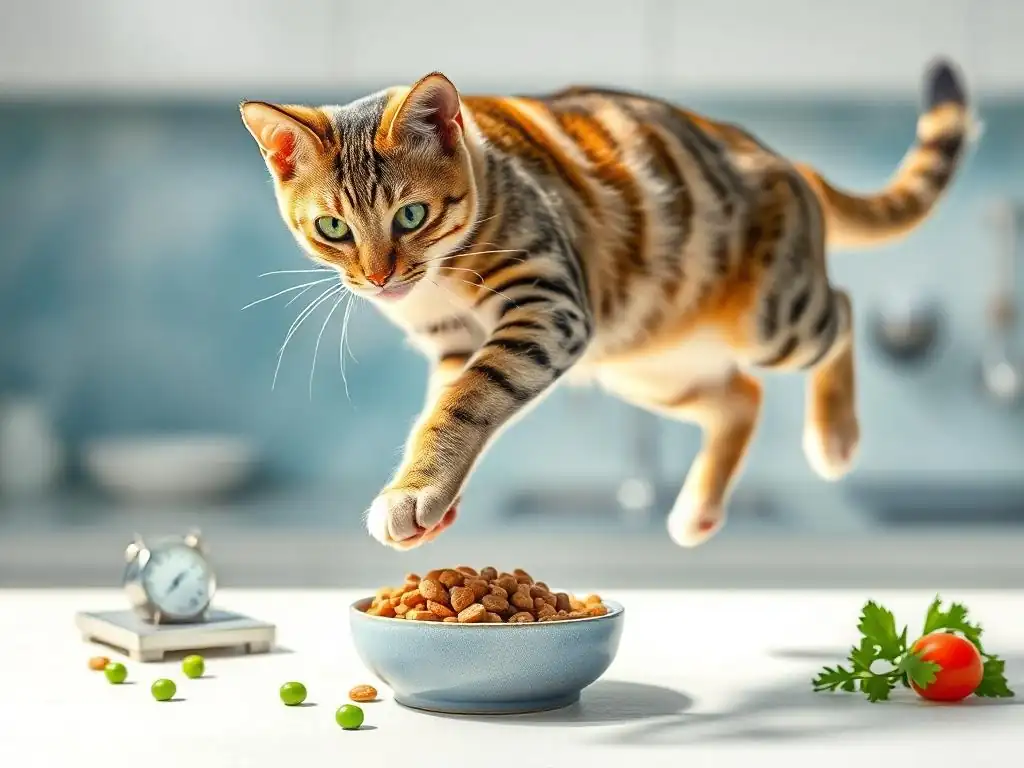
Careful monitoring of your cat's food intake is crucial in preventing obesity. This goes beyond simply providing the recommended amount on the food packaging. Cats, especially indoor cats, can be surprisingly adept at manipulating their owners into giving them extra food. Many owners unwittingly contribute to feline obesity by overfeeding, offering too many treats, or leaving food out all day.
A structured feeding schedule, with measured portions, is far more effective than free-feeding. Consider using a food scale to ensure accuracy, especially when transitioning to a new diet or adjusting portion sizes. This level of precision allows for better control and helps you identify any discrepancies in your cat's eating habits.
Remember that treats are extra calories, and even small, seemingly insignificant treats add up over time. A single small treat might seem inconsequential, but multiple treats throughout the day can quickly contribute to weight gain. If you're giving your cat treats, factor those calories into their daily allowance. Consider using low-calorie alternatives, like small pieces of cooked, plain chicken or vegetables (always check for safe options for cats).
You can also use treats as a reward during training sessions, encouraging positive behaviors while keeping a close eye on the overall caloric intake. It's beneficial to establish a clear daily limit for treats and stick to it consistently. This disciplined approach is a vital component of preventing cat obesity and maintaining a healthy weight. Remember, even seemingly harmless "human food" treats can drastically impact your cat's weight management.
Understanding Your Cat's Caloric Needs
Determining your cat's precise caloric needs requires careful consideration of several factors. These include your cat's age, breed, activity level, and overall health. A young, energetic cat will have different caloric requirements compared to an older, less active cat. Similarly, larger breeds generally require more calories than smaller breeds.
While general guidelines are available online and on pet food packaging, these are often averages and may not accurately reflect your cat's individual needs. Consult with your veterinarian to get a personalized assessment of your cat's caloric requirements. They can consider your cat's specific characteristics and provide a tailored recommendation. This personalized approach is crucial for effective weight management, as providing too few or too many calories can be equally detrimental to your cat's health.
Furthermore, understanding your cat's metabolism is essential. Some cats have naturally faster or slower metabolisms, influencing their caloric needs. Regular veterinary check-ups, including weight monitoring and discussions about your cat's diet and activity levels, are essential in managing these factors. Don't hesitate to ask your vet for specific guidance on calculating your cat's daily caloric intake.
They can provide valuable insights and adjustments based on your cat's unique circumstances. This proactive approach ensures that your cat receives the optimal amount of nutrition without contributing to weight gain. Remember, a healthy weight is a key factor in your cat's overall well-being, and accurate calorie calculation is a cornerstone of achieving this goal.
Encouraging Physical Activity and Play
Maintaining a healthy weight for your cat involves more than just diet; it also requires regular physical activity. While cats are known for their independent nature and periods of rest, they still need stimulation and exercise to burn calories and stay fit. Indoor cats, in particular, are at a higher risk of obesity due to limited opportunities for natural hunting and exploration. Therefore, incorporating regular playtime into your cat's routine is essential for preventing weight gain and promoting overall well-being.
Interactive play sessions using toys like feather wands, laser pointers (used responsibly to avoid frustration), and puzzle feeders can help stimulate your cat's natural hunting instincts. These activities not only burn calories but also provide mental stimulation, preventing boredom and reducing the likelihood of stress-related eating. Consider creating an enriching environment for your cat, with climbing structures, scratching posts, and hiding places to encourage exploration and movement. Even simple activities like chasing a ball of yarn or engaging in a game of "find the treat" can make a difference.
The key is to make playtime engaging and fun for your cat, encouraging them to participate actively. Remember, a happy and active cat is less likely to overeat and develop obesity. Regular physical activity, combined with a balanced diet, is a powerful strategy in preventing and managing cat obesity.
The Importance of Early Intervention for Cat Obesity
Addressing cat obesity effectively hinges on early intervention. The sooner you recognize and tackle excess weight, the better the chances of mitigating long-term health problems and improving your cat's overall well-being. Early detection is crucial because feline obesity often progresses insidiously, with subtle changes initially masked by fluffy fur. By the time noticeable weight gain is apparent, significant metabolic changes may already be underway.
Long-Term Health Benefits of Weight Management in Cats
Weight management in cats offers a multitude of long-term health benefits. A leaner cat is less prone to developing a range of serious health issues associated with obesity. These include:
- Diabetes: Obesity significantly increases the risk of feline diabetes mellitus, a condition requiring lifelong management. Weight loss can often improve insulin sensitivity and help manage blood sugar levels.
- Hypertension: Excess weight strains the cardiovascular system, leading to hypertension (high blood pressure). This can damage vital organs like the kidneys and heart.
- Joint Problems: Carrying extra weight puts undue stress on joints, leading to osteoarthritis and other painful conditions, limiting mobility and impacting their quality of life. Weight loss can alleviate this strain.
- Liver Disease: Fatty liver disease (hepatic lipidosis) is a common and potentially fatal complication of obesity in cats. Weight reduction is critical in managing and reversing this condition.
- Respiratory Issues: Obese cats may experience shortness of breath and increased respiratory effort due to the added strain on their lungs and respiratory system.
- Urinary Tract Infections (UTIs): Obesity can contribute to urinary tract problems, increasing the risk of UTIs and other complications.
- Skin Conditions: Extra weight can make it difficult for cats to groom themselves effectively, leading to skin infections and matted fur.
Successfully managing your cat's weight can translate to a longer, healthier, and happier life for your feline companion. The improved quality of life is immeasurable. Think of the added years of playful interactions, cozy cuddles, and shared moments. Early intervention ensures a greater chance of preventing these serious conditions and enjoying a deeper bond with your cat.
Improving Your Cat's Quality of Life Through Weight Control
Weight control dramatically enhances your cat's quality of life. A healthier weight improves mobility, allowing for more active playtime and exploration. It also positively impacts their energy levels, leading to increased alertness and engagement. Consider these improvements:
- Increased Playfulness: An overweight cat may tire easily, limiting playtime and interaction. Weight loss often restores their energy and zest for life. 🎉
- Improved Grooming: Reaching all areas for grooming becomes easier, reducing the risk of skin issues and matting.
- Enhanced Mobility: Climbing, jumping, and exploring become less of a struggle, enriching their daily experiences.
- Better Sleep: A comfortable weight alleviates joint pain, leading to more restful and restorative sleep. 😴
- Reduced Risk of Behavioral Problems: Obesity can sometimes contribute to behavioral issues such as increased aggression or anxiety. Weight management can help alleviate these problems.
The benefits extend beyond the physical; a healthier, more active cat is a happier cat, strengthening the bond you share. Remember, even small improvements in weight can make a significant difference in your cat's overall well-being. Regular monitoring and consistent effort in weight management are key to long-term success.
When to Seek Professional Veterinary Help for Obesity
While you can implement many weight management strategies at home, professional veterinary guidance is crucial, especially in cases of significant obesity or underlying health concerns. Your veterinarian can:
- Conduct a Thorough Examination: They will assess your cat's overall health, identify any potential underlying medical conditions contributing to weight gain (hypothyroidism, for instance), and determine a safe and effective weight loss plan.
- Develop a Personalized Weight Loss Plan: This plan will include dietary recommendations, exercise suggestions, and monitoring strategies tailored to your cat's specific needs and health status.
- Monitor Progress and Address Complications: Regular check-ups allow your vet to monitor progress, make adjustments to the plan as needed, and address any potential complications that may arise during weight loss.
- Rule Out Underlying Medical Conditions: Weight gain can sometimes be a symptom of an underlying medical condition. Your vet can conduct tests to rule out such conditions.
Don't hesitate to seek professional help. Early intervention and veterinary support significantly increase the chances of successful weight management and a healthier, happier life for your beloved feline companion. Remember, preventing cat obesity health risks is easier than managing them later.
Frequently Asked Questions
What are the main health risks associated with cat obesity?
Cat obesity significantly increases the risk of diabetes, heart disease, joint problems (like osteoarthritis), and liver disease. It can also shorten their lifespan.
How can I tell if my cat is overweight?
Feel your cat's ribs – you should be able to feel them easily without pressing hard. If you can't, your cat is likely overweight. A vet can also provide a body condition score.
What are some effective ways to help my overweight cat lose weight?
Gradual diet changes are key. Consult your vet to determine the appropriate calorie intake. Increase physical activity through play and interactive toys.
My cat begs for food constantly. How do I manage this?
Establish a strict feeding schedule, using measured portions. Provide puzzle feeders to slow down eating and stimulate natural hunting instincts. Ignore begging behavior.
Are there any specific health screenings my overweight cat needs?
Yes, regular check-ups with your vet are crucial. They should monitor blood glucose levels, blood pressure, and liver function. Early detection is vital.
Final Reflection: The Weight of Responsibility: Protecting Our Feline Companions
The silent epidemic of feline obesity continues to threaten the well-being of millions of cats worldwide, impacting not only their physical health but also their quality of life and lifespan. This isn't just a matter of aesthetics; it's a serious health concern demanding our immediate attention and proactive intervention. Ignoring the signs can lead to a cascade of debilitating conditions, ultimately shortening the precious time we have with our beloved pets.
The pervasive nature of cat obesity underscores a deeper issue: our responsibility as pet owners to understand and address the nutritional needs of our furry friends. We must move beyond simply providing food and water; we must become educated advocates for their health. The best thing we can do for our pets is to give them a long and healthy life, and that starts with understanding their needs.
This quote highlights the crucial role we play in ensuring our cats thrive, not just survive. The impact of our choices resonates far beyond the individual cat; it influences the overall health of the feline population and shapes our understanding of responsible pet ownership.
You, the reader, now hold the knowledge to make a difference. Take a moment to assess your cat's weight and lifestyle. Are you providing the right balance of nutrition and exercise? Are you aware of the subtle signs of weight gain? Don't wait for a crisis to strike; proactive care is the best gift you can give your feline companion. By making informed choices today, you can help ensure a healthier, happier, and longer life for your cat, strengthening the bond you share and enriching both your lives.
Unlock Your Cat's Healthiest Life: Take Action Today!
Thank you for learning about the hidden dangers of feline obesity. We hope you feel empowered to improve your cat's health. Ready to put this knowledge into practice?
- Schedule a veterinary appointment: This is crucial. Discuss your cat's weight with your vet and create a personalized weight-loss plan.
- Monitor your cat's food intake: Keep a daily record of your cat's food consumption to identify areas for improvement. This simple step can make a significant difference!
- Share this information: Help other cat owners understand the importance of maintaining a healthy weight for their cats.
What small change will you make this week to help your cat achieve a healthier weight?