Top Cat Litters for Senior Cats: Comfort and Accessibility for Aging Felines
😊 Aging gracefully? Find the best litter for senior cat comfort at PetCareWorld! We review top brands ensuring easy access and maximum…
Read article
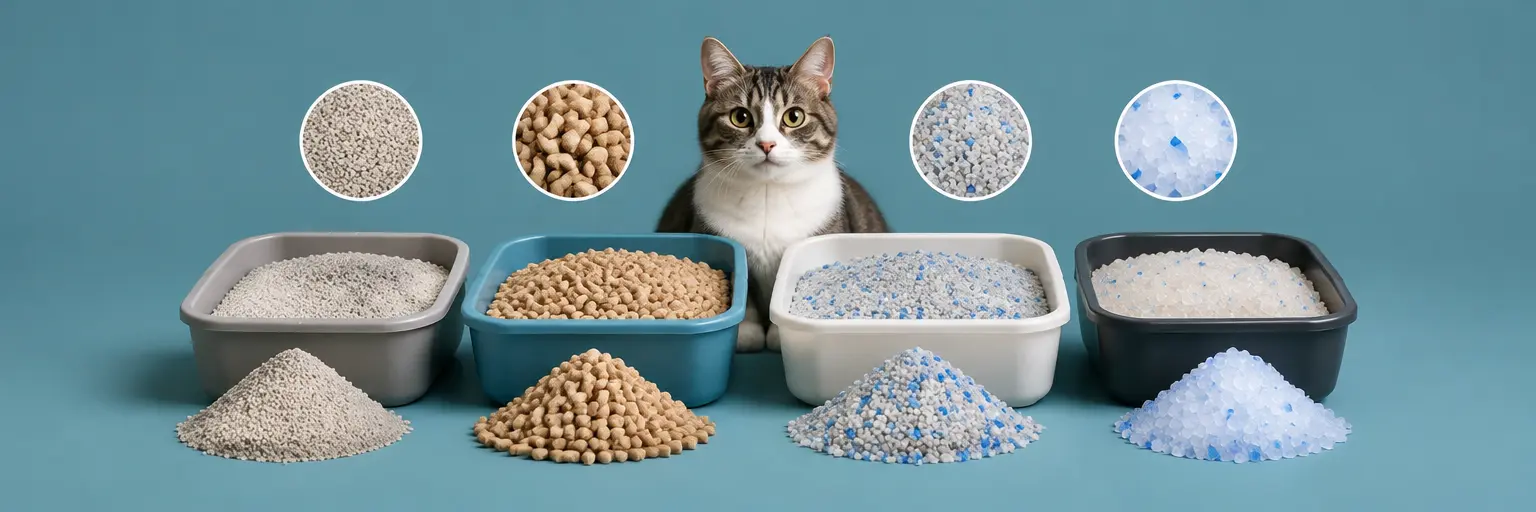
Choosing the right cat litter is one of the most important decisions you’ll make for your feline friend’s health and happiness—and for your own sanity. From clumping clay that offers unbeatable odor control to silica gel crystals that minimize scooping, and from eco-friendly pine, paper, or wheat options to specialized unscented litters for sensitive paws, the variety can feel overwhelming. Understanding the pros, cons, and unique features of each type helps you match litter to your cat’s preferences, your lifestyle, and even your home’s air quality. Whether you need maximum dust control for a cat with respiratory issues, lightweight formulas for easy handling, or flushable and biodegradable choices for sustainability, this guide breaks down the key differences in absorption, clumping strength, tracking, and scent control. By learning how factors like texture, particle size, and chemical composition influence your cat’s acceptance, you’ll reduce accidents outside the box and keep your space fresh. Let’s explore the seven main categories—from traditional to innovative—so you can make a confident, informed pick that keeps both you and your kitty purring. 🐾
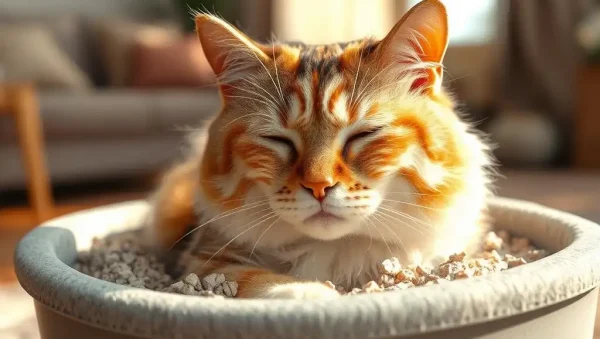
😊 Aging gracefully? Find the best litter for senior cat comfort at PetCareWorld! We review top brands ensuring easy access and maximum…
Read article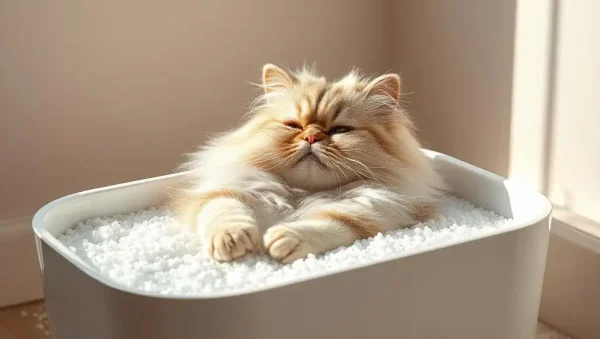
😊 Tired of dusty litter boxes? PetCareWorld reveals the secret to cleaner air and a happier cat: discover the best dust-free cat…
Read article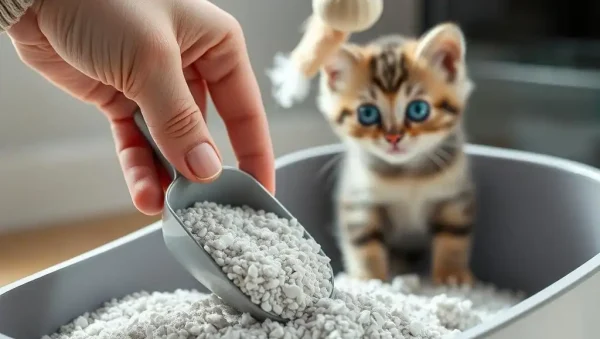
😊 Discover the best lightweight cat litter on PetCareWorld! Effortless handling meets superior clumping power, ensuring easy cleaning without sacrificing your cat's…
Read articleChoosing the right cat litter is one of the most impactful decisions you can make for your pet’s health and household harmony. With countless options on the market, understanding the differences between clumping, silica, natural, and crystal litters can feel overwhelming. This guide breaks down every major type of cat litter, helping you weigh factors like odor control, dust levels, tracking, and eco-friendliness. Whether you have a picky kitten, a senior cat with joint issues, or a multi-cat household, our expert insights will simplify your decision and enhance your cat’s litter box experience.
Clumping clay litter, typically made from sodium bentonite, is the most popular choice among cat owners for its superior convenience. When your cat urinates, the litter forms firm, scoopable clumps that lock in moisture and odors, making daily cleaning fast and efficient. This type excels at controlling ammonia smells, and most premium brands offer low-dust formulas to protect sensitive respiratory systems. However, clay litter is not biodegradable and can be heavy to carry, which is a consideration for older pet parents or eco-conscious buyers.
For multi-cat homes, clumping clay is a champion because it allows you to remove waste without replacing the entire box. Look for litters with activated charcoal or baking soda for enhanced odor neutralization. Keep in mind that some kittens may ingest small amounts while grooming, so choose a non-toxic, unscented variety if you have a young explorer. Overall, this subcategory remains the gold standard for balancing cost, performance, and ease of use in most households.
Natural cat litters are made from renewable materials like pine, corn, wheat, walnut shells, or recycled paper. These options are compostable (in most cases), lightweight, and often have a pleasant, earthy scent that masks odors without harsh chemicals. Pine litters naturally neutralize ammonia, while corn and wheat litters offer excellent clumping ability comparable to clay. If you have a cat with allergies or sensitive paws, these softer textures are usually gentler and produce less dust than traditional clay.
The main trade-off is that biodegradable litters can be pricier and may require more frequent top-ups to maintain freshness. Some cats dislike the texture change, so gradual transitions are essential. For households aiming to reduce landfill waste, these litters are a responsible choice, especially when you can compost the used litter in a dedicated bin. Always check if the brand is flushable or compostable—many are not, despite marketing claims, so verify local disposal guidelines.
Silica gel crystal litter is composed of porous silica dioxide beads that absorb urine and evaporate moisture, leaving dry, odor-free crystals for up to 30 days with one fill. This type is exceptionally low-maintenance: you only need to scoop solid waste and stir the crystals occasionally, with a full changeout every few weeks. It’s ultra-low dust, making it ideal for cats with asthma or humans with allergies. The crystals do not clump, so urine goes straight to the bottom, reducing tracking but requiring a deeper litter bed.
Many pet owners appreciate the lack of heavy fragrance—silica has a neutral, powdery scent that doesn’t overpower small spaces. However, crystals can be uncomfortable for kittens or cats with delicate paws, and they are not biodegradable. Additionally, silica gel is non-clumping, so you’ll need to replace the entire box more frequently than with clumping clay. For busy professionals or vacation homes, crystal litter’s longevity is a standout feature, cutting daily chores down to a twice-weekly scoop.
Recycled paper litter and wood pellet litter are standout choices for cats with sensitive skin or post-surgery recovery. Paper litter is soft, virtually dust-free, and highly absorbent, turning into a soft pulp that makes scooping easy. Wood pellets expand into sawdust when wet, which helps control odors but requires a two-part system (a sifting box) for best results. Both options are excellent for kittens because they are non-toxic if accidentally ingested, and they create minimal tracking compared to fine-grained litters.
Environmentally, these litters are top-tier since they repurpose waste materials. The downside is that paper litter does not clump well—it absorbs but stays mushy—so you’ll need to change it often. Wood pellets have a distinct pine scent that some cats love, while others may reject it. For owners of elderly cats with arthritis, the lightweight nature of paper or pellets makes box maintenance a breeze, so don’t overlook these gentle alternatives if your feline friend has mobility challenges.
Specialty litters include scented, lightweight, flushable, and even smart-connected litters designed for tech-savvy owners. Lightweight litters, usually made from a blend of minerals and synthetic materials, weigh up to 50% less than clay, making them perfect for seniors or those with lifting restrictions. Scented varieties (lavender, citrus, or baby powder) can mask odors but may trigger allergies in sensitive cats. Flushable litters, typically made from wheat or corn, break down in water, but please check your local sewer system before flushing.
High-tech litters work with automatic self-cleaning boxes, using special clumping formulas that are fast-drying and low-dust to prevent sensor misreads. Some premium litters now include odor-trapping polymers or probiotic additives that break down waste at a molecular level. While these options cost more per pound, they save significant time and reduce behavioral issues in picky cats. Always test a small bag first, monitoring your cat’s reaction, as abrupt changes can lead to litter box avoidance.
For the strongest odor control, clumping clay litters with activated charcoal or baking soda are highly effective, as they form airtight clumps. Silica crystal litters also excel at neutralizing ammonia because they absorb moisture instantly. Natural litters like pine or walnut are good but may require more frequent scooping. Choose an unscented high-quality brand first, then layer with a deodorizer if needed.
For clumping clay, replace the entire litter box every 2–4 weeks, depending on the number of cats. Silica crystals last longer—up to 4–6 weeks—if you stir daily and remove solids. Natural litters like paper or wood pellets need a full change every 1–2 weeks. Always keep the box at least 2–3 inches deep and wash the box with mild soap during full changes.
Yes, but choose a low-dust, unscented, and non-clumping litter for kittens under 8 weeks to prevent ingestion hazards. Clumping litters can expand in the stomach if swallowed, so wait until your kitten is older. Paper or fine-grained natural litters are safe and gentle for young paws. Gradually transition to adult litter after 3–4 months.
Cats are highly sensitive to texture, scent, and foot feel. Abrupt changes can trigger avoidance. To switch, mix 25% new litter with 75% old, increasing the new ratio every few days over 10–14 days. Also, place the new litter in a second box if possible. If refusal persists, your cat may have a medical issue—consult a vet.
Most flushable litters (wheat, corn, pine) are safe for standard sewer systems, but they can clog septic tanks due to clumping. They also carry a risk of transmitting Toxoplasma gondii into waterways, which harms marine life. If you must flush, only do so in municipal sewer systems, and avoid flushing if you have a septic tank. Composting is a more eco-friendly disposal method.







