Litter Box Training: A Guide to Using Different Types of Litter Boxes
🤔 Discover the best litter box training guide at PetCareWorld! Learn how different litter box types impact your cat's success, ensuring happy,…
Read article
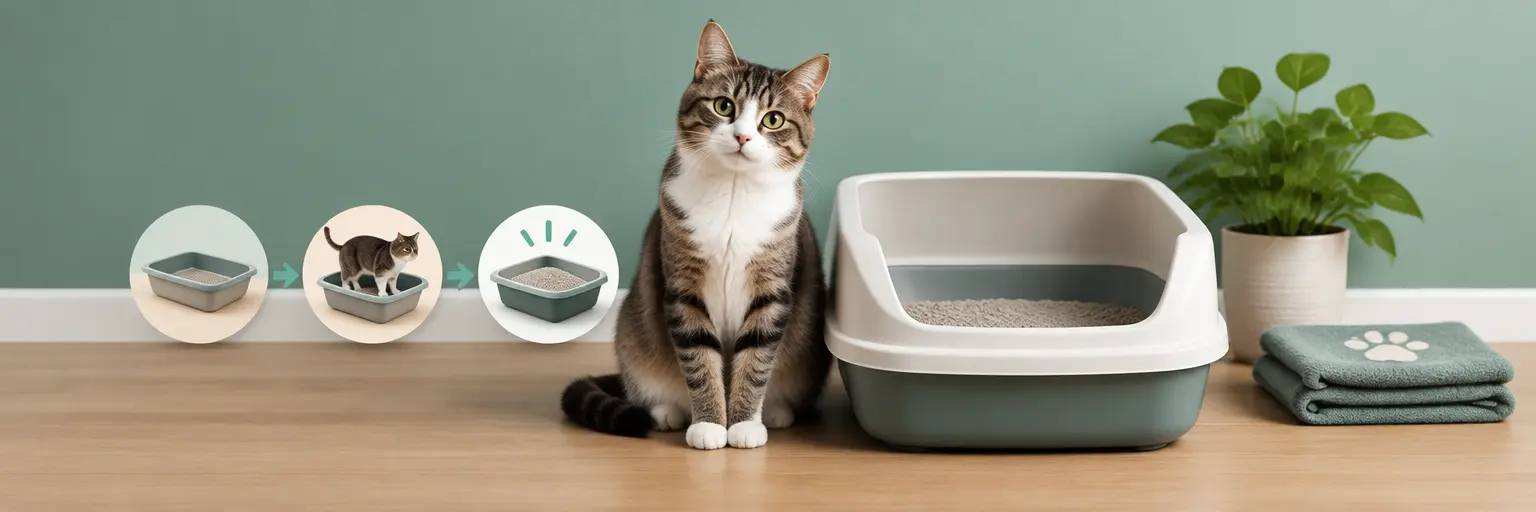
Litter box training is one of the most essential skills for a happy, healthy cat and a stress-free home. Whether you’re welcoming a curious kitten or helping an adult cat adjust to a new environment, our step-by-step guidance simplifies the process with proven techniques. From choosing the right litter and box placement to troubleshooting common issues like aversion or accidents, we cover every angle to ensure your feline friend feels secure and confident. Say goodbye to unpleasant surprises and hello to a clean, odor-free space—master the art of litter box training with expert tips that build trust and reinforce positive habits. Your cat will thank you, and so will your floors.
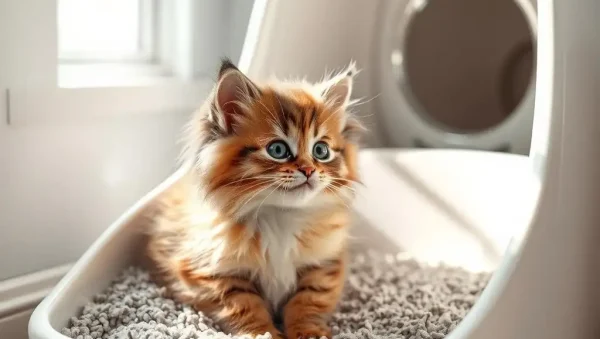
🤔 Discover the best litter box training guide at PetCareWorld! Learn how different litter box types impact your cat's success, ensuring happy,…
Read article
😊 Successfully transitioning your cat to a new litter box requires patience and the right approach. Our expert Cat litter box training…
Read article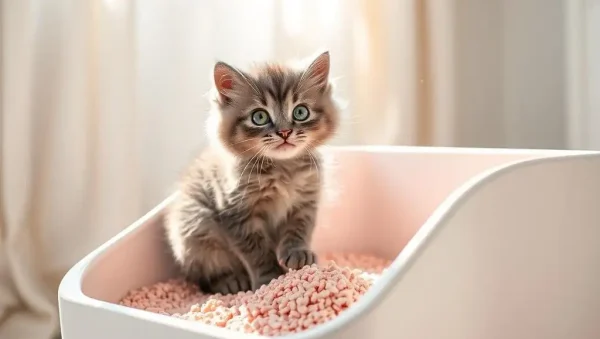
😊 Mastering proper cat litter box hygiene is crucial for your cat's health and your home's cleanliness. PetCareWorld's guide reveals the best…
Read article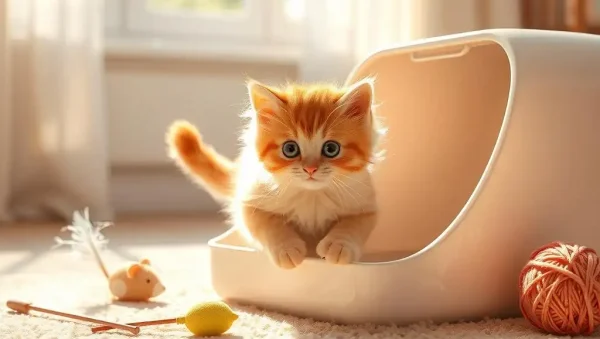
😊 Master positive reinforcement litter box training with PetCareWorld's expert guide! Learn proven techniques to effortlessly train your cat, ensuring a clean…
Read articleWelcome to PetCareWorld’s comprehensive Litter Box Training Guide, your definitive resource for turning litter box challenges into a seamless part of your cat care routine. Whether you are bringing home a new kitten, adopting a rescue cat, or troubleshooting a sudden aversion in a senior feline, this guide offers step-by-step solutions, expert-backed techniques, and behavioral insights. We cover everything from the right litter box size and substrate selection to addressing common accidents, ensuring your cat feels secure, and maintaining a fresh-smelling environment. With practical tips on positive reinforcement, feline psychology, and multi-cat households, you’ll gain the confidence to resolve any litter box issue and strengthen the bond with your furry companion.
Selecting the perfect litter box is the foundation of effective training. Measure your cat’s length (nose to tail base) and choose a box that is at least 1.5 times that size, with low entry points for kittens or seniors. Covered boxes trap odors but can feel claustrophobic; most cats prefer open, spacious trays. Place the box in a quiet, low-traffic area like a laundry room or bathroom, away from food and water bowls, and ensure there is a clear escape route. Multiple boxes are essential for multi-cat homes—rule of thumb is one per cat plus one extra. Never place boxes near loud appliances or in dark corners, as cats need a sense of safety. Sudden moves to new locations should be gradual, moving the box a few inches daily to avoid stress-induced accidents.
Consistency and hygiene go hand in hand. Scoop the box at least twice daily and perform a full litter change every two weeks, washing the empty box with warm water and mild, unscented soap—never harsh chemicals. Cats have an incredible sense of smell, and a dirty box is the top cause of training failures. If you have a kitten, start with a shallow layer of clay litter (about 2-3 cm) to match their digging ability, then gradually increase depth as they grow. For elderly or arthritic cats, consider a box with a lower front edge and a ramp. Location stability builds habit; once your cat uses the box successfully, avoid rearranging furniture or relocating it without a slow transition. Observing your cat’s preferred spots (they often choose corners or areas near windows) can guide placement for quicker acceptance.
For kittens, start training the moment they arrive (usually 4-6 weeks old). After meals, naps, and playtime, gently place them in the litter box, scratch the litter with their paw to mimic digging, and praise them lavishly with treats when they go. Never scold or force them inside—that creates fear. Keep the kitten confined to a small, safe room initially with the box within sight, gradually expanding their space as consistent success occurs. Accidents are normal; clean them with an enzymatic cleaner to eliminate odor, and never use ammonia-based products that smell like urine to your kitten. Positive reinforcement works far better than punishment, which only increases anxiety and hiding behaviors. Watch for signs like sniffing or circling, and immediately scoop them up to the box.
Adult cats or rescues may need extra patience. If they have never used a litter box, start by confining them to a bathroom or laundry room (around 10 square feet) with the box, food, water, and a bed. After 24-48 hours, gradually open up the house while continuing supervision. Many rescues prefer fine-grain, unscented clumping litter because it feels like sand or outdoor soil, which they may have used previously. If your adult cat avoids the box, offer two to three different litter types in separate boxes to discover their preference. Hand-feeding treats near the box while they approach it builds a positive association. Never rub a cat’s nose in waste; this is cruel and counterproductive. Instead, reset the routine: bring them to the box every couple of hours, especially after eating, and always reward successful use with their favorite toy or treat.
When your cat pees outside the box, the first step is a veterinary check to rule out urinary tract infections, cystitis, kidney disease, or diabetes. Medical issues are surprisingly common and cause sudden litter box avoidance. If healthy, then examine environmental factors: is the box clean enough? Is it in a noisy area? Have you changed litter brands or added scented liners? Cats are creatures of habit, and even subtle changes can trigger accidents. For spraying (vertical urination), this often signals territory marking, especially in unneutered males—neutering resolves most cases. For inappropriate defecation, consider stress triggers like new pets, moving, or changes in routine, and use synthetic feline pheromone diffusers to calm your cat. Never punish post-accident, as your cat won’t connect the act with discipline, just that you are scary.
If your cat avoids the box due to a negative experience (being trapped, or a painful litter material), rebuild trust by offering alternative boxes with different substrates, like pellet litter, recycled paper, or even sand temporarily. Invest in a larger open storage bin (low sides) if your cat is large or has mobility issues. For multi-cat households, dominance conflicts often lead to one cat blocking the box entrance—provide at least one box per cat in separate locations, plus one extra. Clean urine spots with black light to ensure you remove all traces, and then make those areas inaccessible using aluminum foil or upside-down carpet runners temporarily. Enzymatic cleaners are your best ally, breaking down proteins that ordinary soap leaves behind. If problems persist after a month, consult a certified feline behaviorist or your veterinarian for tailored advice.
The type of litter you choose dramatically impacts your cat’s acceptance and your house’s freshness. Clumping clay litter is the most popular due to easy scooping, but some cats dislike its texture or the dust. Unscented, low-dust varieties are safest for kitten, respiratory issues, and sensitive paws. Alternative options include recycled paper pellets (highly absorbent, great for post-surgery cats), corn or wheat-based litters (biodegradable and low-dust), and silica gel crystals (excellent odor control but can be noisy under paws). Start with a small bag of a new type mixed gradually with the old (25% new to 75% old over a week) to avoid rejection. Never mix clumping and non-clumping litters, as they congeal poorly. Monitor your cat’s reaction—if they enter and immediately jump out, they dislike the texture. Many finicky cats prefer a fine grain with a scent similar to silica or unscented clay.
Hygiene is non-negotiable for successful training. Daily scooping is just the minimum—for extremely fastidious cats, scoop every 6-8 hours. Remove solid waste and urine clumps into a sealed bin without disposing of clean litter. Once a month, wash the entire box with diluted (1:1) vinegar and water, rinse thoroughly, and dry completely before refilling. Never use bleach or pine-based cleaners, as these smell like urine to cats or contain toxic phenols. Maintain a litter depth of 3-5 cm for most cats; too deep discourages digging, too shallow causes paw wetness. Replace all litter completely every 2-3 weeks, even if you scoop daily, because microscopic particles and odor build up. Use a litter mat outside the box to catch tracking, which also keeps the area cleaner. Place a dehumidifier in the room if it is damp, as moisture worsens ammonia smell, making the spot repulsive to you and your cat.
In homes with multiple felines, litter box management transforms from a simple chore to a psychological project. The sacred formula is one box per cat plus one extra, placed in distinct, quiet locations—not side by side in a single closet. This prevents ambush behavior where one cat guards the area. Choose open, oversized boxes to give each cat ample space and avoid cornered feeling. If you notice a cat avoiding the box, it may be feeling bullied; provide a separate room with its own box and feeding station temporarily. Resource competition extends to litter boxes, so always ensure the newest cat has equal access to all areas. Territorial spraying in multi-cat homes often decreases with vertical space—install shelves or cat trees so stressed cats can retreat. Regular playtime and interactive toys reduce tension among residents, making them less likely to mark territory.
Introducing a new cat requires slow, scent-based transitions before full physical overlap. In fact, start by placing the new cat’s litter box in a spare room, and let residents sniff through a closed door. After a few days, swap a small amount of used litter between boxes to exchange scents. Meanwhile, provide more boxes in neutral territories (hallways or living areas) during the introduction phase to prevent territorial disputes. Never force cats to share a box initially; exclusivity builds confidence. If conflict arises, separate them with a baby gate for a few days and re-introduce slowly. Clean all boxes with warm water and mild dish soap daily to remove any lingering tension scents. By respecting each cat’s spatial boundaries and offering abundant, clean options, you can dramatically reduce stress-related accidents and maintain a harmonious multi-cat environment.
Most kittens instinctively use a litter box if introduced properly, often within 1-3 days. However, full habit formation, especially with no accidents, usually takes 2-4 weeks. Consistent placement, frequent guidance after meals, and positive reinforcement with treats accelerate the learning.
Beds are soft, absorbent, and carry your scent—attractive to cats seeking comfort or relief. This often indicates medical issues (like a UTI), deep stress, or an unclean box. Schedule a vet check first. Then, clean the bed with an enzymatic cleaner and place a waterproof mat or aluminum foil over it temporarily to deter repeat use.
Yes, but only gradually. Mix 25% new litter with 75% old for three days, then 50/50 for another three, then 75% new and 25% old. Sudden switches can cause refusal. Monitor for any signs of avoidance, and revert to the old brand if your cat stops using the box.
Covered boxes hide smells from you, but they trap fumes and can make cats feel trapped, especially if they sense a cornered risk. Many cats prefer open boxes. If you must use a cover, choose a large one with a removable top and clean it daily. Better yet, use an open box with a high back and place a litter mat outside.
Immediately consult your veterinarian to rule out arthritis, cognitive decline, kidney disease, or urinary infections. Offer a low-entry box with a ramp, use a softer litter, and place multiple boxes in accessible, quiet areas. Keep the box extra clean, and avoid physical punishment—it worsens anxiety in older cats.







