
Litter Box Training: How to Introduce a New Litter Box to Your Cat

Welcome to PetCareWorld, your ultimate guide to a happier, healthier life for your beloved pets! Are you ready to conquer the sometimes-challenging world of feline hygiene? We've got you covered. Discover our expert Cat litter box training tips and learn how to seamlessly introduce a new litter box to your cat, ensuring a smooth transition and a clean home. Dive in and unlock the secrets to litter box success – your cat (and your sanity!) will thank you.
-
Understanding Your Cat's Litter Box Preferences: Key Considerations for Success
- Assessing Your Cat's Current Litter Box Habits: Frequency, Preferences, and Potential Issues
- Choosing the Right Litter Box: Size, Type, and Material Considerations for Optimal Cat Litter Box Training
- Selecting the Appropriate Cat Litter: Texture, Scent, and Clumping Properties for Cat Litter Box Training Success
- Gradual Introduction of the New Litter Box: A Step-by-Step Guide
- Troubleshooting Common Litter Box Training Challenges: Addressing Potential Problems
- Maintaining a Clean and Inviting Litter Box Environment: Long-Term Success Strategies
- Advanced Cat Litter Box Training Tips for Stubborn Felines
- Frequently Asked Questions
- Final Reflection: The Enduring Bond: Cat, Litter Box, and You
- Unlock Your Cat's Cleanest Habits: Start Litter Box Training Today!
Understanding Your Cat's Litter Box Preferences: Key Considerations for Success
Successfully litter box training a cat hinges on understanding feline behavior and preferences. This isn't just about placing a box and hoping for the best; it's about creating a sanitary and inviting environment that caters to your cat's individual needs. This comprehensive guide will walk you through the process, providing practical tips and insights to ensure your cat's litter box training experience is smooth and stress-free.
We'll explore everything from assessing your cat's current habits to selecting the perfect litter box and litter type, empowering you to become a confident and successful cat owner. Remember, patience and consistency are key to achieving positive results in cat litter box training, and understanding your cat's unique preferences will significantly improve your chances of success. This guide focuses on providing effective "Cat litter box training tips" to help you navigate this essential aspect of cat ownership.
Assessing Your Cat's Current Litter Box Habits: Frequency, Preferences, and Potential Issues
Before introducing a new litter box, carefully observe your cat's existing litter box habits. Note the frequency of urination and defecation. Does your cat use the litter box consistently, or are there signs of avoidance or accidents? Pay attention to your cat's preferences regarding litter box location, type, and litter itself. Is the box placed in a quiet, private area?
Does your cat prefer uncovered or covered boxes? Does a specific type of litter seem to be favored? Identifying these preferences is crucial for a smooth transition. Documenting these observations will help you anticipate potential issues and tailor your approach accordingly. For example, if your cat consistently avoids the litter box, this could indicate underlying medical problems, stress, or a dislike of the current setup.
Consider keeping a detailed log for a week, noting the time of day, location of accidents (if any), and any other relevant observations. This detailed approach will provide valuable insights into your cat's behavior patterns. This data will be invaluable in determining the root cause of any problems and in selecting a suitable replacement litter box and litter.
Remember, understanding your cat’s individual needs is paramount for successful litter box training. Addressing potential issues proactively will save you time and frustration in the long run. A proactive approach, focusing on your cat's individual needs, will make the process much more successful.
Choosing the Right Litter Box: Size, Type, and Material Considerations for Optimal Cat Litter Box Training
The size and type of litter box significantly impact a cat's willingness to use it. For adult cats, the general rule is to choose a box large enough for them to comfortably turn around and fully stretch out. Cats dislike feeling cramped or confined. Consider the size and breed of your cat when making your selection.
Larger breeds may require a larger box than smaller breeds. There are various types of litter boxes available, including open boxes, covered boxes, and self-cleaning boxes. Open boxes offer easy access and better ventilation, while covered boxes may provide more privacy but can trap odors if not cleaned regularly. Self-cleaning boxes offer convenience but can be intimidating to some cats.
The material of the litter box also matters. Plastic is common and affordable, but some cats may prefer a more natural material such as wood or metal. Consider the durability and ease of cleaning when choosing a material. Avoid using boxes made from materials that are difficult to clean or that retain odors easily.
Remember to place the litter box in a quiet, easily accessible location, away from food and water bowls, and away from noisy areas. Consider multiple litter boxes if you have multiple cats to avoid competition and ensure each cat has sufficient access to a clean litter box. This is especially crucial for multi-cat households. The ideal litter box should be easy to clean and maintain, and should be placed in a location that is convenient for both you and your cat.
Selecting the Appropriate Cat Litter: Texture, Scent, and Clumping Properties for Cat Litter Box Training Success
The type of cat litter you choose plays a significant role in litter box training success. Cats have different preferences regarding litter texture, scent, and clumping properties. Some cats prefer fine-textured litters, while others prefer coarser textures. Experiment with different types of litter to find one your cat enjoys. Avoid strongly scented litters, as these can be overwhelming and off-putting to cats. Unscented or lightly scented litters are generally preferred. Clumping litter is often easier to clean and helps maintain a cleaner litter box environment, which is crucial for encouraging consistent litter box use.
Consider factors like dust level and absorbency when choosing a litter. Low-dust litters are preferable, especially for cats with respiratory sensitivities. Highly absorbent litters help control odors and reduce the frequency of cleaning. However, always introduce new litter gradually to minimize stress and potential digestive issues. Mixing the new litter with the old litter over a period of several days can ease the transition.
Monitor your cat's behavior closely during this period to ensure they are accepting the new litter. If your cat displays signs of discomfort or avoids the litter box, consider switching back to the previous type of litter. Finding the right litter is a process of trial and error, and patience is key. The right litter will contribute significantly to successful litter box training.
Gradual Introduction of the New Litter Box: A Step-by-Step Guide
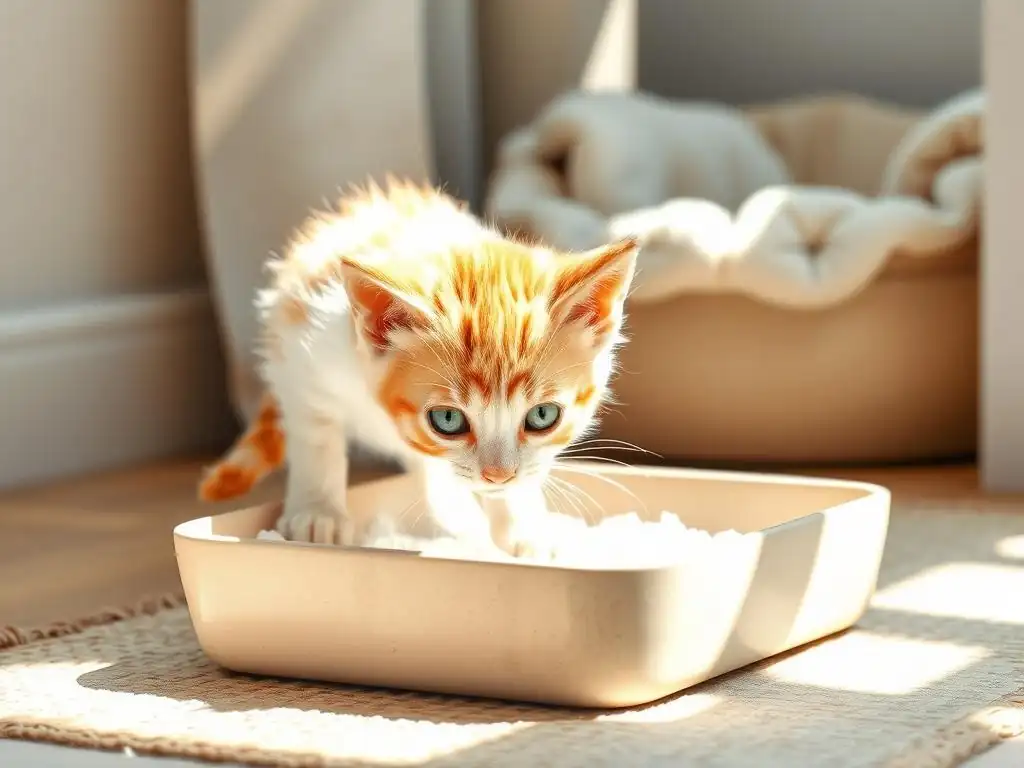
This section details a proven method for successfully introducing a new litter box to your feline companion, minimizing stress and maximizing the chances of a smooth transition. Remember, patience and positive reinforcement are key to successful cat litter box training tips. We'll break down the process into manageable steps, ensuring your cat feels comfortable and secure throughout the entire procedure. The goal is a stress-free transition, leading to consistent litter box use.
Step 1: Placement of the New Litter Box: Ideal Location and Environmental Factors
The placement of the new litter box is paramount for successful cat litter box training. Cats are creatures of habit and routine, and a poorly chosen location can lead to accidents and resistance. Consider these factors:
- Privacy: Cats prefer to eliminate in private. Avoid placing the litter box in high-traffic areas or near noisy appliances. A quiet corner, perhaps in a spare bathroom or utility room, often works best.
- Accessibility: The box should be easily accessible to your cat without obstacles. Avoid placing it in areas requiring your cat to navigate tight spaces or climb stairs.
- Cleanliness: Regular cleaning is crucial for maintaining a hygienic environment and encouraging your cat to use the box. Aim for daily scooping and a complete box change at least weekly. This is a crucial aspect of effective cat litter box training tips.
- Environmental Factors: Cats are sensitive to smells and sounds. Keep the area around the litter box clean and free of strong odors. Avoid placing the box near food or water bowls. A quiet, consistent environment will encourage your cat to feel safe and comfortable.
Consider these examples: A quiet corner of a spare bedroom is often ideal. However, a hallway closet, if spacious and well-ventilated, can also work. Avoid placing the box near the washing machine or dryer due to the noise and vibrations.
Step 2: Initial Exposure and Positive Reinforcement: Encouraging Exploration and Acceptance
Once you've chosen the perfect spot, it's time to introduce your cat to the new litter box. Don't force the issue; instead, encourage exploration through positive reinforcement.
- Initial Introduction: Place the new litter box next to the existing one. This allows your cat to investigate the new box at their own pace, reducing anxiety and stress. This is a key element of successful cat litter box training tips.
- Scent Familiarity: Sprinkle some of your cat's used litter into the new box to familiarize it with a familiar scent. This can help ease the transition and make the new box feel more inviting.
- Positive Reinforcement: When your cat uses the new litter box, reward them immediately with praise, treats, or a favorite toy. This positive association will encourage them to use the new box more frequently.
- Observation: Monitor your cat's behavior closely. Observe if they are hesitant or avoiding the new litter box. If so, consider adjusting the location or trying different litter types.
Remember, consistency is key. Regularly praise and reward your cat for using the new litter box. This positive reinforcement is an integral part of effective cat litter box training tips.
Step 3: Gradual Transition: Slowly Weaning Your Cat from the Old Litter Box
After a few days or weeks (depending on your cat's personality), it's time to gradually phase out the old litter box.
- Gradual Removal: Begin by moving the old litter box slightly further away from the new one. Do this incrementally over several days. This gradual process reduces stress and minimizes the likelihood of accidents.
- Litter Type Consistency: Maintaining the same type of litter in both boxes during the transition is important. Switching litter types can confuse your cat and undo progress.
- Monitoring: Continue to monitor your cat's behavior, and adjust the process as needed. If you notice any setbacks, temporarily slow down the transition.
- Complete Removal: Once your cat consistently uses the new litter box for a week or more, you can remove the old litter box completely.
This gradual weaning process is crucial for a successful transition and is a vital aspect of effective cat litter box training tips. Remember, patience and a positive approach will greatly increase your chances of success. Every cat is unique, so adjust the timeline based on your cat's individual needs and responses.
Troubleshooting Common Litter Box Training Challenges: Addressing Potential Problems
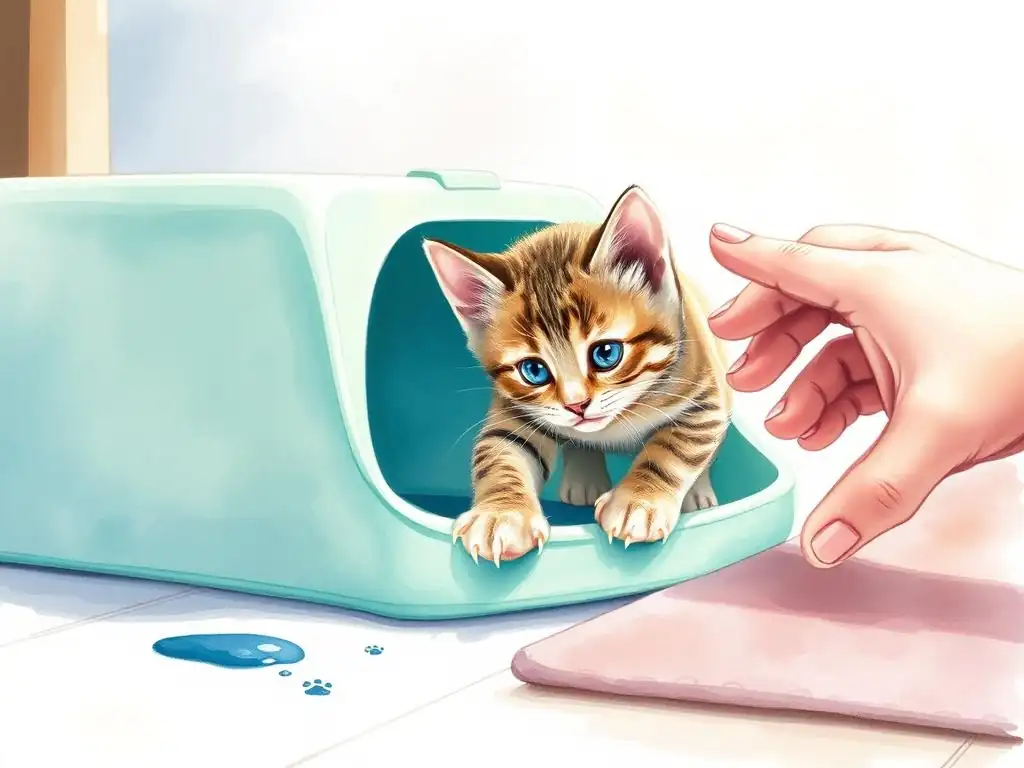
This section delves into common issues encountered during cat litter box training and provides practical solutions to help you navigate these challenges successfully. Remember, patience and consistency are key to a smooth transition. Even with the best preparation, occasional setbacks are normal. Let's tackle some frequently asked questions regarding "cat litter box training tips".
Dealing with Accidents Outside the Litter Box: Identifying Causes and Implementing Solutions
Accidents happen, even with well-trained cats. Before reprimanding your feline friend, it's crucial to identify the underlying cause. Several factors can contribute to inappropriate urination or defecation:
- Medical Issues: Urinary tract infections (UTIs), kidney disease, diabetes, and other health problems can significantly impact litter box habits. If accidents persist despite your efforts, a veterinary checkup is essential. Early detection can prevent serious complications.
- Litter Box Aversion: Cats are fastidious creatures. They may refuse to use a dirty litter box, one that's too small, or one with litter they dislike. Regular cleaning (scooping daily, complete changes weekly) and providing a spacious box with the right type of litter are crucial. Experiment with different litter types—clay, clumping, silica gel—to find your cat's preference.
- Stress and Anxiety: Changes in the household, new pets, or even a rearranged furniture layout can trigger stress, leading to litter box avoidance. Provide a quiet, safe space for your cat, and consider using pheromone diffusers to reduce anxiety.
- Inappropriate Location: Is the litter box located in a noisy, high-traffic area? Cats often prefer a private, secluded spot. Relocating the litter box to a quieter location can significantly improve results.
- Lack of Access: Multiple cats, physical limitations (arthritis), or obstructions can prevent your cat from easily reaching the litter box. Ensure easy and unobstructed access at all times.
Implementing Solutions:
The solution depends on the underlying cause. If a medical problem is suspected, consult your veterinarian immediately. For other issues, consider the following:
- Increase the number of litter boxes: The general rule is one box per cat, plus one extra.
- Clean the litter box thoroughly.
- Try a different type of litter.
- Provide a quiet and accessible location for the litter box.
- Consult a veterinarian or a certified cat behaviorist for more advanced solutions.
Addressing Reluctance to Use the New Litter Box: Strategies for Overcoming Resistance
Introducing a new litter box can be stressful for cats. Some may initially resist using it, preferring their familiar box. Here are strategies to encourage acceptance:
- Gradual Transition: Don't replace the old litter box immediately. Place the new litter box next to the old one for a few days, allowing your cat to investigate at its own pace. Gradually move the old box further away until it's completely removed.
- Familiar Scents: To make the new litter box more appealing, add a small amount of litter from the old box to the new one. This familiar scent can help ease the transition.
- Positive Reinforcement: Reward your cat with treats or praise each time it uses the new litter box. Positive reinforcement is a powerful tool in litter box training.
- Patience is Key: It might take several days or even weeks for your cat to fully adjust to the new litter box. Consistency and patience are crucial during this phase. Avoid punishing your cat for accidents, which can worsen the problem.
- Consider the Litter Box Type: Some cats prefer covered litter boxes, while others prefer open ones. Experiment to find your cat's preference.
Managing Multiple Cats and Litter Boxes: Ensuring Peaceful Coexistence and Proper Hygiene
Multiple cats require careful consideration when it comes to litter box management. Competition and territoriality can lead to litter box problems.
- Sufficient Litter Boxes: As mentioned before, a good rule of thumb is one litter box per cat, plus one extra. This ensures ample space and reduces competition.
- Strategic Placement: Space the litter boxes strategically throughout the house, avoiding areas where cats feel vulnerable or threatened. Ideally, each cat should have easy access to a litter box in their preferred area.
- Litter Box Types: Consider offering a variety of litter box types to cater to individual preferences. Some cats prefer covered boxes, others prefer open ones. Experiment to find what works best for your feline family.
- Regular Cleaning: Maintaining impeccable hygiene is crucial. Scoop the litter boxes at least once a day, and completely change the litter weekly. This reduces the risk of disease and unpleasant odors, making the litter boxes more appealing to all cats.
- Scent Management: Use odor-absorbing litter and regularly clean the surrounding area to minimize unpleasant scents that can deter cats from using the litter box.
Remember, consistent attention to litter box hygiene and careful observation of your cats' behavior are essential for successful multiple-cat litter box management. Addressing issues promptly will prevent larger problems down the line. Careful attention to detail is paramount when considering "cat litter box training tips".
Maintaining a Clean and Inviting Litter Box Environment: Long-Term Success Strategies
Successfully litter box training your cat isn't a one-time event; it's an ongoing process requiring consistent effort and attention to detail. Maintaining a clean and appealing litter box environment is crucial for long-term success and preventing accidents. Think of it as creating a five-star hotel for your feline friend! Neglecting this aspect can lead to your cat seeking alternative locations to relieve themselves, undoing all your hard work. Let's explore the key strategies for keeping your cat happy and using the litter box consistently. This is a key aspect of effective cat litter box training tips.
Regular Cleaning and Maintenance: Frequency and Best Practices for Cat Litter Box Hygiene
The frequency of cleaning directly impacts your cat's willingness to use the litter box. Many cat owners underestimate the importance of daily maintenance. A dirty litter box is a major deterrent, and cats are fastidious creatures. Aim to scoop solid waste and clumps at least once a day, removing urine-soaked litter as well. Failing to do so can lead to unpleasant odors, which cats find highly offensive. Think of it this way: would you want to use a bathroom that hadn't been cleaned in days?
Beyond daily scooping, a complete litter box change is essential. The frequency depends on the type of litter used and the number of cats. For clumping litter, a complete change every 1-2 weeks is generally recommended. For non-clumping litter, a more frequent change, perhaps every week, is necessary.
During the change, thoroughly wash the litter box with warm water and a pet-safe detergent, ensuring it's completely dry before adding fresh litter. Failing to do so can lead to bacterial buildup and unpleasant odors, impacting your cat's hygiene and potentially their health. This is an important part of your overall cat litter box training tips strategy.
Here's a helpful table summarizing the cleaning schedule:
| Litter Type | Daily Maintenance | Complete Litter Change |
|---|---|---|
| Clumping Litter | Scoop solid waste & clumps | Every 1-2 weeks |
| Non-Clumping Litter | Scoop solid waste | Every 1 week (or more frequently) |
Remember, consistency is key! A regular cleaning schedule is a cornerstone of successful litter box training and maintaining a happy, healthy cat.
Litter Box Placement and Accessibility: Ensuring Easy Access for Your Cat
The location of the litter box significantly influences its usage. Cats prefer privacy and easy access. Avoid placing the litter box in high-traffic areas, near loud appliances, or in cramped spaces. Ideally, place it in a quiet, easily accessible location away from food and water bowls. Cats often associate eating and elimination with different areas. Consider these factors when choosing a location:
- Privacy: Cats are naturally private creatures. A secluded corner or a quiet room is ideal.
- Accessibility: Ensure the box is easily reachable for your cat, especially if they are elderly or have mobility issues. Avoid placing it behind obstacles or in areas requiring your cat to jump or climb.
- Ventilation: Good air circulation helps to prevent the build-up of ammonia and other unpleasant odors, making the litter box more appealing to your cat.
- Number of Litter Boxes: The general rule of thumb is one litter box per cat, plus one extra. This ensures sufficient access for all your feline companions. Multiple boxes also allow for greater flexibility in location and prevent territorial disputes.
Remember, providing a clean, accessible, and appropriately located litter box is a crucial aspect of your cat litter box training tips and contributes significantly to your cat's well-being and happiness. A happy cat is a cat that uses the litter box! 😻
Advanced Cat Litter Box Training Tips for Stubborn Felines
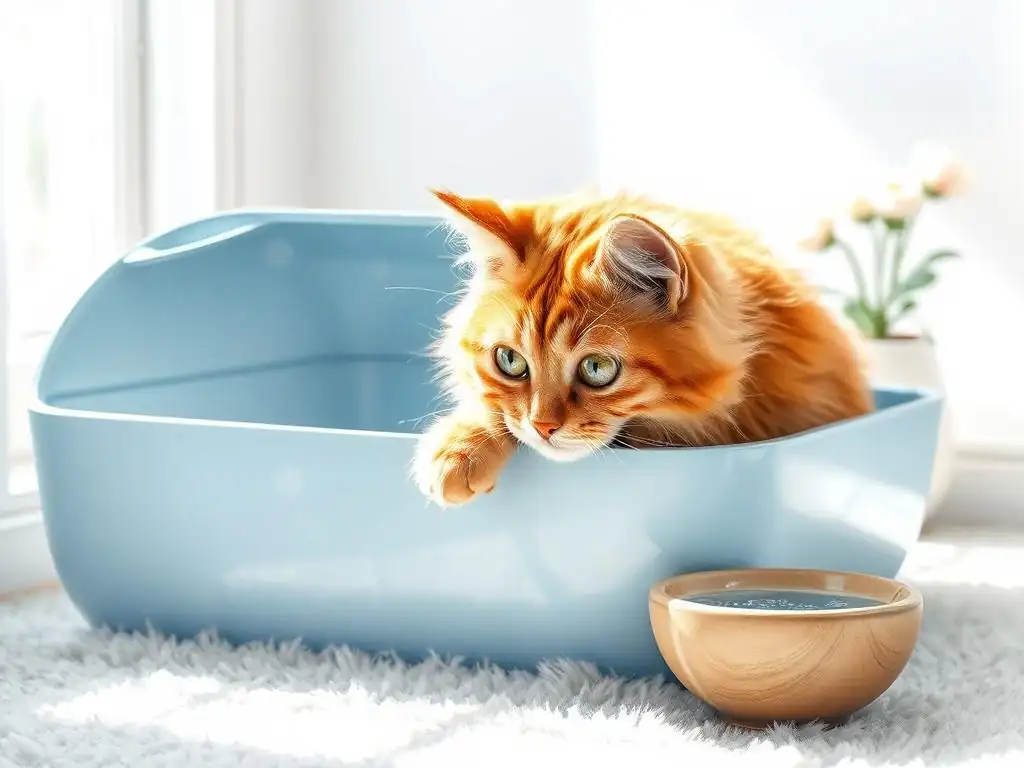
This section delves into more advanced techniques for cats who are resistant to litter box training, addressing common challenges and offering solutions beyond the basics. We'll explore how underlying medical issues can impact litter box habits and the power of positive reinforcement in motivating your feline friend. Remember, patience and consistency are key to success in cat litter box training. Even the most stubborn cats can learn with the right approach. These tips are designed to help you navigate those tricky situations and achieve a harmonious coexistence with your cat.
Addressing Underlying Medical Issues: Ruling Out Health Problems Affecting Litter Box Habits
Inappropriate urination or defecation is rarely a behavioral issue in isolation. Often, underlying medical conditions can significantly impact a cat's litter box habits. Before resorting to extensive behavioral modification, it's crucial to rule out any potential health problems. Several illnesses can cause changes in a cat's elimination habits, including:
- Urinary Tract Infections (UTIs): UTIs are incredibly common in cats and can cause painful urination, leading to avoidance of the litter box. Symptoms include straining to urinate, frequent urination in small amounts, blood in the urine, and licking of the genital area.
- Kidney Disease: Kidney disease can affect a cat's ability to control urination, resulting in increased frequency and accidents outside the litter box. Other symptoms include increased thirst and urination, lethargy, and weight loss.
- Diabetes: Diabetes mellitus can cause increased thirst and urination, potentially leading to accidents outside the litter box. Other symptoms include increased appetite, weight loss, and excessive grooming.
- Arthritis or Mobility Issues: Older cats or those with arthritis may struggle to access the litter box, leading them to eliminate elsewhere. Look for signs of stiffness, limping, or difficulty jumping.
- Cognitive Dysfunction: Similar to dementia in humans, cognitive dysfunction in older cats can lead to confusion and inappropriate elimination.
Ignoring underlying medical issues will only prolong the problem and potentially worsen your cat's condition. A veterinary checkup is essential before implementing any behavioral modification strategies. Your veterinarian can perform a thorough examination, including urinalysis and blood tests, to identify any potential medical causes for your cat's litter box problems. Early diagnosis and treatment are crucial for your cat's health and well-being. Remember, a healthy cat is more likely to exhibit appropriate litter box behavior.
Using Positive Reinforcement and Treats: Motivating Your Cat with Rewards
Positive reinforcement is a highly effective method for litter box training and is particularly useful for cats who are resistant to traditional methods. Instead of punishment, which can create fear and anxiety, positive reinforcement focuses on rewarding desired behaviors. This method encourages your cat to associate the litter box with positive experiences, making it more likely to use it consistently.
Here's how to effectively use positive reinforcement and treats:
- Choose the Right Treats: Select small, high-value treats that your cat absolutely loves. Experiment with different options to find what motivates your cat the most. Tiny pieces of cooked chicken, tuna, or commercially available cat treats work well.
- Reward Immediately: The timing of the reward is crucial. Reward your cat immediately after they successfully use the litter box. This creates a strong association between the action and the reward.
- Be Consistent: Consistency is key to success. Reward your cat every single time they use the litter box correctly. Even if they only use it partially, still offer praise and a small treat.
- Combine with Praise: Pair the treats with verbal praise. A cheerful "Good kitty!" or similar phrase will reinforce the positive association.
- Gradually Reduce Rewards: Once your cat consistently uses the litter box, you can gradually reduce the frequency of treats. Continue to offer praise and occasional treats to maintain the positive association.
Remember, patience is vital. It may take time and consistent effort to see results. Don't get discouraged if your cat doesn't immediately grasp the concept. With consistent positive reinforcement, your cat will eventually learn to associate the litter box with positive rewards and use it reliably. This method fosters a stronger bond between you and your cat while resolving the litter box issue. Positive reinforcement is a humane and effective way to address even the most stubborn litter box issues in cats.
Frequently Asked Questions
How do I choose the right litter box for my cat?
The best litter box depends on your cat's size and preferences. Consider size, material (plastic or other), and style (open or covered). Experiment to find what your cat likes best.
My cat is refusing to use the new litter box. What should I do?
Try cleaning the box thoroughly with an enzymatic cleaner, removing any lingering odors. Offer multiple litter boxes in different locations, and ensure easy access to them. Consider trying a different type of litter.
What kind of litter is best for litter box training?
Start with a familiar, unscented litter. Avoid strongly scented litters, which can deter cats. Clay litter is a common choice, but you can experiment with other options like silica gel or wood.
How often should I clean my cat's litter box?
Daily scooping is crucial to remove solid waste and clumps. Completely change the litter at least once a week, or more frequently if needed, depending on your cat's habits and the type of litter used.
My cat is urinating outside the litter box. What could be the cause?
Several factors can cause this, including medical issues (urinary tract infection), stress, or dislike of the litter box itself. A veterinary check-up is recommended to rule out medical problems. Then, assess the litter box setup and consider changes.
Final Reflection: The Enduring Bond: Cat, Litter Box, and You
Successfully litter box training your cat is more than just hygiene; it's a cornerstone of a harmonious relationship built on understanding and mutual respect. A well-trained cat contributes to a cleaner, more peaceful home, but more importantly, it reflects a deep connection between pet and owner. This understanding is crucial for a happy and healthy life together.
The journey of litter box training, while sometimes challenging, underscores the unique bond we share with our feline companions. It's a process of learning each other's cues, adapting to individual needs, and celebrating small victories along the way. This delicate dance of patience and observation mirrors the broader human-animal relationship, highlighting our responsibility as caregivers. The greatness of a nation and its moral progress can be judged by the way its animals are treated.
- Mahatma Gandhi. This quote, while broad, speaks to the empathy and care we should extend to all creatures, starting with our beloved pets.
Now, consider your own cat. Reflect on the process you've undertaken, the challenges you've overcome, and the successes you've celebrated. What have you learned about your cat's personality and preferences? How can you continue to build upon this understanding to foster a stronger, more trusting relationship? Embrace the ongoing learning process, and remember that every interaction, every shared moment, strengthens the unique bond you share. The journey of litter box training is just the beginning of a beautiful, lifelong companionship.
Unlock Your Cat's Cleanest Habits: Start Litter Box Training Today!
Thank you for learning how to simplify litter box training for you and your cat! We hope you found helpful advice on creating a happy and hygienic home. Now, let's put that knowledge into practice.
- Start using your new litter box strategy immediately: Begin by making essential adjustments to the litter box's location, the type of litter used, and the box size, as discussed in the article. This is crucial for success!
- Share your experiences (both successes and challenges) with other PetCareWorld readers: Your insights can help other cat owners. Join the discussion in the comments section!
- Explore new litter box accessories: Experiment with different litter scoops or a self-cleaning litter box—you might find a product that significantly simplifies your routine.
What small change will you make today to improve your cat's litter box experience and make life easier for both of you?