
The Cat Whisperer's Secrets: Expert Tips for Socializing Adult Cats


Welcome to PetCareWorld, your ultimate guide to a happier, healthier life for your beloved pet! Are you ready to unlock the secrets to a harmonious home with your feline friend? Our expert guide on Socialize adult cat tips reveals surprising strategies for building a strong bond with even the most independent adult cat. Discover how to navigate the nuances of feline socialization and transform your relationship with your cat – delve into the Cat Whisperer's Secrets now and unlock a world of purrfect companionship!
- Understanding the Challenges of Socializing Adult Cats
- Creating a Safe and Comfortable Environment for Socialization
- Resource Management Strategies to Minimize Competition
- Step-by-Step Guide to Socializing Your Adult Cat
- Advanced Techniques for Socializing Shy or Fearful Adult Cats
- Maintaining a Positive Social Environment for Your Cat
- Recognizing Signs of Stress or Aggression in Your Cat
- Adapting Your Approach Based on Your Cat's Individual Needs
- Success Stories and Case Studies: Socializing Adult Cats
- Frequently Asked Questions
- Final Reflection: Unlocking the Heart of a Feline Friend
- Unlock Your Cat's Inner Kitten: Start Building Bonds Today!
Adult cat socialization presents unique challenges compared to socializing kittens. Unlike kittens, whose brains are highly plastic and readily adapt to new environments and social interactions, adult cats have established behavioral patterns and routines. This article delves into the specifics of socializing adult cats, providing expert tips and techniques to help you build a stronger bond with your feline companion and improve their quality of life.
We'll explore the reasons why adult cats can be more difficult to socialize, common behavioral problems stemming from lack of socialization, and how to assess your cat's individual personality to tailor your approach. Successfully socializing an adult cat requires patience, understanding, and a consistent, positive approach.
The rewards, however, are immeasurable – a happier, healthier, and more well-adjusted cat who thrives in your home and potentially enjoys the company of other animals and people. This guide provides practical strategies and actionable advice to navigate the intricacies of adult cat socialization, equipping you with the knowledge to help your cat flourish.
Socializing a kitten is significantly easier than socializing an adult cat. Kittens, during their critical socialization period (roughly between 2-7 weeks of age), readily learn and adapt to new experiences. This period is crucial for developing appropriate social behaviors.
Adult cats, having missed this window, may exhibit ingrained behavioral patterns that are harder to modify. Their established routines and preferences create resistance to change. Furthermore, negative experiences in their past—such as neglect, abuse, or lack of early exposure to humans and other animals—can significantly impact their ability to socialize later in life.
Fear, anxiety, and aggression are common responses in adult cats with limited socialization, making the process more challenging and requiring a more delicate and patient approach. Understanding these underlying factors is crucial to developing a successful socialization plan. For example, a cat who has experienced trauma may require a slower, more gradual introduction to new stimuli, while a cat simply lacking socialization might respond well to positive reinforcement training.
Unsocialized adult cats often display a range of behavioral problems that can impact their well-being and their relationship with their human companions. These issues can manifest in various ways, impacting both the cat's daily life and the household dynamic. Some common problems include:
- Fear and Anxiety: Unsocialized cats often exhibit extreme fear and anxiety in the presence of strangers, other animals, or even loud noises. This can lead to hiding, hissing, growling, and even biting or scratching.
- Aggression: Aggression can be a serious issue in unsocialized cats, manifesting as biting, scratching, swatting, or even attacking other animals or people. This aggression is often rooted in fear or a lack of understanding of appropriate social interactions.
- Isolation and Withdrawal: Unsocialized cats may prefer isolation and avoid interaction with humans or other animals. They may spend most of their time hiding or in secluded areas of the home.
- Inappropriate Elimination: Stress and anxiety related to lack of socialization can sometimes lead to inappropriate urination or defecation outside the litter box.
- Over-grooming: Excessive grooming can be a sign of stress and anxiety in cats, and unsocialized cats are particularly prone to this behavior.
Understanding these common behavioral issues is the first step towards developing effective strategies to help your cat overcome them. Remember, patience and consistency are key.
Assessing Your Adult Cat's Personality and Temperament
Before embarking on a socialization program, it's essential to carefully assess your adult cat's individual personality and temperament. This assessment will help you tailor your approach to their specific needs and sensitivities. Observe your cat's behavior in different situations:
- Reactions to Strangers: How does your cat react to new people? Does it hide, hiss, or approach cautiously?
- Interactions with Other Animals: How does your cat interact with other pets in the household, if any? Is it playful, aggressive, or indifferent?
- Response to Handling: Does your cat tolerate being petted and handled, or does it become agitated or fearful?
- Body Language: Pay close attention to your cat's body language—ears, tail, posture—as these provide valuable clues about its emotional state. A relaxed cat will have relaxed ears and a gently swaying tail, while a fearful or aggressive cat will exhibit flattened ears, a puffed-up tail, and a crouched posture.
By understanding your cat's individual personality, you can create a socialization plan that is safe, effective, and respects your cat's boundaries. Remember, the goal is to build trust and positive associations, not to force interactions. A gradual, positive approach is always best.
Creating a secure and enriching environment is paramount when socializing an adult cat. A stressed cat is less likely to engage positively with new stimuli, hindering the socialization process. This involves careful consideration of several key factors, going beyond simply providing food and water.
The ideal socialization space should be a dedicated area, separate from the cat's usual sleeping or eating areas. This prevents associating the socialization process with negative feelings connected to their established territory. Think of it as a "neutral zone." This space should be:
- Small and enclosed: A smaller space reduces the cat's feeling of being overwhelmed. A spare bathroom or a large cat carrier can work well.
- Enriched with positive stimuli: Include scratching posts, toys, and comfortable bedding. These familiar items provide a sense of security and comfort. A pheromone diffuser (Feliway) can also help reduce stress and create a calming atmosphere.
- Free from potential stressors: Remove anything that could frighten or upset the cat, such as loud noises, strong smells, or other pets. Ensure the room is well-lit but not overly bright.
- Easy to clean: Regular cleaning is essential to maintain hygiene and eliminate potential sources of stress or illness.
Implementing a Gradual Habituation Protocol for New Stimuli
Introducing new stimuli gradually is crucial. Sudden exposure can trigger fear and defensiveness, undermining the socialization efforts. Start with minimal exposure, gradually increasing the intensity and duration as the cat shows signs of comfort and acceptance. For example:
- Day 1: Place a quiet, calming toy (like a feather wand) just outside the socialization space, allowing the cat to observe it from a distance.
- Day 2: Briefly bring the toy into the space, keeping it far away from the cat. Observe the cat's reaction.
- Day 3: Slowly move the toy closer, always allowing the cat to retreat if needed. Reward calm behavior with treats and praise.
- Day 4 onwards: Continue to increase the duration and proximity of the interaction, carefully monitoring the cat's response. Introduce other stimuli gradually, such as gentle sounds or the scent of another friendly cat (via a scent-soaked towel).
This gradual approach allows the cat to adapt at its own pace, building positive associations with new experiences. Remember to consistently monitor the cat's body language; signs of stress (flattened ears, hissing, tail tucked) indicate the need to slow down or stop the interaction.
Resource Management Strategies to Minimize Competition
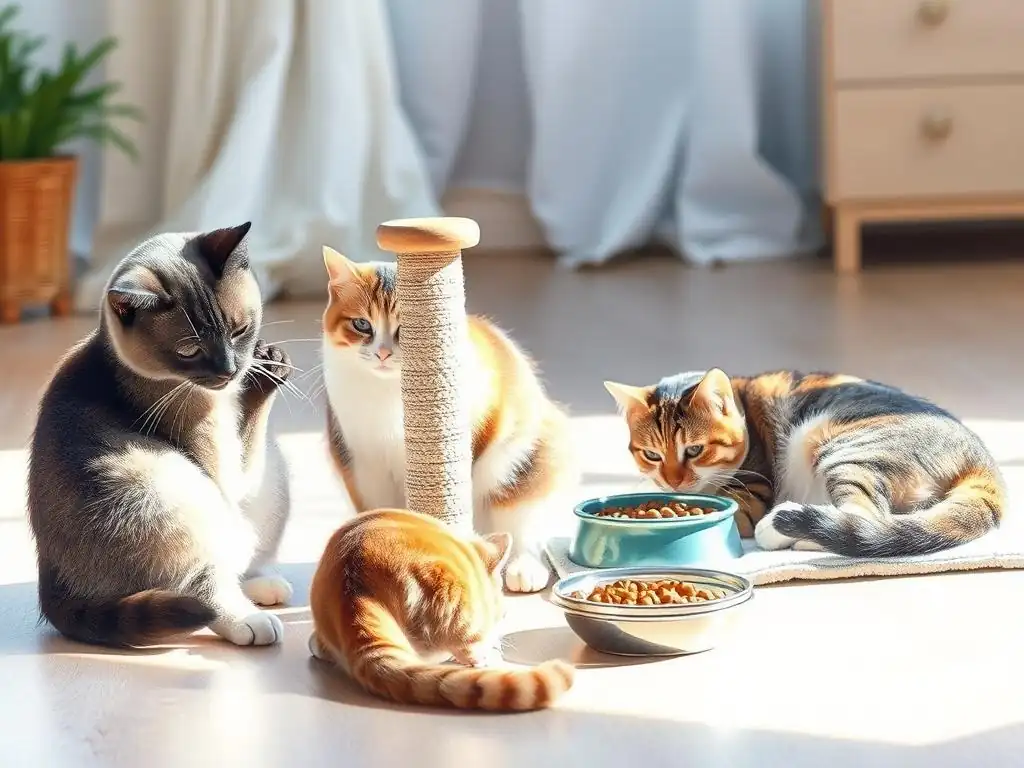
Competition over resources (food, water, litter boxes, resting places) can significantly hinder socialization, especially if introducing a new cat. Effective resource management is essential to prevent territorial disputes and allow for peaceful co-existence.
Resource Management Strategies to Minimize Competition
Implementing clear resource management strategies is vital. This means ensuring each cat has ample access to essential resources, minimizing the potential for conflict. Here are some key strategies:
| Resource | Management Strategy | Explanation |
|---|---|---|
| Food Bowls | Provide multiple food bowls in separate locations, ideally one per cat. | Prevents competition and allows each cat to eat comfortably without feeling threatened. |
| Water Bowls | Similarly, provide multiple water bowls. Consider different types (fountains, bowls). | Different water sources cater to individual preferences and prevent one cat from monopolizing the water supply. |
| Litter Boxes | The rule of thumb is one litter box per cat, plus one extra. | Ample litter boxes reduce stress and prevent accidents due to territorial disputes. |
| Sleeping Areas | Provide multiple comfortable sleeping areas, in varied locations and heights. | Offers each cat a safe and secluded space to rest. |
| Scratching Posts | Offer multiple scratching posts of different materials and styles. | Prevents competition for a favorite scratching spot. |
Remember, patience and consistency are key to successful socialization. Every cat is an individual, and the process may take time and require adjustments. If you encounter significant challenges, consulting a certified cat behaviorist is recommended. Early intervention can make a big difference in helping your adult cat adjust and thrive in a more social environment.
This section provides a detailed, step-by-step approach to successfully socializing an adult cat, focusing on techniques proven effective by experienced feline behaviorists. Remember, patience and consistency are key. Socializing an adult cat requires a gentle, understanding approach, understanding that their past experiences may influence their current behavior. The goal is to help your feline companion build confidence and positive associations with people and other animals. This guide offers practical "socialize adult cat tips" to achieve this.
Step 1: Building Trust Through Positive Reinforcement
The foundation of successful cat socialization is trust. Adult cats, especially those with negative past experiences, may be wary of new situations and people. Therefore, the initial phase focuses on building a positive association with you and their environment. This involves utilizing positive reinforcement techniques, rewarding desired behaviors, and avoiding any actions that could trigger fear or anxiety.
Positive reinforcement is all about rewarding good behavior. Instead of punishing unwanted actions, focus on rewarding the behaviors you want to see. For example, if your cat approaches you, offer praise and a small treat. If they allow you to gently pet them, continue with the praise and treats. This creates a positive feedback loop, making your presence associated with pleasant experiences. Consistency is crucial; maintain this routine for several days, even weeks, to establish a strong bond. Use high-value treats – something your cat absolutely loves – to maximize the effectiveness of this training.
Consider incorporating scent-based bonding. Gently rubbing your clothing on a comfortable blanket then placing it near your cat's resting area can help them become accustomed to your smell. This slow introduction minimizes sudden surprises and allows your cat to approach you on their own terms. The key is to create a safe and comfortable atmosphere where your cat feels secure enough to engage with you. Observe your cat's body language carefully; signs of stress include flattened ears, a tucked tail, or hissing. If you notice these signs, back off and try again later. Remember, your cat's comfort is paramount.
Step 2: Controlled Introductions to Other Pets
Introducing your adult cat to other pets requires careful planning and gradual introductions. Rushing the process can lead to fear, aggression, or injury. The process should be slow and controlled, allowing your cat time to adjust to the presence of the other animal without feeling overwhelmed.
Begin by allowing your cat and the other pet to smell each other's scent. This can be achieved by swapping bedding or toys. This helps them become familiar with each other's presence before a visual introduction. Next, allow supervised, brief visual encounters through a barrier such as a baby gate or screen door.
This allows them to observe each other from a safe distance, reducing the risk of conflict. If both animals show signs of interest or curiosity but remain calm, you can progress to short, supervised interactions in a neutral territory. This could be a room they are both unfamiliar with.
During these initial interactions, maintain a calm and reassuring presence. Use positive reinforcement to reward calm behavior in both animals. If any signs of aggression or stress appear, immediately separate the animals and return to the previous stage. Remember, it's a marathon, not a sprint.
Be patient and allow ample time for your cat to adjust. Keep interactions short and positive, gradually increasing the duration as they become more comfortable. Always prioritize the safety and well-being of both animals. If you have multiple cats, you may need to repeat this process for each introduction, ensuring each cat has a chance to adjust at its own pace.
Step 3: Encouraging Play and Interaction with Your Cat
Once a degree of trust and comfort is established, you can begin to encourage play and interaction with your cat. This helps to build stronger bonds and promotes positive social behaviors. Interactive play is crucial for stimulating your cat's natural hunting instincts and providing mental enrichment.
Use toys that mimic prey, such as feathered wands or laser pointers. This engages their natural hunting instincts and provides an outlet for their energy. Engage in interactive play sessions several times a day, varying the types of toys to keep your cat interested. This helps improve their physical and mental health, reducing stress and promoting positive associations. Observe your cat’s responses carefully. If they become overly excited or aggressive during play, end the session and try again later.
In addition to play, consider providing opportunities for social interaction with other cats, if appropriate. Cat trees or scratching posts can offer vertical space, allowing cats to interact without direct confrontation. Providing multiple food and water bowls can minimize competition and reduce stress. Creating a calm and enriching environment is crucial for promoting positive social behavior and reducing the risk of conflict. Remember, a well-socialized cat is a happy and well-adjusted cat. By following these "socialize adult cat tips," you can help your feline companion thrive in a social environment.

Socializing an adult cat, especially one with a history of trauma or neglect, requires patience and a keen understanding of feline stress signals. Recognizing these signals is crucial to preventing setbacks and ensuring a positive socialization experience. Signs of stress in cats can manifest in various ways, from subtle changes in body language to more overt displays of fear or aggression. These include flattened ears, dilated pupils, a tucked tail, hissing, growling, or even swatting. It's vital to observe your cat closely and adjust your approach accordingly.
Creating a safe and predictable environment is paramount. This means providing your cat with ample hiding places, such as cat trees, tunnels, or even cardboard boxes, where they can retreat when feeling overwhelmed. These safe havens allow them to regulate their stress levels and feel a sense of control. Furthermore, maintain a calm and quiet atmosphere during socialization sessions. Avoid loud noises or sudden movements that might startle your cat. Gentle classical music has been shown to have a calming effect on some felines.
Positive reinforcement is key. Reward calm behavior with treats, praise, or gentle petting. Never force interaction. Instead, let your cat approach you at their own pace. If your cat displays signs of stress, immediately end the interaction and allow them to retreat to their safe space. Gradually increase the duration and intensity of socialization sessions as your cat becomes more comfortable.
Remember, the goal is to build trust and positive associations, not to force the issue. Rushing the process can lead to increased anxiety and hinder progress. Be patient and consistent, and celebrate even the smallest victories. For example, if your cat initially hides, simply acknowledging their presence and speaking softly can build a sense of security. Over time, this can lead to them venturing out more often. The process requires consistent, positive interactions tailored to your cat's individual pace.
Step 5: Seeking Professional Veterinary Behaviorist Support
Despite your best efforts, some adult cats may require more specialized assistance in overcoming socialization challenges. In such cases, seeking professional help from a veterinary behaviorist is highly recommended. Veterinary behaviorists are veterinarians with advanced training in animal behavior. They can provide a thorough assessment of your cat's behavior, identify underlying issues, and develop a customized treatment plan.
A veterinary behaviorist can help you understand the root causes of your cat's behavioral issues. This could involve assessing their past experiences, medical history, and current environment. They can also rule out any underlying medical conditions that might be contributing to the problem. For example, certain medical conditions can cause pain or discomfort, leading to aggression or withdrawal. A comprehensive assessment helps to ensure that the treatment plan addresses all contributing factors.
Furthermore, veterinary behaviorists offer a range of treatment options, including behavior modification techniques, medication (in some cases), and environmental enrichment strategies. They can provide guidance on appropriate training methods, help you manage stress and anxiety, and teach you how to effectively communicate with your cat. Their expertise can be invaluable in navigating complex socialization challenges and ensuring the best possible outcome for your feline companion. Remember, seeking professional help isn't a sign of failure; it's a proactive step towards ensuring your cat's well-being and happiness.
Their specialized knowledge and experience can significantly improve your chances of success in socializing your adult cat, leading to a more harmonious relationship between you and your pet. Don't hesitate to reach out to a veterinary behaviorist if you feel you need additional support. Early intervention is often key to achieving positive results.
Socializing an adult cat, especially one who is shy or fearful, requires patience, understanding, and a strategic approach. While basic socialization techniques are crucial, advanced methods can significantly improve the outcome, leading to a more confident and well-adjusted feline companion. This section delves into more sophisticated strategies for helping even the most timid cats blossom. Remember, every cat is an individual, and what works for one may not work for another.
Observe your cat's reactions closely and adjust your approach accordingly. The key is to build trust gradually and avoid overwhelming your cat. This is vital for successfully addressing the challenge of socialize adult cat tips.
Utilizing Calming Pheromones to Reduce Anxiety
Pheromones can be a powerful tool in reducing anxiety and promoting relaxation in cats. Synthetic feline facial pheromones (FFP), mimicking those naturally released by a mother cat to comfort her kittens, can create a sense of security and reduce stress in a fearful environment. These pheromones are available in diffusers that plug into wall outlets, or as sprays that can be applied to bedding or scratching posts.
Using pheromones isn't a magical cure-all, but they can be a valuable adjunct to other socialization techniques. They help to create a more calming atmosphere, making your cat more receptive to interaction. It's important to use them consistently, especially during periods of increased stress, such as introducing a new pet or during vet visits. Remember to always follow the manufacturer's instructions for proper application and usage.
Data shows that over 70% of cat owners report a noticeable improvement in their cat's behavior when using FFP diffusers. For optimal results, combine pheromone use with other strategies outlined in this article. This is a fundamental aspect of socialize adult cat tips.
Desensitization and Counter-Conditioning Techniques
Desensitization and counter-conditioning are powerful behavioral modification techniques. Desensitization involves gradually exposing your cat to the fearful stimulus (e.g., a new person, another cat, loud noises) at a distance and intensity that doesn't trigger a fear response. As your cat remains calm, slowly decrease the distance and intensity.
Counter-conditioning pairs the fearful stimulus with something positive, such as treats or praise. This helps your cat associate the previously negative stimulus with positive experiences. For example, if your cat is afraid of the vacuum cleaner, start by turning it on at a distance while giving your cat treats. Gradually move the vacuum closer as your cat remains calm and continues to receive treats. This process requires patience and consistency. It's crucial to proceed at your cat's pace; never push them beyond their comfort zone. This method is frequently cited as a key component of socialize adult cat tips.
Here's a sample desensitization and counter-conditioning plan:
| Day | Stimulus | Distance/Intensity | Positive Reinforcement |
|---|---|---|---|
| 1 | Vacuum cleaner (off) | Across the room | Treats, petting |
| 2 | Vacuum cleaner (low) | Across the room | Treats, praise |
| 3 | Vacuum cleaner (low) | 10 feet away | Treats, interactive play |
| 4 | Vacuum cleaner (low) | 5 feet away | Treats, petting |
| ... | ... | ... | ... |
Socializing a fearful adult cat is a marathon, not a sprint. It requires unwavering patience and consistency. There will be setbacks. Your cat may regress at times, exhibiting fearful behaviors again. Don't get discouraged. Simply return to a previous stage of the process and gradually work your way back up. Celebrate even the smallest successes. Positive reinforcement is key. Reward your cat for any attempts at interaction or bravery. Even a slight improvement warrants praise and treats. Avoid punishment, as this will only worsen the situation and damage your bond.
Remember, building trust takes time. Your cat needs to feel safe and secure before it can truly begin to socialize. Consistency in your approach, coupled with patience and understanding, is the foundation of successful socialization. This aspect is often overlooked in many socialize adult cat tips guides, yet is arguably the most critical. Your dedication and positive attitude will significantly influence your cat's progress. The journey may be long, but the reward of a confident and well-adjusted cat is immeasurable.
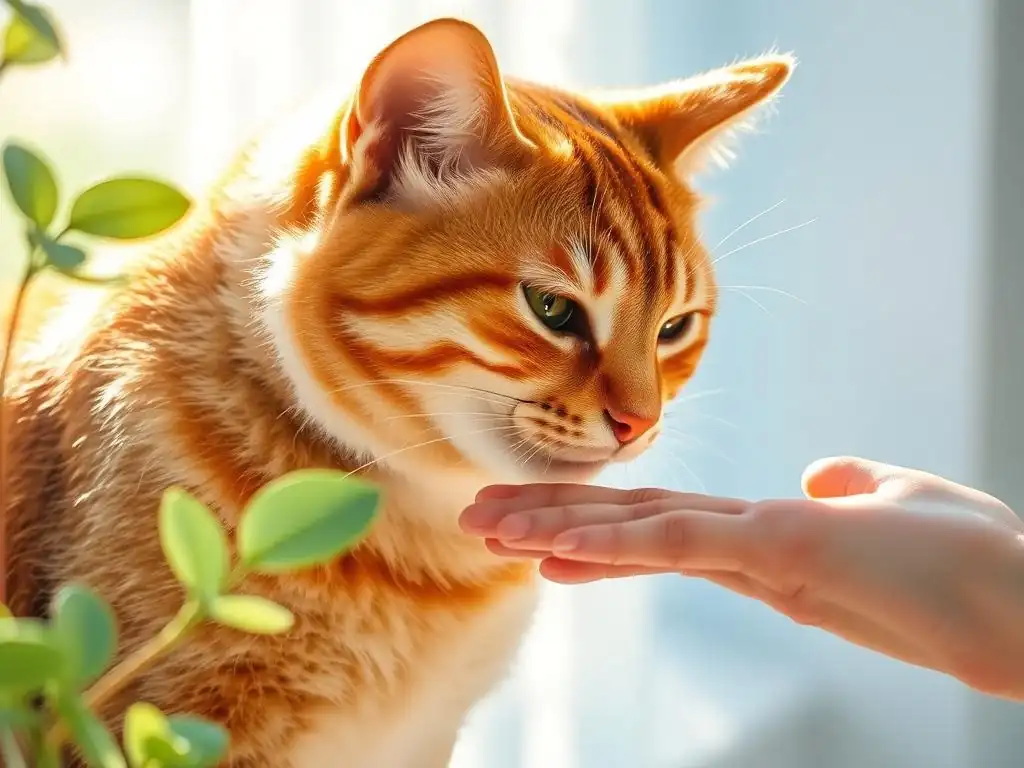
Creating a harmonious home environment is crucial for successfully socializing an adult cat. This involves minimizing stressors and maximizing opportunities for positive interactions. Think of it as building a foundation of trust and comfort. A stressed cat is far less likely to engage positively with new people or animals.
Socialization isn't a one-time event; it's an ongoing process, especially with adult cats who may have had limited exposure to various stimuli. Consistency is key. Here are some practical strategies:
- Regular, low-stress interactions: Spend short periods of time each day interacting with your cat. This could involve gentle petting, playing with their favorite toys, or simply sitting quietly near them. Avoid forcing interaction; let your cat approach you at their own pace. Positive reinforcement, such as treats or praise, works wonders.
- Controlled introductions to new people: Instead of overwhelming your cat with a large group of people, introduce them to new individuals one at a time, in a quiet and familiar environment. Let the cat approach and sniff the person; avoid forcing interaction. Encourage the person to sit still and offer a slow, gentle approach.
- Gradual exposure to new environments: Take your cat on short, supervised outings to new, safe environments. A quiet garden or a calm, pet-friendly park can be good starting points. Always ensure your cat is safely leashed or contained. Avoid overwhelming them with too much stimulation at once.
- Enrichment and play: Providing ample opportunities for play and environmental enrichment is vital. This helps reduce boredom and stress, and can lead to a more confident and sociable cat. Puzzle feeders, climbing structures, and interactive toys can all contribute to a more stimulating environment. Remember, a happy cat is a more approachable cat.
- Positive reinforcement training: Use positive reinforcement techniques to shape your cat's behavior. Reward desired behaviors, such as approaching new people or exploring new environments, with treats, praise, or affection. Avoid punishment; it will only increase fear and anxiety.
Recognizing Signs of Stress or Aggression in Your Cat
Recognizing the subtle signs of stress or aggression in your cat is crucial to adapting your socialization approach. Ignoring these signals can lead to a breakdown in the process and could potentially create negative associations. Early detection is key.
Recognizing Signs of Stress or Aggression in Your Cat
Cats display stress and aggression in various ways. Some common signs include:
- Body language: Flattened ears, a tucked tail, dilated pupils, hissing, growling, or spitting are clear indicators of aggression or fear. A puffed-up tail, arched back, or raised hackles can also signal fear. Subtle signs include avoiding eye contact, excessive grooming, or hiding.
- Behavioral changes: Changes in appetite, litter box habits, or sleep patterns can indicate underlying stress. Increased vocalization, such as meowing or yowling, can also be a sign. A sudden increase in aggression towards other pets or people should also be noted.
- Physical symptoms: In severe cases, stress can manifest as physical symptoms such as vomiting, diarrhea, or loss of appetite. Consult a veterinarian if you notice any of these symptoms.
Understanding these signals allows you to adjust your approach, ensuring a positive socialization experience. Remember, patience and understanding are paramount.
Adapting Your Approach Based on Your Cat's Individual Needs

Each cat is an individual with its unique personality, temperament, and past experiences. A successful socialization strategy requires adapting your approach to suit your cat's specific needs. A one-size-fits-all approach rarely works.
Adapting Your Approach Based on Your Cat's Individual Needs
Consider the following factors when tailoring your socialization strategy:
- Past experiences: A cat with a history of trauma or neglect may require a more gradual and patient approach. Avoid rushing the process, and be prepared to take setbacks in stride. Positive reinforcement is even more crucial in these cases.
- Personality: Some cats are naturally more outgoing and confident than others. Shy or timid cats will need more time and gentle encouragement. Avoid pushing them beyond their comfort zone.
- Medical conditions: Underlying medical conditions can influence a cat's behavior and ability to socialize. If your cat exhibits unusual behavior, consult your veterinarian to rule out any underlying medical issues.
- Environmental factors: A safe, comfortable, and enriching home environment is essential for successful socialization. Minimize stressors such as loud noises, sudden movements, or unfamiliar people.
By carefully considering these factors and adapting your approach accordingly, you can significantly increase the chances of successfully socializing your adult cat. Remember, the process requires patience, understanding, and a commitment to creating a positive and supportive environment for your feline companion. 🎉
This section showcases real-world examples of successful adult cat socialization, illustrating the effectiveness of various techniques and highlighting the transformative power of patience and understanding. These case studies demonstrate that even seemingly unsociable adult cats can learn to thrive in social environments with the right approach. Remember, every cat is an individual, and what works for one may not work for another.
The key is observation, adaptation, and a commitment to positive reinforcement. These examples provide valuable insights and inspiration for your own socialization journey with your adult cat. Successfully socializing an adult cat is a rewarding experience, building a stronger bond and enhancing the quality of life for both you and your feline companion.
Mittens, a three-year-old domestic shorthair rescued from a hoarding situation, arrived at her new home fearful, withdrawn, and exhibiting signs of severe anxiety. She hissed and swatted at any attempt at interaction, hiding under furniture for days. Her new owner, Sarah, employed a gradual socialization plan, focusing on creating a safe and predictable environment. She started by simply leaving food and water near Mittens' hiding place, gradually moving them closer to her over several weeks.
Simultaneously, Sarah engaged in positive reinforcement, offering treats and gentle praise whenever Mittens ventured out slightly. She avoided direct eye contact and forceful interactions, instead opting for calm, quiet presence. After a month, Mittens began to cautiously approach Sarah, eventually accepting gentle petting.
Within six months, Mittens was a confident, affectionate cat, happily interacting with Sarah and tolerating the presence of other household pets. This success underscores the importance of patience and a gradual, stress-free approach to socialization. The keyword here is patience; it's crucial for successful socialization of adult cats.
Jasper, a five-year-old Maine Coon, displayed aggressive behavior towards other cats and even his human family members. His aggression stemmed from a lack of early socialization and a fear of unfamiliar stimuli. His owner, John, sought professional help from a certified cat behaviorist. The behaviorist recommended a combination of techniques including desensitization and counter-conditioning.
This involved gradually exposing Jasper to other cats (initially at a distance) while rewarding calm behavior with treats and praise. Simultaneously, John worked on building Jasper's confidence through interactive play sessions using appropriate toys. The behaviorist also implemented a strict routine to provide Jasper with predictability and security.
Over several months, Jasper's aggression significantly decreased, and he eventually learned to tolerate the presence of other cats, though he remains more cautious than the average cat. This case highlights the benefit of seeking professional guidance when dealing with aggressive behavior in adult cats. Understanding the root causes of aggression is key to effective socialization training.
Case Study 3: Building Confidence in a New Home Environment
Luna, a four-year-old Siamese, was rehomed after her previous owner passed away. She arrived at her new home exhibiting signs of stress and anxiety, including loss of appetite and excessive grooming. Her new owner, Emily, created a safe and comforting space for Luna, providing her with plenty of hiding places, food, and water. She avoided forcing interaction, instead letting Luna adjust to her new surroundings at her own pace.
Emily focused on providing positive experiences, such as engaging Luna in play with feather wands and offering her favorite treats. She also used pheromone diffusers to reduce stress and anxiety. Over time, Luna's confidence gradually grew. She began to explore her new home more freely and became more receptive to interaction with Emily.
This case study demonstrates how creating a safe and stimulating environment is crucial for building confidence and facilitating successful socialization in a new home. Providing a secure and enriching environment is critical for adult cat socialization tips. This allows cats to adapt at their own pace, leading to better outcomes.
These case studies illustrate that successful adult cat socialization is achievable with patience, understanding, and the right approach. Remember to tailor your methods to your cat's individual needs and personality, and don't hesitate to seek professional help if needed. The journey may require time and dedication, but the rewards of a well-socialized, confident cat are immeasurable. Remember, every cat is unique, and what works for one may not work for another. Your success depends on adapting your techniques to your cat's specific needs and personality.
Frequently Asked Questions
Yes! While kittens are easier to socialize, adult cats are still capable of learning and forming bonds. It just requires patience, positive reinforcement, and a slow, gradual approach.
Begin by creating a safe and comfortable space for your cat. Use positive reinforcement with treats and gentle petting. Gradually introduce them to new sights, sounds, and people at their own pace.
What if my adult cat is aggressive?
Professional help is crucial if your cat displays aggression. Consult a veterinarian or a certified cat behaviorist to determine the underlying cause and develop a safe and effective behavior modification plan.
Socialization is a process, not a quick fix. It can take weeks, months, or even longer, depending on the cat's history and personality. Be patient and consistent.
Avoid forcing interactions, punishing fearful behavior, or introducing too many stimuli at once. Focus on positive reinforcement and building trust gradually. Respect your cat's boundaries.
Final Reflection: Unlocking the Heart of a Feline Friend
The ability to socialize an adult cat, often perceived as an insurmountable challenge, is actually a rewarding journey filled with potential for deep connection. Successfully integrating a previously unsocialized cat into a loving home requires patience, understanding, and a willingness to adapt to their unique personality, proving that even the most reserved feline can blossom with the right approach.
The impact of successful cat socialization extends far beyond a simple improvement in behavior; it enriches the lives of both the cat and its human companions. It fosters a bond built on trust and mutual respect, transforming a potentially stressful situation into a heartwarming testament to the power of patience and understanding. The greatness of a nation and its moral progress can be judged by the way its animals are treated.
- Mahatma Gandhi. While this quote speaks to a broader societal issue, its core message resonates deeply with the human-animal bond, highlighting the ethical responsibility we have to nurture and understand our feline friends.
Now, consider your own relationship with cats, or perhaps the cats in your community. Are there opportunities to apply these techniques? Take a moment to reflect on the potential for connection, the joy of a purring companion, and the profound impact you can have on a cat's life by simply offering understanding and patience. Embrace the challenge, and you might just unlock the heart of a feline friend, discovering a bond that will enrich your life immeasurably.
Unlock Your Cat's Inner Kitten: Start Building Bonds Today!
Thank you for exploring the world of adult cat socialization! We hope you feel empowered to strengthen your bond with your feline companion. Ready to put this knowledge into practice?
- Start your cat's socialization journey today: Try a new interaction technique—even a brief, positive experience can make a difference. Observe your cat's response and adapt your approach as needed.
- Share your progress (and any challenges!): We'd love to hear about your experiences and offer support in the comments below. Let's build a community of cat lovers dedicated to creating happier, healthier homes for our feline friends.
- Challenge yourself to creative playtime: Use items you already own to engage your cat in play. This is a fantastic, cost-effective way to strengthen your bond.
What small step will you take today to deepen your bond with your adult cat?