
Cat Poop Problems: Understanding and Troubleshooting Litter Box Mishaps

Welcome to PetCareWorld, your ultimate guide to a happier, healthier life for your beloved pets! Are you facing frustrating cat litter box problems? We understand the challenges, and that's why we've created this comprehensive resource. Discover practical solutions and expert advice to tackle even the most perplexing cat poop problems – from infrequent use to inappropriate elimination. Dive in and unlock the secrets to a cleaner, more harmonious home environment for you and your feline friend.
-
Identifying Common Cat Litter Box Issues and Their Causes
- Frequent Urination Outside the Litter Box: Diagnosing and Addressing the Problem
- Defecation Outside the Litter Box: Causes and Solutions for Solid Waste Issues
- Inappropriate Urination: Medical and Behavioral Reasons for Cat Accidents
- Straining to Urinate or Defecate: Recognizing and Addressing Potential Health Concerns
-
Troubleshooting Cat Litter Box Problems: A Step-by-Step Guide
- Assessing the Litter Box Setup: Location, Size, and Accessibility
- Evaluating Litter Preferences: Type, Texture, and Cleanliness
- Analyzing Cat Behavior: Stress, Anxiety, and Medical Conditions as Contributors to Litter Box Problems
- Implementing Gradual Changes to Litter Box Habits: A Gentle Approach to Problem Solving
- Seeking Veterinary Assistance: When to Consult a Professional for Cat Litter Box Issues
-
Preventing Future Cat Litter Box Problems: Proactive Measures
- Maintaining Litter Box Hygiene: Regular Cleaning and Maintenance
- Creating a Stress-Free Environment for Your Cat: Minimizing Anxiety and Promoting Well-being
- Providing Multiple Litter Boxes: Addressing the Needs of Multiple Cats or Territorial Issues
- Monitoring Cat Health: Early Detection of Potential Medical Problems
-
Advanced Strategies for Addressing Persistent Cat Litter Box Problems
- Behavioral Modification Techniques: Training Your Cat to Use the Litter Box Consistently
- Environmental Enrichment: Stimulating Your Cat's Environment to Reduce Stress and Boredom
- Using Cat-Friendly Deterrents: Discouraging Urination or Defecation Outside the Litter Box
- Addressing Underlying Medical Conditions: Treatment Plans for Urinary Tract Infections or Other Illnesses
- Frequently Asked Questions
- Final Reflection: The Enduring Mystery (and Solution) of the Litter Box
- Unleash Your Inner Cat Whisperer: Solve Those Litter Box Mysteries!
Identifying Common Cat Litter Box Issues and Their Causes
Cat litter box problems are a common source of frustration for cat owners. Understanding the underlying causes of these mishaps is crucial to resolving them effectively and maintaining a harmonious relationship with your feline friend. This comprehensive guide delves into the most frequent litter box issues, exploring their potential causes and offering practical solutions to help you navigate these challenges.
From frequent urination outside the box to solid waste issues and inappropriate urination in general, we'll explore the medical and behavioral factors that can contribute to these problems. Addressing these issues promptly and correctly is not only vital for maintaining a clean and pleasant home environment but also for ensuring the overall health and well-being of your cat.
Ignoring these signs could lead to more significant behavioral problems or underlying health conditions, so let's dive into the specifics and learn how to effectively troubleshoot these common cat litter box problems. 😼
Frequent Urination Outside the Litter Box: Diagnosing and Addressing the Problem
Frequent urination outside the litter box, often accompanied by small amounts of urine in multiple locations, is a clear indicator that something is amiss. This isn't simply about a messy cat; it's a symptom that needs investigation. Several factors can contribute to this issue:
- Medical Conditions: Urinary tract infections (UTIs), bladder stones, kidney disease, diabetes, and even hyperthyroidism can all cause increased urinary frequency and urgency, leading to accidents outside the litter box. A veterinary examination is essential to rule out any underlying medical problems. Early diagnosis is critical for successful treatment.
- Litter Box Issues: Cats are incredibly fastidious creatures. The type of litter, the cleanliness of the box, the location of the box, and even the size and number of litter boxes can all influence their toileting habits. A cat might avoid a dirty box, a box that's too small, or a box located in a high-traffic area.
- Stress and Anxiety: Changes in the household, such as new pets, family members, or even rearranging furniture, can significantly stress a cat, leading to inappropriate urination. Stress can manifest in various ways, and litter box issues are a common symptom.
- Pain: Pain associated with arthritis, injury, or other medical conditions can make it difficult for a cat to access or use the litter box comfortably, resulting in accidents outside the box.
Addressing this problem requires a systematic approach:
- Veterinary Check-up: The first step is always a visit to the veterinarian to rule out any underlying medical conditions.
- Litter Box Assessment: Evaluate the litter box itself: Is it clean enough? Is the litter appropriate? Is it located in a quiet, accessible spot? Consider offering multiple litter boxes, especially in multi-cat households.
- Stress Reduction: Identify and address any potential stressors in the cat's environment. Provide plenty of hiding places and ensure a safe and secure space for your cat.
- Behavioral Modification: In some cases, behavioral modification techniques might be necessary to help your cat overcome anxiety or stress associated with using the litter box. A veterinary behaviorist can provide guidance.
Defecation Outside the Litter Box: Causes and Solutions for Solid Waste Issues
Unlike frequent urination, defecation outside the litter box often points to different underlying issues. While some of the causes overlap with urination problems (like medical conditions and stress), others are specific to solid waste elimination.
- Constipation or Diarrhea: Gastrointestinal problems can cause discomfort and urgency, leading a cat to defecate outside the litter box. Changes in diet, underlying health issues, or intestinal parasites can all contribute to these issues.
- Litter Box Aversion: Similar to urination, a cat may avoid the litter box due to its cleanliness, location, type of litter used, or even the box itself. Cats can be highly sensitive to changes in their litter box routine.
- Pain: Pain during defecation, possibly due to anal gland issues or other medical conditions, can make using the litter box uncomfortable.
Solving this problem involves a similar process to addressing frequent urination:
- Veterinary Examination: Rule out medical conditions like constipation, diarrhea, or anal gland problems. This is especially crucial if the stool is abnormal in consistency or frequency.
- Litter Box Evaluation: Again, assess the cleanliness, location, size, and type of litter used. Experiment with different litters to find one your cat prefers.
- Environmental Modifications: Identify and address any potential stressors in the cat's environment.
- Dietary Adjustments: If dietary factors are suspected, consult your veterinarian about potential changes to your cat's food.
Inappropriate Urination: Medical and Behavioral Reasons for Cat Accidents
Inappropriate urination encompasses both frequent urination and defecation outside the litter box, highlighting the interconnectedness of these issues. The key is to understand the root cause, which can be a complex interplay of medical and behavioral factors.
- Medical Causes: As previously discussed, various medical conditions like UTIs, kidney disease, and diabetes can contribute to inappropriate urination. These conditions often cause pain or discomfort, leading to accidents.
- Behavioral Causes: Stress, anxiety, fear, and even territorial marking can all lead to inappropriate urination. These behavioral issues often stem from changes in the household, such as new pets, moving, or even changes in routine.
- Cognitive Dysfunction: In older cats, cognitive dysfunction syndrome (CDS) can manifest as inappropriate urination due to decreased awareness of their surroundings or changes in their cognitive abilities.
Addressing inappropriate urination requires a comprehensive approach:
- Thorough Veterinary Examination: This is paramount to rule out any underlying medical conditions. Blood work and urinalysis are crucial for diagnosis.
- Behavioral Assessment: If medical causes are ruled out, a behavioral assessment by a veterinarian or certified cat behaviorist can help identify the underlying behavioral triggers.
- Environmental Enrichment: Providing plenty of vertical space, scratching posts, toys, and hiding places can help reduce stress and anxiety.
- Medication: In some cases, medication may be prescribed to manage stress, anxiety, or underlying medical conditions contributing to the problem.
Remember, patience and a systematic approach are crucial in resolving cat litter box problems. Don't hesitate to consult with your veterinarian or a certified cat behaviorist for personalized guidance. With careful observation and appropriate intervention, you can help your feline friend overcome these challenges and maintain a happy and healthy home environment.
Straining to Urinate or Defecate: Recognizing and Addressing Potential Health Concerns
Straining during urination or defecation in cats is a significant red flag indicating potential underlying health issues. It's crucial for cat owners to recognize this symptom and seek veterinary attention promptly. Unlike the occasional minor straining that might occur with a particularly large bowel movement, consistent or excessive straining warrants immediate concern. This behavior can stem from various factors, some relatively minor and others more serious.
One common cause is urinary tract infections (UTIs). UTIs can cause pain and discomfort during urination, leading to straining and potentially even accidents outside the litter box. Symptoms often include frequent urination, licking of the genital area, and blood in the urine. In severe cases, complete urinary blockage can occur, a life-threatening emergency requiring immediate veterinary intervention. Early detection and treatment of UTIs are vital to prevent complications.
Constipation is another frequent culprit behind straining. Cats can become constipated due to dehydration, a low-fiber diet, insufficient exercise, or underlying medical conditions affecting bowel motility. Hard, dry stools are difficult to pass, resulting in observable straining. In some instances, a cat might even cry out in pain during defecation. Treatment for constipation often involves dietary changes, increased water intake, and in some cases, stool softeners or enemas administered under veterinary supervision.
Beyond UTIs and constipation, more serious conditions can manifest as straining. These include feline lower urinary tract disease (FLUTD), kidney disease, intestinal blockages, and certain types of cancers. FLUTD encompasses a range of conditions affecting the bladder and urethra, often causing painful urination and straining. Kidney disease can lead to changes in urine production and composition, making urination difficult. Intestinal blockages, caused by ingested foreign objects or tumors, can obstruct the passage of feces, resulting in severe straining and abdominal discomfort. Cancers affecting the urinary or gastrointestinal tracts can also cause similar symptoms.
Recognizing the subtle differences in straining—whether it’s related to urination or defecation, the frequency, the cat's overall demeanor (lethargic, vocalizing in pain, etc. )—is critical for providing accurate information to your veterinarian. This allows for a more accurate diagnosis and appropriate treatment plan. Never hesitate to contact your vet if you observe your cat straining, especially if accompanied by other symptoms like changes in appetite, weight loss, lethargy, or changes in urination or defecation habits.
Early intervention is key to resolving these issues and ensuring your cat's well-being. Remember, prompt veterinary attention is crucial to prevent serious complications and ensure the best possible outcome for your beloved feline companion. 😻
Troubleshooting Cat Litter Box Problems: A Step-by-Step Guide
This section delves into the practical aspects of resolving common cat litter box issues. We'll explore how to systematically identify and address the root causes of inappropriate urination and defecation, ultimately leading to a cleaner home and a happier cat. Remember, consistent observation and patience are key to successfully addressing cat litter box problems. Solving these issues often requires a multifaceted approach, carefully considering several factors.
Assessing the Litter Box Setup: Location, Size, and Accessibility
The location, size, and accessibility of the litter box are crucial factors influencing your cat's bathroom habits. An unsuitable setup can lead to significant stress and contribute to litter box avoidance.
Many cat owners unknowingly make mistakes in these areas. For example, placing the litter box in a high-traffic area, such as a hallway or near the washing machine, can make your cat feel vulnerable and uncomfortable. Similarly, a litter box that's too small for your cat might lead to them avoiding it, especially for larger breeds.
Here's a checklist to assess your current setup:
- Location: Is the litter box in a quiet, private, and easily accessible location? Avoid areas with loud noises, heavy foot traffic, or strong smells. Consider placing it in a less-used corner of a room.
- Size: Is the litter box spacious enough for your cat to comfortably turn around and dig without feeling cramped? As a general rule, the box should be at least 1.5 times the length of your cat.
- Accessibility: Is the litter box easy for your cat to reach? If your cat is elderly or has mobility issues, ensure it's easily accessible without obstacles. Avoid placing it in high or low areas that might be difficult for your cat to navigate.
- Number of Boxes: The general rule is one litter box per cat, plus one extra. For multi-cat households, having multiple litter boxes in different locations is crucial to avoid competition and ensure every cat has easy access.
Consider these examples: A large Maine Coon cat will require a significantly larger litter box than a small Siamese. A senior cat with arthritis may benefit from a low-sided litter box for easier access. A multi-cat household with three cats should ideally have at least four litter boxes strategically placed throughout the house. Ignoring these factors can quickly escalate into significant cat litter box problems.
Evaluating Litter Preferences: Type, Texture, and Cleanliness
The type of litter you use plays a significant role in your cat's acceptance of the litter box. Some cats are incredibly picky about litter texture, scent, and absorbency. A change in litter can sometimes trigger a sudden onset of litter box issues. Furthermore, inconsistent cleaning leads to foul odors that deter even the most tolerant felines. Maintaining impeccable litter box hygiene is paramount.
Consider these points when evaluating your cat's litter preference:
- Type: Experiment with different litter types, such as clay, clumping, silica gel, or even wood-based litters. Note your cat's reaction to each type. Some cats prefer the feel of finer-grained litters, while others might prefer the coarser texture of wood pellets.
- Texture: Observe whether your cat prefers a finer or coarser texture. Some cats find clumping litters too sticky, while others dislike the feel of silica gel.
- Scent: Avoid heavily scented litters, as many cats find them offensive. Unscented litters are generally the safest option.
- Cleanliness: Scoop the litter box at least once a day, and completely change the litter regularly (frequency varies depending on the type of litter and the number of cats). A dirty litter box is a major contributor to cat litter box problems.
For instance, switching from a scented clay litter to an unscented clumping litter might resolve the issue for a cat that previously avoided the litter box due to the strong scent. Regularly cleaning the box prevents the buildup of ammonia and other unpleasant odors that can make your cat avoid using it. Neglecting this crucial aspect can quickly escalate into significant cat litter box problems and lead to health issues.
Analyzing Cat Behavior: Stress, Anxiety, and Medical Conditions as Contributors to Litter Box Problems
Behavioral issues, stress, anxiety, and underlying medical conditions can significantly impact a cat's litter box habits. These factors often go unnoticed by pet owners, leading to frustration and misinterpretations. It's crucial to consider these elements when troubleshooting litter box problems.
- Stress and Anxiety: Changes in the household (new pet, move, family member), loud noises, or even a change in routine can trigger stress and anxiety, potentially leading to inappropriate elimination. Signs of stress include hiding, changes in appetite, excessive grooming, and aggression.
- Medical Conditions: Urinary tract infections (UTIs), kidney disease, diabetes, and arthritis can all cause discomfort during urination or defecation, leading to litter box avoidance. If your cat exhibits any signs of illness, consult a veterinarian immediately. A medical condition could be the underlying cause of your cat litter box problems.
- Territorial Issues: Multiple cats in a household can lead to territorial disputes, with one cat marking its territory outside the litter box.
- Pain: Pain associated with arthritis or other conditions can make using the litter box difficult.
For example, a cat experiencing stress due to a new pet in the house might start urinating outside the litter box as a way to mark its territory. A cat suffering from a UTI might experience painful urination and therefore avoid using the litter box. Ignoring these behavioral and medical aspects can quickly escalate into significant cat litter box problems and lead to more serious health concerns. A thorough veterinary check-up is often crucial to rule out any underlying medical causes.
Implementing Gradual Changes to Litter Box Habits: A Gentle Approach to Problem Solving
Cats are creatures of habit, and sudden changes to their litter box setup can trigger anxiety and lead to elimination problems. Therefore, addressing cat litter box problems often requires a gradual and patient approach. Instead of making drastic alterations all at once, introduce changes incrementally, allowing your feline friend time to adjust to each modification.
For example, if you're switching litter types, start by mixing a small amount of the new litter with the old litter. Gradually increase the proportion of the new litter over several days or even weeks, until the litter box contains only the new type. This slow transition minimizes stress and increases the likelihood of a smooth switch.
Similarly, if you're moving the litter box, consider moving it only a few inches each day until it reaches its desired location. This allows your cat to gradually adapt to the new position, preventing confusion and potential accidents outside the box. Observe your cat's behavior closely during these transitions. If you notice signs of stress or reluctance to use the litter box, slow down the process even further.
Remember, patience is key. Rushing the process can undo all your efforts and exacerbate the problem. Positive reinforcement, such as offering treats or praise after successful litter box use, can further encourage your cat and reinforce the desired behavior.
Consider providing multiple litter boxes, especially in multi-cat households, to reduce competition and stress. This seemingly simple change can significantly improve litter box usage and reduce accidents. Consistent routines and a calm environment contribute significantly to successful litter box training and the prevention of future problems.
Seeking Veterinary Assistance: When to Consult a Professional for Cat Litter Box Issues
While many cat litter box issues stem from environmental or behavioral factors, some problems indicate underlying medical conditions requiring veterinary intervention. It's crucial to understand when a simple adjustment isn't enough and professional help is necessary. Persistent inappropriate urination or defecation, even after implementing changes to the litter box setup, warrants a visit to the veterinarian.
Changes in urination frequency, such as increased or decreased urination, or changes in the appearance of urine (e.g., cloudy, bloody, or foul-smelling) are significant indicators of potential health issues. Similarly, changes in defecation, including straining to defecate, diarrhea, constipation, or blood in the stool, require immediate veterinary attention. These symptoms can point to urinary tract infections (UTIs), kidney disease, bladder stones, inflammatory bowel disease (IBD), or other health problems.
Furthermore, if your cat exhibits sudden changes in behavior, such as increased vocalization, lethargy, loss of appetite, or changes in grooming habits, coupled with litter box problems, a veterinary examination is essential. These symptoms can be indicators of underlying pain or discomfort that may be affecting their ability to use the litter box properly. Your veterinarian can conduct a thorough physical examination, run diagnostic tests (such as urinalysis and blood work), and recommend appropriate treatment.
Early detection and treatment of underlying medical conditions are crucial for your cat's health and well-being, and can often resolve the litter box issues as a secondary effect. Don't hesitate to seek professional help if you suspect a medical problem; acting promptly can prevent the situation from worsening and ensure your cat receives the necessary care.
Preventing Future Cat Litter Box Problems: Proactive Measures
Addressing cat litter box issues often involves reactive solutions, but proactive measures are key to preventing problems before they arise. A well-maintained litter box and a relaxed feline companion are your best defenses against future mishaps. By implementing these preventative strategies, you'll significantly reduce the chances of encountering frustrating litter box challenges. This proactive approach to cat litter box management is crucial for maintaining a harmonious household and a happy, healthy cat.
Maintaining Litter Box Hygiene: Regular Cleaning and Maintenance
Regular cleaning is paramount in preventing cat litter box problems. Cats are fastidious creatures; a dirty litter box is a major source of stress and can lead to them eliminating outside the box. Aim for daily scooping, removing solid waste and clumps immediately. This prevents the build-up of ammonia, a pungent odor cats find highly unpleasant. A completely changed litter box should be a weekly occurrence, depending on the number of cats and the type of litter used. Failure to maintain hygiene can result in various issues, including:
- Urinary Tract Infections (UTIs): Ammonia buildup can irritate the urinary tract, increasing the risk of UTIs.
- Increased Stress: A constantly foul-smelling litter box will stress your cat, potentially leading to elimination outside the box.
- Parasite Infestations: Neglecting cleaning can allow parasites to thrive, impacting your cat's health.
Consider these best practices:
| Cleaning Task | Frequency | Importance |
|---|---|---|
| Scoop solid waste | Daily | Prevents ammonia buildup and unpleasant odors. |
| Full litter box change | Weekly (or as needed) | Maintains hygiene and prevents bacterial growth. |
| Box washing | Weekly or bi-weekly | Removes lingering bacteria and odors. |
Remember to use a litter box cleaner designed for pet use. Avoid harsh chemicals that could harm your cat. Regular maintenance is a simple yet effective way to deter future litter box problems. A clean litter box is a happy cat! 😻
Creating a Stress-Free Environment for Your Cat: Minimizing Anxiety and Promoting Well-being
Stress is a significant contributor to litter box problems. Cats are sensitive creatures, and any changes in their environment or routine can trigger anxiety, leading to inappropriate elimination. Creating a calm and secure environment is crucial for preventing future issues. Consider these factors:
- Changes in the household: New pets, renovations, or even a change in furniture arrangement can cause stress. Introduce changes gradually and provide your cat with a safe space where they can retreat when feeling overwhelmed.
- Medical conditions: Underlying health problems, such as UTIs, kidney disease, or arthritis, can make it difficult for your cat to use the litter box. Regular veterinary checkups are essential.
- Multi-cat households: Competition for resources, such as food, water, and litter boxes, can lead to stress and litter box issues. Ensure each cat has ample access to resources.
To minimize stress:
- Provide plenty of vertical space (cat trees, shelves) for your cat to escape and observe their surroundings.
- Use pheromone diffusers (Feliway) to help calm your cat and reduce anxiety.
- Maintain a consistent routine – feeding, playtime, and grooming schedules.
- Provide plenty of enrichment activities to keep your cat mentally and physically stimulated.
A relaxed cat is less likely to experience litter box problems. Prioritizing your cat's well-being is an important preventative measure.
Providing Multiple Litter Boxes: Addressing the Needs of Multiple Cats or Territorial Issues
The general rule is one litter box per cat, plus one extra. Multiple cats often lead to territorial disputes over the litter box, resulting in inappropriate elimination. Providing multiple litter boxes, strategically placed in different locations throughout the house, can alleviate this problem. Consider these factors when placing additional boxes:
- Accessibility: Ensure all cats have easy access to each litter box without having to navigate obstacles or pass through other cats' territories.
- Privacy: Cats prefer privacy when using the litter box. Place boxes in quiet, secluded areas.
- Location: Avoid placing boxes near food, water bowls, or noisy appliances.
Different litter box styles can also be beneficial:
- Some cats prefer uncovered boxes while others prefer enclosed ones. Offering a variety of box styles can cater to individual preferences.
- The size and type of litter can also influence a cat's preference. Experiment to find what works best for your cat(s).
Providing sufficient litter boxes is a proactive step in preventing many common cat litter box problems. It addresses territorial issues and ensures every cat has easy access to a clean and comfortable place to relieve themselves. This simple solution can significantly improve your feline companions' well-being and prevent frustrating litter box mishaps.
Monitoring Cat Health: Early Detection of Potential Medical Problems
Changes in your cat's litter box habits can often be the first sign of an underlying medical issue. Regularly monitoring your cat's health is crucial for preventing and addressing potential problems before they escalate into significant litter box issues. A seemingly simple shift in their elimination habits—increased frequency, straining, accidents outside the box, or changes in stool consistency—could indicate a variety of health concerns. Ignoring these subtle signs can lead to more serious complications down the line.
For instance, frequent urination could suggest a urinary tract infection (UTI), feline lower urinary tract disease (FLUTD), diabetes, or kidney disease. These conditions cause discomfort and urgency, potentially leading to inappropriate urination outside the litter box. Similarly, straining to defecate or producing hard, dry stools might point towards constipation, often caused by dehydration or dietary issues. Conversely, diarrhea can be a symptom of various intestinal problems, such as inflammatory bowel disease (IBD) or parasitic infections. These digestive upsets can lead to more frequent bowel movements and accidents outside the designated litter box area.
Regular veterinary check-ups are paramount. Your veterinarian can perform a thorough physical examination, including blood and urine tests, to identify any underlying medical conditions. Early diagnosis allows for prompt treatment, which not only improves your cat's overall well-being but also helps prevent future litter box problems stemming from these health issues. Don't hesitate to contact your vet if you notice any unusual changes in your cat's elimination habits or overall health.
Early intervention is key to resolving these issues and maintaining a happy, healthy cat and a clean home. Remember, a healthy cat is much less likely to develop litter box problems. Consider keeping a detailed record of your cat's daily water intake, food consumption, and bowel movements.
This information will be invaluable to your vet should any problems arise. This proactive approach is an essential component of successful cat litter box management and overall feline well-being. Don't underestimate the power of preventative care in maintaining a harmonious relationship with your feline companion.
Advanced Strategies for Addressing Persistent Cat Litter Box Problems
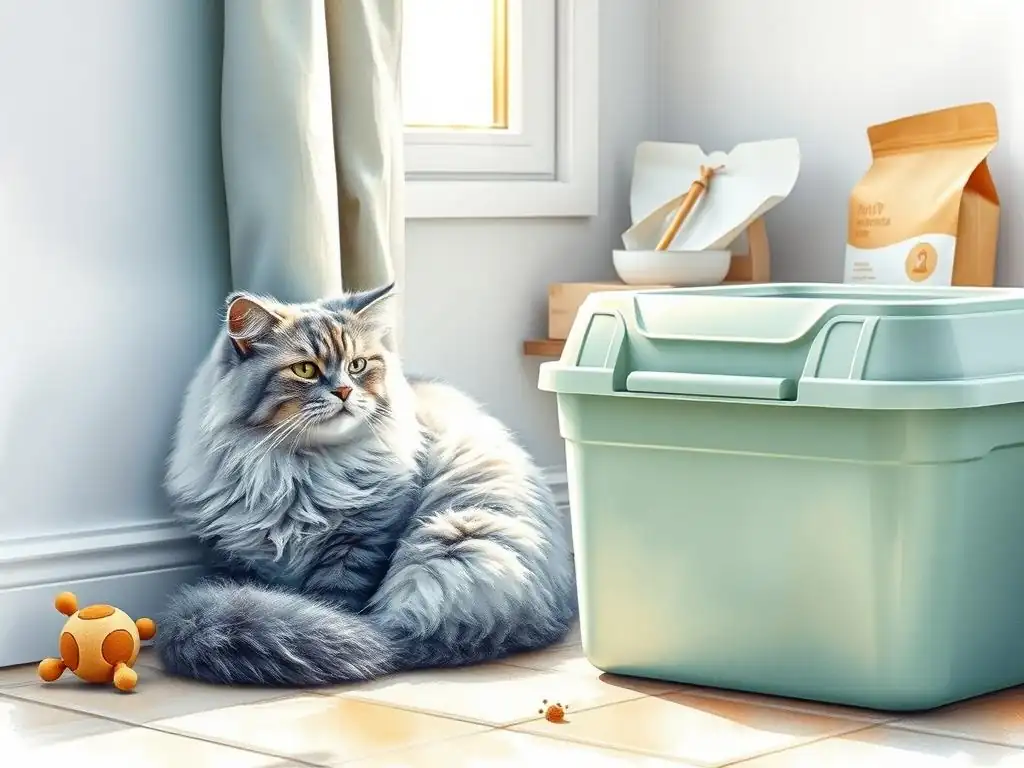
This section delves into more sophisticated solutions for persistent cat litter box issues, moving beyond the basics of litter box maintenance. We'll explore behavioral modification, environmental enrichment, and the strategic use of deterrents to help you resolve even the most stubborn litter box problems. Remember, patience and consistency are key to success. Solving cat litter box problems often requires a multi-pronged approach.
Behavioral Modification Techniques: Training Your Cat to Use the Litter Box Consistently
Consistent litter box usage is crucial for a happy and healthy feline companion. If your cat is exhibiting persistent litter box problems despite basic adjustments, behavioral modification may be necessary. This involves systematically retraining your cat to associate the litter box with positive reinforcement.
Several techniques can be employed:
- Positive Reinforcement: Reward your cat immediately after successful litter box use with treats, praise, or even a favorite toy. This positive association strengthens the desired behavior. Aim for multiple small rewards throughout the day.
- Confinement: In cases of severe litter box avoidance, temporarily confining your cat to a small, easily cleaned area with the litter box might be necessary. This limits the places your cat can eliminate outside the box and increases the chances of successful elimination within the litter box. This should be done under veterinary supervision and only as a last resort.
- Gradual Desensitization: If your cat is afraid of the litter box (perhaps due to a negative past experience), gradually introduce them back to it. Start by placing the litter box in a less stressful location. Slowly move it closer to its original spot over several days or weeks.
- Clicker Training: Some cats respond well to clicker training. Pair the click of the clicker with a treat immediately after successful elimination. This creates a positive association with the litter box.
The key to success with behavioral modification is patience and consistency. It may take weeks or even months to see significant improvements. Don't get discouraged; celebrate small victories along the way. Consistent application of these techniques will help reshape your cat's behavior and resolve litter box problems in the long run. Remember to consult with a veterinary behaviorist for personalized guidance.
Environmental Enrichment: Stimulating Your Cat's Environment to Reduce Stress and Boredom
A boring or stressful environment can contribute significantly to cat litter box problems. Cats are naturally curious and need mental and physical stimulation. Providing environmental enrichment can alleviate stress and reduce unwanted behaviors, including inappropriate urination or defecation.
Here are several enrichment strategies:
- Vertical Space: Cats love to climb. Cat trees, shelves, and window perches provide vertical space, allowing your cat to explore and survey their territory. This can reduce stress and provide a sense of security.
- Interactive Toys: Engaging your cat with interactive toys, such as puzzle feeders or feather wands, helps alleviate boredom and provides mental stimulation. This can redirect their attention away from inappropriate elimination sites.
- Scratching Posts: Providing multiple scratching posts in various locations reduces the likelihood of your cat scratching furniture, which could be a displacement behavior leading to litter box issues. Ensure the posts are made of materials your cat enjoys.
- Rotating Toys: Keep your cat engaged by regularly rotating their toys. Novelty and variety stimulate their interest and prevent boredom, reducing stress.
By enriching your cat's environment, you can create a more stimulating and less stressful atmosphere, thus reducing the likelihood of litter box problems stemming from boredom or anxiety. A happy and stimulated cat is less likely to exhibit behavioral issues.
Using Cat-Friendly Deterrents: Discouraging Urination or Defecation Outside the Litter Box
While positive reinforcement is ideal, sometimes you need to discourage inappropriate elimination. However, it's crucial to use cat-friendly deterrents that don't harm your cat or create further stress. Harsh methods can worsen the problem.
Here are some safe and effective options:
- Enzyme Cleaners: Thoroughly clean affected areas with an enzymatic cleaner specifically designed to eliminate pet odors. Regular household cleaners often leave behind a scent that can attract your cat back to the same spot.
- Motion-Activated Spritzers: These devices release a harmless spray of water when your cat approaches an inappropriate elimination spot. The surprise startles the cat and discourages them from repeating the behavior.
- Citrus Scents: Cats generally dislike citrus scents. Place orange or lemon peels near problem areas, but avoid using commercial air fresheners containing strong chemicals that could harm your cat.
- Scent Barriers: Some commercial products create scent barriers that deter cats from certain areas. However, ensure the product is non-toxic and safe for your cat.
Remember to always prioritize positive reinforcement and environmental enrichment alongside deterrents for the most effective and humane approach to solving cat litter box problems. The goal is to redirect your cat's behavior, not to punish them. Consult your veterinarian if you have concerns about your cat's behavior or health.
Addressing Underlying Medical Conditions: Treatment Plans for Urinary Tract Infections or Other Illnesses
Cats, like humans, can suffer from various medical conditions that significantly impact their litter box habits. Urinary tract infections (UTIs) are a common culprit behind inappropriate urination. Symptoms often include straining to urinate, frequent urination in small amounts, blood in the urine (hematuria), and licking the genital area excessively. These symptoms can be subtle, and a cat might not show all of them, making early detection crucial. A veterinarian will diagnose a UTI through a urinalysis, which examines the urine for bacteria, crystals, and other abnormalities.
Treatment for UTIs typically involves antibiotics tailored to the specific bacteria identified in the urine culture. The veterinarian will prescribe a course of antibiotics, and it's crucial to complete the entire course, even if your cat seems better before the end. Stopping treatment prematurely can lead to the infection recurring, potentially becoming more resistant to treatment.
In addition to antibiotics, your veterinarian might recommend increasing your cat's water intake to help flush out the urinary tract. This can be achieved by providing fresh water in multiple locations, using a water fountain to encourage drinking, or adding a small amount of low-sodium broth to their water.
Beyond UTIs, other medical conditions can cause litter box problems. Kidney disease, for instance, can lead to increased thirst and urination, potentially causing accidents outside the litter box. Diabetes mellitus can also cause frequent urination and increased thirst. Other conditions, such as hyperthyroidism, bladder stones, and even arthritis (making it difficult for your cat to reach the litter box), should be ruled out through a thorough veterinary examination. Each condition requires a specific treatment plan developed by your veterinarian based on your cat's individual needs and test results. This may involve medication, dietary changes, or other supportive care.
Remember, never attempt to self-diagnose or treat your cat's medical condition. Prompt veterinary attention is crucial for accurate diagnosis and effective treatment. Early intervention can significantly improve your cat's health and potentially prevent the development of more serious complications.
A healthy cat is far more likely to maintain appropriate litter box behavior. Ignoring changes in your cat's urination habits can have serious consequences, so seeking professional veterinary care is paramount when dealing with persistent litter box problems. The sooner you address the underlying medical issue, the sooner you can resolve the litter box problems and improve your cat's overall well-being.
Frequently Asked Questions
Why is my cat pooping outside the litter box?
This is a common problem often stemming from underlying medical issues, stress, or litter box aversion. A vet check is crucial to rule out medical causes. Consider changing the litter type, box location, or cleaning frequency.
My cat is suddenly pooping outside the litter box; what should I do?
Sudden changes in litter box habits often signal stress or illness. Consult your veterinarian immediately to rule out any medical conditions. Meanwhile, try to identify potential stressors in your cat's environment.
How often should I clean my cat's litter box?
Ideally, you should scoop solid waste daily and completely change the litter at least once a week, or more frequently if needed, depending on the number of cats and the type of litter used. Regular cleaning is vital to prevent litter box aversion.
What type of litter is best for preventing poop problems?
The best litter depends on your cat's preferences. Experiment with different types to find one your cat likes. Consider low-dust, clumping litters, as they are easier to clean and often preferred. Avoid scented litters, as the scent can be irritating.
My cat is having diarrhea; how does this relate to litter box issues?
Diarrhea can lead to messy accidents outside the litter box, as your cat may struggle to reach the litter box in time. Treat the underlying cause of the diarrhea with your vet's guidance. Frequent cleaning is essential to manage the mess.
Final Reflection: The Enduring Mystery (and Solution) of the Litter Box
The seemingly simple act of a cat using its litter box is, in reality, a complex interplay of feline behavior, environmental factors, and our own understanding (or misunderstanding) of our furry companions. A seemingly minor litter box mishap can quickly escalate into a significant household challenge, impacting both cat and owner. This underscores the vital need for proactive understanding and effective problem-solving.
The ongoing struggle with litter box issues highlights a deeper truth: our pets' well-being is inextricably linked to our ability to observe, interpret, and respond to their subtle cues. Understanding their needs, whether it's a preference for a certain type of litter, a need for more privacy, or an underlying medical condition, is crucial for a harmonious coexistence. The bond with a pet is one of the purest and most unconditional loves in the world.
This quote speaks to the importance of addressing litter box problems not just as a chore, but as an opportunity to strengthen our connection with our feline friends.
So, as you move forward, consider the information presented in this article as a starting point, not an endpoint. Observe your cat's behavior closely, experiment with different solutions, and don't hesitate to seek professional veterinary advice if needed. Remember, a clean, happy litter box isn't just about avoiding unpleasant messes; it's about ensuring your cat's health, happiness, and the enduring strength of your bond. Take the time to understand your cat's unique needs, and you'll not only solve the immediate problem but also foster a deeper, more meaningful relationship.
Unleash Your Inner Cat Whisperer: Solve Those Litter Box Mysteries!
Thank you for exploring the sometimes perplexing world of feline bathroom habits! We hope you feel empowered to understand your cat's litter box behavior. Ready to apply your new knowledge?
- Create the Purrfect Potty Plan: Assess your cat's current litter box setup. Can you make any improvements to create a more comfortable and inviting bathroom experience? Consider the type of litter, the box's location, and how often you clean it.
- Share Your Story: We'd love to hear about your experience—what changes did you make, and what were the results? Share your success (or challenges!) in the comments below!
- Consider a Veterinary Checkup: Now is a great time to schedule a comprehensive wellness exam for your cat. Could underlying medical issues be contributing to the litter box problems?
Have you considered how even minor adjustments can significantly improve your cat's happiness and health? Let's discuss it!