DIY Cat Scratching Solutions: Easy and Affordable Ideas
😊 Protect your furniture and pamper your feline friend with our creative DIY cat scratching post ideas! PetCareWorld offers easy, affordable solutions…
Read article
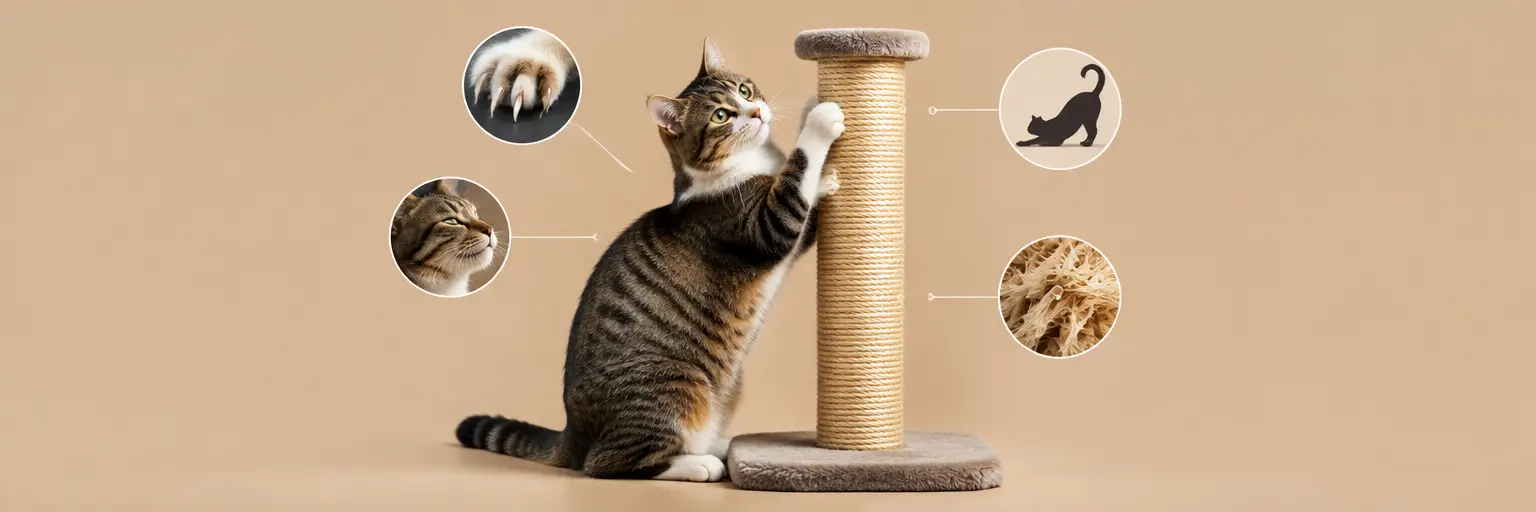
Curious why your feline friend insists on sinking their claws into your favorite sofa? 🐾 Cat scratching behavior explained dives deep into this natural, instinct-driven act, revealing that it’s far more than a mischievous habit—it’s a vital form of communication, exercise, and stress relief for your pet. By understanding the reasons behind clawing, from marking territory with scent glands to stretching muscles and maintaining nail health, you’ll gain the confidence to manage it effectively. This guide offers expert-backed insights on how to redirect scratching to appropriate surfaces, choose the right scratching posts, and use positive reinforcement to protect your furniture while keeping your cat happy. Whether you’re dealing with a kitten or a senior cat, learning the psychology of scratching transforms frustration into a deeper bond, ensuring a harmonious home for both of you. Unlock practical tips and reduce unwanted damage today!
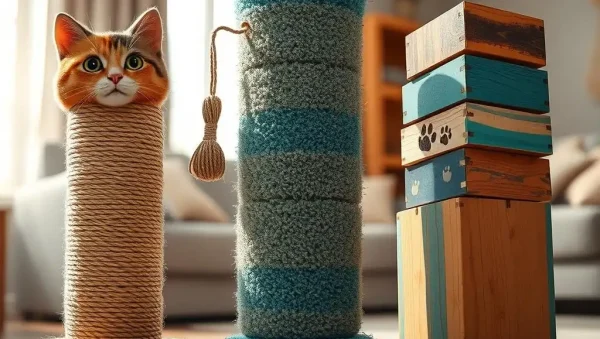
😊 Protect your furniture and pamper your feline friend with our creative DIY cat scratching post ideas! PetCareWorld offers easy, affordable solutions…
Read article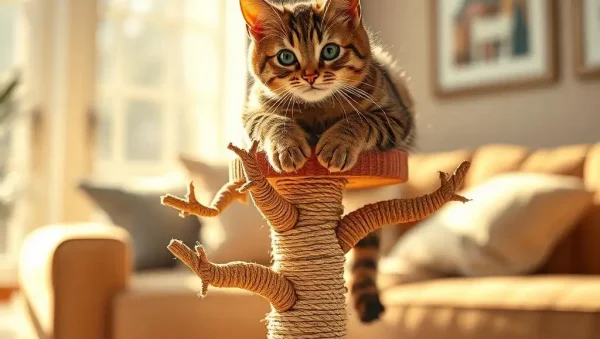
🤔 Protect your furniture from feline claws! PetCareWorld explores the best cat scratching post alternatives, offering practical solutions to satisfy your cat's…
Read article
🤔 Excessive cat scratching? PetCareWorld helps you understand why cats scratch excessively, identifying underlying medical or behavioral issues for a happier, healthier…
Read article
🤔 Understand why cats scratch furniture—it's not just mischief! Learn the reasons behind this natural feline behavior and discover effective, humane solutions…
Read articleWelcome to PetCareWorld’s dedicated guide on cat scratching behavior. Scratching is one of the most misunderstood feline instincts, often leading to frustration for owners who see shredded furniture. Yet, this natural behavior is essential for your cat’s physical and emotional health. In this subcategory, we break down the science behind scratching, providing actionable solutions to protect your home while keeping your cat happy. From claw anatomy to training techniques, you’ll find expert-backed advice here. Explore our concise, SEO-optimized sections below to turn destructive scratching into a manageable, positive experience for both you and your feline companion.
Scratching is not a spiteful act; it’s a hardwired necessity. Cats scratch to mark territory through scent glands in their paws, remove dead claw sheaths, and stretch their muscles. By leaving visible marks and pheromones, they communicate to other animals, establishing a safe domain. Understanding this helps you reframe the behavior from “misbehavior” to “communication.” Your cat isn’t ignoring you—it’s fulfilling a primal need.
When you grasp that scratching is a message, you can respond with empathy. For example, your cat may scratch near doors or windows to signal stress or territorial boundaries. Recognizing these patterns allows you to address the underlying emotion, not just the surface damage. This knowledge transforms your approach, turning conflict into cooperation. With patience, you’ll see scratching as a window into your cat’s world, not a battle to win.
The feline claw is a retractable, curved tool designed for gripping and climbing. When your cat scratches, the outer layer of the claw (the sheath) peels away, revealing a sharper, new layer underneath. This natural exfoliation is vital for maintaining claw health and preventing overgrowth. The action also engages the entire forelimb, providing a full-body stretch that keeps tendons and muscles flexible.
Observing your cat’s scratching routine reveals its precision. They often start with a deep, prolonged scratch on a vertical surface, followed by a brief sniff and re-marking. This ritual ensures the scent glands between their toes are fully activated. By understanding this process, you can choose appropriate scratching surfaces—like sisal or cardboard—that mimic tree bark. Providing the right texture not only satisfies their instinct but also minimizes damage to your belongings.
Furniture is often irresistible because it’s sturdy, tall, and located in high-traffic areas—perfect for leaving a visible scent mark. Sofas and carpets also offer a satisfying texture that feels similar to tree bark. Additionally, cats prefer surfaces that allow them to dig their claws fully and stretch without slipping. Your favorite armchair likely sits right in the middle of your scent, making it a prime target for your cat to claim as its own.
Persian rugs and leather sofas are especially vulnerable due to their smooth yet durable surfaces. However, it’s not about the fabric’s expense—it’s about the verticality and location. A scratching post placed right next to the sofa can redirect the behavior. If the post is stable and tall enough for full extension, many cats will adopt it within days. Remember, your cat isn’t punishing you; it’s choosing the best “tree” available. Strategic placement is your strongest tool.
Training your cat to scratch appropriate surfaces requires consistency and positive reinforcement. Start by placing scratch posts next to the furniture they already target. Use catnip or treats to encourage interaction, and praise them immediately when they use the post. Never punish or yell, as this creates fear and anxiety, which often increases scratching. Instead, gently redirect their paws to the post and reward success.
Additionally, make unwanted surfaces less appealing. Double-sided tape, aluminum foil, or citrus sprays can deter cats without harm. For persistent cats, cover furniture with a thick blanket temporarily or use motion-activated air puffs. The goal is to shift the habit, not suppress it. With patience and routine, most cats learn within two to four weeks. Remember, every cat responds differently—what works for one may need adjustment for another.
Not all scratch posts are created equal. Look for options that are at least three feet tall so your cat can fully extend vertically. Solid wood or sisal-covered posts are superior to carpeted ones, as carpet fibers discourage natural claw digging. Horizontal cardboard pads are excellent alternatives for cats that prefer ground scratching. Stability is non-negotiable—if the post wobbles, your cat will ignore it for the sofa.
Place posts in areas where your cat already scratches, then gradually move them to your preferred spot over a week. A post at the entryway or near sleeping areas covers natural marking zones. For multi-cat households, provide at least one post per cat, plus an extra. Also, consider angled or wall-mounted options for variety. Rewarding exploration with treats creates a positive association, ensuring long-term use. Your investment in a quality post saves your furniture and enriches your cat’s environment.
Occasionally, excessive scratching signals an underlying medical issue, such as allergies, fungal infections, or parasites. If you notice bald patches, redness, or your cat scratching obsessively, consult your veterinarian. Additionally, stress from new pets, moving, or changes in routine can trigger displacement scratching as a coping mechanism. In these cases, feline pheromone diffusers or extra playtime can soothe anxiety.
Keep an eye on claw health—overgrown or broken claws may cause pain, leading to odd scratching behavior. Regular nail trimming every two to three weeks reduces damage and prevents ingrown claws. If your cat suddenly stops scratching or becomes frantic, it warrants a vet visit. By addressing health and emotional factors, you not only preserve your furniture but also ensure your cat’s well-being. Scratching is a barometer of your cat’s overall happiness.
Declawing is a major surgery that amputates the last bone of each toe, causing long-term pain and behavioral issues. It does not stop scratching—cats may bite more or avoid using the litter box. Modern veterinary practice strongly recommends against it. Instead, use regular nail trims and provide appropriate scratching surfaces to manage the behavior humanely.
Most cats need nail trims every two to four weeks. You’ll know it’s time when the tips feel sharp or you see them snagging on fabric. Use specially designed cat nail clippers and only cut the white tip, avoiding the pink quick. If you’re unsure, your vet or groomer can demonstrate. Offering treats during and after trims creates a calm routine.
Yes, catnip is a powerful attractant for about 70% of cats. Sprinkle dried catnip on the post or use a spray. If your cat doesn’t respond to catnip, try silver vine or valerian root, which have similar effects. Rub a soft toy with catnip onto the post to transfer the scent. Reapply weekly to maintain interest, especially for first-time users.
After sleeping, cats naturally stretch and sharpen their claws as part of their wake-up routine. This is a healthy instinct to realign muscles and prepare for activity. Place a post near your cat’s sleeping area to redirect this energy. Encourage use by gently guiding their paws onto the post. Treats after scratching reinforce this positive morning habit.
It depends on your cat’s preference. Observe which angles they use on furniture—some prefer vertical strokes for full extension, while others favor horizontal pads for paw digging. Offer both options initially, then keep the one used more. Most cats enjoy a mix. Provide at least one vertical post and one horizontal pad to cover all natural styles.







