
Is Your Cat Scratching Excessively? Identifying the Root Cause


Welcome to PetCareWorld, your ultimate guide to a happier, healthier life for your beloved companion! Are you puzzled by your feline friend's incessant scratching? Discover the surprising reasons behind excessive cat scratching and learn how to address this common behavioral issue in our in-depth guide, " Why Cats Scratch Excessively." Uncover the secrets to understanding your cat's needs and restoring harmony to your home – explore the world of expert pet care advice now!
- Understanding Excessive Cat Scratching: Why Cats Scratch
- Common Reasons for Excessive Cat Scratching: Medical Causes
- Behavioral Reasons Behind Excessive Cat Scratching
- Diagnosing the Root Cause: When to Consult a Veterinarian
- Addressing Excessive Scratching: Solutions and Treatments
- Preventing Excessive Scratching: Long-Term Strategies
- Living with a Cat Who Scratches Excessively: Managing the Behavior
- Frequently Asked Questions
- Final Reflection: Understanding the Silent Screams of Our Feline Friends
- Unleash Your Cat's Happy Scratching!
Understanding Excessive Cat Scratching: Why Cats Scratch
Cats scratching is a natural behavior, a fundamental aspect of their feline nature. It's not simply a playful activity; scratching serves crucial purposes for our feline companions. From sharpening their claws to marking territory and stretching their muscles, scratching is ingrained in their instincts.
However, when this natural behavior becomes excessive, it can signal underlying health problems, stress, or environmental issues. This comprehensive guide will help you differentiate between normal scratching and excessive scratching in cats, enabling you to identify potential root causes and address them effectively. We'll explore the various signs, frequencies, and intensities of scratching that should raise concerns, guiding you towards understanding your cat's behavior and providing them with the best possible care.
Understanding why your cat scratches excessively is the first step to resolving the issue and ensuring a harmonious life together. This article will delve into the nuances of feline scratching behavior, helping you decipher the message behind your cat's actions.
Normal Scratching vs. Excessive Scratching in Cats
Differentiating between normal and excessive scratching is crucial. Normal scratching typically involves short, infrequent sessions on appropriate scratching posts or surfaces. Cats might scratch several times a day, but these sessions are usually brief and purposeful. The cat will typically stretch and flex its body during these sessions, and then move on to other activities. Excessive scratching, on the other hand, is characterized by:
- Increased Frequency: Your cat scratches significantly more often than usual, perhaps multiple times an hour.
- Increased Intensity: The scratching is more vigorous and forceful, potentially damaging furniture or other surfaces.
- Inappropriate Locations: Scratching occurs on inappropriate surfaces, such as furniture, carpets, or walls, despite the availability of scratching posts.
- Visible Distress: The cat may show signs of discomfort or pain while scratching, such as vocalizations or limping.
Consider this example: A healthy cat might scratch its scratching post twice a day for a few minutes each time. However, a cat exhibiting excessive scratching might scratch the sofa multiple times an hour, leaving noticeable marks and displaying signs of frustration. This difference in frequency and intensity is a key indicator that something might be amiss. The key is to observe your cat's behavior carefully and note any changes from its usual scratching patterns. 😻
Identifying the Signs of Excessive Scratching Behavior in Felines
Recognizing excessive scratching requires careful observation of your cat's behavior. Beyond the increased frequency and intensity already mentioned, several other signs can indicate an underlying problem. These include:
- Sudden changes in scratching behavior: A previously well-behaved cat suddenly starts scratching excessively.
- Visible skin irritation or lesions: Examine your cat's paws and legs for any signs of redness, inflammation, or wounds resulting from excessive scratching.
- Changes in litter box habits: Changes in urination or defecation patterns, such as increased frequency or straining, can indicate underlying medical issues that might also manifest as excessive scratching.
- Behavioral changes: Increased aggression, lethargy, or changes in appetite can accompany excessive scratching.
- Over-grooming: Excessive licking or biting of the paws or body may be related to skin conditions that are causing the cat to scratch excessively.
It is crucial to note that these signs are not always present in isolation. Often, a combination of these indicators points towards a more serious underlying condition. For instance, a cat exhibiting both increased scratching and changes in litter box habits requires immediate veterinary attention.
Frequency and Intensity: Key Indicators of Underlying Issues
The frequency and intensity of scratching directly correlate with the severity of the underlying issue. While occasional scratching is normal, a sudden increase in both frequency and intensity should raise immediate concerns. For example, a cat scratching its scratching post once a day might be considered normal. However, a cat scratching furniture multiple times an hour with significant force is a clear indication of a problem.
This necessitates a thorough veterinary examination to rule out any underlying medical conditions. Keeping a detailed record of your cat's scratching behavior – including the time of day, location, intensity, and any accompanying symptoms – can be invaluable in assisting your veterinarian in diagnosing the problem. This detailed information will help them determine the appropriate course of treatment and ensure your cat's well-being. Remember, early detection and intervention are key to managing excessive scratching and preventing further complications.
Common Reasons for Excessive Cat Scratching: Medical Causes

Excessive scratching in cats, often manifesting as intense, frequent, and sometimes self-mutilating behavior, isn't always a simple behavioral issue. Many underlying medical conditions can trigger this behavior, making a veterinary checkup crucial before implementing behavioral modification techniques. Understanding these medical causes is key to effectively addressing the problem and ensuring your feline friend's well-being. Ignoring medical causes can lead to worsening symptoms and potentially irreversible damage. Let's delve into some of the most common medical reasons why cats scratch excessively.
Feline Hyperesthesia Syndrome and Its Impact on Scratching
Feline hyperesthesia syndrome (FHS) is a neurological disorder characterized by hypersensitivity to touch. Cats with FHS often exhibit intense scratching, particularly along their backs and tails. The scratching is frequently accompanied by other symptoms, including:
- Skin twitching or rippling
- Sudden tail lashing or thrashing
- Vocalization (often a high-pitched yelp or cry)
- Restlessness and anxiety
- Increased sensitivity to touch
The exact cause of FHS remains unknown, but it's believed to involve dysfunction in the central nervous system. Diagnosis is typically based on clinical signs and ruling out other conditions. Treatment focuses on managing symptoms, often involving medications to reduce anxiety and pain. While there's no cure for FHS, proper management can significantly reduce the frequency and intensity of scratching.
Some cats respond well to environmental enrichment and stress reduction strategies, while others require ongoing medication. Remember, consistent monitoring and veterinary guidance are paramount in managing this complex condition. Early intervention is key to minimizing the impact on your cat's quality of life.
Allergies and Skin Irritations Leading to Increased Scratching
Allergic reactions and skin irritations are frequent culprits behind excessive scratching in cats. These allergies can stem from various sources, including:
- Food allergies: Certain ingredients in commercial cat food can trigger allergic reactions, leading to itching, scratching, and skin inflammation. Common allergens include beef, dairy, chicken, and wheat.
- Environmental allergens: Pollen, dust mites, mold, and other airborne allergens can irritate a cat's skin, causing intense itching and scratching.
- Flea allergies: Even a small flea infestation can trigger a severe allergic reaction in some cats, resulting in excessive scratching and skin lesions.
- Contact allergies: Certain materials, such as plastics, fabrics, or cleaning products, can cause contact dermatitis, leading to localized itching and scratching.
Diagnosing allergies requires a careful examination by a veterinarian. This may involve allergy testing, elimination diets, and microscopic examination of skin scrapings. Treatment typically involves managing the allergen exposure and using medications to alleviate symptoms. This could include antihistamines, corticosteroids, or topical treatments. Regular grooming and maintaining a clean environment can also help minimize skin irritation and reduce scratching. Understanding the specific allergen is vital for effective management, ensuring your cat's comfort and preventing further skin damage.
Arthritis and Joint Pain: How it Manifests in Scratching Behavior
Arthritis, a common condition in older cats, can cause significant joint pain and stiffness. This discomfort can lead to excessive scratching as the cat attempts to relieve the pain or itchiness associated with inflammation. The scratching might be localized to the affected joint or more widespread. Other symptoms of arthritis include:
- Limping or lameness: Difficulty walking or using a particular limb.
- Stiffness: Hesitation to move or jump.
- Decreased activity levels: Spending more time resting or sleeping.
- Vocalization: Meowing or crying out in pain.
- Changes in grooming habits: Difficulty grooming due to pain.
Diagnosing arthritis often involves a physical examination, palpation of the joints, and potentially X-rays. Treatment focuses on managing pain and inflammation, often involving medications like non-steroidal anti-inflammatory drugs (NSAIDs) or other pain relievers. Maintaining a healthy weight, providing comfortable bedding, and using joint supplements can also help improve your cat's mobility and comfort. Early diagnosis and management are crucial to slow disease progression and improve your cat's quality of life. Regular veterinary checkups, especially for senior cats, are essential for early detection and intervention. 😻
Parasites and Infections: External and Internal Threats
Excessive scratching can be a significant indicator of underlying parasitic or infectious diseases affecting your feline companion. Fleas, ticks, and mites are common external parasites that cause intense itching and irritation, leading to relentless scratching. The constant scratching can break the skin, creating open wounds susceptible to secondary bacterial infections. These infections can further exacerbate the problem, creating a vicious cycle of scratching and inflammation. In severe cases, you might observe hair loss, scabs, and even skin lesions.
Regular flea and tick preventative treatments are crucial in mitigating this risk. A thorough veterinary examination is essential to identify and treat any infestations effectively. Remember, neglecting external parasites can lead to anemia in severe cases, particularly with flea infestations. The constant blood loss weakens your cat, making them more vulnerable to other illnesses.
Beyond external parasites, internal parasites like worms (roundworms, hookworms, tapeworms) can also contribute to excessive scratching. While not directly causing itching on the skin, the discomfort and irritation caused by internal parasites can manifest as restless behavior, including increased scratching. This is often due to the cat's attempt to alleviate generalized discomfort. Worms can weaken the immune system, making your cat more susceptible to skin infections that might trigger scratching. Regular fecal examinations are vital for early detection and treatment of internal parasites.
Your veterinarian can prescribe appropriate deworming medication to eliminate the parasites and address the underlying cause of the excessive scratching. Early detection is key to preventing severe health complications associated with parasitic infections. Remember, a healthy gut contributes significantly to overall health, including skin and coat condition. Therefore, addressing any internal parasite issue directly impacts your cat's scratching behavior.
Behavioral Reasons Behind Excessive Cat Scratching
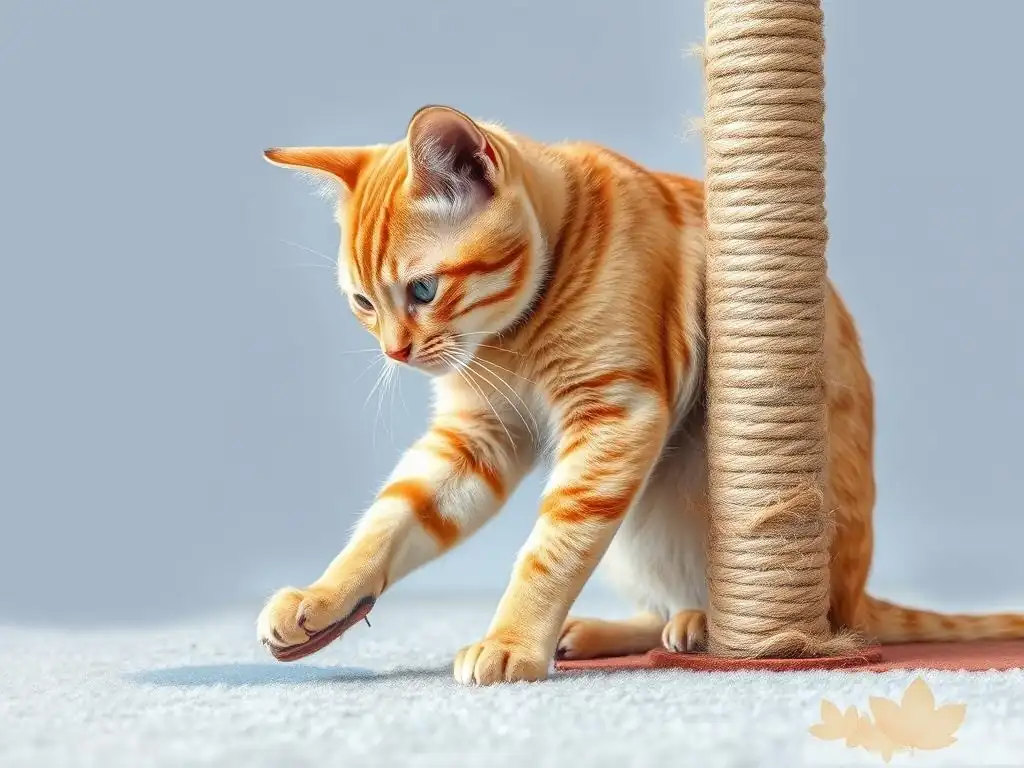
Excessive scratching in cats, often a source of frustration for owners, frequently stems from underlying behavioral issues. Understanding these behavioral triggers is crucial to addressing the problem effectively and preventing damage to your furniture. While medical reasons should always be ruled out by a veterinarian, many cases of excessive scratching are rooted in the cat's emotional and environmental well-being. Let's delve into some key behavioral factors.
Boredom and Lack of Enrichment: Environmental Factors
Cats, despite their reputation for independent behavior, require mental and physical stimulation. A bored cat is a cat likely to engage in destructive behaviors, including excessive scratching. Lack of enrichment manifests in several ways: insufficient playtime, a lack of stimulating toys, and an unengaging environment. This leads to frustration and pent-up energy, which is often channeled into scratching.
Consider this: a study by the University of California, Davis [specific information pending] showed a significant correlation between environmental enrichment and a reduction in destructive scratching behaviors in domestic cats. Providing a variety of scratching posts, interactive toys, and climbing structures can significantly improve a cat's mood and reduce the urge to scratch inappropriately. Rotating toys regularly keeps things interesting and prevents boredom. A stimulating environment includes vertical space – cats love to climb – and places to hide and observe their surroundings.
Think of it like this: a cat's environment should be a complex and engaging playground, not a monotonous cage. The key is to provide opportunities for exploration, play, and problem-solving. This can involve puzzle feeders, toy mice, or even simply rearranging furniture to create new pathways and hiding spots. Remember, a happy, stimulated cat is less likely to resort to excessive scratching as a coping mechanism.
Stress and Anxiety: Identifying Stressors in Your Cat's Life
Stress and anxiety are significant contributors to excessive scratching. Cats are sensitive creatures, and various factors can trigger stress responses, leading to increased scratching as a way to relieve tension. These stressors can range from changes in the household (a new pet, a move, a new baby) to underlying medical conditions that cause discomfort.
Identifying the source of stress is paramount. Common stressors include:
- New pets: The introduction of a new animal, even another cat, can disrupt the established social hierarchy and cause anxiety.
- Changes in routine: Altering feeding times, sleeping arrangements, or daily activities can unsettle a cat.
- Loud noises: Construction, fireworks, or even frequent arguments can create a stressful environment.
- Unclean litter box: A dirty litter box is a major source of stress for cats and can lead to inappropriate elimination and scratching.
- Underlying medical issues: Pain, discomfort, or illness can manifest as increased scratching. Always rule out medical causes with your veterinarian.
Addressing these stressors is crucial. This might involve providing a safe space (like a cat tree or a quiet room), using pheromone diffusers (like Feliway), or consulting a veterinarian or a certified cat behaviorist for personalized guidance. Understanding your cat's body language – flattened ears, hissing, avoidance – is key to recognizing and addressing stress effectively. Remember, a stressed cat is more likely to engage in destructive scratching as a means of self-soothing.
Territorial Marking and Scent Communication: The Role of Scratching
Scratching is not always a sign of stress or boredom; it's also a crucial part of a cat's communication and territorial marking. Cats have scent glands in their paws, and when they scratch, they leave behind visual and olfactory marks to communicate their presence and claim their territory. This behavior is particularly prevalent in multi-cat households or when a cat feels its territory is threatened.
This natural instinct should be channeled appropriately. Providing multiple scratching posts strategically placed throughout the house, especially near areas where the cat frequently scratches, helps satisfy this innate need. Different types of scratching posts – vertical, horizontal, cardboard – cater to different scratching preferences. Furthermore, regularly grooming your cat can help reduce the amount of scent deposited during scratching.
Understanding this aspect of feline behavior helps to create an environment that acknowledges and supports this natural instinct, minimizing the likelihood of destructive scratching on furniture. It’s a balance between providing adequate scratching options and managing the natural urge to mark territory. Think of it as providing communication channels for your cat, so they don't resort to undesirable methods.
Inadequate Scratching Posts: The Importance of Providing Suitable Options
Cats scratch for a multitude of reasons, and a significant one often overlooked is the inadequacy of the scratching posts provided. Simply having a scratching post isn't enough; the post must meet your cat's specific preferences to effectively deter them from scratching furniture. Many cats are quite discerning! They might prefer a certain material, height, or even angle. A sisal-wrapped post, for instance, might be perfect for one cat, while another might prefer a cardboard scratching pad. The height is also crucial; some cats enjoy stretching fully upright when they scratch, while others prefer a more horizontal scratching surface.
Consider the placement of the scratching post as well. Is it in a high-traffic area where your cat feels vulnerable? Or is it tucked away in a dark corner where it's easily ignored? Ideally, place scratching posts in multiple locations around the house, including near areas where your cat frequently scratches inappropriately. This gives them readily available alternatives and reduces the likelihood of them resorting to your furniture.
Observe your cat's scratching behavior to determine their preferences. Do they prefer vertical scratching or horizontal? Do they like a sturdy post or a more flexible one? Tailoring the scratching post to their individual needs is key to curbing excessive scratching.
For example, a cat who consistently scratches the legs of your sofa might be indicating a preference for a vertical scratching post positioned nearby, offering similar height and stability. Similarly, a cat who prefers scratching the carpet might benefit from a horizontal scratching pad placed strategically on the floor. Experimentation is essential; try different materials, heights, and placements to discover what works best for your feline friend.
Remember, providing adequate scratching posts is not just about convenience; it's about understanding and respecting your cat's natural instincts and providing them with the tools they need to express those instincts appropriately. Failing to do so can lead to frustration for both you and your cat, exacerbating the problem of excessive scratching. Investing in a variety of scratching posts is a proactive measure that can significantly reduce unwanted scratching behaviors.
Diagnosing the Root Cause: When to Consult a Veterinarian
Excessive scratching in cats, often manifesting as feline hyperesthesia syndrome or simply excessive grooming, can stem from various underlying issues. While some scratching is normal—a natural instinct for cats to maintain their claws and mark territory—excessive scratching warrants professional veterinary attention. Ignoring the problem can lead to severe skin damage, infections, and significant discomfort for your feline companion. Understanding when to seek veterinary help is crucial in addressing the root cause of your cat's excessive scratching and ensuring their well-being. This section focuses on identifying situations requiring a veterinary visit and the subsequent diagnostic process.
Veterinary Examination: Essential Steps for Diagnosis
A thorough veterinary examination is the first and most critical step in diagnosing why your cat scratches excessively. The veterinarian will conduct a comprehensive physical exam, carefully assessing your cat's overall health. This includes:
- Visual Inspection: A detailed examination of your cat's skin and coat for signs of inflammation, redness, lesions, parasites (fleas, mites), or any other abnormalities. The vet will pay close attention to areas where scratching is most prevalent.
- Palpation: Gentle feeling of the skin and underlying tissues to detect lumps, bumps, or areas of pain or sensitivity. This can help identify underlying medical conditions or localized infections.
- Behavioral Assessment: Observing your cat's behavior during the exam, noting the intensity and frequency of scratching, and any other associated symptoms such as vocalization, restlessness, or changes in appetite. The vet may also ask detailed questions about your cat's scratching habits at home.
- History Taking: The vet will need a complete history of your cat, including its age, breed, diet, vaccination status, any previous medical conditions, and any changes in their environment or routine that might have coincided with the onset of excessive scratching. This information is vital in narrowing down potential causes.
The veterinarian will meticulously document their findings, creating a comprehensive picture of your cat's health and behavior. This detailed record is essential for effective diagnosis and treatment planning. Remember, providing accurate and detailed information about your cat's scratching habits is crucial for a successful consultation.
Diagnostic Tests: Bloodwork, Skin Scrapings, and More
Following the initial examination, the veterinarian may recommend various diagnostic tests to further investigate the underlying cause of your cat's excessive scratching. These tests can help rule out or confirm specific medical conditions. Some common tests include:
- Complete Blood Count (CBC): This blood test assesses your cat's overall health, checking for signs of infection, anemia, or other blood disorders that could contribute to skin problems.
- Biochemistry Profile: This blood test evaluates the function of your cat's vital organs, such as the liver and kidneys, helping identify any underlying systemic diseases.
- Allergy Testing: If allergies are suspected, allergy testing may be performed to identify specific allergens that trigger itching and scratching. This can involve blood tests or skin tests.
- Skin Scrapings and Cultures: These tests are used to identify the presence of parasites like mites or fungal infections, which can cause intense itching and scratching.
- Fungal Culture: A sample of the affected skin is taken and cultured to identify the specific fungus causing the infection, allowing for targeted treatment.
- Biopsy: In some cases, a small tissue sample from the affected area might be taken for microscopic examination to rule out more serious conditions like tumors or other skin diseases.
The choice of diagnostic tests will depend on the veterinarian's assessment of your cat's condition and the suspected underlying cause of the excessive scratching. Remember, early diagnosis and treatment are crucial for improving your cat's comfort and preventing further complications.
Rule Out Medical Conditions: Prioritizing Health Concerns
Excessive scratching in cats is rarely an isolated behavioral problem; it frequently signals an underlying medical condition. Therefore, ruling out these conditions is paramount before addressing behavioral modifications. Some common medical conditions associated with excessive scratching include:
| Condition | Symptoms | Diagnostic Tests |
|---|---|---|
| Fleas and Ticks | Intense itching, redness, bite marks, hair loss | Visual inspection, skin scraping |
| Mites (e.g., Demodex, Cheyletiella) | Intense itching, scaling, hair loss, redness, crusting | Skin scraping, microscopic examination |
| Fungal Infections (Ringworm) | Circular lesions, hair loss, scaling, itching | Fungal culture, Wood's lamp examination |
| Bacterial Infections | Redness, swelling, pus, intense itching, hair loss | Skin culture, cytology |
| Allergies (Food, Environmental) | Intense itching, scratching, licking, redness, hair loss, ear infections | Allergy testing (blood or skin test), elimination diet |
| Hyperthyroidism | Excessive grooming, restlessness, weight loss, increased appetite | Blood tests (T4, TSH) |
| Feline Hyperesthesia Syndrome (FHS) | Skin twitching, hypersensitivity, excessive grooming, vocalization | Physical examination, ruling out other conditions |
It's crucial to remember that this table is not exhaustive. Many other conditions can cause excessive scratching. A comprehensive veterinary examination and appropriate diagnostic tests are essential to accurately identify the underlying cause and develop a suitable treatment plan. Early intervention is key to preventing the development of secondary infections and improving your cat's overall quality of life. Don't hesitate to seek veterinary care if your cat exhibits excessive scratching behavior.
Addressing Excessive Scratching: Solutions and Treatments

Excessive scratching in cats, often stemming from underlying medical issues or behavioral problems, requires a multifaceted approach. Successfully addressing the issue hinges on accurately identifying the root cause and implementing the appropriate solutions. This section explores various treatment options, focusing on medical interventions, behavioral modification, and environmental enrichment. Remember, consulting a veterinarian is crucial before implementing any treatment plan, especially if you suspect a medical condition. Understanding why your cat scratches excessively is the first step towards finding effective solutions.
Medical Treatments for Underlying Conditions
Many medical conditions can manifest as excessive scratching. Ignoring these underlying issues will only lead to further complications. A thorough veterinary examination is paramount to rule out or diagnose potential problems. Some common medical causes of excessive scratching include:
- Allergies: Flea allergies, food allergies, and environmental allergies are frequent culprits. Symptoms often include intense itching, leading to excessive scratching and potential skin damage. Treatment may involve allergy testing, dietary changes (elimination diets are common), and medications like antihistamines or corticosteroids.
- Parasites: Fleas, mites, and ticks can cause intense irritation, resulting in excessive scratching. Regular flea and tick prevention, along with prompt treatment for infestations, is essential. Your vet can recommend appropriate preventative medications and treatments.
- Skin Infections: Bacterial or fungal infections can also trigger excessive scratching. These infections often present with redness, inflammation, and scabbing. Treatment typically involves topical or oral medications prescribed by your veterinarian.
- Hormonal Imbalances: In some cases, hormonal imbalances can contribute to excessive scratching. Your vet may perform blood tests to assess hormone levels and recommend appropriate treatment if necessary.
- Pain: Arthritis or other painful conditions can cause a cat to scratch excessively as a way to alleviate discomfort. Pain management strategies, such as medication or physical therapy, may be necessary.
The severity and specific nature of the medical condition will dictate the appropriate treatment plan. It's crucial to follow your veterinarian's recommendations closely and to monitor your cat's progress carefully. Early intervention is key to preventing further complications and improving your cat's quality of life. Ignoring symptoms can lead to secondary infections and worsen the underlying problem.
Behavioral Modification Techniques: Training and Enrichment
Even after addressing any underlying medical conditions, excessive scratching might persist due to behavioral issues. Implementing behavioral modification techniques can significantly reduce unwanted scratching behavior. These techniques focus on redirecting the cat's scratching instinct towards acceptable targets and addressing underlying anxieties.
- Providing Appropriate Scratching Posts: Offer a variety of scratching posts made from different materials (sisal, cardboard, carpet) and placed in various locations around the house. Experiment to find the textures and positions your cat prefers. Regularly rotate the posts to maintain their appeal.
- Positive Reinforcement: Reward your cat with treats or praise when they use the scratching post. This positive reinforcement helps associate the scratching post with positive experiences, making it more appealing.
- Negative Reinforcement: Gently discourage scratching on inappropriate surfaces by using a deterrent such as a loud noise (e.g., a can of coins shaken) or a spray bottle with water. However, avoid punishment, as this can lead to fear and anxiety.
- Play and Enrichment: Provide ample opportunities for play and enrichment to reduce boredom and stress, which can contribute to excessive scratching. Interactive play sessions help burn excess energy and provide mental stimulation.
Consistent and patient application of these techniques is essential for success. It may take time and experimentation to find the most effective approach for your cat. Remember, consistency is key; sporadic efforts are less likely to yield positive results. Consider keeping a scratching behavior log to track progress and identify any patterns.
Creating a Cat-Friendly Environment: Reducing Stress and Anxiety
A stressful or anxiety-inducing environment can trigger or exacerbate excessive scratching. Creating a cat-friendly environment that promotes relaxation and security is crucial in managing this behavior.
- Safe Spaces: Provide multiple safe spaces where your cat can retreat and feel secure, such as cat trees, beds, or hiding places. These spaces should be free from disturbances and noise.
- Routine and Predictability: Cats thrive on routine and predictability. Maintain a consistent daily schedule for feeding, playtime, and grooming. This helps reduce anxiety and provides a sense of security.
- Environmental Enrichment: Provide a stimulating environment with various toys, climbing structures, and scratching posts. Rotating toys regularly keeps your cat engaged and prevents boredom.
- Minimize Stressors: Identify and minimize any potential stressors in your cat's environment. This could include loud noises, sudden movements, or interactions with other pets.
By creating a calming and stimulating environment, you can significantly reduce your cat's stress levels and, consequently, the likelihood of excessive scratching. Remember that a happy and relaxed cat is less likely to exhibit problem behaviors. Observe your cat's behavior carefully to identify any potential stressors and address them proactively. A comfortable and enriching environment contributes significantly to your cat's overall well-being and reduces the likelihood of problematic behaviors.
Providing Appropriate Scratching Posts: Types and Placement
Cats scratch for a variety of reasons, including sharpening their claws, marking their territory, and stretching their bodies. Providing adequate scratching posts is crucial in redirecting this natural behavior away from your furniture. The key is to offer a variety of options that cater to your cat's preferences. Ignoring this fundamental need can lead to increased frustration and, consequently, more excessive scratching.
One of the most common mistakes is providing only one type of scratching post. Cats have individual preferences; what one cat loves, another might despise. Consider offering a range of textures and styles. Some cats prefer sisal scratching posts, known for their rough texture that effectively removes claw sheaths. Others might gravitate towards carpet-covered posts, offering a softer scratching experience. Vertical posts mimic the natural scratching behavior on trees, while horizontal posts can be ideal for stretching and lounging. Even cardboard scratchers can be a welcome addition, providing a different tactile experience and being easily replaceable once worn down.
Placement is just as important as the type of scratching post. Don't just stick it in a corner and hope for the best! Cats often prefer scratching posts in locations that are easily accessible, visible, and strategically positioned along their regular pathways. Consider placing scratching posts near their favorite sleeping areas, feeding stations, or windows.
Experiment with different locations until you find the spot your cat prefers. Avoid placing scratching posts near their litter box or food bowls, as cats tend to avoid these areas for scratching. If your cat is scratching a particular piece of furniture, strategically place a scratching post directly next to it to offer a more desirable alternative. Remember, the goal is to make the scratching post the most appealing option for your feline companion.
Regularly rotating the scratching posts' locations can also help to maintain your cat's interest and prevent boredom. A well-placed and varied selection of scratching posts can significantly reduce excessive scratching behavior, leading to a happier and less destructive cat. Think of it as an investment in your furniture and your cat's well-being!
Preventing Excessive Scratching: Long-Term Strategies
Excessive scratching in cats, often a symptom of underlying issues, demands a proactive, multi-faceted approach to prevention. Simply addressing the immediate scratching behavior isn't enough; we must delve into the root causes and implement long-term strategies to ensure a happy, healthy, and less destructive feline companion. Understanding why cats scratch excessively is key to preventing future problems. This section explores proven methods for preventing excessive scratching, focusing on proactive measures rather than reactive solutions.
Regular Veterinary Checkups: Early Detection and Prevention
Regular veterinary checkups are paramount in preventing excessive scratching. Many underlying medical conditions can manifest as increased scratching, including allergies (fleas, food, environmental), skin infections (fungal, bacterial), and even parasites. A thorough examination can identify these issues early, allowing for timely intervention and preventing the problem from escalating. Early detection significantly improves treatment outcomes and minimizes the cat's discomfort and the associated excessive scratching behavior.
Think of it like this: a small skin irritation might lead to a cat scratching a little more. If left untreated, that irritation could worsen, leading to a severe infection and significantly more scratching. Regular checkups allow your veterinarian to identify these minor issues before they become major problems. This proactive approach is far more effective and less stressful for your cat than dealing with a full-blown medical issue later. The frequency of checkups should be tailored to your cat's age and health status, but annual checkups are generally recommended for adult cats.
Environmental Enrichment: Maintaining a Stimulating Environment
A bored or understimulated cat is more likely to engage in destructive behaviors, including excessive scratching. Environmental enrichment aims to provide your cat with a stimulating and engaging environment that meets their natural instincts. This can significantly reduce the likelihood of scratching as a way to relieve boredom or frustration.
- Scratching Posts: Offer a variety of scratching posts made from different materials (sisal, cardboard, carpet) and placed in various locations. Experiment to find what your cat prefers. A vertical scratching post mimics the natural scratching behavior of stretching and marking territory.
- Playtime: Engage your cat in interactive play sessions daily using toys like wands, feather toys, or laser pointers. This helps to burn off excess energy and satisfy their hunting instincts.
- Climbing Opportunities: Cats enjoy climbing; provide cat trees or shelves that allow them to explore different levels and vantage points. This satisfies their natural instinct to climb and survey their territory.
- Puzzle Feeders: These engaging feeders stimulate your cat mentally and physically, providing mental stimulation and reducing boredom. They encourage natural foraging behaviors.
- Rotation of Toys: Keep your cat engaged by rotating toys regularly. This prevents boredom and maintains interest in playtime.
Consistent Training and Positive Reinforcement: Shaping Behavior
Training your cat can significantly reduce excessive scratching. Positive reinforcement techniques are crucial; never punish your cat for scratching. Punishment only creates fear and anxiety, which can worsen the problem. Instead, focus on rewarding desired behaviors.
- Redirect Scratching: When you see your cat scratching furniture, immediately redirect them to an appropriate scratching post. Reward them with treats or praise when they use the post.
- Positive Reinforcement: Consistently reward your cat when they use their scratching post. This creates a positive association with the post and makes it more appealing than furniture.
- Scent Marking: Cats use scratching to mark their territory. Consider using catnip or other appealing scents on the scratching post to make it more attractive.
- Patience and Consistency: Training takes time and patience. Consistency is key to success; stick with the training plan and reward positive behaviors consistently. Avoid inconsistency, as this can confuse your cat and hinder progress.
Remember, preventing excessive scratching is a holistic process. By combining regular veterinary care, environmental enrichment, and consistent training, you can significantly reduce the likelihood of this frustrating behavior and ensure your feline companion remains happy and healthy. Addressing the underlying why behind excessive scratching is crucial for long-term success.
Living with a Cat Who Scratches Excessively: Managing the Behavior
Living with a cat who scratches excessively can be challenging. Understanding the underlying reasons for this behavior—whether it's territorial marking, stretching, or stress—is the first step towards effective management. Simply punishing your cat for scratching will likely worsen the problem and damage your bond. Instead, focus on providing appropriate scratching posts and deterring inappropriate scratching. Remember, consistent and positive reinforcement is key to success. The goal isn't to completely eliminate scratching (it's a natural feline behavior! ), but to redirect it to acceptable surfaces.
Protecting Furniture and Belongings: Effective Deterrents
Protecting your furniture and belongings requires a multi-pronged approach combining deterrents with positive reinforcement. Physical deterrents such as sticky tape (cats dislike the sticky sensation) or commercially available sprays designed to repel cats can be effective in discouraging scratching on specific surfaces. However, it's crucial to use these sparingly and to always introduce them gradually. Harsh deterrents can frighten your cat and damage your relationship.
Consider strategic placement of scratching posts near areas your cat frequently scratches. This makes it easier for them to choose the appropriate scratching surface. Experiment with different types of scratching posts – sisal, cardboard, carpet – to find one your cat prefers. Some cats even prefer scratching horizontal surfaces rather than vertical ones! Regularly rotating the scratching posts can also help maintain your cat's interest.
Here's a table summarizing effective deterrents:
| Deterrent | Effectiveness | Potential Drawbacks |
|---|---|---|
| Sticky Tape | High | Can leave residue, may not work for all cats |
| Commercial Sprays | Moderate | Some cats may be unaffected, potential for toxicity |
| Aluminum Foil | Moderate | Can be messy, cats may adapt over time |
| Citrus Scents | Low | Not all cats are deterred, can be unpleasant for humans |
Remember, consistent positive reinforcement, such as rewarding your cat with treats or praise when they use the scratching post, is crucial for success.
Managing Scratching in Multi-Cat Households
Managing excessive scratching in multi-cat households requires careful observation and a tailored approach for each feline resident. Competition for resources, including scratching posts, can exacerbate the problem. Ensure that you provide enough scratching posts—a general rule of thumb is one scratching post per cat, plus one extra. Strategically place these posts in different locations throughout your home to minimize competition and provide each cat with their own space.
Consider using different types of scratching posts to cater to individual preferences. One cat might prefer a tall, vertical post, while another may favor a horizontal scratching pad. Also, consider the placement of food and water bowls, litter boxes, and resting areas, to minimize territorial conflicts that could lead to increased scratching. Observe your cats' interactions and identify any signs of stress or tension.
Addressing underlying issues can significantly reduce excessive scratching. If the scratching persists despite your efforts, consulting a veterinarian or feline behaviorist is recommended. They can help you identify underlying medical or behavioral issues contributing to the problem.
Maintaining a Positive Relationship with Your Cat Despite Scratching
It's essential to maintain a positive relationship with your cat, even when dealing with excessive scratching. Punishment is counterproductive and can damage your bond. Instead, focus on positive reinforcement and redirecting the behavior. Rewarding your cat when they use the scratching post appropriately reinforces the desired behavior. Spend quality time playing with your cat, providing enrichment, and engaging in activities they enjoy. This strengthens your bond and helps reduce stress, which can be a contributing factor to excessive scratching.
Remember, patience is key. Changing a cat's behavior takes time and consistency. Don't get discouraged if you don't see immediate results. Celebrate small victories and continue to provide a safe, stimulating environment for your feline companion. A strong, positive relationship is crucial for managing any behavioral challenges, including excessive scratching. By focusing on understanding your cat's needs and providing appropriate resources and positive reinforcement, you can successfully manage this common feline behavior and maintain a harmonious home life. 😻
Frequently Asked Questions
Why is my cat scratching excessively all of a sudden?
A sudden increase in scratching could indicate several issues. It might be due to underlying medical problems, such as arthritis or allergies, or a change in their environment causing stress. A vet visit is recommended.
What are the common reasons for excessive scratching in cats?
Cats scratch for several reasons, including territory marking, stretching and sharpening claws, and stress relief. Underlying medical conditions like fleas or skin allergies can also cause excessive scratching.
How can I stop my cat from scratching my furniture?
Provide alternative scratching posts in various textures and heights. Positive reinforcement with treats when they use the post is helpful. Also, trim your cat's claws regularly to minimize damage.
My cat is scratching even though I provide scratching posts. Why?
Your cat may dislike the type, placement, or texture of the scratching posts provided. Try different materials (e.g., sisal, cardboard) and locations. Consider vertical AND horizontal scratching surfaces.
Is excessive scratching always a behavioral problem?
No, excessive scratching can be a symptom of an underlying medical condition. Allergies, arthritis, and skin infections can cause discomfort leading to increased scratching. Consult a veterinarian to rule out any health issues.
Final Reflection: Understanding the Silent Screams of Our Feline Friends
Excessive scratching in cats isn't just a nuisance; it's a crucial indicator of underlying discomfort or unmet needs. Ignoring these silent pleas can lead to significant behavioral problems and even physical harm for your beloved companion. Understanding the root causes, as explored throughout this article, is paramount to ensuring their well-being and strengthening your bond.
The journey of understanding feline behavior is a continuous learning process, one that deepens our appreciation for these complex creatures. Their communication often relies on subtle cues, and recognizing the significance of excessive scratching is a vital step in becoming a truly responsible cat owner. The cat is a creature of mystery, and its ways are often inscrutable. But by observing carefully and patiently, we can begin to understand the language of the feline heart.
This quote, though not directly about scratching, perfectly encapsulates the dedication required to truly connect with our feline companions and understand their needs.
Now, consider your own cat. Have you observed any of the scratching behaviors discussed? Take a moment to reflect on their environment, their enrichment, and their overall health. Are their scratching posts adequate? Are they getting enough playtime and mental stimulation? By actively engaging with these questions and implementing the solutions outlined in this article, you can transform your cat's life, creating a happier, healthier, and more harmonious relationship built on mutual understanding and respect.
Unleash Your Cat's Happy Scratching!
Thanks for learning more about your feline friend's scratching habits! We hope this article provided valuable insights into why your cat scratches. Now, let's put that knowledge to good use:
- Prioritize playtime and enrichment: Dedicate at least 15 minutes each day to interactive play using toys that encourage scratching and climbing. This can significantly reduce unwanted scratching on your furniture.
- Introduce a new scratching post: Experiment with different materials (sisal, cardboard, carpet) and designs to discover your cat's preferences. Ideally, place a vertical scratching post near their favorite napping spot.
- Share your progress (and any challenges!): Join our PetCareWorld community and share your experiences managing your cat's scratching. We'd love to hear from you and help you find the perfect solution!
Ready to transform your home into a scratching-post paradise and enjoy a happier, more relaxed cat?