
Decoding Cat Scratching: Why Your Feline Friend Claws and How to Stop It


Welcome to PetCareWorld, your ultimate guide to a happier, healthier life for your beloved pet! Are you baffled by your cat's seemingly destructive scratching habits? Discover the fascinating reasons behind why cats scratch furniture in our insightful article, "Decoding Cat Scratching: Why Your Feline Friend Claws and How to Stop It." Uncover the secrets to understanding your cat's behavior and learn practical solutions to protect your furniture while keeping your furry friend content. Let's dive in and unlock the mysteries of feline scratching together!
- Understanding Why Cats Scratch Furniture: The Root Causes
- Identifying the Signs of Excessive Scratching in Cats
-
Effective Strategies to Deter Cats from Scratching Furniture
- Providing Appropriate Scratching Posts: Types, Placement, and Material Preferences
- Positive Reinforcement Training Techniques for Cat Scratching Behavior Modification
- Using Deterrents to Discourage Unwanted Scratching: Repellents and Other Methods
- Environmental Enrichment to Reduce Scratching: Playtime, Climbing Structures, and Sensory Stimulation
- Addressing Underlying Medical Conditions Contributing to Scratching
- When to Seek Professional Help for Cat Scratching Problems
- Preventing Future Scratching Issues: Long-Term Solutions
- Frequently Asked Questions
- Final Reflection: Understanding the Scratching Post, Understanding Our Cats
- Unleash a Happier, Scratch-Free Home: Take Control of Your Cat's Clawing!
Understanding Why Cats Scratch Furniture: The Root Causes
Cats scratching furniture is a common problem for pet owners, often leading to frustration and damaged belongings. However, understanding the why behind this behavior is crucial to addressing it effectively. This article delves into the multifaceted reasons why cats scratch, moving beyond simple annoyance to explore the deeply ingrained instincts and potential underlying emotional factors driving this seemingly destructive act.
We'll examine the biological imperatives, the communication methods involved, and the impact of stress and anxiety, ultimately providing you with a clearer picture of your feline friend's motivations and equipping you with strategies for managing this behavior. This understanding will transform your approach from simply trying to stop the scratching to proactively addressing your cat's needs and creating a harmonious home environment for both you and your furry companion. Let's begin by exploring the deeply rooted instinctual reasons behind this common feline behavior.
Instinctual Scratching Behavior in Cats: Territory Marking and Claw Maintenance
Scratching is not merely a destructive habit; it's an essential part of a cat's natural behavior. Think of it as a combination of self-care and communication. Firstly, cats possess scent glands in their paws. When they scratch, they're not just sharpening their claws; they're also depositing their scent, effectively marking their territory. This act reinforces their sense of ownership and security within their environment.
This is particularly prominent in multi-cat households or when a cat feels threatened or insecure. Secondly, scratching is vital for maintaining healthy claws. By regularly scratching, cats naturally shed the outer layers of their claws, preventing them from becoming overgrown and potentially painful. The act itself provides a satisfying physical sensation for the cat, contributing to their overall well-being.
Neglecting this natural behavior can lead to ingrown claws and other health complications. The frequency and intensity of scratching can vary greatly depending on the individual cat, their age, and their overall health. For example, kittens tend to scratch more frequently as their claws grow rapidly. Older cats, especially those with arthritis, may scratch less due to physical limitations.
The Role of Scent Glands in Cat Scratching: Communication and Ownership
The scent glands located in a cat's paws play a significant role in their scratching behavior. These glands release pheromones, which are chemical messengers that transmit information to other cats. When a cat scratches, they're essentially leaving a "calling card," communicating their presence and claiming ownership of the area.
This is a vital aspect of feline communication, particularly important in establishing social hierarchies and reducing conflict in multi-cat households. The scent marks left behind are incredibly potent and provide a sense of familiarity and security for the cat. Understanding this communicative aspect of scratching helps us appreciate the importance of providing appropriate scratching posts that allow your cat to express this natural behavior without damaging your furniture.
The type of material, height, and location of the scratching post all influence its attractiveness to a cat. For instance, cats often prefer vertical scratching surfaces, mimicking the natural scratching behavior they would exhibit on trees.
Stress and Anxiety as Contributors to Excessive Scratching
While instinctual scratching is normal, excessive scratching can often be a sign of underlying stress or anxiety. Changes in the household, such as the introduction of a new pet, a move to a new home, or even a change in routine, can trigger increased scratching behavior. Similarly, stressful events such as loud noises, unfamiliar visitors, or even a lack of environmental enrichment can contribute to anxiety and manifest as excessive scratching.
In these cases, the scratching is not just about claw maintenance or territory marking; it's a coping mechanism, a way for the cat to relieve tension and feel more secure. Identifying and addressing the source of stress is crucial in managing excessive scratching.
This may involve providing additional enrichment, such as interactive toys or puzzle feeders, creating a more secure and predictable environment, or consulting with a veterinarian or animal behaviorist to develop a tailored management plan. Ignoring the underlying anxiety will likely only exacerbate the problem, potentially leading to other behavioral issues.
Medical Reasons Behind Increased Cat Scratching: Pain, Arthritis, and Other Issues
Cats, like humans, can experience pain and discomfort that significantly alters their behavior. Increased scratching, often seemingly out of the blue, can be a subtle sign of an underlying medical condition. Arthritis, a common ailment in older cats, causes stiffness and joint pain.
The act of scratching, even if it seems destructive, might be a feline attempt at self-massage, aiming to alleviate the discomfort in their paws and limbs. The increased pressure and stretching involved in vigorous scratching can temporarily ease the pain. This is especially true if you notice your cat favoring one paw or exhibiting signs of limping.
Beyond arthritis, other medical issues can contribute to increased scratching. Infections in the paws, such as abscesses or embedded foreign objects (thorns, splinters), can cause intense pain and lead to excessive scratching. Skin conditions like allergies or infestations (fleas, mites) lead to itching and irritation, prompting your cat to scratch more frequently and intensely. Even seemingly minor issues, like ingrown claws, can cause considerable discomfort and result in a noticeable increase in scratching behavior.
Neurological problems can also manifest as increased scratching. Conditions affecting the nervous system might cause unusual sensations or pain in the paws, leading to compulsive scratching. In such cases, the scratching isn't necessarily targeted at a specific object; it could be a generalized response to an uncomfortable internal sensation.
It's crucial to remember that increased scratching isn't always a behavioral issue. If you observe a sudden or significant change in your cat's scratching habits, particularly if accompanied by other symptoms like limping, lethargy, or changes in appetite, a veterinary examination is essential. A thorough checkup can help identify any underlying medical issues and allow for appropriate treatment, potentially resolving the excessive scratching completely.
Early diagnosis and treatment are key to managing these conditions and ensuring your cat's comfort and well-being. Ignoring these signs could lead to further complications and unnecessary suffering for your feline friend. Regular veterinary checkups, especially for senior cats, are invaluable in preventing and addressing these potential health problems.
Identifying the Signs of Excessive Scratching in Cats
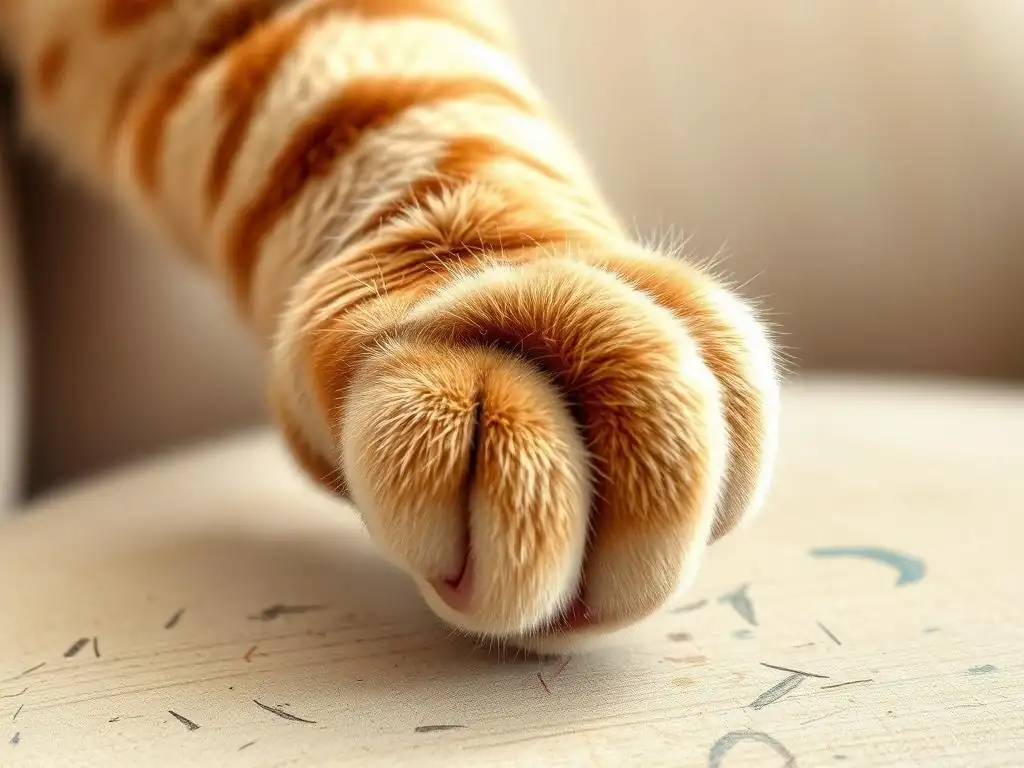
Understanding when a cat's scratching behavior transitions from normal to problematic is crucial for addressing the issue effectively. While all cats scratch, the intensity, frequency, and location of scratching can indicate underlying issues. This section will help you discern normal scratching from excessive scratching, enabling you to take appropriate action to protect your furniture and ensure your cat's well-being. Learning to identify these signs is the first step in preventing damage and understanding your feline companion's needs.
Recognizing Destructive Scratching Patterns: Frequency, Location, and Severity
Excessive scratching is characterized by a noticeable increase in frequency and intensity. Instead of a few casual scratches here and there, you might observe your cat scratching vigorously and repeatedly in the same spot, often leading to significant damage to your furniture. Pay attention to:
- Frequency: Does your cat scratch multiple times a day, even after you've provided scratching posts? Daily extensive scratching sessions are a key indicator.
- Location: Does your cat consistently target specific pieces of furniture, such as your favorite sofa or a particular chair? A preference for certain items might suggest underlying reasons.
- Severity: Is the scratching causing visible damage? Are you finding significant amounts of shredded fabric, worn-down wood, or exposed stuffing? Severe scratching results in noticeable destruction.
Let's illustrate with an example. Imagine a cat who scratches a particular armchair three to four times a day, leaving noticeable claw marks and shredded fabric. This differs significantly from a cat that casually stretches and scratches a scratching post once or twice a day. The former demonstrates excessive scratching that requires intervention.
Consider keeping a scratching diary to track frequency and location for a week. This can provide valuable data to understand the extent of the problem and aid in finding solutions. The severity of the scratching, measured by the damage inflicted, is another critical factor to consider when assessing the problem's extent.
Differentiating Normal Scratching from Problem Scratching: A Practical Guide
Normal scratching serves several vital functions for cats: shedding outer claw layers, stretching muscles, marking territory through scent glands in their paws, and sharpening their claws. This behavior is usually short, infrequent, and spread across different surfaces. Problem scratching, however, is characterized by:
- Obsessive Scratching: Intense, prolonged scratching sessions focused on a single item.
- Targeted Destruction: Consistent targeting of specific furniture despite the presence of scratching posts.
- Increased Frequency: A significant increase in the number of scratching episodes throughout the day.
- Ignoring Alternatives: Complete disregard for provided scratching posts or other appropriate scratching surfaces.
A simple comparison can help: A cat casually stretching and scratching a scratching post for a few minutes is normal. However, a cat furiously attacking a sofa leg for 15 minutes, ignoring a nearby, perfectly good scratching post, signals a problem. The key is to observe the context of the scratching. Is your cat simply maintaining their claws, or is there something more going on? Are they stressed?
Is the scratching post unappealing? Understanding the underlying causes is key to addressing the problem effectively. Consider factors like stress, boredom, or lack of appropriate scratching surfaces. A holistic approach, considering both the cat's physical and emotional well-being, is necessary to solve the problem. This detailed analysis will aid in effective intervention and prevention of future issues.
Effective Strategies to Deter Cats from Scratching Furniture
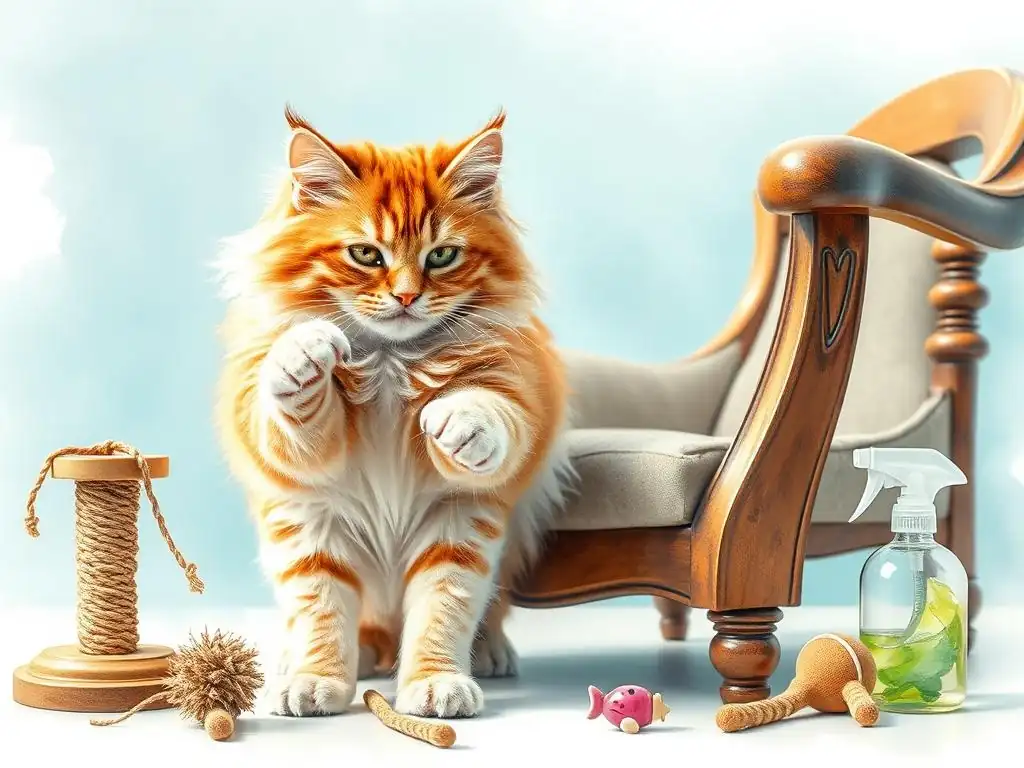
Understanding why cats scratch furniture is the first step to solving the problem. It's not just about mischief; scratching is an ingrained feline behavior crucial for their physical and mental well-being. This section focuses on practical, humane methods to redirect scratching behavior away from your prized possessions and onto appropriate surfaces. We'll explore various strategies, balancing the cat's natural instincts with your home's aesthetic integrity. Remember, patience and consistency are key to success in modifying any feline behavior.
Providing Appropriate Scratching Posts: Types, Placement, and Material Preferences
Cats scratch for several reasons: to sharpen their claws, stretch their bodies, mark their territory with scent glands in their paws, and simply because it feels good. Offering a suitable alternative is paramount. The success of a scratching post depends heavily on its type, placement, and material.
- Types of Scratching Posts: The market offers a wide variety, from simple cardboard scratchers to elaborate sisal-covered posts and even wall-mounted options. Consider your cat's preferences and your home's décor. Some cats prefer vertical scratching posts, while others prefer horizontal ones. Experiment to find what works best.
- Placement is Crucial: Don't just place the scratching post in a random corner. Strategic placement is key. Ideally, position the post near areas where your cat currently scratches furniture. If your cat likes to scratch near a window, place a post nearby. If they scratch the sofa, place a post directly next to it. Proximity greatly increases the chances of adoption.
- Material Matters: Different cats have different preferences. Sisal is a popular choice known for its durability and texture, providing a satisfying scratching experience. Carpet, cardboard, and even wood can also be effective. Observe your cat's scratching behavior to gauge their preference. Some cats may prefer a rougher texture, while others might favor a softer one. A variety of textures might be beneficial.
Consider this example: A cat consistently scratches the leg of a wooden dining chair. Instead of punishment, introduce a sturdy sisal scratching post directly beside the chair. The cat will likely be more inclined to use the designated post due to its proximity and the similar texture. Supplement this with positive reinforcement (discussed in the next section) to solidify the new behavior.
Positive Reinforcement Training Techniques for Cat Scratching Behavior Modification
Positive reinforcement is a humane and effective method for modifying unwanted scratching behavior. It focuses on rewarding desired behaviors rather than punishing unwanted ones. This approach fosters a positive relationship with your cat and significantly improves the chances of long-term success.
The core principle is to reward your cat immediately when they use their scratching post. Use treats, praise, or even a favorite toy as a reward. Consistency is vital. Every time your cat uses the post, reward them enthusiastically.
Here's a step-by-step guide:
- Introduce the scratching post: Place the post in an appropriate location.
- Lure your cat to the post: Gently guide your cat towards the post using a toy or treat.
- Reward the scratching: As soon as your cat starts scratching the post, immediately reward them.
- Repeat frequently: Repeat this process multiple times a day, reinforcing the desired behavior.
- Be patient: It takes time and consistency to change a cat's habits. Don't get discouraged if they don't immediately adopt the new scratching post.
Remember, never punish your cat for scratching furniture. Punishment can lead to fear and anxiety, potentially worsening the problem or damaging your relationship with your pet.
Using Deterrents to Discourage Unwanted Scratching: Repellents and Other Methods
While positive reinforcement is the preferred method, deterrents can supplement your efforts. These should be used cautiously and never in conjunction with punishment. The goal is to make the furniture less appealing, not to scare or hurt your cat.
Several commercially available repellents utilize scents that cats dislike, such as citrus or peppermint. Apply these sparingly to the furniture your cat targets. However, remember that some cats are not bothered by these scents. Also, be mindful of potential toxicity; always choose pet-safe products.
Other deterrents include:
- Double-sided tape: Cats dislike the sticky feeling of double-sided tape on their paws. Apply it strategically to areas they frequently scratch. This is a temporary solution and should be removed regularly to avoid damage to furniture.
- Aluminum foil: The crinkling sound and feel of aluminum foil can deter some cats.
- Plastic sheeting or covers: Covering furniture with plastic sheeting can temporarily protect it while training your cat. This is not a long-term solution but can provide a buffer.
Remember, a combination of providing appropriate scratching posts, employing positive reinforcement, and using mild deterrents (if necessary) offers the most comprehensive and humane approach to addressing unwanted cat scratching behavior. Consistency and patience are key to success. Observe your cat's behavior to tailor your approach and celebrate their progress!
Environmental Enrichment to Reduce Scratching: Playtime, Climbing Structures, and Sensory Stimulation
Cats scratch for a variety of reasons, and often, destructive scratching stems from unmet needs. Providing ample opportunities for play, climbing, and sensory stimulation can significantly reduce furniture-scratching behavior. Think of it as redirecting your cat's natural instincts into more appropriate outlets. A bored or under-stimulated cat is more likely to resort to scratching furniture out of frustration or to relieve pent-up energy.
One key aspect of environmental enrichment is dedicated playtime. Engage your cat in interactive play sessions at least twice a day, using toys that mimic the hunting instincts of a feline. Feather wands, laser pointers (used responsibly, avoiding direct eye contact), and toy mice can all provide engaging and stimulating play experiences.
These sessions should not only be fun but also tiring for your cat, helping to expend excess energy that might otherwise be directed towards your furniture. Remember to vary the types of toys and play styles to keep your cat engaged and prevent boredom. A consistent routine will help establish healthy play habits.
Providing climbing structures is another crucial element. Cats are naturally arboreal creatures, and access to vertical space allows them to stretch, climb, and survey their territory. Cat trees, shelves, and window perches offer excellent opportunities for this natural behavior.
These structures not only provide physical exercise but also fulfill your cat's need for a sense of security and control over their environment. The higher vantage points can significantly reduce stress and anxiety, contributing to calmer behavior and less furniture scratching. Consider the size and personality of your cat when choosing climbing structures; some cats prefer tall, slender structures, while others prefer wider, more stable ones.
Finally, sensory stimulation plays a vital role in reducing unwanted scratching behaviors. Cats are highly sensitive to textures and scents. Providing a variety of scratching posts with different textures—sisal, carpet, cardboard—can help you discover your cat's preferred surface. Likewise, introducing enticing scents, such as catnip or silvervine, to the scratching posts can further encourage their use.
Remember to regularly rotate and refresh these scents to maintain their appeal. This multi-sensory approach caters to your cat's natural curiosity and encourages them to associate positive experiences with scratching posts rather than your furniture. The goal is to make the scratching post the most attractive option available.
Addressing Underlying Medical Conditions Contributing to Scratching
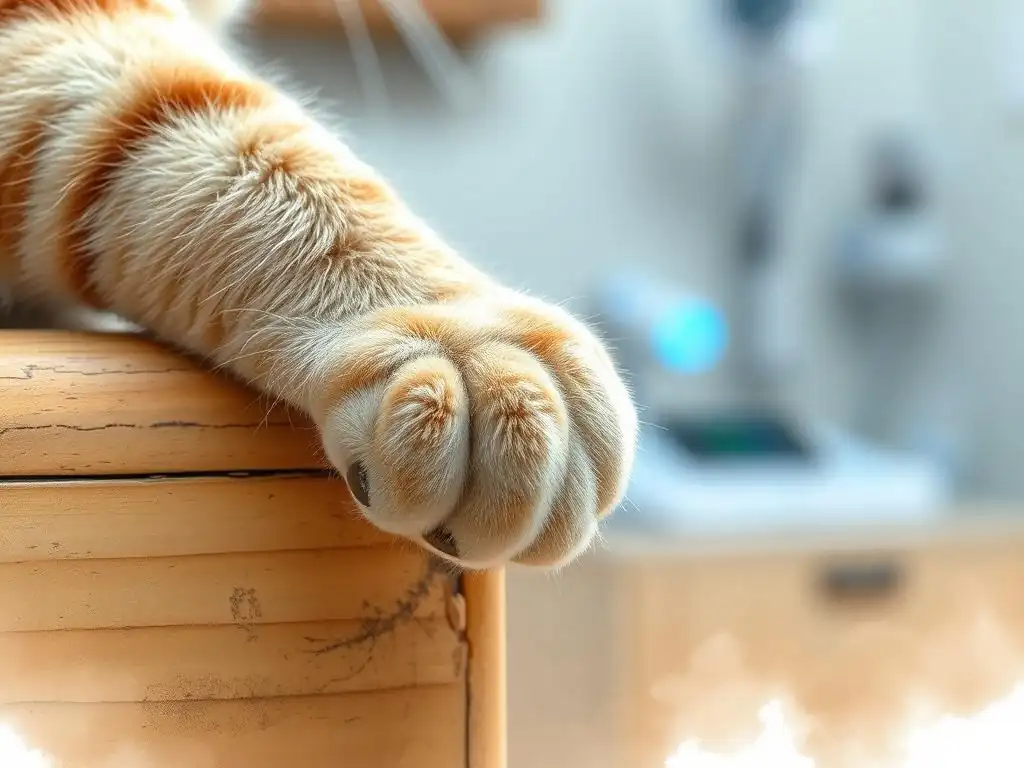
Before diving into behavioral solutions for excessive cat scratching, it's crucial to rule out any underlying medical conditions. Many health issues can manifest as increased scratching, often misinterpreted as mere naughtiness. Ignoring potential medical causes can lead to ineffective behavioral interventions and potentially worsen the cat's condition. Understanding the link between health and scratching behavior is paramount for responsible pet ownership. This section explores the vital role of veterinary examination in addressing this issue.
Veterinary Check-up for Cats with Excessive Scratching: Ruling Out Medical Causes
Excessive scratching, particularly a sudden increase in frequency or intensity, warrants immediate veterinary attention. A comprehensive check-up is essential to identify any underlying medical problems. Your veterinarian will conduct a thorough physical examination, paying close attention to your cat's skin, claws, and overall health. They may also recommend blood tests, urinalysis, or X-rays to rule out various conditions.
Several medical issues can trigger increased scratching. For example, fleas are a common culprit, causing intense itching and irritation that leads to excessive scratching. Allergies, both environmental (pollen, dust mites) and food-related, can also manifest as skin problems and increased scratching. Skin infections, like fungal infections (ringworm) or bacterial infections, can cause intense discomfort and lead to excessive scratching.
Arthritis and other joint problems can make it painful for cats to use their claws normally, causing them to scratch more to relieve discomfort. Furthermore, hyperthyroidism and other hormonal imbalances can also contribute to excessive grooming and scratching. Early detection and treatment of these conditions are critical to prevent further damage and improve your cat's quality of life. The veterinarian will also assess the cat's claws for abnormalities such as ingrown claws or claw infections which might trigger the scratching behavior.
Treatment Options for Medical Conditions that Cause Increased Scratching
Treatment for medical conditions underlying excessive scratching varies depending on the diagnosis. For flea infestations, your veterinarian will likely prescribe a flea preventative medication, such as topical treatments or oral medications. Allergies may require dietary changes (elimination diet to pinpoint allergens) or medication to manage symptoms. Skin infections often respond well to antifungal or antibacterial treatments. Arthritis may necessitate pain management medication and/or physical therapy. Hormonal imbalances, like hyperthyroidism, may require medication to regulate hormone levels.
The success of treatment will depend on the specific condition and your cat's response to therapy. Regular veterinary check-ups are essential to monitor your cat's progress and adjust treatment as needed. It's important to remember that addressing the underlying medical cause is often the first step in managing excessive scratching. Once the medical issue is resolved, behavioral modification techniques can be implemented more effectively.
A holistic approach, combining veterinary care with behavioral strategies, is often the most successful way to address this common feline problem. Early intervention significantly improves the chances of a positive outcome, promoting both your cat's physical and mental well-being. Ignoring medical issues can lead to chronic problems, worsening the scratching and possibly causing permanent damage to your cat's skin and fur. 😻
When to Seek Professional Help for Cat Scratching Problems
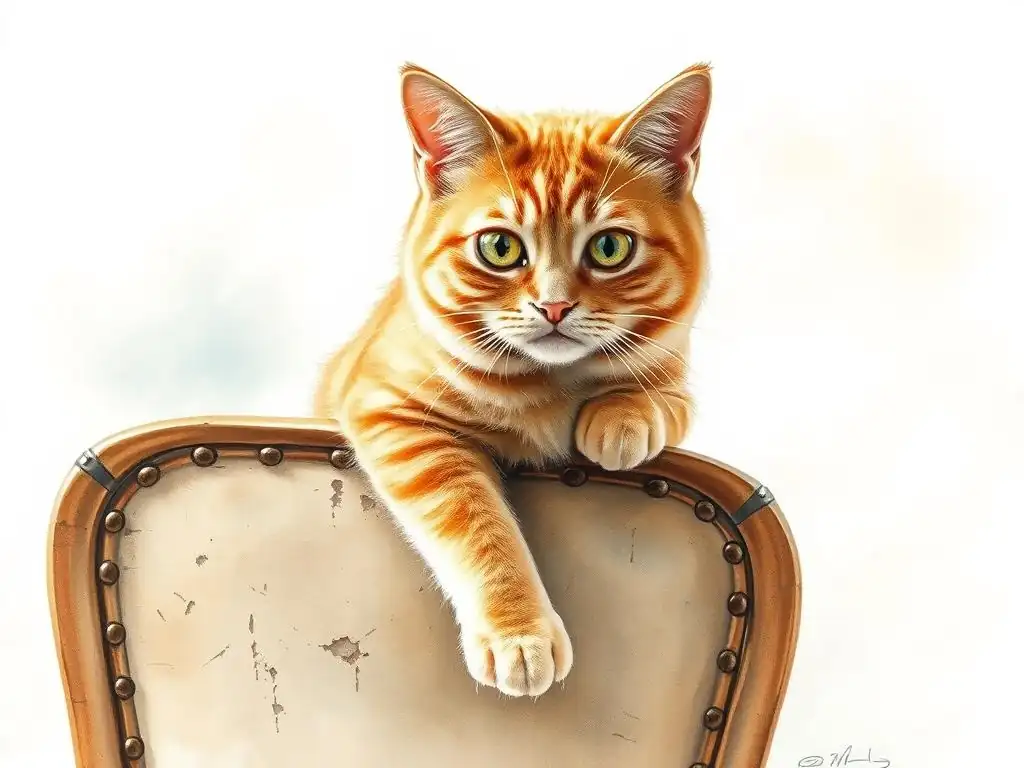
Understanding why cats scratch furniture is crucial for effective management, but sometimes, home remedies and simple adjustments aren't enough. Persistent scratching, despite your best efforts, could indicate an underlying issue requiring professional intervention. Ignoring escalating scratching behavior can lead to further damage to your belongings and, potentially, harm to your cat. This section outlines when professional help is necessary and how to find the right expert to address your feline friend's scratching habits.
Recognizing When Home Remedies Aren't Enough: Escalating Issues
Many common scratching solutions, such as providing scratching posts, trimming claws, and using deterrents, work effectively for minor scratching issues. However, certain situations signal the need for professional assistance. These include:
- Intense and Destructive Scratching: If your cat's scratching is causing significant damage to your furniture or other belongings despite your efforts, it's time to seek professional help. This level of scratching often points to underlying stress, anxiety, or medical problems. For example, a cat exhibiting excessive scratching might be experiencing pain in its paws, prompting it to scratch more frequently to alleviate discomfort.
- Sudden Onset of Excessive Scratching: A sudden and dramatic increase in scratching behavior, especially without any apparent changes in the environment or routine, warrants veterinary attention. This could indicate a medical issue, such as arthritis, allergies, or a neurological problem. Consider documenting the frequency and intensity of the scratching to share with your veterinarian.
- Scratching Leading to Self-Harm: Cats sometimes injure themselves while scratching intensely. If you notice bleeding, wounds, or signs of infection on your cat's paws or claws, immediate veterinary care is essential. This is a clear indication that the scratching is beyond a simple behavioral issue.
- Scratching Despite Multiple Interventions: You've tried everything: different types of scratching posts, deterrents, pheromone diffusers, and even behavioral modification techniques. Yet, the scratching persists. This signifies that a deeper understanding of the underlying cause is needed, requiring the expertise of a veterinarian or certified cat behaviorist.
Finding a Qualified Veterinarian or Certified Cat Behaviorist
Locating the right professional is key to resolving your cat's scratching problem. Here's how to find a qualified veterinarian or certified cat behaviorist:
- Veterinarian: Your regular veterinarian is a great starting point. They can conduct a physical examination to rule out any underlying medical conditions contributing to the scratching. They may also recommend a referral to a specialist if needed. Remember to provide detailed information about your cat's scratching behavior, including its frequency, intensity, and any related circumstances.
- Certified Cat Behaviorist (CCBC): A CCBC possesses specialized knowledge and training in feline behavior. They can perform a thorough behavioral assessment to identify the root cause of the scratching and develop a tailored behavioral modification plan. Look for a CCBC certified by a reputable organization. Their expertise extends beyond simple solutions and addresses the emotional and psychological aspects of your cat's behavior. A CCBC can offer valuable insights into the underlying reasons for the scratching, providing a more holistic and effective approach to resolving the issue.
Finding the right professional is crucial for addressing persistent scratching issues. Don't hesitate to seek help if home remedies prove inadequate. Early intervention can prevent further damage and ensure your cat's well-being. Remember, a comprehensive approach combining veterinary assessment and potentially behavioral modification often yields the best results in managing feline scratching behaviors.
Preventing Future Scratching Issues: Long-Term Solutions
Understanding why cats scratch is only half the battle. Preventing future scratching requires a proactive, multifaceted approach focusing on fulfilling your cat's natural instincts and providing suitable alternatives. This section details long-term strategies to minimize furniture damage and maintain a harmonious co-existence. Ignoring scratching behavior rarely solves the problem; instead, it often leads to escalating issues. Consistent, positive reinforcement is key to success.
Maintaining a Cat-Friendly Environment: Ongoing Strategies for Prevention
A cat-friendly environment is paramount in preventing destructive scratching. Think of it as proactively addressing the root causes of unwanted scratching behavior. This includes providing ample scratching posts, strategically placed to encourage their use, and regularly maintaining these posts to ensure they remain appealing to your feline companion. Cats prefer different textures; experiment with sisal, carpet, cardboard, and even wood to find your cat's preference.
The placement of scratching posts is crucial. Observe your cat's behavior – do they prefer scratching near windows, doorways, or furniture? Position scratching posts in these high-traffic areas to make them more appealing. Consider vertical posts near frequently used furniture, which can redirect scratching behavior. A variety of scratching posts – horizontal, vertical, and even floor-based – caters to different scratching styles and preferences. Regularly rotating the posts can also keep your cat engaged and prevent boredom.
Beyond scratching posts, consider other environmental factors. Cats need mental stimulation to reduce stress, a major contributor to unwanted behaviors like excessive scratching. Interactive play sessions, puzzle feeders, and climbing structures provide this crucial enrichment. Regular grooming also helps reduce stress and can make your cat less likely to scratch excessively. A clean and comfortable environment minimizes stress and reduces the likelihood of scratching as a stress-coping mechanism.
Addressing Underlying Medical Conditions: Ruling Out Physical Causes
While behavioral reasons are the most common cause of cat scratching, underlying medical issues can sometimes contribute. Pain, discomfort, or arthritis can cause cats to scratch more frequently or in unusual ways. If you notice a sudden change in your cat's scratching habits, particularly if accompanied by other symptoms like limping, lethargy, or changes in litter box habits, consult your veterinarian immediately.
They can perform a thorough examination to rule out any underlying medical conditions that may be causing the increased scratching. Early detection and treatment of medical issues can prevent further damage and improve your cat's overall well-being. This proactive approach is crucial in effectively managing your cat's scratching behavior and ensuring its health.
Positive Reinforcement Training: Rewarding Appropriate Scratching
Positive reinforcement is arguably the most effective long-term solution for managing cat scratching. Instead of punishing inappropriate scratching, focus on rewarding appropriate behavior. When your cat uses a scratching post, immediately praise them with positive verbal reinforcement and offer a small treat or toy. This creates a positive association between the scratching post and reward, making it more likely they'll use it in the future. Consistency is key; rewarding appropriate scratching every time reinforces the desired behavior.
Consider using catnip or other attractants on the scratching post to further encourage its use. However, avoid using harsh deterrents, such as sprays or sticky tape, as these can create negative associations with the scratching post and make your cat fearful or anxious. Remember, the goal is to create a positive and rewarding experience associated with appropriate scratching, not to punish or scare your cat. Patience and consistency are key to successfully implementing positive reinforcement training. Over time, your cat will learn to associate the scratching post with positive experiences, leading to a significant reduction in unwanted scratching.
| Strategy | Description | Effectiveness |
|---|---|---|
| Scratching Post Placement | Strategically place posts near areas where scratching occurs. | High |
| Environmental Enrichment | Provide toys, climbing structures, and interactive play to reduce boredom and stress. | High |
| Positive Reinforcement | Reward appropriate scratching with treats and praise. | High |
| Veterinary Check-up | Rule out underlying medical conditions that may be contributing to scratching. | Moderate |
| Consistent Routine | Maintain a consistent daily routine to reduce stress and anxiety. | Moderate |
Remember, patience and consistency are vital. Addressing scratching behavior requires a long-term commitment to creating a cat-friendly environment and using positive reinforcement techniques. With time and effort, you can successfully redirect your cat's scratching habits and protect your furniture.
Frequently Asked Questions
Why do cats scratch furniture?
Cats scratch furniture for several reasons: territory marking (scent glands in their paws), shedding outer claw layers, and stretching/exercising. It's a natural, instinctive behavior.
Is scratching furniture always a behavioral problem?
Not necessarily. While it can indicate a problem, scratching is often a normal instinct. Providing appropriate scratching posts can often redirect the behavior.
How can I stop my cat from scratching the furniture?
Offer attractive alternatives, such as scratching posts or pads. Make furniture less appealing by using deterrents like double-sided tape or citrus sprays. Positive reinforcement is key!
What type of scratching post is best for my cat?
The ideal scratching post depends on your cat's preferences. Experiment with different materials (sisal, cardboard, carpet), heights, and styles to find what your cat likes best. Vertical posts are generally preferred.
My cat is scratching excessively; could it be a medical issue?
Excessive scratching could indicate an underlying medical condition, such as arthritis or allergies. If you're concerned, consult your veterinarian for a proper diagnosis and treatment.
Final Reflection: Understanding the Scratching Post, Understanding Our Cats
The seemingly simple act of a cat scratching furniture speaks volumes about feline behavior, communication, and the enduring bond between humans and their pets. Understanding this behavior is not just about protecting our sofas; it's about fostering a healthier, happier relationship with our feline companions. Ignoring the root causes only leads to frustration for both cat and owner.
The pervasive nature of cat scratching, a behavior deeply ingrained in their instincts, highlights the importance of empathy and understanding in our interactions with animals. We often anthropomorphize, projecting human emotions and motivations onto our cats, leading to misunderstandings. The cat, that mysterious and independent creature, offers us a glimpse into a world governed by instincts and senses far removed from our own.
By recognizing the crucial role scratching plays in a cat's physical and emotional well-being, we can move beyond simple frustration and build a more harmonious coexistence.
So, what will you do differently now? Consider your cat's scratching habits – are they driven by stress, boredom, or simply the need to sharpen their claws? Provide ample scratching posts, explore different textures, and perhaps even consult with a veterinarian or animal behaviorist if the problem persists. Remember, a happy, healthy cat is a cat whose natural instincts are met with understanding and compassion. By embracing this perspective, we not only protect our furniture but also enrich the lives of our beloved feline friends.
Unleash a Happier, Scratch-Free Home: Take Control of Your Cat's Clawing!
Thank you for learning about your cat's scratching behavior! Understanding why your cat scratches and its importance to their well-being is a significant step. Now, let's put that knowledge to practical use.
- Choose the right scratching post: This is the most effective way to redirect your cat's scratching. Experiment with different materials, styles, and locations to find what your cat prefers. A vertical post near their favorite sleeping spot might be ideal!
- Share your experiences: Tell us about your cat's scratching habits and what solutions you've tried in the comments below. Let's create a supportive community of cat owners!
- Consider catnip: Catnip can surprisingly deter scratching. Sprinkling a small amount near the scratching post might entice your cat away from your furniture.
What creative solutions have you found to protect your furniture while keeping your cat happy? Let's discuss!