Decoding Cat Anxiety: Unveiling the Mystery Behind Feline Fear
🤔 Unravel the mysteries of cat anxiety! PetCareWorld reveals common cat anxiety symptoms and offers practical solutions to help your feline friend…
Read article
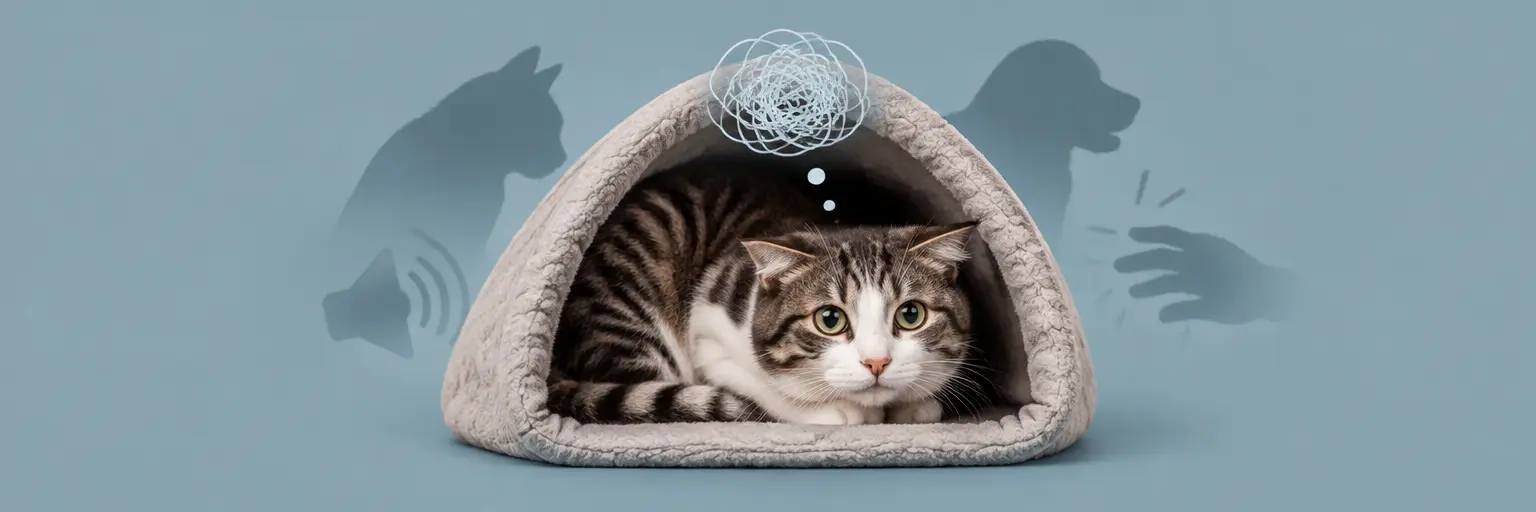
Does your feline friend startle at the slightest noise, hide when guests arrive, or seem perpetually on edge? Understanding fearfulness and anxiety in cats is essential for nurturing a calm, confident companion. At PetCareWorld, we dive deep into the triggers—from loud sounds and unfamiliar environments to past trauma and separation stress—that can spark anxious behaviors. Our expert-backed strategies help you decode subtle feline body language, implement soothing routines, and create a safe haven that reduces stress. Whether you’re dealing with excessive hiding, aggression, or litter box avoidance, learning how to ease your cat’s worries can transform your bond. With practical tips on environmental enrichment, pheromone therapy, and gentle desensitization, you’ll empower your furry friend to feel secure and thrive. Don’t let anxiety dim your cat’s playful spirit—discover actionable solutions that bring peace back into your home, one purr at a time.
🤔 Unravel the mysteries of cat anxiety! PetCareWorld reveals common cat anxiety symptoms and offers practical solutions to help your feline friend…
Read article
😊 Is your cat fearful? PetCareWorld shows you how to gently socialize a fearful cat, building their confidence through positive reinforcement and…
Read article
😊 Ease your cat's anxiety naturally! PetCareWorld explores effective herbal remedies and holistic approaches to calm your feline friend, offering safe and…
Read articleFearfulness and anxiety in cats are common yet often misunderstood behavioral challenges that can significantly impact your feline’s quality of life and your bond with them. At PetCareWorld, we delve deep into the root causes, subtle signs, and effective, science-backed strategies to help your cat feel safe, confident, and relaxed. From loud noises and strangers to separation and environmental changes, this subcategory offers expert insights into recognizing triggers and implementing calming routines. Whether you have a shy kitten or an adult cat with anxiety, our guidance covers desensitization, pheromone therapy, enrichment, and when to seek veterinary help, empowering you to transform fear into trust.
Anxiety in cats is not always obvious—unlike dogs, cats often hide their distress, leading to delayed intervention. Common signs include excessive grooming, urine marking outside the litter box, reduced appetite, hiding for prolonged periods, tail flicking, dilated pupils, and changes in vocalization. These behaviors are your cat’s way of communicating internal unease, and recognizing them early is vital for effective management. At PetCareWorld, we emphasize watching for subtle body language cues like flattened ears, tense posture, and slow blinking, which may indicate stress. By learning these indicators, you can address anxiety before it escalates into more severe behavioral or health issues, ensuring your cat’s emotional well-being is prioritized.
Beyond physical signals, anxiety can manifest as aggression, excessive clinginess, or destructive scratching. Each cat has its unique stress fingerprint, so observing patterns is essential. For instance, a suddenly withdrawn cat may be reacting to a new pet, while one that paces could be experiencing environmental stressors like construction noise nearby. Our guides help you differentiate between temporary fear and chronic anxiety, offering tailored checklists to monitor your cat’s behavior over time. Early recognition is the first step toward creating a calming home environment, and our expert advice ensures you do not miss crucial warning signs that warrant professional consultation.
Understanding what sparks your cat’s fear is key to reducing anxiety. Common triggers include loud noises (thunder, fireworks, vacuum cleaners), unfamiliar visitors, changes in routine, travel, vet visits, and even new furniture or scents. Each trigger affects cats differently, and some may develop generalized anxiety after repeated exposure to stressful events. PetCareWorld provides detailed action plans for each trigger, such as creating a safe hiding spot during storms, using calming music to mask noise, and gradually introducing newcomers with positive reinforcement. We also discuss the critical role of vertical spaces—shelves and cat trees—that allow shy cats to observe from a secure height, reducing perceived threats.
Mitigation goes beyond simply removing the stressor; it involves proactive counter-conditioning. Pairing the trigger with high-value treats or play can gradually change your cat’s emotional response. For example, if your cat fears the carrier, leave it out with treats inside daily so it becomes a positive space. Consistency is crucial, as is avoiding punishment, which only heightens fear. Our guides outline step-by-step desensitization protocols, complete with timelines and success metrics, helping you systematically reduce sensitivity. Additionally, we highlight how environmental enrichment—interactive feeders, puzzle toys, and window perches—can distract and calm anxious cats, giving them a sense of control over their surroundings.
Modern pet care offers a wealth of calming solutions, from synthetic pheromone diffusers (like Feliway) to weighted vests and anxiety wraps. These tools mimic natural soothing signals, helping your cat feel secure without medication. PetCareWorld reviews the latest products, including anxiety treats with L-theanine or tryptophan, calming sprays for bedding, and interactive laser toys that burn nervous energy. We also explore holistic approaches like modified music playlists and herbal supplements (e.g., chamomile, valerian root), always cautioning about safety and potential interactions. Our expert-led comparisons help you choose safe, effective options tailored to your cat’s specific anxiety type and severity.
Behavioral techniques are equally powerful. Clicker training for confidence, offering choice-based interactions, and structuring predictable daily routines all reduce uncertainty. For fear of handling, gradual touch desensitization using treats despite initial reluctance—can build trust. We also recommend dedicated quiet zones where your cat can retreat untouched, equipped with cozy bedding, catnip, or silver vine. These areas act as stress buffers. Importantly, we guide you in creating a “calm ritual,” such as a nightly play session followed by grooming, which signals safety and reinforces your bond. Always consult a vet before starting any supplement, but combining product-based calming with environmental enrichment yields the most significant, lasting improvements.
Chronic anxiety can severely affect a cat’s health, leading to stress-related conditions like cystitis, dermatitis, or suppressed immunity. If your cat’s anxiety persists despite consistent home interventions, it’s essential to consult a veterinarian. They can rule out medical issues—pain, thyroid problems, or sensory decline—that may mimic or worsen anxiety. PetCareWorld guides you on what to expect during a veterinary behavioral consultation, including diagnostic interviews, blood work, and potentially referral to a board-certified veterinary behaviorist. We discuss prescription options like SSRIs or anti-anxiety medications, explaining their benefits and side effects so you can make informed decisions alongside your vet.
Severe phobias, such as thunderstorm panic, often require professional-grade protocols. Veterinary behaviorists create customized desensitization and counter-conditioning plans, sometimes using anxiolytic drugs on a temporary basis. For cases of separation anxiety, they may recommend gradual departures and environmental changes. PetCareWorld also features case studies and success stories from owners who navigated these challenges, offering real-world reassurance. Never self-medicate your cat with human drugs—this is dangerous. Professional help is an investment in your cat’s long-term mental health, and with the right support, even deeply fearful cats can learn to thrive. Early intervention prevents escalation, making your cat’s prognosis significantly better.
Prevention is always better than cure. A consistent, enriching daily routine reduces baseline stress and equips your cat to handle unexpected changes. PetCareWorld advocates for a structure that includes regular meal times, interactive play sessions (at least 15 minutes, twice daily), and scheduled quiet periods. Cat behaviorists recommend using food puzzles to simulate hunting, which satisfies natural instincts and releases calming endorphins. Additionally, rotating toys and introducing novel scents (like cat-safe herbs) keeps the environment mentally stimulating, preventing boredom-induced anxiety. Providing multiple litter boxes, scratching posts, and water stations in different locations further reduces territorial stress.
Social enrichment is just as important. Cats are solitary hunters but still need social bonding on their terms. Spend quality time grooming, talking softly, or engaging in low-stress play like feather wands. However, respect your cat’s boundaries—forcing interaction can backfire. For multi-cat households, ensure each has its own resources to avoid competition. We also emphasize the importance of a predictable bedtime wind-down, using dim lighting and lavender-scented (cat-safe) diffusers. By embedding these routines into your daily life, you create a resilient, confident cat better equipped to face novel situations, reducing the likelihood of severe anxiety episodes and improving overall well-being.
While shy cats are cautious, they typically display relaxed body language when comfortable, like slow blinking and purring. Anxious cats show persistent stress signals—tail puffing, excessive hiding, aggression, or self-soothing overgrooming—even in safe environments. If your cat’s behavior interferes with eating, play, or social interaction for more than a few days, it’s likely anxiety. Observe whether they calm down with quiet time alone or remain tense. A shy cat adapts given patience; an anxious cat requires structured intervention, so consulting our guides and possibly a vet is advisable for persistent worry.
Several over-the-counter supplements show promise, but evidence varies. L-theanine (found in green tea) promotes relaxation, and tryptophan supports serotonin production. Catnip and silver vine can induce calm in some cats, though others get excited. Pheromone diffusers like Feliway are well-studied for reducing stress-related behaviors. Always choose products specifically formulated for cats, avoid human supplements, and discuss with your vet first. Start with one supplement at a time, monitor your cat’s response for two weeks, and note that natural aids work best alongside behavioral and environmental changes, not as a standalone cure.
Yes, chronic anxiety can lead to serious health issues. Elevated stress hormones weaken the immune system, making cats susceptible to infections. Stress is a major trigger for feline interstitial cystitis, a painful bladder condition. Overgrooming causes skin lesions and hair loss. Long-term anxiety also contributes to digestive problems, like vomiting or diarrhea, and can exacerbate conditions like asthma. Additionally, anxious cats often eat less, leading to malnutrition. If your cat shows behavioral signs of anxiety, addressing them promptly prevents these cascading physical problems. A vet visit is essential to rule out underlying medical causes and to initiate appropriate treatment.
There’s no fixed timeline—it depends on the cat’s history, trigger intensity, and consistency of training. Mild anxiety may improve within 2–4 weeks of regular desensitization and enriched routines. Severe phobias can take several months of gradual, patient work. Key signs of progress include decreased hiding time, willingness to approach triggers, and less destructive behavior. Remember, setbacks are normal, especially during stressful events. Celebrate small victories, and never rush the process. If you see plateau after two months despite consistent effort, consult a professional behaviorist for a refined plan. Consistency and positive reinforcement are your best allies.
Absolutely not—punishment increases fear and anxiety, worsening the problem. Your cat is not acting out of malice but expressing stress. Instead, redirect behavior positively: provide appropriate scratching posts, use double-sided tape on furniture, and reward calm alternate behaviors. For urine marking, clean thoroughly with enzymatic cleaners and address the underlying stressor. Punishment breaks trust and damages your bond, making anxiety worse. Focus on understanding the cause, enriching the environment, and using positive reinforcement. If destructive behaviors persist, our guides help you implement safe deterrents and seek professional advice to rebuild your cat’s confidence.







