Introducing Cats to Each Other: A Step-by-Step Guide for a Peaceful Multi-Cat Home
Bringing a new cat into your home is an exciting time, but for your resident feline, it can feel like an invasion of their territory. Successful introductions require patience, planning, and a deep understanding of feline behavior. This guide provides expert-backed strategies to minimize stress, prevent aggressive conflicts, and help your cats build a positive, lifelong bond. From scent swapping to supervised meetings, we cover every crucial step to ensure your household remains harmonious.
🐾 Understanding Feline Territorial Instincts
Cats are inherently territorial creatures, and their sense of security is directly tied to familiar scents, spaces, and routines. When a new cat arrives, your resident cat’s instinct is to protect its resources—food, water, litter boxes, and sleeping spots. Rushing this process often leads to hissing, growling, or even physical fights. Recognizing these natural behaviors is the first step toward a smooth transition.
By acknowledging that your resident cat isn't being "mean" but simply reacting to a survival instinct, you can tailor your approach. Start by setting up a dedicated "safe room" for the newcomer with its own food, water, litter, and hiding spots. This prevents immediate face-to-face encounters and allows each cat to establish a sense of ownership without feeling threatened. This foundational step reduces anxiety for both felines and sets the stage for gradual, positive associations.
👃 The Power of Scent Swapping Before Visual Contact
Before your cats ever see each other, they should become familiar with each other's scent. Scent is the primary communication tool for cats, and olfactory familiarity can dramatically reduce fear and aggression. Begin by rubbing a soft cloth on each cat’s cheeks and chin, then place the cloth near the other cat’s food bowl or sleeping area. Alternatively, swap their bedding or toys daily. This allows them to associate the new scent with neutral, positive experiences.
Feed both cats on opposite sides of the closed safe-room door. As they become comfortable, gradually move their bowls closer. This “eating together on opposite sides” technique creates a positive food association with each other’s presence. You can also engage in play sessions with a wand toy under the door, allowing them to have fun while near the scent barrier. After several days, if neither cat shows signs of prolonged hissing or flattened ears, you can proceed to the next phase.
🚪 Gradual Visual Introductions Through a Barrier
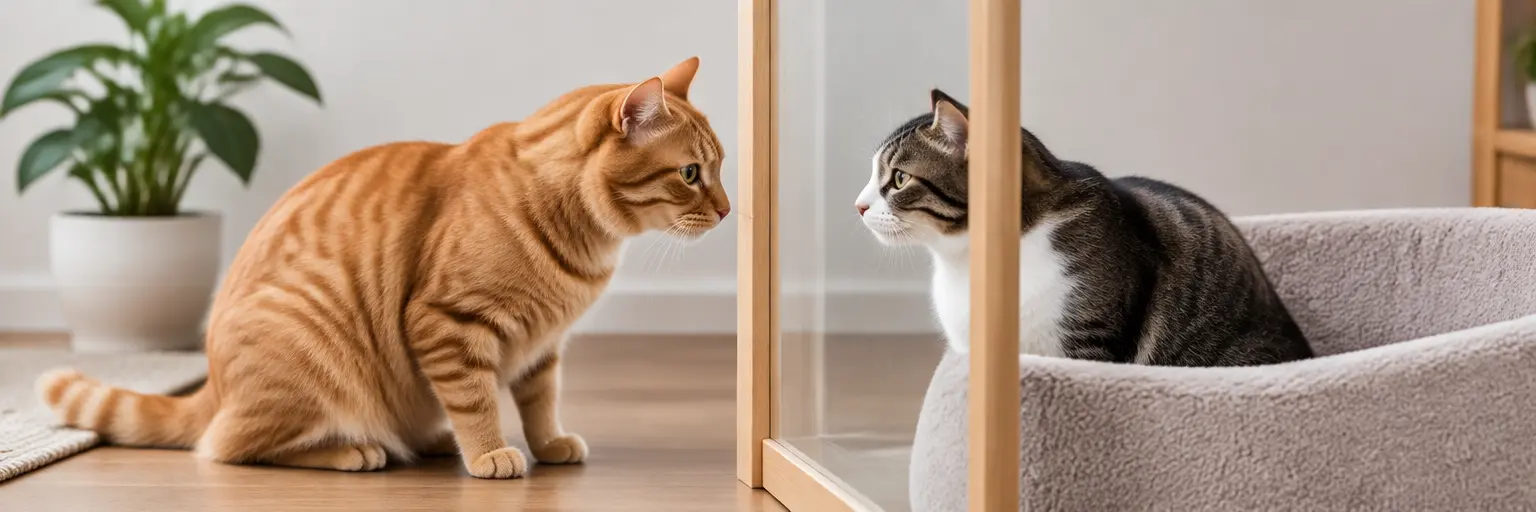
Once scent swapping is successful, introduce visual contact while maintaining a physical barrier. Use a baby gate, a cracked door, or a screen door so they can see each other without any risk of contact. Keep these initial sessions short—just 5 to 10 minutes—and always pair them with positive distractions like treats, catnip, or interactive play. Watch for relaxed body language: slow blinks, a soft tail, and ears pointing forward are good signs.
If either cat displays intense staring, puffed tails, or loud hissing, end the session immediately and return to scent swapping for another day. Never punish or scold during these moments, as that creates negative associations. Instead, increase the distance between the barrier and the cats so they feel safe. Over several sessions, progressively reduce the distance and increase the duration. This gradual desensitization helps both cats learn that the other’s presence predicts good things, not threats.
🎉 Supervised Face-to-Face Meetings in Neutral Territory
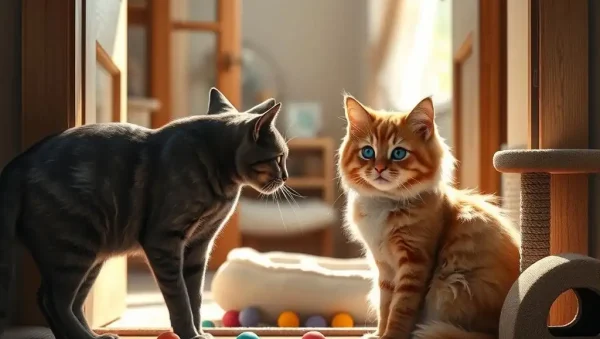
After a week or more of successful barrier introductions, you can attempt supervised face-to-face meetings. Choose a neutral room that neither cat strongly claims, and avoid carrying either cat—let them approach each other on their own terms. Have treats and toys ready, and keep a sturdy towel or blanket nearby to separate them if needed. Your role is to stay calm and observant, speaking in a soothing tone to diffuse tension.
Allow them to sniff each other, but stop the session if you see any hissing, growling, or swatting with extended claws that lasts more than a few seconds. Slow blinking at them can signal that you are safe and relaxed. Increase the length of these meetings gradually, always ending on a positive note—ideally while they are calmly coexisting. Never leave them unsupervised until you are absolutely certain they are comfortable together, which may take several weeks or even months depending on their personalities.
🌿 Managing Resource Competition and Enrichment
Even after a successful introduction, ongoing resource management is vital to prevent future conflicts. Provide multiple, separate food and water stations, litter boxes (general rule: one per cat plus one extra), and scratching posts placed in different areas. High perches, cat trees, and window shelves offer vertical space, which allows cats to escape or observe from a safe height. This reduces the pressure to compete for prime spots.
Interactive play sessions should be individual, ensuring each cat gets dedicated attention. Use puzzle feeders to engage their hunting instincts and reduce boredom-related aggression. Additionally, consider using synthetic feline facial pheromone diffusers (like Feliway) in common areas to promote calmness. By proactively addressing these environmental needs, you create a multi-cat paradise where every feline feels secure, which dramatically increases the chances of a lasting friendship or at least peaceful coexistence.
🚨 Troubleshooting Common Introductions Issues
If you encounter persistent hissing or fighting, do not panic. First, separate the cats completely and return to the scent-swapping phase for several days. Check with your veterinarian to rule out any medical issues that might make a cat irritable. Consider using a calmative supplement or consult a certified feline behaviorist if progress stalls. Reintroduction may require starting over from zero, which is perfectly normal even for experienced cat owners.
Remember that some cats may never become best friends, but they can still live together with mutual tolerance. Ensure that each cat has its own hidden safe space (like a cardboard box or carrier with a towel) that no other cat can access. Never force them to interact, and always reward calm behavior with treats. With time, consistency, and a stress-reducing environment, most cats will adapt. Patience is your greatest tool—rushing this process is the #1 reason for failed introductions.
Frequently Asked Questions
How long does it take to introduce two cats?
Typically, a full introduction process takes anywhere from 1 to 3 weeks, but it can take months for very shy or dominant cats. The key is to let the cats set the pace. Following each phase (scent, visual, physical) without rushing is more important than the calendar. Some cats bond quickly in days, while others need six weeks or more to feel comfortable. Always prioritize quality over speed to avoid setbacks.
Is it better to adopt two kittens or an adult cat and a kitten?
Introducing two kittens is often easier because they are more adaptable and playful. Mixing an adult and a kitten can work, but it requires more patience since the adult may feel territorial. A kitten’s energy might annoy an older cat. If mixing, allow the adult to set boundaries and never leave them unsupervised until the adult accepts the kitten. Gender and neutering status also play roles—neutered males are usually more tolerant.
What should you do if your cats fight during an introduction?
Immediately separate them with a towel or by gently using a spray of water, but never use your hands to break up a fight—you risk being scratched. Place each cat in separate rooms for at least a few hours to calm down. The next day, re-start with the scent-swapping phase. Never punish them, as that associates punishment with the other cat’s presence, worsening the problem.
Can I let my cats meet without a barrier if they seem okay?
Only if you are 100% sure of their body language. Even if they seem calm, always start with a barrier for the first several meetings. A sudden lunge or swat can happen within a second. Proceed to face-to-face only when both cat’s eyes are soft, their ears are neutral, and they show no piloerection (puffed hair). Always have an escape route ready for each cat.
Will my resident cat be jealous if I give the new cat more attention?
Yes, jealousy is common. To minimize jealousy, spend extra time with your resident cat during the introduction phase, giving them favorite treats and play sessions first. Never force them to share space. Ensure both cats get equal solo time with you daily. Use separate feeding areas and praise them equally. Over time, they’ll learn that the new cat's presence doesn't mean less attention for them.