The Impact of Feline Pheromones on Cat Interactions
😊 Discover how feline pheromones profoundly impact cat behavior and interactions. PetCareWorld explores this fascinating science, offering insights into improving your cat's…
Read article
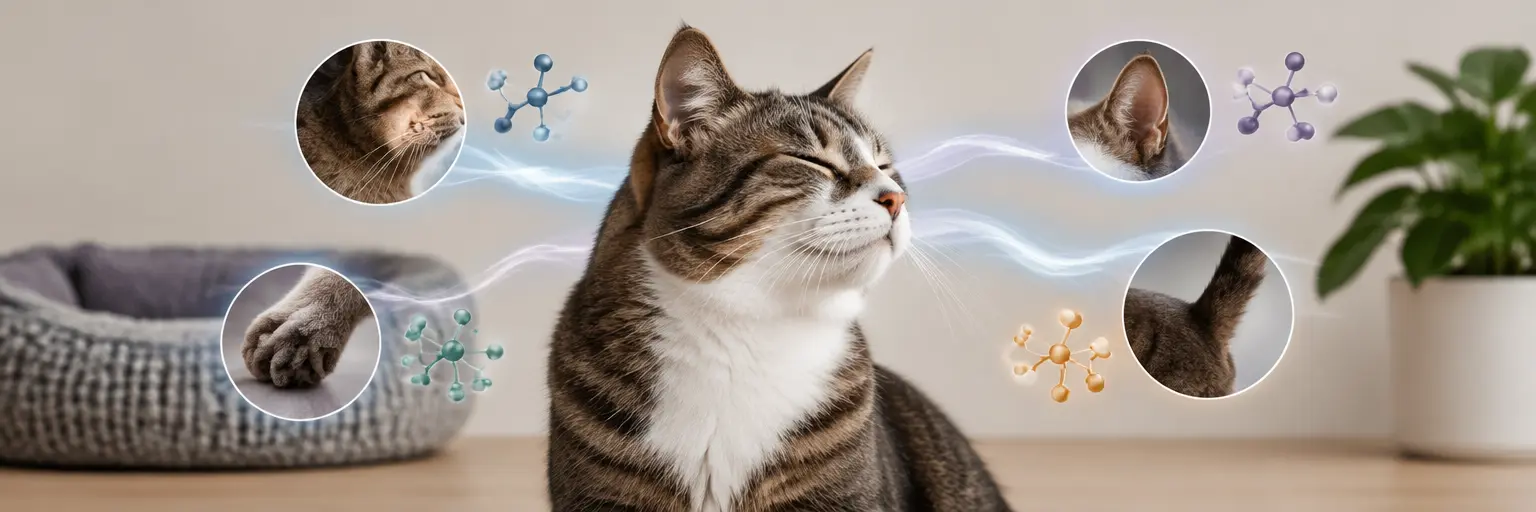
Discover the secret language of your feline friend with our deep dive into understanding feline pheromones. These invisible chemical signals play a pivotal role in how cats communicate, mark territory, and express comfort or stress. By learning to recognize and interpret these cues, you can strengthen your bond, reduce anxiety-related behaviors, and create a more harmonious home environment. From facial rubbing and scratching to urine marking, each pheromone carries a specific message that, once decoded, empowers you to respond with confidence and care. Unlock the science behind these natural messengers and transform your approach to cat care and behavior today.
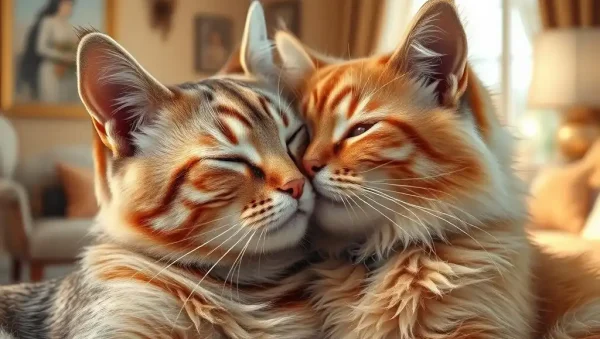
😊 Discover how feline pheromones profoundly impact cat behavior and interactions. PetCareWorld explores this fascinating science, offering insights into improving your cat's…
Read article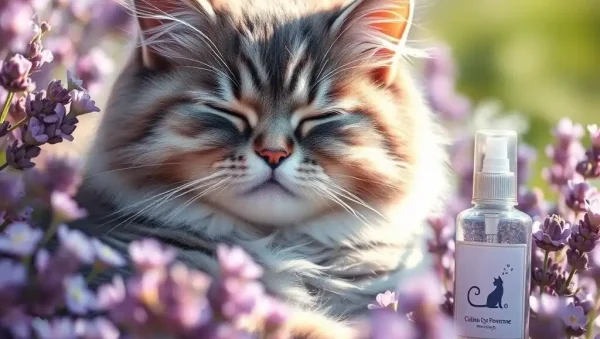
😊 Decode your cat's secret language! PetCareWorld's expert guide unlocks the power of feline pheromones, offering practical advice and a comprehensive cat…
Read article
😊 Discover how cat pheromones calming spray benefits your feline friend! PetCareWorld explores the science behind these amazing tools, revealing how they…
Read articleWelcome to PetCareWorld’s deep dive into understanding feline pheromones—the invisible chemical signals that drive your cat’s emotions, social bonds, and territorial instincts. Whether you’re dealing with spraying, stress, or multi-cat friction, grasping how pheromones work can transform your approach to cat care & behavior. This subcategory breaks down complex science into practical, actionable insights, helping you create a calmer, happier home. From synthetic products to natural communication cues, you’ll learn to decode your feline’s hidden messaging system and strengthen your bond through evidence-based, expert-approved strategies.
Cats rely heavily on olfactory communication, using pheromones produced by glands in their cheeks, paws, and tail base. These chemical messengers travel directly to the vomeronasal organ (Jacobson’s organ) in the roof of their mouth, bypassing normal smell pathways. This triggers innate behavioral responses, such as calming, marking territory, or signaling readiness to mate. Understanding this mechanism helps you recognize why a cat rubs its face on furniture—it’s not just affection; it’s depositing “feel-good” facial pheromones to claim a safe zone. For owners, this knowledge clarifies why certain environmental changes cause stress and how to mimic natural calming signals effectively.
Synthetic pheromone analogs, like Feliway, replicate these natural messages, but real-world success depends on placement and timing. Diffusers should be placed in the cat’s core living areas, not hidden corners, for optimal spread. Also, note that stress-related spraying often stems from a perceived threat, not spite. By learning which glands produce which signals (facial = comfort, paw = territorial, tail = social hierarchy), you can better interpret your cat’s mood and intervene early. This subcategory equips you with the biological foundation to troubleshoot behavior problems scientifically, rather than guessing—making your care routine more effective and less frustrating.
Stress in cats manifests as excessive grooming, hiding, aggression, or inappropriate elimination. Calming pheromones—particularly the feline facial pheromone (F3)—are proven to reduce these signs by signaling “safe territory” through a species-specific chemical cue. Products come as diffusers, sprays, collars, or wipes, each suited for different contexts: diffusers for ongoing anxiety, sprays for travel or vet visits, and collars for 24/7 relief. For best results, start application at least 48 hours before a stressful event, and combine with behavioral modifications like resource enrichment. Many owners report visible improvement within days, but consistency is key—change refills every 30 days and clean surfaces with alcohol-free cleaners to avoid residue blocking the scent.
Practical applications include integrating calming pheromones during introductions between new cats or after moving homes. Pairing these chemical aids with positive reinforcement training yields synergistic effects, as the pheromone reduces baseline anxiety, making the cat more receptive to learning. However, pheromones are not sedatives—they don’t work overnight for acute panic. Use them proactively, not reactively, and monitor your cat’s behavior for underlying medical issues that could mimic stress. This guide provides step-by-step setup instructions, troubleshooting tips (e.g., why diffusion fails in large rooms), and real-life case studies to help you tailor the approach to your cat’s unique personality and environment.
Urine spraying, distinct from normal urination, is a territorial marking behavior often triggered by insecurity, new pets, or outdoor cats nearby. Understanding that pheromones play a dual role—marking identity and claiming boundaries—is crucial. Synthetic facial pheromones can reduce the urge to spray by creating a false sense of safety, while synthetic appeasing pheromones help calm tense multi-cat households. To solve the issue, deep-clean marked areas with an enzymatic cleaner (not ammonia-based) to remove lingering scent triggers, then apply a pheromone spray daily to signal “this spot is already taken.” Combine with environmental modifications like additional litter boxes, vertical spaces, and hiding spots to reduce competition.
For chronic markers, consistency wins. Use a diffuser in the primary room and spray high-traffic zones like doorways or windowsills where cats see outdoor threats. Never punish spraying—it increases anxiety and worsens behavior. Instead, observe triggers: does it happen after visitors leave? Near a specific window? This subcategory teaches you to chart patterns, rule out urinary tract infections via vet checks, and introduce pheromone-based behavioral desensitization. You’ll also learn about appeasing pheromones (used for mother-kitten bonding) that help adult cats tolerate each other, reducing intercat aggression that often leads to spraying. With patience and proper chemical support, most spraying decreases within two to four weeks.
Living with multiple cats introduces complex social dynamics, but pheromones can dramatically reduce tension. Appeasing pheromones (originally derived from nursing mothers) signal “all is well here,” lowering cortisol levels and decreasing hissing, fighting, and food guarding. Introduce diffusers in every communal area, especially where cats eat and sleep, to distribute the calming message evenly. Additionally, use facial pheromones on common resting spots to double as territory markers. For new cat introductions, start both cats on pheromone therapy a week before physical contact, then progress through scent swapping and controlled visual access. This chemical groundwork makes the novel environment less threatening, speeding up friendship formation.
Consider individual pheromone collars for anxious cats that avoid the diffuser’s range, and spray areas where conflicts frequently occur. Keep in mind that pheromones don’t override hierarchy—they smooth the edges, so still provide separate resources (bowls, beds, litter boxes) to minimize competition. This subcategory covers strategic placement (height matters—diffusers should be elevated), maintenance schedules, and how to combine pheromones with clicker training to redirect aggression. You’ll also learn warning signs that pheromone alone won’t fix, such as redirected aggression or medical pain, prompting a vet consult. Real-world examples illustrate how multi-cat households achieved peace, saving owners from surrender decisions.
Commercial synthetic pheromones like Feliway, Sentry, and ThunderEase are rigorously tested, but natural options like lavender or valerian also claim calming effects. Scientific evidence strongly favors synthetic feline facial (F3) and appeasing pheromones for behavioral issues, while herbal remedies lack consistent placebo-controlled trials. However, natural alternatives can complement, not replace, synthetic products—consider using chamomile spray on bedding for mild situational stress, but for chronic anxiety, stick to proven analogs. This subcategory dissects ingredient lists, compares cost-effectiveness, and reviews clinical studies so you can make an informed choice. You’ll learn that not all “pheromone” products are equal—some contain lower concentrations or fake blends that fail delivery systems.
Practical factors include diffusion technology (electric vs. battery), room coverage, and odor masking. Synthetics are odorless to humans, making them ideal for sensitive noses, whereas natural oils may deter some cats. Start with a diffuser for baseline stress, then spot-test a spray for travel. Track your cat’s body language—relaxed ears, slow blinks, and tail posture—to gauge efficacy. This section also debunks myths: “pheromones work instantly” (false—takes 3–7 days) or “more is better” (overdosing doesn’t speed results). By understanding both camps, you’ll design a personalized calming protocol that balances safety, budget, and effectiveness, ensuring your cat’s emotional wellbeing is never left to guesswork.
Most cats show noticeable improvements within 3 to 7 days of continuous exposure, but full behavioral change may take up to two weeks. Diffusers need time to saturate the room, while sprays work faster—within 15–30 minutes—for acute situations like vet visits. For best results, start pheromone therapy at least 48 hours before a stressful event to build a baseline calming signal.
No, synthetic pheromones are species-specific and chemically identical to natural ones, making them safe for all life stages, including kittens, pregnant, and nursing cats. They are non-toxic and do not enter the bloodstream—they only interact with sensory receptors. Always follow product label instructions for placement and dosage, and keep diffusers away from direct airflow to ensure even distribution.
Pheromones reduce stress-related spraying, but not all marking is anxiety-driven—it could signify a medical issue like a urinary tract infection, or an intense territorial threat from outdoor cats. Ensure your diffuser is effective (check refill levels, room size), deep-clean marked areas, and rule out health problems with a vet. Combine pheromones with environmental changes like added litter boxes or window deterrents.
Some plant extracts like catnip, silver vine, or valerian root elicit mild calming or euphoric responses, but they do not replicate the precise chemical structure of facial or appeasing pheromones. These natural alternatives may work for situational relaxation but lack the proven mechanism for territorial or multi-cat conflict. For consistent behavioral therapy, synthetic pheromones remain the gold standard in veterinary behavior medicine.
Collars offer 24/7 personal coverage, ideal for individual cats that move around the house or travel frequently. Diffusers are better for stationary, whole-room effects, especially in multi-cat households where shared space is key. Avoid using both simultaneously with the same product type—it may cause overstimulation. Choose based on your cat’s routine: collars for on-the-go calm, diffusers for territory-wide reassurance.







