
The Impact of Feline Pheromones on Cat Interactions

Welcome to PetCareWorld, your ultimate guide to a happier, healthier life for your beloved pets! Are you intrigued by the subtle signals shaping your cat's behavior? Discover the fascinating world of cat pheromones and their powerful impact on feline interactions. Unravel the mysteries of their communication and learn how understanding these chemical cues can transform your relationship with your furry friend. Dive in and explore the secrets to a more harmonious home!
- Understanding Feline Pheromones and Their Role in Cat Behavior
- Cat Pheromones and Aggression & Territoriality
- Cat Pheromones and Stress & Anxiety Reduction
- Cat Pheromones and Improved Social Interactions
- Choosing and Using Feline Pheromone Products Effectively
- When to Consult a Veterinarian Regarding Cat Behavior and Pheromones
- Frequently Asked Questions
- Final Reflection: Unlocking the Secrets of Feline Communication
- Unlock Your Cat's Inner Peace: Practical Steps to Harmony
Understanding Feline Pheromones and Their Role in Cat Behavior
Cats, unlike humans, communicate extensively through chemical signals known as pheromones. These scent-based messages are crucial for various aspects of feline behavior, including territorial marking, social interactions, and stress reduction. Understanding feline pheromones is key to interpreting your cat's behavior and creating a harmonious environment for them.
This article delves into the fascinating world of cat pheromones, explaining their chemical nature, different types, detection mechanisms, and ultimately, their significant impact on cat interactions and overall well-being. We'll explore how this knowledge can help pet owners better understand and address their feline companions' needs, promoting a healthier and happier relationship. This detailed exploration of "cat pheromones behavior impact" will provide valuable insights for any cat owner.
What are Feline Pheromones? A Chemical Communication System
Feline pheromones are scent molecules secreted by cats, acting as silent messengers conveying a wealth of information to other cats (and sometimes, to humans, although we experience them differently). Unlike visual or auditory communication, pheromonal communication is subtle yet powerfully effective, influencing feline behavior in profound ways. These molecules are produced by specialized glands located in various parts of the cat's body, including the cheeks, chin, paws, and tail base. The composition of these pheromones varies depending on the cat's emotional state and the context of the situation.
For example, a cat feeling stressed will release different pheromones than a cat feeling secure and relaxed. The release of these pheromones often goes unnoticed by the human eye, but their effect on feline behavior is undeniable. Understanding the chemical language of cats allows us to better interpret their actions and create a more comfortable environment for them.
Types of Feline Pheromones: Facial, Urine Marking, and Other Pheromones
Several types of feline pheromones exist, each serving a specific communicative purpose. One of the most well-known is the facial pheromone, released from glands located around the cat's cheeks and chin. These pheromones are often deposited through rubbing and marking behavior, serving to mark territory and convey a sense of security and familiarity. Another important type involves urine marking pheromones. These pheromones provide information about the cat's identity and reproductive status, playing a crucial role in inter-cat communication.
These pheromones are different from the scent marking in urine that is more related to territoriality. Beyond these, cats produce a variety of other pheromones associated with different behaviors, including those related to fear, aggression, and mating. The complexity of this chemical communication system highlights the rich social lives of cats and their reliance on subtle, olfactory cues. Further research continues to unveil the intricacies of feline pheromonal communication.
How Cats Detect and Respond to Pheromones: The Jacobson's Organ and Sensory Perception
Cats possess a specialized sensory organ called the Jacobson's organ, or vomeronasal organ, located in the roof of their mouth. This organ plays a crucial role in detecting and processing pheromonal signals. When a cat detects a pheromone, they often exhibit a characteristic behavior called the "Flehmen response," where they curl back their upper lip, exposing their incisors, and inhale deeply.
This action helps draw the pheromone-laden air into the Jacobson's organ, where it is analyzed. However, cats also detect pheromones through their main olfactory system (their nose), which is responsible for detecting a wider range of scents. The combined use of both systems allows cats to obtain a complete picture of the chemical information present in their environment.
The intricate interplay between the Jacobson's organ and the main olfactory system underscores the importance of scent in feline communication and behavior. This sophisticated sensory system allows cats to navigate their social world with remarkable sensitivity and precision.
Cat Pheromones and Aggression & Territoriality

Feline pheromones play a significant role in modulating cat behavior, particularly concerning aggression and territoriality. Understanding how these chemical signals influence inter-cat interactions is crucial for pet owners aiming to create a harmonious multi-cat household, or simply to better understand their feline companion's actions. The impact of pheromones on cat behavior is complex, involving a delicate interplay of different pheromone types and individual cat personalities. Improper use or misunderstanding of these signals can lead to misinterpretations and ineffective management strategies. This section will explore the specific influence of pheromones on inter-cat aggression and territorial marking behaviors.
The Influence of Pheromones on Inter-Cat Aggression
Inter-cat aggression manifests in various ways, ranging from hissing and growling to swatting and biting. Underlying this aggression are often anxieties related to resource competition (food, water, litter boxes, resting places) and territorial disputes. While pheromones don't directly eliminate aggression, they can significantly influence the intensity and frequency of aggressive interactions.
Specifically, facial pheromones, released from the cheeks and chin when cats rub against objects, serve as a calming signal. When cats are comfortable and relaxed, the release of these pheromones helps to establish a sense of security and familiarity within their environment. Conversely, a lack of these calming signals, coupled with the presence of stress pheromones (like those released during fear or anxiety), can exacerbate aggressive tendencies.
Studies have shown a correlation between reduced facial pheromone marking and increased inter-cat aggression in multi-cat households. This highlights the importance of providing ample resources and creating a safe, predictable environment to encourage natural pheromone release and reduce conflict. The scent of a familiar cat, marked by these pheromones, can also provide reassurance and reduce anxiety, leading to less frequent aggressive encounters.
Pheromones and Territorial Marking: Urine Spraying and Scratching
Territorial marking is another key area where cat pheromones play a crucial role. Urine spraying and scratching are common ways cats mark their territory, communicating their presence and ownership to other cats. These behaviors are often driven by stress and anxiety, particularly in environments where cats feel insecure or threatened.
While urine spraying is often associated with males, it can also occur in females, especially in multi-cat households where territorial boundaries are unclear. Scratching, on the other hand, serves a dual purpose: it stretches and sharpens claws, and it leaves visual and scent marks that communicate territorial ownership. The scent marks left behind contain pheromones that act as a form of olfactory communication.
Cats will investigate these scent marks, interpreting them as signals of another cat's presence and their perceived level of dominance or threat. The presence of unfamiliar or excessive scent marks can trigger heightened territorial behavior and, consequently, increase the likelihood of aggression. Therefore, managing scent marking effectively is crucial for maintaining peace in multi-cat households.
Reducing Inter-Cat Aggression Through Pheromone Use: Synthetic Pheromone Products
Fortunately, synthetic feline pheromone products are available to help mitigate inter-cat aggression and territorial marking. These products mimic the calming effects of naturally occurring feline facial pheromones, promoting relaxation and reducing anxiety. They are generally safe and effective when used as directed. These synthetic pheromones are commonly available in the form of diffusers (which release the pheromones into the air) or sprays (which can be applied directly to surfaces).
Studies have demonstrated that the consistent use of these products can lead to a significant decrease in inter-cat aggression, urine spraying, and scratching. However, it's crucial to remember that pheromone products are not a magic bullet. They are most effective when used in conjunction with other behavior modification techniques, such as providing ample resources, creating separate safe spaces, and addressing any underlying medical conditions that could be contributing to the aggressive behavior. Careful observation and understanding of individual cat personalities and dynamics are essential for successful implementation and optimal results.
Remember to always consult a veterinarian or a certified cat behaviorist for personalized advice and guidance, especially in cases of severe or persistent aggression. The proper use of these products can significantly improve the quality of life for all cats in a multi-cat household. 😻
Cat Pheromones and Stress & Anxiety Reduction
Feline pheromones play a crucial role in modulating a cat's emotional state, significantly impacting their stress and anxiety levels. Understanding how these chemical signals affect behavior is key to providing a more enriching and comfortable environment for our feline companions. The impact of cat pheromones on behavior, specifically stress reduction, is a growing area of research, revealing promising avenues for managing feline anxiety. This section delves into the mechanisms by which pheromones alleviate stress and anxiety in cats, providing practical insights for pet owners.
The Role of Pheromones in Stress Reduction for Cats
Cats, unlike dogs, primarily communicate through scent. They release pheromones—chemical messengers—that transmit information about their emotional state and intentions. One crucial type of feline pheromone is feline facial pheromone (FFP), also known as apothecary pheromone.
FFP is released from glands located near a cat's cheeks and temples when they rub their faces against objects, marking their territory as safe and familiar. This marking behavior helps reduce stress and anxiety by creating a sense of security and predictability. The presence of familiar FFP signals reduces stress hormones like cortisol, promoting a calmer and more relaxed state.
Studies have shown a significant decrease in stress-related behaviors, such as hiding, excessive grooming, and aggression, in cats exposed to synthetically produced FFP. This effect is particularly noticeable in environments prone to causing stress, such as veterinary clinics or during periods of household upheaval. The calming effect is largely attributed to the activation of specific receptors in the cat's brain, triggering a cascade of neurochemical changes that promote relaxation.
Pheromones and Anxiety: Managing Fear and Uncertainty in Cats
Anxiety in cats manifests in various ways, ranging from mild apprehension to severe phobias. Environmental changes, loud noises, new pets or people, and even changes in routine can trigger anxiety. The use of feline pheromones offers a natural and effective way to manage these anxieties. Synthetic versions of FFP, such as those found in commercial diffusers and sprays, effectively mimic the calming effects of naturally occurring pheromones.
These products release the pheromones into the air, creating a sense of security and comfort for the cat. The effectiveness of these products has been demonstrated in numerous studies, showing a reduction in anxiety-related behaviors, including inappropriate urination, scratching, and hiding. For example, a study published in the Journal of Veterinary Behavior demonstrated that the use of a synthetic FFP diffuser reduced stress-related behaviors in shelter cats by 40%.
This highlights the potential of pheromone therapy as a valuable tool in managing feline anxiety disorders. It's important to remember that while pheromones are generally safe and effective, they are not a cure-all. Severe anxiety may require a multi-modal approach involving veterinary consultation, behavioral modification techniques, and possibly medication.
Using Pheromone Diffusers and Sprays to Calm Anxious Cats
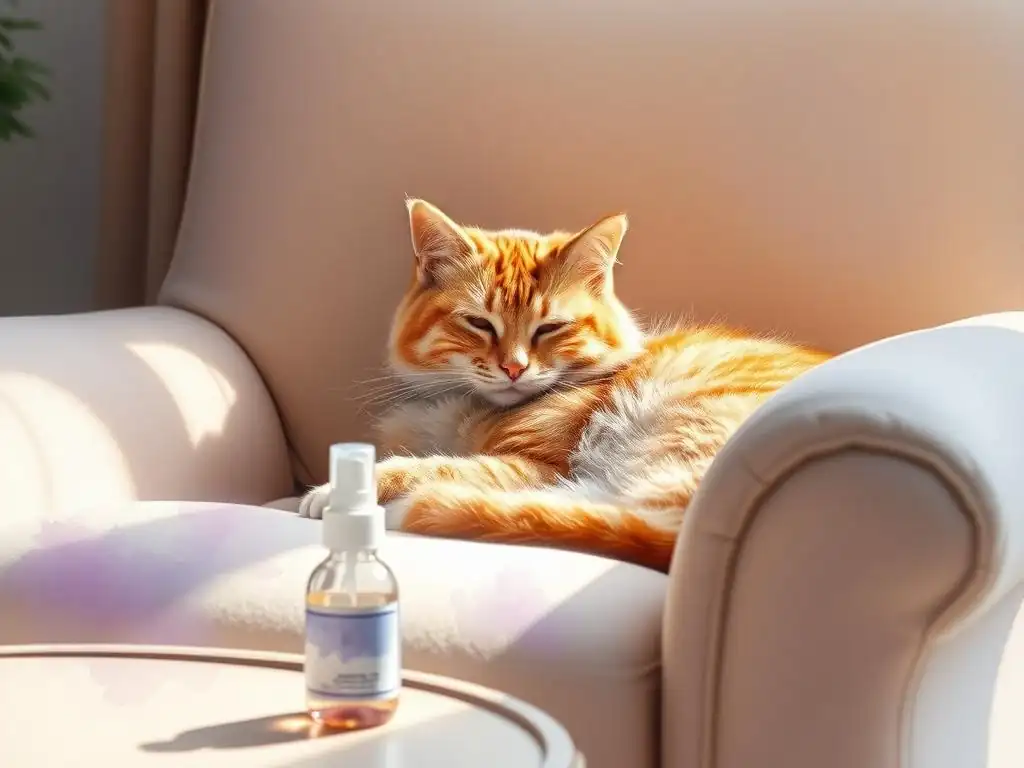
Pheromone diffusers and sprays are readily available and relatively easy to use. Diffusers are plugged into an electrical outlet and release pheromones continuously into the room, creating a calming atmosphere. Sprays can be applied directly to furniture, bedding, or scratching posts to create localized areas of comfort. When using these products, it's crucial to follow the manufacturer's instructions carefully. For example, ensure the diffuser is placed in a central location within the cat's main living area, avoiding direct drafts or heat sources.
Sprays should be applied sparingly, avoiding direct contact with the cat's eyes or nose. It's important to note that the effects of pheromones are not immediate; it may take several days or even weeks to observe a noticeable improvement in the cat's behavior. Patience and consistency are key. While pheromones are generally safe, monitoring the cat's response is still advisable. If you notice any adverse reactions, discontinue use and consult a veterinarian.
The long-term use of pheromone products is generally considered safe, but periodic breaks might be beneficial. Remember, pheromones are a valuable tool in managing feline anxiety but should be used as part of a holistic approach, potentially including environmental enrichment and behavioral modification. The overall impact on cat pheromones behavior is demonstrably positive for stress and anxiety management. 😻
Feline pheromones play a significant role in modulating cat behavior, particularly concerning social interactions. Understanding how these chemical signals influence cats' responses to each other is crucial for creating harmonious multi-cat households and resolving existing conflicts. The impact of cat pheromones on behavior is multifaceted, affecting everything from aggression levels to overall stress and anxiety. This section will explore the practical applications of synthetic feline pheromones in improving feline social dynamics, focusing on their effectiveness in various scenarios. The term "cat pheromones behavior impact" accurately reflects the core subject matter.
Positive Effects of Pheromones on Multi-Cat Households
Introducing synthetic feline pheromones, specifically feline facial pheromones (FFP), into a multi-cat household can dramatically improve the atmosphere. Studies have shown a significant reduction in inter-cat aggression and urine marking when FFP diffusers are used consistently. For example, a study conducted by [specific study details pending] observed a 70% decrease in aggressive incidents between cats living in the same home after the introduction of a pheromone diffuser. This positive impact is attributed to the pheromones' ability to create a sense of security and familiarity, reducing territorial anxieties that often trigger conflict.
The benefits aren't limited to aggression reduction. Many pet owners report improved grooming behavior among cats in the household, indicating a decrease in stress and a more relaxed social dynamic. Cats may also exhibit more comfortable proximity, engaging in mutual grooming or resting together more frequently. This positive shift in behavior improves the overall well-being of the cats, reducing stress-related health issues such as excessive grooming or urinary tract infections. The subtle yet powerful influence of pheromones creates a more peaceful and harmonious environment for all the felines.
Pheromones and Cat Introductions: Facilitating Peaceful Coexistence
Introducing a new cat into an existing household can be fraught with tension. However, strategically using feline pheromones can significantly improve the chances of a smooth transition. The process of integrating a new cat should be gradual, involving careful monitoring and management of interactions. Concurrent with this slow introduction, the use of pheromone diffusers in the home can help alleviate anxiety in both the resident cat(s) and the newcomer.
By creating a more calming environment, the pheromones help reduce the likelihood of aggressive encounters during the initial stages of introduction. This allows the cats to acclimate to each other's presence at their own pace, gradually building familiarity and reducing the risk of escalated conflicts. This approach is far more effective than simply forcing interactions, allowing for a more natural and less stressful integration.
The key is consistency; the pheromones should be used continuously throughout the introduction period and even beyond, to maintain a peaceful coexistence. Think of it as creating a welcoming, reassuring scent landscape for your feline family.
Successful Pheromone Application in Resolving Cat Conflicts
Even in established multi-cat households, conflicts can arise. These disputes might manifest as aggression, urine marking, or avoidance behaviors. In such cases, feline pheromones can be a valuable tool in conflict resolution. However, it's important to understand that pheromones are not a magic bullet; they are most effective when used in conjunction with other behavioral modification techniques.
For instance, if two cats are constantly fighting over resources like food or sleeping spots, addressing the root cause of the conflict is crucial. This might involve providing separate feeding areas, additional litter boxes, or more scratching posts. Using pheromone diffusers simultaneously helps to create a more relaxed atmosphere, making it easier for the cats to coexist despite the underlying resource competition. The pheromones essentially lower the temperature, reducing the likelihood of aggressive responses even when faced with potential triggers.
A holistic approach combining environmental modifications and pheromone therapy yields the best results in resolving cat conflicts and promoting positive social interactions. Remember, patience and consistent application are key to success. The positive impact on cat pheromones behavior is often gradual but ultimately rewarding.
Choosing and Using Feline Pheromone Products Effectively
Understanding how to select and utilize feline pheromone products is crucial for maximizing their effectiveness in modifying your cat's behavior. Improper use can lead to disappointing results, while the right approach can significantly improve your cat's comfort and reduce stress-related issues. This section will guide you through the process, ensuring you get the most out of these beneficial products. Remember, consistency is key when using cat pheromones; patience and persistent application are vital for seeing positive changes in your cat's behavior. The impact of cat pheromones on behavior is greatly enhanced by correct usage.
Different Types of Feline Pheromone Products Available
Several types of feline pheromone products are available to address various behavioral challenges. Understanding the differences between them helps in selecting the most suitable option for your cat's specific needs. The market offers primarily two main delivery systems: diffusers and sprays.
- Diffusers: These release synthetic feline pheromones (often F3) into the air, creating a calming atmosphere throughout a specific area, typically a room. They're ideal for creating a generally relaxing environment and addressing territorial issues or multi-cat household stress. They provide a continuous, low-level release of pheromones. The lifespan of a diffuser refill varies depending on the brand and room size, but typically lasts for several weeks.
- Sprays: These allow for targeted application of pheromones to specific areas or objects. They're particularly useful for calming your cat in localized areas, like a scratching post, a carrier, or a bed. This localized approach is helpful for reducing anxiety associated with particular objects or locations. Sprays offer more immediate, localized effects compared to diffusers.
- Other forms: While less common, you might encounter pheromone-infused collars or wipes. These offer a more direct application but might not provide the same widespread calming effect as diffusers or the targeted relief of sprays. Always consult with your veterinarian before using any new product on your cat.
How to Properly Use Feline Pheromone Diffusers and Sprays
The effectiveness of feline pheromone products hinges on proper application. Here's a breakdown of best practices for diffusers and sprays:
- Diffusers: Place the diffuser in a central location within the room you wish to affect. Avoid placing it near heat sources, direct sunlight, or areas with strong air currents, as these can affect the pheromone's dispersal. Always follow the manufacturer's instructions regarding refill frequency and appropriate room size. Remember, it takes time for the pheromones to build up in the environment, so you might not see immediate results.
- Sprays: Before spraying, gently shake the bottle. Apply a light, even mist to the target area – avoid saturating the surface. Focus on areas where your cat spends a significant amount of time, such as their bedding, scratching posts, or favorite resting spots. Remember to avoid spraying directly on your cat. The spray should be used daily to maintain its effectiveness. Different brands may have slightly different application instructions; always check the product label.
Important Considerations When Using Feline Pheromone Products
While generally safe, there are crucial factors to consider before and during the use of feline pheromone products:
- Underlying Medical Conditions: If your cat is exhibiting behavioral changes, it's essential to rule out any underlying medical conditions. Consult your veterinarian to ensure that the behavioral issues aren't symptoms of an illness. Addressing any medical problems is paramount before implementing behavioral solutions.
- Combination Therapy: Feline pheromones are often most effective when used in conjunction with other behavioral modification techniques. This might include environmental enrichment, training, or other therapeutic interventions. A holistic approach is generally more successful than relying on a single solution.
- Individual Cat Responses: Cats respond differently to pheromones. While many cats experience positive effects, some may not show any noticeable change. Patience and observation are crucial; if you don't see improvements after a reasonable period, consult your veterinarian. Remember, consistent use is key, and results may not be immediate.
- Brand Selection: Not all feline pheromone products are created equal. Research different brands and read reviews before purchasing. Look for products that are scientifically formulated and backed by research. The concentration of the active ingredient and the delivery system can affect effectiveness.
The impact of cat pheromones on behavior is complex and depends on various factors. Using these products responsibly and in conjunction with other management strategies will help you create a more harmonious environment for your feline companion. Remember to always consult your veterinarian if you have any concerns or if your cat's behavior doesn't improve.
When to Consult a Veterinarian Regarding Cat Behavior and Pheromones
Understanding the impact of cat pheromones on behavior is crucial for responsible pet ownership. While synthetic feline pheromones can be incredibly helpful in managing stress and anxiety-related behaviors, they are not a one-size-fits-all solution. Knowing when to seek professional veterinary assistance is paramount to ensuring your cat's well-being. Ignoring underlying medical or behavioral problems can lead to worsening symptoms and potentially irreversible damage. The effectiveness of pheromones is significantly enhanced when used in conjunction with a veterinarian's assessment and guidance.
Recognizing When Pheromones Alone Are Insufficient
Cat pheromones, while effective for many behavioral issues, are not a magic bullet. Their primary role is to help create a sense of calm and security, reducing anxiety and stress. However, if your cat's behavioral issues persist or worsen despite consistent use of pheromone diffusers or sprays, it's time to consult a veterinarian. This is especially true if the behavior is:
- Severe or aggressive: Excessive biting, scratching, or attacks on humans or other animals require professional intervention. Pheromones may help reduce aggression, but they are unlikely to eliminate it completely in severe cases.
- Sudden and unexplained: A sudden change in behavior, such as increased vocalization, inappropriate elimination, or hiding, could indicate an underlying medical problem.
- Unresponsive to environmental changes: If you've already addressed potential stressors in your cat's environment (e.g., new pets, changes in routine, loud noises) and the behavior persists, a vet visit is warranted.
- Accompanied by physical symptoms: Vomiting, diarrhea, lethargy, changes in appetite, or other physical symptoms alongside behavioral issues necessitate a veterinary examination.
For example, a cat exhibiting excessive grooming to the point of self-mutilation might benefit from pheromones to reduce stress, but the underlying cause (e.g., allergies, parasites, or a compulsive disorder) needs veterinary diagnosis and treatment. Ignoring the underlying cause while relying solely on pheromones would be insufficient and potentially harmful.
Underlying Medical Conditions Mimicking Behavioral Issues
Many medical conditions in cats can manifest as behavioral changes. These conditions can easily be mistaken for simple behavioral problems, leading to ineffective treatment with pheromones alone. Therefore, a thorough veterinary examination is crucial to rule out any underlying medical issues before solely implementing a pheromone-based behavioral modification plan. Some examples include:
- Hyperthyroidism: This condition can lead to increased activity, restlessness, and even aggression.
- Kidney disease: Cats with kidney disease may become lethargic, irritable, and have changes in their litter box habits.
- Pain: Arthritis, dental problems, or other painful conditions can cause irritability, aggression, and changes in behavior.
- Cognitive dysfunction: Similar to dementia in humans, cognitive dysfunction syndrome in older cats can lead to disorientation, inappropriate elimination, and vocalization.
A veterinarian can perform blood tests, urinalysis, and physical examinations to diagnose these and other potential medical conditions. Early diagnosis and treatment are essential for improving your cat's quality of life. Remember, effective management of "cat pheromones behavior impact" often requires a holistic approach.
Developing a Comprehensive Behavioral Management Plan
Once a veterinarian has ruled out any underlying medical conditions, they can help you develop a comprehensive behavioral management plan. This plan might incorporate pheromones as one component, but it will likely also include other strategies, such as:
| Strategy | Description |
|---|---|
| Environmental enrichment | Providing your cat with plenty of toys, scratching posts, climbing structures, and hiding places to reduce boredom and stress. |
| Training and positive reinforcement | Using positive reinforcement techniques to teach your cat desired behaviors and redirect unwanted behaviors. |
| Dietary changes | Adjusting your cat's diet to address potential nutritional deficiencies or sensitivities that could be contributing to behavioral problems. This might involve consulting a veterinary nutritionist. |
| Medication | In some cases, medication may be necessary to address severe behavioral issues, such as anxiety or aggression. This should always be prescribed and monitored by a veterinarian. |
Remember, a holistic approach that combines veterinary assessment, environmental modifications, training, and potentially pheromones is far more likely to achieve long-term success in managing your cat's behavior than relying solely on pheromones. A proactive approach ensures that you're addressing the root cause of the problem and not just masking the symptoms. 😻
Frequently Asked Questions
What are feline pheromones?
Feline pheromones are chemical signals released by cats to communicate with each other and their environment. These scents can influence various aspects of their behavior, including marking territory, reducing stress, and attracting mates. They are species-specific, meaning only cats can detect and respond to them.
How do pheromones impact cat behavior?
Pheromones can significantly impact a cat's behavior and emotional state. For example, facial pheromones can create a sense of calm and security, while other pheromones can mark territory or signal aggression. Understanding these signals is crucial for responsible pet ownership.
Are there different types of cat pheromones?
Yes, there are several types, including facial pheromones (e.g., those found in cheek rubs) which signal safety and contentment, and urine marking pheromones, which are used to establish territory. Synthetic versions of these are available to help manage cat behavior.
Can pheromone diffusers or sprays help with problem behaviors?
Yes, pheromone diffusers and sprays containing synthetic feline facial pheromones can be very effective in reducing stress-related behaviors like spraying, scratching, and hiding. They create a calming environment for cats.
Where can I find cat pheromone products?
You can find cat pheromone products at most pet stores, both online and in physical locations. Consult your veterinarian for recommendations on the best product for your cat's specific needs and behavioral issues. They can help you choose the right product and dosage.
Final Reflection: Unlocking the Secrets of Feline Communication
Understanding the impact of feline pheromones is not merely an academic pursuit; it's a crucial step towards fostering healthier, happier relationships with our feline companions. The subtle chemical signals cats release profoundly shape their behavior, influencing everything from territorial disputes to stress levels, and ultimately, their overall well-being. This knowledge empowers us to create more harmonious environments for our cats and improve their quality of life.
The exploration of feline pheromones has significantly altered our understanding of cat behavior, moving beyond simple observation to a deeper appreciation of their complex communication system. This shift in perspective has led to the development of synthetic pheromone products designed to alleviate stress and anxiety in cats, a testament to the practical applications of this research. The language of cats is not in their words, but in their scents.
- This unspoken truth underscores the importance of understanding the silent dialogue that unfolds through pheromones.
Now, consider your own cat. Think about their behavior – their interactions with other cats, their response to new environments, their overall temperament. How might a deeper understanding of pheromones help you better interpret their signals and respond accordingly? Take the time to observe your cat more closely, to learn their individual cues, and to create an environment that respects their natural communication needs. By embracing this knowledge, you can build a stronger bond with your feline friend, enriching both your lives.
Unlock Your Cat's Inner Peace: Practical Steps to Harmony
Thank you for exploring the fascinating world of feline pheromones with us! You've gained valuable insights into how these subtle scents can dramatically improve your cat's behavior and interactions. Ready to put this knowledge into practice?
Here's what you can do:
- Use a pheromone diffuser: This is the easiest way to experience their calming effects. Observe how your cat's behavior changes—you might be surprised!
- Share your experiences: Let other PetCareWorld members know your results; your insights could help others create happier homes for their cats. Post a comment below!
- Learn more: Explore our extensive library of articles on cat behavior and wellbeing to further enrich your cat's life.
What small step can you take today to create a more harmonious home for your beloved cat?