
Taurine for Kittens: Why It's a MustHave Nutrient

Welcome to PetCareWorld, your ultimate guide to a happier, healthier life for your beloved pets! Are you concerned about your kitten's well-being? Discover the critical role of taurine in kitten development and learn to recognize the subtle yet crucial kitten taurine deficiency symptoms that could be impacting your furry friend. Dive into our expert advice and uncover the secrets to ensuring your kitten thrives – explore our Cat Care & Behavior section now!
- Understanding Taurine's Crucial Role in Kitten Development
- Kitten Taurine Deficiency Symptoms: Recognizing the Warning Signs
- Sources of Taurine for Kittens: Ensuring Adequate Intake
- Preventing Taurine Deficiency in Kittens: A Proactive Approach
- Addressing Taurine Deficiency: Treatment and Management
- Frequently Asked Questions
- Final Reflection: The Untapped Potential of Taurine for Kitten Health
- Unlock Your Kitten's Full Potential: Boost Their Health Today!
Understanding Taurine's Crucial Role in Kitten Development
Taurine, an amino acid often overlooked, plays a pivotal role in the healthy development and overall well-being of kittens. Unlike many amino acids, taurine isn't synthesized sufficiently by a kitten's body, making dietary intake absolutely crucial, especially during their rapid growth phase. A deficiency can lead to severe and often irreversible health problems. This article will delve into the essential functions of taurine in kittens, explore the symptoms of deficiency, and emphasize why ensuring adequate taurine levels is a non-negotiable aspect of responsible kitten care.
We'll explore how a lack of this vital nutrient can manifest in various ways, helping you recognize potential problems and take proactive steps to safeguard your feline friend's health. Understanding the critical role of taurine in kitten development is key to preventing serious health complications and ensuring your kitten thrives. Let's explore the vital functions of this often-underappreciated nutrient.
What is Taurine and Why is it Essential?
Taurine, a conditionally essential amino acid, acts as a vital building block for numerous bodily functions in kittens. Unlike essential amino acids, which the body cannot produce at all, taurine can be produced in small amounts; however, kittens, particularly during their growth spurts, cannot produce enough to meet their physiological needs. This makes dietary supplementation essential. Taurine is involved in several key processes including:
- Regulation of heart function: It helps maintain a healthy heart rhythm and muscle contraction.
- Development and maintenance of vision: Taurine is crucial for the proper formation and function of the retina.
- Neurological development: It plays a significant role in brain development and proper nerve function.
- Immune system support: While research is ongoing, some studies suggest a connection between taurine and immune system function.
- Digestion and nutrient absorption: Taurine may also influence digestion and nutrient assimilation.
A deficiency in taurine can manifest in various ways, making early detection and intervention paramount. The severity of symptoms can vary depending on the extent and duration of the deficiency.
Taurine's Impact on Kitten Vision and Heart Health
The impact of taurine deficiency is most dramatically seen in a kitten's vision and heart. Concerning vision, a deficiency can lead to:
- Progressive retinal degeneration: This can result in blindness, often starting with night blindness and progressing to complete vision loss.
- Detachment of the retina: This is a serious condition that requires immediate veterinary attention.
Regarding heart health, taurine deficiency can cause:
- Dilated cardiomyopathy (DCM): This is a condition where the heart muscle weakens and enlarges, impacting its ability to pump blood effectively. This can lead to heart failure.
- Arrhythmias: Irregular heartbeats can result from a taurine deficiency, potentially leading to serious complications.
Early detection of these symptoms, such as noticeable changes in vision or unusual fatigue, is crucial for timely intervention and treatment. Regular veterinary checkups are vital for monitoring your kitten's health and detecting potential deficiencies early.
The Link Between Taurine and Kitten Neurological Development
While the impact on vision and heart health is well-documented, the role of taurine in neurological development is also significant, though perhaps less visually apparent. Taurine is involved in:
- Brain development: It contributes to the proper formation and function of brain cells and neural pathways.
- Neurotransmitter function: It plays a role in the function of neurotransmitters, chemical messengers that transmit signals between nerve cells.
- Cognitive function: While research continues, emerging studies suggest a possible link between taurine levels and cognitive abilities.
A taurine deficiency during critical developmental stages may lead to subtle neurological issues that can manifest later in life. These might include difficulties with learning, coordination problems, or altered behavior. While these symptoms might be less immediately apparent than vision or heart problems, they underscore the importance of consistent taurine intake throughout a kitten's growth. Providing your kitten with a nutritionally balanced diet, rich in taurine, is a proactive step towards ensuring optimal neurological development.
Kitten Taurine Deficiency Symptoms: Recognizing the Warning Signs
Taurine deficiency in kittens is a serious concern, potentially leading to irreversible health problems. Early detection is crucial for effective intervention and improved outcomes. Understanding the subtle and sometimes overt signs of taurine deficiency is paramount for responsible kitten care. This section will detail the key symptoms to watch for, enabling you to seek veterinary attention promptly if you suspect a deficiency. Early diagnosis significantly increases the chances of successful treatment and prevents long-term complications associated with this nutritional deficiency. Remember, acting quickly is key to mitigating the severity of the condition.
Identifying Early Signs of Taurine Deficiency in Kittens
Early detection of taurine deficiency can be challenging, as initial symptoms may be subtle and easily overlooked. Kittens might exhibit decreased activity levels, appearing lethargic or less playful than usual. A loss of appetite, leading to weight loss, is another potential early warning sign. Some kittens might show subtle changes in their behavior, becoming more withdrawn or irritable.
These seemingly minor changes can be indicators of an underlying nutritional deficiency and warrant a veterinary examination. Closely monitoring your kitten's eating habits, activity levels, and overall demeanor is crucial for early intervention. Don't hesitate to consult your veterinarian if you notice any deviations from your kitten's normal behavior or appetite. The sooner the deficiency is diagnosed, the better the prognosis.
Progressive Retinal Atrophy (PRA) in Kittens
As taurine deficiency progresses, more severe symptoms emerge, often affecting the kitten's vision. Progressive Retinal Atrophy (PRA) is a debilitating eye condition directly linked to taurine deficiency. PRA involves the gradual degeneration of the retina, leading to impaired vision and eventual blindness. Symptoms can range from mild night blindness to complete loss of sight. Kittens with PRA might exhibit difficulty navigating in low-light conditions, bumping into objects more frequently, or displaying a reluctance to play in dimly lit areas.
In advanced stages, complete blindness can occur. Regular veterinary eye exams are highly recommended, especially for kittens showing any signs of visual impairment. Early diagnosis and treatment, while not always able to reverse the damage, can help slow the progression of PRA and improve the kitten's quality of life. Careful monitoring of your kitten's vision is a crucial aspect of responsible pet ownership.
Dilated Cardiomyopathy (DCM) in Kittens
Another serious consequence of taurine deficiency is Dilated Cardiomyopathy (DCM), a condition affecting the heart muscle. DCM results in the weakening and enlargement of the heart, leading to reduced pumping efficiency. Symptoms can include labored breathing, fatigue, and lethargy. In severe cases, kittens may experience fainting or collapse. A veterinarian can diagnose DCM through physical examination, electrocardiography (ECG), and echocardiography.
While treatment focuses on managing the symptoms and slowing the progression of the disease, early intervention is essential for improving the kitten's prognosis. Providing adequate taurine supplementation, along with other supportive care, can help to improve heart function and overall health. Regular veterinary check-ups are vital for monitoring the kitten's heart health and ensuring appropriate management of DCM. The severity of DCM can vary greatly, underscoring the importance of early detection and prompt veterinary care. Early intervention can significantly impact the kitten's long-term health and well-being.
Other Potential Symptoms of Low Taurine Levels in Kittens
Beyond the more prominent symptoms of retinal degeneration and dilated cardiomyopathy, kittens suffering from taurine deficiency can exhibit a range of other, less obvious, signs. These subtle indicators can often be overlooked, delaying diagnosis and treatment, which is why vigilance is crucial. Early detection is key to preventing irreversible damage.
One often-missed symptom is a general lethargy and lack of energy. A kitten that is usually playful and active might become unusually subdued, sleeping more than usual and showing little interest in its surroundings or even its favorite toys. This decreased activity level should raise a red flag and prompt a veterinary check-up.
Another potential symptom, often intertwined with lethargy, is a reduction in appetite. A kitten with a taurine deficiency might exhibit decreased food intake, leading to weight loss or failure to thrive. This is particularly concerning in young, growing kittens who require a consistent supply of nutrients for healthy development. Careful monitoring of the kitten's weight and eating habits is essential. Observe the kitten's eating patterns; is it eating less frequently? Is it leaving food uneaten in its bowl? These seemingly minor changes can be indicative of a more significant underlying health issue.
Furthermore, some kittens might display digestive upset, such as vomiting or diarrhea. While these symptoms can stem from various causes, they can also be a manifestation of a more systemic problem, such as a taurine deficiency. The digestive system's health is closely linked to overall health, and disruptions in this area should be taken seriously. Keep detailed records of any changes in bowel movements or vomiting episodes, including frequency, consistency, and any notable characteristics.
Finally, while less common, some kittens may experience neurological signs. These could manifest as subtle changes in coordination or balance, or even more pronounced signs such as tremors or seizures. However, it's crucial to remember that neurological symptoms can indicate a wide variety of conditions, and a taurine deficiency is just one possibility. A comprehensive veterinary examination is vital to establish a correct diagnosis and rule out other potential causes.
The appearance of any neurological signs requires immediate veterinary attention. The earlier a taurine deficiency is diagnosed and addressed, the better the chances of a full recovery and preventing long-term complications. Therefore, proactive monitoring of your kitten's overall health and immediate veterinary consultation at the first sign of any unusual symptoms are paramount.
Sources of Taurine for Kittens: Ensuring Adequate Intake
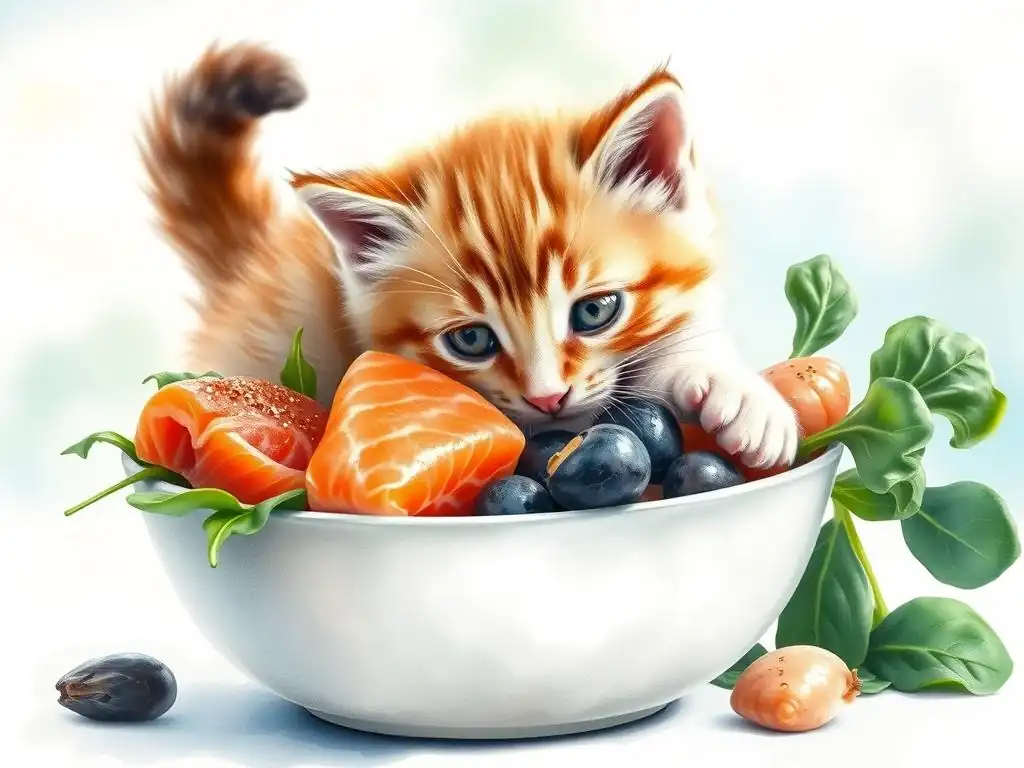
Ensuring your kitten receives sufficient taurine is crucial for their overall health and development. A taurine deficiency can lead to serious health problems, including retinal degeneration and dilated cardiomyopathy. Therefore, understanding the various sources of taurine and how to incorporate them into your kitten's diet is paramount. This section will explore the different avenues for providing your feline companion with this essential amino acid. We'll delve into the nuances of commercial kitten food, taurine supplementation, and naturally occurring taurine in various foods. Successfully navigating these options will help you prevent kitten taurine deficiency symptoms and ensure your kitten thrives.
Taurine in Commercial Kitten Food: Choosing the Right Formula
The most convenient and often the primary source of taurine for kittens is their commercial kitten food. High-quality kitten food formulas are specifically designed to meet the nutritional needs of growing kittens, including their taurine requirements. However, the taurine content can vary significantly between brands and even between different formulations within the same brand. Always check the ingredient list and nutritional information panel on the packaging. Look for clearly stated taurine levels, or at the very least, a guaranteed analysis that indicates a complete and balanced formula for kittens.
It's important to note that simply stating "complete and balanced" doesn't automatically guarantee adequate taurine levels. Some manufacturers may meet minimum requirements without exceeding them, potentially leaving your kitten at risk of marginal deficiency. Opting for premium brands often associated with higher quality ingredients and stricter quality control measures usually translates to more reliable taurine content.
Choosing a food specifically formulated for kittens is crucial. Adult cat food, while seemingly a cost-effective alternative, may not provide the higher levels of taurine necessary for a kitten's rapid growth and development. This disparity can increase the risk of kitten taurine deficiency symptoms.
Supplementing Your Kitten's Diet with Taurine: When and How
While a good quality commercial kitten food should provide sufficient taurine, there are situations where supplementation might be necessary. This could be due to a pre-existing health condition, a known dietary deficiency, or specific dietary restrictions. For instance, kittens with pre-existing heart conditions might benefit from additional taurine under veterinary guidance.
If you decide to supplement your kitten's diet with taurine, it's absolutely vital to consult your veterinarian first. They can assess your kitten's individual needs and recommend the appropriate dosage and form of taurine supplementation. Improper supplementation can be just as harmful as a deficiency.
Taurine supplements typically come in powder or capsule form. The powder form is often easier to incorporate into wet food, while capsules might be suitable for older kittens who can swallow them easily. Always follow the veterinarian's instructions precisely regarding dosage and administration. Never exceed the recommended amount, as excessive taurine can also have negative consequences.
Natural Sources of Taurine for Kittens
While commercial kitten food and supplements are the most reliable sources of taurine, some natural foods also contain this essential amino acid. However, the amounts are typically lower and less predictable than in formulated foods, making them less reliable as the primary source. These natural sources should be considered supplemental additions rather than replacements for a complete and balanced kitten diet.
Some examples of foods that contain taurine, although in smaller quantities, include:
- Meat: Chicken, beef, and fish (especially tuna and salmon) all contain taurine, but the concentration is variable.
- Eggs: Eggs are a good source of protein and contain some taurine.
- Dairy Products (in moderation): Some dairy products, like yogurt, contain small amounts of taurine. However, kittens should only consume dairy in moderation to avoid digestive upset.
It's important to remember that relying solely on these natural sources to meet your kitten's taurine requirements is risky and could lead to a deficiency. These foods should be considered complementary additions to a diet based on a high-quality commercial kitten food, not a substitute for it. Always prioritize a complete and balanced commercial diet to minimize the risk of kitten taurine deficiency symptoms. The variability in taurine content in natural foods makes precise intake difficult to manage.
Preventing Taurine Deficiency in Kittens: A Proactive Approach
Taurine deficiency in kittens is a serious concern, leading to potentially irreversible health problems. While providing a taurine-rich diet is crucial, a proactive approach encompassing regular veterinary care and mindful dietary choices is essential for preventing deficiency and ensuring your kitten thrives. This section focuses on practical steps pet owners can take to safeguard their kitten's health and well-being. Early detection and prevention are key to avoiding the devastating consequences of taurine deficiency. Understanding the signs and implementing preventative measures can significantly improve your kitten's quality of life.
Regular Veterinary Checkups and Monitoring
Regular veterinary checkups are paramount in preventing kitten taurine deficiency and detecting any early symptoms. These visits allow for proactive monitoring of your kitten's overall health, including assessing their growth, weight, and any potential signs of illness. A veterinarian can perform blood tests to measure taurine levels directly, providing a definitive diagnosis and allowing for prompt intervention if a deficiency is suspected. This proactive approach is far superior to reacting only after symptoms manifest.
It's recommended to schedule checkups every 3-6 months during the kitten's first year of life. During these visits, communicate any concerns you may have regarding your kitten's appetite, activity levels, or any changes in their behavior. Early detection of even subtle changes can make a significant difference in the effectiveness of treatment and the kitten's long-term prognosis.
Don't hesitate to ask your veterinarian specific questions about taurine levels and the best way to monitor your kitten's intake. Their expertise is invaluable in preventing and managing taurine deficiency. Remember, prevention is always better than cure, especially when dealing with a potentially irreversible condition like taurine deficiency.
Dietary Considerations for Kittens at Different Stages of Growth
A kitten's dietary needs evolve as they grow and develop. Understanding these changing requirements is crucial in preventing taurine deficiency. The composition of their food should reflect their developmental stage, ensuring they receive sufficient taurine and other essential nutrients. For example, a rapidly growing kitten will require a higher concentration of taurine compared to a mature cat.
Here's a breakdown of dietary considerations at different stages:
| Growth Stage | Dietary Taurine Needs | Additional Considerations |
|---|---|---|
| Neonatal (0-4 weeks) | Very High | Mother's milk is crucial; supplemental taurine may be necessary |
| Weaning (4-8 weeks) | High | Gradual transition to kitten food; monitor intake closely |
| Growing (8-12 weeks) | High | Ensure food is specifically formulated for kittens |
| Adolescent (12+ weeks) | Moderate | Continue with kitten food; gradually transition to adult food |
Failing to provide adequate taurine during these critical growth periods can lead to irreversible damage. Always choose high-quality kitten food specifically formulated to meet their nutritional needs. Avoid homemade diets unless formulated by a veterinary nutritionist, as these can easily be deficient in essential nutrients like taurine. Remember that consistent monitoring and adjustments to the diet based on your kitten's individual needs are key to preventing taurine deficiency.
The Importance of High-Quality Kitten Food
Choosing high-quality kitten food is the cornerstone of preventing taurine deficiency. Don't be misled by cheaper options; inferior quality food often lacks sufficient taurine and other vital nutrients. Look for food explicitly stating that it's formulated for kittens and meets the Association of American Feed Control Officials (AAFCO) nutritional standards. The AAFCO statement guarantees the food meets the minimum nutrient requirements for a specific life stage, such as growth.
Pay close attention to the ingredient list. Meat-based protein sources are typically richer in taurine than plant-based proteins. Look for ingredients like chicken, turkey, fish, or lamb listed prominently at the beginning of the ingredient list, indicating a higher concentration. While the exact taurine content isn't always listed on the label, choosing high-quality food with named meat sources significantly increases the likelihood of adequate taurine intake.
Prioritize brands with a reputation for quality and transparency, and don't hesitate to consult your veterinarian for recommendations on suitable kitten food brands in your area. Investing in high-quality food is an investment in your kitten's long-term health and well-being. Remember, a healthy diet is the best defense against taurine deficiency and other nutritional deficiencies.
Addressing Taurine Deficiency: Treatment and Management
Taurine deficiency in kittens is a serious condition requiring prompt veterinary intervention. Ignoring the symptoms can lead to irreversible damage, highlighting the importance of early diagnosis and appropriate management strategies. Successful treatment focuses on replenishing taurine levels and mitigating the consequences of the deficiency. This involves a multifaceted approach combining veterinary care, dietary changes, and ongoing monitoring.
Veterinary Diagnosis and Treatment Options
A veterinarian plays a crucial role in diagnosing and treating taurine deficiency. The diagnostic process often begins with a thorough physical examination, assessing the kitten for symptoms like dilated pupils, blindness, poor growth, and weakened heart function. Blood tests might be conducted to measure taurine levels directly, although this isn't always readily available or reliable in all veterinary practices. Instead, vets often rely on clinical signs and the kitten's response to taurine supplementation as confirmation.
Treatment typically involves administering taurine supplements. The veterinarian will determine the appropriate dosage based on the kitten's weight, the severity of the deficiency, and the presence of any related health issues. Supplementation can be administered orally, often mixed with food to improve palatability. In severe cases, intravenous or subcutaneous administration may be necessary.
The veterinarian will closely monitor the kitten's progress, adjusting the dosage as needed. Early intervention significantly improves the chances of a positive outcome, and the speed of recovery is directly related to the promptness of treatment. Some kittens might require additional supportive care for complications like heart failure or blindness, depending on the severity and duration of the deficiency.
Important Note: Never attempt to self-diagnose or treat taurine deficiency. Always consult a veterinarian for proper diagnosis and treatment. Improper supplementation can be harmful and delay effective care.
Dietary Adjustments for Kittens with Taurine Deficiency
Once a taurine deficiency is confirmed, dietary adjustments are crucial for long-term management. Commercial kitten foods often contain sufficient taurine; however, some low-quality or homemade diets may be deficient. The veterinarian may recommend a specific diet formulated to contain adequate levels of taurine, often a high-quality commercial kitten food. It's crucial to avoid feeding diets known to be taurine deficient. This is particularly important for kittens prone to deficiency or those with underlying health conditions.
Switching to a taurine-rich diet should be gradual to avoid digestive upset. The veterinarian might suggest slowly transitioning the kitten to the new food over several days or weeks. Monitoring the kitten's response to the dietary change is essential. While commercial foods are generally reliable, it's vital to carefully read the ingredient list and nutritional information to ensure sufficient taurine content. Homemade diets require careful formulation by a veterinary nutritionist to guarantee adequate taurine and other essential nutrients. Feeding a balanced diet is crucial not only to address the deficiency but also to support overall kitten health and development.
Long-Term Management and Monitoring of Taurine Levels
Even after successful treatment, long-term monitoring is important to prevent recurrence. Regular veterinary check-ups are recommended to assess the kitten's overall health and to monitor taurine levels, although direct measurement remains challenging. The veterinarian may conduct periodic blood tests or rely on clinical signs to assess the effectiveness of the treatment and the stability of taurine levels. A consistent, taurine-rich diet remains crucial for preventing future deficiencies. The specific dietary recommendations will depend on the kitten's individual needs and any underlying health issues.
Maintaining a careful eye on the kitten's overall health is key. Any signs of recurring symptoms, such as lethargy, poor appetite, or vision problems, should be reported immediately to the veterinarian. Early intervention is paramount in managing taurine deficiency effectively and ensuring the kitten's long-term well-being. Proactive management, including consistent veterinary care and adherence to a suitable diet, significantly reduces the risk of future problems. Remember, a healthy diet and regular veterinary check-ups are essential components of responsible kitten ownership. 😻
Frequently Asked Questions
What is taurine, and why is it crucial for kittens?
Taurine is an essential amino acid that kittens cannot produce on their own. It's vital for heart function, vision, and overall development. A deficiency can lead to serious health problems.
What are the symptoms of taurine deficiency in kittens?
Symptoms can include blindness, heart problems, and weakened immune systems. Kittens may also exhibit poor growth and reproductive issues. Early detection is crucial.
How can I tell if my kitten has a taurine deficiency?
If you notice any of the symptoms mentioned above, it's crucial to consult your veterinarian immediately. They can perform tests to confirm a deficiency and recommend treatment.
What are the treatment options for taurine deficiency in kittens?
Treatment typically involves supplementing the kitten's diet with taurine. Your vet will determine the appropriate dosage and form of taurine supplementation based on your kitten's needs.
Can I prevent taurine deficiency in my kitten?
Yes, by feeding your kitten a high-quality, commercially available kitten food that is specifically formulated to meet their nutritional needs, you can significantly reduce the risk of taurine deficiency. Always check the ingredient list to ensure adequate taurine levels.
Final Reflection: The Untapped Potential of Taurine for Kitten Health
The critical role of taurine in kitten development is often overlooked, yet its deficiency can lead to devastating consequences, impacting everything from eyesight to heart function. Understanding this vital nutrient is not just about preventing illness; it's about ensuring the vibrant, healthy life every kitten deserves. The information presented in this article highlights the urgent need for pet owners to be aware of taurine's importance and proactive in ensuring their kittens receive adequate amounts.
The impact of taurine deficiency extends far beyond the immediate health concerns of the kitten; it underscores a broader responsibility we have as pet owners to understand the nutritional needs of our furry companions. The best thing we can do for our pets is to understand their needs and provide for them accordingly.
This quote speaks to the heart of responsible pet ownership, and understanding taurine's role is a crucial step in fulfilling that responsibility. Ignoring this vital nutrient can have long-lasting, irreversible effects on a kitten's well-being, emphasizing the importance of preventative care and informed decision-making.
So, what will you do with this newfound knowledge? Take a moment to reflect on your kitten's diet. Are you confident they are receiving sufficient taurine? If not, consult your veterinarian. Don't wait for symptoms to appear; proactive care is the best way to ensure your kitten thrives. Empower yourself with knowledge, and give your beloved feline companion the gift of a healthy, happy life, filled with playful energy and boundless affection. The health and happiness of your kitten depend on it.
Unlock Your Kitten's Full Potential: Boost Their Health Today!
Thank you for learning about the amazing benefits of taurine for your kitten! We hope this article has provided valuable insights into this essential nutrient. Now let's put that knowledge to work.
Here's what you can do:
- Prioritize Taurine: Carefully review your kitten's current food and supplements to ensure they contain sufficient taurine. If not, consider adding a veterinarian-recommended supplement to their diet. This is crucial for their well-being.
- Share this vital information: Tell your friends and family about the importance of taurine for kittens. Discuss this article on your favorite pet forums or social media to help spread awareness of kitten health.
- Learn More: Explore PetCareWorld.org for more informative articles on kitten nutrition and overall wellness. You'll discover even more ways to ensure your kitten enjoys a happy and healthy life.
Ready to give your kitten the gift of vibrant health? What dietary change will you make today?