
The Best Cat Food Ingredients for a Healthy Urinary Tract


Welcome to PetCareWorld, your ultimate guide to a happier, healthier life for your beloved pets! Are you concerned about your feline friend's urinary tract health? Discover the secrets to optimal urinary tract function with our in-depth guide on "The Best Cat Food Ingredients for a Healthy Urinary Tract". We'll reveal the essential nutrients and ingredients to look for (and avoid), empowering you to make informed choices for your cat's well-being. Dive in and unlock the key to a healthier, happier life for your purrfect companion!
- Understanding Feline Urinary Tract Health
-
Key Ingredients for Optimal Urinary Tract Function
- Best Cat Food for Urinary Tract Health: Protein Sources
- Essential Fats and Fatty Acids for Urinary Health
- The Importance of Hydration and Water Content in Cat Food
- Fiber's Role in Maintaining a Healthy Urinary Tract
- Minerals and Vitamins Crucial for Urinary Tract Support: Magnesium, Phosphorus, etc.
- Avoiding Harmful Ingredients: Artificial Additives and Fillers
-
Choosing the Right Cat Food for Urinary Tract Support
- Reading Cat Food Labels: Deciphering Ingredient Lists
- Wet vs. Dry Food: Which is Better for Urinary Health?
- Prescription Diets vs. Over-the-Counter Options for Urinary Tract Issues
- Gradual Transitioning to a New Diet for Urinary Health
- Consulting Your Veterinarian: Personalized Dietary Recommendations
- Maintaining Urinary Tract Health Beyond Diet
- Recipes and Examples of Cat Food for Urinary Health (Optional Section)
-
Frequently Asked Questions
- What are the best ingredients to look for in cat food for urinary tract health?
- How does diet affect a cat's urinary tract health?
- My cat has already developed urinary tract issues. Can diet help?
- What are some common signs of urinary tract problems in cats?
- Are there any specific brands of cat food recommended for urinary tract health?
- Final Reflection: Nourishing a Purrfectly Healthy Future
- Unleash Your Cat's Inner Purrfection: A Healthier Future Starts Now!
Understanding Feline Urinary Tract Health
Maintaining a healthy urinary tract is crucial for your cat's overall well-being. Feline urinary tract issues, unfortunately, are a common problem affecting cats of all ages and breeds, often leading to significant discomfort and even life-threatening complications if left untreated. This comprehensive guide will delve into the common urinary tract problems cats face, the telltale signs to watch out for, and most importantly, the vital role nutrition plays in supporting a healthy urinary tract and preventing future problems.
We'll explore the best cat food ingredients specifically formulated to promote urinary tract health, helping you make informed decisions to keep your feline companion happy and healthy. Choosing the right food can be the cornerstone of preventative care, significantly reducing the risk of developing serious urinary tract diseases.
This article aims to equip you with the knowledge necessary to select the best cat food to support your cat's urinary tract health, ultimately contributing to a longer, happier life for your beloved pet. Understanding the intricacies of feline urinary health is key to responsible pet ownership, and we're here to guide you through every step of the process.
Common Urinary Tract Issues in Cats
Cats can suffer from a range of urinary tract problems, with varying degrees of severity. Some of the most common issues include:
- Feline Lower Urinary Tract Disease (FLUTD): This umbrella term encompasses several conditions, including feline idiopathic cystitis (FIC), which is characterized by inflammation of the bladder without a known cause. Other FLUTD conditions involve bladder stones (uroliths), infections (bacterial cystitis), and obstructions of the urethra. The prevalence of FLUTD is notably higher in certain breeds and can be influenced by factors such as stress, obesity, and diet.
- Urinary Tract Infections (UTIs): Bacterial UTIs are less common in cats than in dogs, but they can still occur and cause significant discomfort. Symptoms often include frequent urination, straining to urinate, and blood in the urine. Prompt veterinary treatment is crucial to prevent complications.
- Bladder Stones (Uroliths): These mineral formations can develop in the bladder and cause pain, discomfort, and even blockage of the urinary tract. Different types of stones exist, and their formation is often linked to dietary factors, such as the levels of minerals like magnesium, ammonium, and phosphate in the cat's food. Early detection and appropriate dietary management are vital for preventing complications.
- Urethral Obstruction: This is a serious condition, particularly in male cats, where a blockage of the urethra prevents urine from being expelled. It's a medical emergency requiring immediate veterinary attention. The obstruction can lead to a rapid build-up of toxins in the body, potentially resulting in kidney failure.
Identifying Symptoms of Urinary Tract Problems
Recognizing the signs of urinary tract problems in your cat is crucial for early intervention. While some symptoms might be subtle, others are more obvious and require immediate veterinary attention. Common symptoms include:
- Increased frequency of urination: Your cat may be urinating more often than usual, even at night.
- Straining to urinate: Observe your cat during urination; straining or crying out suggests a potential problem.
- Blood in the urine (hematuria): This is a significant warning sign and requires immediate veterinary attention.
- Inappropriate urination: Urinating outside the litter box could indicate discomfort or pain associated with urination.
- Lethargy and decreased appetite: These symptoms often accompany underlying health issues, including urinary tract problems.
- Vocalization during urination: Painful urination can cause your cat to vocalize.
- Licking the genital area excessively: Your cat might excessively groom the area due to discomfort or irritation.
The Role of Nutrition in Maintaining Urinary Tract Health
Diet plays a pivotal role in maintaining urinary tract health. Certain ingredients can help prevent the formation of bladder stones, reduce inflammation, and support overall urinary tract function. Choosing a cat food specifically formulated for urinary health is a crucial step in preventative care. Key ingredients to look for include:
- Low levels of magnesium, phosphorus, and calcium: These minerals can contribute to the formation of certain types of bladder stones.
- Controlled protein levels: A balanced protein intake is essential, but excessively high levels can sometimes exacerbate urinary problems.
- Increased water intake: Encouraging hydration is crucial; some foods are formulated to increase water consumption.
- Specific amino acids: Certain amino acids can help maintain a healthy urinary pH.
- Cranberry extract: While research is ongoing, some studies suggest that cranberry extract may help prevent bacterial adhesion to the urinary tract walls.
Choosing the right food is a significant step towards ensuring your cat enjoys a long and healthy life, free from urinary tract complications. Remember to always consult your veterinarian for personalized advice based on your cat's specific needs and health history. They can help you determine the best dietary approach to maintain optimal urinary tract health for your feline companion. 😻
Key Ingredients for Optimal Urinary Tract Function

This section delves into the crucial ingredients that contribute to a cat's urinary tract health. Maintaining a healthy urinary system is paramount to preventing common feline urinary issues like FLUTD (Feline Lower Urinary Tract Disease). Choosing the right cat food is a cornerstone of preventative care, and understanding the key components is essential for informed decision-making. We'll explore specific nutrients and their roles in supporting optimal urinary tract function. Remember, always consult your veterinarian before making significant dietary changes for your cat.
Best Cat Food for Urinary Tract Health: Protein Sources
Protein is vital for overall feline health, and its role in urinary tract health is significant. High-quality protein sources are crucial, providing the building blocks for healthy tissues and supporting the body's natural processes. While all protein contributes, certain sources are better suited for urinary health than others.
Choosing lean protein sources is key. Chicken, turkey, and fish (like salmon or tuna) are excellent options. These provide essential amino acids without excessive amounts of phosphorus, which can contribute to the formation of urinary crystals in susceptible cats.
Avoid protein sources that are high in purines, as these can increase uric acid levels. Specific data on purine content in various protein sources is [specific information pending], but general guidelines suggest prioritizing lean meats and fish over organ meats. The ideal protein percentage in cat food formulated for urinary health often falls within the range of 30-40%, although this can vary based on the cat's age, activity level, and overall health.
Furthermore, the bioavailability of the protein is crucial. This refers to how easily the body can absorb and utilize the protein. Highly digestible proteins are gentler on the digestive system and reduce the strain on the kidneys, which are vital for processing waste products excreted through the urinary tract. Look for cat food that explicitly states the protein source and its digestibility.
Essential Fats and Fatty Acids for Urinary Health
While protein forms the structural basis, essential fatty acids (EFAs) play a crucial role in maintaining the health and integrity of the urinary tract's lining. These fats are not produced by the body and must be obtained through the diet. Omega-3 and Omega-6 fatty acids are particularly important.
Omega-3 fatty acids, particularly EPA and DHA found in fish oil, possess anti-inflammatory properties. Inflammation can contribute to urinary tract issues, so incorporating omega-3s can help mitigate this risk. Studies have shown [specific information pending] a correlation between omega-3 supplementation and improved urinary tract health in cats. These fatty acids also support overall kidney function.
Omega-6 fatty acids are also important, but the balance between Omega-3 and Omega-6 is critical. An overabundance of Omega-6 can promote inflammation. Therefore, choosing a cat food with a balanced ratio of these essential fatty acids is crucial. The ideal ratio is [specific information pending], but generally, a higher proportion of Omega-3 to Omega-6 is considered beneficial for urinary health.
The Importance of Hydration and Water Content in Cat Food
Hydration is absolutely paramount for urinary tract health. Water helps flush out waste products and prevents the concentration of minerals that can form crystals. While cats should have access to fresh water at all times, the water content of their food also plays a significant role.
Wet food generally contains a much higher percentage of moisture than dry kibble. This increased water intake can significantly contribute to better urinary tract health. Consider incorporating more wet food into your cat's diet, or choosing dry kibble with added moisture. The exact percentage of moisture that is beneficial is [specific information pending], but a higher moisture content is generally preferred, especially for cats prone to urinary issues.
Look for cat foods that specifically highlight their moisture content on the label. 💧 Even small increases in daily water intake can make a big difference in preventing urinary tract problems. Regular monitoring of your cat's urine output can help assess hydration levels. Monitoring your cat's urine color is a simple way to evaluate hydration; darker urine usually indicates dehydration.
Fiber's Role in Maintaining a Healthy Urinary Tract
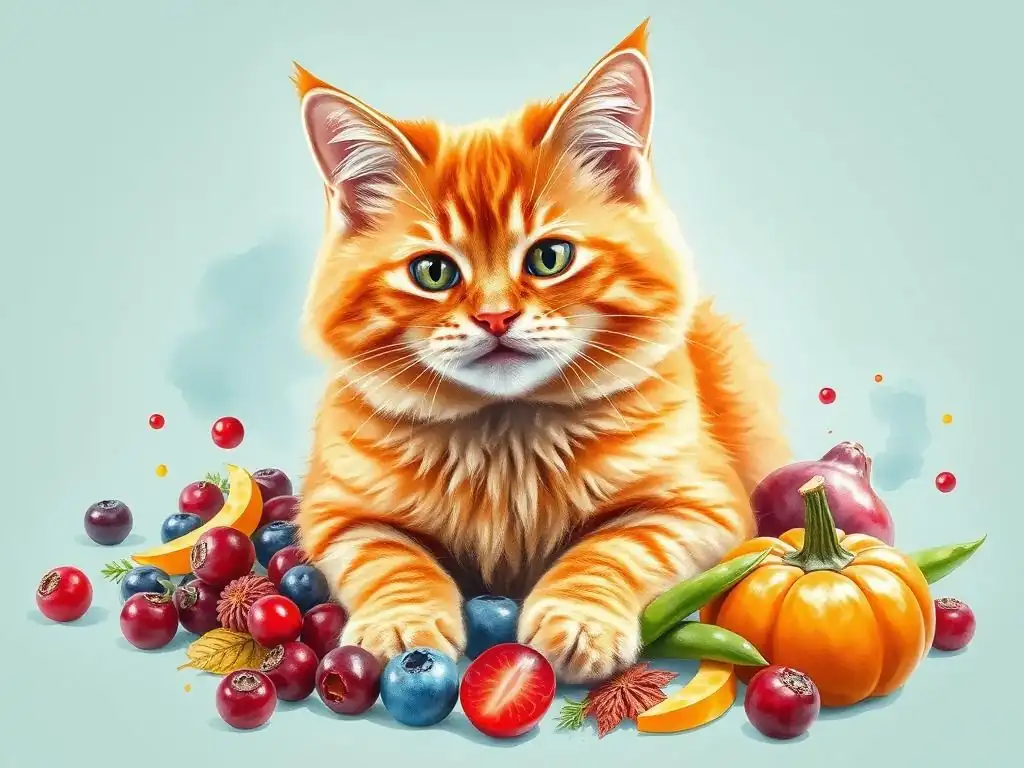
Fiber plays a crucial role in maintaining a healthy urinary tract in cats, primarily by promoting regular bowel movements. Constipation can lead to straining during defecation, which can put pressure on the bladder and urinary tract, potentially exacerbating existing conditions or contributing to new ones. Different types of fiber have varying effects. Insoluble fiber, for example, adds bulk to the stool, making it easier to pass.
Soluble fiber, on the other hand, absorbs water, helping to soften the stool and prevent constipation. The best cat foods for urinary tract health often incorporate a balanced blend of both types of fiber. The specific type and amount of fiber will vary depending on the cat's individual needs and overall health. For example, a cat prone to constipation might benefit from a higher proportion of insoluble fiber, while a cat with sensitive digestion might require a gentler approach with more soluble fiber.
Always consult your veterinarian before making significant changes to your cat's diet, especially if they have pre-existing urinary tract issues. They can help determine the optimal fiber content based on your cat's specific needs and health status. Furthermore, understanding the source of the fiber is important; some sources are more easily digestible than others. Choosing cat foods with clearly labeled fiber sources and percentages allows for better control over your cat's dietary fiber intake.
Minerals and Vitamins Crucial for Urinary Tract Support: Magnesium, Phosphorus, etc.
Maintaining a healthy urinary tract requires a delicate balance of essential minerals and vitamins. Magnesium, for instance, plays a vital role in regulating muscle contractions, including those of the bladder. Insufficient magnesium can lead to muscle spasms and discomfort, potentially affecting urinary function. Phosphorus, another crucial mineral, is involved in numerous bodily processes, including bone health and kidney function. While essential, an imbalance of phosphorus can contribute to urinary tract problems.
The optimal ratio of phosphorus to other minerals, like calcium, is vital. An excess of phosphorus can increase the risk of struvite crystals forming in the urine, leading to urinary tract infections and blockages. Therefore, selecting cat food with carefully balanced mineral levels is critical for urinary tract health. Many high-quality cat foods formulated for urinary health will specify the levels of key minerals like magnesium and phosphorus, ensuring they fall within the recommended ranges for feline health. Vitamins, particularly those that act as antioxidants, also play a crucial role in supporting overall urinary tract health.
Antioxidants combat oxidative stress, which can damage cells and contribute to inflammation in the urinary tract. These vitamins often include Vitamin E and Vitamin C, and their presence contributes to a stronger immune system response, helping the body fight off infections. The precise amounts of these minerals and vitamins will vary depending on the cat's age, breed, activity level, and overall health. Always check the nutritional information on the cat food label and consult your veterinarian for personalized advice.
Avoiding Harmful Ingredients: Artificial Additives and Fillers
Many commercially available cat foods contain artificial additives and fillers that can negatively impact urinary tract health. Artificial colors, flavors, and preservatives can irritate the urinary tract lining, potentially increasing the risk of inflammation and infections. Fillers, such as corn, wheat, and soy, offer little nutritional value and can contribute to digestive problems that indirectly affect urinary health. These ingredients often lack the essential nutrients required for optimal urinary function, potentially leading to imbalances that increase the risk of urinary tract issues.
For example, excessive corn in the diet might contribute to weight gain, further stressing the urinary system. Additionally, some artificial preservatives have been linked to various health problems in cats, including potential urinary tract complications. Choosing cat food with minimal or no artificial additives and fillers is essential for promoting urinary tract health. Look for cat foods that list easily recognizable and digestible ingredients, such as real meat, poultry, or fish, as the primary sources of protein.
Transparency in ingredient labeling is key; opting for brands that clearly list all ingredients and their sources helps in making informed choices. Reading reviews and seeking advice from veterinarians can also guide you towards cat foods that prioritize natural ingredients and avoid potentially harmful additives. Remember, a holistic approach to nutrition, focusing on high-quality, natural ingredients and avoiding harmful additives, is crucial for maintaining optimal urinary tract health in your feline companion.
Choosing the Right Cat Food for Urinary Tract Support
Selecting the best cat food for urinary tract health requires careful consideration of ingredients. Focusing solely on the "best cat food urinary tract health" isn't enough; understanding why certain ingredients are beneficial is crucial. Many factors contribute to a cat's urinary health, and the right food plays a significant role in preventative care and managing existing conditions. This section will delve into the specific components that promote a healthy urinary system in cats.
Reading Cat Food Labels: Deciphering Ingredient Lists
Understanding cat food labels is paramount when choosing a diet to support urinary tract health. The ingredient list, presented in descending order by weight, provides vital information. Look for foods with high-quality animal protein sources listed first, such as chicken, turkey, or fish. These provide the essential amino acids necessary for overall health, including kidney function. Avoid fillers like corn, wheat, and soy, which offer minimal nutritional value and can contribute to weight gain, potentially exacerbating urinary issues.
Furthermore, pay close attention to the moisture content. Higher moisture content is generally beneficial for urinary health, as it helps dilute urine and reduces the risk of mineral crystal formation. The guaranteed analysis section on the label will indicate the protein, fat, and fiber percentages. While these numbers are important, remember that the ingredient list itself provides a more complete picture of the food's nutritional composition.
Here's a sample ingredient list demonstrating a good choice for urinary health:
| Ingredient | Quality Assessment | Role in Urinary Health |
|---|---|---|
| Chicken | Excellent | High-quality protein source, supports overall health |
| Chicken Liver | Excellent | Rich in essential nutrients |
| Turkey | Excellent | Alternative protein source |
| Brown Rice | Good | Provides carbohydrates for energy |
| Chicken Fat (preserved with mixed tocopherols) | Good | Source of healthy fats |
| Natural Flavor | Fair | Enhances palatability |
| Other ingredients | Varies | Check for potential allergens or unnecessary fillers |
Remember, always consult your veterinarian before making significant dietary changes, especially if your cat has a pre-existing urinary condition. They can help you choose the best diet to meet your cat's individual needs and ensure optimal urinary tract health.
Wet vs. Dry Food: Which is Better for Urinary Health?
The age-old debate of wet versus dry food extends to urinary health. While both can contribute to a healthy urinary tract, wet food generally holds an advantage. Its higher moisture content significantly increases urine volume, which helps dilute minerals and reduces the concentration of substances that can contribute to crystal formation. This is particularly important for cats prone to feline lower urinary tract disease (FLUTD).
Dry food, on the other hand, is more convenient and often more affordable. However, its lower moisture content can lead to more concentrated urine, increasing the risk of urinary tract problems. Many dry foods also contain higher levels of carbohydrates and fillers compared to wet food options.
The best approach might be a combination. Some pet owners successfully incorporate both wet and dry food into their cat's diet to balance convenience and the benefits of increased hydration. The specific ratio depends on your cat's individual needs and preferences. Always monitor your cat's water intake and urine output to ensure adequate hydration. A dehydrated cat is more susceptible to urinary tract issues.
Prescription Diets vs. Over-the-Counter Options for Urinary Tract Issues
When dealing with urinary tract issues, the decision between prescription and over-the-counter diets is crucial. Prescription diets, formulated by veterinary nutritionists, are specifically designed to address particular urinary conditions. These diets often contain carefully controlled levels of minerals like magnesium and phosphorus, which can contribute to crystal formation. They may also include specific ingredients to acidify urine or promote the dissolution of existing crystals.
Over-the-counter diets, while potentially beneficial for preventative care, might not be sufficient to manage existing urinary tract problems. These diets often lack the precise formulation and controlled nutrient levels found in prescription diets. They can be a suitable option for maintaining urinary health in cats without pre-existing conditions or as a supplemental diet under veterinary guidance.
Choosing between these options depends heavily on your cat's health status. If your cat has been diagnosed with a urinary tract condition, a prescription diet is usually necessary. Your veterinarian will determine the best course of action based on your cat's individual needs and the severity of the condition. For cats without diagnosed urinary issues, a high-quality over-the-counter food with a focus on ingredients supporting urinary health can be a suitable preventative measure. Regular veterinary checkups remain essential for monitoring urinary health regardless of the food choice.
Gradual Transitioning to a New Diet for Urinary Health

Switching your cat's food abruptly can upset their digestive system and potentially worsen urinary tract issues. A gradual transition is crucial for a smooth dietary change and optimal urinary health. The process typically involves a slow introduction of the new food over 7-10 days. Start by mixing a small amount (approximately 25%) of the new urinary tract support food with their current food.
Over the next few days, gradually increase the proportion of the new food while decreasing the amount of the old food. Monitor your cat closely for any signs of digestive upset, such as vomiting, diarrhea, or changes in appetite. If you notice any adverse reactions, slow down the transition process or consult your veterinarian. Patience is key; some cats may take longer to adjust than others.
Remember, a successful transition ensures your cat readily accepts the new food, maximizing its benefits for urinary tract health. This careful approach minimizes stress and promotes a positive experience for your feline companion. The goal is to make the change as comfortable as possible to ensure your cat thrives on its new diet.
Consulting Your Veterinarian: Personalized Dietary Recommendations
While researching "best cat food urinary tract health" online provides valuable information, a personalized consultation with your veterinarian is paramount. Each cat is unique, with individual health needs and predispositions. Your vet can perform a thorough examination, assess your cat's current health status, including any pre-existing conditions, and consider their age, breed, and lifestyle. They can then provide tailored dietary recommendations, factoring in specific urinary tract issues or sensitivities.
For example, a cat with a history of urinary tract infections may require a diet with a different formulation than a cat simply aiming for preventative care. Your vet might also suggest blood tests or urine analysis to rule out underlying medical conditions or monitor the effectiveness of the chosen diet. Furthermore, your veterinarian can advise on the appropriate food type and brand, considering any allergies or intolerances your cat may have.
Don't hesitate to discuss your concerns and any questions you have about specific ingredients or dietary approaches. Their expert guidance ensures you select the best food for your cat's long-term urinary health and overall well-being. Regular checkups with your veterinarian are essential for monitoring your cat's progress and making any necessary adjustments to their diet.
Maintaining Urinary Tract Health Beyond Diet

Maintaining optimal urinary tract health in cats requires a holistic approach that extends beyond simply choosing the best cat food. While dietary management plays a crucial role, other factors significantly contribute to preventing and managing urinary tract issues. Ignoring these aspects can undermine even the most carefully chosen diet. This section explores key strategies that complement a healthy diet and contribute to overall urinary tract well-being.
Importance of Regular Veterinary Checkups
Regular veterinary checkups are paramount for proactive urinary tract health management. Annual examinations, or more frequent visits if your cat has a history of urinary problems, allow your veterinarian to detect early signs of potential issues. These examinations often include a physical exam, urinalysis, and possibly blood work.
Early detection of conditions like feline idiopathic cystitis (FIC), urinary tract infections (UTIs), or kidney disease allows for timely intervention, often preventing more severe complications and improving the cat's quality of life. A proactive approach is far more effective and less costly in the long run than reactive treatment of advanced disease. Don't underestimate the value of routine veterinary care; it's an investment in your cat's long-term health and happiness.
The early detection of even subtle changes in urine composition or behavior can make a significant difference. For instance, a slight increase in frequency of urination or straining during urination might be an early indicator of a developing problem. Your veterinarian can assess these signs and recommend appropriate actions to maintain your cat's urinary tract health.
Hydration Strategies Beyond Food: Access to Fresh Water
Adequate hydration is crucial for flushing out waste products from the urinary tract, helping prevent the formation of crystals and stones. While the moisture content of the food contributes to overall hydration, providing access to plenty of fresh, clean water is equally important. Cats can be notoriously picky about their water sources, so consider offering water in multiple locations and using different types of bowls.
Some cats prefer flowing water, so a pet fountain might be a worthwhile investment. Others might prefer a wide, shallow bowl to avoid whisker stress. Monitor your cat's water intake – a decrease in water consumption can be a sign of illness and should be addressed promptly by a veterinarian.
Experiment with different water sources and locations to find what works best for your cat. Remember, dehydration is a significant risk factor for urinary tract problems, so ensuring consistent access to fresh water is non-negotiable. The simple act of providing multiple water sources can dramatically improve your cat's hydration and overall well-being.
Litter Box Management and Hygiene
Maintaining a clean and accessible litter box is another crucial aspect of urinary tract health. Cats are naturally clean animals, and a dirty litter box can discourage them from using it, potentially leading to urinary retention and increased risk of infection. The type of litter can also affect urinary health; some litters may irritate the urinary tract. Consider using unscented, clumping litter that is low in dust.
The number of litter boxes is also important; a good rule of thumb is one litter box per cat, plus one extra. Regularly scoop the litter box at least once a day, and completely change the litter regularly, depending on the type of litter used. Regular cleaning minimizes the risk of bacterial growth and keeps the litter box a pleasant and hygienic environment for your cat.
A clean litter box encourages appropriate elimination behavior, preventing potential complications related to urinary tract health. Don't underestimate the importance of litter box hygiene; it's a simple yet effective way to contribute to your cat's overall well-being and urinary tract health. Regular maintenance and observation of your cat's litter box habits can provide valuable insights into their health.
Recognizing and Addressing Stress in Cats
Stress is a significant, often overlooked, contributor to feline urinary tract issues. Cats are exquisitely sensitive creatures, and even seemingly minor changes in their environment can trigger a stress response that manifests physically, including urinary problems. Recognizing the signs of stress in your cat is crucial for proactive preventative care and maintaining their urinary tract health.
Several behavioral and physical indicators can signal stress in cats. Behavioral changes might include increased hiding, changes in litter box habits (such as increased urination outside the box or spraying), decreased appetite, or increased aggression or fearfulness. They might also become more vocal, exhibiting excessive meowing or yowling. Physical signs can include changes in grooming habits (excessive licking or matted fur), dilated pupils, flattened ears, or a tucked tail. A stressed cat might also exhibit increased grooming around the genital area, potentially indicating discomfort related to urinary issues.
Addressing stress requires a multifaceted approach. First, identifying the source of stress is paramount. This could range from a new pet in the household, a change in routine, loud noises, or even a change in furniture placement. Once identified, mitigating the stressor, where possible, is the best course of action. This may involve providing additional hiding places, creating a quieter environment, or gradually introducing new elements to the cat's routine.
Furthermore, environmental enrichment is crucial. Providing plenty of vertical space (cat trees, shelves), interactive toys, and scratching posts can help alleviate boredom and anxiety. Regular playtime helps burn energy and mental stimulation, reducing stress levels. Consider puzzle feeders to engage your cat mentally during feeding times. Providing a safe and secure space, like a dedicated cat bed or a quiet room, is equally important to allow your cat to retreat when feeling overwhelmed.
In some cases, despite environmental adjustments, a cat's stress may persist. Consult your veterinarian; they can assess the situation and potentially recommend pheromone diffusers (like Feliway), anti-anxiety medication, or behavioral modification techniques. Early intervention and a proactive approach to managing stress are key to supporting your cat's overall well-being and maintaining the health of their urinary tract. Remember, a happy, relaxed cat is less likely to experience urinary problems. Regular veterinary check-ups are also crucial for early detection and management of any underlying health issues that might contribute to stress or urinary tract problems.
Recipes and Examples of Cat Food for Urinary Health (Optional Section)
This section provides examples of cat food formulations beneficial for urinary tract health. Remember, always consult your veterinarian before making significant dietary changes for your cat, especially if they have pre-existing health conditions. The information below is for educational purposes only and should not be considered a substitute for professional veterinary advice.
DIY Cat Food Recipes for Urinary Tract Support (Consider adding a disclaimer)
Disclaimer: The following recipes are suggestions only. Nutritional needs vary greatly among cats. Incorrectly balanced homemade diets can lead to serious health problems. Always consult your veterinarian before switching your cat to a homemade diet, and ensure the recipe meets all your cat's nutritional requirements. These recipes are not intended to treat or cure urinary tract diseases.
Recipe 1: Chicken and Pumpkin
This recipe focuses on low-sodium, high-moisture content to support urinary tract health.
- 1 cup cooked chicken breast, shredded (no skin or bones)
- ½ cup plain pumpkin puree (not pumpkin pie filling)
- ¼ cup cooked brown rice
- 1 tablespoon cooked green beans, finely chopped
Instructions: Combine all ingredients thoroughly. Serve at room temperature. This recipe provides a good source of protein and fiber, while the pumpkin adds moisture. Remember to adjust portions based on your cat's weight and activity level.
Recipe 2: Turkey and Cranberry
Cranberries are known for their potential to help prevent urinary tract infections (UTIs) in humans, and some research suggests similar benefits for cats. This recipe incorporates turkey for lean protein.
- 1 cup cooked ground turkey (lean)
- ¼ cup cooked sweet potato, mashed
- 1 tablespoon unsweetened cranberry sauce (check for added sugars and artificial sweeteners)
- 1 teaspoon fish oil (omega-3 fatty acids)
Instructions: Mix all ingredients well. Serve chilled or at room temperature. The fish oil contributes to overall health and may have anti-inflammatory properties. Monitor your cat's bowel movements as cranberries can sometimes cause diarrhea.
Examples of Commercially Available Cat Foods for Urinary Health
Many commercial cat food brands offer specialized formulations designed to support urinary tract health. These often incorporate ingredients like:
- Reduced minerals (phosphorus and magnesium): Helps prevent the formation of struvite crystals.
- Increased water content: Dilutes urine, reducing the concentration of minerals.
- Acidifiers (e.g., cranberries, DL-methionine): Help maintain a slightly acidic urine pH, inhibiting the growth of bacteria and crystal formation.
- Specific protein sources: Some protein sources are easier to digest and less likely to contribute to urinary issues.
Finding the best cat food for urinary tract health will depend on your cat's individual needs and any underlying conditions. Look for cat foods specifically labeled as "urinary support," "strvite management," or "dissolution diet." Pay close attention to the ingredient list and guaranteed analysis to ensure it meets your cat's nutritional requirements. Always consult with your veterinarian to determine the most suitable food for your feline companion. They can help you choose a food that addresses your cat's specific needs and health concerns.
Remember, preventing urinary issues is crucial for your cat's long-term well-being. Providing the best possible nutrition is a key component of preventative care. A balanced diet, alongside regular veterinary check-ups, is essential for maintaining your cat's urinary tract health. Choosing the right food is a significant step towards ensuring your cat lives a long and healthy life. 😻
Frequently Asked Questions
What are the best ingredients to look for in cat food for urinary tract health?
The best ingredients include high-quality protein sources like chicken or fish, low levels of magnesium, and increased levels of moisture. Avoid foods with high levels of ash.
How does diet affect a cat's urinary tract health?
A cat's diet significantly impacts urinary tract health. Foods with the right balance of nutrients can help prevent issues like crystals and stones, while poor diets can increase the risk of urinary tract infections (UTIs).
My cat has already developed urinary tract issues. Can diet help?
Yes, a prescription diet formulated by a veterinarian is crucial for managing existing urinary tract issues. Dietary changes can help dissolve crystals, reduce inflammation, and prevent recurrence.
What are some common signs of urinary tract problems in cats?
Look for frequent urination, straining to urinate, blood in the urine, lethargy, and increased water intake. If you observe any of these, consult your vet immediately.
Are there any specific brands of cat food recommended for urinary tract health?
While PetCareWorld doesn't endorse specific brands, look for foods that clearly state they are formulated for urinary tract health and meet the criteria discussed above. Always consult your veterinarian for personalized recommendations.
Final Reflection: Nourishing a Purrfectly Healthy Future
The health of our feline companions is inextricably linked to the food we provide them, and ensuring a healthy urinary tract is paramount to their overall well-being. Ignoring this crucial aspect can lead to significant discomfort and long-term health problems for our beloved cats. The choices we make today directly impact their quality of life tomorrow.
Understanding the intricate relationship between diet and urinary tract health has profoundly impacted my own approach to pet ownership. It's not just about convenience; it's about actively participating in my cat's well-being. The best gift you can give your cat is a long and healthy life, and that starts with the food in their bowl.
This simple truth underscores the responsibility we have as pet owners to make informed decisions about their nutrition. The research for this article has been a journey of discovery, highlighting the importance of understanding ingredient lists and advocating for better standards in pet food manufacturing.
Now, it's your turn. Take a moment to examine the ingredients in your cat's current food. Are you confident that it's providing the optimal support for their urinary tract health? Consider the information presented in this article and make a conscious choice to prioritize your cat's well-being. Small changes in their diet can lead to significant improvements in their overall health and happiness, enriching the bond you share for years to come. Let's work together to ensure our feline friends live long, healthy, and purrfect lives.
Unleash Your Cat's Inner Purrfection: A Healthier Future Starts Now!
Thank you for learning about the best ingredients to support your cat's urinary health! We hope this information helps you make informed decisions for your feline companion. Now, let's put this knowledge into practice.
- Prioritize urinary tract health: Begin by gradually switching your cat to a food formulated with ingredients known to support urinary health. You'll likely notice a positive difference!
- Share your experience: We'd love to hear about your cat's progress in the comments below! Share your successes and any challenges you encounter.
- Explore our resources: Discover more helpful articles on cat nutrition and overall well-being at PetCareWorld.
Ready to see the positive impact on your beloved cat? What's the first step you'll take to improve their urinary health today?