The Litter Box and Furniture: Preventing Scratching and Peeing
🤔 Protect your furniture from feline accidents! Learn effective strategies to deter scratching and eliminate cat urine, including essential furniture cleaning tips…
Read article
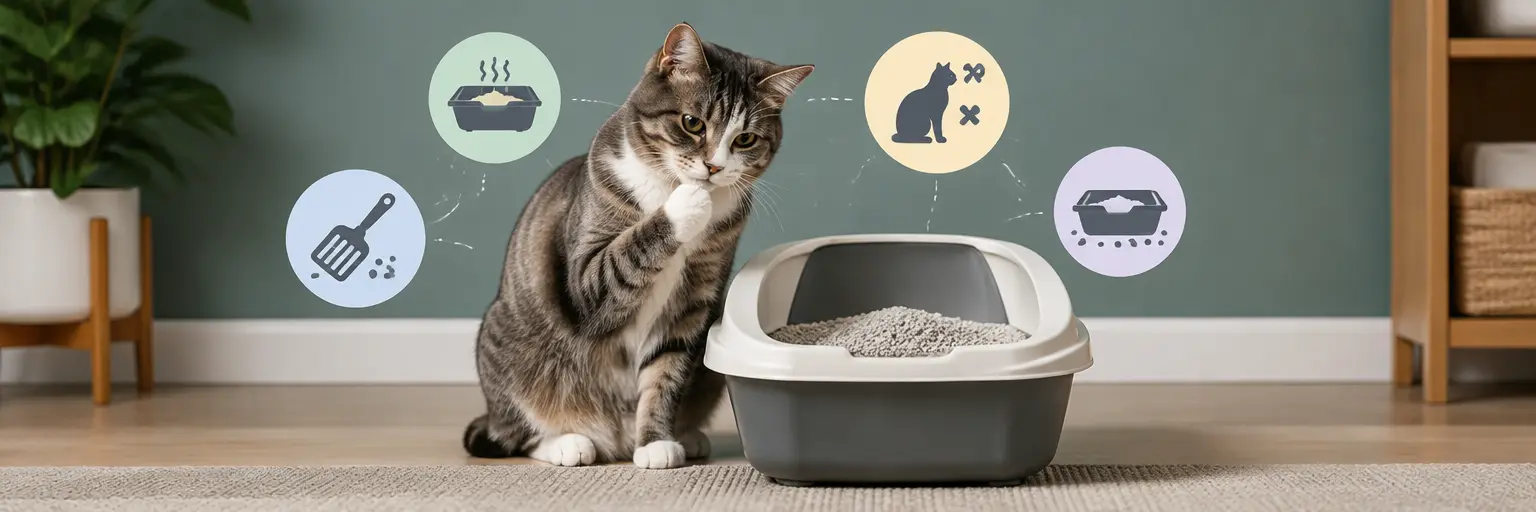
Struggling with a finicky feline or unexpected messes? Our expert-guided advice on troubleshooting litter box issues helps you decode the root causes—from medical concerns and stress triggers to litter preferences and placement problems. We offer step-by-step solutions to turn avoidance into consistent use, restore harmony in your home, and keep your cat healthy and happy. With practical tips on deep-cleaning routines, box types, and behavioral enrichment, you’ll resolve even the most stubborn habits with confidence. Trust PetCareWorld to simplify the process and strengthen your bond with your furry friend. 🐾
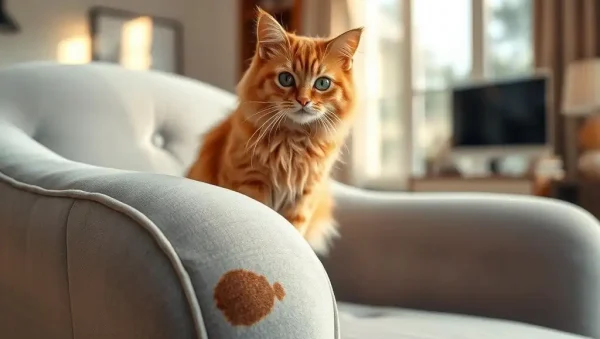
🤔 Protect your furniture from feline accidents! Learn effective strategies to deter scratching and eliminate cat urine, including essential furniture cleaning tips…
Read article
🤔 Is your cat's litter box causing you headaches? PetCareWorld offers expert cat litter box problems solutions, guiding you through common issues…
Read article
🤔 Deciphering your cat's urine marking? PetCareWorld reveals the secret language of cat pee, helping you understand the underlying cat urine meaning…
Read articleFew things frustrate cat owners more than a pet that suddenly refuses to use its litter box. Whether you are dealing with urine on the carpet, avoidance of the box, or excessive scratching, troubleshooting litter box issues is essential for restoring harmony in your home. This subcategory under Cat Care & Behavior provides a systematic, stress-free approach to identifying the root causes—from medical conditions to environmental stressors—and offers actionable, step-by-step fixes. With practical advice on litter types, box placement, cleaning routines, and behavioral enrichment, you’ll turn a messy problem into a manageable, solvable challenge.
Before adjusting any environmental factor, you must rule out underlying health issues. Urinary tract infections (UTIs), kidney disease, diabetes, or arthritis are common culprits for litter box aversion. Cats often associate pain with the box, so they begin eliminating elsewhere. If your cat strains to urinate, cries out, or has blood in urine, seek veterinary care immediately—these symptoms can indicate a life-threatening blockage.
Even subtle changes like increased thirst or lethargy warrant a check-up. A vet can perform urinalysis, blood work, and imaging to diagnose the issue. Once medical causes are cleared, you can confidently focus on behavioral and environmental adjustments. Remember, pain is the number one reason for litter box regression, and timely intervention protects both your cat’s health and your home’s cleanliness.
Proper sanitation is non-negotiable when troubleshooting litter box issues. Cats have a sense of smell up to 14 times stronger than humans, so a box that seems “fine” to you may be repulsive to them. Use enzyme-based cleaners specifically designed to break down urine and feces, never ammonia-based products that mimic urine scent. Remove clumps daily and completely empty the box weekly with hot water and mild soap.
For affected areas outside the box, treat them with an enzymatic cleaner to prevent repeat marking. Consider replacing plastic boxes every 6-12 months, as microscopic scratches harbor bacteria and odors. A spotless environment reassures your cat that the box is a safe, pristine place. Pair this with a consistent cleaning schedule, and you’ll eliminate one of the most common triggers for avoidance.
Texture and scent profoundly influence your cat’s acceptance. Many cats prefer fine-grain, unscented, clumping clay litter because it mimics natural soil. Others might favor silica crystals, recycled paper, or pine pellets. Sudden changes in litter can cause immediate rejection, so transition gradually by mixing old and new litter over several days. Offer multiple boxes with different litter types to let your cat vote with their paws.
Depth also matters—most cats prefer 2-3 inches, not excessively deep. Avoid heavily perfumed litters, which can overwhelm sensitive noses. Dust-free and low-tracking formulas are easier on paws and floors. If your cat stands while eliminating or scratches excessively, test a finer grain. Patience and experimentation are key; once you find the winning substrate, your cat’s bathroom behavior will dramatically improve.
Location can make or break your cat’s willingness to use the box. Place boxes in quiet, low-traffic, well-ventilated areas away from loud appliances, food bowls, and sleeping spots. Avoid basements or laundry rooms that are noisy or hard to access. For multi-level homes, provide one box per level. The general rule is one box per cat plus one extra, spaced far apart to prevent territorial conflicts.
Ensure the box is accessible for senior or disabled cats—consider low-entry models or ramps. Never place boxes in corners where your cat can be ambushed by other pets. If you have a puppy or dog, use a baby gate or door flap to create a cat-only haven. Also, check that the box isn’t too small; a cat should be able to turn around comfortably. These simple spatial adjustments often resolve instant avoidance.
Stress is a leading cause of litter box issues, especially in multi-pet households or after life changes like moving or a new baby. Feliway diffusers, increased vertical space, and interactive playtime can significantly reduce anxiety. Cats mark territory with urine, so establish a routine for feeding, play, and cleaning. Provide scratching posts and hideaways to give your cat control over their environment.
Punishment never works and increases fear, so use positive reinforcement with treats when your cat uses the box correctly. If your cat avoids the box due to bullying by another animal, set up extra boxes in safe zones. Gradual introductions of new pets or people, along with consistent daily schedules, rebuild your cat’s confidence. Remember, a relaxed cat is a reliable bathroom user.
Always consult a vet first. If no medical issue is found, you can begin environmental changes immediately—usually within 24-48 hours. Start with cleaning and litter adjustments, then monitor your cat’s response over a week. Patience is vital, as habit reversal takes time.
Covered boxes trap odor and can make cats feel trapped or vulnerable. Many cats prefer open boxes. If you use a covered one, ensure it’s large and well-ventilated, and clean it daily. If your cat begins avoiding it, switch to an uncovered design.
This often signals a substrate or hygiene preference. Try a different litter texture or a shallower depth. Also ensure the box is cleaned frequently. Urinary pain or urinary tract inflammation can also cause this, so a vet check is essential to rule out medical causes.
You should have at least three boxes. The rule of thumb is one per cat plus one extra. Place them in different rooms or zones to prevent territorial disputes. This gives each cat a choice and reduces stress-related avoidance.
They can be excellent for busy owners, but some cats are scared of the motorized movement. Introduce it slowly, keeping the box off until your cat is accustomed. If your cat refuses, return to a manual box. Always ensure the safety sensors work properly.







