The Ultimate Guide to Cat Tunnels and Hideaways
😊 Discover the purrfect hideaway! PetCareWorld's ultimate guide reveals the best cat tunnel hideaways, ensuring your feline friend enjoys hours of playful…
Read article
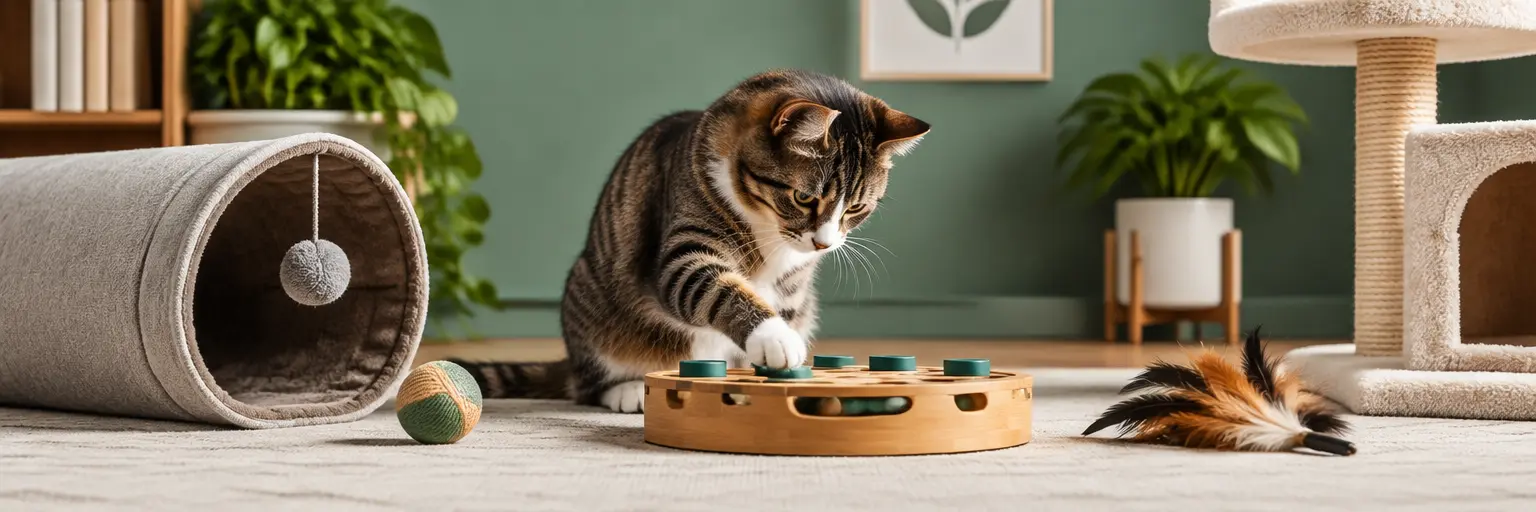
Transform your indoor cat’s daily routine into a world of adventure and stimulation with expert-backed enrichment strategies. From interactive puzzle feeders that challenge their natural hunting instincts to vertical climbing towers that satisfy their need for height, discover how to prevent boredom, reduce anxiety, and curb destructive behaviors like scratching or overgrooming. Rotating toys, window perches, and DIY hide-and-seek games keep your feline mentally sharp and physically active—even in small apartments. With proven techniques for environmental enrichment, you’ll create a safe, happy sanctuary that mirrors the wild, ensuring your cat thrives with fewer stress-related health issues and a deeper bond with you. Unlock the secrets to a confident, content, and well-adjusted indoor companion—because a busy cat is a happy cat.
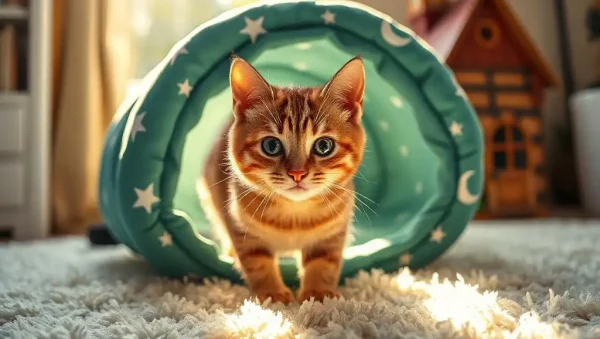
😊 Discover the purrfect hideaway! PetCareWorld's ultimate guide reveals the best cat tunnel hideaways, ensuring your feline friend enjoys hours of playful…
Read article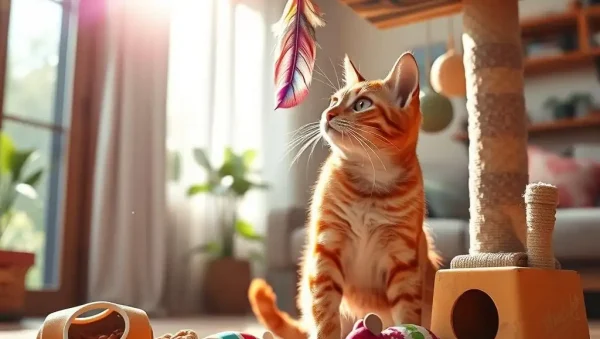
😊 Combat boredom and boost your indoor cat's well-being with PetCareWorld's ultimate guide to interactive games. This comprehensive indoor cat enrichment games…
Read article
😊 Boost your cat's happiness and well-being with engaging cat playtime sessions! PetCareWorld shows you how focused playtime strengthens your bond and…
Read articleIndoor cats live safer, longer lives, but without outdoor stimulation, they can develop boredom, anxiety, and destructive behaviors. Enrichment for indoor cats is about recreating the natural hunting, climbing, and exploration instincts your feline craves. By transforming your home into a cat-friendly paradise, you reduce stress, prevent obesity, and deepen your bond. This guide covers everything from puzzle feeders to vertical spaces, helping you create a dynamic environment that keeps your cat mentally sharp and physically active every single day.
Felines are obligate carnivores and natural predators, but indoor living strips away their ability to stalk, chase, and capture prey. This leads to redirected behaviors like scratching furniture, excessive meowing, or overgrooming. Environmental enrichment works by providing outlets for these instinctive drives, releasing dopamine and reducing cortisol levels. A well-enriched cat shows fewer stress markers, improved sleep cycles, and a more confident posture.
Research from veterinary behaviorists shows that cats with regular enrichment sessions exhibit 60% fewer behavioral problems. Simple additions like rotating toys, hiding treats, or introducing catnip-filled puzzles can slash anxiety and boredom. The goal isn’t just to occupy your cat—it’s to fulfill their biological need for control and problem-solving. When your cat feels like a successful hunter in their own home, they become calmer, more affectionate, and less likely to develop urinary or gastrointestinal issues linked to stress.
Mealtime is the perfect opportunity for mental stimulation. Instead of dumping kibble in a bowl, use puzzle feeders, treat-dispensing balls, or snuffle mats. These devices force your cat to work for food, mimicking the effort of catching prey. Start with simple puzzles that require a paw swipe, then graduate to more complex ones with sliding compartments or rotating lids. This approach slows down fast eaters, reduces vomiting, and provides a satisfying cognitive workout.
You can also hide small portions of wet food around the house—on cat trees, under cardboard boxes, or inside toilet paper rolls. This encourages natural foraging behavior and turns your home into a treasure hunt. Rotate food-based enrichment daily to prevent habituation. For added benefit, freeze broth or tuna water in ice cube trays with a few kibble pieces inside, creating a long-lasting, refreshing treat that engages their senses of smell and taste.
Cats are arboreal animals that love height. Providing tall cat trees, wall-mounted shelves, or window perches gives them a sense of security and control. Vertical territory allows your cat to observe their surroundings from above, reducing conflicts with other pets and children. Aim for multiple levels at varying heights, placed near windows for bird-watching or in quiet corners for retreat. Sturdy sisal-covered posts also serve as scratching surfaces, saving your furniture.
Consider building a "cat superhighway" by installing staggered shelves along a wall, allowing your feline to leap between them. This mimics their natural instinct to climb trees and patrol territories. Add a cozy hammock or a soft padded box on the top shelf for napping. Rotate climbing structures periodically to keep the environment novel. For older or arthritic cats, include ramps or lower steps so they can still access elevated areas without strain.
Daily interactive play sessions are non-negotiable for indoor cats. Use wand toys that mimic birds or rodents—wiggle them through the air, drag them along the floor, and hide them behind furniture to simulate ambush hunting. The goal is to let your cat "catch" the toy at the end of each session, releasing pent-up energy and providing a sense of accomplishment. Two 10-minute sessions per day are better than one long session, maintaining high engagement.
Automated laser pointers and motorized chase toys can supplement, but never replace human interaction. The unpredictability of a laser dot can frustrate cats if they never physically capture it, so always end with a tangible toy they can bite. Vary the intensity and direction of movement to keep them guessing. For self-play, leave out battery-operated mice, catnip kickers, or crinkle balls that trigger their prey drive even when you’re busy.
Felines experience the world through their noses, so olfactory enrichment is powerful. Rotate cat-safe herbs like valerian root, silver vine, or dried chamomile in fabric pouches. Sprinkling a pinch of catnip on a scratching pad or inside a cardboard box creates a euphoric, playful state. Introduce synthetic pheromone diffusers to promote calmness in multi-cat households. You can also offer outdoor-safe grass, like wheatgrass, for chewing, which aids digestion and provides texture changes.
Auditory enrichment includes playing nature sounds—birdsong, rustling leaves, or soft classical music—at low volume when you are away. Some cats enjoy "cat TV" videos with fish or small prey on a screen, but keep sessions short to prevent overstimulation. Tactile variety comes from offering different surfaces: cardboard, sisal, plush fleece, and textured rubber mats. Rub these surfaces with a drop of tuna water to encourage exploration, and lie down to see the world from your cat’s level—suddenly, a crumb of dust becomes a fascinating puzzle.
Novelty is the key to sustained enrichment. Every week, rotate toys, rearrange furniture, or introduce a new cardboard box, paper bag, or crumpled paper. Simple DIY projects—like cutting holes in a large box to create a ball pit, or taping empty toilet paper rolls to a shoebox for a treat dispenser—are budget-friendly and highly engaging. You can also create a "catio" using a window-mounted enclosure, letting your cat safely experience fresh air and outdoor sights without risks.
Build a "treasure box" filled with different materials like ping-pong balls, bottle caps, and crinkle toys. Hide treats inside and let your cat dig them out. Always supervise any DIY item to ensure it’s not a choking hazard. Consider a "food trail" by placing small bowls of kibble along a zigzag path on the floor, encouraging them to use their nose and paws. This mental gymnastics prevents boredom and maintains a healthy weight. The key is consistency—small, daily changes have a cumulative effect on your cat’s well-being.
Aim for at least 15-30 minutes of interactive play plus 10 minutes of food-based puzzles or foraging. Break this into two or three short sessions. Kittens and high-energy breeds need more; senior cats need less but still benefit from gentle nose-work games. Consistency matters more than total time—daily sessions keep your cat’s mind sharp.
Daily catnip can lead to desensitization, so limit it to 2-3 times per week. For cats that don’t respond to catnip (about 30% don’t), try silver vine or valerian root instead. Use catnip to refresh old toys or encourage scratching on appropriate posts. Rotating other scents with catnip prevents habituation and keeps excitement high.
Start with a stationary treat-dispensing ball that rolls gently, or a simple puzzle board with one or two hiding spots. Slower feeders like snuffle mats are intuitive—just scatter treats on the surface. Observe your cat’s frustration level; if they give up in 2 minutes, simplify. Gradually increase complexity as they master each level.
No, never leave a laser unattended—it can cause obsessive-compulsive behavior or damage vision. Always use a laser as part of interactive play, ending each session by directing the light onto a physical toy they can catch. This prevents the "frustrated hunter" syndrome. Store the laser away after each use so your cat doesn’t constantly look for the red dot.
Focus on scent and touch. Use scented toys with mint or catnip, place textured rugs along their usual paths, and use food puzzles with large openings. Keep furniture stable and avoid rearranging rooms. For elderly cats, provide low-height perches with easy access, warm beds, and gentle, slow-play sessions with soft feather toys that they can easily pounce on.







