
The Ultimate Guide to Cat Tunnels and Hideaways

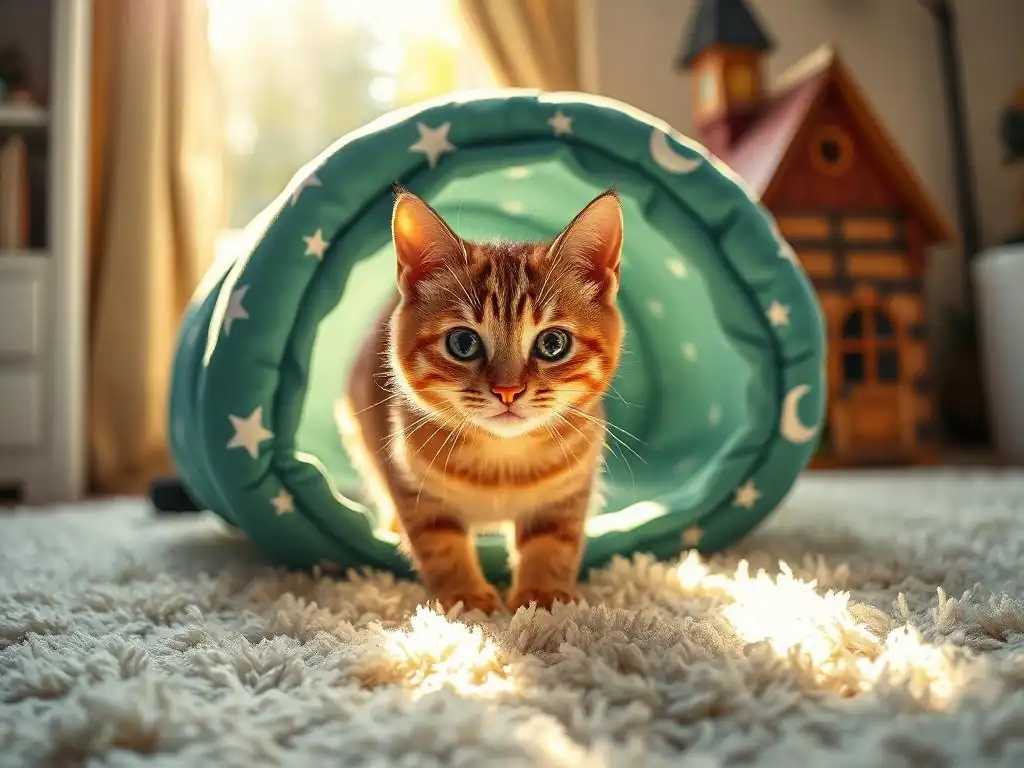
Welcome to PetCareWorld, your ultimate destination for everything pet-related! Are you ready to unlock the secrets to a happier, healthier cat? Then dive into our Best Cat Tunnel Hideaway Guide, a comprehensive exploration of the perfect hideaway to satisfy your feline friend's natural instincts. Discover the surprising benefits of cat tunnels and how to choose the ideal one for your furry companion. Prepare to be amazed by the world of cat enrichment!
- Understanding Your Cat's Need for Hideaways and Tunnels
- Types of Cat Tunnels and Hideaways: A Comprehensive Overview
- Choosing the Best Cat Tunnel and Hideaway for Your Cat
- Setting Up the Perfect Cat Tunnel and Hideaway Environment
- Enhancing the Appeal with Catnip and Toys
- Combining Tunnels and Hideaways for a Multi-Sensory Experience
- Troubleshooting Common Cat Tunnel and Hideaway Issues
- The Best Cat Tunnel Hideaway Guide: Top Picks and Reviews
- Beyond the Basics: Advanced Cat Enrichment Ideas
- Frequently Asked Questions
- Final Reflection: Unlocking Feline Happiness Through Understanding
- Unleash Your Cat's Inner Explorer!
Understanding Your Cat's Need for Hideaways and Tunnels
Cats, despite their often playful and affectionate nature, possess a deep-seated instinct for seeking out safe, secluded spaces. This isn't simply a matter of shyness; it's a crucial aspect of their feline wellbeing and a direct link to their evolutionary history. This ultimate guide to cat tunnels and hideaways will delve into the reasons behind this behavior, helping you understand why providing your cat with ample opportunities for retreat is essential for their happiness and health.
We'll explore the various benefits of cat tunnels and hideaways, guide you through choosing the best options for your furry friend, and ultimately help you create a stimulating and enriching environment for your indoor cat. This comprehensive guide aims to be your definitive resource for selecting the best cat tunnel hideaway, addressing all your questions and concerns regarding this important aspect of feline enrichment.
We'll cover everything from the psychological benefits to practical considerations, ensuring you're equipped to make informed decisions about enhancing your cat's living space. Let's embark on this journey to understanding your cat's innate need for privacy and security.
The Importance of Safe Spaces for Feline Wellbeing
Providing your cat with a safe haven significantly impacts their overall wellbeing. A secure space allows them to escape from perceived threats, whether those threats are real (like loud noises or other animals) or imagined (like overstimulation or anxiety). This sense of security reduces stress levels, promoting relaxation and a feeling of control over their environment. A stressed cat is more prone to illness, exhibiting symptoms such as changes in appetite, litter box issues, and increased aggression.
By offering multiple hideaways – including cat tunnels – you create an environment where your cat can decompress and regulate their emotions. This is particularly crucial for indoor cats, who may experience a lack of natural escape routes compared to their outdoor counterparts. Think of it as providing a "personal sanctuary," a place where your cat can retreat and recharge.
The benefits extend beyond stress reduction; a comfortable, secure space can also improve your cat's sleep quality, leading to better overall health and behavior. A well-rested cat is a happy cat! 😻
Why Cats Love Enclosed Spaces: Instinctive Behavior and Security
Cats' preference for enclosed spaces is deeply rooted in their evolutionary history. As predators and prey animals, they have an innate need for security and protection. In the wild, enclosed spaces like burrows and dense vegetation provide vital shelter from predators and harsh weather conditions.
This instinct remains strong in domestic cats, even though they are generally safe from immediate physical threats in their homes. The feeling of being enclosed, surrounded by walls or soft materials, mimics the security of these natural hiding places. A cat tunnel, in particular, provides a stimulating and engaging environment that satisfies this instinct.
The enclosed space offers a sense of security, while the tunnel itself provides a playful element of exploration and discovery. This combination of security and stimulation is key to a cat's contentment and can prevent behavioral issues stemming from anxiety or boredom. The darkness and confinement of a tunnel or hideaway can also provide a sense of comfort and reduce sensory overload, especially beneficial for cats who are sensitive to noise or bright lights.
Recognizing Signs Your Cat Needs More Hiding Places
Sometimes, your cat might subtly communicate their need for more hiding places. Observe their behavior carefully. Do they frequently hide under furniture, in closets, or in other unusual spots? Do they seem anxious or stressed, even in familiar surroundings?
Do they exhibit changes in appetite, litter box habits, or grooming behaviors? These can all be indicators of insufficient safe spaces. Excessive vocalization, such as meowing or hissing, especially when there's no apparent reason, might also suggest a need for more privacy and security. Furthermore, increased aggression or avoidance of human interaction could be a sign of stress stemming from a lack of suitable hiding spots.
If you notice any of these signs, consider providing additional cat tunnels, hideaways, or other safe spaces throughout your home. By carefully observing your cat's behavior and providing them with the resources they need, you can contribute to a happier, healthier, and more well-adjusted feline companion. Remember, a happy cat is a purrfect cat! 🐈⬛
Types of Cat Tunnels and Hideaways: A Comprehensive Overview
This section delves into the diverse world of cat tunnels and hideaways, exploring the various materials, designs, and features available to cater to your feline friend's unique preferences and needs. Choosing the best cat tunnel hideaway depends heavily on understanding these differences. We'll examine the pros and cons of each type, helping you make an informed decision for your cat's enrichment. Remember, providing stimulating environments for indoor cats is crucial for their physical and mental well-being. A great hideaway contributes significantly to a happy and healthy cat.
Cardboard Cat Tunnels: Affordable and Fun Options
Cardboard cat tunnels represent a fantastic budget-friendly option for providing your cat with a fun and engaging play space. Their affordability allows for easy replacement or supplementing with additional tunnels as your cat's interests evolve. Many cats find the crinkling sound of cardboard incredibly stimulating, adding an extra layer of sensory enrichment.
However, durability is a key consideration. Cardboard tunnels are susceptible to tearing, especially with enthusiastic cats or multiple feline companions. Their lifespan is typically shorter compared to other materials. The potential for water damage is also a significant drawback; spilled water can quickly ruin a cardboard tunnel.
Despite these limitations, cardboard tunnels remain a popular choice for their low cost and the inherent appeal of cardboard to many cats. Consider purchasing several to rotate, extending their overall lifespan and providing variety for your playful pet. Some manufacturers even create extra-durable cardboard tunnels, offering increased longevity.
Fabric Cat Tunnels: Durable and Washable Choices
Fabric cat tunnels offer a more robust and long-lasting alternative to cardboard. Made from durable materials like polyester or canvas, they can withstand more wear and tear, making them a worthwhile investment for active cats. Many fabric tunnels are also machine washable, a significant advantage for maintaining hygiene, especially important for cats who might occasionally use their tunnel as a litter box (though this is less common with appropriately sized and stimulating options).
The variety in fabric tunnels is impressive. They come in various sizes, colors, and designs, often incorporating interactive features like crinkle paper, dangling toys, or even peek-a-boo windows. This versatility allows you to choose a tunnel that perfectly matches your cat's personality and your home decor. They are also generally easier to store than larger, more rigid structures. Regular cleaning is recommended to maintain hygiene and prevent the buildup of odors.
Multi-Level Cat Trees with Tunnels: Combining Play and Rest
For cats who appreciate a combination of play and relaxation, multi-level cat trees incorporating tunnels offer a comprehensive solution. These structures often combine climbing posts, perches, scratching posts, and tunnels, providing a variety of activities in one space. This maximizes vertical space, fulfilling a cat's natural inclination to climb and survey their surroundings.
The added benefit of a built-in tunnel within the cat tree offers a safe and secure retreat where your cat can rest, nap, or simply observe their domain. The size and complexity of these trees vary greatly, offering options to suit cats of all sizes and activity levels. The higher price point is a consideration, but the longevity and multi-functional design can justify the investment for many cat owners.
Choosing a sturdy and well-constructed tree is crucial for ensuring its long-term durability and safety for your cat. Consider the overall height and the stability of the base before purchasing. A well-designed multi-level cat tree with a tunnel is a fantastic solution for providing ample enrichment and satisfying your cat’s innate needs.
Custom-Made Cat Hideaways: Tailored to Your Cat's Preferences

Creating a custom cat hideaway offers unparalleled opportunities to cater to your feline friend's unique personality and needs. Unlike mass-produced options, a bespoke hideaway allows for complete control over size, shape, materials, and features. Consider your cat's size and breed when determining the dimensions. A larger cat will require a more spacious hideaway than a smaller breed. The shape can also significantly impact its appeal; some cats prefer enclosed spaces, while others might gravitate towards tunnels with multiple openings for exploration.
Material selection is crucial for both comfort and durability. Soft, plush fabrics like fleece or microfiber are excellent choices for lining the interior, providing a cozy and inviting space. For the exterior, durable materials like canvas or sturdy fabrics are recommended, especially if you anticipate your cat engaging in vigorous play inside. You might even incorporate your cat's favorite textures, such as sisal rope or plush toys, into the design. Remember to consider your cat's preferences; some cats might prefer a darker, more enclosed space, while others may enjoy a brighter, more open design.
Furthermore, you can enhance the hideaway with features that stimulate your cat's natural instincts. Adding dangling toys or crinkle paper inside can provide extra entertainment. Strategically placed openings can allow your cat to observe its surroundings while remaining securely hidden. This blend of security and stimulation is key to creating a truly enriching environment for your cat.
Ultimately, a custom-made cat hideaway is an investment in your cat's happiness and well-being, resulting in a more contented and playful companion. Consider consulting with a professional cat behaviorist for advice on designing a hideaway that best suits your cat's specific needs and personality. They can offer valuable insights into your cat's behavioral patterns and preferences, helping you create the perfect sanctuary.
DIY Cat Tunnel Projects: Creative and Budget-Friendly Ideas
Embarking on a DIY cat tunnel project is a fantastic way to create a unique and engaging play space for your cat while saving money. Numerous readily available materials can be transformed into stimulating and safe cat tunnels. Cardboard boxes, a common household item, are an excellent starting point. Large appliance boxes can be easily converted into elaborate tunnels with multiple entrances and exits. Remember to reinforce the structure with tape to prevent collapse and ensure your cat's safety. Cut out various openings of different sizes to encourage exploration and add visual interest.
Alternatively, you can utilize fabric scraps or old blankets to create a soft and cozy tunnel. Sewing skills are helpful, but even basic stitching can suffice for a simple tunnel design. Stuffing the fabric tube with soft materials like old towels or batting provides extra cushioning and comfort for your cat. You can get creative with the design by adding different textures or patterns to the fabric. This not only enhances the visual appeal but also provides sensory stimulation for your cat.
For a more robust and durable tunnel, consider using PVC pipes. These are readily available at hardware stores and can be easily connected using PVC connectors. Covering the pipes with fabric or carpet provides a softer surface for your cat to interact with. PVC pipes allow for a more structurally sound tunnel, perfect for cats who enjoy vigorous play and tumbling.
Remember to secure all connections to prevent any potential hazards and to ensure the safety of your feline friend. Regardless of your chosen materials, remember to always supervise your cat when they are playing in their new DIY tunnel. Regularly inspect the tunnel for any signs of wear and tear and replace or repair as needed. A little creativity and effort can lead to a fantastic and cost-effective enrichment item for your cat.
Choosing the Best Cat Tunnel and Hideaway for Your Cat
This section delves into the crucial factors you should consider when selecting the perfect cat tunnel and hideaway for your feline companion. Choosing wisely ensures your cat enjoys its new toy and that it's a safe and stimulating addition to their environment. A well-chosen cat tunnel can significantly enhance your cat's indoor enrichment, providing hours of playful exploration and relaxation.
Factors to Consider When Selecting a Cat Tunnel: Size, Material, and Features
Selecting the right cat tunnel involves more than just picking a cute design. The size, material, and features are all critical to ensuring your cat's safety and enjoyment. Let's break down each factor:
Size: The tunnel should be large enough for your cat to comfortably move through without feeling cramped. A good rule of thumb is to choose a tunnel with a diameter at least twice the width of your cat's shoulders. For kittens or smaller breeds, a smaller tunnel might suffice, but always prioritize ample space to avoid anxiety or injury. Consider measuring your cat's body length as well; a longer tunnel provides more space for exploration and play.
Material: The material of the cat tunnel impacts durability, safety, and your cat's comfort. Popular materials include:
- Polyester: Durable, washable, and relatively inexpensive. Polyester tunnels often come in a variety of colors and patterns.
- Cotton Canvas: A more natural and breathable option, but generally less durable and requires more careful cleaning.
- Cardboard: A budget-friendly choice, but less durable and prone to damage. These are best suited for short-term use or cats who are gentle players.
- Durable Fabrics: Look for reinforced stitching and robust materials, especially for active cats who might claw or bite at the tunnel.
Features: Beyond basic size and material, certain features can enhance your cat's enjoyment:
- Multiple Entrances/Exits: Tunnels with more than one opening encourage exploration and provide multiple escape routes, reducing anxiety.
- Crinkle Material: Some tunnels incorporate crinkly materials to add a stimulating texture and sound, enhancing playfulness.
- Hideaway Areas: A tunnel with a small enclosed area or a connected hideaway provides a secure, comfortable space for your cat to rest and relax. This is particularly beneficial for shy or anxious cats.
- Collapsible Design: Collapsible tunnels are great for storage and portability, making them a convenient option for apartment living or travel.
Assessing Your Cat's Personality and Play Style
Understanding your cat's individual personality and play style is crucial for choosing the right cat tunnel. Not all cats are the same!
- Active vs. Relaxed Cats: An energetic cat might appreciate a long, multi-chambered tunnel with various entrances and exits, while a more relaxed cat might prefer a smaller, quieter hideaway.
- Shy vs. Confident Cats: Shy cats might benefit from a tunnel with a darker interior and a secure hideaway area, providing a sense of safety and security. Confident cats might enjoy a more open design.
- Curious vs. Cautious Cats: Curious cats will likely explore a new tunnel more readily than cautious ones. For cautious cats, you might need to encourage them gently, using treats or toys to lure them inside.
Observing your cat's behavior and play preferences will guide you towards the best choice. Does your cat enjoy chasing toys? Do they like to hide in boxes? These clues can indicate the type of tunnel that will best suit their needs.
Considering Your Home's Layout and Available Space
The size and placement of your cat's new tunnel should complement your home's layout.
- Space Constraints: Measure the available space in your home before purchasing a tunnel. Consider the tunnel's dimensions both when it's fully extended and when it's collapsed for storage.
- Placement: Place the tunnel in a location that offers a balance of privacy and access. A corner of a room, under a piece of furniture, or near a sunny window can provide a safe and stimulating environment.
- Traffic Flow: Avoid placing the tunnel in high-traffic areas where it might be easily disturbed or become a tripping hazard. Consider your cat’s favorite spots and where they like to play or nap. This can help you determine the best placement for the tunnel.
Remember, the ultimate goal is to provide a safe, enriching, and enjoyable play space for your cat. By carefully considering these factors, you can select the best cat tunnel and hideaway to enhance your feline friend's indoor life. This thoughtful selection will contribute to a happier, healthier, and more playful cat.
Safety Considerations: Avoiding Choking Hazards and Sharp Edges
Choosing a safe cat tunnel and hideaway is paramount to your feline friend's well-being. Many seemingly innocuous design features can pose significant risks if not carefully considered. Prioritizing safety ensures your cat can enjoy their new toy without the worry of injury. Let's delve into the crucial aspects of safety to look for when selecting a cat tunnel or hideaway.
One of the most critical safety concerns is the potential for choking hazards. Small parts, loose threads, or flimsy materials can easily become detached and ingested by curious cats. Always inspect the tunnel thoroughly before introducing it to your cat. Look for any loose stitching, frayed edges, or small components that could easily be pulled off and swallowed.
Avoid tunnels made of materials that easily shred or break down, such as very thin fabrics or materials prone to deterioration. Opt for robust, well-constructed tunnels made from durable, high-quality materials. A quick tug test on seams and components can give you a good indication of the durability of the product. Remember, a cat's playful nature can lead to unexpected actions, and prevention is key.
Sharp edges and rough textures are another significant safety concern. Cats are naturally curious and may rub against or bite the tunnel. Rough seams, protruding wires, or sharp plastic edges can cause cuts, scratches, or other injuries. A smooth, well-finished surface is essential.
Before purchasing, carefully examine the tunnel for any sharp or rough spots. If you find any, consider it a potential safety hazard and choose a different product. Remember, a safe and comfortable environment is crucial for your cat's happiness and health. Consider the material's texture; soft, plush materials are generally safer than stiff, hard materials that could cause injuries.
Beyond the construction, consider the placement of the tunnel. Avoid placing it near sharp objects or in areas where your cat could get injured during play. For example, avoid placing it near fragile objects that could be knocked over, or near stairs where a playful tumble could lead to a fall. Consider your cat's environment and potential hazards when choosing a location for their new tunnel.
A safe and secure location will enhance their enjoyment and minimize the risk of injury. Regularly inspect the tunnel for any signs of wear and tear, replacing it if necessary to maintain a safe play environment. A proactive approach to safety ensures your cat's continued enjoyment of their favorite hideaway.
Setting Up the Perfect Cat Tunnel and Hideaway Environment
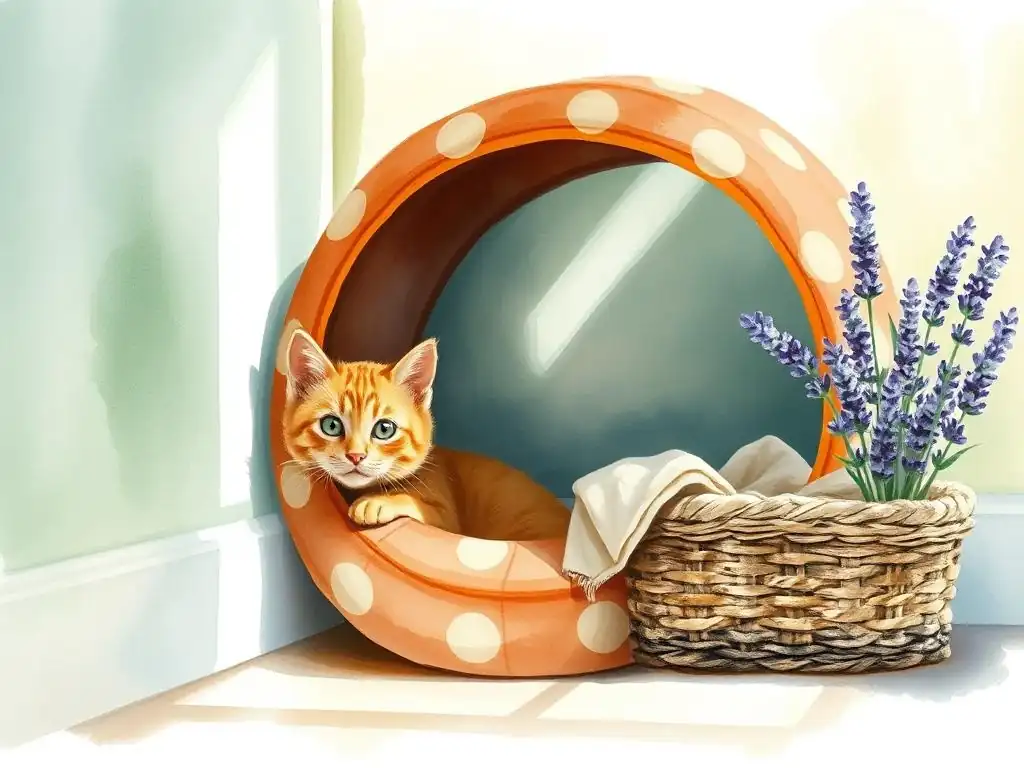
Creating a stimulating and enriching environment for your indoor cat is crucial for their physical and mental well-being. A well-placed cat tunnel and hideaway can significantly contribute to this, providing opportunities for play, exploration, and relaxation. The key is thoughtful placement and design to maximize their appeal and functionality. This section focuses on optimizing your cat's interaction with their new enrichment toys. We'll explore the best placement strategies, considering your cat's personality and your home's layout. The goal is to make the tunnel and hideaway an integral part of your cat's daily routine, enhancing their quality of life.
Placement Strategies for Optimal Cat Engagement
Strategic placement is paramount when introducing a cat tunnel and hideaway. Avoid simply placing it in a corner and hoping for the best! Consider these factors:
- High-traffic areas: Cats often prefer locations where they can observe their surroundings. Placing the tunnel near a window, or in a frequently used room, increases the likelihood of your cat using it. Think of it as prime real estate for feline surveillance! 😼
- Variety of surfaces: Offer a mix of textures. Consider placing the tunnel on a rug, carpet, or even a cat tree, to provide varied sensory experiences. This can make the tunnel more appealing and encourage exploration.
- Multiple access points: If possible, position the tunnel near furniture or other structures that offer alternative entry and exit points. This mimics a natural environment and provides a sense of security.
- Quiet corners: While high-traffic areas can be engaging, also consider providing a quiet, secluded spot for your cat to retreat into the hideaway for rest and relaxation. A balance of stimulation and calm is ideal.
- Experimentation: Every cat is unique. Observe your cat's behavior and adjust the placement accordingly. If they aren't engaging with the tunnel and hideaway, try relocating it to a different spot. You might be surprised by where they choose to play!
Data suggests that cats who have access to multiple enrichment options, including tunnels and hideaways, exhibit less stress-related behaviors and show increased levels of playfulness. This is particularly important for indoor cats who may otherwise lack environmental stimulation.
Enhancing the Appeal with Catnip and Toys
While a well-placed tunnel and hideaway are a great start, adding catnip and toys can dramatically increase their attractiveness and encourage extended playtime. This section focuses on enhancing the sensory experience for your feline friend. The right combination of scents and textures can transform your cat's enrichment center into a veritable paradise!
Enhancing the Appeal with Catnip and Toys
Catnip, a natural herb with captivating effects on many cats, is a powerful tool for boosting engagement. Consider these strategies:
- Strategic placement: Don't just sprinkle catnip randomly. Focus on areas within the tunnel or near the entrance to the hideaway. This encourages exploration and creates a positive association with the space.
- Toy integration: Place small, enticing toys inside the tunnel or near the hideaway. Feather wands, crinkle balls, or even a simple stuffed mouse can work wonders. Rotating toys regularly keeps things interesting and prevents boredom. Think of it as a dynamic, ever-changing play area!
- Scent combinations: Experiment with different scents. Some cats respond better to specific types of catnip, while others might prefer valerian root or silvervine. Observe your cat's preferences and adjust accordingly.
- Safety first: Always supervise your cat when using catnip or toys to ensure they play safely and don't ingest anything harmful.
Combining Tunnels and Hideaways for a Multi-Sensory Experience

Integrating tunnels and hideaways together creates a complex and engaging play environment that caters to a cat's natural instincts. This section explores how to combine these elements for optimal feline enrichment. The goal is to offer a multifaceted play experience, stimulating your cat's senses and promoting healthy behaviors.
Combining Tunnels and Hideaways for a Multi-Sensory Experience
Combining these two elements provides a richer and more stimulating experience:
- Tunnel leading to hideaway: Position the tunnel's exit near the entrance of the hideaway. This creates a sense of adventure and encourages exploration. Think of it as a secret passage leading to a cozy retreat!
- Multiple hideaways: Consider using multiple hideaways of varying sizes and shapes. This provides options for your cat, allowing them to choose their preferred resting spot or play area based on their mood.
- Elevated platforms: Combining the tunnel and hideaway with cat trees or shelves adds vertical dimension, allowing for climbing and observation. This satisfies a cat's natural desire for height and control.
- Texture variation: Use tunnels and hideaways made from different materials (e.g., cardboard, fabric, plush) to create a diverse sensory experience. The varied textures add another layer of stimulation to the enrichment center.
By carefully considering placement, scent, and toy integration, you can create a cat-friendly environment that promotes physical activity, mental stimulation, and overall well-being. Remember, a happy cat is a healthy cat! 🎉
Maintaining Cleanliness and Hygiene in Cat Tunnels and Hideaways
Maintaining a clean and hygienic environment within your cat's tunnel and hideaway is crucial for their health and well-being. Cats are meticulous groomers, but their enclosed spaces can quickly become breeding grounds for bacteria, parasites, and unpleasant odors if not properly cleaned. Regular cleaning prevents the buildup of allergens that can trigger respiratory issues in your feline friend, and it also minimizes the risk of infections. A clean space also encourages your cat to use their tunnel and hideaway more frequently, promoting healthy play and relaxation behaviors.
The frequency of cleaning depends on several factors, including the type of material your cat tunnel is made of, your cat's habits, and the overall cleanliness of your home. However, a good rule of thumb is to thoroughly clean the tunnel and hideaway at least once a week. For frequently used tunnels, more frequent cleaning might be necessary. Spot cleaning, which involves addressing spills or accidents immediately, is also essential to prevent stains and odor buildup.
Cleaning methods vary depending on the material. For fabric tunnels, you can typically machine wash them according to the manufacturer's instructions. Always check the care label before washing, as some materials might require hand washing or special detergents. Air drying is generally preferred to prevent shrinkage or damage.
For cardboard tunnels, spot cleaning with a damp cloth is usually sufficient. Avoid getting the cardboard excessively wet, as this can cause it to weaken and break down. For hard plastic or other durable materials, you can use a mild detergent and a damp cloth or sponge. Always rinse thoroughly and allow to air dry completely.
Disinfectants should be used cautiously. While some disinfectants are safe for pets, others can be toxic if ingested. If you choose to use a disinfectant, ensure it's specifically designed for pet use and follow the manufacturer's instructions carefully. Always rinse thoroughly to remove any residue. Consider using pet-safe enzymatic cleaners to eliminate odors and bacteria effectively.
These cleaners break down organic matter, making them particularly effective in removing unpleasant smells from pet bedding and toys. Remember, thorough rinsing is key to prevent any potential harm to your cat. Always supervise your cat while cleaning and ensure they cannot access any cleaning products. A clean and fresh-smelling hideaway will ensure your cat enjoys its safe space for years to come! 😻
Troubleshooting Common Cat Tunnel and Hideaway Issues
This section addresses frequently encountered problems related to cat tunnels and hideaways, offering practical solutions to ensure your feline friend enjoys their new enrichment toys safely and happily. Understanding and proactively addressing these issues contributes significantly to a positive and enriching experience for your cat. Choosing the right hideaway and understanding your cat's personality are crucial first steps in avoiding many potential problems.
Encouraging Shy Cats to Use Their New Hideaway
Introducing a new cat tunnel or hideaway to a shy or timid cat requires patience and a gentle approach. Sudden changes can be stressful for these felines. Instead of forcing interaction, try these strategies:
- Gradual Introduction: Place the tunnel or hideaway in a quiet, familiar area. Let your cat investigate it at their own pace. Don't push them inside. Simply having it present in their environment is a good first step.
- Positive Reinforcement: Once your cat shows any interest (even just sniffing! ), reward them with treats or praise. Associate the hideaway with positive experiences. This positive reinforcement is key to building a positive association with the new item.
- Scent Familiarization: Rub the tunnel or hideaway with a familiar scent, like a favorite toy or blanket. This helps reduce anxiety by making the new item smell safe and comforting. This is a particularly effective strategy for cats who are highly sensitive to new smells.
- Creating a Safe Space: Ensure the hideaway is placed in a location where your cat feels secure and protected. Avoid placing it in high-traffic areas or near loud noises. Providing a quiet retreat is vital for anxious cats.
- Patience is Key: Some cats may take days, even weeks, to fully accept a new hideaway. Avoid pressure and continue offering positive reinforcement. Remember, building trust takes time.
Occasionally, cats may exhibit destructive behaviors around their tunnels and hideaways. This could manifest as scratching, biting, or even tearing the material. Understanding the underlying causes is crucial for effective intervention:
- Boredom and Lack of Stimulation: If your cat is not getting enough mental and physical exercise, they may resort to destructive behaviors to alleviate boredom. Ensure your cat has plenty of playtime, interactive toys, and scratching posts. Providing adequate enrichment can often resolve this issue.
- Inappropriate Scratching: Cats naturally scratch to maintain their claws and mark their territory. If your cat is scratching the tunnel, provide appropriate scratching surfaces nearby. Consider using catnip spray on a scratching post to attract their attention.
- Material Issues: The material of the tunnel or hideaway may be appealing to your cat's chewing instincts. Opt for durable, high-quality materials that are less likely to be damaged. Consider tunnels made of sturdy fabric or cardboard.
- Underlying Medical Conditions: In rare cases, destructive behavior can be a symptom of underlying medical conditions. If you notice sudden changes in your cat's behavior, consult your veterinarian to rule out any medical causes. This is especially important if the behavior is accompanied by other symptoms.
Dealing with Territorial Disputes Involving Tunnels and Hideaways
Multiple cats in a household can lead to territorial disputes over resources, including tunnels and hideaways. This can result in hissing, fighting, or other aggressive behaviors. Here's how to mitigate these issues:
- Sufficient Resources: Provide multiple tunnels and hideaways, ensuring each cat has its own space to retreat to. This reduces competition and minimizes the likelihood of conflict. Ideally, provide more hideaways than cats.
- Strategic Placement: Place hideaways in different locations throughout the house, allowing cats to claim their own territory without direct confrontation. This reduces the likelihood of territorial clashes.
- Vertical Space: Utilize vertical space with cat trees or shelves, offering alternative hiding spots and reducing ground-level competition. Vertical space is often less contested than horizontal space.
- Positive Reinforcement: Reward positive interactions between cats, such as peaceful co-existence near the hideaways. Positive reinforcement helps foster a more harmonious environment.
- Feliway Diffuser: Consider using a Feliway diffuser to reduce stress and anxiety in multi-cat households. This pheromone-based product can help create a more calming atmosphere. Feliway is often effective in reducing territorial disputes.
Remember, consistent observation and patience are crucial in addressing any issues related to cat tunnels and hideaways. By understanding your cat's behavior and providing appropriate solutions, you can ensure a happy and enriching environment for your feline companion.
The Best Cat Tunnel Hideaway Guide: Top Picks and Reviews

This section dives deep into the world of cat tunnels and hideaways, offering detailed reviews and comparisons to help you choose the perfect enrichment product for your feline friend. We'll explore various materials, designs, and features to help you find the best cat tunnel hideaway for your cat's unique personality and needs. Remember, a stimulating environment is crucial for indoor cats to prevent boredom and encourage natural behaviors.
Finding the right hideaway can significantly improve your cat's overall well-being and happiness. This guide focuses on providing you with the information needed to make an informed decision, ensuring your cat enjoys hours of playful exploration and safe, cozy retreats.
Top-Rated Cardboard Cat Tunnels: Reviews and Comparisons
Cardboard cat tunnels offer a fantastic, affordable, and eco-friendly option for enriching your cat's indoor environment. Their simple design often appeals to cats who enjoy exploring confined spaces. However, durability is a key consideration. Here's a comparison of some top-rated options:
| Product Name | Price Range | Durability | Features | Pros | Cons |
|---|---|---|---|---|---|
| Brand A Cardboard Tunnel | $10 - $20 | Moderate | Collapsible design, multiple openings | Affordable, easy to store, simple to assemble | Can tear easily with rough play, short lifespan |
| Brand B Crinkle Tunnel | $15 - $25 | Low | Crinkle paper lining, single opening | Engaging texture, stimulates play | Very fragile, prone to tearing and damage |
| Brand C Sturdy Tunnel | $25 - $35 | High | Reinforced cardboard, multiple openings, longer | More durable, withstands rough play, longer lasting | More expensive than other cardboard options |
Remember to supervise your cat's playtime, especially with cardboard tunnels, to prevent accidental damage or ingestion of small pieces. Some cats may even enjoy destroying their cardboard tunnel as part of the fun! This can be a positive sign that they are engaged with the toy, but you may need to replace it more frequently. Choosing a more durable option, like Brand C, might be worthwhile if your cat is a particularly enthusiastic chewer.
Top-Rated Fabric Cat Tunnels: Reviews and Comparisons
Fabric cat tunnels offer a more durable and often more visually appealing alternative to cardboard. They're available in a wide range of colors, patterns, and designs, allowing you to choose a tunnel that complements your home décor. However, the material's susceptibility to scratching and wear should be considered.
Here's a quick comparison:
- Durable Fabric Tunnels: These tunnels utilize sturdy fabrics like canvas or polyester, offering greater resistance to wear and tear. They often feature reinforced stitching and may include additional features like interactive toys or peek-a-boo windows. Expect a higher price point, reflecting their increased longevity.
- Soft Fabric Tunnels: Made from softer materials like fleece or plush fabrics, these tunnels are incredibly comfortable for cats to snuggle in. However, they are generally less durable and may not withstand aggressive play as well. These are often preferred by cats who value comfort over durability.
Choosing between these options depends entirely on your cat's personality and play style. A playful, energetic cat may benefit from a durable fabric tunnel, while a more relaxed cat might prefer the comfort of a softer option. Consider your cat's temperament and habits when making your selection. Regular cleaning is recommended for both types of fabric tunnels to maintain hygiene.
Top-Rated Multi-Level Cat Trees with Tunnels: Reviews and Comparisons
For cats who crave both vertical and horizontal exploration, a multi-level cat tree with integrated tunnels provides the ultimate in enrichment. These structures combine the fun of a tunnel with the climbing and perching opportunities of a cat tree, creating a stimulating environment that caters to a cat's natural instincts.
The features to consider include:
- Number of levels: More levels offer more climbing and exploration opportunities.
- Tunnel design: Consider the length, diameter, and number of openings in the tunnel. Some tunnels are straight, while others offer twists and turns for added intrigue.
- Material: Look for sturdy materials that can withstand your cat's weight and activity level. Consider the stability and durability of the entire structure.
- Scratching posts: Integrated scratching posts help satisfy your cat's scratching instinct and protect your furniture.
- Perches and platforms: Look for comfortable perches and platforms where your cat can relax and observe its surroundings.
Investing in a high-quality multi-level cat tree with a tunnel is a significant investment but can provide years of enjoyment for your cat. It's a fantastic solution for cats who need ample space to play, climb, and relax. Thorough research and reading reviews are crucial before making a purchase to ensure you select a safe and durable product that meets your cat's specific needs. Consider the size of your cat and the available space in your home before making a final decision.
Beyond the Basics: Advanced Cat Enrichment Ideas
This section delves into sophisticated strategies for enriching your cat's indoor life, moving beyond the simple provision of toys and scratching posts. A truly stimulating environment considers your cat's natural instincts – hunting, exploring, and hiding – and provides opportunities to satisfy these needs in creative ways. Failing to provide adequate enrichment can lead to behavioral problems such as excessive vocalization, destructive scratching, or even aggression. Understanding your cat's individual personality and preferences is crucial in tailoring the perfect enrichment plan. We'll explore how to create a multifaceted environment that keeps your feline companion happy, healthy, and engaged.
Creating a Stimulating Indoor Environment for Cats
Creating a stimulating indoor environment for your cat involves more than just scattering toys around the house. It's about crafting a space that mimics the natural world, providing opportunities for exploration, climbing, hiding, and hunting. Consider the following elements:
- Vertical Space: Cats are natural climbers. Utilize vertical space with cat trees, shelves, and window perches. This allows them to survey their territory and feel secure. The height variation itself provides a stimulating experience.
- Hiding Places: Provide ample hiding spots, such as cardboard boxes, cat beds, or purpose-built cat caves. Cats need safe spaces to retreat to when feeling overwhelmed or stressed. This innate need for security is a key component of feline well-being.
- Sensory Stimulation: Incorporate different textures and scents. Consider catnip toys, scratching posts made of various materials (sisal, carpet, cardboard), and even strategically placed aromatic plants (ensure they are non-toxic to cats!). This variety keeps their senses engaged and prevents boredom.
- Rotating Toys: Avoid leaving all toys out at once. Rotate toys regularly to maintain their novelty and keep your cat interested. Putting away some toys and bringing out others every few days can significantly boost engagement. Think of it as a surprise treasure hunt!
- Environmental Enrichment: Consider adding elements like bird feeders (visible from inside, but out of reach), a small water feature (a bird bath or fountain), or even a window perch overlooking a bird feeder to stimulate their hunting instincts.
Integrating Cat Tunnels and Hideaways into a Larger Play Area
Cat tunnels and hideaways shouldn't exist in isolation. They are most effective when integrated into a larger, more complex play area. Imagine a network of interconnected tunnels, leading to various hiding spots and elevated platforms. This creates a challenging and engaging environment that keeps your cat mentally and physically stimulated.
Think of it like this: a cat tunnel could lead to a cat tree, which then provides access to a high perch overlooking a window. From the perch, another tunnel could lead to a cozy cat cave hidden under a piece of furniture. This intricate system encourages exploration and problem-solving. The more complex the environment, the more your cat will engage with it.
The key is to create a sense of discovery. Don't just place the tunnel and hideaway randomly; strategically position them to encourage exploration and interaction. Consider using different types of tunnels – long, short, straight, curved – to add variety and challenge. You can even add interactive toys inside the tunnels to further incentivize their use. Data suggests that cats who have access to complex play areas exhibit fewer behavioral problems.
Enhancing Cat Play with Interactive Toys and Puzzles
Interactive toys and puzzles are excellent additions to a cat's enriched environment, especially when combined with tunnels and hideaways. These toys encourage problem-solving and keep your cat mentally stimulated.
- Treat Dispensing Toys: These toys require your cat to work for their food, mimicking their natural hunting behavior. This is a fantastic way to combat boredom and provide mental stimulation. The effort involved in obtaining a reward is satisfying for cats.
- Puzzle Feeders: These are a more advanced form of treat dispensing toy, often requiring multiple steps or actions to access the food. This provides a greater mental challenge and can be particularly beneficial for intelligent or easily bored cats. The level of difficulty can be adjusted based on your cat's abilities.
- Interactive Wand Toys: These toys allow you to engage in playful interaction with your cat, mimicking the chase and pounce of a hunting scenario. Regular interaction strengthens your bond with your cat and provides valuable exercise. This is especially crucial for indoor cats who might otherwise lack sufficient physical activity.
Remember, the best "best cat tunnel hideaway guide" isn't just about the tunnels and hideaways themselves; it's about creating a holistic environment that caters to your cat's natural instincts and provides ample opportunities for play, exploration, and relaxation. By combining these elements, you can create a stimulating and enriching home for your feline companion, leading to a happier, healthier, and better-behaved cat. 😻
Frequently Asked Questions
What makes a cat tunnel a good hideaway?
Cat tunnels offer security and privacy, appealing to a cat's natural instincts. The enclosed space provides a safe haven from perceived threats, reducing stress and anxiety. Many cats enjoy the dark, enclosed environment for napping or playing.
What are the benefits of using a cat tunnel hideaway?
Cat tunnels offer physical and mental enrichment. They encourage physical activity through exploration and play, while also providing a stress-reducing retreat. This can lead to a happier, healthier cat.
What materials are best for a cat tunnel hideaway?
Durable, easy-to-clean materials are ideal. Look for washable fabrics or durable materials that can withstand scratching and play. Avoid materials that could be easily torn or present a choking hazard.
How do I choose the right size cat tunnel hideaway?
The size of your cat is a crucial factor. A tunnel that's too small will be cramped, while one that's too large might feel insecure. Consider your cat's breed and size when making your selection.
How can I encourage my cat to use their new cat tunnel hideaway?
Try placing treats or toys inside the tunnel to entice your cat. You can also gently guide your cat towards the entrance. Positive reinforcement and patience are key to success.
Final Reflection: Unlocking Feline Happiness Through Understanding
The pursuit of the perfect cat tunnel and hideaway is more than just a quirky hobby; it's a key to understanding and enriching the lives of our feline companions. Providing safe, stimulating spaces directly impacts their well-being, reducing stress and fostering a sense of security that translates into a happier, healthier cat. This isn't just about convenience; it's about creating a truly enriching environment.
The impact of providing enriching environments for cats is profound, extending far beyond simply satisfying their innate hunting and exploring instincts. It's about recognizing their individual personalities and needs, fostering a deeper bond between pet and owner. As the renowned animal behaviorist, Jackson Galaxy, once said, Cats don't need us to be their friends, they need us to be their caretakers.
Understanding their need for safe spaces, places to retreat and observe, is a crucial part of that caretaking. This understanding allows us to build stronger relationships based on mutual respect and understanding.
Now, consider your own cat. What kind of hideaway would best suit their personality? Do they prefer a snug, enclosed space or a more open tunnel for exploration? Take the time to observe their behavior, learn their preferences, and create a space that truly caters to their unique needs. This guide is not just a list of products; it's a roadmap to a deeper understanding of your feline friend, leading to a richer, more rewarding relationship. Embrace the journey of discovery, and watch as your cat thrives in the environment you create.
Unleash Your Cat's Inner Explorer!
Thanks for exploring the world of cat tunnels and hideaways with us! We hope you've found the perfect way to enrich your feline friend's life. Ready to put your newfound knowledge into action?
- Design and build your cat's dream tunnel: Use cardboard boxes, blankets, or even repurposed fabric – let your creativity shine! Create a personalized adventure your cat will love.
- Share your creation: Show us your homemade masterpiece! Post a picture on PetCareWorld's social media using #CatTunnelChallenge – let's inspire other cat owners!
- Enhance your cat's play area: Consider adding a scratching post nearby or placing a fun toy inside the tunnel to encourage exploration.
What exciting features will you include in your cat's new secret hideout? Let us know your ideas in the comments!