How Raw Food Can Improve Your Cat’s Coat and Skin Health
😊Discover the transformative power of raw cat food coat benefits! PetCareWorld reveals how a raw food diet can dramatically improve your feline…
Read article
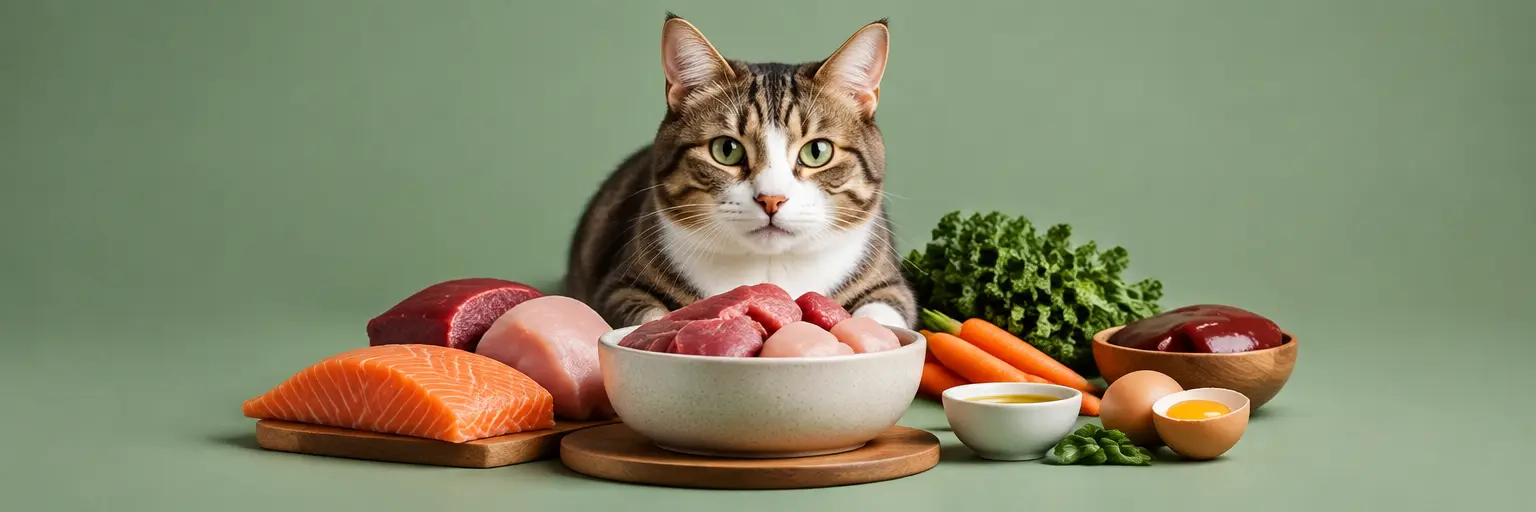
Thinking about switching your feline friend to a raw food diet? You’re not alone—many cat parents are exploring this natural approach to nutrition to better mirror what cats would eat in the wild. A raw diet for cats typically consists of uncooked muscle meat, organ meats, and bones, offering a species-appropriate meal packed with high-quality protein, essential amino acids like taurine, and natural moisture. This can contribute to shinier coats, better dental health, improved digestion, and increased energy levels. However, making the transition isn’t just about placing a piece of chicken in the bowl; it requires careful planning to ensure nutritional balance and safety. Without proper ratios of meat, bone, and organs, your cat could miss out on vital nutrients. Moreover, handling raw meat demands strict hygiene practices to prevent bacterial contamination for both you and your pet. From understanding whether to choose a commercially prepared frozen blend or a homemade recipe, to gradual transition methods and potential health risks, this guide helps you weigh the pros and cons.

😊Discover the transformative power of raw cat food coat benefits! PetCareWorld reveals how a raw food diet can dramatically improve your feline…
Read article
🤔 Discover the truth about feeding your cat raw food. PetCareWorld reveals the potential dangers of cat raw food salmonella risk, offering…
Read article
🤔 Discover the potential upsides and downsides of raw cat food diets. PetCareWorld explores the nutritional benefits and health risks associated with…
Read articleAre you considering switching your feline friend to a raw food diet? At PetCareWorld, we understand that transitioning from kibble to raw is a significant and often daunting step for any cat owner. This subcategory is dedicated to demystifying the raw food movement, focusing on species-appropriate nutrition, safety protocols, and practical transition strategies. Whether you are a seasoned raw feeder or a curious newcomer, our curated content delivers expert-backed insights to help you make informed decisions for your cat's health and vitality. Explore our guides to unlock the potential of a biologically appropriate diet, ensuring your cat thrives with more energy, healthier skin, and optimal digestion.
Raw food diets for cats are built on the premise that domestic felines share 99.5% of their DNA with their wild ancestors, whose diet consisted of whole prey—muscle meat, organs, bone, and minimal plant matter. Our articles break down the essential nutrients required, such as taurine, arginine, arachidonic acid, and high-quality protein, explaining why these are abundant in raw tissue but often require synthetic fortification in processed foods. We clarify the balance between muscle meat, secreting organs (liver and kidney), and edible bone to create a complete and balanced meal, helping you replicate nature’s blueprint in your kitchen.
Furthermore, we delve into the differences between prey-model, whole-prey, and commercial raw (frozen or freeze-dried) diets. You will learn how raw food supports hydration, as raw meat contains approximately 70% moisture, which is crucial for preventing chronic dehydration-related issues like kidney disease and urinary tract crystals. We also address common misconceptions about protein levels in raw diets versus kibble, providing scientific references to reassure you that a properly formulated raw diet meets—and often exceeds—all AAFCO and FEDIAF nutritional standards for feline growth and maintenance.
Many pet owners report dramatic improvements in their cats' overall well-being after switching to raw food, and our content validates these claims with anecdotal evidence and veterinary insights. One of the most visible benefits is a luscious, glossy coat and reduced skin inflammation, attributed to the natural balance of omega-3 and omega-6 fatty acids in raw meat and prey. We also highlight how raw diets improve dental health—chewing on raw meaty bones naturally reduces plaque and tartar buildup, decreasing the need for professional dental cleanings under anesthesia.
Digestive health is another cornerstone of raw feeding. Cats digest raw protein and fat more efficiently than cooked carbohydrates, leading to smaller, less odorous stools and improved nutrient absorption. For cats suffering from chronic diarrhea, inflammatory bowel disease (IBD), or food allergies, a novel-protein raw diet often provides relief when commercial hypoallergenic foods fail. Our guides also cover the potential benefits for overweight cats, as the high-protein, low-carbohydrate profile promotes satiety and lean muscle mass, helping maintain a healthy weight without strict calorie restriction.
Handling raw meat correctly is paramount to prevent foodborne illnesses both for your cat and your family. Our subcategory provides step-by-step guidelines on safe thawing, preparation, storage, and feeding practices, including using separate cutting boards, sanitizing surfaces, and keeping raw portions refrigerated or frozen until just before serving. We discuss the risks of common pathogens like Salmonella, Listeria, and E. coli, and explain why healthy cats with robust stomach acid (pH 1-2) are naturally more resistant to these bacteria than humans or dogs.
We also address concerns about parasitic threats, such as Toxoplasma gondii, and how freezing meat at -4°F ( -20°C ) for at least 72 hours can inactivate many parasites, though not all. For those feeding whole prey like mice or chicks, we provide sourcing recommendations from reputable suppliers who practice rigorous health controls. Additionally, we emphasize the importance of sourcing high-quality, human-grade meats from trusted butchers or online raw food companies, avoiding processed meats with additives. Our content also covers the needs of immunocompromised cats, kittens, and senior cats, offering tailored safety precautions to ensure raw feeding is safe for every life stage.
Switching your cat from a dry or wet commercial diet to raw requires patience and a systematic approach to avoid digestive upset. Our transition guides outline several proven methods: the cold-turkey approach (ideal for young, healthy cats), the gradual mixing method (over 7-14 days), and the fasting method (skipping one meal before offering raw). We provide specific ratios for each day, such as starting with 10% raw mixed into 90% old food, then progressively increasing the raw portion. We also address the common issue of cats refusing raw food initially, offering tips on warming the meat slightly, adding fish oil or bonito flakes, and using food puzzles to make the meal more enticing.
Monitoring your cat’s response during the transition is crucial. We help you distinguish between normal temporary loose stools (due to changes in gut bacteria) and concerning symptoms like vomiting or lethargy. You will learn how to adjust the protein source, bone content, or meal frequency based on your cat's individual tolerance. We also cover the topic of “transitional fasting” for stubborn cats and stress the importance of staying consistent without giving in to hunger strikes, so you can succeed without reverting to unhealthy feeding patterns. Our success stories and troubleshooting FAQs provide real-world solutions for every hurdle you might encounter.
One of the biggest dilemmas for new raw feeders is whether to prepare meals at home or purchase commercial raw products. Our subcategory offers a detailed cost-benefit analysis, comparing the price per pound of DIY raw versus premium frozen raw patties or freeze-dried options. We break down the initial investment in equipment (meat grinder, freezer space, and supplement powders) and ongoing costs, while also evaluating time commitment—DIY may save money but requires hours of preparation weekly. Conversely, commercial raw offers convenience but at a higher price point, and we review top brands for quality, ingredient sourcing, and recall history.
For DIY enthusiasts, we provide sample recipes for both simple (chicken-only) and complex (prey-model) formulations, complete with precise muscle-to-organ-to-bone ratios. We stress the importance of using complete supplement mixes (like Alnutrin or Know Better) to ensure nutritional balance if you don't feed whole prey. For those choosing commercial raw, we highlight how to read labels, avoid misleading claims, and select formulas that include whole meat, organs, and ground bone without unnecessary vegetable fillers. We also cover frozen raw vs. freeze-dried rehydrated options, helping you decide what suits your lifestyle, storage space, and your cat's picky palate.
Yes, when properly formulated, raw food is safe and highly beneficial for kittens over 8 weeks old. Kittens require higher phosphorus and calcium for bone growth, so a balanced prey-model raw diet with ground bone is ideal. Always transition gradually and choose high-quality, human-grade proteins. Consult your veterinarian to ensure your kitten's specific growth rate and health history are considered before starting.
Generally, yes, but you must choose fresh, human-grade, whole muscle cuts, and avoid processed meats like sausages or deli slices. Look for organic or pasture-raised options to minimize antibiotic and hormone residues. Freeze the meat for 72 hours at -4°F to kill parasites, and follow strict hygiene protocols during preparation. Avoid meat with added salt, flavorings, or preservatives.
Freshly prepared raw food can be stored in the refrigerator for up to two days at temperatures below 40°F. After that, it should be discarded or frozen. For thawing, always move raw portions from the freezer to the fridge overnight, never on the counter. Once thawed, do not refreeze, as this increases bacterial growth and reduces nutrient quality.
Symptoms of food allergies in cats include itching, excessive scratching, red or inflamed ears, gastrointestinal issues like vomiting or diarrhea, and sometimes respiratory signs. If you suspect an allergy, switch to a different novel protein source (e.g., rabbit, duck, venison) for at least 8 weeks. Observe improvements gradually; if symptoms persist, consult your vet to rule out other causes.
Yes, but with careful management. Raw diets are low in carbohydrates and high in moisture, which can be beneficial for kidney health. However, you must monitor phosphorus and protein levels, as high protein might be problematic for advanced kidney disease. Work with your veterinarian to formulate a low-phosphorus raw recipe using eggshell calcium or bone meal instead of whole bone, and ensure adequate hydration through broths or watery meats.







