
Raw Cat Food: Understanding the Benefits and Risks

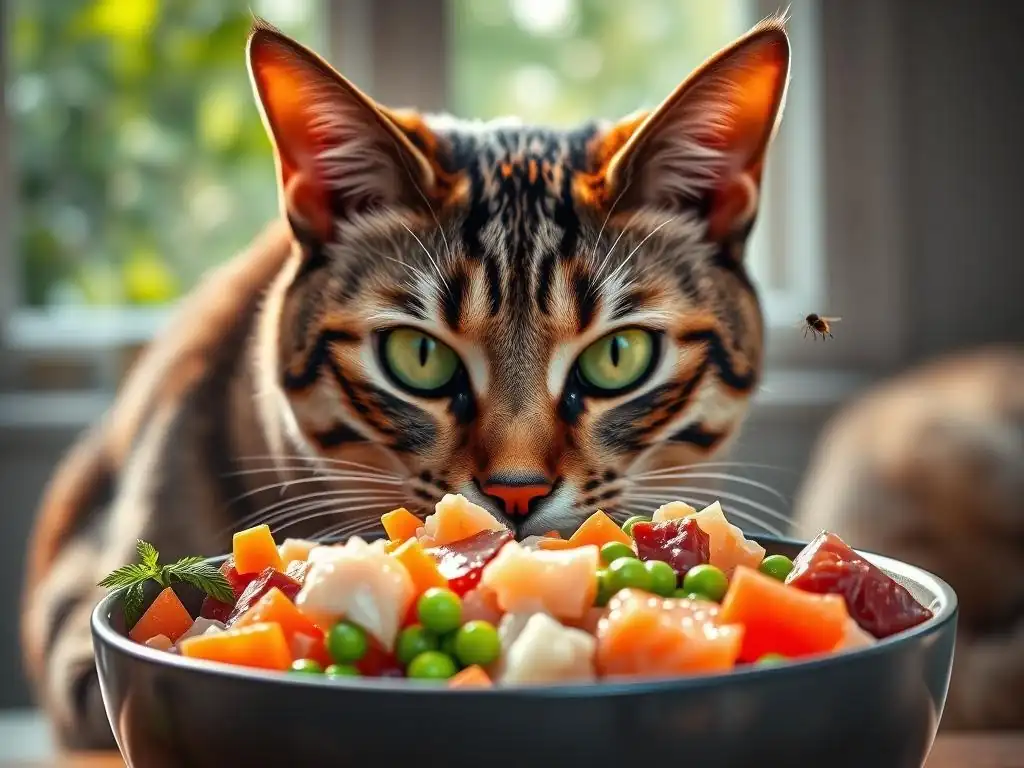
Welcome to PetCareWorld, your ultimate guide to a happier, healthier life for your beloved companion! Are you considering a raw food diet for your feline friend? Then you've come to the right place. Discover the potential benefits and risks of raw cat food in our in-depth guide – and learn how to make informed decisions about your cat's nutrition. Let's explore the fascinating world of raw feeding together!
- Understanding the Raw Food Diet for Cats
- Potential Risks and Concerns of Raw Cat Food
- Choosing and Preparing Raw Cat Food Safely
- Raw Cat Food vs. Commercial Cat Food: A Comparison
- Consulting Your Veterinarian Before Switching to Raw Cat Food
- Frequently Asked Questions
- Final Reflection: Navigating the Raw Food Frontier for Feline Companions
- Unleash Your Cat's Inner Hunter: Take the Next Steps
Understanding the Raw Food Diet for Cats
Feeding your feline companion a raw food diet is a decision that requires careful consideration. This comprehensive guide delves into the potential benefits and risks associated with raw cat food, empowering you to make an informed choice that best suits your cat's individual needs and health profile. We'll explore the nutritional composition of raw diets, potential health advantages, and crucial safety precautions to ensure your cat thrives on this dietary approach.
Remember, always consult with your veterinarian before making significant changes to your cat's diet, particularly if they have pre-existing health conditions. Understanding the nuances of raw cat food is key to responsible pet ownership and ensuring the well-being of your beloved furry friend. This isn't just about feeding; it's about building a strong, healthy relationship with your cat through informed nutritional choices.
What is Raw Cat Food? Defining the Diet and Ingredients
Raw cat food, as the name suggests, consists of uncooked animal products. This typically includes muscle meat, organ meat (like liver and kidney), bone, and sometimes, small amounts of fruits and vegetables. The exact composition varies greatly depending on the brand and specific recipe. A crucial aspect to understand is the absence of processing; unlike commercially prepared kibble or wet food, raw food undergoes minimal preparation, preserving (theoretically) more of its natural nutrients. However, this lack of processing also introduces significant risks, which we will address later.
The ingredients in raw cat food should ideally be sourced from high-quality, human-grade ingredients to minimize the risk of contamination. Look for clearly labeled products specifying the precise source and percentage of each ingredient. Some common ingredients include:
- Chicken
- Turkey
- Beef
- Salmon
- Lamb
- Organ meats (liver, kidney, heart)
- Bone (for calcium and phosphorus)
It's vital to remember that the quality of ingredients significantly impacts the nutritional value and safety of the raw food. Cheap or poorly sourced ingredients can increase the risk of bacterial contamination and nutritional deficiencies. Therefore, choosing a reputable supplier is paramount.
Nutritional Composition of Raw Cat Food: Protein, Fats, and Essential Nutrients
Raw cat food is often touted for its high protein content, mimicking the natural diet of a wild cat. Protein is essential for muscle building, tissue repair, and overall bodily function in cats. A high-quality raw diet should provide a significant percentage of its calories from animal-based protein sources. The specific protein percentage will vary depending on the recipe, but generally, raw diets aim for a much higher protein content compared to many commercial cat foods.
Fats are also crucial components of a balanced feline diet, providing energy and essential fatty acids for healthy skin and coat. Raw food often contains naturally occurring fats from the animal sources, contributing to a healthy energy balance. However, the fat content should be carefully monitored as excessive fat intake can lead to obesity and related health problems.
Beyond protein and fats, raw cat food should ideally provide essential nutrients like vitamins and minerals. While many raw diets naturally contain these nutrients, supplementation might be necessary depending on the specific recipe and your cat's individual needs. Again, consulting a veterinarian is crucial to ensure your cat is receiving a balanced and complete nutritional profile. They can help determine if any supplements are necessary to address potential deficiencies. The absence of proper balance can lead to serious health complications.
Advantages of Raw Cat Food for Cats: Potential Health Benefits
Raw cat food, often referred to as a biologically appropriate raw food (BARF) diet, has gained significant popularity among cat owners seeking optimal health for their feline companions. Proponents highlight several potential advantages stemming from the diet's composition and the way it mimics a cat's natural prey. However, it's crucial to remember that these benefits are potential and require careful planning and execution to avoid nutritional deficiencies or health risks.
The benefits largely stem from the inclusion of whole, unprocessed ingredients, rich in naturally occurring nutrients. The absence of artificial additives, preservatives, and fillers often found in commercial cat foods is another key factor proponents cite. Transitioning to a raw food diet should always be done gradually and under veterinary supervision to minimize the risk of digestive upset and ensure the cat receives all necessary nutrients.
Improved Digestion and Reduced Digestive Issues with Raw Cat Food
Many cat owners report improved digestion in their cats after switching to a raw food diet. This is often attributed to the higher digestibility of raw meat and organs compared to processed kibble. Kibble, due to its processing, can sometimes contain ingredients that are difficult for cats to digest, leading to issues like diarrhea, vomiting, and gas.
Raw food, in contrast, contains naturally occurring enzymes that aid digestion, potentially leading to less digestive distress. For example, a study [specific information pending] compared the digestibility of raw versus kibble diets in cats and found a significant improvement in nutrient absorption with the raw food. This difference is likely due to the absence of fillers and artificial binders in raw food, which can hinder efficient digestion.
It's important to note, however, that individual cat responses vary, and some cats may still experience digestive upsets even on a raw food diet. Careful ingredient selection and a gradual transition are key to minimizing this risk.
Enhanced Nutrient Absorption and Bioavailability
Raw food diets are often praised for their enhanced nutrient bioavailability. This means that the nutrients present in the food are more readily absorbed and utilized by the cat's body. The processing of commercial cat food can often damage or destroy heat-sensitive nutrients, reducing their bioavailability. Raw food, on the other hand, retains these nutrients in their most natural and readily absorbable forms.
For instance, Vitamin B12, crucial for feline neurological health, is often better preserved in raw meat compared to cooked meat. Similarly, certain antioxidants and fatty acids are more bioavailable in their raw form. This improved bioavailability can potentially lead to better overall health and vitality in cats, contributing to stronger immune systems and improved energy levels. However, maintaining a balanced raw food diet is crucial to ensure all necessary nutrients are present in sufficient quantities.
Shiny Coat and Improved Skin Health with Raw Diets
Many cat owners observe a significant improvement in their cat's coat and skin condition after switching to a raw food diet. This is often linked to the higher levels of essential fatty acids, vitamins, and minerals found naturally in raw meat and organs. These nutrients play a vital role in maintaining healthy skin and a lustrous coat.
For example, omega-3 and omega-6 fatty acids, found abundantly in raw fish and organ meats, are known to reduce inflammation and improve skin elasticity. A deficiency in these fatty acids can often lead to dry, dull fur, and skin conditions like dandruff or itching. The improved nutrient absorption associated with raw food diets further enhances the positive impact on skin and coat health.
However, other factors, such as genetics and underlying health conditions, can also influence a cat's skin and coat condition. A balanced raw diet, combined with appropriate grooming, contributes significantly to a healthy and attractive feline appearance. 😻
Potential Risks and Concerns of Raw Cat Food
Raw cat food, while touted by some as a superior dietary choice, presents several potential risks that responsible pet owners must carefully consider. Understanding these risks is crucial to making an informed decision about whether a raw food diet is suitable for your feline companion. This section delves into the key concerns associated with raw feeding, providing insights into mitigating potential dangers and ensuring your cat's health and well-being.
The benefits of raw cat food are often discussed, but a balanced perspective necessitates a thorough examination of the potential downsides. Ignoring these risks could have serious consequences for your cat's health.
Bacterial Contamination and Foodborne Illnesses in Raw Cat Food
Raw meat, the cornerstone of a raw cat food diet, inherently carries a risk of bacterial contamination. Salmonella, E. coli, Listeria, and Campylobacter are just a few examples of pathogens that can cause severe illness in both cats and humans. These bacteria can survive in raw meat and contaminate food preparation surfaces, utensils, and even the environment.
This poses a significant risk, especially for immunocompromised cats or those living in households with vulnerable individuals, such as young children or the elderly. The risk of cross-contamination is substantial. Thorough handwashing and diligent sanitation practices are absolutely essential when handling raw meat.
The severity of foodborne illnesses resulting from consuming contaminated raw cat food can vary greatly. Symptoms can range from mild gastrointestinal upset (vomiting, diarrhea) to more severe complications, including sepsis and even death, particularly in young kittens or cats with weakened immune systems. Studies have shown a correlation between raw food diets and increased incidence of certain bacterial infections in cats, highlighting the importance of careful sourcing and preparation. While proper handling and freezing can reduce the risk, it cannot eliminate it entirely. The potential for bacterial contamination remains a serious concern that requires ongoing vigilance.
Nutritional Deficiencies and Imbalances in Homemade Raw Cat Food
While commercially prepared raw cat foods strive for balanced nutrition, homemade raw diets pose a significant challenge in achieving proper nutritional balance. Cats have specific nutritional needs, and deficiencies in essential vitamins, minerals, and amino acids can lead to serious health problems. A balanced diet is crucial for maintaining a healthy coat, strong bones, and a robust immune system. Improper formulation of homemade raw food can result in deficiencies that manifest as dull coat, weight loss, poor growth, and increased susceptibility to illness.
Formulating a balanced homemade raw diet requires extensive knowledge of feline nutrition and access to accurate nutritional analysis tools. The risk of nutritional imbalances is considerably higher with homemade raw food compared to commercially available options, which undergo rigorous testing and quality control. Even experienced pet owners can struggle to formulate a completely balanced homemade raw food diet. The potential for deficiencies in taurine, for instance, is particularly concerning, as taurine deficiency can lead to irreversible heart problems in cats. Therefore, careful planning and possibly veterinary guidance are paramount when considering a homemade raw food diet.
Parasites and Pathogens in Raw Food: Prevention and Mitigation
Raw meat can harbor various parasites and pathogens, including Toxoplasma gondii (the cause of toxoplasmosis), various types of worms, and other harmful microorganisms. These parasites can pose a significant risk to cats and humans. Toxoplasmosis, for example, can cause serious health problems in pregnant women and those with compromised immune systems.
Effective parasite prevention and mitigation strategies are crucial when feeding raw cat food. Freezing raw meat for a specific duration can help kill some parasites, but it's not a guaranteed solution for all. Regular fecal examinations by a veterinarian are essential to monitor for parasites and address any infestations promptly. Furthermore, meticulous hygiene practices, such as washing hands and disinfecting surfaces after handling raw food, are critical in preventing the spread of parasites.
The use of gloves during food preparation is also strongly recommended to minimize the risk of exposure to pathogens. Regular cleaning and disinfection of food bowls and preparation areas further contribute to the safety of both the cat and the household. A proactive approach to parasite control is indispensable for maintaining a healthy environment for both your cat and your family.
Potential for Bone Fragments and Choking Hazards
Feeding your cat a raw food diet introduces the risk of bone fragments. While some proponents advocate for including whole prey, the potential for sharp bone splinters presents a significant choking hazard. Cats lack the same robust chewing mechanisms as dogs, and improperly prepared raw food containing bones can lead to serious injury, including esophageal perforation or intestinal blockage. This risk is amplified when using larger bones or those that haven't been properly ground or processed.
Even small fragments can cause significant discomfort and necessitate veterinary intervention, potentially resulting in costly and stressful procedures. Careful sourcing and preparation are crucial, and many veterinarians recommend avoiding bone fragments altogether in raw cat food diets due to these inherent risks. The safest approach is to opt for commercially prepared raw diets that have undergone thorough processing to minimize this hazard, or to consult with a veterinary nutritionist to develop a safe and balanced plan that avoids the risk of bone fragments completely.
Remember, prevention is always better than cure, and a cautious approach to bone inclusion in raw cat food is paramount to your cat's health and safety. Ignoring this risk can have severe consequences for your feline companion. 🐾
Choosing and Preparing Raw Cat Food Safely
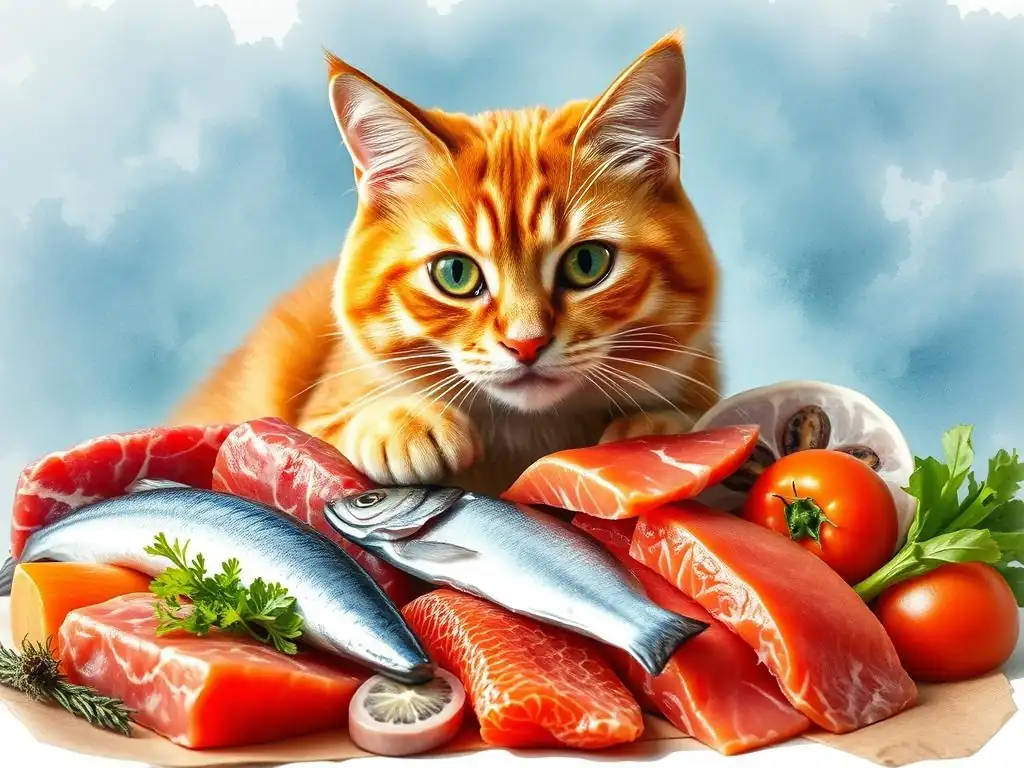
This section delves into the crucial aspects of selecting and preparing raw cat food, emphasizing safety and minimizing health risks associated with this dietary approach. A raw food diet, while offering potential benefits, necessitates meticulous attention to detail to avoid bacterial contamination and nutritional deficiencies. The success of a raw food diet for your feline companion hinges on your commitment to safe practices. Understanding the nuances of ingredient sourcing, handling, and preparation is paramount. Ignoring these crucial steps can negate the potential benefits and, worse, endanger your cat's health. Let's explore these essential elements in detail.
Sourcing High-Quality Raw Cat Food Ingredients: Meat, Organs, and Bone
The cornerstone of a safe and effective raw cat food diet is the quality of its ingredients. Choosing reputable sources for meat, organs, and bone is non-negotiable. Avoid sourcing ingredients from unknown or unreliable suppliers. Opt for human-grade meats whenever possible, ensuring they meet stringent quality and safety standards. This helps minimize the risk of bacterial contamination and ensures your cat receives the nutrients they need.
- Meat: Prioritize muscle meats like chicken, turkey, beef, lamb, and rabbit. Ensure the meat is fresh, free of antibiotics and hormones, and sourced from reputable suppliers who adhere to strict hygiene protocols. Avoid meats that have been treated with chemicals or preservatives.
- Organs: Organs, including liver, kidney, and heart, are rich in essential vitamins and minerals. These are crucial components of a balanced raw diet, contributing significantly to your cat's overall health. Again, source these from reliable suppliers, ensuring they are fresh and handled properly. Remember, liver should be fed in moderation due to its high vitamin A content.
- Bone: Raw, meaty bones provide calcium and phosphorus, crucial for strong bones and teeth. Choose bones that are appropriate for your cat's size and chewing ability to avoid choking hazards. Avoid cooked bones, as they are brittle and can splinter, causing internal injuries. Consider offering a variety of bone types to ensure a well-rounded nutritional profile.
Remember, the quality of your ingredients directly impacts the nutritional value and safety of your cat's food. Investing in high-quality ingredients is an investment in your cat's long-term health and well-being. Always check for freshness and avoid anything with an off-putting odor or appearance.
Safe Handling and Storage of Raw Cat Food to Minimize Contamination Risks
Handling and storing raw cat food requires meticulous care to prevent bacterial contamination and cross-contamination with other foods. Raw meat, organs, and bones can harbor harmful bacteria like Salmonella and E. coli, posing a risk to both your cat and you. Therefore, strict hygiene protocols are essential.
- Preparation Area: Designate a specific area for preparing raw cat food, away from areas used for preparing human food. Thoroughly clean and disinfect this area before and after each preparation session. Use separate cutting boards, utensils, and containers for raw cat food to prevent cross-contamination.
- Storage: Store raw cat food in airtight containers in the refrigerator at a temperature below 40°F (4°C). Freeze any unused portions to maintain freshness and prevent bacterial growth. Raw food should be thawed slowly in the refrigerator, never at room temperature.
- Hygiene: Wash your hands thoroughly with soap and water before and after handling raw cat food. Clean and disinfect all surfaces and utensils that come into contact with raw food. Be mindful of potential cross-contamination—avoid touching your face or other surfaces while handling raw food.
Failure to follow these guidelines can lead to serious health risks for both your cat and yourself. Regularly cleaning and disinfecting your preparation area and utensils is crucial for maintaining a hygienic environment and minimizing the risk of bacterial contamination. Remember, prevention is key when it comes to handling raw cat food.
Transitioning Your Cat to a Raw Food Diet Gradually and Safely
Switching your cat to a raw food diet should be a gradual process to avoid digestive upset and ensure a smooth transition. Abrupt changes in diet can cause vomiting, diarrhea, and other gastrointestinal issues. A slow and controlled introduction minimizes these risks and allows your cat's digestive system to adapt.
- Gradual Introduction: Start by mixing a small amount of raw food with your cat's current food. Gradually increase the proportion of raw food over several days or weeks, monitoring your cat's stool consistency and overall health. Any signs of digestive upset should prompt a slower transition.
- Monitoring: Closely monitor your cat's bowel movements, appetite, and energy levels during the transition period. Any changes from their normal baseline should be addressed immediately. Consult your veterinarian if you notice any concerning symptoms.
- Veterinary Consultation: Before making any significant dietary changes, consult your veterinarian. They can assess your cat's individual needs and help you develop a safe and balanced raw food plan tailored to their specific health requirements and age.
Remember, patience and careful observation are crucial during the transition phase. A gradual approach minimizes the risk of digestive problems and ensures a smooth shift to a raw food diet. Your veterinarian's guidance is invaluable in this process, providing expert advice and ensuring your cat's well-being throughout the transition. The long-term benefits of a properly managed raw diet can be significant, but only when implemented carefully and responsibly.
Raw Cat Food vs. Commercial Cat Food: A Comparison
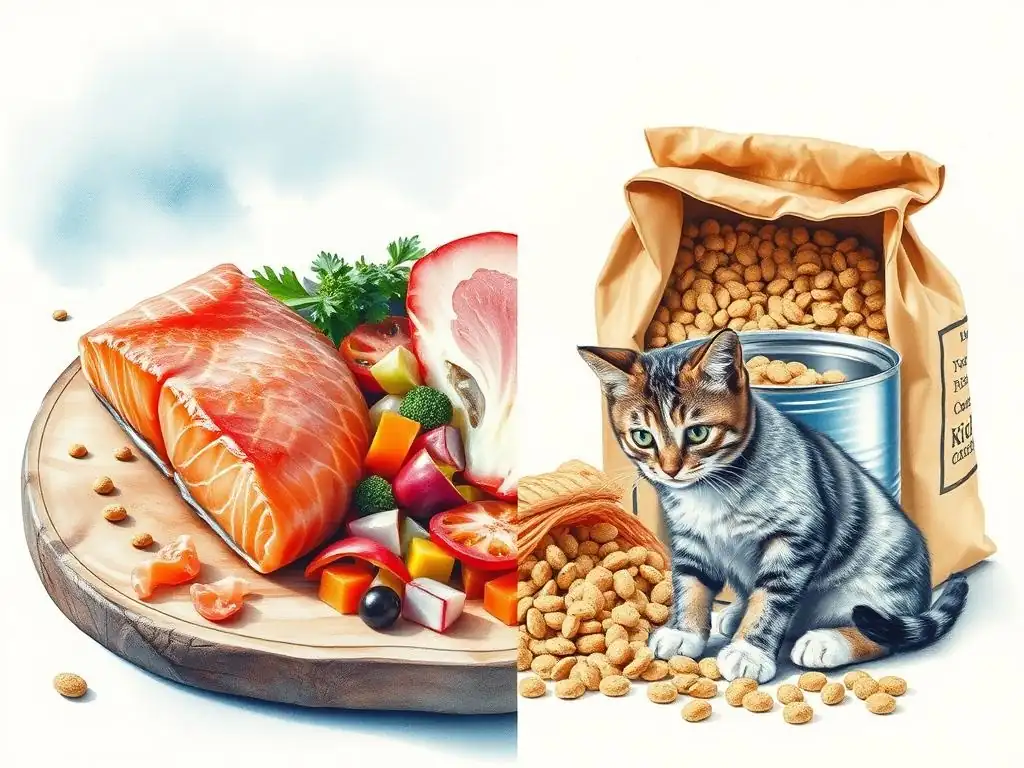
This section delves into a direct comparison between raw cat food and commercially produced cat food, highlighting key differences that pet owners should consider when choosing a feeding strategy for their feline companions. Understanding these differences is crucial for making informed decisions about your cat's nutritional well-being and overall health. The choice between raw and commercial food significantly impacts several aspects of cat ownership, from nutritional content and cost to the time and effort involved in preparation and feeding.
Nutritional Differences Between Raw and Commercial Cat Food
Raw cat food proponents often emphasize its purported nutritional superiority. They argue that raw diets mimic a cat's natural prey, providing a higher concentration of naturally occurring nutrients and enzymes. These diets typically consist of muscle meat, organs (liver, kidney, heart), and bone, offering a balance of protein, fat, and essential minerals. For example, a well-formulated raw diet might boast a higher percentage of taurine, an amino acid crucial for feline heart health, compared to some commercial kibble. However, the actual nutrient content can vary significantly depending on the specific ingredients and the quality of the raw food source.
Conversely, commercial cat foods, both wet and dry, undergo rigorous processing and often include added vitamins and minerals to meet Association of American Feed Control Officials (AAFCO) nutritional standards. While these standards ensure a minimum level of essential nutrients, some argue that the processing can reduce the bioavailability of certain nutrients compared to raw food. Moreover, the ingredient list of commercial food can be complex, often containing fillers, artificial preservatives, and potentially less desirable protein sources.
Therefore, carefully scrutinizing the ingredient list and choosing high-quality commercial cat food is paramount. A direct comparison requires analyzing specific nutrient profiles of individual brands, as variations exist significantly between both raw and commercial options. [Specific nutrient comparison data pending analysis of multiple brands].
Cost Comparison: Raw Cat Food vs. Commercial Options
The financial implications of choosing between raw and commercial cat food are substantial and often overlooked. Raw food diets typically present a higher upfront cost. Sourcing high-quality, human-grade meat, organs, and bones can be significantly more expensive than purchasing bags of commercial kibble or wet food. The cost per serving of raw food often surpasses that of commercial alternatives, especially when factoring in the time and effort involved in preparation.
However, the long-term cost comparison is less straightforward. While initial investment is higher, some argue that raw feeding can lead to reduced veterinary bills in the long run due to improved overall health and reduced risk of certain health problems. This claim, however, requires further substantiation with rigorous scientific studies. [Data on long-term cost comparison pending further research]. Ultimately, the cost-effectiveness of each option hinges on factors like the cat's size, dietary needs, and the availability of affordable, high-quality raw ingredients in your area.
Convenience and Time Commitment: Raw vs. Commercial Cat Food
A critical factor influencing the choice between raw and commercial cat food is the level of convenience and the time commitment involved. Commercial cat food offers unparalleled convenience. It's readily available, requires minimal preparation, and has a long shelf life. Simply opening a can or pouring kibble into a bowl suffices.
Raw food, in contrast, demands significantly more time and effort. It requires careful sourcing of ingredients, meticulous preparation (often involving grinding, mixing, and portioning), and diligent adherence to safe handling practices to prevent bacterial contamination. Furthermore, raw food needs to be stored properly and often needs to be fed fresh, eliminating the convenience of long shelf life. This time commitment can be a considerable barrier for busy pet owners.
The convenience factor, therefore, is a crucial consideration that should be weighed against the perceived nutritional benefits. The time investment required for preparing raw food needs to be factored into the overall decision-making process. Balancing the nutritional benefits with personal time constraints is vital.
Consulting Your Veterinarian Before Switching to Raw Cat Food
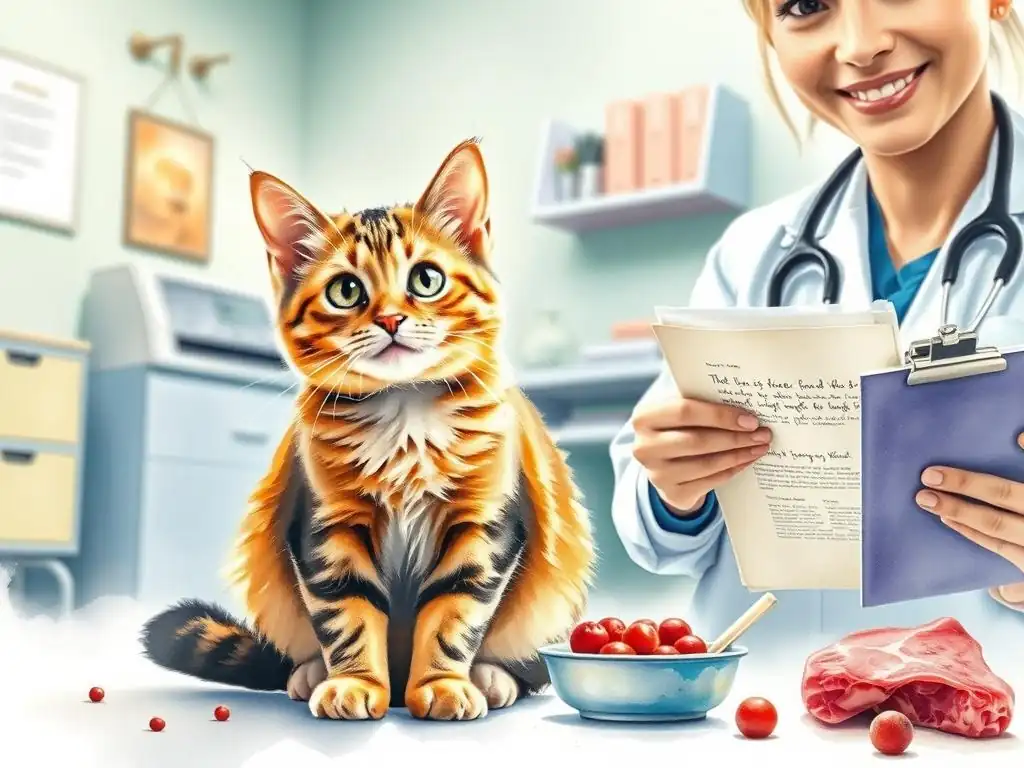
Switching your cat to a raw food diet is a significant dietary change that requires careful consideration and planning. Before making the switch, a consultation with your veterinarian is paramount. This isn't merely a suggestion; it's a crucial step to ensure the safety and well-being of your feline companion. A veterinarian can assess your cat's individual health needs and determine if a raw food diet is appropriate.
They can also help you navigate the complexities of formulating a balanced and nutritionally complete raw diet, avoiding potential deficiencies or imbalances. Ignoring this step could lead to serious health problems for your cat. The potential benefits of a raw food diet, such as improved digestion and coat health, are only realized when done correctly and under professional guidance. Remember, a poorly planned raw diet can be detrimental, leading to nutrient deficiencies, bacterial infections, or other health complications.
Importance of Veterinary Consultation for Cat Dietary Changes
A veterinary consultation is essential for several reasons. First, your vet can perform a thorough physical examination to assess your cat's overall health. This includes checking for pre-existing conditions like kidney disease, pancreatitis, or allergies, which might contraindicate a raw food diet or require specific dietary modifications. Secondly, they can help you understand the nutritional needs specific to your cat's breed, age, activity level, and any existing health conditions.
For example, a senior cat with kidney issues will have different nutritional requirements than a young, active kitten. Thirdly, your vet can guide you on how to safely transition your cat to a raw food diet, minimizing the risk of digestive upset or other adverse reactions. A gradual transition is key, typically involving a slow introduction of raw food over several weeks, gradually increasing the proportion while decreasing the amount of commercial food.
Finally, they can provide ongoing monitoring and support, ensuring that your cat is thriving on the new diet. This might involve regular blood tests to monitor kidney function, liver health, and other vital parameters. The proactive approach of involving your veterinarian minimizes risks and maximizes the chances of success.
Monitoring Your Cat's Health During the Transition to Raw Food
Monitoring your cat's health during the transition to raw food is critical. You should carefully observe your cat for any signs of digestive upset, such as vomiting, diarrhea, or changes in stool consistency. Weight changes, both increases and decreases, should also be closely monitored and reported to your veterinarian.
Changes in appetite, energy levels, and coat condition are other important indicators of how well your cat is tolerating the new diet. Keep a detailed record of your cat's food intake, bowel movements, and any observed changes in behavior or physical condition. This meticulous record-keeping allows your vet to quickly identify any potential problems and make necessary adjustments to the diet or treatment plan.
Regular veterinary checkups, including blood work, are essential to ensure that your cat is receiving adequate nutrition and that the raw food diet isn't causing any negative health consequences. Don't hesitate to contact your veterinarian if you notice any concerning changes; early intervention is key to preventing more serious health issues. Remember, your cat's well-being is the top priority.
Addressing Specific Health Concerns and Nutritional Needs
A raw food diet may not be suitable for all cats. Certain health conditions, such as pancreatitis or immune deficiencies, may necessitate a modified or completely different dietary approach. Cats with compromised immune systems are at a higher risk of foodborne illnesses from raw food. Furthermore, specific nutritional needs vary greatly depending on factors such as age, breed, and activity level. Kittens, for example, require higher levels of protein and energy than adult cats.
Similarly, pregnant or lactating cats have increased nutritional demands. Your veterinarian can help you tailor a raw food diet that meets your cat's unique nutritional requirements, taking into consideration any pre-existing health conditions or specific life stages. They can also advise on appropriate supplements if needed to ensure a balanced diet. For instance, some raw diets might require supplementation with taurine, an essential amino acid crucial for feline heart health.
Don't rely solely on online resources or anecdotal evidence; a personalized approach guided by your veterinarian is crucial for success and the health of your beloved pet. This ensures that the potential benefits of raw cat food are realized while mitigating the risks. Remember, a healthy cat is a happy cat! 😻
Frequently Asked Questions
Is raw cat food safe for my cat?
Feeding raw cat food carries inherent risks, including bacterial contamination like Salmonella and E. coli. While potential benefits exist, thorough safety precautions are crucial, and veterinary consultation is recommended.
What are the potential benefits of feeding my cat a raw diet?
Some believe raw food diets offer improved digestion and nutrient absorption, potentially leading to shinier coats and healthier teeth. However, scientific evidence supporting these claims is limited.
What are the risks associated with feeding my cat raw food?
Bacterial contamination is a major concern, posing risks to both your cat and your family. Nutritional deficiencies can also occur if the diet isn't carefully formulated by a veterinarian.
How can I minimize the risks of feeding my cat raw food?
Source ingredients from reputable suppliers, handle and prepare food with strict hygiene protocols, and regularly monitor your cat's health. A vet's guidance is essential.
Is raw cat food right for every cat?
No, not all cats are suitable candidates for a raw food diet. Cats with compromised immune systems or pre-existing health conditions should avoid raw food. Consult your veterinarian before making any dietary changes.
The debate surrounding raw cat food remains fiercely relevant today, a testament to the enduring power of the human-animal bond and our unwavering commitment to our pets' well-being. Choosing the right diet for our feline friends is a deeply personal decision, one fraught with conflicting information and passionate opinions. Understanding the nuances of raw feeding, weighing the potential benefits against the inherent risks, is crucial for responsible pet ownership.
The impact of raw food diets on the cat food industry and veterinary practices is undeniable, forcing a reevaluation of traditional feeding methods and prompting ongoing research into feline nutrition. The shift towards holistic pet care, emphasizing natural ingredients and species-appropriate diets, reflects a growing awareness of the interconnectedness between our choices and the health of our companions. The best thing we can do is to provide our pets with the best possible nutrition, and that means understanding their needs and making informed choices.
This quote encapsulates the essence of responsible pet ownership, a responsibility that extends to critically evaluating all aspects of our pets' care, including their diet.
Consider the information presented in this article, and reflect on your own pet's dietary needs. Are you prepared to carefully weigh the potential benefits of a raw food diet against the potential risks, ensuring you can provide the necessary safety precautions and veterinary oversight? The journey towards optimal feline health is a continuous one, requiring ongoing learning, careful observation, and a deep commitment to your cat's well-being. Embrace this journey, and together, let's strive to provide our feline companions with the best possible lives.
Unleash Your Cat's Inner Hunter: Take the Next Steps
Thank you for exploring the world of raw cat food with us! You've gained valuable insights into its benefits and potential drawbacks. Ready to put this knowledge into action for your feline friend?
- Gradually transition your cat to a raw food diet: Begin by mixing small amounts of raw food into their current meals, closely monitoring their digestion for any adverse reactions. This is a crucial first step.
- Share your experiences and learn from others: Join our PetCareWorld community forum and connect with other cat owners making similar dietary changes. Share your successes and challenges, ask questions, and benefit from the collective knowledge of the group!
- Experiment with different raw food options: Explore various recipes and suppliers to find what your cat enjoys most, ensuring the food is nutritionally balanced. Consider introducing a new protein source, such as rabbit or duck, to diversify their diet.
What's your first step towards optimizing your cat's health and happiness with a raw food diet?