
Switching Cat Food Safely: A Guide for Sensitive Stomachs


Welcome to PetCareWorld, your ultimate guide to a happier, healthier life for your beloved pets! Are you struggling with finding the perfect food for your feline friend's sensitive stomach? Our comprehensive guide on "Cat food sensitive stomach switch" reveals the secrets to a safe and successful transition, ensuring your cat thrives. Discover expert advice and practical solutions to navigate this common challenge – read on to learn how to make the change smoothly and confidently!
- Understanding Your Cat's Sensitive Stomach and Food Allergies
- Choosing the Right Cat Food for Sensitive Digestion
- The Gradual Transition Process: Minimizing Digestive Distress
- Maintaining Digestive Health After the Switch
- Preventing Future Digestive Problems in Your Cat
-
Frequently Asked Questions
- How can I safely switch my cat's food if they have a sensitive stomach?
- What are the signs of a sensitive stomach in cats?
- What type of cat food is best for sensitive stomachs?
- My cat is vomiting after a food switch. What should I do?
- Are there any human foods I can give my cat with a sensitive stomach?
- Final Reflection: The Ripple Effect of a Gentle Transition
- Unlock Your Cat's Happiest Tummy: A Smooth Food Transition
Understanding Your Cat's Sensitive Stomach and Food Allergies
Switching your cat's food can be a delicate process, especially if they have a sensitive stomach or known allergies. This comprehensive guide will walk you through the safest and most effective methods for transitioning your feline friend to a new diet, minimizing the risk of digestive upset. We'll explore the common signs of food sensitivities, identify potential allergens, and explain the differences between allergies and sensitivities. Understanding these factors is crucial for ensuring your cat's long-term health and well-being, preventing discomfort, and maintaining a happy, thriving companion.
This guide focuses specifically on cats with sensitive stomachs, a common issue affecting many felines, and provides practical advice for a smooth transition to new food. Remember, always consult with your veterinarian before making significant changes to your cat's diet, particularly if they have pre-existing health conditions. They can provide personalized recommendations based on your cat's specific needs and medical history.
Identifying Symptoms of Digestive Upset in Cats
Recognizing the signs of a sensitive stomach in your cat is the first step towards effective management. These symptoms can vary in severity, but some common indicators include:
- Vomiting: Frequent vomiting, especially after eating, is a clear sign of digestive distress. Note the frequency, timing, and consistency of the vomit.
- Diarrhea: Loose, watery, or frequent stools indicate digestive issues. Observe the color, consistency, and frequency of bowel movements.
- Changes in Appetite: A sudden decrease or increase in appetite can signal a problem. Monitor your cat's food intake carefully.
- Gas: Excessive flatulence can be a symptom of food intolerance.
- Lethargy: A less active or more tired cat may be experiencing discomfort.
- Weight Loss: Unexplained weight loss can be a serious indicator of a digestive issue.
- Hair Loss: In some cases, digestive problems can manifest as hair loss or dull coat.
It's crucial to keep a detailed record of these symptoms, including the dates and times they occur. This information will be invaluable when discussing your cat's health with your veterinarian. Remember, some symptoms could indicate a more serious underlying condition, so prompt veterinary attention is essential. Don't hesitate to seek professional help if you notice any persistent or concerning symptoms. 😼
Common Cat Food Allergens and Sensitivities
Cats, like humans, can experience allergic reactions or sensitivities to certain ingredients in their food. Common culprits include:
| Allergen Category | Specific Examples |
|---|---|
| Proteins | Beef, chicken, fish, dairy, soy, lamb, wheat gluten |
| Grains | Corn, wheat, soy |
| Additives & Preservatives | Artificial colors, flavors, and preservatives |
It's important to note that a true allergy is an immune system response, while a sensitivity is a digestive intolerance. Allergies are generally more severe and can manifest as skin problems, respiratory issues, or even anaphylaxis. Sensitivities, on the other hand, primarily cause digestive upset. Identifying the specific allergen or sensitivity requires careful observation and, often, a process of elimination guided by your veterinarian. They may recommend an elimination diet to pinpoint the problematic ingredient.
Diagnosing Food Allergies vs. Sensitivities in Cats
Differentiating between a food allergy and a food sensitivity in cats can be challenging, often requiring veterinary intervention. A veterinarian will typically conduct a thorough physical examination, review your cat's history, and may recommend:
- Blood tests: To check for specific antibodies associated with allergies.
- Skin tests: To identify allergens that cause a skin reaction.
- Food elimination trial: A carefully controlled diet to identify the offending ingredient. This often involves feeding a novel protein diet (one your cat has never eaten before) for several weeks to see if symptoms improve.
Accurate diagnosis is key to effective management. Once the allergen or sensitivity is identified, your veterinarian can help you develop a safe and suitable dietary plan for your cat. This might involve switching to a hypoallergenic diet, using hydrolyzed protein foods, or carefully managing the introduction of new ingredients. Remember, patience and close monitoring are crucial throughout this process. Working closely with your veterinarian ensures your cat receives the best possible care and a comfortable transition to a suitable diet.
Choosing the Right Cat Food for Sensitive Digestion

Switching your cat's food can be tricky, especially if they have a sensitive stomach. The transition needs to be gradual and the new food carefully selected to minimize digestive upset. The key to a successful switch lies in understanding your cat's specific sensitivities and choosing a food that addresses them. This involves considering ingredients, protein sources, and overall digestibility.
Many cats experience discomfort from certain ingredients, leading to symptoms like vomiting, diarrhea, gas, or changes in stool consistency. These symptoms can significantly impact your cat's quality of life, highlighting the importance of a cautious and informed approach to food changes. Careful observation during the transition period is paramount, allowing you to quickly identify and address any potential issues. Remember, patience is key – a gradual transition minimizes stress on your cat's digestive system.
Selecting Hypoallergenic Cat Food Options
Hypoallergenic cat food is specifically formulated to minimize the risk of allergic reactions. These foods often utilize hydrolyzed proteins, which are broken down into smaller peptides, making them less likely to trigger an immune response. Hydrolyzed protein diets are often prescribed by veterinarians for cats with severe food allergies. Another approach involves using novel protein sources, which are proteins the cat hasn't been exposed to before, reducing the likelihood of a reaction.
However, even with hypoallergenic options, individual sensitivities can vary greatly. Always monitor your cat closely for any signs of digestive distress, such as increased flatulence, changes in bowel movements, or vomiting. Some brands specifically market themselves as hypoallergenic, but always check the ingredient list to ensure it aligns with your cat's needs.
Remember to consult your veterinarian before making significant dietary changes, especially if your cat has pre-existing health conditions. They can help you choose the most appropriate hypoallergenic option for your cat's specific needs and health history. The cost of hypoallergenic cat food can be significantly higher than standard options, so budget accordingly.
Grain-Free Cat Food for Sensitive Stomachs
Many cats experience digestive issues related to grains, such as wheat, corn, and soy. These grains can be difficult to digest for some cats, leading to inflammation and discomfort. Grain-free cat food eliminates these potential irritants, focusing on alternative carbohydrate sources like sweet potatoes or peas.
However, it's crucial to note that "grain-free" doesn't automatically equate to "hypoallergenic." Grain-free diets can still contain other allergens, such as certain proteins or additives. Always check the ingredient list carefully to ensure it aligns with your cat's specific sensitivities.
While grain-free diets can be beneficial for many cats with sensitive stomachs, some research suggests a potential link between grain-free diets and dilated cardiomyopathy (DCM) in certain breeds. This is an ongoing area of research, and it's essential to discuss the potential risks and benefits with your veterinarian before switching to a grain-free diet. The best approach is to carefully evaluate your cat's individual needs and consult veterinary professionals for personalized advice.
Novel Protein Sources for Cats with Allergies
Cats with food allergies often benefit from diets featuring novel protein sources. These are proteins the cat hasn't been exposed to before, minimizing the chances of an allergic reaction. Examples include venison, rabbit, duck, kangaroo, or even insect-based proteins. The idea is to introduce a protein that is completely new to the cat's system, thereby reducing the risk of triggering an immune response.
However, it's important to note that even novel proteins can cause allergic reactions in some cats, albeit less frequently. Introducing a novel protein source should be done gradually, monitoring your cat for any adverse reactions. A slow transition, starting with a small percentage of the new food mixed with the old, is crucial. Keep a close eye on your cat's stool consistency, appetite, and overall energy levels.
If any signs of distress appear, immediately revert to the previous food and consult your veterinarian. Maintaining a detailed food diary can be helpful in tracking your cat's response to different protein sources and identifying potential allergens. This detailed record can be invaluable when discussing your cat's dietary needs with your vet. The availability and cost of novel protein sources can vary, so be prepared to explore different options and consider the long-term expense.
Wet vs. Dry Food: Considerations for Sensitive Digestion
The choice between wet and dry food for a cat with a sensitive stomach is a crucial one, impacting both digestibility and overall health. Wet food, with its higher moisture content (typically around 70-80%), often proves easier to digest than dry kibble. This is because the increased moisture content helps to soften the stool and can alleviate constipation, a common problem for cats with digestive sensitivities.
Furthermore, the softer texture of wet food can be gentler on the teeth and gums, potentially reducing discomfort for cats with existing oral issues which can sometimes exacerbate digestive problems. However, wet food tends to be more expensive and has a shorter shelf life once opened, requiring careful storage to prevent spoilage.
The higher moisture content can also lead to increased urinary tract infections in some cats, although this is less common than constipation relief benefits. Always monitor your cat's urine output and consistency when switching to a higher moisture diet.
Conversely, dry food offers several advantages, including convenience and cost-effectiveness. Dry kibble also tends to have a longer shelf life and requires less storage space. Some dry foods are formulated with specific ingredients known to promote healthy digestion, such as prebiotics and probiotics.
These beneficial bacteria can help to restore the balance of gut flora, improving digestion and reducing the risk of diarrhea or other digestive upsets. However, the lower moisture content of dry food can contribute to dehydration and constipation in cats prone to these issues, especially if they don't drink enough water. The hard texture of kibble can also be problematic for cats with dental problems or weakened jaws.
Therefore, careful consideration must be given to the overall health of your cat and the specific ingredients in the dry food before making a switch for a cat with a sensitive stomach. Look for dry foods specifically formulated for sensitive digestion, which often contain easily digestible proteins and fibers.
Ultimately, the best choice—wet or dry—depends on your cat's individual needs and preferences. Some cats may thrive on a combination of both wet and dry food, allowing for a balanced approach to hydration and digestive health. Observing your cat's bowel movements, urine output, and overall energy levels is key to determining which type of food is best suited for their sensitive digestive system.
Consulting with a veterinarian is always recommended, especially when dealing with chronic digestive issues or significant changes in diet. They can provide personalized advice based on your cat's specific health condition and help you navigate the complexities of choosing the right food to support optimal digestive health.
The Gradual Transition Process: Minimizing Digestive Distress

Switching your cat to a new food, especially if they have a sensitive stomach, requires a gradual transition to avoid digestive upset. A sudden change can lead to vomiting, diarrhea, and other unpleasant symptoms. The key is to slowly introduce the new food while gradually decreasing the amount of the old food.
This allows your cat's digestive system to adapt to the new ingredients and nutrients. Failing to do so can result in significant discomfort for your feline companion and potentially necessitate a veterinary visit. The severity of the reaction can vary greatly depending on the individual cat and the difference in food composition.
For instance, a cat accustomed to a dry kibble might experience more pronounced issues switching to a wet food formula, due to the difference in fiber content and moisture level. Therefore, a careful and patient approach is crucial for a successful transition. Remember, patience is key when dealing with a cat food sensitive stomach switch.
Step-by-Step Guide to Switching Cat Food Safely
The safest method for switching cat food involves a gradual process spanning several days, or even weeks depending on your cat's sensitivity. Here's a practical step-by-step guide:
- Day 1-2: Mix 25% of the new food with 75% of the old food. Observe your cat closely for any signs of digestive upset.
- Day 3-4: Increase the proportion of new food to 50%, and decrease the old food to 50%. Continue monitoring for any changes in stool consistency or frequency.
- Day 5-7: Gradually increase the new food to 75% and decrease the old food to 25%. If your cat is tolerating the new food well, you can proceed to the next step.
- Day 8-10: Transition completely to the new food. Maintain close observation for at least another week to ensure continued tolerance.
Remember to always use high-quality cat food that meets your cat's specific nutritional needs. Consider factors like age, breed, and activity level when selecting a new food. This detailed approach will minimize the risk of digestive issues associated with a cat food sensitive stomach switch. You should note any changes in your cat's behavior, appetite, or bowel movements during this process. A food journal can be extremely helpful in tracking these changes.
The 7-Day Transition Method for Sensitive Stomachs
For cats with particularly sensitive stomachs, a slower 7-day transition might be necessary. This method involves even smaller incremental increases in the new food's proportion each day. Here's a breakdown:
| Day | Old Food (%) | New Food (%) | Notes |
|---|---|---|---|
| 1 | 90 | 10 | Start with a small amount of new food. |
| 2 | 80 | 20 | Gradually increase the new food's ratio. |
| 3 | 70 | 30 | Monitor for any signs of digestive issues. |
| 4 | 60 | 40 | Continue to observe your cat closely. |
| 5 | 50 | 50 | Half and half mixture. |
| 6 | 40 | 60 | The new food now makes up the majority. |
| 7 | 30 | 70 | Almost fully transitioned to the new food. |
| 8+ | 0 | 100 | Complete transition. Continue monitoring. |
This table provides a clear visual representation of the gradual process. Remember to adjust this schedule if your cat shows any signs of distress. Always prioritize your cat's comfort and well-being. A slow and steady approach is the best way to manage a cat food sensitive stomach switch.
Monitoring Your Cat's Digestion During the Transition
Throughout the transition period, closely monitor your cat's bowel movements. Look for changes in stool consistency (from firm to loose or watery), frequency, and the presence of blood or mucus. Also, pay attention to any changes in appetite, vomiting, lethargy, or other signs of discomfort. Keep a detailed record of your observations. This information will be invaluable if you need to consult a veterinarian.
Remember, a healthy digestive system is crucial for a happy and energetic cat. Early detection of any problems can help prevent more serious issues down the line. If you observe any concerning symptoms, such as persistent vomiting or diarrhea, discontinue the transition and consult your veterinarian immediately. Their expertise is crucial in managing a cat food sensitive stomach switch and ensuring your cat's health. 😻
Addressing Potential Digestive Issues During the Switch
Switching your cat's food, even gradually, can sometimes lead to digestive upset. This is completely normal, as their gut microbiome needs time to adjust to the new ingredients and nutritional profile. However, understanding potential problems and knowing how to manage them is crucial for a smooth transition. Common digestive issues that might arise include vomiting, diarrhea, changes in stool consistency (becoming looser or more firm), decreased appetite, and increased gas. The severity of these symptoms varies greatly depending on the cat's individual sensitivity and the difference between the old and new food.
Some cats might experience only mild discomfort, such as slightly softer stools for a day or two, while others might exhibit more significant symptoms requiring closer monitoring. It's important to remember that even if your cat exhibits mild symptoms, it doesn't necessarily mean the transition should be stopped immediately. Often, continuing the gradual process, while closely observing your cat, is the best course of action.
However, if your cat shows signs of severe distress, such as persistent vomiting, bloody diarrhea, or lethargy, you should immediately discontinue the new food and consult your veterinarian. They can help determine the underlying cause and recommend the best course of treatment.
The key is to monitor your cat closely during the transition period. Keep a detailed record of their bowel movements, appetite, and any other noticeable changes in their behavior or energy levels. This detailed record will be invaluable if you need to consult your vet. This proactive approach helps ensure that any potential problems are identified and addressed promptly, minimizing the discomfort for your feline friend and promoting a successful food switch for a healthy digestive system.
Remember, patience and observation are key when dealing with a cat's sensitive stomach and a new food. A slow and careful transition, combined with vigilance, will significantly improve the chances of a positive outcome. Don't hesitate to contact your vet if you have any concerns. They are your best resource for ensuring your cat's health and well-being throughout this process.
Maintaining Digestive Health After the Switch
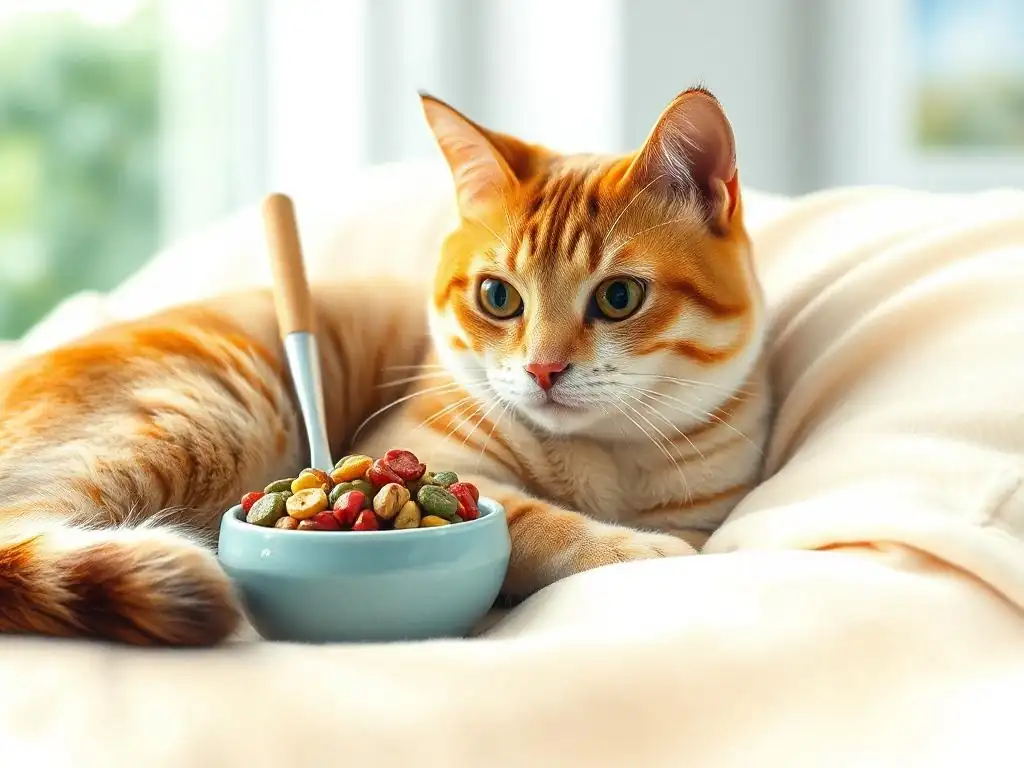
Switching your cat's food, especially if they have a sensitive stomach, requires careful management to minimize digestive upset. The transition period is crucial, and even after the complete switch, ongoing attention to your cat's digestive health is vital. This section focuses on practical steps to ensure a smooth transition and maintain your feline friend's well-being. We'll delve into monitoring their stool, recognizing potential problems, and knowing when professional veterinary care is necessary. This information is vital for successfully managing "Cat food sensitive stomach switch" situations.
Continued Monitoring of Stool Consistency and Frequency
Regular observation of your cat's bowel movements is paramount, particularly during the weeks following a food change. Note the frequency of defecation – ideally, a healthy cat will have one to two bowel movements per day. Pay close attention to the consistency of their stool. Healthy cat stool should be firm, well-formed, and easily picked up without excessive sticking.
Changes in stool consistency can indicate digestive issues. For instance:
- Loose or watery stools: This often suggests diarrhea, potentially caused by food intolerance or a sudden dietary change.
- Hard, dry stools: Constipation can result from dehydration or a diet lacking sufficient fiber. This is also a common symptom of a poorly managed "Cat food sensitive stomach switch".
- Straining during defecation: This could indicate constipation or other underlying medical problems.
- Presence of blood or mucus: This is a serious sign requiring immediate veterinary attention.
Keep a daily record of your cat's bowel movements, noting the frequency, consistency, and any unusual observations. This detailed record will be invaluable if you need to consult your veterinarian. This meticulous monitoring is key to successfully navigating a "Cat food sensitive stomach switch". Remember, a healthy digestive system is essential for a happy and healthy cat.
Signs of Ongoing Digestive Problems After Food Change
Even after a gradual transition, some cats may still experience lingering digestive issues. Recognizing these signs early is crucial for timely intervention. Beyond stool changes, watch for the following symptoms:
- Vomiting: While occasional vomiting can be normal, frequent or forceful vomiting is a cause for concern. The vomitus itself can provide clues – undigested food might suggest a problem with digestion, while yellow or green bile might indicate an empty stomach.
- Loss of appetite: A significant decrease in food intake can signal discomfort or illness.
- Lethargy and weakness: If your cat seems unusually tired or weak, this could be a sign of a more serious underlying problem.
- Weight loss: Unexplained weight loss, even if subtle, warrants veterinary attention.
- Excessive gas or flatulence: An increase in gas production can be a sign of digestive upset.
The severity and combination of these symptoms can vary. It's essential to note all changes in your cat's behavior and health, not just those directly related to bowel movements. These observations are vital for effective management of a "Cat food sensitive stomach switch".
When to Consult a Veterinarian Regarding Digestive Issues
If your cat exhibits any persistent or worsening digestive problems after a food change—even minor issues like slightly softer stools that don't resolve within a few days—it's crucial to contact your veterinarian. Don't hesitate to seek professional advice. Some digestive issues can be easily managed, while others may require more extensive veterinary intervention.
Delaying a veterinary visit can worsen the problem and potentially lead to more serious health complications. Your vet can conduct a thorough examination, perform diagnostic tests (if necessary), and recommend appropriate treatment or dietary adjustments. They can help you effectively manage the "Cat food sensitive stomach switch" and ensure your cat's digestive health. Remember, proactive care is always better than reactive treatment. A healthy cat is a happy cat! 😻
Preventing Future Digestive Problems in Your Cat

Switching cat food can be stressful, especially for cats with sensitive stomachs. But understanding the root causes of digestive upset and proactively addressing them can significantly reduce the likelihood of future problems. This section focuses on preventative measures to ensure your feline friend enjoys a happy, healthy gut. The key to preventing future digestive issues lies in a holistic approach encompassing diet, regular veterinary care, and attentive observation of your cat's behavior. Remember, a healthy digestive system is the foundation of a healthy cat. This is crucial for managing "cat food sensitive stomach switch" scenarios effectively.
Understanding Your Cat's Dietary Needs
Every cat is unique, and their dietary needs vary based on age, breed, activity level, and underlying health conditions. Failing to meet these individual needs can lead to digestive problems. For example, kittens require higher calorie and protein intake than adult cats, while senior cats often benefit from food formulated for their slower metabolism and potential joint issues. Understanding your cat's specific needs is paramount.
Pay close attention to their body condition score – is your cat overweight, underweight, or just right? This will help determine the appropriate caloric intake. Furthermore, some cats have specific sensitivities or allergies, requiring specialized diets that exclude common allergens like chicken, beef, or dairy. Identifying these sensitivities early is vital in preventing future digestive issues and successfully managing a "cat food sensitive stomach switch".
Consider this example: a 5-year-old, indoor Maine Coon cat that's slightly overweight might need a lower-calorie, adult cat food formulated for larger breeds. Conversely, an active Siamese kitten might thrive on a higher-protein, kitten formula. Ignoring these individual needs can lead to weight gain, nutritional deficiencies, and subsequently, digestive problems. Remember, consulting with your veterinarian is always recommended to create a personalized dietary plan.
Importance of High-Quality Cat Food Ingredients
The quality of your cat's food is directly correlated with their digestive health. Cheap cat foods often contain fillers, artificial colors, and preservatives that can irritate the digestive tract, leading to vomiting, diarrhea, and other problems. Opting for high-quality cat food with easily digestible, whole-food ingredients is crucial, particularly when managing a "cat food sensitive stomach switch".
Look for foods with clearly identified meat sources (e.g., "chicken," not "meat by-products") as the primary ingredient. Avoid foods with excessive fillers like corn, wheat, and soy, which can be difficult for some cats to digest. High-quality ingredients promote better nutrient absorption, leading to a healthier gut and a reduced risk of digestive issues.
Here's a helpful table summarizing the key differences between low-quality and high-quality cat food:
| Feature | Low-Quality Cat Food | High-Quality Cat Food |
|---|---|---|
| Primary Ingredient | Often fillers (corn, wheat, soy) or unspecified meat by-products | Named meat source (e.g., chicken, salmon) |
| Protein Source | Often low-quality, less digestible protein sources | High-quality, easily digestible protein sources |
| Additives | High levels of artificial colors, flavors, and preservatives | Minimal or no artificial additives |
| Digestibility | Low digestibility, leading to more waste and potential digestive issues | High digestibility, promoting optimal nutrient absorption |
Regular Veterinary Checkups for Digestive Health
Regular veterinary checkups are essential for maintaining your cat's overall health, including their digestive system. During these visits, your veterinarian can monitor your cat's weight, stool consistency, and overall health. They can also detect underlying health conditions that might be contributing to digestive problems. Early detection and treatment of conditions like inflammatory bowel disease (IBD) or pancreatitis are crucial in preventing long-term digestive issues and ensuring a smooth "cat food sensitive stomach switch". Don't hesitate to discuss any concerns about your cat's digestive health with your veterinarian, especially if you observe persistent vomiting, diarrhea, or changes in appetite.
Proactive veterinary care plays a vital role in preventing future digestive problems and ensuring your cat's well-being. This preventative approach is particularly important when making changes to your cat's diet, minimizing the risk associated with a "cat food sensitive stomach switch". Remember, a healthy digestive system is a happy cat! 😻
Frequently Asked Questions
How can I safely switch my cat's food if they have a sensitive stomach?
Gradually introduce the new food over 7-10 days, mixing it with the old food. Start with a small amount of new food and increase the proportion daily. Monitor your cat closely for any signs of digestive upset.
What are the signs of a sensitive stomach in cats?
Look for symptoms like vomiting, diarrhea, constipation, gas, or changes in appetite. If you see these symptoms, consult your veterinarian. Persistent issues require professional help.
What type of cat food is best for sensitive stomachs?
Foods with limited ingredients, high-quality protein sources, and easily digestible carbohydrates are often recommended. Look for labels indicating they are formulated for sensitive stomachs. Consult your vet for specific recommendations.
My cat is vomiting after a food switch. What should I do?
Immediately stop the food switch and return to the previous food. If vomiting continues, contact your veterinarian immediately. Do not attempt to treat it at home.
Are there any human foods I can give my cat with a sensitive stomach?
Generally, no. Human food can be harmful to cats and may worsen digestive issues. Stick to veterinarian-approved cat food formulated for sensitive stomachs. Never give your cat anything without checking with your vet.
Final Reflection: The Ripple Effect of a Gentle Transition
Successfully switching your cat's food is more than just avoiding an upset tummy; it's a cornerstone of their long-term health and happiness. A seemingly small change in diet can have a profound impact on their energy levels, coat condition, and overall well-being, significantly improving their quality of life.
The journey of finding the right food for a sensitive stomach is a testament to the deep bond we share with our feline companions. We learn to understand their subtle cues, their preferences, and their limitations. It's a process that fosters a deeper connection, reminding us of the responsibility we have to care for these creatures who enrich our lives so much. The best mirror is an old friend.
This rings true in our relationship with our pets; they reflect back to us the care and attention we give them.
Now, consider what you've learned. Think about your cat's unique needs and how you can continue to advocate for their health. Remember the gradual transition process, the importance of observing their reactions, and the power of patience. You are your cat's best advocate, and armed with knowledge, you can ensure they thrive. Take the time to reflect on this journey, and continue to provide your feline friend with the best possible care.
Unlock Your Cat's Happiest Tummy: A Smooth Food Transition
Thanks for learning about safely changing your cat's food! We hope you feel confident making a change that supports their digestive health. Ready to put this knowledge into practice?
- Prioritize a gradual transition: Gradually introduce the new food by mixing it with the old food over 7-10 days. Closely monitor your cat's bowel movements and overall health during this time. This is crucial for a successful transition!
- Keep a food diary: Track your cat's response to the new food. This detailed record will be invaluable for future food decisions and veterinary visits.
- Share your experience!: Let other PetCareWorld community members know how the transition went. Your insights could help other cat owners facing similar challenges.
What small but significant change will you make today to improve your cat's digestive health?