The Link Between Diet and Cognitive Health in Senior Cats
🤔 Discover how a tailored senior cat diet significantly impacts cognitive health, reducing age-related decline and improving quality of life. Learn more…
Read article
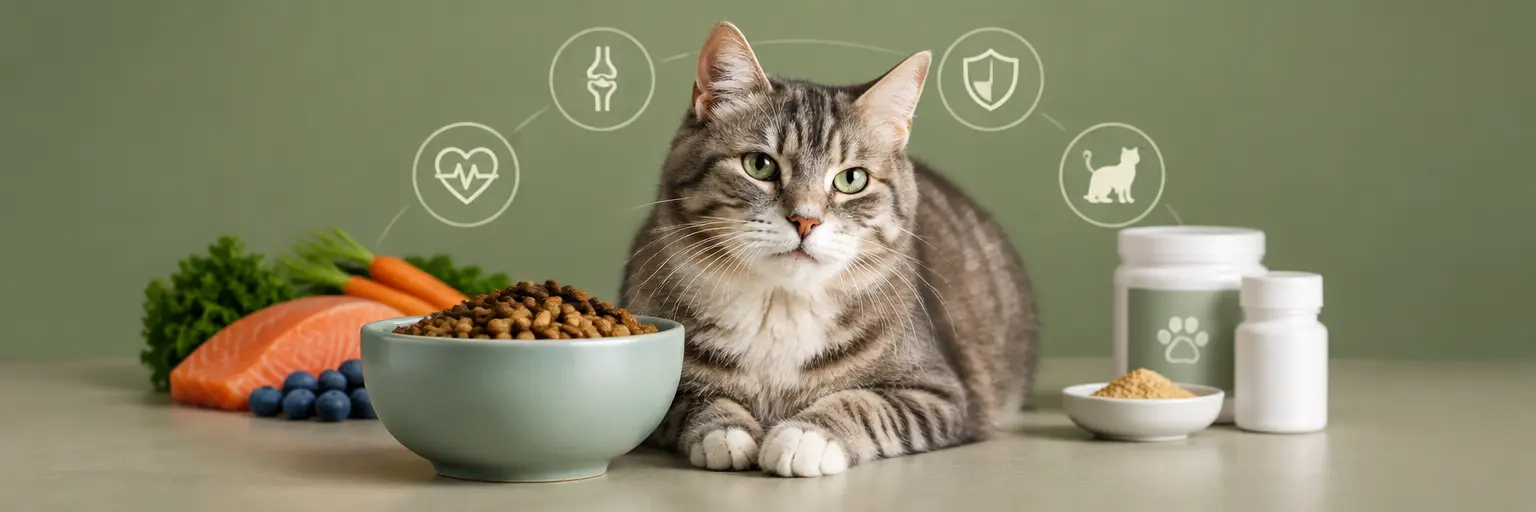
As our feline companions age, their nutritional needs shift dramatically—what worked in their playful prime simply won’t support their golden years. Senior cat nutrition is about more than just “less food”; it’s a tailored approach to support aging joints, kidney health, digestion, and a slower metabolism. On PetCareWorld, we break down the science of senior diets, highlighting the critical roles of high-quality protein, omega fatty acids, and easily digestible fibers. Discover how to adjust portions, choose the right wet or dry formulas, and spot early signs of nutrient deficiencies. With our expert-backed guides, you’ll learn to manage weight, protect organ function, and keep your older cat’s coat glossy and energy steady. Empower your senior’s daily life with meals designed for longevity—because every purr in their twilight years deserves optimal fuel. 🐾
🤔 Discover how a tailored senior cat diet significantly impacts cognitive health, reducing age-related decline and improving quality of life. Learn more…
Read article
🤔 Discover the surprising realities of grain-free diets for your aging feline companion. Learn about the potential benefits and drawbacks of grain-free…
Read article
🤔 Decoding senior cat food labels is crucial. PetCareWorld guides you to identify key ingredients and nutritional needs, helping you choose from…
Read articleAs your cat enters their golden years—typically around age 7 to 10—their nutritional needs shift dramatically. Senior cat nutrition isn't just about reducing calories; it's about supporting aging joints, kidney function, digestion, and cognitive health. At PetCareWorld, we dive deep into the science and practical application of feeding older felines, helping you make informed choices that extend their vitality and comfort. From deciphering commercial senior formulas to crafting homemade meals, here is your ultimate blueprint for nourishing your wise whiskered friend.
Senior cats often experience reduced digestive efficiency, lower muscle mass, and a slower metabolism. This means their diet must be richer in high-quality, easily digestible animal proteins to preserve lean body mass while limiting excess phosphorus to protect aging kidneys. Omega-3 fatty acids, particularly EPA and DHA, become crucial for reducing inflammation in arthritic joints and supporting brain function. Additionally, antioxidants like vitamin E and taurine are essential to combat oxidative stress, which accelerates cellular aging.
Unlike younger felines, seniors may also benefit from increased soluble fiber to manage hairballs and constipation, alongside prebiotics to nourish beneficial gut bacteria. You'll need to monitor their hydration more closely too—older cats are prone to chronic dehydration, which can worsen kidney issues. Wet food or adding water to kibble is often recommended. By understanding these shifts, you can select or prepare meals that proactively address common age-related ailments, ensuring your cat remains sprightly and comfortable well into their late teens.
Texture and moisture content are pivotal in senior nutrition. Many older cats develop dental issues, making crunchy kibble painful to chew. Canned or pouch wet food is often ideal because it provides up to 78% moisture, significantly boosting daily water intake—critical for kidney and urinary tract health. Wet food is also softer and more palatable for those with sore gums or missing teeth. However, high-quality dry kibble formulated for seniors can still work if your cat is a good chewer and drinks plenty of water, but you must monitor their intake closely.
Raw diets are increasingly popular, but they require meticulous preparation to avoid bacterial contamination and ensure complete nutrition, especially for immunocompromised seniors. If you choose raw, opt for commercially prepared, frozen formulations that meet AAFCO standards. A hybrid approach—wet food in the morning and a smaller portion of senior-specific kibble at night—can offer texture variety and financial balance. Always transition slowly over 7-10 days, as senior stomachs are sensitive to abrupt dietary changes. Your vet can guide you based on your cat's specific dental, renal, and metabolic status.
Chronic kidney disease (CKD) is prevalent in older cats, and dietary modification is a cornerstone of management. Therapeutic renal diets are lower in protein (but high quality), phosphorus, and sodium, while being enriched with B vitamins and alkalizing agents. Hyperthyroidism, on the other hand, may require a diet with restricted iodine, while diabetic seniors often thrive on high-protein, low-carbohydrate formulations that stabilize blood glucose. Each condition demands a distinct nutritional strategy—never assume a one-size-fits-all senior formula will suffice.
Regular veterinary bloodwork is non-negotiable for tailoring nutrition to your cat's ever-changing health. For CKD, consider adding a phosphorus binder to meals if prescribed. For diabetes, feeding smaller, frequent meals at consistent times helps regulate insulin. Constipation, common with reduced mobility, can be alleviated with added pumpkin or psyllium fiber. Collaborating closely with your vet allows you to adjust protein, fat, and micronutrient ratios precisely, transforming meals into a powerful therapeutic tool that delays disease progression and enhances daily comfort.
Aging cats often experience a decreased sense of smell and taste, leading to finicky eating and unintended weight loss. To stimulate appetite, gently warm their food to release aroma, or offer small amounts of low-sodium chicken broth. High-calorie “recovery” diets or nutritional gels can be effective for underweight seniors, but avoid overfeeding as obesity exacerbates arthritis and diabetes risk. Conversely, spayed/neutered indoor cats frequently gain weight with age; slow metabolisms require portion control and low-calorie treats.
Weigh your cat weekly using a baby scale to detect subtle trends early. If your cat refuses food for more than 24 hours, consult your vet—this could signal dental pain, nausea, or underlying disease. Offer feeding stations with raised bowls to reduce neck strain, and place multiple bowls around the house to encourage grazing. If your senior is losing muscle mass despite adequate food, consider adding species-appropriate probiotics and amino acid supplements like L-carnitine. Remember, maintaining a stable, healthy weight significantly reduces the burden on aging joints and organs.
Cognitive dysfunction syndrome (CDS), akin to dementia, affects many geriatric cats, showing as confusion, altered sleep cycles, and reduced social interaction. Nutrition can play a protective role: diets enriched with medium-chain triglycerides (MCTs), antioxidants, and B vitamins have shown promise in improving memory and alertness. Additionally, ensuring constant access to fresh, clean water is vital—dehydration worsens kidney function, urinary tract infections, and cognitive decline. Investing in a pet water fountain often encourages increased drinking in older cats, who find the moving water more enticing.
To boost hydration beyond wet food, try offering ice cubes made from tuna juice or adding water to their meals. Some seniors prefer shallow, wide water bowls over deep ones, as whisker fatigue is a real concern. For cognitive health, maintain a routine for feeding times and keep food bowls in consistent locations—sudden changes can stress an aging brain. Incorporating interactive puzzle feeders that dispense small portions of food can also stimulate mental engagement, supporting neuroplasticity while controlling portion sizes. These small adjustments, combined with a balanced senior diet, create a holistic approach to graceful aging.
Most cats are considered seniors around 7 to 10 years old, depending on breed and health. Giant breeds age faster, so consult your vet for individual timing. Transition gradually over 7-10 days, mixing increasing amounts of senior formula with the current food to avoid digestive upset.
Yes, glucosamine and chondroitin are generally safe and beneficial for joint health, but always confirm with your vet first, especially if your cat has kidney disease. Many senior cat foods already contain these supplements, so read labels to avoid over-supplementation, which can cause gastrointestinal issues.
Unexplained weight loss in seniors requires prompt veterinary assessment, as it may signal hyperthyroidism, diabetes, or cancer. If given the all-clear, offer calorie-dense, easily digestible foods like canned diets for sensitive stomachs, and consider adding a high-protein supplement recommended by your vet.
No—puppy food is too high in calories, fat, and some minerals for senior cats, which can lead to rapid weight gain and strain kidneys. Instead, choose a senior-specific cat diet with moderate, high-quality protein, or ask your vet for a renal or metabolic formula tailored to your cat's needs.
Aim for about 3.5 to 4.5 ounces of water per 5 pounds of body weight daily, but this increases with wet food proportion. If your cat eats only dry kibble, you may need to add water to the food or invest in a fountain. Monitor for signs of dehydration like lethargy or sunken eyes.







