Feline Bacterial Infections: What Every Cat Owner Needs to Know
😊 Protect your feline friend! PetCareWorld's expert guide on feline bacterial infections helps you recognize crucial cat bacterial infection symptoms, enabling prompt…
Read article

When your feline companion faces a bacterial infection, early recognition is your best defense for a swift recovery. 🐾 Unlike viral issues, bacterial infections in cats require targeted treatments like antibiotics, making a prompt veterinary diagnosis crucial. From common culprits like *E. coli* and *Salmonella* to skin and urinary tract invaders, these microscopic foes can cause symptoms ranging from fever and lethargy to vomiting and unusual discharge. 🔍 This guide breaks down the signs, causes, and treatment options for bacterial infections in cats, empowering you to act decisively. Whether you’re concerned about a festering wound, a persistent ear infection, or a serious respiratory condition, understanding the *risk factors* and preventive care measures helps protect your furry friend. Stay informed, keep their environment clean, and never hesitate to consult your vet if something feels off—your quick attention can make all the difference in their comfort and long-term health. 🏥

😊 Protect your feline friend! PetCareWorld's expert guide on feline bacterial infections helps you recognize crucial cat bacterial infection symptoms, enabling prompt…
Read article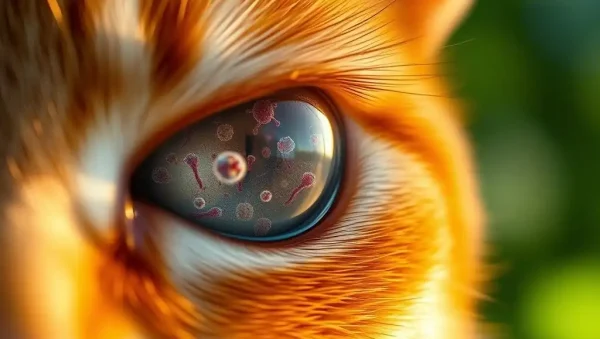
😊 Protect your feline friend from the threat of cat bacterial infections! PetCareWorld reveals crucial prevention strategies, ensuring your cat's health and…
Read article
🤔 Prevent cat bacterial infections with PetCareWorld's expert guide. Learn vital hygiene practices, vaccination schedules, and early detection strategies to keep your…
Read articleBacterial infections are among the most common feline health challenges, affecting everything from skin and ears to the respiratory and urinary tracts. Unlike viral infections, many bacterial issues respond well to targeted antibiotics, but early recognition is key to preventing complications. This guide from PetCareWorld walks you through the most frequent bacterial illnesses in cats, their signs, treatment options, and practical prevention strategies—empowering you to act swiftly and confidently when your feline friend feels off.
Bacterial infections can manifest in several distinct ways, and knowing the red flags helps you seek veterinary care promptly. The most common culprits include upper respiratory infections (often caused by Bordetella or Chlamydophila), urinary tract infections (UTIs) from E. coli, skin abscesses from Pasteurella after bites, and ear infections (otitis) frequently linked to Staphylococcus or Pseudomonas. Symptoms vary—sneezing, nasal discharge, frequent litter box trips, painful urination, swelling, or a foul odor from ears—but any sudden behavior change warrants attention.
Early detection reduces the risk of systemic spread, such as bacteremia or septicemia. For example, a simple wound infection can escalate to a deep abscess if untreated, while a mild UTI can progress to kidney infection. Always monitor your cat’s appetite, energy level, and grooming habits. If you notice persistent coughing, lethargy, or overt pain, schedule a vet visit immediately. Diagnostic tools like cultures and sensitivity tests help identify the precise bacteria, ensuring the most effective antibiotic choice.
Veterinarians rely on a combination of physical exams, blood work, urinalysis, cytology, and bacterial cultures to pinpoint bacterial infections. Culture and sensitivity testing is the gold standard—it not only identifies the pathogen but also reveals which antibiotics will work best, reducing the risk of antibiotic resistance. For respiratory signs, nasal or throat swabs may be analyzed; for skin issues, fine-needle aspiration of abscesses provides samples for microscopy and growth.
Imaging like X-rays or ultrasound can assess internal organ involvement, especially for lung or bladder infections. In chronic cases, advanced tests like PCR (polymerase chain reaction) detect bacterial DNA with high precision. Your vet might also check for underlying causes—such as feline leukemia (FeLV) or feline immunodeficiency virus (FIV)—that compromise immunity and make bacterial infections more likely. A thorough diagnostic plan prevents unnecessary antibiotic use and targets treatment precisely.
Once a bacterial infection is confirmed, treatment typically involves antibiotics prescribed for a defined duration—commonly 7 to 14 days, but sometimes longer for deep-seated infections. Common choices include amoxicillin-clavulanate, doxycycline, enrofloxacin, or cefovecin, depending on the bacteria and infection site. Never administer human antibiotics to your cat; dosages and safety profiles differ dramatically. Always complete the full course, even if your cat appears better, to prevent relapse and resistance.
Supportive care is equally vital. For respiratory infections, steam therapy and saline nasal drops ease congestion; for UTIs, increased water intake and frequent litter box cleaning promote flushing. Skin abscesses may require surgical drainage and warm compresses. Anti-inflammatory medications or probiotics can help manage side effects. Recheck appointments are essential to confirm resolution—your vet may repeat cultures or tests to ensure the bacteria are eradicated. In drug-resistant cases, a specialist may recommend higher-tier antibiotics or combination therapy.
Preventing bacterial infections focuses on hygiene, vaccination, and overall wellness. Keep your cat indoors or supervise outdoor time to reduce bite wounds and exposure to infected strays. Clean litter boxes daily, disinfect food and water bowls weekly, and wash bedding regularly. Routine veterinary visits allow early detection of dental disease or skin issues, which are common entry points for bacteria. Vaccination against upper respiratory pathogens (feline herpesvirus, calicivirus, and chlamydia) significantly lowers infection risk, though it does not guarantee immunity.
Nutritionally, a balanced diet rich in omega-3 fatty acids and antioxidants supports immune function. Provide fresh water at all times—consider a pet fountain to encourage drinking, which reduces UTI risk. Manage stress, as cortisol spikes weaken immunity; use pheromone diffusers and maintain consistent routines. For cats with recurrent infections, your vet may recommend prophylactic antibiotics or immunomodulatory supplements. Regular grooming, especially for long-haired breeds, prevents matting that traps moisture and bacteria near the skin. Always quarantine new cats for two weeks before introducing them to your household.
While you wait for a veterinary appointment or after diagnosis, provide supportive home care. For a cat with a fever, offer a quiet, warm space and encourage hydration with tuna water or low-sodium broth. If your cat has skin lesions, gently clean the area with vet-approved antiseptic wipes—never use alcohol or hydrogen peroxide. Monitor for signs of deterioration: loss of appetite lasting over 24 hours, difficulty breathing, collapse, or seizures are emergencies. Similarly, if your cat cannot urinate, this is a life-threatening blockage that requires immediate hospitalization.
Administer all medications exactly as directed. If you miss a dose, contact your vet—do not double up. Watch for adverse reactions like vomiting, diarrhea, or allergic swelling; these require immediate medical guidance. Post-treatment, schedule a follow-up to ensure full recovery. Keep a journal of symptoms and improvement, as this information helps your vet adjust therapy. Remember that bacterial infections are highly treatable when caught early—your proactive care makes all the difference in a smooth recovery.
Bacterial infections often produce localized pus, thick colored discharge, or abscesses, while viral infections typically cause clear nasal discharge, sneezing, and watery eyes. Viral infections also tend to resolve on their own, whereas bacterial ones worsen without antibiotics. Only a vet can accurately differentiate through cultures, blood work, or cytology. If symptoms last more than 48 hours, seek professional diagnosis.
Yes, some are zoonotic, meaning they can transfer to humans. Bartonella (cat scratch disease), Pasteurella, and certain Salmonella strains pose risks. Practice handwashing after handling your cat, especially if you have open cuts or a weakened immune system. Other pets, like dogs, can contract Bordetella (kennel cough) from cats, so isolate infected animals and sanitize shared spaces.
With appropriate antibiotics, you may see improvement within 48–72 hours, but full recovery typically takes 7–14 days. Deeper infections, like bone or joint infections, may require 6–8 weeks of therapy. Follow your vet’s timeline, and never stop antibiotics early—even if symptoms disappear, bacteria may persist. Schedule a final check-up to confirm the infection has cleared.
No, many human ointments, like Neosporin, contain ingredients toxic to cats (e.g., polymyxin B). Even “safe” options can cause allergic reactions or be licked off, leading to digestive upset. Always use vet-prescribed topical medications. For minor wounds, clean with sterile saline and cover with a light bandage until you see your veterinarian, but avoid self-medicating.
Recurrent infections often indicate an underlying issue, such as antibiotic resistance, a foreign body (like a grass seed), dental disease, or an immunosuppressive condition (FIV, diabetes, or chronic kidney disease). Your vet may recommend deeper diagnostics, including imaging or immune function tests. Sometimes, changing the antibiotic class or extending the duration solves the problem. Also, re-evaluate home hygiene—reinfection from contaminated bedding or litter is common.







