
Unmasking Bacterial Infections: How to Protect Your Cat's Health

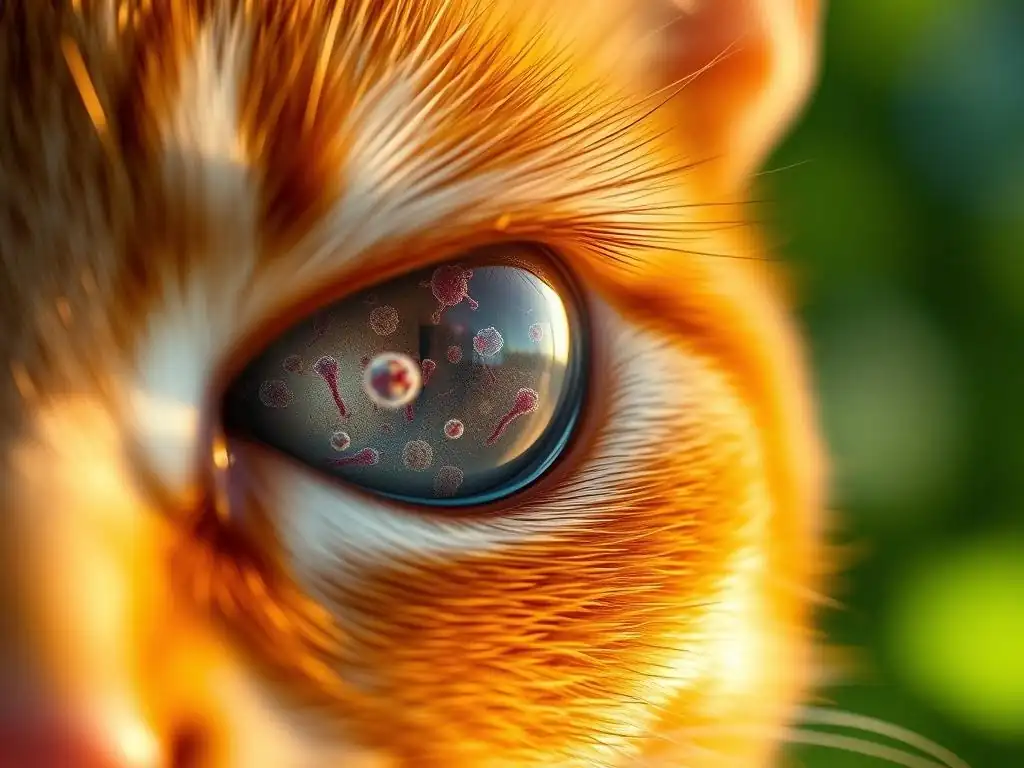
Welcome to PetCareWorld, your ultimate guide to a happier, healthier life for your beloved pets! Are you ready to unlock the secrets to proactive pet care? Then delve into our expert advice on Cat bacterial infection prevention, and discover how to safeguard your feline friend from this often-overlooked threat. Learn the crucial steps to ensure your cat thrives, and explore the wealth of knowledge we offer across all aspects of pet care. Let's embark on this journey to a healthier, happier pet together!
- Understanding Bacterial Infections in Cats
- Preventing Bacterial Infections in Cats: Proactive Measures
- Treating Bacterial Infections in Cats: Veterinary Care
- Recognizing and Avoiding Potential Risks: Cat Bacterial Infection Prevention
- Long-Term Strategies for Cat Bacterial Infection Prevention
-
Frequently Asked Questions
- What are the common signs of a bacterial infection in cats?
- How can I prevent bacterial infections in my cat?
- Are there any vaccinations to protect against bacterial infections in cats?
- What role does nutrition play in preventing bacterial infections?
- What should I do if I suspect my cat has a bacterial infection?
- Final Reflection: A Pawsitive Future: Protecting Our Feline Companions
- Unlock Your Cat's Healthier Future
Understanding Bacterial Infections in Cats
Bacterial infections are a significant concern for cat owners, representing a substantial portion of feline illnesses. These infections can range from relatively minor skin irritations to life-threatening systemic diseases, impacting everything from a cat's respiratory system to its urinary tract. Understanding the causes, symptoms, and prevention strategies is crucial for ensuring your feline companion enjoys a long and healthy life.
This comprehensive guide will delve into the common types of bacterial infections affecting cats, explain how to recognize the warning signs, and outline the diagnostic processes involved in securing appropriate veterinary care. Effective prevention is key, and we'll explore practical steps you can take to minimize your cat's risk of contracting these potentially serious infections.
Ultimately, proactive care and prompt veterinary attention are paramount in safeguarding your cat's well-being and preventing severe complications. This article focuses on Cat bacterial infection prevention, equipping you with the knowledge to protect your beloved pet.
Common Bacterial Infections Affecting Cats
Cats are susceptible to a variety of bacterial infections, each with its own set of symptoms and potential complications. Some of the most prevalent bacterial infections include:
- Upper Respiratory Infections (URIs): These are frequently caused by Bordetella and Chlamydophila bacteria, manifesting as sneezing, coughing, nasal discharge, and eye discharge. Severity can range from mild to severe, potentially leading to pneumonia in vulnerable cats. Kitten populations are particularly at risk.
- Skin Infections: Bacteria like Staphylococcus and Streptococcus are common culprits behind skin infections, often appearing as localized abscesses, hot spots, or widespread dermatitis. Underlying conditions like allergies or flea infestations can increase susceptibility.
- Urinary Tract Infections (UTIs): E. coli is a frequent cause of UTIs in cats, leading to symptoms such as frequent urination, straining to urinate, blood in the urine, and increased thirst. Untreated UTIs can cause significant kidney damage.
- Wounds and Abscesses: Open wounds and puncture wounds are vulnerable to bacterial infection, often resulting in the formation of painful abscesses filled with pus. Prompt cleaning and veterinary care are crucial to prevent spreading infection.
- Pneumonia: While various bacteria can cause pneumonia, Mycoplasma and Bordetella are common offenders. Symptoms include labored breathing, coughing, lethargy, and fever. This is a serious condition requiring immediate veterinary intervention.
Identifying Symptoms of Cat Bacterial Infections: Early Detection is Key
Early detection significantly improves the prognosis of bacterial infections in cats. Recognizing the signs and symptoms is therefore critical. While symptoms vary widely depending on the type and location of the infection, some common warning signs include:
- Lethargy and Loss of Appetite: A sudden decline in energy levels and a refusal to eat are often early indicators of illness.
- Fever: Elevated body temperature is a common response to infection. Use a rectal thermometer to check your cat's temperature; a reading above 102.5°F (39.2°C) warrants immediate veterinary attention.
- Changes in Behavior: Unusual behaviors such as hiding, aggression, or vocalization can signal underlying illness.
- Respiratory Symptoms: Sneezing, coughing, difficulty breathing, and nasal or eye discharge suggest a respiratory infection.
- Urinary Symptoms: Frequent urination, straining to urinate, blood in the urine, and increased thirst are characteristic of UTIs.
- Skin Changes: Abscesses, hot spots, redness, swelling, and excessive scratching indicate possible skin infections.
- Diarrhea or Vomiting: Gastrointestinal upset can accompany various bacterial infections.
Diagnosing Bacterial Infections in Your Cat: Vet Visits and Testing
If you suspect your cat has a bacterial infection, a prompt visit to your veterinarian is essential. Accurate diagnosis requires professional examination and testing. Your vet will likely perform a thorough physical examination, assessing your cat's overall health and checking for specific signs related to the suspected infection. Diagnostic tests may include:
- Blood tests: To evaluate your cat's overall health and detect inflammation or other abnormalities.
- Urinalysis: To examine the urine for signs of infection, such as bacteria, blood, or crystals.
- Fecal examination: To check for intestinal parasites or other gastrointestinal issues that might be contributing to the illness.
- Culture and sensitivity testing: A sample (blood, urine, or tissue) is cultured to identify the specific bacteria causing the infection and determine its susceptibility to various antibiotics. This is crucial for effective treatment.
- Radiography (X-rays): May be used to visualize internal organs and detect abnormalities, such as pneumonia.
- Ultrasound: Provides detailed images of internal organs, aiding in the diagnosis of various infections.
This information is for educational purposes only and should not be considered medical advice. Always consult with a veterinarian for any health concerns related to your cat. 😻
Preventing Bacterial Infections in Cats: Proactive Measures

Protecting your feline companion from bacterial infections requires a multi-pronged approach focusing on preventative care. A healthy cat is less susceptible to illness, and proactive measures significantly reduce the risk of bacterial infections. This section details crucial steps to minimize exposure and bolster your cat's natural defenses against these common threats. Remember, early detection and swift veterinary intervention are key should infection occur, but prevention is always the best medicine. This proactive strategy is vital for effective cat bacterial infection prevention.
Maintaining Optimal Hygiene for Your Cat: Grooming and Cleaning
Regular grooming is paramount in preventing bacterial infections. A clean coat helps prevent the accumulation of bacteria and parasites that can lead to skin infections. Brushing your cat daily, or at least several times a week depending on their coat type, removes loose fur, dirt, and debris. This simple act significantly reduces the risk of bacterial build-up. For long-haired breeds, regular de-matting is crucial to avoid skin irritation and potential infection.
Furthermore, paying close attention to your cat's ears and eyes is essential. Clean their ears gently with a veterinarian-recommended ear cleaning solution to prevent infections. Similarly, wipe any discharge from their eyes with a soft, damp cloth. Regular cleaning minimizes the chances of bacterial growth in these sensitive areas. Always use separate cloths for each area to avoid cross-contamination.
Remember, excessive cleaning can irritate your cat's skin. Find a balance that suits your cat's individual needs and temperament. Observe your cat for any signs of irritation or discomfort during grooming, and adjust your approach accordingly. A happy, well-groomed cat is a healthier cat, better equipped to fight off bacterial invaders.
Providing a Safe and Clean Environment for Your Cat: Litter Box Management and Home Sanitation
Maintaining a clean and safe environment is a cornerstone of cat bacterial infection prevention. The litter box, in particular, requires meticulous attention. Scoop the litter box at least once a day, and completely change the litter regularly (frequency depends on the type of litter and the number of cats). A dirty litter box is a breeding ground for bacteria and can lead to urinary tract infections and other issues.
Beyond the litter box, maintaining a clean home is crucial. Regular vacuuming and dusting remove allergens and bacteria from surfaces. Pay special attention to areas where your cat spends the most time, such as sleeping areas and scratching posts. Consider using pet-friendly disinfectants to sanitize surfaces, but always ensure they are thoroughly rinsed and dried before your cat has access to them.
Additional Tips for a Clean Home Environment
- Wash your cat's bedding regularly in hot water.
- Clean food and water bowls daily.
- Avoid leaving food out for extended periods.
- Regularly inspect your cat's toys and replace any damaged or soiled items.
Regular cleaning minimizes the risk of exposure to harmful bacteria, contributing significantly to your cat's overall health and well-being. This proactive approach is a vital component of comprehensive cat bacterial infection prevention.
Nutrition and Immunity Boosters for Feline Bacterial Infection Prevention
A balanced and nutritious diet plays a crucial role in strengthening your cat's immune system, making them more resilient to bacterial infections. High-quality cat food, formulated to meet their specific nutritional needs, provides the essential vitamins, minerals, and antioxidants necessary for optimal immune function. Avoid feeding your cat table scraps or human food, as these can upset their digestive system and compromise their immunity.
Consider supplementing your cat's diet with immune-boosting ingredients. Consult your veterinarian before introducing any supplements, as some may interact with existing medications or underlying health conditions. They can advise on appropriate dosages and the best options for your cat's individual needs. Some commonly discussed supplements include probiotics, which support gut health and immune function.
| Supplement Type | Potential Benefits | Considerations |
|---|---|---|
| Probiotics | Improved gut health, enhanced immunity | Consult veterinarian before starting |
| Omega-3 Fatty Acids | Anti-inflammatory effects, immune support | May interact with medications, use cautiously |
Remember, a healthy immune system is the first line of defense against bacterial infections. Providing your cat with the right nutrition is a vital part of a comprehensive strategy for cat bacterial infection prevention. A well-nourished cat is a happy and healthy cat, better equipped to withstand the challenges posed by bacterial pathogens.
Vaccination for Key Bacterial Infections in Cats
Vaccination is a cornerstone of preventative care for cats, significantly reducing their susceptibility to various bacterial infections. While vaccines don't cover every single bacterial pathogen, they offer robust protection against some of the most common and serious ones. For example, the core feline vaccination series typically includes protection against Bordetella bronchiseptica, a bacterium often responsible for kennel cough, a highly contagious respiratory illness.
This vaccine is particularly crucial for cats who frequent catteries, boarding facilities, or other environments where they might encounter other felines. The severity of Bordetella infection can range from mild coughing to severe pneumonia, highlighting the importance of proactive vaccination.
Furthermore, certain vaccines, while not directly targeting specific bacteria, bolster the overall immune system, making cats more resilient to a broader range of bacterial infections. A strong immune system acts as a first line of defense, preventing bacteria from establishing themselves and causing illness. This indirect protection is a significant benefit of routine vaccination, reinforcing its role in comprehensive cat bacterial infection prevention.
It is crucial to consult with a veterinarian to determine the appropriate vaccination schedule for your cat, considering factors like age, lifestyle, and overall health. Some veterinarians might recommend additional vaccines depending on the cat's risk factors, such as exposure to wildlife or other potentially infected animals. Remember, vaccination is not a foolproof guarantee against infection, but it greatly minimizes the risk and severity of illness.
Regular veterinary check-ups are essential to monitor your cat's health and ensure their vaccinations are up-to-date. A proactive approach to vaccination is a critical component of a comprehensive strategy for cat bacterial infection prevention. Ignoring vaccinations significantly increases your cat's vulnerability to bacterial infections, potentially leading to costly and stressful treatments.
Treating Bacterial Infections in Cats: Veterinary Care
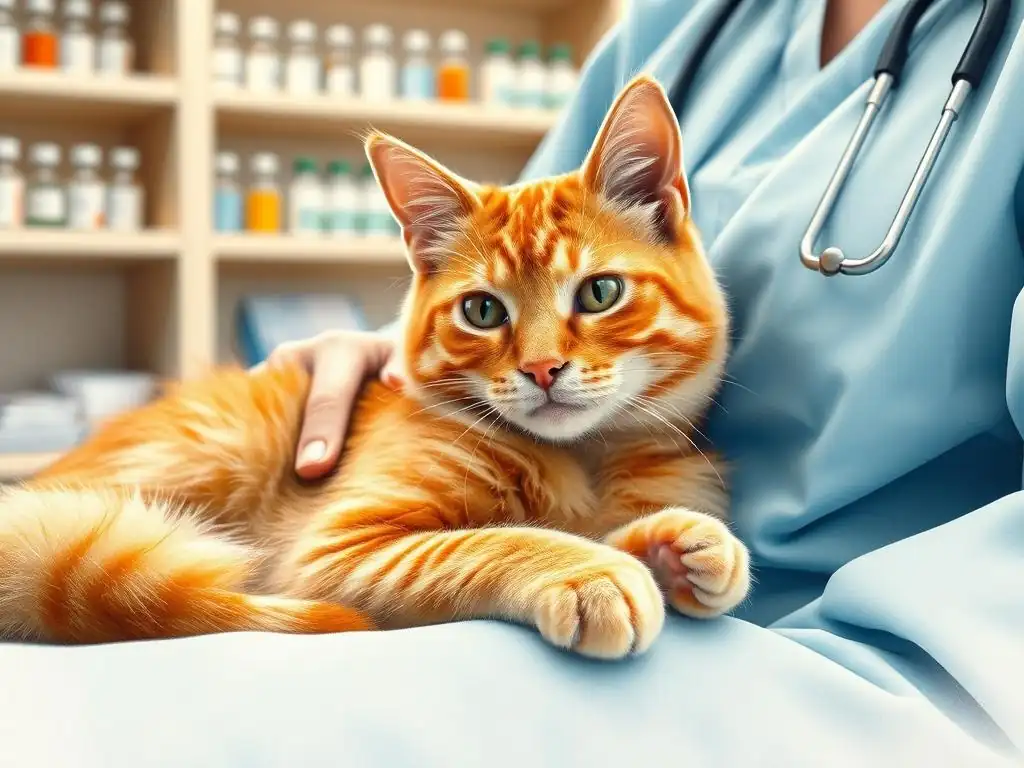
Bacterial infections in cats require professional veterinary intervention. Ignoring symptoms can lead to serious complications, potentially life-threatening situations. Effective cat bacterial infection prevention relies heavily on prompt and appropriate veterinary care. This section details the crucial role of veterinary treatment in managing and resolving these infections. Early diagnosis is key to minimizing the severity and duration of illness.
Antibiotic Treatment for Cat Bacterial Infections: Understanding the Process
Antibiotics are the cornerstone of treating bacterial infections in cats. However, it's crucial to understand that not all bacterial infections respond to the same antibiotics, and incorrect treatment can lead to antibiotic resistance. Your veterinarian will conduct diagnostic tests, such as blood work, urine analysis, and possibly cultures of infected tissues, to identify the specific bacteria causing the infection and determine the most effective antibiotic.
This ensures targeted treatment, maximizing efficacy and minimizing potential side effects. The administration of antibiotics might involve oral medications (pills or liquids), injectable medications, or even topical applications depending on the location and severity of the infection.
The duration of antibiotic treatment varies greatly, depending on the type of bacteria, the severity of the infection, and your cat's response to the medication. Your veterinarian will provide detailed instructions on administering the medication, including dosage, frequency, and the expected duration of treatment. It’s absolutely vital to complete the full course of antibiotics, even if your cat appears to be recovering before the prescribed end date.
Stopping treatment prematurely can lead to relapse or the development of antibiotic-resistant bacteria, making future treatment more challenging. Regular check-ups during and after treatment are essential to monitor your cat's progress and ensure the infection is fully eradicated. Closely monitoring your cat for any adverse reactions to the antibiotics is also paramount.
Supporting Your Cat's Recovery from Bacterial Infections: Nutritional Support and Comfort Care
While antibiotics tackle the bacterial infection directly, supporting your cat's recovery through proper nutrition and comfort care is equally important for a speedy and complete recovery. A balanced and nutritious diet is essential to strengthen your cat's immune system and aid in tissue repair. Consult your veterinarian about potential dietary adjustments during recovery. They might recommend a high-protein diet to support tissue regeneration or specialized diets tailored to your cat's specific needs and the type of infection. Providing easily digestible food can also alleviate digestive upset, a common side effect of some antibiotics and infections themselves.
Comfort care plays a significant role in your cat's recovery. Ensure your cat has access to fresh water at all times, as dehydration can worsen their condition. A quiet and comfortable resting space, away from stress and disturbances, is vital for promoting rest and healing. Gentle grooming can also help soothe your cat and keep their coat clean, preventing secondary skin infections.
Monitor your cat closely for any signs of discomfort or relapse, such as lethargy, loss of appetite, or persistent fever. Don't hesitate to contact your veterinarian if you notice any concerning changes. Providing a supportive and caring environment is crucial for your cat's emotional and physical well-being during its recovery. This holistic approach—combining medication with nutritional and comfort support—significantly enhances the chances of a complete and successful recovery from a bacterial infection.
When to Seek Emergency Veterinary Care for Cat Bacterial Infections
While many bacterial infections can be treated at home under veterinary guidance, some situations require immediate veterinary attention. Recognize the signs of a serious bacterial infection that necessitate emergency care. These can include:
- Severe lethargy or collapse: If your cat is unresponsive or unable to stand, seek immediate veterinary care.
- Difficulty breathing: Rapid or labored breathing, or bluish discoloration of the gums, indicates a serious respiratory problem and requires immediate attention.
- Severe dehydration: Sunken eyes, dry gums, and loss of skin elasticity are signs of severe dehydration and require prompt treatment.
- High fever: A persistent high fever (above 103°F or 39.4°C) can indicate a serious infection.
- Seizures: If your cat experiences seizures, it’s a medical emergency requiring immediate veterinary care.
- Severe vomiting or diarrhea: Persistent vomiting and diarrhea leading to dehydration is a serious concern.
- Abscesses: Large, painful, or rapidly growing abscesses might require immediate drainage and treatment.
Don't delay seeking emergency veterinary care if you observe any of these critical signs. Early intervention can significantly improve your cat's chances of survival and recovery. Remember, cat bacterial infection prevention also involves knowing when to seek immediate professional help. Prevention is always better than cure, but swift action in emergency situations is crucial for your cat's well-being. 😻
Recognizing and Avoiding Potential Risks: Cat Bacterial Infection Prevention


This section focuses on proactive strategies for cat bacterial infection prevention, empowering cat owners to minimize the risk of these illnesses. Understanding the factors that contribute to bacterial infections is the first step towards effective prevention. We'll explore high-risk situations, environmental factors, and strategies for managing multiple cats to safeguard their health.
Identifying High-Risk Situations for Bacterial Infections in Cats
Certain situations significantly increase a cat's susceptibility to bacterial infections. These include:
- Compromised Immune Systems: Cats with underlying health conditions, such as feline leukemia virus (FeLV) or feline immunodeficiency virus (FIV), are more vulnerable. Senior cats, kittens, and cats recovering from surgery or illness also exhibit weakened immune responses, making them prime targets for bacterial infections. Regular veterinary check-ups are crucial for early detection and management of these underlying conditions, significantly reducing the risk of secondary bacterial infections.
- Pre-existing Wounds or Injuries: Open wounds, even minor scratches, provide entry points for bacteria. Prompt and proper wound care, including cleaning with antiseptic solutions and monitoring for signs of infection (swelling, redness, pus), is essential. If a wound shows signs of infection, immediate veterinary attention is paramount.
- Poor Hygiene: Neglecting regular grooming and maintaining a clean litter box can contribute to bacterial overgrowth and subsequent infection. Regular cleaning of food and water bowls also plays a vital role in preventing the spread of harmful bacteria. A clean environment is a cornerstone of cat bacterial infection prevention.
- Stress: Chronic stress weakens the immune system, making cats more susceptible to illness, including bacterial infections. Providing a safe, enriching environment, minimizing stressful situations (e.g., loud noises, unfamiliar people), and ensuring adequate rest are crucial for maintaining a strong immune response. A relaxed cat is a healthier cat.
Cats that spend time outdoors face a higher risk of exposure to bacteria through contact with contaminated soil, water, and other animals. While completely restricting outdoor access isn't always feasible, minimizing exposure to potentially hazardous environments is key. Consider:
- Limited Outdoor Access: Supervised outdoor time in a secure, enclosed area minimizes contact with potentially infectious agents. Regularly checking for ticks, fleas, and wounds is crucial.
- Vaccination: Core vaccinations protect against common bacterial and viral infections. Consult your veterinarian about the appropriate vaccination schedule for your cat's age and lifestyle. Vaccination is a cornerstone of comprehensive cat bacterial infection prevention.
- Careful Socialization: While socialization is important for a cat's well-being, introducing your cat to other animals should be done cautiously. Ensure that any new animals are healthy and free from infection. Avoid contact with stray or feral cats.
Preventing the Spread of Infection Between Multiple Cats: Quarantine and Hygiene Protocols
Multi-cat households require extra vigilance to prevent the spread of bacterial infections. Implementing these protocols is crucial:
- Quarantine New Cats: New cats should be quarantined for at least two weeks to monitor for any signs of illness before introducing them to resident cats. This helps prevent the spread of infections, especially if the new cat carries latent bacteria. This quarantine period is a critical aspect of cat bacterial infection prevention in multi-cat households.
- Strict Hygiene Practices: Maintaining impeccable hygiene is essential. This includes:
- Regular cleaning of litter boxes (ideally multiple boxes, one per cat).
- Frequent cleaning and disinfection of food and water bowls.
- Regular grooming of each cat to remove dirt and debris.
- Washing hands thoroughly after handling cats or cleaning their environment.
- Individual Feeding Stations: Providing separate food and water bowls for each cat minimizes the spread of bacteria through shared resources. This simple measure significantly reduces the risk of cross-contamination.
By diligently following these preventative measures, you can significantly reduce the risk of bacterial infections in your feline companion and ensure a longer, healthier life for your beloved cat. Remember that regular veterinary check-ups are essential for early detection and management of any health issues.
Long-Term Strategies for Cat Bacterial Infection Prevention
Preventing bacterial infections in cats requires a multifaceted approach that goes beyond simply reacting to symptoms. Proactive measures, focusing on preventative care and early detection, are crucial for maintaining your feline companion's health and well-being. This section outlines long-term strategies to significantly reduce the risk of bacterial infections in your cat, contributing to a longer, happier life for your furry friend. Effective cat bacterial infection prevention hinges on consistent vigilance and a comprehensive understanding of your cat's needs.
Regular Veterinary Checkups: Proactive Health Management
Regular veterinary checkups are the cornerstone of preventative healthcare for cats. These visits allow for early detection of potential problems, including subtle signs of infection that might otherwise go unnoticed. During these checkups, your veterinarian will perform a thorough physical examination, assessing your cat's overall health, weight, and any visible abnormalities. They can also run diagnostic tests, such as blood work and urinalysis, to detect underlying conditions that might increase susceptibility to bacterial infections.
Beyond identifying existing issues, regular checkups offer opportunities for preventative measures. Vaccinations protect against common bacterial and viral diseases, significantly reducing the risk of infection. Your vet can also advise on appropriate parasite prevention, as parasites can weaken the immune system, making cats more vulnerable to bacterial infections. The frequency of these checkups will depend on your cat's age and health status; kittens, senior cats, and cats with pre-existing conditions often require more frequent visits. Consider scheduling checkups every six months or annually, as recommended by your veterinarian, to ensure optimal health and proactive cat bacterial infection prevention.
Building a Strong Immune System in Your Cat: A Holistic Approach
A robust immune system is your cat's best defense against bacterial infections. While genetics play a role, several factors contribute to a strong immune response. A balanced, high-quality diet is paramount. Foods formulated specifically for cats, containing the right balance of proteins, fats, and essential nutrients, provide the building blocks for a healthy immune system. Avoid feeding your cat table scraps or foods not designed for feline consumption, as these can upset their digestive system and compromise their immune function.
Beyond nutrition, environmental factors influence immunity. Maintaining a clean and hygienic living space is crucial. Regularly cleaning litter boxes, food and water bowls, and sleeping areas minimizes exposure to harmful bacteria and parasites. Stress can also weaken the immune system.
Providing a safe, enriching environment with plenty of opportunities for play and relaxation helps reduce stress levels and promotes overall well-being. Consider providing scratching posts, interactive toys, and plenty of hiding places to cater to your cat's natural instincts. Remember that a happy, stress-free cat is a healthier cat, better equipped to fight off infections. This holistic approach to immune support is a key component of effective cat bacterial infection prevention.
Monitoring Your Cat's Health for Early Warning Signs
Early detection is vital in managing bacterial infections. Regularly monitoring your cat's health allows you to identify subtle changes that might indicate an infection. Pay close attention to changes in appetite, activity levels, and behavior. A loss of appetite, lethargy, or unusual changes in litter box habits can all be signs of illness.
Observe your cat's coat and skin for any abnormalities. A dull, matted coat, excessive shedding, or skin lesions could indicate an underlying infection. Check your cat's eyes, ears, and mouth for any discharge, redness, or swelling. Any unusual odor emanating from these areas should be investigated immediately.
Keeping a detailed record of your cat's daily routines and any observed changes can be invaluable in identifying potential problems early. This proactive monitoring is a crucial aspect of cat bacterial infection prevention. Don't hesitate to contact your veterinarian if you notice any unusual changes, no matter how minor they may seem. Early intervention is key to successful treatment and preventing further complications.
Frequently Asked Questions
What are the common signs of a bacterial infection in cats?
Several symptoms can indicate a bacterial infection, including lethargy, loss of appetite, fever, discharge from eyes or nose, and skin problems like abscesses. It's crucial to consult a vet immediately if you notice any of these.
How can I prevent bacterial infections in my cat?
Good hygiene is key! Maintain a clean litter box, regularly groom your cat, and ensure they have access to fresh, clean water. A healthy immune system, achieved through proper nutrition, also plays a vital role.
Are there any vaccinations to protect against bacterial infections in cats?
While not all bacterial infections have specific vaccines, core feline vaccinations offer protection against some common bacterial diseases. Discuss vaccination schedules with your veterinarian to determine what's best for your cat's age and health.
What role does nutrition play in preventing bacterial infections?
A balanced diet rich in essential nutrients is crucial for a strong immune system, making your cat less susceptible to bacterial infections. Consult your vet for recommendations on appropriate cat food for your pet's age and health condition.
What should I do if I suspect my cat has a bacterial infection?
Immediate veterinary attention is necessary. Do not attempt to self-treat. Your vet will diagnose the infection and recommend the appropriate antibiotic treatment or other necessary care.
Final Reflection: A Pawsitive Future: Protecting Our Feline Companions
The silent threat of bacterial infections in cats remains a significant concern for pet owners today, demanding our constant vigilance and proactive approach to prevention. Ignoring the subtle signs can lead to serious complications, highlighting the crucial need for informed pet care and responsible ownership. The health and well-being of our beloved feline friends depend on our understanding and action.
The journey of understanding feline bacterial infections has profoundly shaped my own approach to pet care, emphasizing the importance of preventative measures over reactive treatments. The best medicine is prevention,
a simple yet powerful truth that resonates deeply when considering the vulnerability of our animal companions. This article's exploration of preventative strategies underscores the vital role we play in safeguarding their health, fostering a stronger bond built on mutual trust and responsible care. The ongoing education and awareness surrounding feline health are crucial for creating a healthier future for our cats.
Now, consider your own cat. Have you reviewed their vaccination schedule? Do you regularly inspect their environment for potential hazards? Take this opportunity to actively engage in preventative care, ensuring your feline companion enjoys a long, healthy, and happy life. Empower yourself with knowledge, and become a proactive advocate for your cat's well-being. The future of your cat's health is in your hands.
Unlock Your Cat's Healthier Future
Thank you for learning about protecting your cat from bacterial infections! We hope you found this information helpful. Now, let's put that knowledge into action:
- Schedule a preventative checkup with your veterinarian: This is crucial for ensuring your cat's health and addressing any potential problems early. Don't wait for symptoms to appear!
- Share this article with other cat owners: Let's work together to create a community of informed pet owners dedicated to preventing bacterial infections.
- Explore our website for more information on cat health and well-being: Discover more ways to keep your beloved feline happy and healthy.
What steps will you take today to protect your cat's health?