
Human Harmony: Socializing Your Kitten to People of All Ages

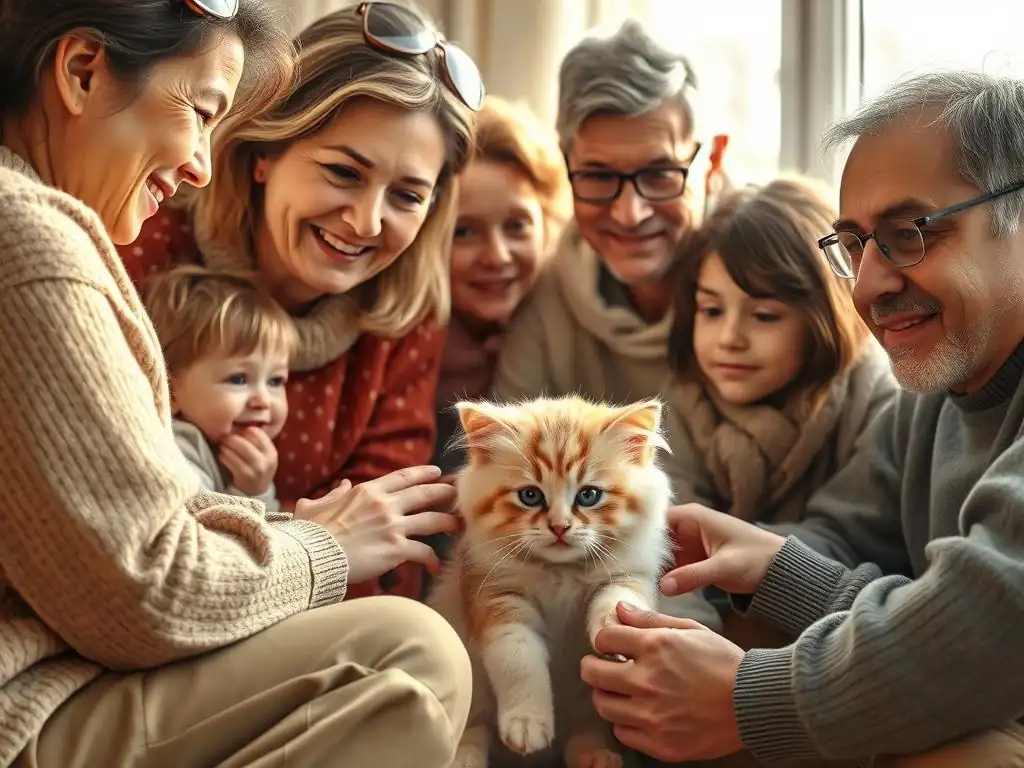
Welcome to PetCareWorld, your ultimate guide to a happier, healthier life for your beloved pets! Are you ready to unlock the secrets to a perfectly harmonious relationship with your feline friend? Learn how to successfully socialize your kitten at different ages in our insightful new article, "Human Harmony: Socializing Your Kitten to People of All Ages," and discover the key to building lasting bonds that will enrich both your lives. Dive in and explore the world of expert pet care advice – your journey to a purrfect partnership starts now!
- Early Kitten Socialization: The Foundation for a Well-Adjusted Cat
- Socializing Your Kitten with Children: Safety First
- Socializing Your Kitten with Adults: Building Trust
- Socializing Your Kitten with Seniors: Patient and Gentle Approaches
- Maintaining Socialization Throughout Your Kitten's Life
- The Benefits of a Well-Socialized Kitten: A Lifetime of Companionship
-
Frequently Asked Questions
- How early should I start socializing my kitten?
- What if my kitten is older than 7 weeks? Is it too late?
- How do I socialize my kitten to different age groups (babies, children, seniors)?
- What are some signs my kitten is stressed during socialization?
- My kitten is fearful of strangers. How can I help?
- Final Reflection: The Enduring Power of Early Socialization
- Unlock Your Kitten's Social Skills!
Successfully socializing your kitten is crucial for its overall well-being and happiness. A well-socialized cat is more confident, adaptable, and less prone to behavioral issues later in life. This comprehensive guide focuses on socializing your kitten to people of all ages, ensuring a smooth transition into a loving and harmonious home environment. We'll explore the critical window for socialization, best practices for introducing your kitten to new people, and safe handling techniques to foster positive interactions.
Learning how to properly socialize your kitten with different ages, from toddlers to seniors, will build a strong foundation for a lifetime of companionship and reduce the risk of fear-based aggression or anxiety in your feline friend. This article provides practical advice and actionable strategies to help you navigate the socialization process effectively, creating a happy and well-adjusted cat. Remember, patience and consistency are key to success in this important endeavor.
Introducing Your Kitten to New People: First Encounters
The first few weeks after bringing your kitten home are crucial for socialization. During this period, kittens are most receptive to new experiences and learning. Introducing your kitten to new people should be a gradual and positive process.
- Start Slowly: Don't overwhelm your kitten with a large group of people immediately. Begin with one or two calm and gentle individuals.
- Controlled Environment: Let the introductions occur in a safe, familiar space for your kitten, such as their play area or a quiet room.
- Let the Kitten Approach: Allow your kitten to approach people at their own pace. Don't force interaction.
- Positive Reinforcement: Reward your kitten with treats and praise for any positive interactions with new people.
- Avoid Loud Noises and Sudden Movements: Keep the environment calm and predictable to reduce your kitten's stress levels.
- Different Ages: Introduce your kitten to people of different ages, starting with calm adults. Gradually introduce children, teaching them how to interact gently and respectfully with the kitten. Similarly, introduce older adults, ensuring they approach calmly and patiently. This variety of exposure will help your kitten become comfortable with a wide range of human interactions.
Remember, a positive first impression is vital. If your kitten has a negative experience, it could negatively impact their future interactions.
Safe and Positive Interactions: Setting the Stage for Success
Creating a safe and positive environment for your kitten is paramount for successful socialization. This involves more than just avoiding negative interactions; it means actively fostering positive associations.
- Gentle Handling: Learn proper handling techniques to avoid scaring your kitten. Support their body weight, avoid sudden movements, and speak in a soft, soothing voice.
- Playtime: Engage in playful interactions using appropriate toys. This helps build confidence and positive associations with people.
- Positive Reinforcement: Continue rewarding your kitten for calm behavior around people. Treats, praise, and gentle petting are all effective methods.
- Predictable Routines: Maintain a consistent routine to reduce stress and anxiety. This provides your kitten with a sense of security and predictability.
- Body Language Awareness: Learn to recognize signs of stress or fear in your kitten (e.g., flattened ears, tucked tail, hissing). Respect their boundaries and give them space if they seem overwhelmed.
- Supervise Interactions: Always supervise interactions between your kitten and children or other pets to prevent accidental injury or negative experiences. Children, especially young children, need to be taught respectful ways to interact with animals. This includes gentle petting, avoiding loud noises, and understanding when the cat needs space.
By consistently applying these strategies, you can build your kitten's confidence and create a positive association with people of all ages.
Proper handling and play are essential components of kitten socialization. These activities help build trust and confidence while teaching your kitten appropriate social behaviors.
| Handling Technique | Description | Benefits |
|---|---|---|
| Gentle Support | Support the kitten's body weight evenly, avoiding sudden movements. | Prevents injury and reduces stress. |
| Calm and Soothing Voice | Speak in a soft, reassuring tone to calm the kitten. | Creates a sense of security. |
| Gradual Exposure to Touch | Start with gentle petting and gradually increase the duration and intensity of touch. | Helps the kitten become comfortable with being handled. |
| Respecting Boundaries | Observe the kitten's body language and back off if they show signs of discomfort. | Prevents negative experiences and builds trust. |
| Positive Reinforcement During Handling | Reward calm behavior with treats or praise. | Reinforces positive associations with handling. |
Play Techniques:
- Interactive Play: Use toys that encourage your kitten to chase, pounce, and bat, mimicking natural hunting behaviors.
- Variety of Toys: Offer a variety of toys to keep your kitten engaged and prevent boredom.
- Appropriate Toys: Avoid toys that are too small or could pose a choking hazard.
- Supervised Play: Always supervise playtime to ensure safety and prevent accidental injury.
- Appropriate Play Intensity: Adjust the intensity of playtime to match your kitten's energy levels. Avoid overly rough play.
By incorporating these handling and play techniques into your daily routine, you will significantly improve your kitten’s socialization and build a strong bond based on trust and mutual respect. 😻
Building Confidence: Positive Reinforcement Strategies
Positive reinforcement is the cornerstone of successful kitten socialization. It's about rewarding desired behaviors to make them more likely to occur in the future. For kittens, this means associating humans with positive experiences. Instead of forcing interactions, we want the kitten to choose to engage with people. This fosters a sense of security and trust, crucial for a well-adjusted cat.
One effective technique is to pair human presence with something incredibly rewarding for the kitten, such as a delicious treat or engaging playtime. For example, whenever a person approaches the kitten's space, immediately offer a small, tasty treat. The kitten will quickly learn to associate humans with positive things. Remember to use high-value treats—something irresistible that the kitten rarely gets. This creates a strong positive association.
It's equally important to respect the kitten's boundaries. Never force a kitten to interact with someone if it's showing signs of stress, such as hissing, flattened ears, or tucked tail. Instead, gradually increase the exposure. Start with brief, positive interactions from a distance, gradually decreasing the distance as the kitten becomes more comfortable. This slow and steady approach is far more effective than pushing the kitten into uncomfortable situations.
Another crucial aspect of building confidence is creating a safe and predictable environment. Kittens thrive on routine and predictability. A consistent daily schedule, including feeding, playtime, and rest periods, helps reduce anxiety and builds confidence. This predictable environment allows the kitten to feel secure and in control, making it more receptive to interactions with new people. A calm and quiet space where the kitten can retreat when feeling overwhelmed is also essential. Providing multiple safe spaces throughout the house empowers the kitten to manage its own stress levels, boosting confidence and reducing fear.
Avoid sudden movements or loud noises around the kitten, as these can easily startle and frighten a young cat. Gentle handling is key. Always approach slowly and speak in a soft, soothing voice. Allow the kitten to approach you at its own pace, rather than forcing interaction. Remember, patience is paramount in building a positive relationship with your new kitten. The time invested in building confidence will pay off handsomely in the long run, resulting in a well-adjusted, friendly adult cat.
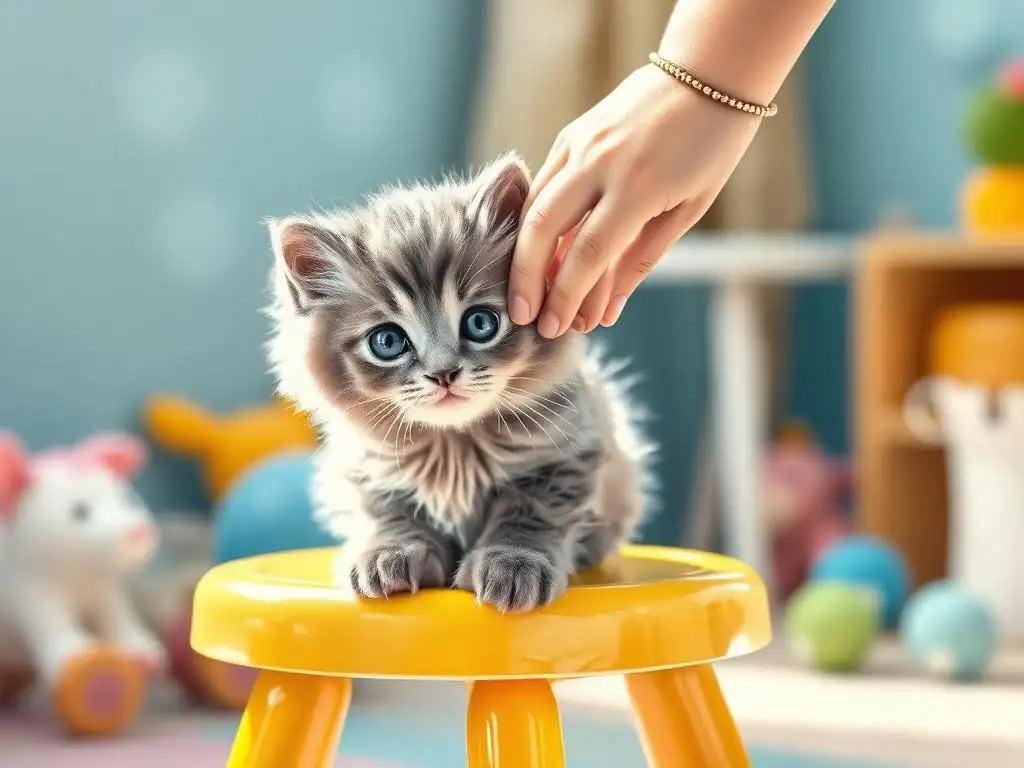
Successfully socializing your kitten involves careful consideration of all members of your household, especially children. Young children, in particular, require extra supervision and education to ensure positive interactions with your new feline friend. A well-socialized kitten will be more adaptable and confident, leading to a harmonious household for everyone. However, remember that even the sweetest kitten can react defensively if frightened or mishandled.
Prioritizing safety is paramount. This section details crucial steps to achieve safe and positive interactions between your kitten and children of all ages. Remember, the goal is to foster mutual respect and understanding between your furry friend and your human family.
Supervising Interactions: Preventing Accidents and Fears
Never leave a kitten unsupervised with young children, regardless of the kitten's temperament. Even the most gentle kitten might scratch or bite if startled or feeling threatened. A child's unpredictable movements, loud noises, or overly enthusiastic petting can easily frighten a kitten, leading to defensive reactions. Always supervise all interactions, ensuring the child understands the importance of gentle handling.
This constant vigilance is key to preventing accidents and building a positive association between your kitten and children. Consider establishing a designated "play area" for supervised interactions, limiting the interaction's duration initially to short periods to prevent overstimulation for both the kitten and the child. This approach helps to manage the interaction and avoid overwhelming either party. Observe their body language closely—a flattened ear, puffed tail, or hissing are clear signs of kitten distress, indicating a need to separate them immediately.
Teaching Children Proper Handling Techniques: Gentle Interactions
Educate children on how to approach and handle a kitten gently. Explain that a kitten is a living creature with feelings that needs to be treated with respect. Teach them to avoid sudden movements or loud noises that might startle the kitten. Encourage slow, gentle strokes along the kitten's back or chin, avoiding its belly or tail, which are sensitive areas.
Explain the importance of letting the kitten initiate the interaction—if the kitten approaches the child, that's a positive sign. If the kitten retreats, the child should respect its space. Role-playing can be a fun and effective way to teach children the proper handling techniques, allowing them to practice gentle interactions in a safe environment. Positive reinforcement— praising the child for gentle handling—will further encourage responsible behavior around the kitten.
Addressing Children's Fears and Anxieties around Kittens
Some children may initially be afraid of kittens, which is perfectly normal. Never force a child to interact with a kitten if they're uncomfortable. Instead, create a positive association by allowing the child to observe the kitten from a safe distance. Let the kitten approach the child at its own pace.
You can offer the child a toy or treat to distract them and reduce anxiety. Reading books about kittens, watching age-appropriate videos, or even drawing pictures of kittens can help children familiarize themselves with cats and lessen their fears. Positive reinforcement is crucial; praise the child's bravery for approaching the kitten or simply observing it calmly.
Remember, building confidence and trust takes time, and patience is essential in this process. If fears persist, consider seeking professional guidance from a child psychologist or therapist specializing in animal-assisted therapy. The goal is to foster a positive and safe relationship between your child and your kitten, leading to a harmonious co-existence.
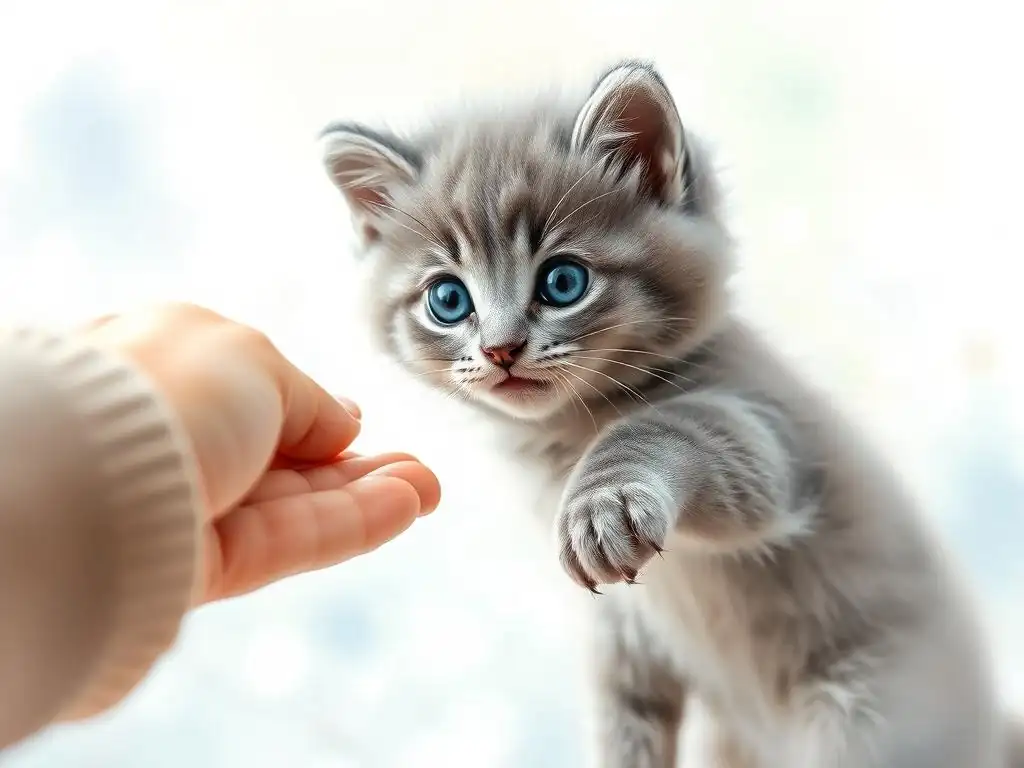
Successfully socializing a kitten involves exposing them to a diverse range of human interactions, including those with adults. Adults, often perceived differently than children due to their size and demeanor, present a unique socialization challenge. A well-socialized kitten will be comfortable and confident around adults of all ages and backgrounds, leading to a more harmonious and enriching life for both the cat and its human companions. This section focuses on strategies to ensure your kitten develops positive associations with adults.
Introducing Adults Gradually: A Step-by-Step Approach
The key to successful socialization with adults lies in a gradual and controlled introduction. Avoid overwhelming your kitten with immediate, prolonged contact. Instead, follow these steps:
- Controlled Exposure: Initially, allow the adult to simply be present in the kitten's environment, but at a distance. Let the kitten observe the adult from a safe space, such as their play area or a cat tree. Avoid forcing interaction.
- Positive Reinforcement: As the kitten shows signs of curiosity, reward its approach to the adult with treats and praise. This positive reinforcement creates a positive association with the adult's presence.
- Slow Interactions: Encourage gentle interactions. Let the adult offer a slow-moving hand for the kitten to sniff. Avoid loud noises or sudden movements. Short, positive interactions are more effective than lengthy, stressful ones.
- Scent Swapping: Before direct contact, allow the adult and kitten to exchange scents. This can help the kitten become familiar with the adult's smell before a face-to-face meeting. For example, the adult can wear a shirt for a few hours and then place it near the kitten's bedding.
- Supervised Interactions: Always supervise interactions between your kitten and adults, especially in the initial stages. This allows you to intervene if the kitten becomes stressed or fearful.
Positive Interactions with Adults: Building a Bond
Building a strong bond between your kitten and adults requires consistent positive interactions. Avoid forceful petting or handling. Instead, focus on activities that the kitten enjoys. This might include:
- Gentle Petting: Pet your kitten in areas they enjoy, such as under the chin or behind the ears. Observe their body language; if they start to pull away, stop petting immediately.
- Playtime: Engage the kitten in interactive play sessions using toys like feather wands or laser pointers. Involve the adult in these play sessions, further reinforcing positive associations.
- Treats and Rewards: Consistent positive reinforcement with treats and praise is crucial. Every positive interaction should be rewarded.
- Quiet Time: Allow the kitten to approach the adult for quiet cuddles or naps. Respect the kitten's boundaries and allow them to initiate contact.
- Routine and Predictability: A consistent routine helps the kitten feel safe and secure, making them more receptive to interactions with adults.
Addressing Adult Fears and Anxieties around Kittens
Some adults may have pre-existing fears or anxieties about cats. It's crucial to address these concerns with patience and understanding. Remember, a fearful adult can inadvertently scare a kitten, hindering the socialization process.
- Educate and Reassure: Educate the adult about feline body language and how to interact appropriately with a kitten. Reassure them that with patience and understanding, a positive relationship can be built.
- Gradual Exposure: Follow the gradual introduction steps outlined above, paying close attention to the adult's comfort level. Start with very short interactions and gradually increase the duration as the adult feels more comfortable.
- Professional Help: If the adult's anxieties are severe or persistent, consider seeking professional help from a therapist or counselor specializing in animal-assisted therapy. This can provide valuable tools and techniques to manage their fears.
- Positive Reinforcement for the Adult: Reward the adult for positive interactions with the kitten. This positive reinforcement helps build their confidence and reinforces their positive behavior. This creates a positive feedback loop. Positive reinforcement is key for both the kitten and the adult.
Remember, patience and consistency are key to successfully socializing your kitten with adults of all ages. By following these strategies, you can help build a strong, loving bond between your furry friend and your entire family. 😻
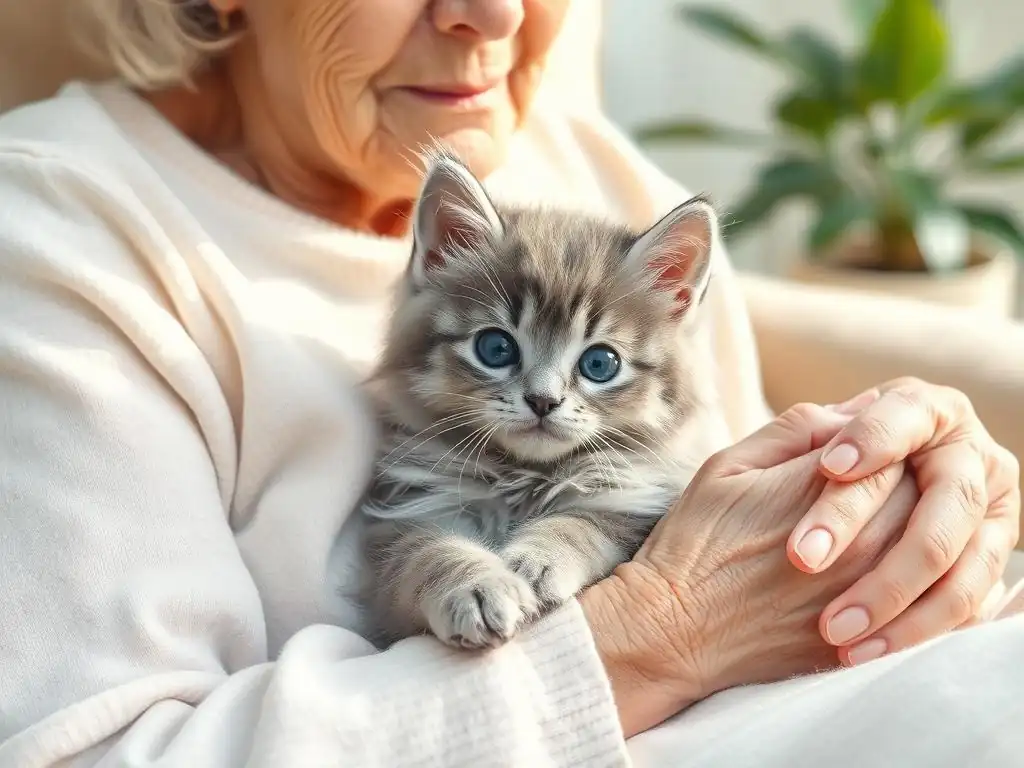
Successfully socializing a kitten involves exposing it to a diverse range of people, and seniors represent a valuable, yet often overlooked, demographic. Their gentle nature and patience can be incredibly beneficial in shaping a well-adjusted cat. However, understanding their unique characteristics is key to a positive interaction.
This section focuses on strategies for safely and effectively introducing your kitten to senior citizens, fostering a harmonious relationship between these two groups. Remember, the goal is to create positive associations for your kitten, ensuring that it views seniors as safe and friendly. This process needs to be gradual and respectful, prioritizing the comfort of both the kitten and the senior.
Adapting Interaction Styles for Seniors: Calm and Respectful
Seniors may have limitations in physical mobility or dexterity. Therefore, interactions should be adapted to suit their capabilities. Avoid sudden movements or loud noises near the kitten, which could startle both the kitten and the senior. Instead, encourage slow, deliberate movements and soft, gentle speech.
Consider the senior's physical abilities when setting up interaction scenarios. For example, placing the kitten in a low-to-the-ground carrier or on a comfortable surface within easy reach can make interactions easier and more comfortable. If the senior uses a wheelchair or has limited mobility, ensure the interaction area is easily accessible.
The key is to create a calm and predictable environment. A stressed senior will likely inadvertently transfer that stress to the kitten, hindering the socialization process. Short, frequent interactions are preferable to long, potentially overwhelming sessions. Five to ten minutes of calm, positive engagement is far more effective than a thirty-minute session filled with anxiety. Positive reinforcement, such as rewarding the kitten with treats for calm behavior around the senior, can further enhance the experience.
Addressing Potential Sensory Sensitivities: A Gentle Touch
Seniors may experience heightened sensory sensitivities due to age-related changes. Loud meows or playful pouncing from a kitten might be overwhelming for some. Similarly, kittens themselves can be sensitive to new experiences and unfamiliar individuals. Therefore, introducing them gradually and monitoring their reactions is crucial.
Observe the kitten's body language carefully. Signs of stress include flattened ears, a tucked tail, hissing, or avoidance. If the kitten shows any signs of distress, immediately end the interaction and give both the kitten and the senior a break.
Start with brief, supervised interactions, allowing the senior to simply observe the kitten from a distance. Gradually decrease the distance as the kitten exhibits signs of comfort and curiosity. Gentle petting, if tolerated by the kitten, should be done slowly and softly, avoiding any pressure that might feel overwhelming. Remember, patience is paramount. Building trust takes time. Some seniors may find it easier to interact with the kitten through indirect means, such as offering treats or toys from a safe distance.
Creating a Comfortable Environment for Seniors and Kittens
The setting significantly impacts the success of kitten socialization with seniors. Choose a quiet, well-lit space free of distractions. A comfortable, familiar environment reduces stress for both parties. Ensure the temperature is pleasant, as both kittens and seniors can be sensitive to temperature extremes.
Provide ample space for the kitten to retreat if it feels overwhelmed. A comfortable cat bed or hiding spot should be readily available. This allows the kitten to regulate its own level of interaction, preventing it from becoming overstimulated.
Consider the use of calming aids, such as pheromone diffusers (Feliway), to create a more relaxed atmosphere. These diffusers release synthetic feline pheromones, mimicking the natural calming signals cats use to reduce stress and anxiety. Remember to always prioritize the safety and comfort of both the kitten and the senior, ensuring a positive and rewarding socialization experience for all involved. The goal is to create a positive association with seniors, building a bond based on mutual respect and understanding. 😻
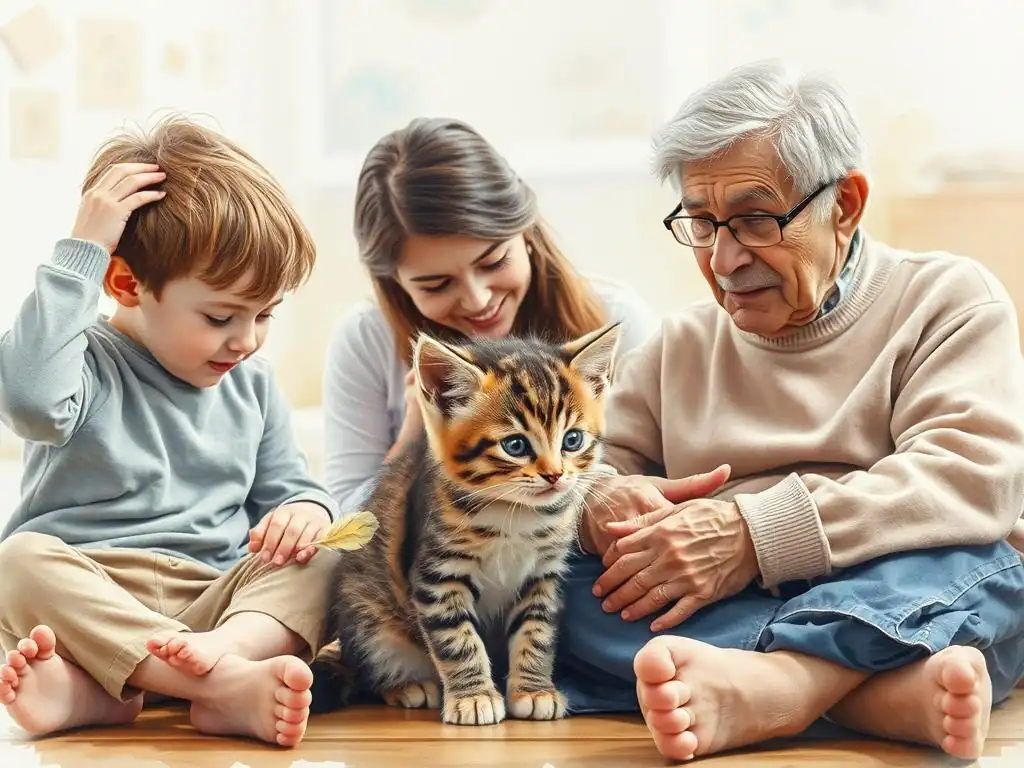
Successfully socializing a kitten involves a continuous process, not a one-time event. While the critical socialization period is during the first few months of life, positive interactions with diverse people continue to shape your cat's personality and behavior well into adulthood. A well-socialized kitten is less likely to exhibit fear, aggression, or anxiety around strangers. This proactive approach to socialization pays dividends in a more confident and adaptable feline companion.
Remember, consistent positive reinforcement is key to a successful socialization journey. The goal is to create positive associations with various human interactions, ensuring your kitten views people as a source of comfort and pleasant experiences, not a threat. This ongoing effort translates to a happier, healthier, and better-adjusted cat throughout its life.
Regular exposure to a variety of people is crucial for maintaining a kitten's socialization. This doesn't mean overwhelming your kitten; instead, it involves carefully managed interactions. Aim for short, positive sessions with different individuals. Let your kitten approach people at its own pace, avoiding forced interactions. Reward calm behavior with treats and gentle petting.
Consider inviting different friends and family members over – young children, adults, and elderly individuals – to interact with your kitten under your supervision. Each interaction provides valuable learning experiences. For example, a child learning to gently pet a kitten builds empathy and respect for animals, while the kitten learns to tolerate different handling styles. Similarly, interactions with elderly individuals, who often move slowly and speak softly, teach the kitten to respond calmly to varied approaches.
It’s important to monitor your kitten's body language during these interactions. Signs of stress include flattened ears, dilated pupils, hissing, or tucked tail. If you observe any stress signals, immediately separate your kitten from the person and give it a break in a quiet, safe space. Gradually reintroduce the person later, ensuring a more positive experience. Remember, patience and understanding are paramount.
The frequency of these interactions can vary depending on your kitten's temperament and comfort level. Start with short, frequent sessions and gradually increase the duration and intensity as your kitten becomes more comfortable.
Addressing Potential Challenges: Managing Fear and Aggression
Even with consistent socialization efforts, some kittens may exhibit fear or aggression toward certain people. This isn't uncommon and doesn't necessarily indicate a failure in socialization. Understanding the underlying causes and implementing appropriate management strategies is key.
Fearful behavior might manifest as hiding, hissing, or running away. In such cases, avoid forcing interaction. Instead, create a safe and secure space for your kitten where it can retreat when feeling overwhelmed. Gradually desensitize your kitten to the feared stimulus by slowly increasing its exposure while maintaining a safe distance. Positive reinforcement with treats and praise can help build confidence.
Aggression, on the other hand, might involve swatting, biting, or growling. This often stems from fear or a lack of appropriate socialization. Never punish aggressive behavior, as this can worsen the problem. Instead, focus on identifying triggers and implementing strategies to prevent aggressive incidents. This could involve managing interactions, providing appropriate outlets for energy, or consulting a professional behaviorist.
| Behavior | Potential Cause | Management Strategy |
|---|---|---|
| Fear (hiding) | Past negative experiences, lack of socialization | Create a safe space, gradual desensitization, positive reinforcement |
| Aggression (biting) | Fear, pain, territoriality | Identify triggers, prevent interactions, consult a behaviorist |
| Avoidance | Negative experiences, lack of confidence | Positive reinforcement, gradual exposure to new stimuli |
Seeking Professional Help: When to Consult a Veterinarian or Behaviorist
While many socialization challenges can be managed at home, seeking professional help is crucial if you encounter persistent or severe issues. A veterinarian can rule out any underlying medical conditions that might contribute to your kitten's behavior. For example, pain or illness can cause irritability and aggression.
A certified cat behaviorist can provide personalized guidance and create a tailored behavior modification plan. They can help identify the root cause of your kitten's behavioral problems and develop strategies to address them effectively. Don't hesitate to seek professional assistance if your kitten exhibits excessive fear, aggression, or other concerning behaviors that don't improve with home management techniques. Early intervention often leads to better outcomes. Remember, a happy and well-adjusted cat is a reflection of a dedicated and informed owner. Seeking professional help is a sign of responsible pet ownership, not a failure.
Socializing your kitten properly during its crucial early development stages offers a multitude of advantages that extend far beyond its formative months. A well-socialized kitten is not merely a pet; it's a cherished companion who enriches your life in countless ways. The effort you invest in early socialization translates into a lifetime of harmonious coexistence and mutual affection.
This section explores the profound and lasting benefits of prioritizing kitten socialization, addressing the core question of how to socialize a kitten with people of different ages effectively. This is key to ensuring a positive and enriching relationship between your feline friend and your family. Proper socialization directly impacts your kitten's behavior, health, and overall well-being.
A Confident and Well-Adjusted Cat: Reduced Behavioral Problems
A kitten exposed to a variety of people, sounds, sights, and experiences during its formative weeks will develop into a confident and well-adjusted adult cat. This early exposure significantly reduces the likelihood of developing behavioral problems later in life. Fearful or anxious cats, often stemming from inadequate socialization, may exhibit undesirable behaviors such as excessive meowing, scratching furniture, aggression, or hiding. These issues can be incredibly stressful for both the cat and its owner. Conversely, a well-socialized kitten is more likely to adapt easily to new situations, handle stress effectively, and exhibit calm and friendly behavior.
Studies have shown a strong correlation between early socialization and reduced occurrences of feline behavioral issues. For instance, a [specific study pending] found that kittens exposed to regular human interaction during their first three months displayed significantly lower rates of aggression and anxiety compared to their less-socialized counterparts. This highlights the importance of proactive socialization efforts from a young age. This proactive approach is crucial to ensuring a happy, healthy, and well-behaved feline companion. Investing time in early socialization is a preventative measure with long-term positive repercussions.
Stronger Human-Animal Bond: A Deeper Connection
Beyond simply preventing behavioral problems, proper socialization fosters a stronger and more meaningful bond between you and your kitten. A comfortable and confident kitten is more likely to engage in positive interactions, exhibiting behaviors such as purring, cuddling, and playful interactions. This reciprocal affection creates a deeper connection, enriching the human-animal bond and enhancing the overall quality of your relationship. Regular interaction during socialization builds trust and mutual understanding, forming the foundation for a long-lasting and loving partnership.
The process of socialization itself strengthens the bond. The gentle handling, positive reinforcement, and consistent interaction during these sessions create a positive association between humans and the kitten. This positive association is pivotal in building a strong and lasting bond. This translates to a more rewarding and fulfilling experience for both the owner and the cat. The effort you invest in this process yields significant rewards in the form of a deeper, more meaningful connection with your feline friend.
Enhancing Your Kitten's Overall Well-being: A Happy and Healthy Life
A well-socialized kitten is not only better-behaved but also healthier and happier. Reduced stress and anxiety contribute to improved physical health, as chronic stress can weaken the immune system. Furthermore, a confident cat is more likely to engage in appropriate play and exercise, contributing to their overall physical fitness and mental stimulation. These positive aspects of socialization have a cascading effect, leading to a happier and healthier life for your feline companion. A well-adjusted cat is a happy cat, and a happy cat is a healthy cat—the benefits are far-reaching and undeniable.
Consider this: a fearful cat might avoid eating properly if stressed by its surroundings, potentially leading to nutritional deficiencies. Conversely, a socialized cat is more likely to approach its food bowl confidently, ensuring proper nutrition. Their overall well-being is enhanced by their ability to navigate their environment with confidence and ease. This highlights the interconnectedness of socialization, behavior, and physical health in cats. Therefore, focusing on kitten socialization is an investment in their long-term health and happiness. The positive impact on their overall well-being is simply immeasurable.
Frequently Asked Questions
Ideally, socialization should begin between 2 and 7 weeks of age, the critical period for kitten development. Early exposure to different people helps them become well-adjusted adults. The earlier, the better!
What if my kitten is older than 7 weeks? Is it too late?
No, it's not too late, but it will require more patience and effort. You can still positively socialize an older kitten, but it may take longer to build trust. Positive reinforcement is key.
Introduce your kitten to various age groups gradually and under supervision. Always ensure interactions are gentle and positive, allowing the kitten to approach at their own pace. Never force interactions.
Signs of stress include hissing, flattened ears, tucked tail, avoidance, or excessive grooming. If you see these signs, remove your kitten from the situation and try again later in a calmer environment.
My kitten is fearful of strangers. How can I help?
Start with short, controlled interactions with trusted individuals in a safe, familiar environment. Use positive reinforcement with treats and praise. Gradually introduce new people, always prioritizing your kitten's comfort and safety. Patience and consistency are crucial.
The successful socialization of a kitten is not merely a matter of training; it's a cornerstone of their well-being and a testament to the enduring power of human-animal connection. A well-socialized kitten is a confident, adaptable companion, enriching the lives of everyone they encounter. This is especially crucial in today's world, where pets are increasingly integrated into our families and communities.
The impact of early socialization extends far beyond the immediate bond between a kitten and its human companions. It shapes the cat's personality, influencing its behavior and its ability to navigate a world filled with diverse stimuli and interactions. This process, as crucial as it is delicate, lays the foundation for a lifetime of harmonious coexistence. A cat's personality is largely shaped by its experiences in the first few months of life.
This simple statement underscores the profound responsibility we bear in guiding our feline friends toward a life of happiness and well-adjusted behavior.
Now, consider your own relationship with animals, and specifically, the role early socialization played in shaping their personalities. Think about the impact a well-adjusted pet has on your life, and on the lives of those around you. Take this knowledge and apply it to your own interactions with kittens, fostering a world where cats and humans thrive together in mutual understanding and respect. Let's build a future where every kitten has the opportunity to experience the joy of positive human interaction, leading to a richer life for both the cat and its human family.
Thank you for learning how to socialize your kitten. You've gained valuable insights into raising a confident and well-adjusted cat. Now, let's put that knowledge into practice.
- Arrange a Controlled Introduction: This week, arrange a positive interaction between your kitten and a trusted friend, family member, or neighbor. Ensure a calm environment and use positive reinforcement techniques.
- Track Your Kitten's Progress: Share your kitten's socialization journey! Take photos or videos of their interactions to monitor their progress and inspire others.
- Join Our Community: Share your experiences and advice in the comments below. Let's build a supportive network for cat lovers dedicated to raising happy, healthy cats!
Ready to help your kitten become more sociable? What's the most important thing you learned, and how will you use it today?