
Blood in Cat Urine? What It Means and When to Seek Immediate Veterinary Care

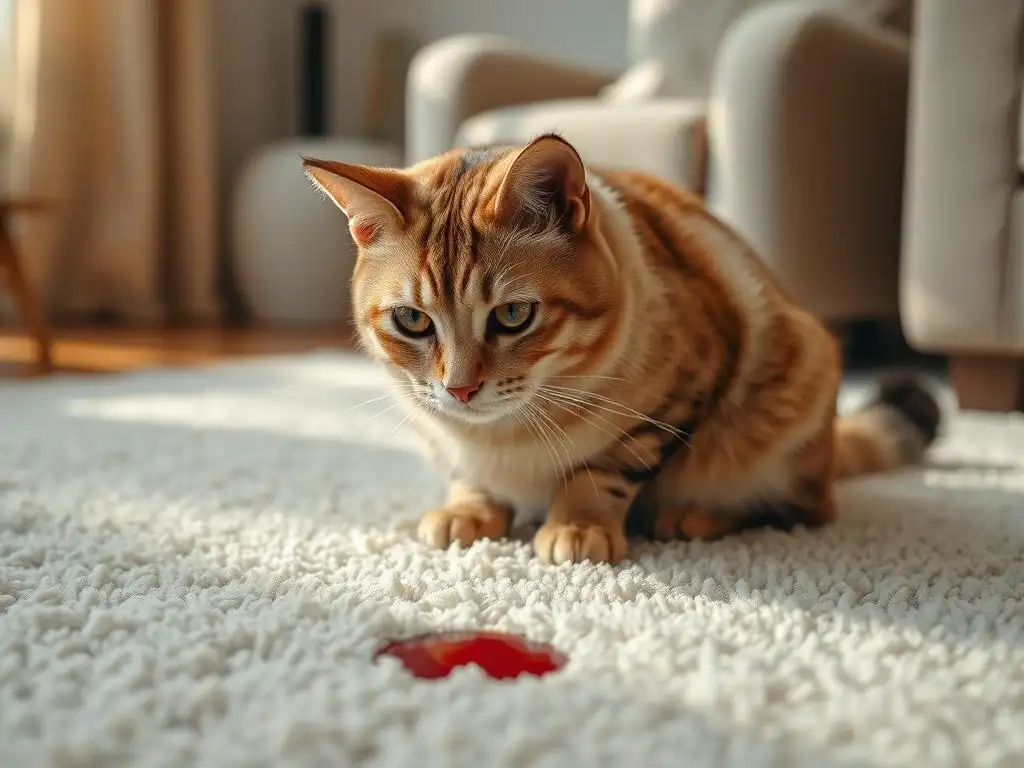
Welcome to PetCareWorld, your ultimate guide to a happier, healthier life for your beloved pets! Are you concerned about your feline friend? Discovering blood in cat urine is understandably alarming. This crucial guide delves into the potential causes, helping you understand when a vet visit is necessary and what steps to take. Learn how to decipher the signs and ensure your cat receives the best possible care. Let's explore the vital information you need – your pet's well-being is our priority.
- Understanding Hematuria in Cats: Blood in the Urine
- When to Rush Your Cat to the Vet: Emergency Situations
- Diagnosing the Cause of Blood in Your Cat's Urine: Veterinary Procedures
- Treatment Options for Cats with Blood in Urine: Veterinary Approaches
- Preventing Blood in Cat Urine: Proactive Cat Healthcare
- Cat Urine Blood Vet Visit: Long-Term Management and Monitoring
- Frequently Asked Questions
- Final Reflection: The Silent Cry for Help in a Cat's Urine
- Uncover the Secrets of Your Cat's Health
Understanding Hematuria in Cats: Blood in the Urine
Discovering blood in your cat's urine, a condition known as hematuria, can be alarming. This comprehensive guide will help you understand the various causes of blood in cat urine, ranging from relatively minor infections to more serious conditions requiring immediate veterinary attention.
We'll explore the different ways blood might manifest in your cat's urine, discuss the underlying medical reasons, and most importantly, guide you on when to seek immediate veterinary care for your feline companion. Early detection and prompt treatment are crucial for ensuring the best possible outcome for your cat's health, so paying close attention to any changes in their urinary habits is essential.
This article is designed to equip you with the knowledge to recognize the signs and make informed decisions about your cat's well-being, ultimately helping you navigate this potentially serious issue. Remember, while this information is intended to be informative, it is not a substitute for professional veterinary advice.
Identifying Blood in Cat Urine: Color Changes and Signs
The presence of blood in cat urine isn't always immediately obvious. Sometimes, the urine might appear a darker, reddish-pink or even brown hue. Other times, you might only see visible blood clots or streaks. It's crucial to pay attention to even subtle changes in your cat's urine color. Beyond color changes, other indicators that might accompany blood in the urine include:
- Increased frequency of urination
- Straining or difficulty urinating (dysuria)
- Licking the urinary area excessively
- Changes in litter box habits (e.g., urinating outside the litter box)
- Lethargy or loss of appetite
- Vocalization during urination
- Pain or discomfort in the abdomen
Any of these symptoms, especially in combination with changes in urine color, warrant a veterinary check-up. Early detection is key in managing feline urinary tract issues effectively. Don't hesitate to consult your veterinarian if you observe any of these signs. Remember, even a seemingly minor change can signal a more significant underlying problem.
Causes of Blood in Cat Urine: From Simple Infections to Serious Conditions
Blood in a cat's urine can stem from a variety of causes, ranging from relatively common infections to more severe conditions. Understanding these potential causes is important for determining the appropriate course of action. Let's delve into some of the most frequent culprits:
Urinary Tract Infections (UTIs) in Cats
UTIs are a common cause of hematuria in cats. Bacteria can infect the urethra, bladder, or even the kidneys, leading to inflammation and bleeding. Symptoms can vary, but often include increased urinary frequency, straining to urinate, and urine with a strong or unusual odor. Treatment typically involves antibiotics prescribed by a veterinarian. Untreated UTIs can lead to more serious complications.
Feline Idiopathic Cystitis (FIC)
FIC is a frustrating and common condition characterized by inflammation of the bladder, often without a clear bacterial infection. The exact cause is unknown, but stress, diet, and genetics may play a role. Symptoms often include frequent urination, straining, and blood in the urine. Management involves stress reduction techniques, dietary changes (often involving increased water intake), and medications to manage pain and inflammation.
Kidney Disease in Cats and Blood in Urine
Chronic kidney disease (CKD) is a progressive condition affecting the kidneys' ability to filter waste from the blood. As the kidneys fail, waste products build up, and bleeding can occur in various parts of the urinary tract. Symptoms can include increased thirst and urination, weight loss, lethargy, and poor coat condition. Treatment focuses on managing symptoms and slowing disease progression.
Bladder Stones and Crystals
The formation of stones or crystals in the bladder can irritate the bladder lining, causing bleeding. The type of stone or crystal will determine the treatment approach. Dietary changes and medications can help dissolve certain types of stones, while surgical removal might be necessary in other cases.
Tumors and Cancer Affecting the Urinary Tract
Tumors in the bladder or kidneys can cause hematuria. These tumors can be benign or malignant. Diagnosis often involves imaging techniques and biopsies. Treatment depends on the type and stage of cancer and may involve surgery, chemotherapy, or radiation therapy.
Trauma and Injuries to the Urinary System
Physical trauma, such as a fall or a fight, can damage the urinary tract, leading to bleeding. This can range from minor abrasions to severe injuries requiring surgical intervention. Immediate veterinary care is necessary in cases of suspected trauma.
When to Rush Your Cat to the Vet: Emergency Situations

This section focuses on identifying critical situations where immediate veterinary intervention is crucial for your cat's health, particularly when blood in the urine is observed. Delaying treatment in these cases can lead to serious complications and potentially life-threatening consequences. Recognizing these warning signs is paramount for responsible pet ownership. The presence of blood in your cat's urine ( hematuria) is a serious sign, but certain accompanying symptoms elevate the urgency to an emergency level. Understanding these indicators will help you make informed decisions and ensure your feline companion receives timely and appropriate care.
Blood in Cat Urine: Immediate Veterinary Care Needed
The discovery of blood in your cat's urine, regardless of the amount, warrants prompt veterinary attention. While some instances might indicate a relatively minor irritation, others signal severe underlying conditions requiring immediate medical intervention. The color of the blood can also offer clues; bright red blood often suggests bleeding from the lower urinary tract, while dark red or brown blood may indicate bleeding further up the system. The presence of clots can also be indicative of a more serious issue.
Don't attempt to self-diagnose; even a small amount of blood demands professional veterinary assessment. Don't delay – contact your vet immediately if you notice blood in your cat's urine. A swift response can make a significant difference in the outcome. Remember, prompt action is key when it comes to "cat urine blood vet visit" situations.
Signs Requiring Immediate Veterinary Attention Beyond Blood in Urine
While blood in the urine is a significant warning sign, several other symptoms, when combined with hematuria, indicate an urgent need for veterinary care. These symptoms often point towards a more serious underlying condition that demands prompt professional intervention. The severity of these combined symptoms underscores the need for immediate action.
Severe Pain or Distress
Observe your cat carefully. Is your cat exhibiting signs of severe pain? This might manifest as vocalization (meowing excessively or crying out), restlessness, hunching, or reluctance to move. Severe abdominal pain, often associated with urinary tract obstructions, is a critical emergency. Cats in severe pain often become lethargic and withdrawn, further highlighting the need for immediate veterinary attention. A cat exhibiting such distress needs immediate professional help. Delaying treatment can lead to irreversible damage and potentially fatal outcomes.
Inability to Urinate (Urinary Retention)
Urinary retention, the inability to urinate, is a life-threatening condition. If your cat is straining to urinate without producing urine, or if you notice a distended abdomen, seek immediate veterinary care. This is a critical situation that can lead to kidney failure if not addressed promptly. Urinary blockages, often associated with crystals or stones in the urinary tract, are a common cause of this potentially fatal condition. The longer the blockage persists, the greater the risk of irreversible damage and death. This is a classic "cat urine blood vet visit" scenario needing immediate action.
Changes in Behavior and Appetite
Significant changes in your cat's behavior and appetite should also trigger immediate concern, particularly when accompanied by blood in the urine. Lethargy, unusual aggression, hiding, loss of appetite, or excessive grooming can all indicate underlying illness. These behavioral changes, combined with blood in the urine, suggest a serious underlying problem. These are not isolated incidents; they are often indicators of a severe health issue. Ignoring these signs can have devastating consequences.
Other concerning symptoms
Beyond the aforementioned symptoms, other indicators might necessitate an immediate vet visit. These include: fever (a noticeably warm body temperature), vomiting, diarrhea, dehydration (dry gums and lack of skin elasticity), and unusual weight loss. The presence of any of these symptoms, coupled with blood in the urine, significantly increases the urgency for immediate veterinary care. Don't underestimate the importance of these seemingly minor symptoms; they can be crucial indicators of a serious underlying condition. Remember, your cat cannot communicate its pain effectively; you need to be vigilant in observing any changes in its behavior and overall health.
Remember, acting swiftly is crucial when dealing with blood in your cat's urine. Early intervention can significantly improve your cat's chances of a full recovery. Don't hesitate to contact your veterinarian immediately if you observe any of the symptoms mentioned above. Your prompt action could save your cat's life.
Diagnosing the Cause of Blood in Your Cat's Urine: Veterinary Procedures

Identifying the underlying cause of hematuria (blood in the urine) in cats requires a thorough veterinary examination and a series of diagnostic tests. The severity of the bleeding, along with other clinical signs, will guide your veterinarian in determining the appropriate course of action. Early detection and intervention are crucial for successful treatment and preventing long-term complications. Remember, seeing blood in your cat's urine necessitates a vet visit as soon as possible – delaying treatment can worsen the condition.
Veterinary Examination and History
The initial step involves a comprehensive physical examination of your cat. Your veterinarian will assess your cat's overall health, paying close attention to signs of dehydration, pain, or discomfort. They will palpate (feel) the abdomen to check for any abnormalities in the kidneys, bladder, or surrounding tissues.
A careful observation of your cat’s behavior, such as changes in urination habits (straining, frequent attempts to urinate, crying), appetite, and activity level, will also provide valuable insights. Providing a detailed history of your cat's health, including diet, vaccination status, any recent illnesses or injuries, and any medications your cat is currently taking, is essential to assist your veterinarian in making an accurate diagnosis. The veterinarian will inquire about the onset of the hematuria—was it sudden or gradual?
Is the blood consistently present or intermittent? This information helps determine the urgency of the situation and potential causes. For example, a sudden onset of severe hematuria could indicate a urinary blockage, a life-threatening emergency.
Diagnostic Tests: Urine Analysis, Blood Tests, and Imaging
After the initial examination, your veterinarian will likely order several diagnostic tests to pinpoint the cause of the blood in your cat's urine. These tests are vital for differentiating between various potential conditions. The goal is to determine if the bleeding originates from the kidneys (renal hematuria), the bladder (vesical hematuria), or the urethra (urethral hematuria). This distinction significantly impacts the treatment strategy.
Urine Culture and Sensitivity Testing
A urine culture is a crucial test to identify the presence of bacteria or other microorganisms in the urine. This helps diagnose urinary tract infections (UTIs), a common cause of hematuria in cats. The sensitivity testing component determines which antibiotics are most effective against the identified bacteria, ensuring targeted and effective treatment.
A positive urine culture, indicating a bacterial UTI, will often be accompanied by other symptoms such as increased frequency of urination, straining to urinate, and potentially cloudy or foul-smelling urine. The results of this test are key for your vet to prescribe the right course of action to address the infection and resolve the bleeding.
Blood Chemistry Profile
A complete blood count (CBC) and a blood chemistry profile are essential to assess your cat's overall health and identify any underlying medical conditions that may be contributing to the hematuria. The CBC evaluates the number and type of blood cells, helping to detect anemia (low red blood cell count), infection, or other blood disorders. The blood chemistry profile measures various substances in the blood, providing information about kidney function, liver function, and electrolyte balance.
These tests can reveal underlying diseases such as kidney disease, which can cause bleeding in the urine, or identify other health issues that might need attention. For example, elevated creatinine levels might indicate kidney dysfunction.
Ultrasound and X-rays of the Urinary Tract
Imaging techniques such as ultrasound and X-rays are often used to visualize the urinary tract (kidneys, bladder, and urethra). Ultrasound allows for a non-invasive assessment of the size, shape, and structure of the kidneys and bladder, identifying potential abnormalities like bladder stones, tumors, or structural defects. X-rays can help detect the presence of urinary stones or other obstructions in the urinary tract.
These images are crucial for visualizing the source of the bleeding and guiding treatment. For instance, an ultrasound might reveal a bladder tumor as the source of the hematuria, requiring a different approach than if the cause were a simple UTI. The imaging results, in conjunction with other test results, provide a complete picture for accurate diagnosis and effective treatment planning.
The combination of these diagnostic tools allows your veterinarian to accurately diagnose the cause of the blood in your cat's urine and recommend the appropriate treatment plan. Remember, prompt veterinary care is essential for managing this condition and ensuring your cat's well-being.
Treatment Options for Cats with Blood in Urine: Veterinary Approaches
Diagnosing the underlying cause of blood in a cat's urine (hematuria) is crucial before initiating treatment. Your veterinarian will conduct a thorough examination, likely including a urinalysis, blood work, and potentially imaging tests such as ultrasound or X-rays. The specific treatment will depend entirely on the diagnosed condition. Delaying veterinary intervention can lead to serious complications, so prompt action is essential when you observe blood in your cat's urine.
This section outlines common treatments for some of the most frequent causes of feline hematuria. Remember, this information is for educational purposes only and should not replace professional veterinary advice. Always consult your veterinarian for a proper diagnosis and personalized treatment plan for your cat.
Treatment for UTIs
Urinary tract infections (UTIs) are a common cause of blood in cat urine. Bacterial UTIs are usually treated with antibiotics. The specific antibiotic and duration of treatment will depend on the type of bacteria identified in the urine culture. Your vet will prescribe the appropriate medication and monitor your cat's progress.
Symptoms of a UTI often include increased urinary frequency, straining to urinate, and pain during urination. In addition to antibiotics, supportive care may involve increasing water intake to flush out the bacteria and providing a comfortable, stress-free environment. Early detection and treatment of UTIs are crucial to prevent the infection from spreading to the kidneys. Monitoring your cat’s litter box habits and contacting your vet at the first sign of changes is vital for successful management of UTIs and preventing more serious feline urinary tract problems.
Treatment for FIC
Feline idiopathic cystitis (FIC), also known as feline lower urinary tract disease (FLUTD), is a more complex condition characterized by inflammation of the bladder. Unlike UTIs, FIC isn't caused by a bacterial infection. The exact cause remains unknown, but stress, diet, and genetics are thought to play a role. Treatment focuses on managing symptoms and preventing recurrences.
This often involves dietary changes, such as switching to a prescription diet formulated to help acidify the urine and reduce irritation. Stress reduction techniques, such as providing a quiet, safe space for your cat, are also essential. In some cases, pain medication may be necessary to alleviate discomfort. Fluid therapy, either orally or intravenously, can help dilute the urine and reduce inflammation.
For severe cases, hospitalization and catheterization may be required. The goal of FIC treatment is long-term management to improve your cat's quality of life and prevent future episodes. Regular veterinary checkups are crucial for monitoring the condition and adjusting the treatment plan as needed.
Treatment for Kidney Disease
Kidney disease is a serious condition that can cause blood in the urine. Treatment focuses on managing the disease's progression and improving your cat's quality of life. This typically involves a combination of approaches, including dietary modifications (special prescription diets low in phosphorus and protein), fluid therapy to help flush out toxins, and medication to manage symptoms such as hypertension and anemia.
In advanced stages, dialysis or other supportive care may be necessary. Regular monitoring of kidney function through blood tests is essential to assess the effectiveness of treatment and adjust the plan as needed. Early detection and prompt veterinary intervention are key to slowing the progression of kidney disease and maximizing your cat's lifespan.
Careful attention to your cat's hydration status and regular veterinary check-ups are crucial for effective management of kidney disease and improving its prognosis. The prognosis and treatment approach will heavily depend on the stage of kidney disease at the time of diagnosis.
Treatment for Bladder Stones

Bladder stones in cats, a common cause of blood in urine (hematuria), require careful veterinary intervention. The treatment approach depends heavily on the type and size of the stones. Smaller stones may be managed medically, focusing on dietary changes to alter urine pH and prevent further stone formation.
This often involves a prescription diet specifically formulated to dissolve or minimize the recurrence of certain types of stones. For example, cats with struvite stones may benefit from a diet that acidifies their urine, while those with calcium oxalate stones might require a diet that reduces oxalate absorption. Regular monitoring of urine pH and stone size through urine tests and potentially radiographic imaging (ultrasound or X-rays) is crucial to assess the effectiveness of the dietary management.
Larger stones, however, often necessitate surgical removal. This procedure, known as cystotomy, involves a small incision into the bladder to extract the stones. Post-operative care includes pain management, antibiotics to prevent infection, and continued dietary management to minimize the risk of recurrence. The recovery period varies depending on the cat's overall health and the complexity of the surgery, but typically involves a few days of hospitalization followed by several weeks of home care. Failure to address bladder stones can lead to severe complications, including urinary tract infections, bladder obstruction, and even kidney failure. Therefore, prompt veterinary intervention is paramount.
Treatment for Tumors and Cancer
The presence of blood in a cat's urine can sometimes indicate the presence of tumors or cancerous growths within the urinary tract. Diagnosis typically involves a combination of techniques, including urinalysis, imaging studies (ultrasound, X-rays, CT scans), and potentially a biopsy to confirm the type and extent of the malignancy. Treatment options vary greatly depending on the type of cancer, its stage, and the cat's overall health.
For some tumors, surgery may be an option, aiming to remove the cancerous tissue. This could involve partial or complete removal of the bladder, depending on the tumor's location and size. However, surgery is not always feasible or curative. Chemotherapy and radiation therapy are other potential treatment modalities used to target cancerous cells and slow tumor growth.
These treatments can have significant side effects, and careful monitoring of the cat's health is essential. Palliative care focuses on improving the cat's quality of life by managing pain and other symptoms, even when a cure is not possible. Unfortunately, the prognosis for feline urinary tract cancers can be challenging, and the treatment plan should be discussed extensively with a veterinary oncologist to weigh the potential benefits against the risks and side effects.
Surgical Interventions
Surgical intervention is sometimes necessary to address the underlying cause of blood in a cat's urine. As mentioned previously, cystotomy for bladder stone removal is a common surgical procedure. Beyond stone removal, surgery may be required for other conditions, such as the removal of bladder tumors, repair of bladder trauma, or correction of urethral obstructions. The specific surgical technique will depend on the diagnosis and the individual cat's circumstances.
Prior to surgery, the veterinary team will perform a thorough assessment of the cat's health, including blood tests, urinalysis, and imaging studies to determine the best course of action and to minimize surgical risks. Post-operative care is crucial for successful recovery. This usually includes pain management medication, antibiotics to prevent infection, and close monitoring for complications such as bleeding or infection.
The cat will likely require a period of hospitalization, followed by careful monitoring at home. Dietary modifications are often recommended after surgery to support healing and prevent recurrence of the underlying problem. The success rate of surgical interventions varies depending on the condition being addressed, but careful planning and attentive post-operative care significantly improve the chances of a positive outcome for the cat.
Preventing Blood in Cat Urine: Proactive Cat Healthcare

Preventing the appearance of blood in your cat's urine is crucial for maintaining their overall health and well-being. Proactive healthcare significantly reduces the risk of developing feline urinary tract issues, a common cause of hematuria (blood in the urine). Early intervention and preventative measures are key to avoiding costly and potentially stressful veterinary visits related to "Cat urine blood vet visit" concerns. This section details essential steps you can take to minimize this risk.
Maintaining Adequate Hydration
Dehydration is a major contributing factor to urinary tract infections (UTIs) and the formation of urinary crystals, both of which can lead to blood in the urine. Ensuring your cat drinks plenty of fresh water is paramount. Cats, unlike dogs, don't always show obvious signs of thirst. Therefore, proactive hydration strategies are essential.
Several techniques can help increase your cat's water intake:
- Multiple Water Sources: Place several water bowls throughout your home, at different heights and locations. Some cats prefer running water; consider a pet fountain.
- Wet Food: Wet food contains a higher water content than dry kibble, contributing significantly to their daily fluid intake. Gradually increase the proportion of wet food in their diet.
- Broth: Adding a small amount of low-sodium broth to their food can entice them to drink more. Avoid broth with high sodium content as this can be detrimental to their health.
- Monitor Urine Color: Regularly check your cat's urine color. Dark yellow or amber urine indicates dehydration and requires immediate attention. Pale yellow or straw-colored urine is ideal.
Providing a Balanced Diet
Dietary choices play a crucial role in urinary tract health. Certain ingredients and nutritional imbalances can increase the risk of crystal formation and UTIs. A balanced diet, tailored to your cat's age and breed, is vital.
- Commercial Diets: Many commercial cat foods are formulated to support urinary tract health. Look for diets specifically designed to reduce the risk of struvite and oxalate crystals, common culprits in feline urinary tract disease. Check the label for phrases like "urinary health," "dissolves struvite crystals," or similar indicators.
- Avoid Additives: Be mindful of artificial colors, flavors, and preservatives, which can irritate the urinary tract. Opt for foods with natural ingredients whenever possible.
- Consult a Veterinarian: If your cat has a history of urinary tract issues, consult your veterinarian about a specialized prescription diet. They can recommend the optimal food to address your cat's specific needs and prevent future problems. This is especially important if a "Cat urine blood vet visit" has already occurred.
Managing Stress and Anxiety
Stress and anxiety can significantly impact a cat's health, including their urinary system. Chronic stress weakens the immune system, making them more susceptible to infections. Creating a calm and enriching environment for your feline companion is crucial.
- Environmental Enrichment: Provide plenty of opportunities for play, exploration, and climbing. Cat trees, scratching posts, and interactive toys can help alleviate boredom and reduce stress.
- Safe Spaces: Ensure your cat has access to quiet, safe spaces where they can retreat when feeling overwhelmed. This could be a comfy bed, a cat cave, or a quiet corner.
- Routine: Cats thrive on routine and predictability. Maintaining a consistent feeding schedule, playtime, and grooming routine can help reduce stress and anxiety.
- Identify Stressors: Pay attention to your cat's behavior and identify potential stressors in their environment. This could include new pets, loud noises, changes in their routine, or even changes in their litter box. Address these stressors as soon as possible. Ignoring these stressors could lead to a costly "Cat urine blood vet visit".
Remember, early detection and prevention are key to maintaining your cat's urinary health. Regular veterinary checkups are essential, especially for cats with a history of urinary tract issues. While this information is helpful, it should not replace professional veterinary advice. Always consult your veterinarian if you notice blood in your cat's urine. 😻
Regular Veterinary Checkups
Regular veterinary checkups are crucial for preventing a multitude of health issues in cats, including those that can lead to blood in their urine. Annual wellness exams allow your veterinarian to detect subtle changes in your cat's health, often before they become serious problems. Early detection of urinary tract infections (UTIs), kidney disease, or bladder stones, for example, significantly improves the chances of successful treatment and prevents the condition from progressing to a point where blood appears in the urine. During these checkups, your vet will perform a physical examination, assessing your cat's overall health, weight, and hydration levels.
They may also recommend blood and urine tests to screen for underlying conditions. The cost of these preventative measures is significantly less than the expense of treating a more advanced illness. Don't underestimate the value of these routine visits; they are an investment in your cat's long-term health and well-being.
A proactive approach to veterinary care can mean the difference between a minor inconvenience and a major health crisis. Remember, catching potential problems early is key to preventing blood in cat urine and other serious feline urinary tract diseases. Consider scheduling checkups every six months for senior cats or cats with pre-existing conditions, as they may require more frequent monitoring.
Many veterinarians recommend a more frequent checkup schedule for senior cats (generally considered over 7 years old) or cats with pre-existing health conditions. These older or more vulnerable cats may require more frequent monitoring to catch potential problems early. For instance, a senior cat might develop kidney disease more subtly, and regular blood work can detect changes before they manifest as visible symptoms like blood in the urine.
Similarly, a cat with a history of urinary tract infections may benefit from more frequent urinalysis to ensure the infection is fully resolved and prevent recurrence. The frequency of these checkups should always be discussed with your veterinarian, who can tailor a preventative care plan to meet your individual cat's needs. This personalized approach is vital for ensuring optimal health and minimizing the risk of serious complications, including the presence of blood in the urine.
Cat Urine Blood Vet Visit: Long-Term Management and Monitoring
Once your veterinarian has diagnosed the cause of blood in your cat's urine and implemented the necessary treatment, long-term management and monitoring become crucial, especially for chronic conditions. This phase focuses on preventing recurrences and ensuring your cat's ongoing well-being. The severity of the condition and your cat's individual response to treatment will dictate the frequency and intensity of this ongoing care.
Follow-up Appointments and Testing
Regular veterinary check-ups are essential after a diagnosis of hematuria (blood in urine). These appointments typically involve a physical examination, monitoring of your cat's overall health, and potentially further diagnostic tests. The frequency of these visits will be determined by your vet, but could range from every few weeks to every few months, depending on the underlying cause and your cat's response to treatment.
For instance, a cat with a history of feline idiopathic cystitis (FIC) might require more frequent monitoring than a cat who experienced a single urinary tract infection (UTI) that responded well to antibiotics. Follow-up tests might include urinalysis to check for the presence of blood, bacteria, or crystals; blood tests to assess kidney function; and potentially ultrasound imaging to visualize the urinary tract. Consistent monitoring allows for early detection of any relapse or complication, enabling timely intervention.
Don't hesitate to contact your veterinarian between scheduled appointments if you notice any concerning changes in your cat's behavior or urine. Early intervention is key to managing chronic conditions effectively.
Lifestyle Adjustments for Cats with Chronic Conditions
Many conditions causing blood in cat urine necessitate lifestyle modifications to support your cat's health and prevent future episodes. These adjustments may include dietary changes, increased water intake, stress reduction strategies, and environmental enrichment.
- Dietary Changes: Your vet might recommend a prescription diet formulated to support urinary tract health. These diets often contain specific ingredients that help to acidify the urine, reducing the formation of crystals and stones. Some diets are also designed to increase water intake. Switching to a wet food diet can also significantly increase water consumption.
- Increased Water Intake: Dehydration is a major contributor to urinary tract problems. Increasing your cat's water intake is vital. Consider providing multiple water bowls in different locations, using a pet water fountain to encourage drinking, or adding water to wet food. You can also explore adding low-sodium broth to their food (always consult your vet first).
- Stress Reduction: Stress can exacerbate urinary tract issues. Creating a calm and enriching environment for your cat is crucial. This includes providing plenty of hiding places, scratching posts, and vertical space. Avoid sudden changes in routine or household dynamics as much as possible. Using pheromone diffusers can also help to reduce stress.
- Environmental Enrichment: Providing ample opportunities for play, exploration, and interaction will help keep your cat physically and mentally stimulated, reducing stress and promoting overall well-being. Interactive toys, climbing structures, and puzzle feeders are excellent options.
Supporting Your Cat's Recovery
Providing a supportive and comfortable environment is critical throughout your cat's recovery. This involves patience, understanding, and a commitment to following your veterinarian's instructions. Monitor your cat closely for any signs of discomfort or relapse. Signs to watch out for include lethargy, decreased appetite, straining to urinate, frequent urination in small amounts, and changes in litter box habits.
Remember, consistent monitoring, prompt veterinary care, and lifestyle adjustments are key to managing long-term feline urinary issues. By proactively addressing potential problems and maintaining open communication with your veterinarian, you can help your cat live a long, healthy, and happy life. Early detection and intervention are crucial in preventing severe complications associated with blood in cat urine. Don't hesitate to seek veterinary attention if you have any concerns about your cat's health. 😻
Frequently Asked Questions
What causes blood in my cat's urine?
Several factors can cause blood in cat urine, including urinary tract infections (UTIs), bladder stones, tumors, and trauma to the urinary system. It's crucial to consult a vet for diagnosis.
When should I take my cat to the vet if I see blood in their urine?
You should schedule a vet visit immediately if you notice blood in your cat's urine. This is a serious issue that requires prompt professional attention. Delaying treatment can worsen the condition.
Is blood in cat urine always an emergency?
While not always immediately life-threatening, blood in the urine is a significant sign of a potential underlying problem requiring veterinary assessment. Don't delay seeking professional advice.
What tests might my vet perform if my cat has blood in their urine?
Your vet will likely conduct a urinalysis, possibly a blood test, and potentially an ultrasound to determine the cause of the hematuria. They may also recommend additional tests depending on the initial findings.
How can I prevent blood in my cat's urine in the future?
Prevention depends on the underlying cause identified by your vet. This might involve diet changes, medication, or lifestyle adjustments to support urinary health. Regular vet checkups are vital.
Final Reflection: The Silent Cry for Help in a Cat's Urine
The presence of blood in a cat's urine is a stark warning sign that demands immediate attention, often indicating a serious underlying health issue that requires professional veterinary care. Ignoring this symptom can lead to irreversible damage and unnecessary suffering for your beloved feline companion. Early detection and prompt treatment are crucial for a positive outcome.
Witnessing the distress of a pet struggling with a hidden illness is profoundly unsettling. The seemingly simple act of observing your cat's urine can become a powerful tool for early diagnosis and intervention. The bond between humans and animals is one of the most profound and enriching relationships we can experience. Their well-being is our responsibility.
This responsibility extends to recognizing the subtle signs of illness, such as blood in their urine, and seeking professional help without delay. The emotional toll of neglecting a pet's health can be as significant as the physical consequences.
This article has hopefully equipped you with the knowledge to recognize the signs of hematuria in your cat and to understand when a veterinary visit is not just advisable, but absolutely essential. Now, take a moment to reflect on your own cat's health. Are you observant enough to notice subtle changes in their behavior or bodily functions? Take proactive steps today to ensure your feline friend receives the care they deserve. Your vigilance and swift action could be the difference between a swift recovery and a prolonged, painful ordeal. Remember, your cat relies on you.
Uncover the Secrets of Your Cat's Health
Thank you for learning more about feline urinary health! We hope this article provided valuable insights into recognizing potential problems. Now, let's focus on proactive steps to ensure your cat's well-being.
- Schedule a veterinary checkup: This is crucial if you've noticed any blood in your cat's urine. Early intervention is vital; don't delay.
- Share this article: Help other cat owners recognize signs of urinary tract issues. Spread the word and help protect cats everywhere!
- Explore natural remedies: Investigate natural supplements that support urinary tract health, but always consult your veterinarian first.
Ready to give your cat the best possible care? What steps will you take today to prioritize their urinary health?