Early Kitten Socialization: Building a Confident, Loving Cat
Welcome to our dedicated guide on early kitten socialization, a cornerstone of responsible cat care within PetCareWorld's behavior and wellness hub. This phase, typically spanning the sensitive period between 2 and 9 weeks of age, determines your kitten's lifelong temperament, resilience, and ability to bond with humans and other animals. By mastering these foundational techniques, you prevent common behavioral issues like fear aggression, litter box avoidance, and destructive scratching. Below, we break down practical, science-backed strategies to transform your kitten into a well-adjusted, sociable companion.
🐾 The Critical Socialization Window: Why Timing Matters
Early kitten socialization is not just about cuddling—it's a neurological and emotional priming process. During the first nine weeks, a kitten's brain is highly plastic, meaning positive exposures become permanent traits. Missing this window often results in a fearful, anxious adult cat who struggles with new people, sounds, or environments. Veterinarians and feline behaviorists agree: every handling session, play interaction, and gentle introduction to novelty builds a mental framework for confidence.
Expect to prioritize daily, short (5-10 minute) sessions that respect your kitten's energy limits. Focus on gentle restraint, paw handling, ear and mouth touches, and exposure to household sounds like vacuums or doorbells at low volume. Pair each new experience with treats or favorite toys to create positive associations. Consistency beats intensity—a few minutes every day yields better results than an hour once a week.
🏡 Kitten-Proofing Your Home for Safe Exploration
Socialization thrives in a safe, controlled environment. Before your kitten starts roaming, remove choking hazards, toxic plants, and small objects. Set up a cozy base camp with a litter box, food, water, and a hideaway bed. This "safe zone" allows your kitten to initiate interactions from a place of security. Slowly expand access to new rooms, supervising each introduction to prevent overwhelming fear.
Expect to rotate toys and introduce novel items (cardboard boxes, paper bags, or commercial puzzle feeders) daily. These stimulate curiosity and problem-solving, which directly boosts sociability. Avoid forcing your kitten into scary situations—let them approach at their own pace. Use high-value treats (tiny bits of cooked chicken or commercial kitten paste) to reward brave behavior, reinforcing that new places and objects mean good things.
🤝 Handling and Bonding: Gentle Touch for Trust
Early, positive handling builds a cat that enjoys being held, groomed, and examined. Start with short stroking sessions while your kitten eats or naps. Gradually add gentle pressure, lifting, and turning. Always pair handling with a calm voice and a treat. This reduces stress during vet visits and daily care like nail trimming. Avoid scruffing or sudden grabs, which break trust.
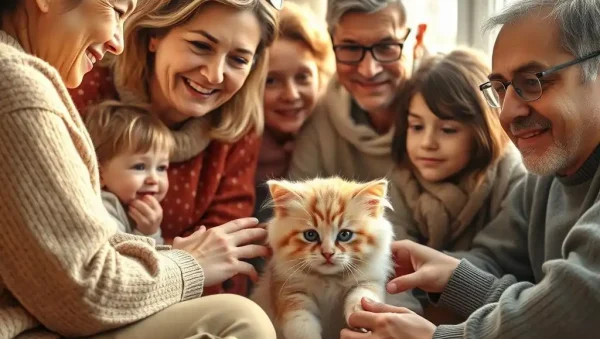
Expect to mimic "mom cat" behavior by licking-like strokes using a soft brush, then follow with a play session. Teach children and visitors to approach slowly, offering a finger for sniffing first. If your kitten shows signs of distress (hissing, flattened ears, tail puffing), stop immediately and return to simpler interactions. Over several weeks, your kitten will learn that human touch is safe, pleasant, and rewarding.
🐱 Socializing with Other Cats and Pets
Introducing your kitten to other friendly, vaccinated cats or calm dogs is vital for developing proper feline social skills. Start with scent swapping—rub a cloth on the resident pet and place it near your kitten's bed. Then, allow visual contact through a baby gate or cracked door. Supervise face-to-face meetings for 10-15 minutes, keeping both animals leashed or separated by a barrier. Reward calm, non-aggressive behavior with treats.
Expect hissing and growling initially—this is normal territorial communication. Separate them if play becomes too rough. Over days, increase interaction time. For single-pet households, arrange supervised playdates with friends' vaccinated pets. This teaches bite inhibition, body language, and appropriate play. A well-socialized kitten becomes a tolerant adult who coexists peacefully with other animals, reducing future rehoming risks.
🔊 Desensitization to Sounds, People, and Outings
Early exposure to everyday noise prevents phobias later in life. Play recordings of thunderstorms, fireworks, traffic, and children's laughter at low volumes while offering treats. Gradually increase volume over sessions. Simultaneously, invite a variety of visitors (different ages, genders, clothing) to handle your kitten gently. This teaches that people come in many forms, all of which are positive.
Expect to take short, controlled outings in a secure carrier or on a harness (if started early). A trip to a quiet park or a friend's home provides novel sights, smells, and sounds. Always prioritize your kitten's comfort—if they hide, return home and try shorter outings later. These experiences build a resilient adult who adapts to travel, vet visits, and boarding without panic, making you a more confident owner.
Play and Enrichment: The Socialization Accelerator
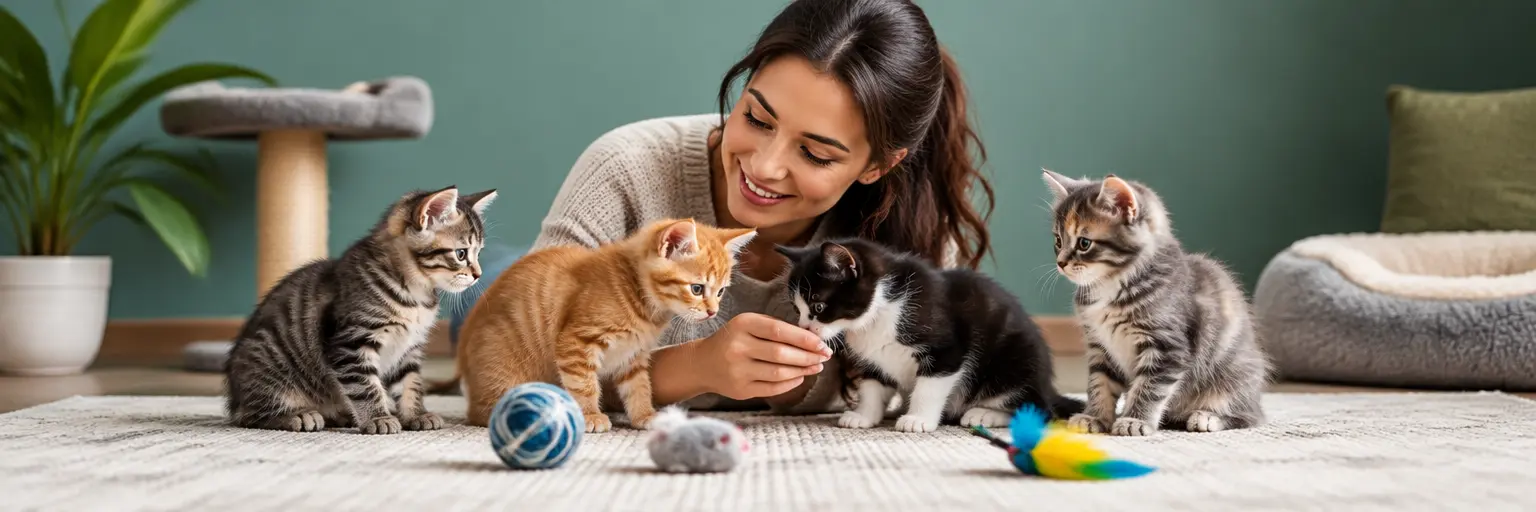
Interactive play is the most effective socialization tool because it taps into natural hunting instincts while teaching boundaries. Use wand toys that mimic prey (feathers, small toys) to encourage chasing and pouncing. Allow your kitten to "catch" the toy frequently to prevent frustration. Avoid using your hands or feet as toys—this prevents biting habits. Rotate toys every few days to maintain novelty.
Expect to schedule 2-3 play sessions daily, each lasting 10-15 minutes. End with a treat or meal to mimic the "hunt, catch, eat" sequence. Puzzle feeders and treat-dispensing balls also stimulate problem-solving and confidence. Through play, your kitten learns impulse control, appropriate bite pressure, and how to read your cues—foundational for a well-mannered, socially adept adult cat.
Frequently Asked Questions
What is the best age to start socializing a kitten?
The ideal window is 2-9 weeks old, with the most critical period being weeks 2-7. However, even older kittens (up to 12 weeks) can benefit from gradual, positive exposure. Start as soon as you bring your kitten home, even if they are past nine weeks—consistency and patience still yield significant improvements.
Can I socialize a kitten that was feral or under-socialized?
Yes, but it requires more time and a calm, low-pressure approach. Start by letting the kitten hide, then offer treats from a distance. Gradually move closer over days. Use a soft voice and avoid eye contact. Never force handling. With daily patience, most feral kittens become friendly, though some may remain shy around strangers.
What if my kitten hisses or swats during socialization?
This is a sign of fear or overstimulation. Immediately stop the interaction and provide space. Wait a few hours, then restart with a simpler, shorter session—just sitting near the kitten with treats. Never punish hissing, as it increases anxiety. If aggression persists, consult a feline behaviorist for tailored guidance.
How do I socialize my kitten with my older, grumpy cat?
Use slow introductions with scent swapping first. Keep them separated for the first few days, then allow supervised visual contact through a baby gate. Use positive reinforcement (treats) for calm behavior from both. Never force them to interact. Over weeks, most cats adapt, though some may never become best friends—which is okay.
Can I leave my kitten alone after socialization?
Yes, but short absences are best. Start with 15-30 minutes, gradually increasing. Provide a safe room with food, water, litter, and toys. Rotate new toys to prevent boredom. A well-socialized kitten tolerates alone time better, but never leave kittens under 12 weeks alone for more than 4 hours at a time.