Understanding Cat Body Language During Vet Visits
😊 Deciphering your cat's body language during a vet visit is crucial for a smooth experience. Learn to recognize signs of stress…
Read article
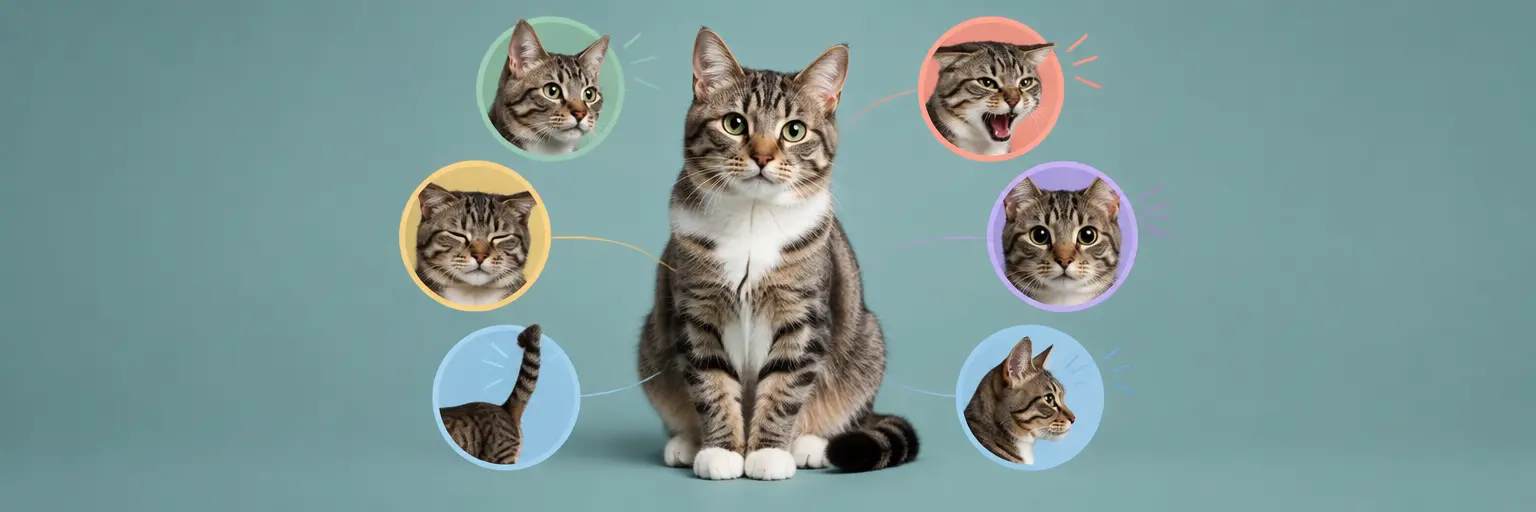
Cats are masters of subtle communication, and understanding their body language is the key to a deeper, more trusting bond with your feline friend. 🐾 From the gentle swish of a tail to the slow blink of an eye, every movement carries meaning. At PetCareWorld, we break down these silent signals, helping you decode whether your cat is feeling playful, anxious, content, or even unwell. Learning to read these cues not only prevents misunderstandings and potential scratches but also enhances your ability to respond to their needs with confidence. By recognizing early signs of stress or discomfort, you can create a calmer, safer home environment and strengthen your connection. Whether you’re a new cat parent or a seasoned enthusiast, mastering this visual language empowers you to communicate effectively and nurture a happier, healthier relationship with your beloved companion. Unlock the secrets of your cat’s posture, ear position, vocalizations, and tail movements—your pet will thank you with purrs and affection! 😺 Start observing today and transform how you interact with your whiskered friend.
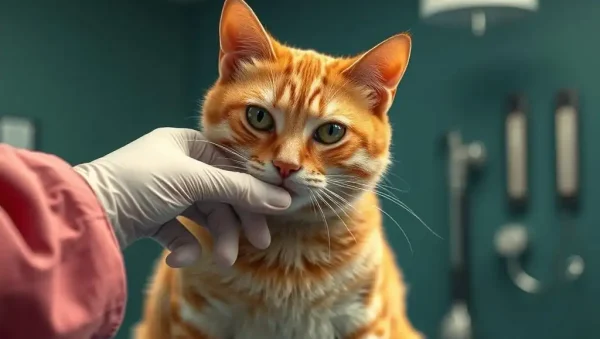
😊 Deciphering your cat's body language during a vet visit is crucial for a smooth experience. Learn to recognize signs of stress…
Read article
😊 Is your feline friend exhibiting unusual behavior? PetCareWorld helps you recognize cat stress anxiety signs, from changes in appetite to litter…
Read article
😊 Subtle shifts in your cat's behavior—from appetite changes to litter box issues—can signal underlying health problems. Learn to recognize these crucial…
Read articleCats are masters of subtle communication, expressing everything from affection to anxiety through their tail, ears, eyes, and posture. At PetCareWorld, we dive deep into the nuanced world of feline non-verbal cues, helping you build a stronger, trust-based bond with your companion. This subcategory transforms confusing or aggressive-looking behaviors into clear, actionable insights.
A cat’s tail is arguably its most expressive body part, acting as a real-time indicator of mood. A high, upright tail with a slight curve at the tip signals confidence and friendliness, while a puffed-up, bottle-brush tail indicates intense fear or defensive aggression. A lashing or thrashing tail, often confused with playful swishing, typically warns of overstimulation or irritation.
Understanding these variations prevents misreading a swishing tail as an invitation to play. When you see a tail tucked low between the legs, your cat feels submissive or unwell. By watching the base, tip, and speed of movement, you can predict whether your cat wants interaction or needs space, significantly reducing the risk of scratches and stress-related behaviors.
Feline eyes convey a wealth of information through pupil size, blink rate, and gaze direction. Slow, prolonged blinking is a universal sign of feline trust and affection—often called a “cat kiss.” Conversely, dilated pupils paired with a fixed stare signal arousal, playfulness, or fear, depending on the surrounding context. Constricted pupils often mean tension or focused hunting behavior.
Direct, unblinking eye contact can be perceived as a threat in the cat world; this is why staring down an unfamiliar cat often triggers hissing or backing away. Learning to mirror a slow blink back at your cat is a powerful bonding tool. Recognizing when your cat looks away to de-escalate tension lets you respect their boundaries and foster a safer, calmer home environment.
Your cat’s ears are highly mobile radar dishes that swivel to capture sound and signal emotion. Forward-facing ears indicate curiosity, engagement, and a relaxed mood. Flattened or “airplane” ears pressed sideways signal fear, annoyance, or defensive aggression. Ears that twitch rapidly often indicate uncertainty or listening to a distant noise, while fully pinned-back ears in a crouched position telegraph a “do not approach” warning.
Combining ear position with head posture offers even richer context. A lowered head with ears flattened and whiskers pulled back suggests submission or impending defensive action. In contrast, a raised chin with forward ears shows confidence. By interpreting these combined cues alongside vocalizations, you can accurately gauge whether your cat is ready to play, needs hiding space, or is about to strike.
The overall posture and fur condition are like reading a full paragraph, not just a word. A relaxed cat stands tall with a level back, tail up, and fur lying flat. An arched back with fur standing on end—commonly called “Halloween cat” posture—signals extreme fear or defensive play, depending on whether the cat is sideways or head-on. A crouched, low-to-the-ground stance with tense muscles suggests stalking or anxiety.
Observe the direction of the fur: piloerection (raised fur) along the spine and tail is involuntary and indicates adrenaline. Also, watch the whiskers—forward indicates curiosity, while pulled back close to the face signals stress. Interpreting these full-body signals turns confusing situations into predictable ones, allowing you to modify your approach, provide enrichment, or remove stressors proactively.
Body language rarely occurs in isolation; it is almost always paired with vocalizations like purrs, meows, hisses, or chirps. A soft purr combined with a relaxed body and slow blinking signals deep contentment. However, a purr paired with a tense, swishing tail and dilated pupils may indicate pain or overstimulation. Hissing is always defensive, but a hiss with flattened ears and an arched back is more severe than a hiss with just a warning glance.
Chirps or trills often accompany a confident, upright tail as your cat greets you. Yowling paired with a low crouch and exposed teeth signals territorial aggression. By learning these combinations, you move beyond single-sign interpretations. This holistic approach helps you differentiate between a cat that wants attention, one that needs medical help, and one that simply wants to be left alone, ensuring your responses are always appropriate.
A puffed-up tail during greeting usually indicates surprise or mild fear, not excitement. This reflex is an involuntary fight-or-flight response to sudden movement or unexpected approach. Give your cat a moment to calm down, avoid looming over them, and offer a slow blink to reassure them that you are not a threat.
Yes, a slow blink is a genuine, well-documented sign of trust and relaxation in cats. In the wild, cats only close their eyes slowly when they feel safe. Returning a slow blink to your cat is a non-verbal way to “say” you trust them too, which can strengthen your bond over time.
Playful cats use relaxed ears, open mouths without hissing, and take turns chasing. Fighting cats often have flattened ears, direct hard stares, and piloerection. Play may include tail swishing, but serious fights feature growling, yowling, and claws. If one cat constantly retreats or cries, separate them immediately.
This “love bite” is often a sign of overstimulation or affection, but it can also signal “enough.” Cats sometimes groom as bonding, but the bite often means they are done with the interaction. Watch for tail twitches or ear shifts just before the bite—that is your cue to stop petting.
Showing the belly is a massive sign of trust, but it is rarely an invitation to touch. In most cases, the cat exposes its vulnerable belly to show relaxation, not request a rub. Touching that area can trigger a defensive scratch or bite due to hyper-sensitivity. Instead, offer a chin scratch and watch for relaxed breathing to confirm comfort.







