Scooping Frequency: How Often Should You Clean MultiCat Litter Boxes?
🤔 Maintaining optimal hygiene in multi-cat households is crucial. This guide clarifies multicat litter box cleaning frequency, ensuring a healthy environment for…
Read article
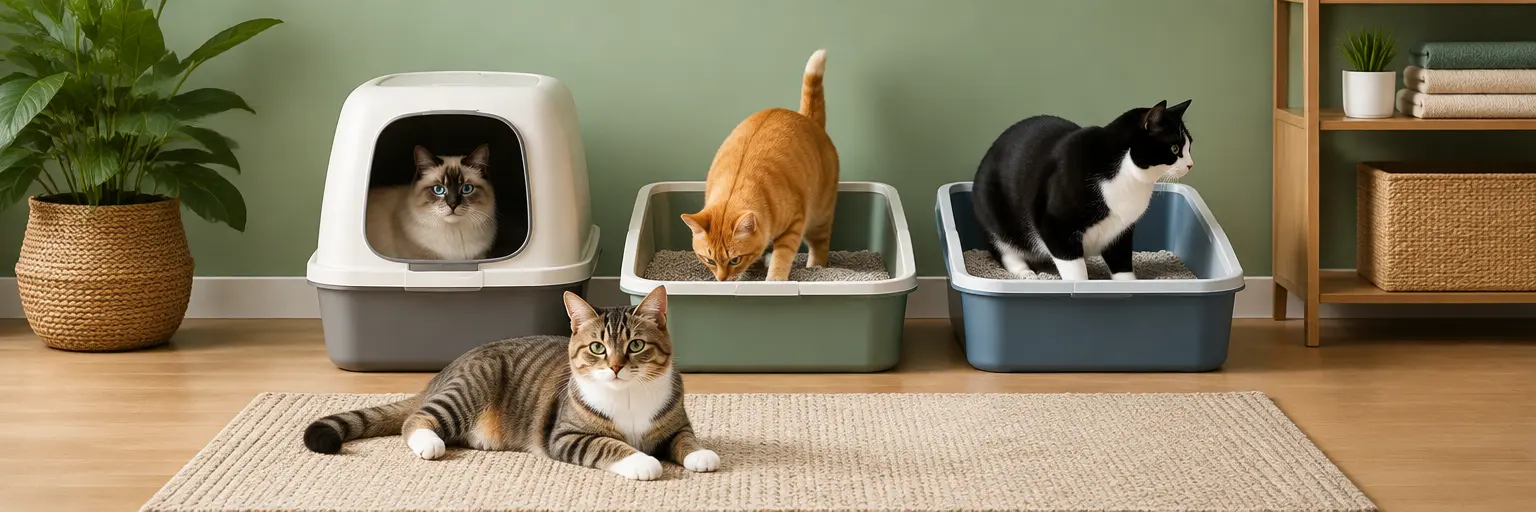
Managing a multi-cat household comes with unique challenges, and finding the right litter box setup is key to keeping peace and harmony among your feline friends. 🐾 With multiple cats, territorial instincts and hygiene needs mean you need more than just a single tray—you need a strategic litter box solution that prevents conflicts, reduces mess, and keeps odors under control. From the one-per-cat-plus-one rule to choosing between covered, self-cleaning, or extra-large boxes, our expert guidance helps you optimize placement, litter type, and cleaning routines for stress-free, multi-cat living. Discover practical tips to tackle common issues like spraying, avoid overcrowding, and ensure every cat feels safe and comfortable, turning bathroom time from a battleground into a breeze. 🧼✨
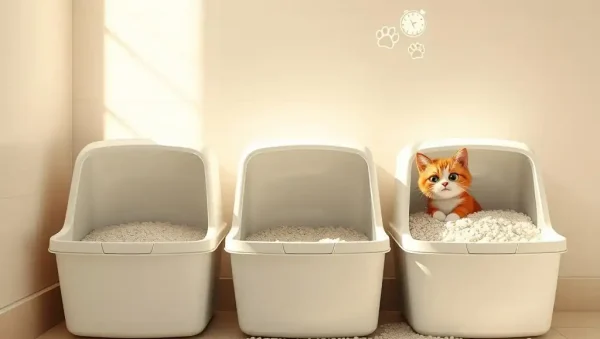
🤔 Maintaining optimal hygiene in multi-cat households is crucial. This guide clarifies multicat litter box cleaning frequency, ensuring a healthy environment for…
Read article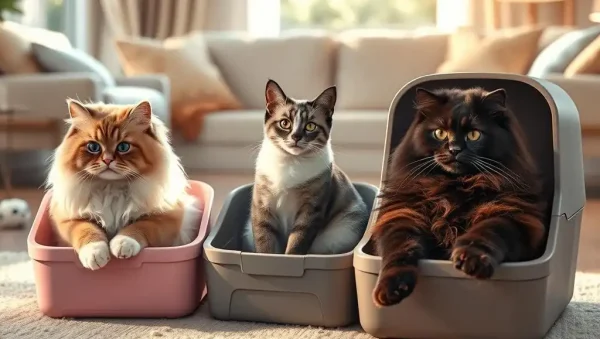
😊 Discover the perfect litter box for your feline friend! PetCareWorld reveals how choosing the right size—essential for cat health and happiness—prevents…
Read article
🤔 Managing a multiple cat litter box budget effectively is crucial. This guide helps you calculate costs for litter, boxes, and other…
Read articleLiving with multiple cats can be a joy, but managing their bathroom habits often presents a unique set of challenges. From territorial disputes to odor control and hygiene, a poorly managed litter box setup can lead to stress for both you and your feline friends. Our expert guide on litter box solutions for multi-cat households at PetCareWorld is designed to help you create a harmonious and clean environment. We dive deep into the science of feline behavior, offering actionable strategies, product recommendations, and vet-approved tips to prevent litter box aversion, reduce conflicts, and maintain a fresh-smelling home. Discover how to transform this daily chore into a seamless part of your multi-cat lifestyle.
The golden rule for multi-cat homes is to provide one litter box per cat, plus one extra. This simple formula (N+1) minimizes competition and ensures every cat has a private, accessible spot. Strategic placement is just as crucial as quantity; avoid high-traffic areas, noisy appliances, and dead-ends where a cat could feel trapped. Instead, opt for quiet corners, spacious closets, or even separate rooms to give each feline a sense of ownership and security.
Consider a vertical layout if you have limited floor space—placing boxes on different levels of your home (e.g., one upstairs, one downstairs) can significantly reduce territorial pressure. Avoid placing boxes near food and water bowls, as cats naturally avoid eliminating near their eating areas. By spreading boxes across your home, you reduce the risk of bullying and allow shy cats to access a box without confrontation, which directly addresses the root cause of many inappropriate elimination issues.
Not all litter is created equal, and multi-cat households often benefit from clumping, unscented, and low-dust formulas. Unscented litter is critical because a cat’s sense of smell is far more sensitive than ours; artificial fragrances can deter them from using the box. Clumping litters make scooping easier and help control ammonia odors more effectively, which is essential when managing multiple cats. Look for litters with strong odor-locking technology but no added perfumes.
As for the box itself, size matters—opt for large, open trays over hooded boxes unless your cat specifically prefers privacy. Hooded boxes can trap odors inside, making the experience unpleasant for your cats, and they can also make a cat feel cornered if another cat approaches. For senior or disabled cats, choose boxes with low entry points. If you have kittens, start with a shallow pan and upgrade as they grow. Offering a mix of open and covered boxes can cater to different personalities within your household.
Consistency is the backbone of a successful multi-cat litter system. Scoop at least twice daily to prevent build-up, and commit to a full dump-and-wash of all boxes every 2-4 weeks using mild, unscented soap and warm water. Avoid harsh chemicals or bleach, which can leave residues that discourage use. A stainless steel or plastic scoop with sturdy tines is your best tool for removing clumps without breaking them apart.
Investing in a self-cleaning litter box can be a game-changer for busy households, but monitor your cats’ acceptance carefully—some cats are frightened by the mechanical noise. If you use traditional boxes, consider placing a mat under each box to catch tracking litter and reduce mess. Neutralizing enzymes spray (not just deodorizers) are essential for spot-cleaning accidents outside the box, as they break down the proteins in urine and feces, discouraging repeat marking.
Multi-cat households often face issues like spraying, refusal to use the box, or guarding behaviors. This is usually a sign of stress or anxiety. To mitigate this, create a stress-free zone with multiple escape routes near the litter boxes. Never trap a cat in a corner while using the box. Use pheromone diffusers like Feliway to signal safety and calmness in your home environment. These synthetic cat-appeasing pheromones can significantly reduce conflict and promote relaxed elimination habits.
If a cat suddenly stops using the box, immediately rule out medical issues by visiting your vet. Then, assess the environment—have you changed litter brands? Added a new pet? Moved furniture? In multi-cat homes, a behaviorist might recommend individual feeding stations and separate resting areas to reduce overall competition. For persistent marking, try adding more vertical territory (cat trees, shelves) so each cat has its own high-traffic zone, which often curbs lower-level anxiety and bathroom disputes.
Modern innovation offers excellent solutions for multi-cat challenges. Smart litter boxes with automatic raking, waste containment, and app notifications for usage tracking can alert you to potential health issues like reduced frequency or odd timing. Choose models with quiet motors and large waste compartments that require less frequent emptying. Pair these with air purifiers equipped with HEPA and activated carbon filters placed near the litter area to neutralize odor particles and dander, improving overall indoor air quality for you and your pets.
For households with extreme odor issues, consider a litter furniture enclosure like a bench or cabinet that conceals boxes while providing internal ventilation. However, ensure the interior is large enough and the entrance is accessible — never force a cat into a cramped, airtight space. Additionally, some litter brands now use activated charcoal or plant-based materials that are highly absorbent and naturally control ammonia. Always test new products gradually by mixing with the old litter to ensure your cats accept the change.
For three cats, you should have at least four litter boxes. This follows the standard N+1 rule which helps reduce competition and ensures that no cat has to wait or feel forced to use a dirty box. Place them in different locations to increase safety and access.
This could be due to medical issues, dirty boxes, or territorial stress. Start with a vet visit to rule out infections or kidney problems. Next, review your cleaning schedule and box placement—ensure boxes are not near food or high-traffic areas. Add pheromone diffusers and provide extra boxes in quiet spots.
Open boxes are generally preferred because they provide more space, better ventilation, and allow cats to see approaching threats, which reduces anxiety. Hooded boxes can trap odors and make cats feel trapped. However, if your cat prefers privacy, offer a mix of both types and watch their behavior.
You should completely empty, wash, and refill every box every 2 to 4 weeks, depending on the number of cats and litter quality. Daily scooping is mandatory. If you have more than 3 cats, you may need to do a deep clean weekly to control bacteria and odor.
Yes, but introduce it gradually. Place the new self-cleaning box next to the old one without turning it on for a few days. Once your cats are comfortable, activate the cleaning cycle during times they are not using it. Offer treats near the box, and always keep a manual backup box available for a few weeks to prevent accidents.







