Understanding Cat Behavior: How Environment Shapes Feline Actions
🤔 Discover how your cat's environment directly impacts its actions. PetCareWorld explores the crucial link between cat behavior and environmental factors, offering…
Read article
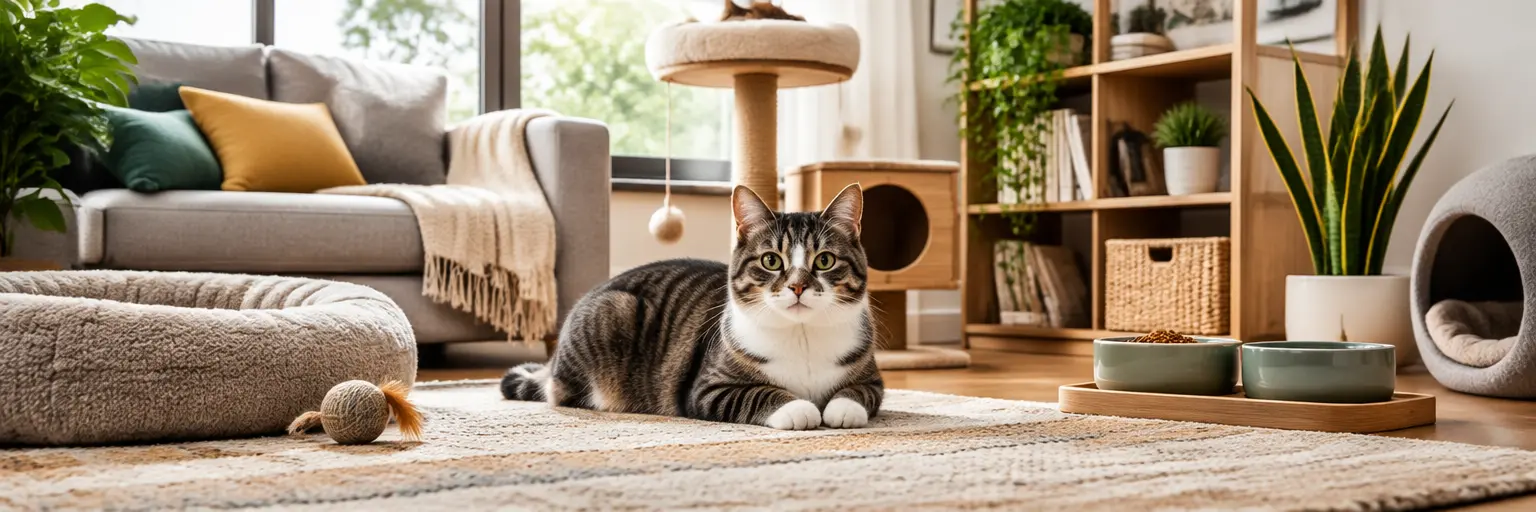
Transform your living space into a purr-fect paradise with our expert tips on creating a cat-friendly home that both you and your feline will adore. 🐾 From vertical climbing zones and cozy window perches to safe, non-toxic plants and strategic litter box placement, we cover every corner of your home to ensure it supports your cat’s natural instincts. Discover how to minimize stress, prevent destructive scratching, and boost enrichment with simple DIY solutions and smart furniture choices. Whether you’re a new kitten parent or a seasoned cat owner, our practical guidance helps you build a safe, stimulating, and harmonious environment that promotes health, happiness, and a deeper bond with your furry friend. 🏡✨

🤔 Discover how your cat's environment directly impacts its actions. PetCareWorld explores the crucial link between cat behavior and environmental factors, offering…
Read article
😊 Discover how your cat truly experiences your home! PetCareWorld explores the feline perspective, offering insights into cat home environment understanding and…
Read article
😊 Unleash your creativity and save money with exciting DIY cat toy ideas! PetCareWorld shows you how to craft engaging playthings, keeping…
Read articleWelcome to PetCareWorld’s dedicated guide on creating a cat-friendly home. Whether you’re a new kitten parent or a seasoned cat owner, your living space plays a pivotal role in your feline’s physical health, mental stimulation, and emotional happiness. This subcategory under Cat Care & Behavior explores practical, science-backed strategies to adapt your interiors for climbing, scratching, hiding, and safe exploration. From vertical territory to hazardous plant swaps, you’ll discover how to design a sanctuary that reduces stress, prevents destructive behaviors, and strengthens your bond. Dive into our expert sections below to unlock the secrets of a harmonious, cat-approved household.
Cats are natural climbers and arboreal creatures, so a truly cat-friendly home embraces height. Installing wall-mounted shelves, cat trees, or window perches gives your feline vertical territory, which dramatically reduces conflict in multi-cat households and satisfies their instinct to observe from above. Look for sturdy, carpeted or sisal-wrapped platforms placed near sunny windows for optimal lounging.
Expect to learn how to choose the right climbing structure based on your cat’s age, agility, and personality—kittens love tall, multi-level towers, while senior cats prefer low, step-like ramps. We’ll also cover DIY shelving layouts that blend with your décor, ensuring your home looks chic while providing essential exercise and mental enrichment. Proper vertical space decreases anxiety, prevents furniture misuse, and creates a confident, content feline.
Scratching is non-negotiable for cats—it’s how they mark territory, stretch muscles, and maintain claw health. Instead of fighting this instinct, a cat-friendly home redirects it toward acceptable surfaces. Invest in sisal posts, cardboard scratchers, and angled boards placed strategically near your cat’s favorite resting areas and entry points to your sofa.
Here, you’ll discover texture preferences (most cats favor rough, fibrous materials over smooth ones) and placement tips that make scratching posts irresistible. We’ll explain how to use positive reinforcement and pheromone sprays to encourage use, plus protective covers for furniture during the transition period. By the end, you’ll know exactly how to save your couch without ever punishing your furry friend, turning potential damage into a win-win routine.
Indoor greenery beautifies a home, but many common houseplants are lethal to cats. Creating a cat-friendly home means curating a safe botanical environment while removing or securing toxic species like lilies, sago palm, and philodendron. Simultaneously, everyday items—cords, small ingestible objects, and certain cleaning chemicals—pose hidden risks.
You’ll get a comprehensive list of cat-safe plants (think spider plants, Boston ferns, and catnip) and learn how to hang or place them out of reach from curious paws. We’ll also cover emergency-proofing your home: securing loose wires with cord covers, locking cabinets with childproof latches, and opting for pet-safe cleaning products. This section ensures your green thumb never endangers your whiskered companion, giving you peace of mind and a vibrant, safe oasis.
Cats need private retreats where they can decompress away from noise, kids, or other pets. A cat-friendly home strategically includes hiding spots like covered beds, cardboard boxes, or a dedicated closet shelf with a soft blanket. These safe zones reduce stress-related issues such as overgrooming, litter box avoidance, or aggression.
Learn how to create “escape routes” using elevated walkways and tunnels, ensuring your cat always has a clear path away from overwhelming situations. We’ll guide you in placing quiet zones away from high-traffic areas, washing machines, and loud appliances, while still allowing your cat to feel part of the family. Discover how a simple cardboard box or a cave-style bed can dramatically improve your cat’s emotional security, fostering a calmer, more affectionate companion.
No cat-friendly home is complete without a pristine litter box strategy. Location matters more than most owners realize—box placement in high-traffic or noisy areas causes avoidance behavior. Ideal spots are quiet, low-traffic corners with easy exit paths, away from food and water bowls, and one more box than the number of cats.
This section covers the pros and cons of covered vs. open boxes, choosing the right litter texture (unscented, clumping clay is a baseline), and a cleaning schedule that keeps odor at bay while respecting your cat’s sensitivity to smell. You’ll also troubleshoot common issues like substrate refusal or territorial marking. With these actionable tips, you’ll maintain a clean, inviting bathroom area that both you and your cat appreciate, preventing messy accidents and vet visits.
Mealtime can become a highlight of your cat’s day with the right setup. A cat-friendly home incorporates food puzzles, slow feeders, and elevated dishes that tap into your cat’s hunting instincts. Placing food stations in calm, defined zones—not near litter boxes—reduces stress and encourages proper digestion.
Expect to learn how to rotate toys and create an interactive play corner with wand toys, laser pointers, and treat-dispensing balls to simulate prey behavior. We’ll teach you to schedule short, frequent play sessions that burn energy and prevent boredom-related destruction. Also, discover the benefits of offering multiple water sources (fountains are often preferred) spread across your home. By enriching feeding and play, you’ll foster a physically active, mentally sharp, and deeply satisfied cat who thrives indoors.
Generally, provide one vertical structure per cat, plus one extra to prevent resource guarding. Place them in separate rooms or visual zones so each cat has its own territory. For two cats, have three tall climbing options—this reduces competition and allows shy cats to escape dominant ones effortlessly.
Cover the sofa temporarily with double-sided tape or a loose sheet. Place a sisal scratching post directly in front, rewarding your cat with treats for using it. Gradually move the post a few inches per week toward a permanent corner. Never yell—redirect and praise instead. Consistency is key.
No, most essential oils (eucalyptus, tea tree, citrus, cinnamon) are toxic to cats, even via inhalation. They can cause liver damage, drooling, or breathing issues. Use only pet-safe diffuser blends labeled specifically for cats, or skip them entirely and use open windows for fresh air.
Only if the basement is warm, dry, and easily accessible 24/7. Most cats avoid damp, cold, or hard-to-reach basements, especially if they require steep stairs. A spare bathroom, hallway, or quiet laundry room corner is usually better. Always provide an open exit and avoid placing near noisy appliances.
Use household items: crumpled paper balls, cardboard boxes, paper bags, and old toilet paper rolls. Create a “hunting” game by hiding kibble around the house. Set up a bird-watching station by a window. Rotate these simple items daily to keep novelty high—budget-friendly enrichment works wonders.







