Cat Communication: How to Respond Appropriately to Different Meows
😊 Unlock the secrets of feline communication! PetCareWorld's expert guide, "Cat Communication: How to Respond Appropriately to Different Meows," helps you understand…
Read article
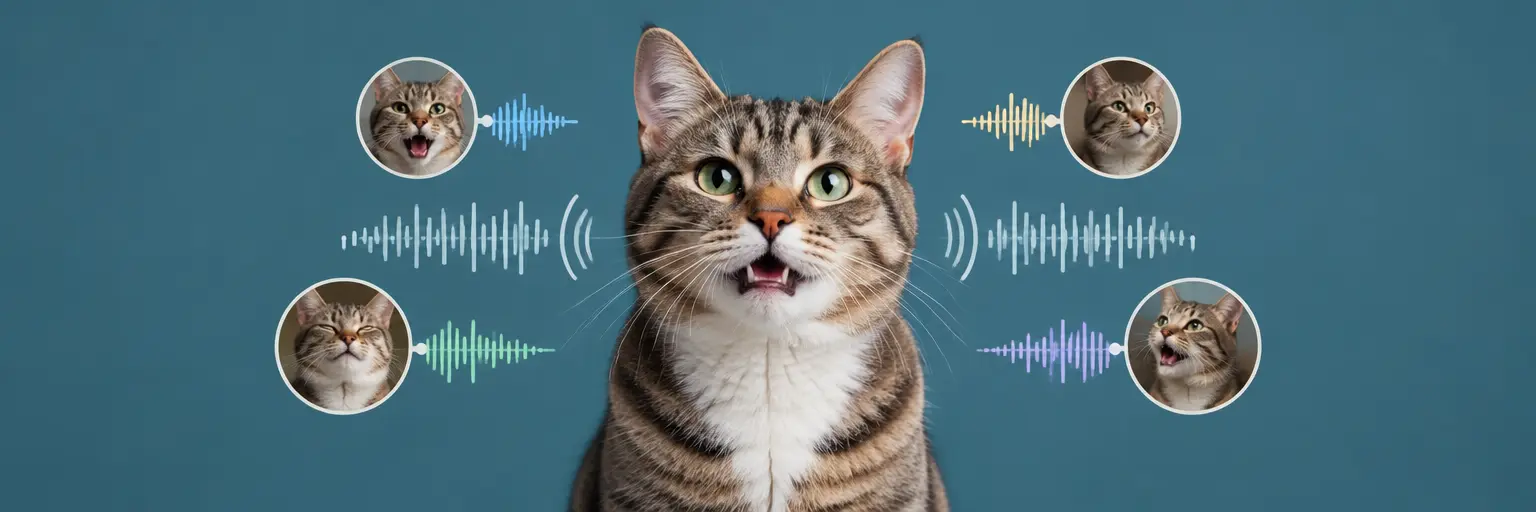
Unlock the secret language of your feline friend with our expert guide to decoding cat meows and purrs. Every chirp, trill, and rumble carries meaning—from the subtle differences between a hungry meow and a greeting call, to the complex emotional spectrum behind a purr that isn’t always about contentment. Whether you’re a new cat parent or a seasoned enthusiast, understanding these vocal and vibrational cues strengthens your bond, reduces stress, and helps you respond proactively to your cat’s needs. Learn to distinguish attention-seeking meows from signals of discomfort, and discover why your cat’s purr frequency may even promote healing. Our practical, science-backed insights turn everyday cat sounds into a clear dialogue, empowering you to create a happier, healthier home for your favorite companion. Start listening—your cat has been talking to you all along.
😊 Unlock the secrets of feline communication! PetCareWorld's expert guide, "Cat Communication: How to Respond Appropriately to Different Meows," helps you understand…
Read article
🤔 Deciphering your cat's meows? PetCareWorld reveals crucial cat meow distress signs meaning, helping you identify subtle cues of feline discomfort and…
Read article
😊 Unlock the mysteries of your cat's purr! PetCareWorld reveals the surprising nuances of feline vocalizations, helping you understand cat purr meaning…
Read articleWelcome to PetCareWorld’s dedicated guide on decoding cat meows and purrs—a fascinating journey into the vocal and vibrational world of your feline companion. Cats are famously enigmatic, but their sounds are far from random. From the demanding meow at mealtime to the deep, rhythmic purr on your lap, each sound carries specific meaning rooted in emotion, need, or health. This subcategory serves as your complete toolkit for interpreting these signals, enhancing your bond, and spotting potential issues early. By mastering feline vocalizations, you’ll not only improve daily communication but also become a more attentive, responsive pet parent. Dive into our expert-backed insights to transform confusion into clarity and turn every meow or purr into a conversation.
Not all meows are created equal. A short, high-pitched meow often greets you at the door—a friendly “hello”—while a long, drawn-out meow might signal frustration or impatience, especially near an empty food bowl. Kittens use meows primarily to alert their mother, but adult cats reserve this sound almost exclusively for humans, making it a unique form of cross-species communication. Pay attention to pitch, duration, and repetition: a rapid series of meows often indicates excitement or urgency, whereas a low, throaty meow could be a complaint or warning. Context matters, too—a meow during play differs vastly from one at 3 a.m. near a closed door.
By cataloging your cat’s meows, you’ll begin to recognize personal “dialects.” Some cats are naturally chatty (think Siamese), while others rarely vocalize. Always pair the sound with body language—a swishing tail, flattened ears, or dilated pupils add emotional nuance. If your cat’s meowing suddenly changes in frequency or tone, consult your vet, as this may indicate pain, cognitive decline, or anxiety. This section will help you build a personalized sound map, turning ambiguous noises into clear requests for affection, food, attention, or simply a door left ajar.
Purring is often assumed to equal contentment, but science reveals it’s a far more complex signal. Cats purr when they’re happy, yes, but also when they’re stressed, in pain, or even giving birth. The low-frequency vibrations (25–150 Hz) are known to promote bone healing and tissue repair, which is why cats may purr while injured—it’s a self-soothing mechanism. Watch for purring combined with other cues: a relaxed posture, half-closed eyes, and kneading suggest pure bliss, while a cat purring with tucked tail, flattened ears, or hiding may be anxious or unwell. The purr’s intensity and rhythm also vary—a soft, steady hum differs from a loud, vibrating purr.
Understanding contextual purring is vital for responsible pet ownership. For instance, a cat purring at the vet’s office might be terrified, not happy. Similarly, a mother cat purrs to guide her kittens, and kittens purr to bond with their mother. By learning to read the full spectrum of purring—alongside breathing rate, posture, and environmental triggers—you can better judge your cat’s physical and emotional state. This knowledge helps you offer comfort when needed, seek veterinary care when appropriate, and avoid misinterpreting a distressed purr as a positive sign. Your cat’s purr is a powerful diagnostic clue; never ignore its context.
Vocalizations never occur in isolation; they’re always paired with body language that refines the message. A cat that meows while rubbing against your legs is likely soliciting food or affection, whereas the same meow with an arched back and puffed tail signals fear or aggression. Ears pointed forward and a relaxed tail indicate friendly intent, but flattened ears and a lashing tail mean irritation, even if the meow sounds sweet. Watch the eyes: slow blinking during a purr denotes trust, while dilated pupils with a staring gaze can indicate overstimulation or hunting mode. Combining audio cues with visual signals gives you the full picture of your cat’s needs.
This holistic approach is especially critical in multi-cat households, where vocalizations often accompany social negotiation. A low growl-meow mix during feeding time is a boundary warning; a trill (a chirp-like meow) is a friendly invitation to follow. Tail position is a giveaway—a vertical tail with a slight curve often accompanies a happy greeting meow, while a tucked tail with hissing is unmistakably defensive. By documenting these pairings over time, you’ll develop an intuitive sense of your cat’s unique communication style. This section provides checklists and real-life examples to sharpen your observational skills, ensuring you respond correctly to both vocal and non-vocal cues.
Changes in vocalization are often the first clue to underlying health issues. Excessive meowing, especially in older cats, may indicate hyperthyroidism, hypertension, or cognitive dysfunction syndrome. A sudden increase in purring could signal pain from arthritis or dental disease—your cat may be comforting itself. Conversely, a normally chatty cat that becomes silent might be ill or stressed. Hoarse or raspy meows can point to laryngitis, respiratory infections, or throat obstructions. Pay attention to meows accompanied by appetite loss, lethargy, or litter box avoidance, as these combinations often signal urgent medical needs. Never dismiss a persistent change in sound patterns as mere “moodiness.”
Regular veterinary check-ups are essential, but at-home monitoring of vocal patterns can help you detect issues early. Keep a simple journal noting when your cat vocalizes, the type of sound, and any associated behaviors like pacing or hiding. This record is invaluable when describing symptoms to your vet. For example, a cat that starts meowing at night might be experiencing vision or hearing loss, making it disoriented. A purring cat that flinches when touched may be masking pain. This subcategory encourages you to view every meow and purr as a potential health barometer, empowering you to seek timely intervention and improve your cat’s quality of life.
Once you decode your cat’s sounds, you can respond appropriately, reinforcing positive communication. If your cat meows for food, avoid giving in immediately—wait for a quiet moment, then reward, to prevent begging habits. For attention-seeking meows, ignore the sound and only offer play or petting when your cat is calm. Use a consistent, gentle tone when speaking back; cats learn to associate your voice with safety. Some owners successfully use a “clicker” or specific phrases like “good kitty” at feeding time, creating a two-way dialogue. Remember, punishment or yelling only increases anxiety and vocalization. Instead, redirect behavior—if your cat meows at night, establish a pre-bedtime play session to tire it out.
For purring, reciprocate with soft, slow strokes and a calm voice, especially if your cat is relaxed. If your cat purrs while seeming tense, provide a quiet hiding spot or use pheromone diffusers to lower stress. Always respect your cat’s boundaries—if it walks away or flicks its tail, pause interaction. Over time, you’ll learn which responses your cat prefers, creating a feedback loop of trust. This section includes step-by-step scripts, such as how to acknowledge a greeting meow with a blink and a soft reply, or how to gently curb excessive vocalization using environmental enrichment like puzzle feeders. The goal is a harmonious home where every sound is understood and every need is met.
Nighttime meowing often results from boredom, loneliness, or confusion, especially in older cats with cognitive decline. Ensure your cat gets ample play and interaction during the evening. Provide puzzle toys, a comfortable sleeping area, and a consistent nightly routine. Avoid responding to attention-seeking meows; instead, reward quiet behavior in the morning.
Yes, cats may purr when injured, sick, or undergoing labor as a self-healing mechanism. Look for accompanying signs like hiding, reduced appetite, limping, or aggression when touched. If purring seems unusually frequent or paired with distress signals, consult your veterinarian for a thorough examination.
A brief, high-pitched meow typically serves as a friendly greeting or a request for attention. It’s your cat’s way of saying “hello” or “notice me.” If followed by rubbing against your legs or a raised tail, it indicates positive engagement. Respond with a gentle tone and affectionate interaction if your cat seems receptive.
An urgent meow is often louder, longer, and repeated more frequently, sometimes with a distressed tone. It may accompany pacing, staring at you intently, or leading you toward a location like the food bowl or a door. If the urgency persists without an obvious cause, consider medical or environmental stressors.
Selective reinforcement works best. Ignore meows used for demanding food or attention, but always check that basic needs are met first. Reward quiet, calm behavior with treats or affection. For excessive vocalization, increase environmental enrichment and schedule consistent playtimes. If meowing is new or persistent, rule out health issues.







