Litter Box and Behavior Problems: Addressing the Root Cause
🤔 Uncover the hidden reasons behind your cat's litter box problems! PetCareWorld reveals how addressing underlying health and environmental factors can solve…
Read article
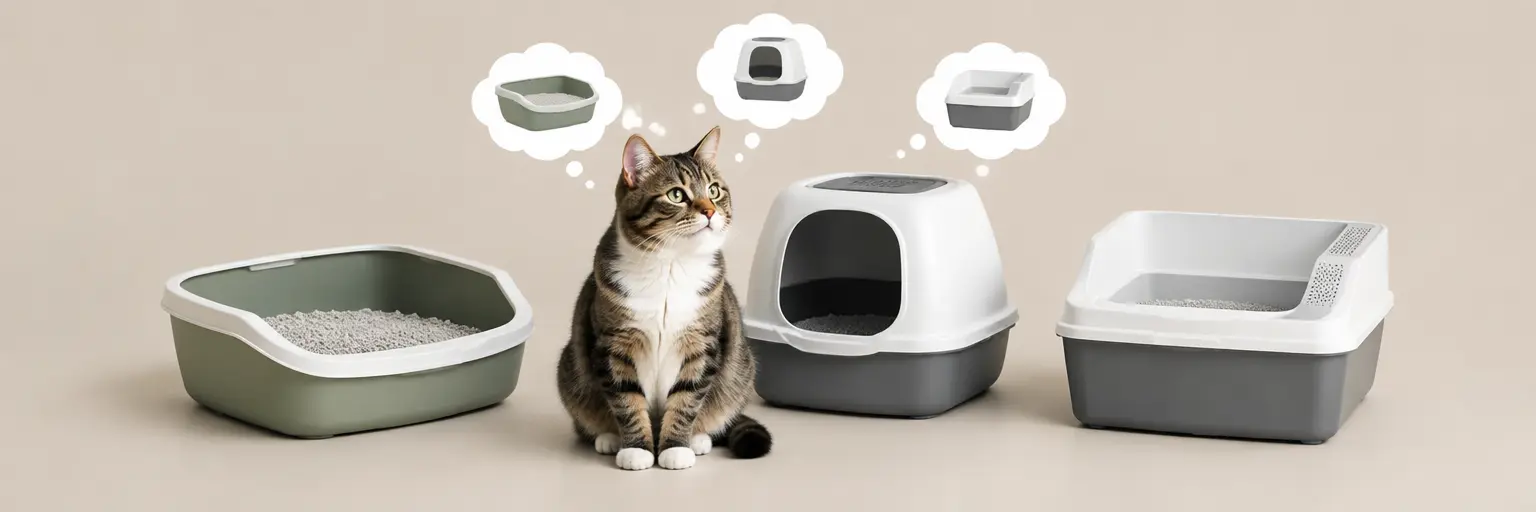
Finding the perfect litter box can feel overwhelming, but it’s one of the most crucial decisions for your cat’s happiness and your home’s harmony. Choosing the right litter box goes beyond simple aesthetics; it directly impacts your feline’s bathroom habits, stress levels, and even their health. From the classic open pan to high-sided, top-entry, and automatic self-cleaning models, each style offers distinct benefits suited to different cats and living spaces. Size matters—a box that’s too small can cause discomfort, while a covered option may trap odors but limit ventilation. Your cat’s age, mobility, and preferences are key: kittens and senior cats often need lower entry points, while tall, active cats may prefer privacy. Our expert guide simplifies this decision, helping you evaluate materials, depth, location, and maintenance to ensure your furry friend feels safe and clean every time. Whether you have a picky Persian or a playful tabby, the ideal litter box balances convenience with instinctual needs—so you can say goodbye to accidents and hello to a stress-free bathroom routine. Let’s dive into the essential factors that make all the difference.

🤔 Uncover the hidden reasons behind your cat's litter box problems! PetCareWorld reveals how addressing underlying health and environmental factors can solve…
Read article
🤔 Uncover the secrets hidden in your cat's litter box choices! PetCareWorld reveals what your cat's litter box preferences mean, offering insights…
Read article
🤔 Cat litter box myths debunked! PetCareWorld separates fact from fiction, revealing the truth behind common misconceptions about cat litter box hygiene…
Read articleSelecting the perfect litter box is more than a simple purchase—it’s a crucial decision that directly impacts your cat’s hygiene, comfort, and behavioral health. A poorly chosen box can lead to stress, avoidance, and undesirable elimination outside the tray. At PetCareWorld, we help you navigate the vast array of options—from basic open pans to high-tech self-cleaning units—by focusing on your cat’s size, age, mobility, and personality. Our expert-backed guidance ensures you avoid common mistakes, reduce odors, and create a clean, inviting restroom that supports your feline friend’s natural instincts and keeps your home fresh and harmonious.
Every cat has unique toilet preferences, often shaped by their early experiences and instincts. Larger cats need boxes at least one and a half times their body length (nose to tail base) for comfortable turning and digging. Privacy lovers may prefer hooded models, while confident cats often favor open trays for a clear escape route. Also, consider the litter depth—most felines prefer 2-3 inches of clumping litter, as it mimics soil and allows natural burying behavior. Observe your cat’s posture and scratching habits to gauge the ideal box height and entry style, whether low-entry for seniors or tall-sided for enthusiastic diggers.
Texture and material matter too. Smooth plastic is easy to clean but can retain scratches where bacteria hide—choose high-bac, antimicrobial plastics. Some cats dislike the cold feel of ceramic or metal, so stick to warm, non-porous resin. If your cat is declawed or has sensitive paws, avoid rough edges and choose rounded rims. Testing a few temporary options (like cardboard trays) can reveal your cat’s preferences before you invest in a permanent solution. Remember, a happy cat uses the box consistently, reducing accidents and stress for both of you.
Open trays are the simplest and most affordable, offering unlimited visibility and easy entry—ideal for kittens and active cats who need a quick exit. They’re easy to clean but don’t contain odors well and may scatter litter. Hooded or covered boxes provide privacy and reduce litter scatter, but they can trap ammonia fumes and make some cats feel trapped—ensure adequate ventilation and clean them more frequently. Top-entry boxes are excellent for high-scatter cats or homes with dogs, as they prevent mess and offer extra privacy, but they may be challenging for older or arthritic felines to climb into.
Automatic self-cleaning boxes, like Litter-Robot or ScoopFree, use sensors to rake waste into a sealed compartment, cutting down on daily scooping. They’re great for busy owners but require a power source, careful setup, and gradual introduction—some cats are frightened by the motor noise. Silica gel or crystal boxes absorb moisture and reduce odor for a week, but they’re not suitable for all litters and can be costly. For multi-cat households, research shows each cat should have a box plus one extra—mixing types (one open, one hooded) accommodates varied personalities and reduces territorial disputes.
Kittens need shallow, low-sided boxes (under 4 inches high) so they can step in easily without fear. Use unscented, non-clumping clay litter initially to avoid ingestion risks—kittens explore with their mouths. Accidents are common, so place boxes in quiet, low-traffic areas away from food. As kittens grow, gradually raise the sides to encourage proper digging posture. Adult cats generally handle standard 10-12 inch high boxes, but athletic jumpers may need hooded options to prevent litter flinging during rapid cover-up.
Senior cats, especially those with arthritis or mobility issues, require low-entry boxes (under 3 inches) with gentle ramps or cut-out fronts. Avoid high-sided or top-entry designs that demand painful jumping. Place multiple boxes on each floor, ensure they’re slip-resistant, and use softer, low-dust litters that are gentle on sensitive paws. If your senior cat has cognitive decline, add nightlights and keep the box in the same spot—consistency is key. A comfortable senior-friendly box preserves dignity and reduces the risk of urinating elsewhere due to pain or confusion.
Location is as important as the box itself. Place litter boxes in quiet, low-traffic areas with good ventilation—avoid basements, laundry rooms, or near noisy appliances. Cats are territorial, so never put the box near their food and water bowls; that’s like eating in the bathroom. In multi-level homes, provide a box on each floor. Keep boxes at least 2 feet apart to prevent stress. For maximum privacy, consider a corner location with two walls, but ensure there’s always a clear exit path. Don’t corner your cat—she needs an escape route.
Daily scooping (at least once, ideally twice) prevents odor buildup and keeps your cat satisfied. Wash the entire box with mild, unscented soap weekly—avoid bleach or ammonia-based cleaners, which smell like urine to cats and may encourage re-marking. Replace clay litter completely every 2-3 weeks; for clumping litters, top up and change monthly. Odor control is enhanced by using a carbon-lined hood, baking soda at the bottom, or a high-quality, activated charcoal filter. Consider a mat outside the box to catch clinging litter. Never use harsh perfumes—cats have 14 times more olfactory receptors than humans, and strong scents can discourage use.
Cats are creatures of habit, so sudden changes can cause anxiety. If you’re upgrading, place the new box alongside the old one for 5-7 days, letting your cat explore it at her own pace. Gradually move a little soiled litter into the new box to transfer her scent. Praise her with treats whenever she uses the new box. If she rejects it, revert to the old box temporarily and try a different style—maybe she dislikes the hood or the rim height. Never force her in; that can create negative associations.
For automatic boxes, introduce them powered off first, then turn on the motor while she watches from a distance. Feed her treats near the machine so she associates it with positive rewards. Place a familiar unsoiled litter in the new box to ease the transition. If you’re switching litter brands, mix 25% new with 75% old, gradually increasing the ratio over a week. Keep the same cleaning routine—some cats are extremely sensitive to cleanliness. Observe your cat’s elimination habits for the first two weeks; any signs of stress like scratching nearby surfaces or yowling indicate you need to adjust your approach.
The general rule is one box per cat plus one extra. For a single cat, that means at least two boxes. This provides backup if one is dirty or inaccessible, reduces stress, and prevents territorial issues. Place them in separate locations to give your cat options and ensure she never has to go without a clean spot.
Automatic boxes are generally not recommended for kittens under 8 weeks or those under 3 pounds. Kittens may play with the sensors or become frightened by the raking mechanism. Wait until your kitten is fully comfortable with a manual box and trained for about 2-3 months, then switch gradually with the powered-off method described above.
For clumping clay litter, aim for 2-3 inches—deep enough to allow digging and burying, but not so deep that urine pools at the bottom, creating hard-to-remove clumps. For non-clumping silica crystals, 1-2 inches works best. Always follow the manufacturer’s recommendation, as too much litter can cause wastes to stick to the bottom.
Covered boxes are often problematic for senior cats because they must enter a confined space and turn around, which can exacerbate joint pain and create anxiety. Instead, choose an open, low-sided box with a ramp. If you must use a covered model, remove the door and ensure the top opens easily for access and cleaning, but most seniors fare better with an open, accessible tray.
Sudden refusal often signals a medical issue such as a urinary tract infection, bladder stones, or kidney disease—always visit a vet first. Behavioral causes include a dirty box, a change in litter brand or scent, a new cat in the house, or relocation of the box. Reassess your setup, clean thoroughly, and revert to the previous litter if you changed it recently. Provide extra boxes and reduce stressors to help her regain confidence.







