Palliative Care for Cats with Kidney Disease: Ensuring Comfort
😊 Easing your cat's suffering from chronic kidney disease? PetCareWorld's guide on palliative care for cats with kidney disease offers expert advice…
Read article
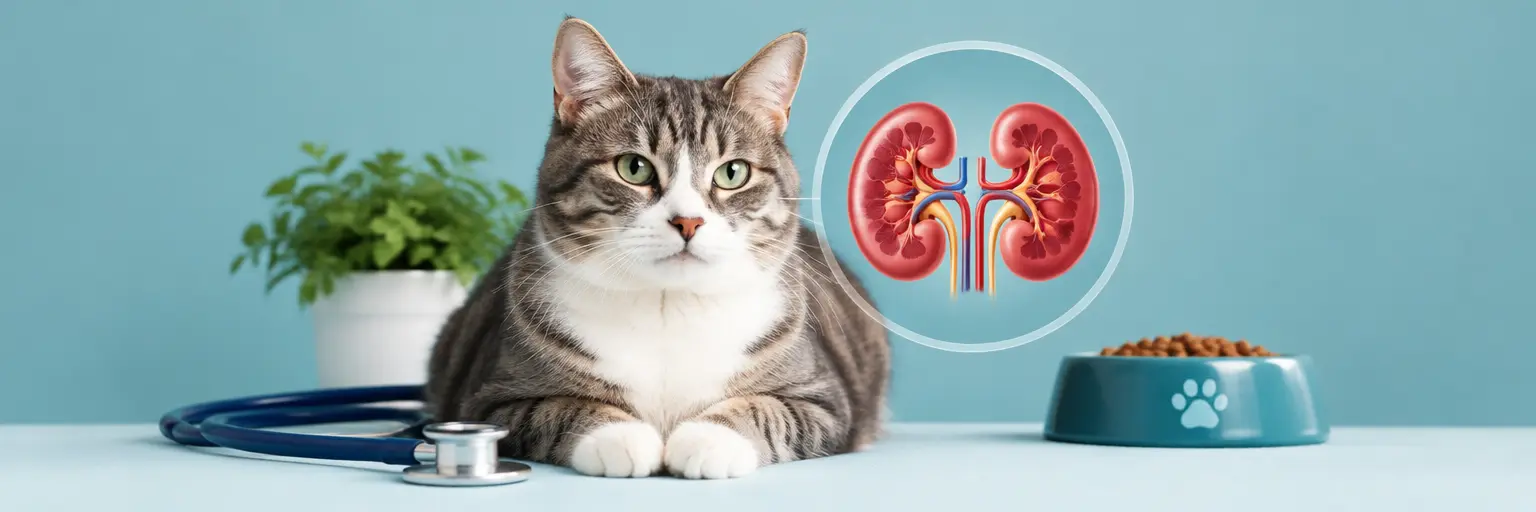
🐾 Concerned about your feline friend’s health? Kidney disease in cats is a common yet serious condition, especially in senior felines, but with early detection and the right care, you can greatly improve their quality of life. This guide covers everything from subtle early signs like increased thirst and weight loss to veterinary diagnostics, dietary adjustments, and long-term management strategies. Whether you’re facing a new diagnosis or looking to prevent issues, our practical, expert-backed advice helps you navigate every step—ensuring your beloved cat stays comfortable and happy. 🐱💙 Learn how to spot symptoms, understand treatment options, and build a supportive home routine that makes a real difference. Your cat depends on you; get the knowledge you need to act confidently and compassionately.
😊 Easing your cat's suffering from chronic kidney disease? PetCareWorld's guide on palliative care for cats with kidney disease offers expert advice…
Read article
🤔 Facing the heartbreaking decision of cat kidney disease euthanasia timing? PetCareWorld offers expert guidance on recognizing when end-of-life care is the…
Read article
🤔 Discover the crucial link between cat kidney disease and anemia on PetCareWorld. Learn how failing kidneys impact red blood cell production,…
Read article
🤔 Subtle behavioral shifts, like increased thirst or urination, lethargy, and changes in appetite, can signal developing cat kidney disease. Early detection,…
Read articleKidney disease is one of the most common and serious health challenges facing our feline companions, particularly as they age. At PetCareWorld, our "Kidney Disease in Cats" subcategory under Cat Care & Behavior is designed to empower you with clear, evidence-based information. Here, you will discover how to spot early warning signs, understand diagnostic tests, explore dietary management, and learn about the latest treatment options. Chronic Kidney Disease (CKD) is progressive, but with proactive care, you can significantly improve your cat's comfort and longevity. This guide covers everything from acute kidney injury to long-term management, helping you navigate every stage with confidence and compassion.
Early detection is the most powerful tool you have in slowing kidney disease progression. Cats are masters at hiding illness, so subtle behavioral shifts are often the first clues. Common early signs include increased thirst (polydipsia) and increased urination (polyuria), which happen as kidneys lose their ability to concentrate urine. You may also notice decreased appetite, weight loss, dull coat, and occasional vomiting. Because these symptoms can overlap with other conditions, tracking daily water intake and litter box habits is crucial for your vet's assessment.
Pay attention to less obvious signs like subtle lethargy, bad breath with a metallic odor (uremic halitosis), and the tendency to urinate outside the litter box. In senior cats—those over 7 years old—kidney disease is prevalent, making routine wellness checks essential. If you observe any combination of these signs, schedule a veterinary appointment promptly. Early intervention with a renal diet and hydration support can add months or even years to your cat's life, so never dismiss these signs as "just old age." Your vigilance truly makes a difference.
When your vet suspects kidney disease, they will run a complete diagnostic panel. The most critical indicators include blood levels of creatinine and SDMA (Symmetric Dimethylarginine), which rise as kidney function declines. SDMA is particularly sensitive, detecting disease earlier than traditional tests. Additionally, a urinalysis checks for dilute urine, protein leakage, and casts. Together, these tests allow your vet to stage the disease using IRIS (International Renal Interest Society) guidelines—stages 1 through 4—helping tailor treatment intensity to your cat's specific condition.
Imaging techniques, such as abdominal ultrasound, evaluate kidney size, shape, and internal structure. Irregular or small kidneys indicate chronic damage, while enlarged kidneys may suggest acute injury, polycystic disease, or lymphoma. In some cases, a blood pressure reading is also taken, as hypertension is both a cause and a consequence of kidney dysfunction. Understanding these diagnostic steps helps you ask informed questions and interpret your vet's recommendations. Always request a written summary of your cat's lab results, including normal reference ranges, so you can monitor trends over time and celebrate small improvements.
Once kidney disease is diagnosed, prescription renal diets become your primary ally. These diets are specially formulated to be low in protein (but high-quality), low in phosphorus, and enriched with omega-3 fatty acids. Reducing phosphorus intake is vital because high phosphorus levels accelerate kidney damage, while controlled protein minimizes waste products that fragile kidneys must filter. Most renal diets also contain added potassium and B vitamins to compensate for losses in urine. Transitioning your cat gradually over 7-10 days—mixing new food with old—increases acceptance and reduces gastrointestinal upset.
Hydration is equally critical in feline kidney care. Cats naturally have a low thirst drive, so encourage water consumption through multiple strategies. Consider feeding a combination of wet and dry renal diets, with wet food serving as a primary moisture source. Place water fountains around the house, as many cats prefer running water. You can also add low-sodium chicken broth ice cubes to their water bowl. Some owners find that offering several small meals daily rather than two large ones improves food intake. Monitor your cat's weight and body condition weekly, adjusting portion sizes with your vet's guidance to prevent muscle loss while maintaining ideal weight.
Beyond diet, a multi-faceted medical approach can slow disease progression. Phosphate binders like aluminum hydroxide are added to food to block phosphorus absorption if diet alone isn't enough. For cats with high blood pressure, medications such as amlodipine are commonly prescribed to protect the kidneys from further vascular damage. In cases of proteinuria (protein in urine), ACE inhibitors like benazepril reduce kidney pressure and protein loss. Your vet might also recommend potassium supplements to correct hypokalemia, a common complication that causes muscle weakness and neck ventroflexion.
Subcutaneous fluid therapy is a game-changer for many cats with moderate to advanced CKD. You can learn to administer this at home—giving your cat 100-150 ml of lactated Ringer's solution under the skin every one to three days. This treatment flushes toxins, improves appetite, and boosts energy levels dramatically. Anti-nausea medications like maropitant or mirtazapine (which also acts as an appetite stimulant) help manage uremic symptoms. Regular rechecks—every 3-6 months at stable stages—allow your vet to adjust therapy proactively. Always ask about new therapies, such as stem cell treatments or novel gut-kidney axis probiotics, which are emerging but require veterinary guidance for safety and efficacy.
Adapting your home environment reduces stress on both you and your cat. Place litter boxes in quiet, easily accessible locations with low sides to accommodate mobility issues. Use low-dust, unscented litter that your cat finds comfortable. Keep multiple water stations—refreshed daily—in different rooms to encourage drinking. If your cat is struggling with grooming due to fatigue, offer gentle brushing sessions. Provide warm, soft bedding in draft-free areas, and consider heated pads for senior cats who often feel cold near the end of life.
Expect behavioral changes as CKD progresses; your cat may become more clingy or more reclusive. Respect their space and maintain a predictable daily routine for feeding and medication. Track daily food intake, water consumption, and weight using a simple notebook or app—these data points are gold for your vet. Some owners find success with renal support supplements like Azodyl or probiotics that target uremic toxins, but always consult your vet before adding any supplement. Your goal is quality of life, not just quantity. In the final stages, discuss end-of-life comfort with your veterinarian, including palliative care, appetite stimulants, and humane euthanasia options when suffering is beyond control.
It's essential to distinguish between Acute Kidney Injury (AKI) and Chronic Kidney Disease (CKD), as treatment paths differ significantly. AKI is a sudden, often reversible loss of function, typically caused by toxins like antifreeze (ethylene glycol), lilies, certain medications (e.g., NSAIDs like ibuprofen), or severe dehydration. Symptoms appear rapidly—your cat may collapse, stop urinating, or show sudden vomiting. AKI is a medical emergency requiring hospitalization with IV fluids, anti-nausea drugs, and sometimes dialysis (if available) to give kidneys time to recover. Prompt veterinary care within 12-24 hours maximizes the chance of partial or full recovery.
CKD, by contrast, is a slow, irreversible disease leading to progressive nephron loss over months to years. While AKI can sometimes transition into CKD if the initial damage is severe, the chronic form is far more common in senior cats. Risk factors for CKD include genetics (Persians, Abyssinians are predisposed), dental disease, hypertension, and previous AKI events. Your vet may perform a renal biopsy or genetic test for suspected polycystic kidney disease in predisposed breeds. Understanding which type your cat has—based on history, bloodwork, imaging, and response to fluids—guides your treatment plan's aggressiveness. For AKI, the focus is on stabilization and kidney recovery; for CKD, it's on slowing decline and symptom management.
Survival time varies widely based on the stage at diagnosis. Cats diagnosed in early Stage 2 can live for several years (average 2-3 years) with proper diet and care, while those in Stage 4 typically have months to a year. Individual response to treatment, hydration status, and owner commitment to home care significantly influence prognosis.
Chronic kidney disease is not curable, but it is manageable. Acute kidney injury can be reversible if treated promptly and the underlying cause is eliminated. For chronic disease, the goal is slowing progression, controlling symptoms, and maintaining quality of life, not reversing the damage itself.
There are no proven home remedies that replace veterinary treatment. However, supportive measures include ensuring fresh water availability, feeding high-moisture diets, reducing stress, and keeping your cat's weight stable. Never administer over-the-counter supplements or medications without veterinary approval, as some can worsen kidney damage.
Kidney disease itself is generally not painful in early stages, but complications can cause discomfort. These include kidney stones, urinary tract infections, stomach ulcers, and bone remodeling in advanced cases. Your vet can prescribe pain medication if needed, but many cats manage well symptom-free with proper hydration and diet.
Dosage depends on your cat's weight, hydration status, and kidney function. A typical starting dose is 100-150 ml of lactated Ringer's solution given every 1-3 days, but your vet will customize this. Over-hydration can strain the heart, so follow your vet's precise instructions and monitor for swelling or breathing difficulties after fluids.







