The Link Between Cat Scratching and Territory Marking: What You Need to Know
😊 Uncover the science behind why cats scratch: PetCareWorld explains the crucial link between cat scratching and territory marking, revealing how this…
Read article
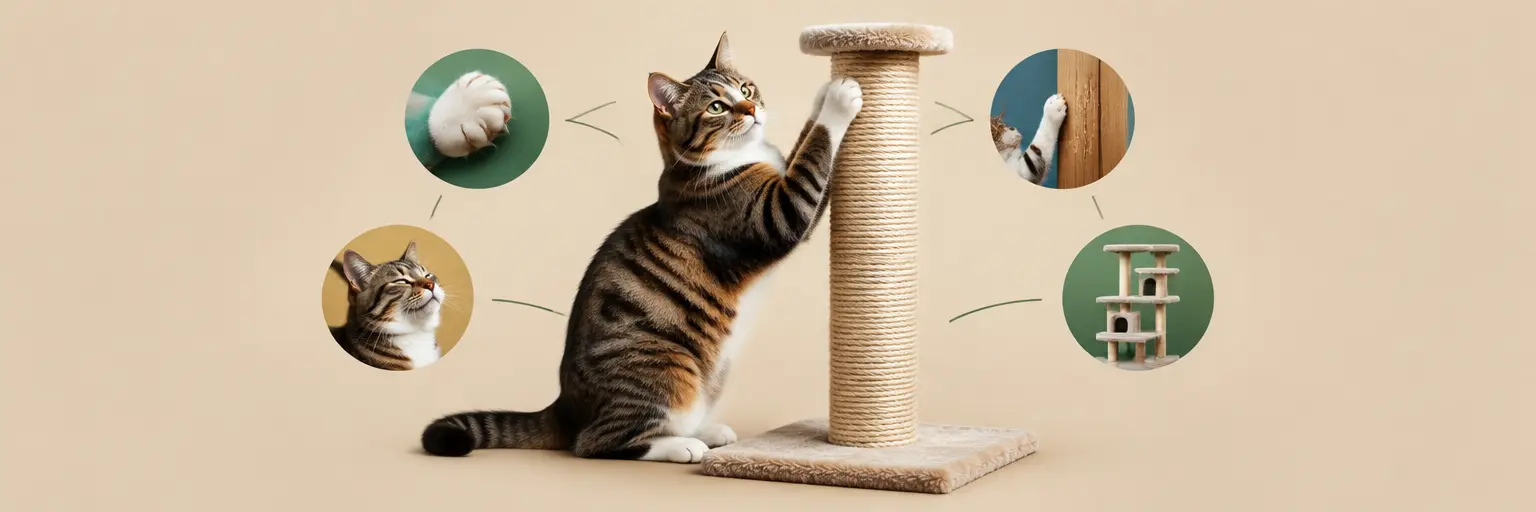
Understanding why your cat scratches is the first step to a happier home and a healthier kitty. Scratching is a natural, instinctive behavior that goes far beyond just sharpening claws—it’s how cats mark territory, stretch their muscles, and relieve stress. By decoding your feline’s scratching needs, you can redirect this behavior to appropriate surfaces, protect your furniture, and strengthen your bond. Discover the triggers behind the claws, from scent glands to texture preferences, and learn practical, vet-approved strategies to create a scratch-friendly environment that satisfies your cat’s deepest instincts. Turn destructive habits into positive rituals with expert insights from PetCareWorld.

😊 Uncover the science behind why cats scratch: PetCareWorld explains the crucial link between cat scratching and territory marking, revealing how this…
Read article
🤔 Uncover your cat's scratching preferences! Our expert Cat scratching post location guide helps you understand why cats choose specific spots and…
Read article
🤔 Uncover the surprising reasons behind why cats scratch furniture. PetCareWorld reveals the science of feline scratching, offering solutions to protect your…
Read articleScratching is one of the most misunderstood feline behaviors. Instead of being a destructive habit, it’s a vital, instinctive activity tied to claw health, stress relief, and territory marking. This subcategory of Cat Care & Behavior at PetCareWorld helps you decode why your cat scratches, what they truly need, and how to redirect this behavior positively—protecting your furniture while keeping your kitty happy and healthy. From physical anatomy to behavioral enrichment, we cover everything you need to know.
Scratching is not random mischief—it’s a biological necessity. Cats have retractable claws that grow in layers, and scratching removes the dull outer sheath to reveal sharp, healthy new layers. This action also stretches the muscles in their shoulders, paws, and spine, keeping them flexible and strong. Without proper scratching surfaces, claws can overgrow, curl into paw pads, and cause painful infections.
Providing appropriate scratching posts is therefore essential. You’ll learn how materials like sisal, cardboard, and carpet affect claw shedding, and why vertical and horizontal surfaces serve different purposes. Understanding this biology helps you choose products that mimic natural tree bark, reducing the risk of destructive scratching on sofas, curtains, or woodwork. Your cat’s physical well-being starts with respecting this innate ritual.
When your cat scratches, they leave both visual marks and chemical signals. Glands between their paw pads release pheromones that communicate presence, reproductive status, and confidence to other cats. This is why cats often scratch after you bring home new items, after visitors leave, or when a new pet arrives—they’re reinforcing their claim to their environment. This behavior is deeply linked to feelings of safety and security.
By understanding territory marking, you can strategically place scratching posts near high-traffic zones, entryways, and resting areas. You’ll also discover why some cats scratch more when stressed and how to use synthetic pheromone sprays or double-sided tape as temporary deterrents. Recognizing scratching as communication rather than disobedience transforms how you respond—from punishment to proactive environmental design, which builds trust and reduces anxiety.
Not all scratching surfaces are created equal. Cats have strong preferences based on texture, stability, and angle. Corrugated cardboard appeals to cats who like horizontal scratching, while sisal rope mimics tree bark for vertical clawing. Carpeted posts may feel great under paws but can accidentally teach your cat to scratch your carpet. You’ll learn to observe your cat’s natural scratching posture—whether they stretch high, scratch low, or prefer a tilted surface—and match products accordingly.
We provide a practical checklist for evaluating posts: height (at least three-quarters of your cat’s extended length), sturdiness (no wobbling), and placement (near sleeping areas). We also discuss DIY options like repurposing logs or using sisal-wrapped boards. By investing in the right surfaces, you reduce the likelihood of them choosing your velvet sofa, saving you money and frustration. The goal is to make the correct choice the easiest choice.
Scratching is also a form of emotional regulation. Many cats scratch when bored, overstimulated, or anxious. It releases pent-up energy and provides a sense of accomplishment. Indoor cats especially need outlets for their predatory and exploratory instincts. Incorporating scratching into interactive play—like dangling a feather wand near a post—teaches your cat to associate the post with positive experiences. This is particularly effective for kittens learning boundaries.
We’ll show you how to rotate scratching toys, use catnip sparingly on new posts, and pair scratching sessions with play and treats. You’ll also learn to read body language: a cat that scratches and then walks away satisfied, versus one that scratches frantically, may be signaling different needs. Enrichment reduces destructive scratching by up to 80% when done consistently. This approach turns scratching from a nuisance into an opportunity for bonding and mental stimulation.
Even with perfect scratching posts, some cats still over-scratch. Regular nail trimming every 2-3 weeks minimizes damage and lessens the urge to scratch excessively. You’ll get step-by-step instructions for safe handling, using clippers or grinders, and acclimating your cat gradually. For persistent furniture attackers, soft nail caps (like Soft Claws) are a humane, temporary alternative that doesn’t hinder natural behavior. We also discuss environmental deterrents such as motion-activated air sprays or citrus-scented coverings.
These preventative measures work best when combined with positive reinforcement—never shout or physically punish scratching, as that increases anxiety and worsens the behavior. We explain how to use a calming tone and reward-based training to reinforce scratching only on approved surfaces. This section gives you a comprehensive toolbox, from grooming techniques to commercial products, ensuring you and your cat can coexist harmoniously without sacrificing your belongings or your cat’s dignity.
Many owners believe scratching is a sign of aggression or that declawing is a simple solution—both are dangerously false. Declawing is amputation and can lead to chronic pain, litter box avoidance, and behavioral issues. Scratching is not spiteful; it’s essential. Another myth is that only outdoor cats need to scratch. In reality, indoor cats may scratch more due to less varied textures. We debunk these and other fallacies to help you make informed, compassionate decisions for your pet.
We also clarify why some cats scratch immediately after waking or after eating—these are routine behavior patterns, not requests for attention. By understanding these myths, you’ll avoid common training mistakes and instead embrace scratching as a natural, manageable part of feline life. This knowledge empowers you to advocate for your cat’s needs, whether at the vet or when buying products. Your cat’s happiness and your home’s integrity depend on accurate information.
This usually happens because the post is not appealing enough or is placed poorly. Cats prefer stable, tall posts near social areas. Try adding catnip, using a different material like sisal, or moving the post next to the couch. Also, cover the couch with a temporary tape or blanket for a few weeks to break the habit, and reward your cat whenever they use the post.
Yes, stress can increase scratching frequency. Cats scratch to self-soothe and mark territory when they feel insecure. Look for other stress signs like hiding, overgrooming, or changes in appetite. Provide vertical climbing spaces, hiding spots, and a consistent routine. Using a synthetic pheromone diffuser and ensuring multiple scratching surfaces can significantly reduce stress-related scratching.
Trimming every 2-3 weeks is ideal for most indoor cats. Check nails weekly—if you hear clicking on hard floors, it’s time. Start with gentle handling, using treats and short sessions. Only trim the transparent tip, avoiding the pink quick. Consistent trimming reduces the sharpness of scratches, making any accidental contact less damaging and lowering your cat’s urge to scratch excessively.
It depends on your cat’s preference and scratching angle. Cardboard is great for horizontal scratches and produces satisfying texture but wears out quickly. Sisal rope posts are more durable and work well for vertical scratching, mimicking tree bark. Many cats enjoy both. Try offering one of each to see which your cat uses more, then invest in that type for longevity and satisfaction.
Absolutely. Adult cats can learn new habits with patience and consistency. Redirect them gently to a post whenever they scratch furniture. Use positive reinforcement with treats or play after they scratch the post. Place deterrents like double-sided tape on furniture temporarily. Avoid punishment. Over 4-6 weeks, most adult cats will adopt the new scratching spots if the environment is designed to their liking.







