Wet vs Dry Cat Food for Seniors: Tailoring Diets for Aging Felines
🤔 Discover the optimal "best cat food senior wet dry" diet for your aging feline. PetCareWorld explores the crucial differences between wet…
Read article
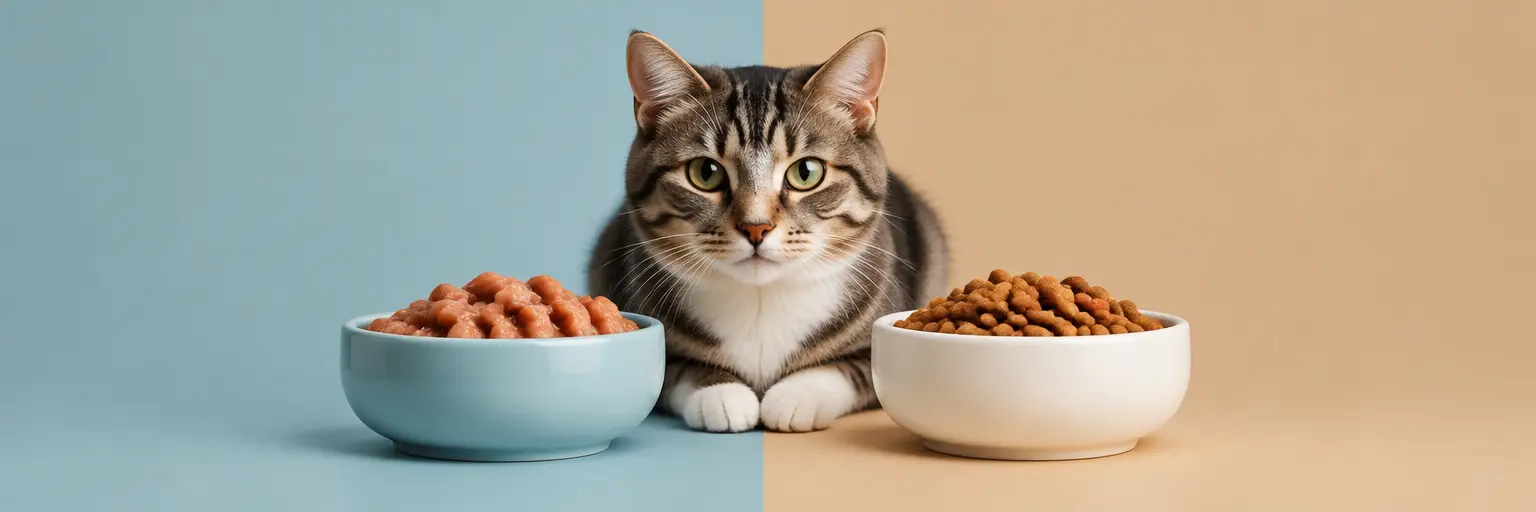
Choosing between wet and dry cat food is one of the most impactful decisions you’ll make for your feline’s health and happiness. Wet food offers superior hydration and mimics a cat’s natural prey, making it excellent for urinary tract health and weight management. Dry kibble, on the other hand, is convenient, cost-effective, and helps reduce tartar buildup, though it’s lower in moisture. The best choice often depends on your cat’s age, dental condition, and specific health needs—some cats thrive on a mix, while others need a strict diet. From texture preferences and palatability to storage and budget, we break down the pros, cons, and expert tips to help you craft a balanced feeding plan that keeps your whiskered friend purring with energy. Dive in to make an informed, tailored choice that supports lifelong wellness.

🤔 Discover the optimal "best cat food senior wet dry" diet for your aging feline. PetCareWorld explores the crucial differences between wet…
Read article
🤔 Unlock the secrets to choosing the best wet and dry cat food for your feline friend! PetCareWorld's expert guide reveals advanced…
Read article
🤔 Discover the optimal feeding strategy for your multi-cat household! This guide explores wet vs. dry food, helping you create the best…
Read article
🤔 Uncover the surprising nutritional benefits of dry dog food! PetCareWorld debunks common myths and reveals why quality kibble is a powerhouse,…
Read articleChoosing between wet and dry cat food is one of the most common dilemmas for cat parents. This subcategory at PetCareWorld breaks down the nutritional, practical, and behavioral differences between these two formats. Whether you’re a first-time kitten owner or managing a senior feline’s health, our guide helps you make an informed decision based on hydration, dental health, budget, and your cat’s preference. Read on to discover which option supports your cat’s long-term wellbeing and how to blend both for optimal results.
Wet cat food contains roughly 70-80% moisture, closely mimicking a cat’s natural prey. This high water content is critical for cats, who often have a low thirst drive. Chronic dehydration can lead to urinary tract issues, kidney disease, and crystal formation. By feeding wet food, you increase your cat’s daily water intake without forcing them to drink more, which is especially beneficial for older cats or those with a history of urinary problems.
On the other hand, dry food provides only about 10% moisture, which means cats rely on their water bowl for hydration. Many cats fail to drink enough, especially if the water source is stagnant or not fresh. If you exclusively feed kibble, consider adding a pet fountain or soaking the kibble in water. However, the moisture advantage of wet food is undeniable, making it a preferred choice for preventing lower urinary tract diseases and supporting kidney function in the long term.
A common marketing claim is that dry food’s crunchiness helps scrape plaque and tartar from teeth. While kibble does provide some abrasive action, studies show that most cats swallow pieces whole or barely chew, limiting the dental benefit. The real dental risks come from carbohydrate content in dry food, which feeds oral bacteria, leading to gum inflammation and bad breath. Wet food, being soft, offers no mechanical cleaning but also contains fewer carbohydrates if you choose grain-free or low-carb formulas.
For optimal dental care, do not rely on diet alone. Regular tooth brushing, dental treats, and veterinary check-ups are essential regardless of food type. Some veterinary dental diets are specifically designed with larger kibble texture to promote chewing, but these are prescription-based. If dental health is your primary concern, schedule annual dental cleanings and monitor your cat’s gums. Mixing small amounts of wet food with dental kibble can be a compromise, but never substitute professional care.
Dry cat food is generally more affordable per pound and has a longer shelf life once opened, making it convenient for free-feeding or households with multiple cats. It’s also lighter to store and doesn’t require refrigeration. However, cheap kibble often contains fillers like corn, wheat, and soy, which offer little nutritional value and can lead to obesity. Premium dry foods with high meat content cost more but still remain cheaper than wet food on a per-meal basis.
Wet food is noticeably pricier, especially if you choose high-quality brands with real meat as the first ingredient. It also has a shorter open lifespan—typically 2-3 days in the fridge—and requires portion control to avoid spoilage. For budget-conscious owners, a mixed feeding approach works well: offer wet food once daily for hydration and dry food for grazing. This balances cost while ensuring your cat gets the moisture and protein they need. Always check the calorie content to avoid overfeeding.
Most cats strongly prefer wet food’s aroma, texture, and flavor. The heightened smell of wet food is appealing, especially for senior cats with diminished senses. Picky eaters often turn their noses up at dry kibble, but will eagerly eat pâté or shredded wet formulas. If your cat refuses to eat, transitioning to wet food can solve appetite issues, particularly after illness or surgery. Warming wet food slightly (never hot) enhances its scent and makes it irresistible.
However, some cats are set in their kibble habits and may reject wet food initially. Gradually mix wet into dry over a week, increasing the wet ratio slowly. Conversely, if you need to move from wet to dry, add warm water to kibble to soften it and mimic the moisture. Respect your cat’s preferences—forcing a change can cause stress and food aversions. Offer multiple textures (mousse, chunks, flaked) to find what your cat loves. Remember, a fed cat is better than a hungry one, so prioritize acceptance over perfection.
Both wet and dry foods can be nutritionally complete if they meet AAFCO standards. Wet food often has higher protein and lower carbohydrates, aligning better with a cat’s carnivorous needs. Dry food may contain up to 50% carbohydrates to hold its shape, which can contribute to weight gain and diabetes. For cats with diabetes, obesity, or inflammatory bowel disease, low-carb wet food is usually recommended. Always consult your vet before switching diets for medical conditions.
For kittens, pregnant cats, and seniors, wet food’s high water content supports growing bodies and aging kidneys. Conversely, dry food is easier to portion for weight management if calorie-controlled. Some cats with dental pain or missing teeth may find wet food easier to eat. Read labels carefully to ensure adequate taurine, omega-3 fatty acids, and essential vitamins. Neither format is inherently unhealthy—the key is choosing a high-quality product with named meat sources and avoiding artificial additives. A veterinary nutritionist can tailor a plan for chronic conditions.
Yes, mixing is safe and often beneficial. It combines the hydration of wet food with the convenience and dental abrasiveness of dry. Ensure both foods are formulated for the same life stage, and adjust total calories to prevent obesity. Start with a 50/50 ratio, then tweak based on your cat’s digestion and weight.
No, wet food spoils quickly at room temperature, usually within 2-4 hours. Bacteria can cause digestive upset. If you need to free-feed, use dry food instead, or portion wet food into small servings that you provide only during meal times. Refrigerate leftovers and discard after 2 days.
Not necessarily. Tartar buildup is more linked to genetics, oral hygiene, and carbohydrate content than the food’s texture. Wet food is softer, but dry kibble often doesn’t get chewed enough to offer significant cleaning. Regular tooth brushing is more effective than relying on food texture for preventing tartar.
Grain-free wet food is often higher in animal protein and lower in carbs, which aligns with feline biology. However, grain-free dry food can still be high in starch from potato or tapioca. Compare the carbohydrate percentages and meat content, not just marketing labels. Cats can digest grains, but they don’t need them nutritionally.
A typical adult cat needs about 200-250 calories daily. Check the can’s calorie per ounce, usually 30-35 calories per ounce for wet food. This means roughly 6-7 ounces of wet food per day, split into two meals. Adjust based on activity, age, and whether you also offer dry food. Consult your vet for exact portions.







