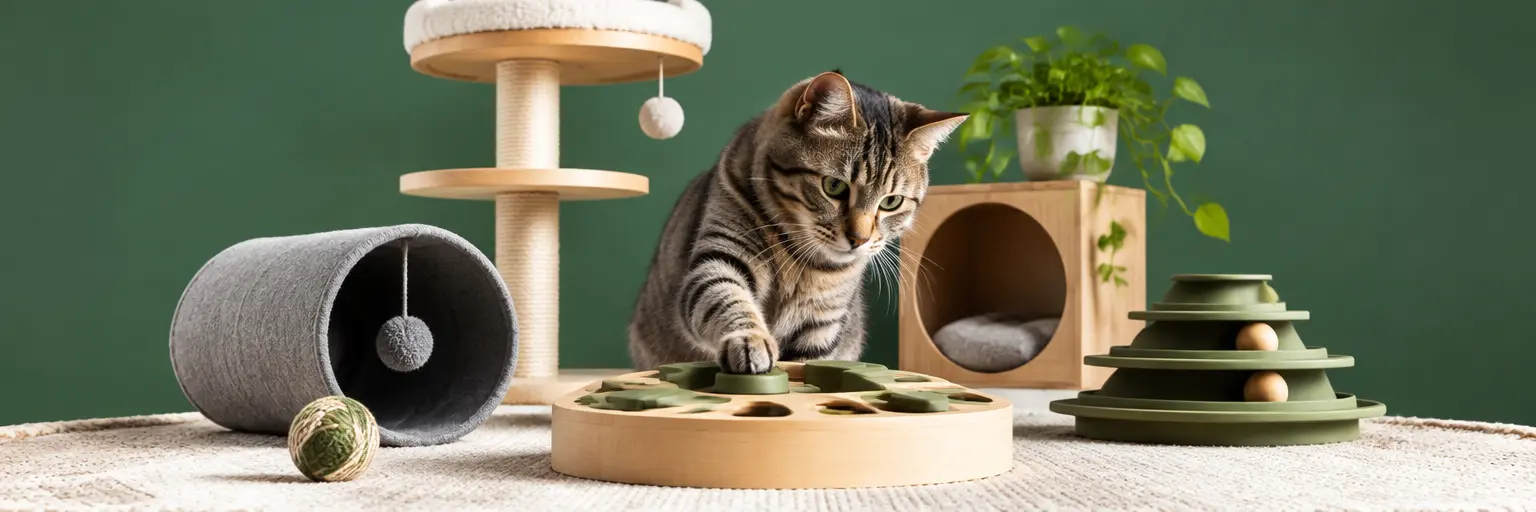
Cat Enrichment and Environmental Needs: Build a Happier, Healthier Home for Your Feline
Welcome to our dedicated guide on cat enrichment and environmental needs at PetCareWorld. A truly thriving cat is more than just fed and sheltered; it’s a creature whose natural instincts—hunting, climbing, scratching, and exploring—are met within your home. By understanding the core pillars of feline environmental wellness, you can prevent behavior problems, reduce stress, and deepen the bond with your companion. This subcategory covers everything from vertical space and scratching posts to foraging toys and sensory stimulation, ensuring your indoor cat lives a physically and mentally rich life.
🐾 Essential Vertical Space: The Power of Cat Trees and Shelves
Cats are arboreal by nature, meaning they naturally seek high vantage points for safety, observation, and rest. In a home environment, lacking vertical territory often leads to anxiety, hiding, or inappropriate scratching of furniture to claim territory. Providing cat trees, wall-mounted shelves, or window perches gives your feline a "skyway" to patrol, which significantly reduces conflict in multi-cat households and boosts their overall confidence. Invest in sturdy, multi-level structures placed near sunny windows or busy family areas so your cat can safely watch the world without feeling threatened.
When choosing vertical enrichment, consider stability and variety. A wobbly tree will be avoided, while a tall, secure tower with sisal posts, cubbies, and dangling toys offers endless choices for climbing, napping, and clawing. Rotate the furniture’s location occasionally to reignite your cat’s curiosity, and clean surfaces regularly to remove scent buildup that can cause stress. The goal is to triple your home’s usable square footage for your cat, turning walls into highways and corners into cozy suites, which dramatically lowers territorial tension and promotes a relaxed, confident feline.
🧩 Foraging and Puzzle Feeders: Satisfy the Hunter Instinct
In the wild, cats spend hours hunting for each meal, but indoor cats often eat from a bowl in minutes, leaving them mentally understimulated and bored. Food-based enrichment—such as puzzle feeders, snuffle mats, or hidden treat trails—taps directly into their predatory drive, providing both physical activity and cognitive challenges. Start with simple puzzles (like a treat ball) and progress to more complex devices as your cat learns, ensuring the difficulty matches their skill to avoid frustration.
Beyond puzzle feeders, you can mimic natural hunting by scattering kibble across a large tray or hiding small portions in cardboard boxes around the house. This encourages natural foraging behavior, slows down fast eaters, and reduces vomiting from gulping. Rotate different feeding methods daily to keep novelty high, and always supervise the first use of any new toy. Mentally tired cats are calmer cats, and this simple addition can dramatically decrease destructive behaviors like knocking over plants or obsessive crawling on countertops seeking snacks.
🛋️ The Scratching Spectrum: Protecting Furniture, Pleasing Felines
Scratching is an innate, non-negotiable behavior that serves several vital functions: marking territory with scent glands in their paws, stretching muscles, and conditioning claws. Trying to stop your cat from scratching entirely is both cruel and futile; instead, the key is to redirect the behavior to appropriate surfaces. Provide a variety of scratching posts—horizontal, vertical, and angled—made of sisal, cardboard, or carpet, and place them near sleeping areas, entryways, and spots where they already scratch.
To make posts irresistible, sprinkle catnip on them, use a toy to lure your cat’s paws, or gently guide their claws down the post while rewarding them with treats. If your cat has a preference for a specific texture or angle (many love cardboard horizontal pads), match that in at least one post. Deter scratching on furniture by using double-sided tape or aluminum foil temporarily, and never punish your cat—this only breeds fear. Proper placement and positive reinforcement will train most cats within a week, protecting your couch while giving your feline the satisfying sensory feedback they crave.
🌿 Sensory Stimulation: Windows, Sounds, and Safe Outdoor Views
Indoor cats often suffer from sensory monotony, leading to depression or lethargy. Environmental needs go beyond physical objects; they include opportunities for visual, olfactory, and auditory stimulation. A secure window perch with a bird feeder outside creates a "cat TV" that can entertain your pet for hours, while rotating safe plants like cat grass or silver vine offers olfactory variety. Rotate a small selection of toys weekly to prevent habituation, and introduce new scents like chamomile or valerian root (always safe) to spark curiosity.
Auditory enrichment—such as soft classical music or nature sounds with bird chirps—can calm an anxious cat, but be mindful of volume as cats have sensitive hearing. For the ultimate sensory experience, consider a supervised "catio" (an enclosed outdoor patio) or harness training for brief outdoor walks, always ensuring safety from predators and traffic. Daily incremental changes in their environment mimic the unpredictable natural world, boosting their immune system and mental agility. Even simple items like paper bags, cardboard boxes, or a fresh empty suitcase can become magical hunting grounds, providing that crucial novelty that keeps your cat’s instincts sharp and mood bright.
🏡 Harmony in Multi-Cat Homes: Resource Distribution and Safe Zones
When multiple cats share a home, environmental needs become more complex, as competition for resources can trigger aggression and stress-related illness. The golden rule is to provide one more resource than the number of cats—this includes food bowls, water fountains, litter boxes, and resting spots. Place these resources in separate, quiet corners of the house to avoid bottlenecking, ensuring that each cat has a personal safe zone where they can retreat without being cornered by a more dominant feline. High perches and hideaway boxes are essential to allow a nervous cat to escape and observe from above.
Observe your cats’ relationships carefully and provide multiple pathways (floor-level and vertical) to avoid forced confrontations in hallways. Use pheromone diffusers, like Feliway, to create a calming chemical atmosphere, and keep feeding schedules predictable but with spaced-out locations. Never force interactions; instead, encourage positive associations by feeding treats near each other gradually. With thoughtful environmental planning, even a busy multi-cat household can maintain peace, with each feline enjoying enriched, stress-free lives that prevent urinary issues and destructive behaviors common in unhappy groups.
Frequently Asked Questions
How much vertical space does a cat actually need indoors?
At minimum, provide at least one tall cat tree (5–6 feet) or a series of shelves that allow your cat to climb to elevated perches. Ideally, design a “cat highway” by installing staggered wall shelves that traverse the room. Cats benefit from several high resting spots, especially in sunny windows or near family activity, to satisfy their natural territorial and observational needs.
What is the best type of puzzle feeder for a picky cat?
Start with a simple treat-dispensing ball or a flat puzzle with static obstacles that hide kibble. If your cat is food-motivated but cautious, sprinkle freeze-dried chicken or tuna flakes on top of the puzzle to spark interest. Avoid tiny compartments that frustrate, and always supervise until your cat gains confidence. Rotate three or four different puzzle types weekly to keep engagement high.
Why does my cat scratch the couch even when I provide a scratching post?
This usually indicates a preference for texture or location. Your cat may prefer the horizontal surface or the specific fabric of your couch. Try placing a cardboard horizontal scratcher directly in front of the couch, or cover the couch with a textured sisal rug. Also, place a scratching post within one or two feet of the couch, then gradually move it away as the new habit forms.
Can I provide sensory enrichment without expensive toys?
Absolutely. Cardboard boxes, paper bags, aluminum foil balls, and crumpled paper are excellent free toys. Rotate items like an empty egg carton, a paper towel tube, or a pinch of catnip in a sock. For visual stimulation, hang a bird feeder outside a window or play a nature documentary on a tablet. Daily—even 10 minutes—of novel sensory inputs works wonders.
How can I tell if my indoor cat is understimulated?
Signs include excessive meowing, destructive scratching, overgrooming (often causing bald patches), lethargy, or sudden aggression. If your cat is sleeping more than 18 hours a day, eating too fast, or staring blankly at walls, they likely need more enrichment. Introduce new climbing options, puzzle feeders, and interactive play sessions (at least 15 minutes daily) using wand toys to simulate hunting. If behaviors persist, rule out health issues with your vet.