Why Does My Cat Stare at Me? Unraveling the Mysteries of Feline Gazes
🤔 Decipher your cat's intense gaze! PetCareWorld explains the meaning behind that feline stare, revealing the secrets behind their captivating looks. Uncover…
Read article
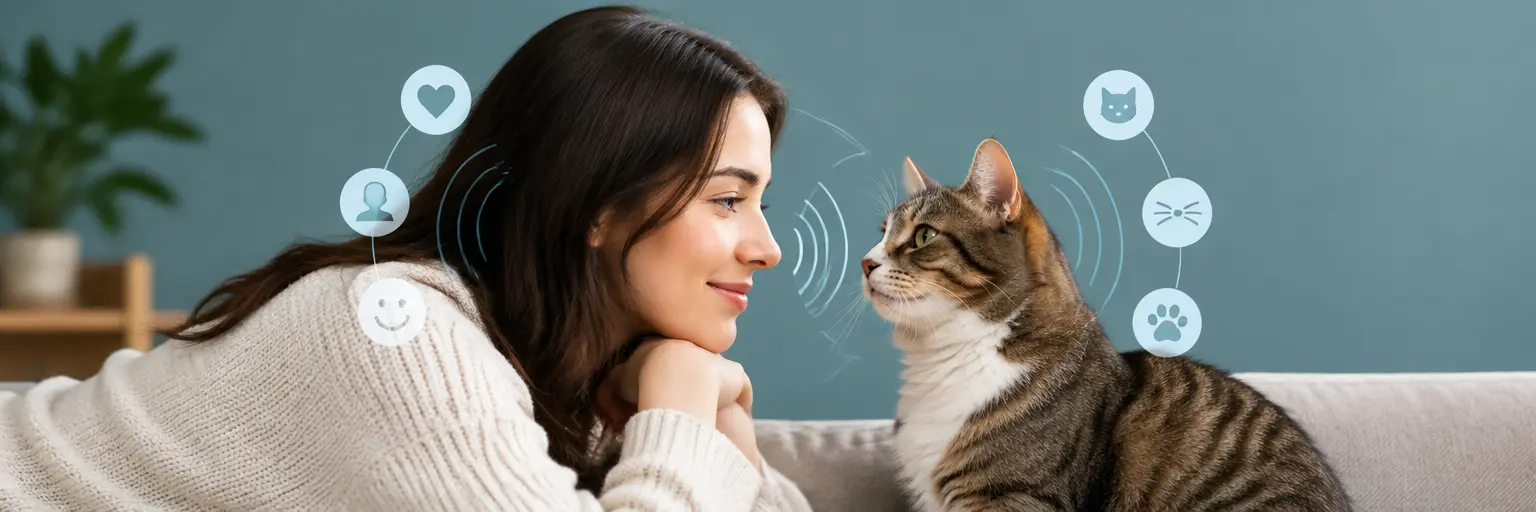
Cats may not speak our language, but they are constantly communicating with us through a subtle and fascinating blend of vocalizations, body language, and behavior. 🐾 Understanding cat communication with humans is the key to a deeper, more trusting bond with your feline friend. From the meaning behind a slow blink, a purring rumble, or the position of their tail, every gesture offers a glimpse into their emotional world. By learning to interpret these signals, you can meet your cat’s needs more effectively, reduce behavioral issues, and enrich their daily life. Whether you’re a new owner or a lifelong cat enthusiast, mastering this silent dialogue transforms care from guesswork into confident, compassionate interaction. 😻 Dive into our expert tips to decode your cat’s unique language and strengthen your connection today!

🤔 Decipher your cat's intense gaze! PetCareWorld explains the meaning behind that feline stare, revealing the secrets behind their captivating looks. Uncover…
Read article
😊 Unlock the secrets to clear communication with your feline friend! PetCareWorld's guide reveals how to teach cats human communication, building a…
Read article
🤔 Deciphering your feline friend's communication is key to a harmonious relationship. PetCareWorld reveals subtle signs your cat uses to talk to…
Read articleWelcome to PetCareWorld’s dedicated guide on cat communication with humans. Cats are often misunderstood as aloof, but they are constantly sending signals through vocalizations, body language, and behavior. This subcategory explores how felines express needs, emotions, and boundaries, helping you build a stronger bond. By learning to interpret meows, tail positions, ear movements, and purrs, you can respond appropriately and reduce behavioral issues. Whether you are a new owner or a seasoned cat parent, mastering this language enhances trust, reduces stress, and enriches your cat's quality of life. Dive in to become fluent in feline communication.
Cats use a rich vocal repertoire tailored specifically to humans, as they rarely meow at each other in adulthood. A short, high-pitched meow often means a greeting, while a long, drawn-out meow signals demand—usually for food or attention. Purring typically indicates contentment but can also occur during pain or stress as a self-soothing mechanism. Chirps and trills are friendly invitations, often used when a cat wants you to follow them, perhaps to a food bowl or a favorite toy. Hissing or growling are clear warnings of fear or aggression, signaling that you should give space.
Understanding context is crucial: a cat that purrs while kneading your lap is relaxed, but a cat that purrs while hiding under the sofa may be anxious. Pay attention to pitch and frequency. A repetitive, urgent meow may indicate discomfort or illness. Respond to vocalizations with calm, consistent actions—acknowledge greetings, meet genuine needs, and never punish hissing, which escalates fear. Over time, you will distinguish your cat's unique "words" and learn to address their unspoken requests effectively.
A cat’s tail is a barometer of mood. A high, upright tail with a slight curve at the tip signals confidence and friendliness, while a puffed-up tail indicates fear or aggression. A slow, gentle tail sway suggests focused concentration, whereas a thrashing tail means irritation—stop petting immediately. Ears forward show curiosity, ears flattened sideways signal anxiety, and ears pinned back indicate defensiveness. Eyes communicate too: slow blinking is a sign of trust and affection, while dilated pupils may indicate excitement or fear.
Posture adds depth to these cues. An arched back with fur standing up is a classic defensive pose, while a relaxed, stretched-out body indicates security. A cat that rolls over and exposes its belly is showing vulnerability, but this is not necessarily an invitation for belly rubs—many cats prefer a gentle chin scratch instead. Learn to read combinations: a cat with ears forward, tail high, and slow blinking is inviting interaction. Respecting these signals prevents bites and scratches and fosters a safe, communicative household.
Cats communicate heavily through scent glands located on their cheeks, paws, and tail base. When your cat rubs its head or body against you, they are depositing pheromones, marking you as part of their safe territory. This "bunting" is a sign of ownership and affection. Head-butting, or bunting, is an intense form of bonding, often accompanied by purring. Kneading with paws is a leftover kitten behavior that signifies comfort and contentment, as it stimulates milk flow from the mother. Mutual grooming between cats and humans is rare but a cat licking your hand or hair is a profound gesture of familial acceptance.
Respond to these tactile signals positively by allowing gentle rubbing and offering soft strokes in return. Avoid overstimulation; some cats become over-aroused and may bite after excessive petting. Learn your cat’s threshold—usually a few minutes of stroking is enough. When a cat initiates head-butting, reciprocate by offering your finger or chin for them to rub against. This exchange builds a mutual language of trust, making your cat feel secure and understood in your shared environment.
Cats are creatures of habit and communicate needs based on predictable routines. If your cat leads you to an empty food bowl at 6 PM daily, that is a clear timed request. Similarly, a cat that sits by the door and chirps is asking for outdoor access or playtime. Some breeds, like Siamese and Oriental Shorthairs, are remarkably vocal and use extended "conversations" to express boredom or companionship needs. Understanding these contextual signals requires observing patterns—note when and where your cat communicates most often.
Use consistent responses to reinforce positive communication. For example, if your cat meows at the treat jar, open it, but only after they are quiet. This teaches that calm behavior is rewarded. Conversely, if you respond to every meow with attention, you may inadvertently encourage excessive vocalization. Create structured daily routines for feeding, play, and quiet time. This reduces anxiety and makes your cat’s signals more predictable. A well-understood routine enhances mutual comprehension, leading to fewer misunderstandings and a more harmonious cohabitation.
Many owners misinterpret feline communication, leading to frustration. One common error is assuming a purring cat is always happy—purring can signal pain, so check for other signs like hiding or reduced appetite. Another mistake is punishing a cat for hissing or growling, which only increases fear and damages trust. Similarly, interpreting a tail wrap around your leg as a "hug" is incorrect; it is more likely a scent-marking behavior. Slow blinking is often missed; many cats do this to show trust, but humans may not reciprocate, missing a bonding opportunity.
To avoid mistakes, always consider the full context. If a cat's ears are back but their tail is high, they may be conflicted—give them space. Never force interaction; let your cat approach you. Use gentle, soft tones and avoid direct eye contact, which cats perceive as threatening. Educate all household members about these nuances to ensure consistency. By recognizing your cat’s attempts to communicate—even subtle ones—you reduce behavioral problems like aggression, hiding, and inappropriate urination, creating a calmer, more predictable home environment.
Excessive meowing often indicates that your cat has learned that vocalization gets your attention. It could be for food, play, or simply social interaction. First, rule out medical issues. Next, ensure you are meeting basic needs—clean litter, fresh water, and stimulation. Stop rewarding meows with immediate responses; wait for a quiet pause, then give attention. Consult your vet if the behavior persists suddenly.
Happy cats typically have relaxed bodies, upright tails, and slow-blink eyes. They show interest in play and grooming. Stressed cats may hide, over-groom (creating bald patches), show flattened ears, or exhibit changes in appetite or litter box habits. Sudden aggression or excessive vocalization can also signal stress. Provide safe hiding spots, maintain routine, and use pheromone diffusers if needed.
Yes, adult cats rarely meow to other cats; they use body language, scent, and silent pacing. Meowing is a behavior they developed to communicate with humans, essentially treating us as oversized kittens. Each cat develops a unique meow vocabulary. Some cats are more chatty depending on breed and personality, but all cats use meows specifically to interact with people.
Slow blinking is a sign of trust and relaxation in feline communication. It is equivalent to a human "I’m comfortable with you" or a smile. To reinforce trust, mimic the behavior by staring softly and blinking slowly back at your cat. This can help deepen your bond and calm a nervous cat. Never respond with a hard stare, as that is perceived as a threat.
Biting during petting usually indicates overstimulation or discomfort. Watch for warning signs like tail twitching, ears flattening, or skin rippling. Stop petting before these signs escalate. Allow your cat to initiate physical contact, and limit petting to safe zones like the chin and cheeks. If biting occurs, calmly withdraw your hand and leave the room, showing that biting ends the interaction.







