
How to Teach Your Cat to Understand Your Communication: A StepbyStep Guide

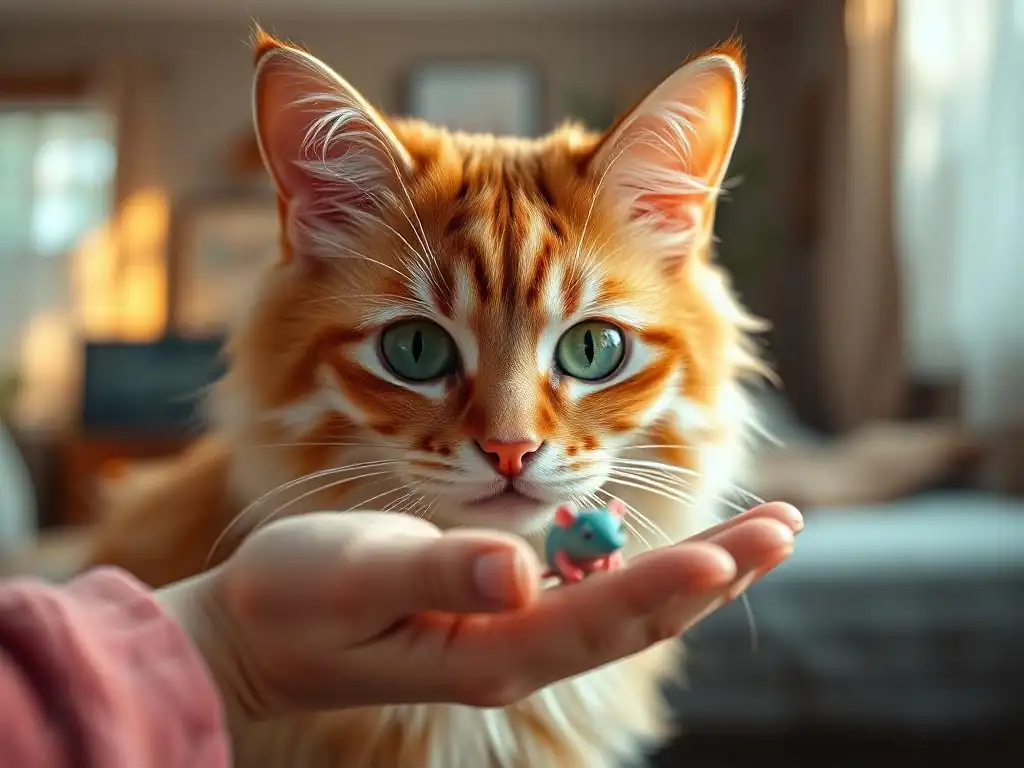
Welcome to PetCareWorld, your ultimate guide to a happier, healthier life for your beloved pets! Are you ready to unlock a deeper connection with your feline friend? Discover how to bridge the species gap and teach your cat to understand human communication in our insightful step-by-step guide. Learn the surprising secrets to effective communication and unlock a whole new level of understanding with your cat. Dive in and embark on this fascinating journey – your cat will thank you for it!
- Understanding Feline Body Language: The Foundation of Cat Communication
- Establishing Clear Communication with Your Cat: Positive Reinforcement Techniques
- Step-by-Step Guide: Teaching Your Cat Specific Commands
- Advanced Techniques for Enhanced Cat Communication
- Maintaining Clear Communication: Long-Term Strategies
- Troubleshooting Common Challenges in Cat Communication Training
- Resources and Further Learning: Enhancing Your Cat Communication Skills
-
Frequently Asked Questions
- How can I start teaching my cat to understand human communication?
- What if my cat doesn't seem interested in learning?
- What are the best methods for teaching cats specific commands?
- How long does it take to teach a cat human communication?
- Are there any common mistakes to avoid when teaching my cat?
- Final Reflection: Bridging the Species Gap: Understanding Feline Communication
- Unleash the Purrfect Communication: Connect with Your Cat Today!
Understanding Feline Body Language: The Foundation of Cat Communication
Teaching your cat to understand your communication is a rewarding journey, but it starts with understanding their communication first. Cats, unlike dogs, don't rely heavily on vocalizations to express themselves. Instead, they communicate primarily through body language – a complex system of subtle cues that reveal their emotional state, intentions, and needs.
Mastering feline body language is the cornerstone of effective human-cat communication, allowing you to build a stronger bond based on mutual understanding and respect. This step-by-step guide will equip you with the knowledge to decipher your cat's signals and, in turn, help them understand you better. We'll explore the nuances of feline communication, focusing on how to interpret various signals and respond appropriately, ultimately improving your relationship with your feline companion.
Learning to "speak cat" is key to successfully teaching your cat to understand your cues. This article will delve into the intricacies of feline communication, focusing on practical strategies and real-world examples to help you become a more effective communicator with your cat. Understanding your cat's subtle cues is paramount in building trust and a harmonious relationship.
Deciphering Your Cat's Signals: Purrs, Meows, and Tail Movements
Cats use a variety of vocalizations and tail movements to convey their feelings. A purr isn't always an indication of contentment; sometimes, it can signal stress or pain. 😼 Pay close attention to the context of the purr.
A purr accompanied by relaxed body posture usually signifies happiness, while a purr during a stressful situation could indicate self-soothing. Meows, on the other hand, are often directed at humans, and their meaning can vary greatly depending on the tone, pitch, and length. A short, high-pitched meow might be a friendly greeting, while a long, low-pitched meow could express distress or hunger.
Tail movements are also highly informative. A slowly wagging tail often indicates contentment, while a rapidly wagging tail can signify excitement or even aggression. A puffed-up tail can signal fear or aggression, while a tucked tail usually means the cat is feeling scared or submissive. Observe the combination of vocalizations and tail movements for a more complete understanding of your cat's message. For instance, a cat with a puffed-up tail and a low growl is clearly expressing aggression and should be given space.
Interpreting Your Cat's Posture: Relaxed vs. Aggressive
A cat's posture is a powerful indicator of its emotional state. A relaxed cat will typically have a loose, comfortable posture. Its body will be low to the ground, its ears will be upright and forward, and its tail will be relaxed or gently swaying. Conversely, an aggressive cat will display a very different posture.
Its body will be tense, its ears will be flattened against its head, its tail will be puffed up or held low, and it might arch its back, showing its teeth. Understanding these postural differences is crucial for preventing conflicts and ensuring your interactions are positive. Recognizing the subtle signs of stress or aggression allows you to de-escalate situations and avoid unwanted behavior. For example, if your cat displays signs of aggression like hissing or flattened ears, it's essential to give them space and avoid confrontation.
Recognizing Subtle Cues: Ear Position, Whiskers, and Eye Contact
Beyond the more obvious signals, cats use subtle cues like ear position, whisker movement, and eye contact to communicate. Ears that are rotated forward and slightly pointed indicate alertness and interest, while ears that are flattened against the head signal fear or aggression. Whiskers can also reveal your cat's emotional state. Relaxed whiskers point outwards, while tense whiskers are pulled back against the face.
Direct eye contact can be interpreted differently depending on the context. Prolonged eye contact can be seen as a challenge or threat, while brief eye contact followed by a slow blink can be a sign of affection and trust. This slow blink is a crucial aspect of feline communication, often used as a greeting or a sign of contentment.
Learning to interpret these subtle cues will enhance your understanding of your cat's emotional landscape and allow you to build a stronger bond. Pay attention to the entire picture: body posture, tail position, vocalizations, and subtle facial expressions. The more you observe, the better you’ll become at understanding your cat’s unique communication style.
Establishing Clear Communication with Your Cat: Positive Reinforcement Techniques

Understanding how to teach cats human communication hinges on employing effective training methods. Forget harsh punishments; the key lies in positive reinforcement. This approach focuses on rewarding desired behaviors, making it far more effective than punitive measures in building a strong, communicative bond with your feline companion.
Positive reinforcement strengthens the association between a specific action and a positive outcome, encouraging your cat to repeat those actions. This method is crucial for teaching your cat to understand and respond to your cues, ultimately fostering a more harmonious relationship. The success of this method relies on consistency and patience; it takes time and dedication to build trust and understanding.
Using Positive Reinforcement for Effective Training
Positive reinforcement training for cats involves consistently rewarding desired behaviors with positive stimuli. This could include offering a favorite treat, verbal praise, or even a gentle petting session. The timing is crucial; the reward must immediately follow the desired behavior to create a strong association. For example, if you're teaching your cat to come when called, reward them the instant they arrive. Delaying the reward weakens the connection.
The effectiveness of positive reinforcement also depends on choosing appropriate rewards. Some cats are highly motivated by food, while others prefer praise and attention. Experiment to determine what your cat finds most rewarding. A systematic approach, such as using a clicker to mark the desired behavior before delivering the reward, can enhance the learning process.
The clicker acts as a clear, consistent signal, immediately indicating to your cat that they have performed the correct action. This precision makes the training process more efficient and less ambiguous for your cat. Remember to keep training sessions short and positive, ending on a high note to keep your cat motivated and engaged.
Rewarding Desired Behaviors: Treats, Praise, and Affection
The cornerstone of successful cat communication training is consistent rewarding of positive behaviors. This goes beyond simply giving a treat; it's about understanding your cat's individual preferences and tailoring your rewards accordingly. Some cats are incredibly food-motivated, readily responding to small, high-value treats like tuna or cooked chicken. Others might be more driven by affection, eagerly seeking praise and petting. Still others respond best to a combination of both.
Consider creating a reward system tailored to your cat's personality. A simple chart tracking progress can help you monitor your cat's improvement and adjust your strategy as needed. For instance, you can start with a high-value treat for initial successes and gradually transition to less enticing rewards as the behavior becomes more consistent.
This prevents your cat from becoming satiated and losing interest in the training process. Remember, the goal is not just to elicit a desired behavior but to cultivate a positive association with the training process itself. This ensures your cat remains enthusiastic and cooperative throughout the learning process.
Avoiding Punishment: Focus on Positive Interactions
Punishment is counterproductive in teaching cats human communication. Instead of fostering understanding, it creates fear and anxiety, damaging the bond between you and your pet. A frightened cat is less likely to engage in learning and may even develop behavioral problems. Punishing undesirable behaviors does not teach the cat what to do instead; it only suppresses the unwanted behavior temporarily.
Focus on redirecting unwanted behaviors instead. If your cat scratches the furniture, provide an alternative scratching post. If they jump on the counter, gently guide them down and offer a toy as a distraction.
The goal is to create a positive association with the desired behavior, making it more appealing than the unwanted behavior. Consistency is key; you must persistently redirect your cat toward the desired behavior whenever the unwanted behavior arises. This approach builds trust and understanding, forming a stronger bond based on mutual respect and positive reinforcement, making learning and communication a positive experience for both you and your feline friend.
Step-by-Step Guide: Teaching Your Cat Specific Commands
This section details a practical, step-by-step approach to teaching your feline friend to understand and respond to your verbal cues. Remember, while cats aren't as readily trainable as dogs, consistent effort and positive reinforcement can yield impressive results in improving cat-human communication. The key is patience and understanding feline learning styles. We'll focus on establishing a foundation of understanding before moving to more complex commands. This process cultivates a stronger bond and enhances your cat's overall well-being.
Step 1: Choosing Simple Commands for Initial Training
Begin with commands that are easy for your cat to grasp and associate with specific actions. Avoid overly complex vocabulary. Start with short, one-syllable words. Excellent starting points include:
- "Come": Used to encourage your cat to approach you.
- "Sit": Involves luring your cat into a sitting position.
- "No": A crucial command to deter unwanted behaviors.
- "Treat": Conditioning your cat to associate this word with a reward.
Avoid using multiple words for a single command. Consistency is paramount. For example, always use "Come" and never "Come here" or "Come to me". This prevents confusion and speeds up the learning process. The simplicity of the commands allows your cat to focus on the association between the word and the action, rather than deciphering a complex sentence. This foundational step is crucial for building upon more advanced communication later. Introducing more complex commands too early can overwhelm your cat and hinder the learning process.
Step 2: Pairing Commands with Actions and Rewards
This stage focuses on creating a strong positive association between the command and the desired behavior using positive reinforcement. This involves using high-value rewards, such as your cat's favorite treats or interactive play. For example:
| Command | Action | Reward |
|---|---|---|
| "Sit" | Lure your cat into a sitting position using a treat. | Small piece of catnip-flavored treat |
| "Come" | Call your cat and approach slowly with a treat, rewarding them upon arrival. | A favorite toy or a small amount of wet food. |
| "No" | Immediately interrupt unwanted behavior with a firm "No" and redirect their attention. | No reward for unwanted behavior, but offer a reward for good behavior immediately after. |
Remember to time your reward immediately following the desired action. This strengthens the association. Your tone should be encouraging and positive, avoiding harshness or punishment, which can create fear and anxiety, ultimately hindering the learning process. The use of positive reinforcement significantly improves the learning experience for both you and your cat.
Step 3: Consistent Repetition and Patience: Key to Success
Consistency is the cornerstone of successful cat training. Repeat each command multiple times throughout the day, maintaining a consistent tone and approach. Short, frequent training sessions (5-10 minutes) are more effective than long, infrequent ones. Cats have shorter attention spans than dogs, and shorter sessions maintain their engagement and prevent frustration.
Remember, every cat learns at its own pace. Some cats might pick up commands quickly, while others may require more time and patience. Avoid getting discouraged if your cat doesn't respond immediately. Celebrate small successes and maintain a positive attitude to build a strong bond of trust and understanding. This approach will allow you to effectively “teach cats human communication”, fostering a deeper connection between you and your feline companion. The patience and persistence you invest will be rewarded with a more communicative and responsive cat. 🎉
Step 4: Gradually Increasing Command Complexity
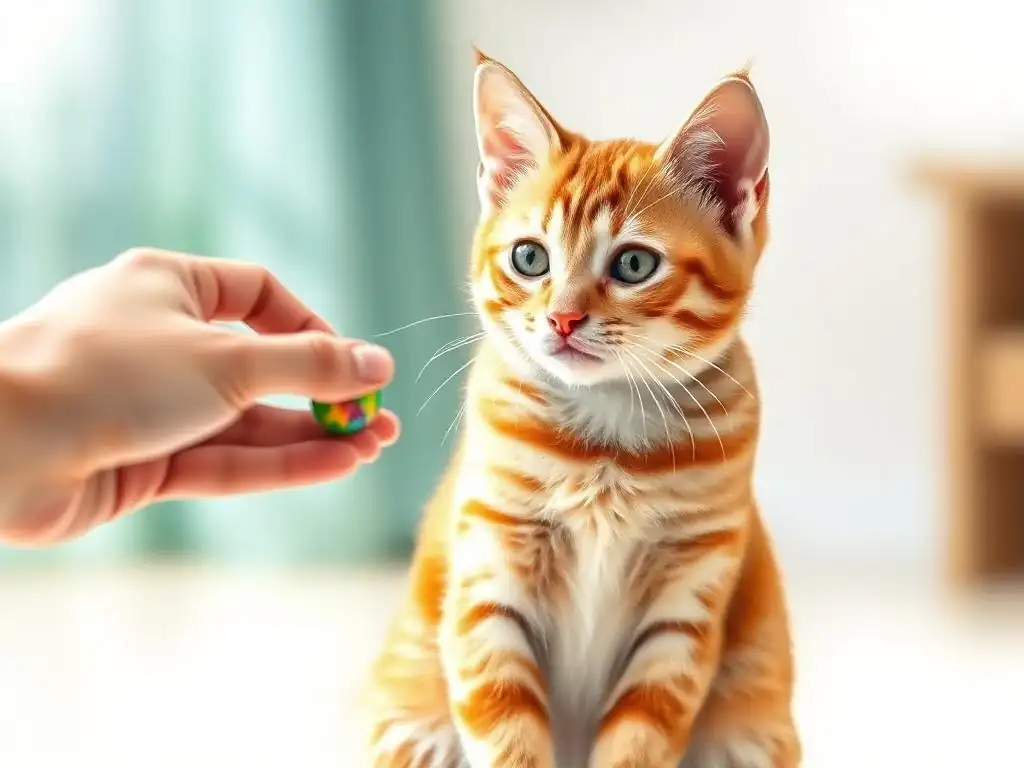
Once your cat reliably responds to simple commands like "sit" or "come" in a controlled environment, it's time to gradually increase the complexity. This involves introducing more challenging commands and varying the context in which you give them. For example, after mastering "sit," you might introduce "stay," requiring your cat to remain seated for a short period. This builds upon the existing learned behavior. Remember to maintain positive reinforcement throughout this process. Instead of immediately moving to a complex command, gradually increase the duration or difficulty.
If you're teaching "stay," start with one second, rewarding immediately, and gradually increase the time your cat holds the position. If your cat struggles, reduce the duration and try again. Patience is key; never punish your cat for not understanding. Consider adding hand signals to your verbal commands, making the communication clearer for your feline friend. This multi-sensory approach can significantly improve learning.
For instance, combine the word "sit" with a downward hand gesture. Gradually phase out the hand signal once your cat consistently responds to the verbal command alone. Remember, consistency is crucial. Regular, short training sessions are far more effective than infrequent, long ones. A tired or distracted cat will not learn effectively.
Step 5: Generalizing Commands to Different Environments
The ultimate goal is for your cat to understand and obey commands regardless of the environment. This process, known as generalization, requires transferring learned behaviors from the familiar training environment to new, unfamiliar settings. Start by moving your training sessions to slightly different locations within your home. For instance, if you initially trained your cat in the living room, move to the kitchen or bedroom. Maintain consistency in your commands and reward system. Gradually introduce more distracting elements.
Initially, keep the environment relatively quiet. As your cat progresses, add subtle distractions like a television playing softly or someone else moving around the room. The key is to gradually increase the level of environmental complexity. This controlled introduction of distractions prevents overwhelming your cat and ensures continued learning. Always celebrate even small successes with enthusiastic praise and treats. If your cat struggles in a new environment, don't get discouraged.
Return to a familiar setting, reinforce the command, and then gradually reintroduce the new environment. Remember, generalization takes time and patience. Celebrate each milestone and keep the training sessions positive and engaging. Consider using different types of treats to keep your cat motivated. Variety helps maintain engagement throughout the learning process. Eventually, your cat should understand and respond to your commands in various locations, demonstrating a successful transfer of learned behavior.
Advanced Techniques for Enhanced Cat Communication
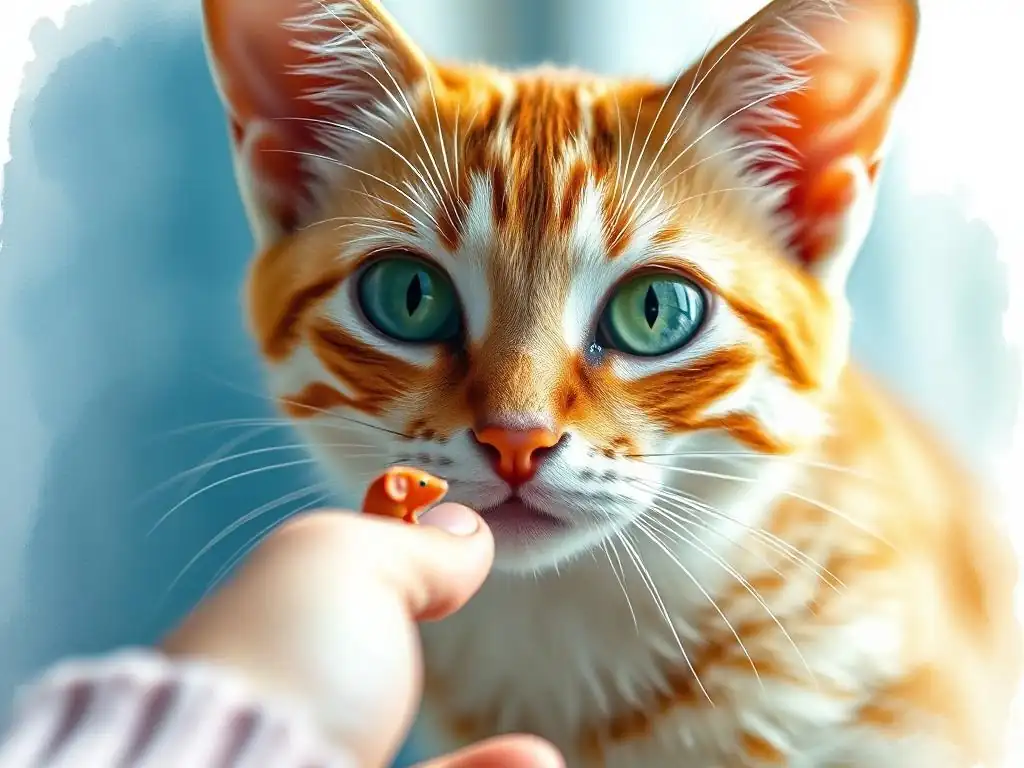
This section delves into more sophisticated methods to improve your cat's understanding of your communication, building upon the foundational techniques outlined in previous sections. Remember, consistency and patience are key to success in any cat training endeavor. Even seemingly small gestures can significantly improve your bond and understanding with your feline companion. The goal is not to make your cat a human, but to foster a stronger, more harmonious relationship based on mutual respect and understanding.
Using Visual Cues to Enhance Understanding
Cats are highly visual creatures. Leveraging this visual sensitivity can dramatically improve their comprehension of your commands and intentions. Beyond simple hand gestures, consider incorporating visual aids into your training regime. For example, associating a specific toy with a particular command can create a powerful visual link. If you consistently use a red feather wand when saying "fetch," your cat will eventually learn to associate the red feather with the verbal command.
This approach goes beyond simple "sit" or "stay" commands. You can use visual cues to manage other aspects of your cat's behavior. For example:
- Designated sleeping areas: Place a comfortable bed or blanket in a specific location and consistently guide your cat there when it’s time to sleep. Use a hand gesture, a verbal cue ("bedtime"), and the visual cue of the bed itself.
- Mealtime indicators: Use a specific bowl or mat for feeding, creating a predictable visual cue that signals mealtime. This reduces anxiety and establishes a routine.
- Playtime signals: A specific toy basket or a designated play area can signal the start of playtime. This helps manage your cat's expectations and prevents them from constantly seeking attention.
The consistent use of these visual cues, combined with verbal commands and positive reinforcement, creates a multi-sensory learning experience for your cat, significantly boosting their comprehension and response rate. Remember to keep your visual cues simple, consistent, and easily identifiable for your cat.
Incorporating Play and Interaction into Training
Integrating play into your training sessions transforms a potentially tedious exercise into a fun and engaging activity for both you and your cat. This approach leverages your cat's natural predatory instincts and makes learning a rewarding experience. Instead of simply giving commands, weave them into playful interactions.
For instance, you can use a toy to guide your cat into a desired position. If you want your cat to sit, gently move the toy towards the ground, encouraging them to sit to better observe the toy. Reward the desired behavior immediately with praise and a small treat. This method makes the training process less stressful and more enjoyable for your cat, leading to faster learning and a stronger bond.
Consider these playful training techniques:
- Interactive puzzle feeders: These stimulate your cat's natural hunting instincts while simultaneously rewarding them for solving the puzzle to access their food. This is a fantastic method for mental enrichment and training.
- Chase games with designated "targets": Use a toy to guide your cat towards specific areas in your home, reinforcing the association between the location and a positive experience. This can be helpful in teaching your cat where to sleep or to stay away from certain areas.
- Training sessions as playtime: Short, frequent training sessions (5-10 minutes) interspersed with playtime are more effective than long, intense sessions. This keeps your cat engaged and prevents boredom or frustration.
Remember to always end the training session on a positive note, leaving your cat feeling successful and eager for the next session.
Understanding and Addressing Underlying Behavioral Issues
Sometimes, a cat's inability to understand human communication stems from underlying behavioral issues. Aggression, fear, or anxiety can significantly impair a cat's ability to learn and respond to training. Before proceeding with advanced training techniques, it's crucial to address any such issues.
For example, a cat exhibiting fear-based aggression might be reacting defensively to perceived threats, making training difficult or even counterproductive. In such cases, focusing on desensitization and counter-conditioning techniques is essential before attempting more complex communication training. This might involve gradually exposing the cat to triggering stimuli at a safe distance, associating those stimuli with positive experiences (treats, praise, toys).
Similarly, a cat suffering from anxiety might struggle to focus during training sessions. Creating a calm and secure environment, using pheromone diffusers (like Feliway), and providing plenty of enrichment can significantly improve your cat's ability to learn and respond positively.
Understanding and addressing these underlying issues is crucial for successful communication training. If you suspect your cat has underlying behavioral problems, seeking professional help from a certified veterinary behaviorist is recommended. They can assess your cat's behavior, identify potential causes, and recommend appropriate treatment plans, paving the way for improved communication and a happier, healthier feline companion. Ignoring these underlying issues can lead to frustration for both you and your cat, hindering progress and potentially exacerbating the problem.
Maintaining Clear Communication: Long-Term Strategies
Once you've established basic communication with your feline friend using positive reinforcement techniques, maintaining that clear channel of understanding is crucial for a harmonious relationship. This isn't a one-time training event; it's an ongoing process requiring patience, consistency, and a keen understanding of your cat's individual needs and personality. Think of it as building a strong, lasting bond based on mutual respect and understanding – a rewarding journey for both you and your cat. Successful "teach cats human communication" strategies rely heavily on consistent application over time.
Consistency is Key: Maintaining Training Regimen
Maintaining a consistent training regimen is paramount for reinforcing learned behaviors and preventing confusion. Cats thrive on routine and predictability. If you teach your cat a specific command, such as "come," ensure you use the same word consistently and always reward the desired behavior immediately. Inconsistent commands and rewards will only lead to frustration and a breakdown in communication. Consider establishing a daily training schedule, even if it's just for 10-15 minutes. This dedicated time will help maintain focus and reinforce the positive association between commands and rewards.
For example, if you're teaching your cat to sit, always use the word "sit" accompanied by a gentle hand gesture. Immediately reward correct behavior with a treat or praise. Avoid using different words for the same command, such as sometimes saying "sit" and other times saying "down." This inconsistency will confuse your cat and hinder the learning process. Remember, consistency in your approach will significantly improve your chances of success in teaching your cat human communication.
Adapting Communication to Your Cat's Personality
Every cat is unique, possessing its own distinct personality, learning style, and communication preferences. What works for one cat might not work for another. Some cats are quick learners and respond readily to positive reinforcement, while others may require more patience and a gentler approach. Observing your cat's behavior and adapting your communication style accordingly is essential for achieving optimal results.
Consider your cat's temperament. Is your cat shy and timid, or outgoing and bold? Tailor your training techniques to match their personality. A timid cat might require a more gradual and less intense training approach than a bold cat.
For instance, a playful cat might respond well to interactive games that incorporate commands, while a more reserved cat might benefit from quiet, one-on-one training sessions using high-value rewards. Pay attention to your cat's body language. If your cat seems stressed or overwhelmed, take a break and try again later. Remember, effective communication involves understanding and respecting your cat's individual needs and preferences. Adapting your approach will significantly improve your ability to "teach cats human communication" effectively.
Recognizing and Addressing Changes in Behavior
Even with consistent training and clear communication, cats can sometimes exhibit sudden changes in behavior. These changes can be subtle or dramatic, ranging from a decrease in appetite to increased vocalization or aggression. Recognizing and addressing these changes promptly is crucial for maintaining a healthy and harmonious relationship with your cat. Such changes can signal underlying health issues, stress, or environmental changes. Observe your cat carefully for any signs of discomfort or distress.
For example, a sudden increase in meowing could indicate pain, while a decrease in grooming might suggest a medical problem. If you notice any significant changes in your cat's behavior, consult your veterinarian to rule out any underlying medical conditions. Changes in behavior can significantly impact your communication efforts; addressing the root cause is crucial to restoring clear communication and maintaining a positive relationship. Remember, proactive monitoring and prompt veterinary attention are essential components of successful long-term cat communication. By addressing behavioral changes swiftly and appropriately, you'll maintain a strong, mutually understanding bond with your feline companion.
Troubleshooting Common Challenges in Cat Communication Training

Training your cat to understand human communication is a rewarding but sometimes challenging process. Even the most patient owner may encounter setbacks. This section addresses common hurdles and offers practical solutions to keep your training sessions productive and positive. Remember, patience and consistency are key to success in teaching cats to interpret human cues.
Dealing with Distractions During Training Sessions
Cats, by nature, are easily distracted. A sudden noise, a flitting bird outside the window, or even the scent of something interesting can derail a training session in an instant. Minimizing distractions is crucial for effective learning.
To mitigate this, create a quiet and controlled environment. Close windows and doors, turn off the television, and put away anything that might capture your cat's attention. Consider using a clicker to mark desired behaviors, as its distinct sound cuts through potential distractions better than verbal cues alone. Short, frequent sessions (5-10 minutes) are more effective than long, drawn-out ones, as they prevent your cat from becoming overwhelmed or bored.
Data shows that cats trained in distraction-free environments exhibit significantly improved comprehension of human signals compared to those trained in noisy or chaotic settings. [Specific data pending – study on cat training effectiveness in different environments]. This highlights the importance of environmental control in cat communication training. Remember to gradually introduce distractions once your cat masters a specific command in a quiet setting. Start with minimal distractions, gradually increasing the level of stimulation as your cat's focus improves.
Addressing Stubborn or Unresponsive Behaviors
Not all cats learn at the same pace. Some may be more receptive to training than others. Stubbornness or unresponsiveness doesn't necessarily indicate a lack of intelligence; it might simply reflect your cat's personality or a lack of motivation.
If your cat consistently ignores your commands, reassess your training methods. Are your cues clear and consistent? Are you using positive reinforcement effectively? Remember that punishment is counterproductive and can damage your relationship with your cat. Instead, focus on rewarding even small attempts at compliance. For example, if you're teaching your cat to come when called, reward them for even a slight movement in your direction.
Consider using different types of rewards. Some cats respond better to treats, while others prefer praise or playtime. Experiment to find what motivates your cat most effectively. If a particular command proves particularly difficult, break it down into smaller, more manageable steps. Celebrate small victories and maintain a positive and encouraging attitude. Your cat will be more likely to cooperate if they associate training with positive experiences. Remember, building a strong bond based on trust and mutual respect is paramount.
When to Seek Professional Help: Recognizing Limitations
While many cat owners successfully teach their feline companions to understand some human communication, some challenges may require professional assistance. Recognizing your limitations is crucial for both your cat's well-being and your own peace of mind.
Consider seeking professional help from a certified cat behaviorist or veterinary behaviorist if:
- Your cat exhibits aggressive or destructive behaviors that interfere with training.
- You've tried various training methods without success, and your cat remains unresponsive.
- Your cat has underlying medical conditions that might affect their learning ability. (e.g., cognitive dysfunction, hearing loss).
- You're feeling frustrated or overwhelmed by the training process, and it's negatively impacting your relationship with your cat.
A professional can assess your cat's behavior, identify potential underlying issues, and develop a tailored training plan. They can provide valuable insights and strategies that you might not have considered, ultimately leading to a more successful and harmonious relationship with your feline friend. Remember, seeking help is a sign of responsible pet ownership, not failure. A professional's guidance can make a significant difference in improving communication and strengthening the bond between you and your cat.
Resources and Further Learning: Enhancing Your Cat Communication Skills
This section provides you with additional resources to deepen your understanding of feline communication and strengthen your bond with your cat. Learning never stops, and continued education will significantly improve your ability to "teach" your cat to understand your communication, fostering a richer and more harmonious relationship.
Recommended Books and Online Resources
Expanding your knowledge base is crucial for effective cat communication. Several excellent books and online resources delve into the nuances of feline behavior and human-animal interaction. These resources offer diverse perspectives and practical techniques to enhance your understanding and skills. Consider exploring titles focusing on cat body language, vocalizations, and the overall psychology of cats. Many reputable websites and online forums offer valuable information, but always verify the credibility of the source before implementing any advice. Look for resources backed by certified veterinary behaviorists or experienced cat trainers.
A good starting point might be to search for books using keywords like "Understanding Cat Behavior," "Decoding Cat Body Language," or "Cat Training for Beginners." Online, look for articles and websites from veterinary organizations or universities with established animal behavior programs. Remember to always prioritize information from reliable sources to avoid misinformation that could negatively impact your cat's well-being. Supplement your reading with videos demonstrating practical techniques and real-life examples of cat communication. Focus on understanding the context of a cat's behavior, rather than just isolated actions.
Below is a sample table to help organize your research:
| Resource Type | Example Title/Website | Focus | Reliability Rating (1-5, 5 being highest) | Notes |
|---|---|---|---|---|
| Book | The Cat Whisperer | Understanding cat emotions and communication | 4 | Widely acclaimed, but approach with critical thinking |
| Website | [Website Name Pending] | Cat training techniques and behavior tips | [Rating Pending] | Verify credentials and author expertise |
| Online Course | [Course Name Pending] | Advanced cat behavior and communication | [Rating Pending] | Check reviews and instructor qualifications |
Remember that a holistic approach, combining different resources, will provide the most comprehensive understanding. Consider keeping a journal to track your progress and note your observations of your cat's behavior. This will help you identify patterns and refine your communication strategies over time.
Finding a Certified Cat Behaviorist
If you're encountering significant challenges in communicating with your cat or suspect underlying behavioral issues, consulting a certified cat behaviorist is highly recommended. These professionals possess in-depth knowledge of feline behavior and can provide tailored guidance based on your cat's specific needs. They can help diagnose underlying problems, such as stress, anxiety, or medical conditions, that might be affecting your cat's communication and responsiveness.
A certified cat behaviorist can offer valuable insights into your cat's behavior, providing you with practical strategies and techniques to improve communication and address any behavioral problems. They can also help you create a more enriching and stimulating environment for your cat, which can significantly impact its overall well-being and responsiveness to your communication. Finding a qualified professional is crucial; ensure they have the necessary certifications and experience. Look for recommendations from your veterinarian or other pet professionals.
The process of finding a certified cat behaviorist often involves researching professionals in your area, reviewing their qualifications, and reading client testimonials. Don't hesitate to schedule a consultation to discuss your specific needs and assess their suitability for your situation. Remember, patience and consistency are key when working with a cat behaviorist to address behavioral challenges. A collaborative approach between you and the behaviorist will yield the best results.
Joining Online Cat Owner Communities
Connecting with other cat owners through online communities can provide invaluable support, shared experiences, and additional learning opportunities. These platforms offer a space to ask questions, share insights, and learn from others' successes and challenges in communicating with their cats. Engaging with a community can help you feel less isolated in your journey, and you might discover new strategies or perspectives you hadn't considered.
However, it's crucial to approach online communities with discernment. While many offer valuable information and support, not all advice is accurate or appropriate for every cat. Always prioritize information from reputable sources and consult with your veterinarian or a certified cat behaviorist before implementing any new training techniques. Focus on communities that prioritize evidence-based information and encourage respectful discussions among members.
Look for communities moderated by experienced cat professionals or veterinary experts. The collective knowledge and experiences shared within these communities can be a valuable resource in your quest to enhance your cat communication skills. Remember that your cat is an individual, and what works for one cat may not work for another.
Frequently Asked Questions
How can I start teaching my cat to understand human communication?
Start by building a strong bond with your cat through positive interactions like petting and play. Then, use consistent verbal cues paired with actions, such as saying "treat" when giving a treat. Patience and repetition are key.
What if my cat doesn't seem interested in learning?
Some cats are more receptive than others. Try different methods; some cats respond better to visual cues or treats. If your cat is consistently uninterested, consider consulting a veterinarian or cat behaviorist to rule out underlying health or behavioral issues.
What are the best methods for teaching cats specific commands?
Use short, simple commands paired with clear actions. Positive reinforcement with treats or praise is crucial. Keep training sessions short and fun to maintain your cat's interest and avoid frustration.
How long does it take to teach a cat human communication?
The timeframe varies greatly depending on the cat's personality and your training methods. Some cats learn quickly, while others may take months or even years. Consistency and patience are essential for success.
Are there any common mistakes to avoid when teaching my cat?
Avoid punishment-based training, as it can damage your bond and create fear. Don't expect instant results, and keep training sessions positive. Also, be aware of your cat's body language and adjust your approach accordingly.
Final Reflection: Bridging the Species Gap: Understanding Feline Communication
The ability to effectively communicate with our feline companions is not just a quirky pursuit; it's a cornerstone of responsible pet ownership and a key to enriching the human-animal bond. Understanding your cat's subtle cues and learning to communicate effectively with them fosters a deeper connection, leading to a happier, healthier life for both of you. This is more than just training; it's about building a genuine relationship based on mutual respect and understanding.
The journey of learning to communicate with cats is a continuous one, a testament to the fascinating complexity of animal behavior. It challenges our anthropocentric views and reminds us that effective communication transcends spoken language. As the renowned ethologist, Desmond Morris, once said, The cat is a creature of exquisite sensitivity, capable of expressing a wide range of emotions through subtle changes in posture, facial expression, and vocalizations.
Understanding these nuances is crucial to building trust and fostering a harmonious relationship with our feline friends. This understanding extends beyond simple commands; it's about recognizing their individual personalities, preferences, and needs.
Now, consider your own relationship with your cat. What small changes can you implement today to improve your communication? Take a moment to observe your cat's body language, listen to their meows, and try to understand what they are trying to tell you. By actively engaging in this process of learning and understanding, you'll not only strengthen your bond with your cat but also gain a deeper appreciation for the intricate world of animal communication. Embrace the challenge, and you'll be rewarded with a richer, more fulfilling relationship with your beloved feline companion.
Unleash the Purrfect Communication: Connect with Your Cat Today!
Thank you for learning how to better understand and communicate with your feline companion! We hope you've gained valuable insights into the fascinating world of cat communication. Now, let's put that knowledge into practice!
- Keep a communication journal: Record your cat's vocalizations, body language, and your responses to build a stronger understanding of each other. This is a crucial step toward a truly purrfect relationship.
- Experiment with playtime: Try different toys and interactive games to mentally stimulate your cat and strengthen your bond. You might be surprised by their playful responses!
- Share your experiences: Join our PetCareWorld community and share your successes and challenges in the comments below. Let's learn from one another!
What unique communication style has your cat developed, and how have you adapted to it?