Scratching Posts and Surfaces for Cats: A Complete Guide to Protecting Your Home and Satisfying Instincts
Scratching is a natural and vital behavior for cats, serving to mark territory, stretch muscles, and maintain claw health. Without the right outlets, your feline friend may target your sofa, carpets, or curtains, leading to frustration for both of you. This subcategory of Cat Care & Behavior at PetCareWorld provides expert insights into selecting, placing, and training your cat to use scratching posts and surfaces effectively. We cover everything from material preferences and structural stability to behavioral enrichment and DIY alternatives, ensuring you can create a harmonious home where both your cat's instincts and your furniture coexist peacefully. Discover the perfect scratching solution tailored to your cat’s unique personality and living space.
🛠️ Materials and Textures: Sisal, Carpet, Cardboard, and Wood Explained
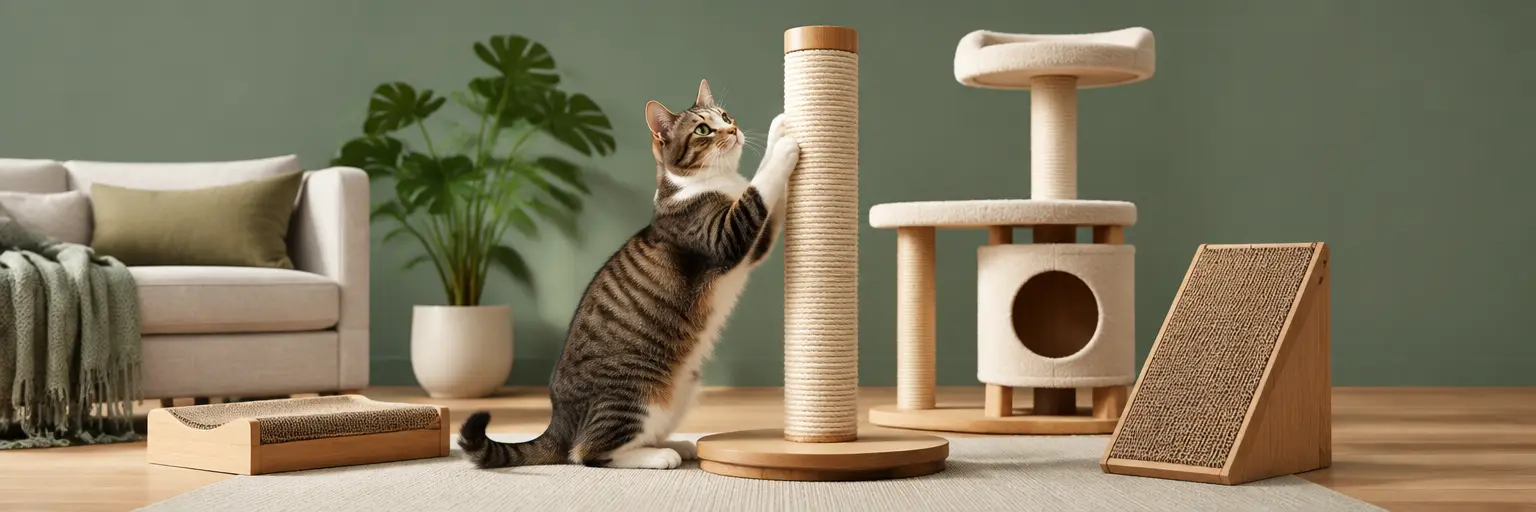
Choosing the right material for your scratching post is crucial, as cats often have strong preferences based on texture and feel. Common options include sisal rope, which is rough and durable, mimicking tree bark; carpet, which offers a softer, familiar texture; corrugated cardboard, which is lightweight and satisfyingly crumbly; and natural wood, which allows for ripping and digging. Understanding these differences helps you select a surface that attracts your cat and resists wear. Observe your cat’s current scratching habits—do they favored vertical or horizontal surfaces? Do they like soft or rough textures? By matching the material to their preference, you increase the likelihood of consistent use.
Beyond initial selection, consider durability and safety. Sisal posts tend to last longer and are less likely to shed fibers, but they can be rough for kittens’ sensitive paws. Cardboard scratchers are budget-friendly and biodegradable, yet they may require frequent replacement. Carpet-covered posts can confuse cats if they are the same texture as your home flooring, encouraging them to scratch the floor instead. Wood surfaces are excellent for strong-scratching cats but may splinter. Test different materials by placing them near your cat’s favorite areas and observe which one they gravitate toward, then invest in high-quality, toxin-free products that align with their choice.
🏗️ Size, Stability, and Placement: The Keys to Successful Use
Size and stability are non-negotiable factors for any scratching solution. A post must be tall enough for your cat to fully stretch their body without arching their back, ideally at least 3 feet for adult cats. It should also be wide enough to support their weight when they lean against it. Stability is paramount—if a post wobbles or tips over, your cat will lose trust and seek a steadier alternative, like your couch. Always choose posts with a wide base or wall-mounted options for heavy climbers. Test the post yourself by applying lateral pressure to ensure it remains solid.
Placement determines whether your cat actually uses the post. Cats prefer to scratch near where they sleep, play, or where they have previously scratched. Place the post in a high-traffic area, such as near the sofa or hallway, rather than hidden behind furniture. For multi-cat households, provide multiple posts in different rooms to avoid territorial disputes. Once your cat uses the post, gradually move it to your desired location, but never punish them for scratching elsewhere—instead, redirect them gently. Strategic placement with positive reinforcement will turn your new post into their go-to scratching station.
🐾 Training and Positive Reinforcement: Getting Your Cat to Choose the Post
Training your cat to use a scratching post involves patience and positive association. Start by placing the post near their preferred scratching area, then introduce them to it by gently rubbing their paws against the surface or dangling a favorite toy above it. Reward immediate use with treats, praise, or playtime. Catnip can be sprinkled on the post to attract their interest, but be cautious—some cats are not affected by catnip, so use alternative lures like silver vine or valerian root. Never force your cat onto the post or spray them with water, as this creates negative associations.
Consistency is key. Whenever you catch your cat scratching furniture, calmly pick them up and place them near the post, then reward them for reorienting. Cover problematic areas with double-sided tape, aluminum foil, or plastic sheeting to make them less appealing. For vertical scratching, ensure the post is tall and sturdy; for horizontal, provide flat cardboard or natural wood panels. Over time, your cat will learn that the post is a rewarding and satisfying outlet. If you have a kitten, early training establishes lifelong habits, while older cats may require extra patience but can still adapt successfully.
🛋️ Multi-Functional Posts and Cat Trees: Beyond Simple Scratching
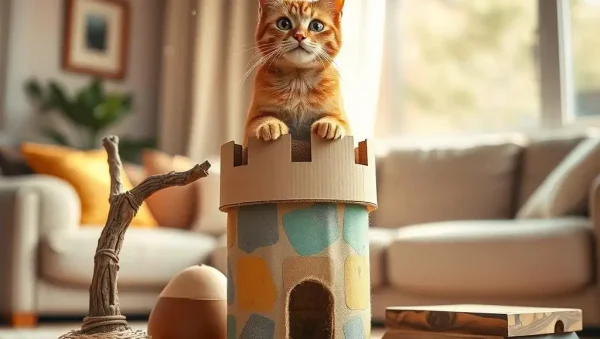
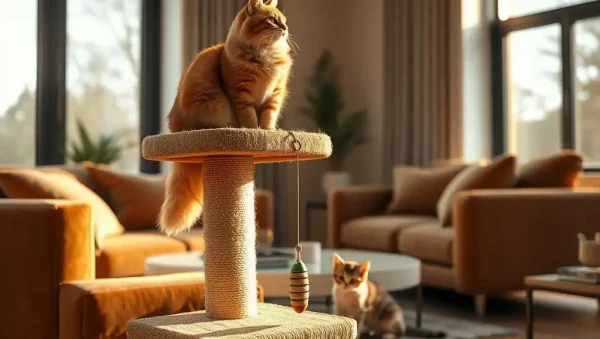
Modern scratching solutions often integrate additional features that enhance your cat’s environment. A cat tree combines vertical posts with platforms, perches, and hiding cubbies, catering to natural climbing and perching instincts while offering scratching surfaces. These multi-level structures provide mental stimulation and physical exercise, reducing boredom-related scratching. Some models include fabric hammocks, dangling toys, or replaceable cardboard inserts, keeping content fresh. For apartment dwellers, compact wall-mounted systems offer scratching and climbing without occupying floor space.
When investing in a cat tree, consider your cat’s age, activity level, and spatial constraints. Kittens and active adults may prefer tall trees with multiple levels, while seniors benefit from lower, easily accessible platforms with soft cushioning. Look for structures with replaceable parts, as wear and tear is inevitable. Also, observe how your cat interacts with vertical versus horizontal scratching; some prefer angled surfaces. A well-designed cat tree can serve as a centerpiece for play, rest, and scratching, significantly improving your pet’s quality of life while protecting your furniture.
🧵 DIY and Budget-Friendly Alternatives: Repurposing Everyday Items
You don’t need to spend a fortune to provide quality scratching surfaces. An excellent DIY option is wrapping heavy-duty sisal rope around an old wooden ladder leg or a sturdy PVC pipe anchored to a wooden base. Cardboard boxes can be flattened and layered to create a simple horizontal scratcher—just glue layers together and leave them in a convenient spot. Recycled carpet remnants nailed to a wooden board serve as a flat scratching surface. Ensure all DIY materials are non-toxic and free of sharp edges or loose staples that could harm your cat.
For wall-mounted options, use a piece of scrap wood covered with sisal or cedar bark, secured firmly to the wall. You can also attach a section of natural wood log to a base for a rustic vertical post. Silent clumping litter or wood shavings can be added to a cardboard scratching box to mimic outdoor soil. Always supervise your cat during first use to ensure they are not ingesting materials. DIY projects allow you to customize size, texture, and placement for your home, and they’re often more sustainable than store-bought alternatives. Plus, building these items can be a fun weekend project that strengthens the bond with your feline companion.
Frequently Asked Questions
Why does my cat scratch the furniture even after I bought a scratching post?
Cats often scratch furniture out of habit or because the post is not placed correctly. Ensure the post is in a prominent location, not hidden away. Also, check if the material matches your cat’s preference—try different textures like sisal or cardboard. Reapply catnip or treat rewards near the post, and cover the furniture with double-sided tape temporarily to deter them. Patience and consistency will eventually break the habit.
How many scratching posts should I have for one cat?
As a rule, it is recommended to have at least one scratching post per cat, plus one extra placed in different locations. If your cat uses multiple rooms, place a post in each room they frequently scratch. More posts reduce competition and provide options for stress relief. Start with two strategically placed posts and observe your cat’s usage, then add more if needed.
Are cardboard scratchers as good as sisal posts?
Cardboard scratchers are excellent for horizontal scratching and are very appealing to many cats due to their texture and sound. However, they wear out faster than sisal posts and may not allow full body stretching. Sisal posts are better for vertical scratching and durability. Many cats enjoy having both types available—offer both and let your cat decide which they prefer.
My cat is elderly and no longer climbs. What scratching surface is best?
For senior cats, choose low-profile horizontal scratchers made of cardboard or carpet that are easy to access without jumping. A flat, wide cardboard pad or a low wooden box with sisal surface is ideal. Ensure it is placed in a quiet, accessible area near their resting spot. Avoid tall posts that require stretching, as they may cause discomfort. Soft materials like carpet may be preferred.
Should I trim my cat's nails to reduce scratching damage?
Regular nail trims (every 2-4 weeks) reduce the sharpness and potential damage caused by scratching, but they do not eliminate the need to scratch. Scratching still serves territory marking and muscle stretching. Provide proper scratching posts regardless. Use blunt nail clippers designed for cats, and reward your cat after trimming to make it a positive experience. If unsure, ask a veterinarian for a demonstration.