The Best Cat Food Ingredients for a Healthy Urinary Tract
🤔 Maintain your cat's urinary tract health with the best cat food ingredients. PetCareWorld reveals the key nutrients for optimal kidney and…
Read article
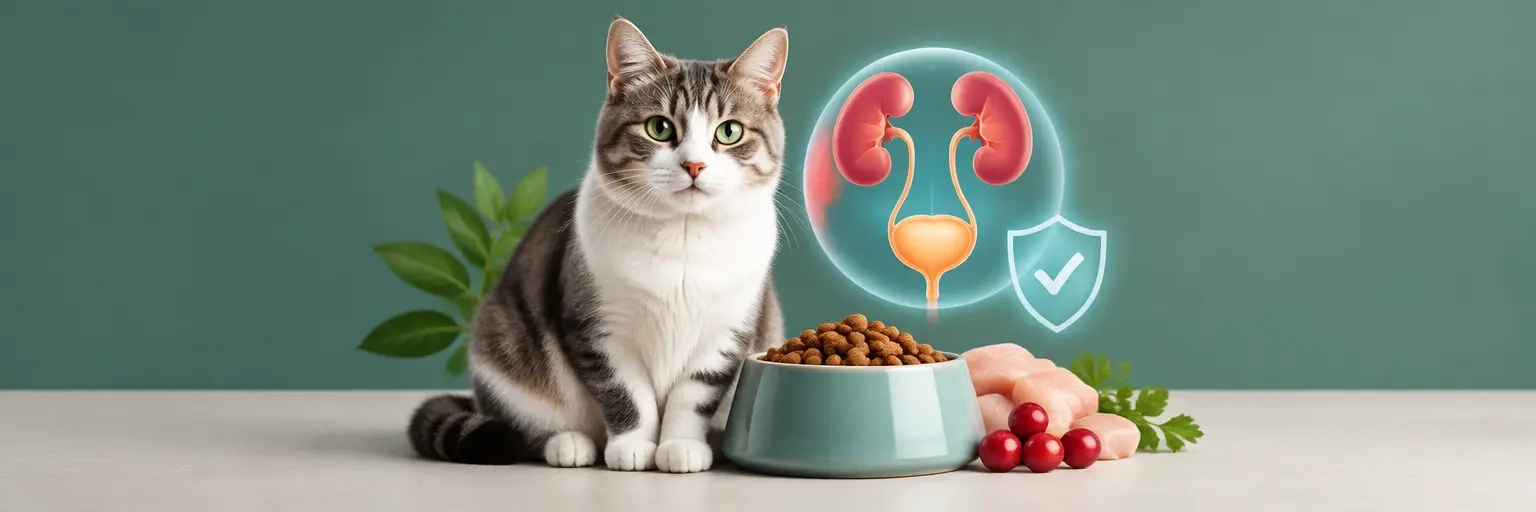
Discover the essential role of specialized nutrition in supporting your feline’s urinary tract health. 🐱💧 Urinary issues in cats—from crystals to blockages—are both common and serious, making targeted dietary choices a cornerstone of preventive care. Our expert-curated guide on cat food for urinary health dives deep into how balanced minerals, optimal moisture content, and pH-regulating ingredients work together to reduce the risk of painful conditions. Whether your vet has recommended a prescription diet or you’re seeking proactive, over-the-counter options, we break down the science behind key nutrients like magnesium, phosphorus, and omega fatty acids. Learn to compare wet vs. dry formulas, understand the importance of high water intake, and spot warning signs early. With actionable tips for transitioning your cat to a new diet and integrating hydration tricks at home, this resource empowers you to make informed decisions that protect your furry friend’s well-being. Trust PetCareWorld’s evidence-based insights to keep your cat comfortable, active, and thriving. 😺🩺
🤔 Maintain your cat's urinary tract health with the best cat food ingredients. PetCareWorld reveals the key nutrients for optimal kidney and…
Read article
🤔 Discover the critical link between cat food ash content and urinary tract health. High ash levels can contribute to urinary issues;…
Read article
🤔 PetCareWorld reveals its top-rated cat foods formulated to support urinary tract health, offering expert guidance to ensure your feline friend's well-being.…
Read articleUrinary issues in cats are among the most common and distressing health problems, affecting millions of felines worldwide. Struvite crystals, calcium oxalate stones, and feline idiopathic cystitis can lead to painful urination, blockages, and even life-threatening emergencies. The right cat food for urinary health is not just a dietary choice—it’s a preventive medical strategy. This dedicated section of PetCareWorld helps you navigate the complex world of therapeutic nutrition, understand key ingredients like magnesium, phosphorus, and pH levels, and choose between wet and dry formulas. Our advice is grounded in veterinary science and practical experience, ensuring your cat stays hydrated, comfortable, and free from urinary tract distress.
Before selecting any urinary care cat food, it’s crucial to understand the underlying conditions. The most frequent culprits are struvite crystals (magnesium ammonium phosphate) and calcium oxalate stones. Struvite stones often form in alkaline urine, while oxalate stones develop in acidic urine. Additionally, feline idiopathic cystitis (FIC) is a stress-related bladder inflammation that affects many indoor cats. Each condition requires a specific nutritional approach—for instance, struvite dissolution needs reduced magnesium and controlled pH, while oxalate prevention demands increased water intake and low oxalate levels. By identifying your cat’s specific diagnosis through veterinary urinalysis, you can choose a formula designed to dissolve existing stones or prevent recurrence. Our guides break down the differences so you can make a confident, informed choice.
Beyond stones, chronic kidney disease and urinary tract infections share overlapping symptoms but require distinct diets. Many owners mistakenly choose a generic “urinary” formula without understanding the pH targets. This section explains how prescription diets differ from over-the-counter maintenance foods, emphasizing the importance of veterinary oversight. We also highlight warning signs—straining, blood in urine, frequent licking—so you know when to seek help immediately. Early intervention with the right diet can save your cat from painful surgery or emergency catheterization.
Water intake is the single most critical factor in urinary health. Cats evolved from desert ancestors and naturally have a low thirst drive, meaning they often don’t drink enough. Dry kibble contains only 10% moisture, while wet food provides 70-80% water, dramatically diluting urine and reducing crystal concentration. For cats with recurrent urinary problems, wet urinary care food is universally recommended by veterinary nutritionists. Canned formulas help maintain lower urine specific gravity, which flushes out crystals and bacteria before they accumulate. In this subcategory, we compare leading wet brands, highlight high-protein, low-carbohydrate options, and explain how to transition a dry-food addict to canned food successfully.
However, dry food isn’t entirely useless. Some prescription dry diets are formulated with special mineral chelators and pH modifiers that work effectively when combined with increased water intake. The trick is to encourage drinking through fountains, adding water to kibble, or mixing wet and dry portions. Our reviews evaluate both formats for palatability, mineral content, and real-world efficacy. We also address cost considerations—wet food is pricier, but the long-term savings on veterinary bills are substantial. Ultimately, the best choice depends on your cat’s preferences, your budget, and the specific urinary condition being managed.
Reading a cat food label for urinary health can feel overwhelming, but the essentials are simple. Look for moderate magnesium (less than 0.1% on a dry matter basis), low phosphorus (especially for older cats), and a urine pH target between 6.2 and 6.4 for struvite prevention. High-quality animal protein should be the first ingredient, as plant-based proteins can alkalize urine. Omega-3 fatty acids, particularly EPA and DHA, reduce bladder inflammation. Cranberry extract is often added, though its efficacy in cats is debated—our articles review the science. Conversely, avoid artificial colors, excessive carbohydrates, and high-oxalate ingredients like spinach, beets, or sweet potatoes, which can worsen calcium oxalate conditions.
Another crucial factor is moisture content, sodium levels, and the presence of DL-methionine—an amino acid that acidifies urine to dissolve struvite crystals. However, over-acidification can create oxalate stones, so balance is key. We provide a detailed ingredient glossary, explaining terms like “ash content” and “urinary modifiers.” Furthermore, we compare veterinary therapeutic diets (Hill’s c/d, Royal Canin Urinary SO, Purina Pro Plan UR) against natural and grain-free alternatives. Each product’s pros and cons are examined, including any recalls or safety concerns. This nutritional transparency empowers you to ask your vet informed questions and choose a food that supports long-term wellness.
Based on veterinary consensus and owner feedback, the top urinary health diets include Hill’s Prescription Diet c/d Multicare, known for its dual-action stone prevention; Royal Canin Urinary SO, which promotes a dilute urine environment; and Purina Pro Plan Veterinary Diets UR, offering a high-protein, low-carb formula. For over-the-counter options, Blue Buffalo Natural Veterinary Diet and Wellness CORE provide good maintenance nutrition for less severe cases. Our product reviews are unbiased and data-driven, covering ingredient quality, palatability, shipping freshness, and price per ounce. We also stock feeding guides with portion sizes based on your cat’s weight, age, and activity level to prevent overfeeding and obesity, which itself is a risk factor for urinary issues.
For raw or home-cooked diets, we offer supervised guidance, though these are complex to balance. Many cats with recurrent blockages thrive on hydrolyzed protein diets that reduce allergens, calming bladder inflammation. We explore niche brands like Farmina N&D Quinoa Urinary and Open Farm, which use ethical sourcing and novel proteins. Each review includes a “bottom line” summary, so you can quickly compare without wading through technical jargon. Remember, no diet is one-size-fits-all—our recommendations are starting points, not prescriptions. Always transition food gradually over 7-10 days to avoid gastrointestinal upset and monitor your cat’s urine output and behavior closely during the change.
Urine pH is a fine-tuned chemical balance that dictates crystal formation. For struvite prevention, urine should be slightly acidic (pH 6.0-6.5). For calcium oxalate, neutral to slightly alkaline (pH 6.5-7.0) is better. Prescription diets manipulate pH precisely through ingredient selection, such as adding egg white protein or using potassium citrate to alkalinize urine. Over-the-counter foods often offer wider pH ranges, making them less suitable for active stone disease. In this section, we clarify how to test your cat’s urine pH at home using test strips, and how to adjust feeding times and water sources to stabilize readings. We also explain how magnesium, phosphorus, and calcium interact—high calcium can bind with oxalates, while excess magnesium promotes struvite.
Another often-overlooked factor is urine concentration, which is more important than pH alone. Even a perfect pH can fail if urine is too concentrated. That’s why we emphasize feeding canned food or adding water to kibble, as water dilutes all minerals. We also discuss the use of potassium citrate and cranberry supplements as adjuncts, but caution against self-medicating without blood work. If your cat has kidney disease, certain urinary diets may be contraindicated due to protein levels. Our detailed charts show the mineral profile of popular foods, helping you match a product to your vet’s lab results. This level of precision is what separates effective management from trial-and-error.
While diet is preventive, it can’t replace emergency care. If your cat is straining in the litter box, crying while urinating, or producing no urine, these are signs of a urethral blockage—a fatal condition if untreated within 24-48 hours. Male cats are especially at risk due to their narrow urethra. Other red flags include blood in urine, excessive licking of the genital area, vomiting, lethargy, and hiding. In this subcategory, we provide a comprehensive symptom checklist, first-aid advice, and what to expect during a veterinary visit (urinalysis, X-rays, ultrasound, cystocentesis). We also cover post-treatment care, such as pain relief, fluid therapy, and how to reintroduce a urinary diet once the crisis passes.
Preventive check-ups are equally vital—annual urine tests can catch crystal formation before symptoms appear. For cats with recurrent issues, your vet may recommend subcutaneous fluid therapy or stress-reduction techniques (pheromone diffusers, multiple litter boxes, interactive play). Our guidance on enrichment and hydration strategies complements dietary changes, as chronic stress is a major trigger for FIC. We debunk myths like “all urinary diets are the same” and emphasize that nutrition is just one pillar of holistic management. By combining the right food with environmental improvements and regular monitoring, you can dramatically improve your cat’s quality of life and prevent life-threatening emergencies.
For struvite stones, prescription diets can dissolve them within 2 to 6 weeks, but oxalate stones require surgical removal. Noticeable improvement in symptoms like straining often occurs within a few days due to increased hydration and pain reduction. Always re-test urine after a few months to confirm crystal-free status, and continue maintenance food long-term to prevent recurrence.
Yes, mixing wet and dry formulas is safe and even beneficial, as long as both are from the same veterinary line and meet the same pH and mineral targets. Ensure total daily calories are correct to avoid weight gain. Combining formats increases water intake while providing the texture variety many cats enjoy, but always monitor urine pH.
Homemade diets require precise balancing of minerals, pH, and moisture, which is extremely difficult for owners. Commercial prescription diets are formulated with clinical trials and vet oversight, making them more reliable for active disease. If you prefer homemade, consult a board-certified veterinary nutritionist to avoid dangerous imbalances that can worsen stones or cause deficiencies.
Over-the-counter urinary maintenance formulas are generally safe for healthy adult cats, but prescription diets are strictly medicinal and should not be fed without a diagnosis. Eating high-acidifying food when healthy can increase oxalate risk. If your cat has no issues, stick to a high-quality balanced diet with plenty of moisture rather than a therapeutic formula.
Prescription urinary diets cost roughly 30% to 50% more than premium commercial foods, averaging $2 to $4 per day depending on brand and cat size. However, this price pales against a single emergency blockage which can cost $1,500 to $3,000. Over-the-counter urinary foods are cheaper but less effective for serious conditions. View it as preventive health insurance.







