Oral Medications for Feline Parasites: What You Need to Know
😊 Worried about feline parasites? PetCareWorld's expert Cat parasite oral medication guide provides crucial information on effective treatments, ensuring your cat's health…
Read article
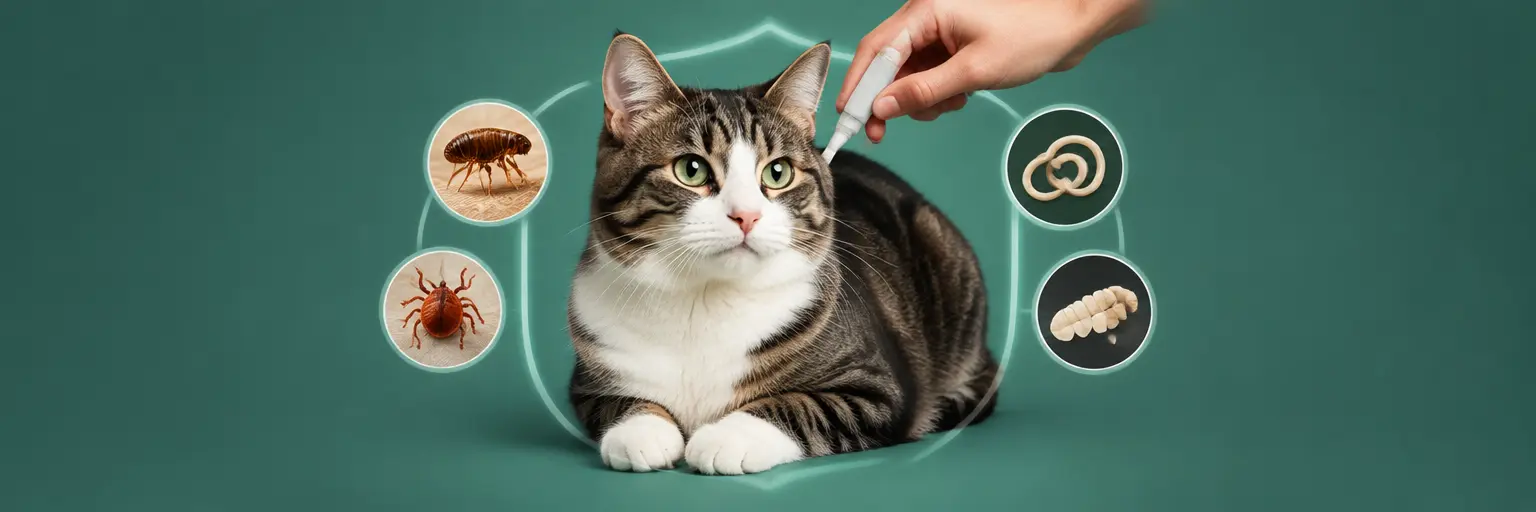
Keep your feline friend happy, healthy, and itch-free with expert-backed strategies for feline parasite control—your ultimate shield against fleas, ticks, worms, and microscopic intruders. At PetCareWorld, we understand that effective prevention is far safer and simpler than treating an active infestation, so our guidance covers everything from monthly topical treatments and oral medications to natural home remedies and environmental cleaning tips. Discover how to spot early warning signs like excessive scratching, pale gums, or weight loss, and learn which vet-recommended products suit your cat’s age, lifestyle, and health status—whether you’re raising a playful kitten or caring for a senior indoor companion. We dive deep into the lifecycle of common parasites, explaining why year-round protection matters, even for indoor cats, and how to break the flea–tapeworm cycle that often goes unnoticed. You’ll also get practical advice on safe flea collars, spot-on applicators, and prescription dewormers, plus natural alternatives like diatomaceous earth and essential oil blends—always with a focus on safety and efficacy.

😊 Worried about feline parasites? PetCareWorld's expert Cat parasite oral medication guide provides crucial information on effective treatments, ensuring your cat's health…
Read article
😊 Prevent pet parasite reinfestation at home with our expert guide. Learn proven strategies to eliminate parasites and create a lasting pest-free…
Read article
🤔 Choosing the best cat parasite control method depends on your cat's lifestyle and your preferences. This article explores natural and chemical…
Read articleWelcome to our dedicated hub for feline parasite control, part of our broader Cat Care & Behavior section. Here, we focus on protecting your cat from internal and external threats like fleas, ticks, worms, and microscopic organisms such as coccidia. Effective parasite prevention is not just about comfort—it directly impacts your cat’s long-term health, energy levels, and even your family’s safety from zoonotic diseases. This guide offers evidence-based, vet-approved strategies tailored to indoor and outdoor cats, kittens, and seniors.
Internal parasites, including roundworms, hookworms, tapeworms, and giardia, often go unnoticed until they cause weight loss, vomiting, or a dull coat. Our content breaks down each parasite’s lifecycle, transmission routes (e.g., contaminated soil, hunting prey, or mother’s milk), and specific symptoms to watch for. You will learn why routine fecal exams are essential, even for strictly indoor felines, because many parasites can hitchhike on shoes or other pets. Early detection prevents severe anemia, intestinal blockages, and malnutrition.
We also explain the difference between broad-spectrum dewormers and prescription treatments, helping you distinguish when over-the-counter options are safe versus when you need a veterinarian’s diagnosis. For kittens, we emphasize a strict deworming schedule starting at two weeks of age, as they are highly susceptible to fatal infestations. Our guides also cover natural prevention methods, such as maintaining a clean litter box and preventing hunting behavior, to reduce repeat infections.
Fleas are the most common external parasite, causing intense itching, allergic dermatitis, and even tapeworm transmission when cats ingest infected fleas during grooming. Ticks attach to your cat’s skin and can transmit serious illnesses like cytauxzoonosis or Lyme disease. Ear mites, while microscopic, produce dark debris and relentless head shaking. This section provides step-by-step identification photos, seasonal risk calendars, and comparison charts of topical, oral, and collar-based preventatives. You will also find advice on treating your home environment, since 95% of flea life stages exist off your pet.
We debunk common myths, such as “indoor cats don’t need flea prevention,” and explain why year-round protection is safer than seasonal. For multi-pet households, we discuss how to administer treatments without cross-contamination and how to recognize adverse reactions early. Our guidance includes safe natural alternatives like diatomaceous earth, but always with a caution to use them only under veterinary supervision, as some essential oils are toxic to cats. You will leave with a clear monthly action plan tailored to your cat’s lifestyle.
The market for parasite control is crowded with spot-ons, chewable tablets, injections, and collars. We simplify the decision-making process by comparing active ingredients like fipronil, selamectin, fluralaner, and praziquantel, explaining how each targets specific parasites. Our articles highlight the pros and cons of monthly topicals (easy but messy), daily or monthly oral meds (reliable but require pill-savvy cats), and long-lasting injections (convenient but expensive). We also cover prescription diets that contain parasite-prevention ingredients for combined nutritional support.
Cost is a major factor for many owners, so we provide a transparency breakdown of price per dose versus efficacy duration. We caution against buying generic products from unverified online sellers, as counterfeit or mislabeled items can be ineffective or dangerous. Our expert interviews with veterinarians reveal their top recommended brands for different life stages, including safe options for pregnant or nursing queens. By the end, you will be empowered to discuss your cat’s specific needs with your vet and choose a product that integrates seamlessly into your routine.
Eliminating parasites from your cat’s environment is just as crucial as treating the animal itself. Flea eggs can survive dormant in carpets for months, while hookworm larvae thrive in moist soil. This section provides a comprehensive home decontamination checklist: washing bedding in hot water weekly, vacuuming all floors and upholstery frequently, and using safe insect growth regulators (IGRs) to break the flea lifecycle. For yards, we discuss natural nematodes that target flea larvae and the importance of keeping grass short and shaded areas dry.
We also address multi-pet dynamics—for instance, if your dog brings fleas inside, your cat will inevitably be exposed. Our guide explains how to create a “safe zone” for your cat using deterrents like citrus sprays and by sealing gaps in doors and windows. We advise on safe cleaning agents that are non-toxic to feline companions, avoiding harsh chemicals that can linger on surfaces. Additionally, we outline strategies for traveling with cats, from pre-trip preventatives to post-trip inspections, ensuring you don’t introduce parasites from boarding facilities or hotels back into your home.
Many parasite infestations show subtle signs that mimic other health issues. For example, a cat with tapeworms may scoot its bottom or show tiny rice-like segments in feces, while a cat with giardia might have intermittent soft stools without visible worms. This section teaches you to perform at-home checks, such as inspecting the ears for dark waxy residue or parting the fur to spot “flea dirt” (black specks that turn red when wet). We also list emergency red flags—lethargy, pale gums, sudden weight loss, or a bloated abdomen—that require immediate veterinary care.
We emphasize the critical role of routine vet visits, including annual fecal exams and heartworm tests, even in indoor cats. Our content explains how vets diagnose parasites using microscopic techniques, antigen tests, or PCR panels, and why self-diagnosis can lead to using the wrong medication. We also share what to expect during a deworming appointment, including possible side effects like temporary vomiting or diarrhea. By learning to combine daily observation with professional screenings, you can catch infestations early, reducing treatment costs and ensuring a faster recovery for your beloved companion.
Even strictly indoor cats should be dewormed at least twice a year, but many veterinarians recommend quarterly treatments if your cat hunts or if you have dogs that go outside. Kittens need deworming every two weeks until eight weeks old, then monthly until six months. Always follow your vet’s schedule based on your cat’s lifestyle.
No, absolutely never. Dog flea medications often contain permethrin, which is highly toxic to cats and can cause seizures or death. Always use feline-specific products, and if you accidentally applied a dog product, bathe your cat immediately and contact your vet or a poison control hotline.
Wash all bedding in hot, soapy water, then vacuum every carpet, rug, and upholstered surface daily for two weeks. Dispose of vacuum bags outdoors. Use a flea spray with an insect growth regulator (IGR) on carpets, and consider a professional steam cleaner. Treat all pets simultaneously to prevent reinfestation.
Some natural remedies like pumpkin seeds or food-grade diatomaceous earth may help, but they are rarely effective against internal parasites alone. Essential oils such as tea tree or citrus are toxic to cats. Always consult your vet before using natural options, as they may not eliminate infestations fully.
Yes, several feline parasites are zoonotic, including roundworms, hookworms, and giardia. Children and immunocompromised individuals are at higher risk. Practice good hygiene—wash hands after handling litter boxes, wear gloves when gardening, and keep your cat’s deworming schedule current to protect your whole household.







