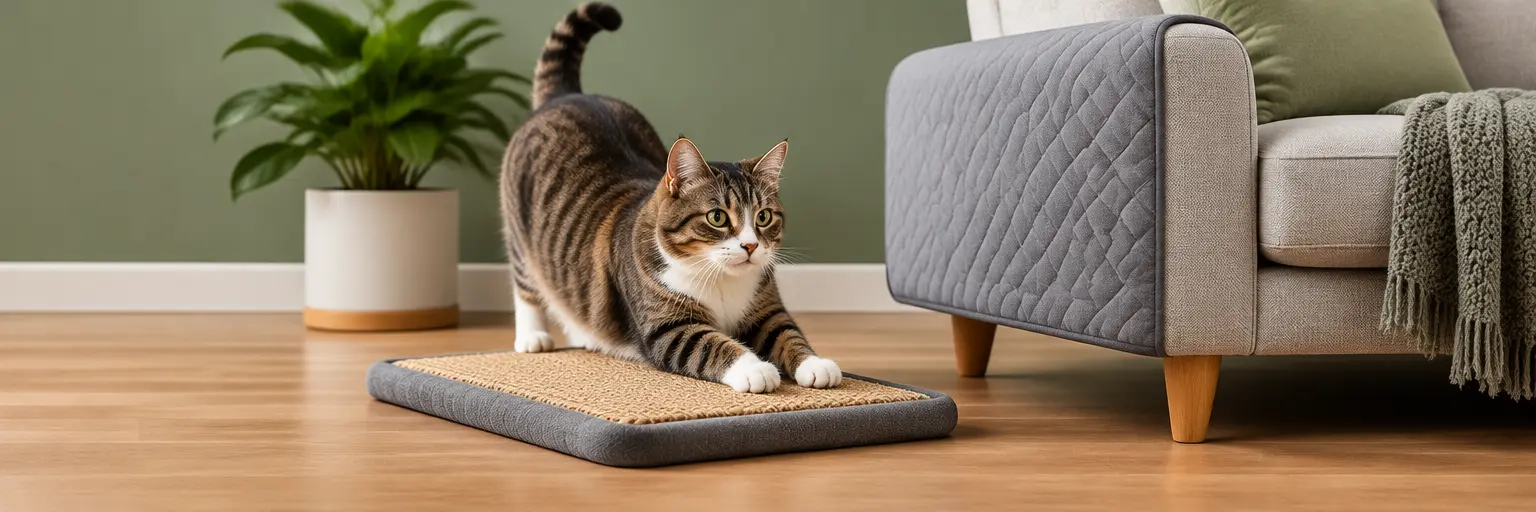
Scratching Mats and Furniture Protectors: The Ultimate Guide for Cat Owners
Welcome to PetCareWorld’s dedicated hub on scratching mats and furniture protectors, a vital subcategory within our Cat Care & Behavior section. Cats scratch for many reasons—marking territory, stretching muscles, and maintaining claw health—but this natural instinct can wreak havoc on your sofa, carpets, and curtains. In this guide, we’ll explore the best protective solutions, from eco-friendly sisal mats to transparent adhesive shields, and explain how to choose the right product for your feline friend’s personality and your home’s décor. Expect practical, expert-backed advice that transforms your cat’s scratching habits while keeping your furniture pristine.
🛋️ Types of Scratching Mats: Sisal, Cardboard, and Carpet Options
Scratching mats come in a variety of materials, each offering unique benefits. Sisal mats are the most popular due to their rough texture, which closely mimics tree bark and satisfies a cat’s deep-scratching urge. They are durable, resistant to fraying, and available in horizontal, vertical, or angled designs. Cardboard mats are eco-friendly and lightweight, perfect for cats who prefer a crumbly texture; they also help trim claws gently as your cat digs in. Carpet-style mats are softer and ideal for kittens or senior cats with sensitive paws, but they may encourage inappropriate scratching on similar home carpets.
When choosing a mat, consider your cat’s scratching style—some prefer stretching horizontally on the floor, while others love clawing vertically on posts or walls. Place mats near areas where your cat already scratches, such as beside the sofa or near the bedroom door. Rotate mats regularly to keep them interesting, and sprinkle catnip or use a pheromone spray to attract your pet. High-quality mats also feature non-slip backing to prevent sliding and are easy to clean with a vacuum or damp cloth, ensuring both durability and hygiene.
🛡️ Furniture Protectors: Clear Shields, Corner Guards, and Spray Deterrents
Furniture protectors serve as a physical barrier between your cat’s claws and your prized possessions. Clear adhesive shields, made from polycarbonate or vinyl, are applied directly to sofa arms, headboards, and chair legs; they are nearly invisible, easy to cut to size, and can be removed without leaving residue. Corner guards specifically protect sharp edges and are usually L-shaped, fitting snugly over the vulnerable points. Alternatively, furniture covers in washable fabrics like microfiber offer complete protection but may alter the aesthetic of your room.
Another effective method is using spray deterrents containing citrus, eucalyptus, or bitter apple. These are safe for pets but unpleasant to their senses, discouraging repeated scratching. Apply the spray daily for at least two weeks to break the habit. For maximum efficiency, combine protectors with positive reinforcement—reward your cat with treats when they use the scratching mat instead. Remember that no single product works for every cat, so experiment with different solutions and observe your pet’s preferences to find the perfect combination.
🧠 Behavioral Training: Redirecting Scratching to Appropriate Surfaces
Training your cat to use scratching mats instead of furniture is a gradual process rooted in positive reinforcement. Begin by placing the mat directly in front of the damaged area, then slowly move it a few inches each day toward a more acceptable spot. Use clicker training or verbal praise paired with small treats whenever your cat scratches the mat. Never punish or yell, as this increases anxiety and may lead to more destructive scratching. Instead, distract them with a toy or a gentle “no” followed by guiding their paws to the mat.
Consistency is key—ensure all family members follow the same routine. You can also enhance the mat’s appeal by rubbing it with catnip or attaching a dangling toy above it. For stubborn cases, apply double-sided tape to the furniture surface temporarily; cats dislike the sticky sensation and will avoid the area. Gradually reduce the tape as the habit forms. Over several weeks, most cats learn to associate scratching with the mat alone, preserving your furniture and strengthening your bond through trust and gentle guidance.
🌿 Eco-Friendly and Sustainable Protectives for the Conscious Owner
If you’re environmentally mindful, consider sustainable options that protect both your home and the planet. Recycled cardboard scratching mats are biodegradable, often made from corrugated boxes, and can be composted once worn out. Natural sisal and jute fibers are renewable and pesticide-free, while some manufacturers use water-based dyes and recycled plastics for backing. For furniture shields, opt for PET plastic (recyclable) or plant-based bioplastics, which offer durability without environmental harm. Look for certifications like FSC (Forest Stewardship Council) or Cradle to Cradle to ensure responsible sourcing.
Beyond materials, choose products with minimal packaging and long lifespans to reduce waste. DIY protectors, such as wrapping rope around table legs or sewing durable cotton covers, also divert waste from landfills. By investing in eco-friendly scratchers, you not only save your couch but also contribute to a healthier planet for your cat’s future. PetCareWorld encourages exploring boutique brands that prioritize sustainability, often offering replaceable mat inserts or lifetime warranties—fusing practicality with moral responsibility.
🛠️ DIY Solutions and Installation Tips for Maximum Effectiveness
Creating your own scratching mats and protectors can be cost-effective and tailored to your space. For a simple mat, cut a piece of carpet remnant or use a woven bamboo doormat, then attach it to a heavy board or floor tile with non-slip glue. To protect furniture, wrap sisal rope tightly around chair legs or use velcro-attached fabric panels on sofa arms—these can be removed for washing. Adhesive corner protectors can be made from clear plastic mailing tubes cut to length. The key is ensuring the surface is stable and not easily tipped over, as cats prefer secure scratching posts.
Installation matters: place mats on stable floors or use wall-mounted brackets for vertical scratch areas. For adhesive shields, clean the furniture surface with rubbing alcohol, allow it to dry, then apply pressure for 30 seconds. Avoid placing protectors on fragile or antique finishes unless using removable adhesive. Test any DIY solution on a small hidden spot first. Remember to inspect protectors weekly for wear and tear—replace worn-out mats promptly to prevent your cat from reverting to furniture. With a little creativity, you can design attractive, functional solutions that blend seamlessly into your home.
🩺 When Scratching Becomes Destructive: Health and Stress Factors
Excessive or aggressive scratching can sometimes signal underlying issues such as stress, anxiety, or medical problems. Cats may scratch more if they feel threatened by new pets, moving, or boredom. Ensure your cat has enough vertical space, hiding spots, and interactive playtime daily. If scratching persists despite using mats and protectors, consult a veterinarian to rule out claw infections or skin allergies. Additionally, consider nail trimming every two weeks to reduce damage—use proper clippers and reward your cat with treats. Some cats benefit from pheromone diffusers like Feliway, which create a calming environment and reduce unwanted behaviors.
It’s also crucial to rule out declawing as an option—this surgery is painful, irreversible, and banned in many countries because it alters natural behavior. Instead, focus on environmental enrichment: rotate scratching mats, introduce puzzle feeders, and set up window perches. If your cat’s scratching becomes frantic or targets one specific body area, they might be experiencing pain or arthritis. A thorough veterinary checkup ensures your cat’s physical and emotional needs are met, allowing you to approach scratching as a manageable, natural habit rather than a battle.
Frequently Asked Questions
How do I stop my cat from scratching my new sofa overnight?
Cover the sofa with a temporary washable protector or aluminum foil, which cats dislike the sound of. Place an enticing scratching mat directly in front of the sofa and reward uses. Use a pheromone spray in the evening to calm nighttime activity. Consistency for two weeks usually breaks the habit.
Are scratching mats and furniture protectors safe for kittens?
Yes, most are safe, but choose materials like stiff cardboard or sisal without loose strings that could be ingested. Supervise initial use, and ensure mats are stable to prevent tipping. Avoid adhesive shields with strong glue on delicate kitten paws. Provide soft carpet alternatives for gentle clawing.
Can I use the same scratching mat for multiple cats?
Yes, but provide at least one mat per cat plus an extra to prevent territorial disputes. Place them in different locations, especially near sleeping areas and exits. Larger mats or multi-level posts work well. Observe if any cat hogs the mat—add vertical options to cater to different preferences.
Will clear furniture shields damage my wooden furniture over time?
Quality shields use low-tack adhesives that won’t harm most finishes when removed carefully. Test on a hidden spot first. Over time, dust can accumulate under edges, so lift and clean monthly. For antique furniture, use peel-and-stick static cling protectors instead of adhesive versions to avoid residue.
How often should I replace a cardboard scratching mat?
Replace it when the surface becomes smooth, bent, or shows deep groove marks—roughly every 2-4 months depending on usage. Heavy scratchers may need monthly replacement. Some brands offer refill pads for consistency. Turn the mat over to double its lifespan, or compost old ones if eco-friendly.