Is Your Cat Avoiding the Litter Box? Placement Might Be the Problem
🤔 Is your feline friend shunning the litter box? At PetCareWorld, discover how improper litter box placement can cause this issue, and…
Read article
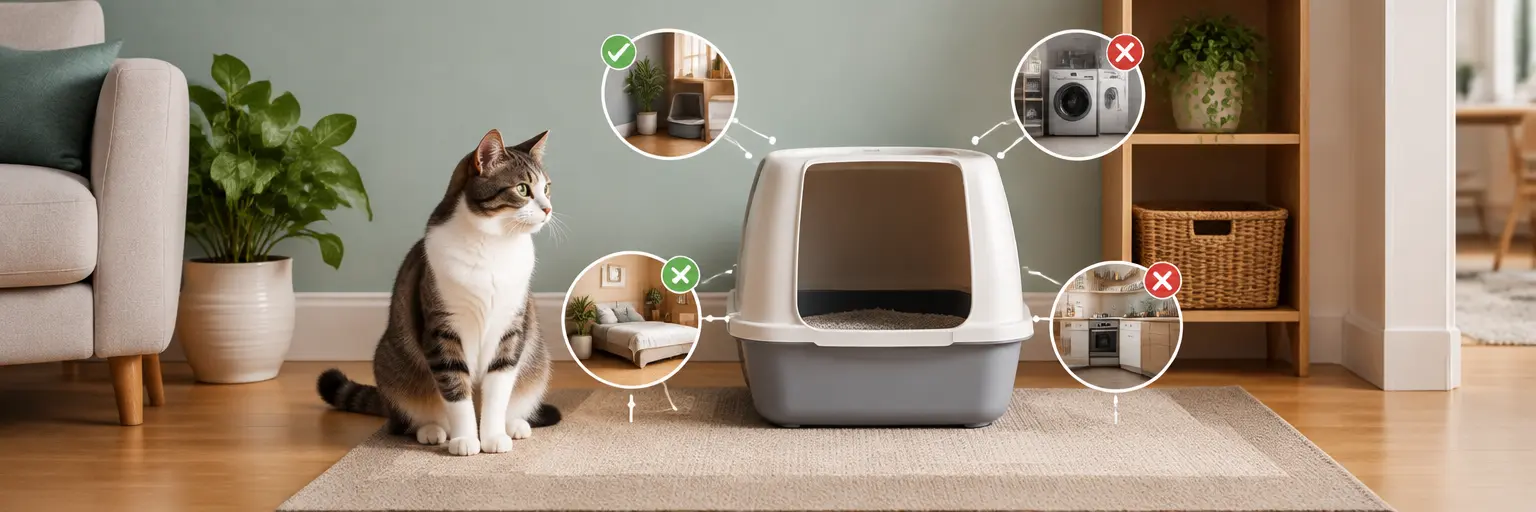
Discover the secrets to a stress-free litter box experience for both you and your feline friend with our expert guidance on placement and environment. 🐾 The right spot can prevent accidents, reduce anxiety, and ensure consistent use, transforming your home into a harmonious haven. We explore how factors like traffic flow, privacy, noise levels, and multi-cat dynamics influence your cat’s toileting habits. Learn to avoid common pitfalls—such as placing boxes near food, water, or high-activity zones—and instead create a calm, accessible retreat that meets your cat’s natural instincts. From choosing the ideal room to adjusting for senior or shy cats, our practical tips cover lighting, ventilation, and surface preferences. With smarter setup strategies, you’ll reduce cleanup time and foster a cleaner, happier household. Whether you’re a new kitten parent or managing a multi-pet residence, these environment tweaks can make all the difference. Unlock the full potential of your space and enjoy a more peaceful coexistence with your furry companion. Dive in to turn litter box duty into a simple, successful routine! ✨

🤔 Is your feline friend shunning the litter box? At PetCareWorld, discover how improper litter box placement can cause this issue, and…
Read article
🤔 Discover the secrets to a happy, healthy cat! PetCareWorld reveals the ideal "best cat litter box placement" for your feline friend,…
Read article
😊 Discover the secret to a happy, healthy cat! PetCareWorld reveals the crucial impact of litter box placement on feline contentment. Learn…
Read articleWelcome to our deep dive into litter box placement and environment, a cornerstone of feline well-being within Cat Care & Behavior. At PetCareWorld, we understand that a poorly positioned litter box is the leading cause of inappropriate elimination, stress, and behavioral issues. This guide will help you transform your cat's bathroom experience into a private, safe, and inviting ritual. By mastering the art of strategic placement and environmental enrichment, you'll reduce accidents, foster better hygiene, and strengthen the bond with your furry friend. Let's explore how small modifications can make a monumental difference in your cat's daily happiness.
Where you place the litter box is just as important as the box itself. Cats are naturally vulnerable when eliminating, so they seek spots that offer a sense of security and escape from perceived threats. Avoid high-traffic areas like the living room or hallway, and steer clear of loud appliances such as washing machines or heaters, which can startle a mid-business cat. Instead, opt for quiet, low-footfall rooms like a spare bathroom, laundry room (when not in use), or a corner of the bedroom. The goal is a balance between privacy and easy access—your cat should never feel trapped or cornered, but also shouldn't be forced to traverse the entire house.
However, pure seclusion can backfire. An inaccessible attic or a basement with a creepy, damp feel might deter your cat from using the box altogether. Therefore, observe your cat's preferred hiding spots and place the box within a reasonable distance. For multi-level homes, consider having a box on each floor to prevent long journeys, especially for senior or arthritic cats who may struggle with stairs. The rule of thumb is one box per cat plus one extra, but placement should be spread out to avoid territorial disputes, ensuring each cat has a safe, individual retreat.
Cats have a keen sense of environmental comfort, and temperature extremes can make them avoid their litter box. A box placed in a freezing garage or a scorching sunroom will feel uninviting. Ideally, the ambient temperature should be similar to the rest of your home—moderate and consistent. Avoid placing the box near radiators, air conditioning vents, or drafty windows. Sudden temperature fluctuations can also affect the litter itself, making clumping litter freeze or emit stronger odors. Furthermore, lighting matters: cats prefer moderately lit spaces, not stark bright light or pitch darkness. A dimly lit corner with a soft nightlight is often ideal, providing enough visibility for them to feel safe while not feeling exposed.
Beyond temperature, consider the humidity level. A damp basement or a steamy bathroom right after a shower can make the litter clump poorly and develop mildew, creating an unpleasant environment. If you must place the box in a humid area, use a moisture-resistant mat and change the litter more frequently. Also, think about the surface under the box—hardwood floors can get scratched, while carpet can harbor bacteria and odors. Use a durable, washable mat to protect the floor and catch scattered litter. By engineering a stable microclimate, you signal to your cat that this is a safe, permanent location, not a temporary, unpleasant spot.
The precise position inside a room is a subtle but critical detail. Never push the litter box flush against a wall on all sides; instead, leave at least a few inches of clearance on all sides, especially the back. This allows your cat to circle, dig, and turn around comfortably without feeling penned in. Many cats prefer to face an open area while doing their business, so they can watch for approaching "threats." Placing the box in a corner with one open side works well, but avoid placing it in a dead-end spot with no easy exit. In multi-cat households, boxes should be positioned so that a cat inside can see another cat approaching long before it arrives, reducing surprise ambushes.
A crucial aspect is the "escape route". Always ensure there are at least two visible exits from the box's immediate vicinity (e.g., if it's near a wall, the cat should have access to the left and right sides). This is particularly important for shy or bullied cats. If the box is inside a cabinet or enclosure, make sure the opening is large enough for quick exits and that the cat isn't forced to turn its back on the doorway. Additionally, avoid placing food and water near the litter box—cats are instinctively clean animals and will not want to eliminate where they eat. Maintain a minimum distance of three feet between the food station and the litter area to uphold hygiene and comfort.
Your cat's litter box environment extends beyond the physical location. Scent is powerful: strong chemical air fresheners, scented candles, or even fragrant laundry detergents can be overwhelming and off-putting. Keep the area neutral or use a mild, unscented baking soda product. Sound also matters—a quiet room without sudden noises (like a clanking door or a barking dog through the window) helps your cat relax. If you live on a busy street, consider a white noise machine or a soft radio tune to mask startling sounds. The texture of the surrounding floor also influences the decision; cats may dislike stepping from a plush carpet onto a hard plastic litter mat, so introduce mat textures gradually.
Furthermore, you can enhance the area with positive associations. Place a nearby cat tree or a scratching post, so your cat has a comfortable spot to observe before or after elimination. However, avoid placing interactive toys directly next to the box, as it may confuse play and business. The goal is to create a "safe zone" where your cat feels in control. Regularly checking the environment for cleanliness is crucial—a dirty, smelly area will not be used. Use a covered litter box only if your cat prefers it, but remember it can trap odors and limit vision well but may reduce ventilation. Always provide an uncovered alternative to see which your cat favors.
When you have multiple cats, litter box placement becomes a political negotiation. Dominant cats may guard the best corners, forcing submissive felines to seek alternatives—often your rug. Therefore, distribute boxes across different rooms and levels, away from each other's sightlines. A box in a "private suite" for a shy cat, versus a more central one for a confident cat, can prevent tension. Pay attention to individual quirks: one cat may prefer open spaces, another may want high-walled boxes. The environment must cater to each feline's personality, not a one-size-fits-all approach. Regularly rotate or reposition boxes slightly (not drastically) to refresh their interest, but always maintain a consistent baseline location.
Finally, consider your daily routine. If you're usually away for many hours, place a box in a quieter area where your cat won't be disturbed, but ensure it's accessible when you are home. Avoid placing the box near a door that slams, as the sudden noise can create a negative association. In homes with dogs, the litter box must be placed on an elevated surface or behind a baby gate to prevent the dog from raiding it, which is both a hygiene issue and a stress trigger for your cat. The environment should be a sanctuary, not a battlefield. By observing your cat's body language and adjusting placement, you'll prevent most behavioral problems before they start.
Basements can work, but only if they are dry, moderately lit, and easily accessible via open stairs or a pet door. Avoid damp, musty basements, as moisture degrades litter and invites odors. Ensure the temperature is comfortable and not too cold. If your cat seems hesitant to descend, place a box on the main floor first. Observe your cat's willingness to visit the basement before relying on it as the primary location.
Always choose a low-traffic area for the primary box. High-traffic zones cause stress, making your cat feel vulnerable and leading to avoidance. However, extremely isolated areas (like an unused attic) can be just as bad. The ideal is a quiet corner of a rarely used bathroom or a dedicated laundry nook, where your cat isn't constantly interrupted but still knows you are nearby if help is needed.
No, it is not okay. Cats have a strong instinct to keep their elimination separate from their feeding area. Placing them close together causes significant stress and may lead your cat to eliminate elsewhere to "separate" the two zones. Maintain a minimum distance of three to five feet, and ideally place them in different rooms, to preserve your cat's sense of hygiene and territory.
For two cats, the general rule is three litter boxes (one per cat plus one extra). This is especially important in multi-level homes—place boxes on different floors and in distinct locations to avoid territorial disputes. Spacing them apart ensures each cat has a fallback option if one is being guarded or if the other box is temporarily dirty, thereby reducing the risk of inappropriate elimination.
Cats are creatures of habit, and a sudden relocation can be confusing or stressful. They may not recognize the new spot as their bathroom, especially if it's in a unfamiliar, exposed, or noisy area. To help, place a soiled litter scrap in the new box, keep the old box nearby for a few days, and provide positive reinforcement with treats. Gradually increase distance between the old and new locations to ease the transition.







