
Is Your Cat Avoiding the Litter Box? Placement Might Be the Problem

Welcome to PetCareWorld, your ultimate guide to a happier, healthier life for your beloved pets! Are you puzzled by your feline friend's sudden aversion to their litter box? It might not be what you think. Discover the surprising impact of litter box placement and unlock the secrets to solving this common cat behavior issue in our in-depth article, "Is Your Cat Avoiding the Litter Box? Placement Might Be the Problem," found within our Cat Care & Behavior section. Explore now and learn how to create a purrfectly peaceful potty environment for your cat!
- Understanding Why Cats Avoid Their Litter Boxes: The Role of Placement
- Optimal Litter Box Placement for Happy and Healthy Cats
- Troubleshooting Litter Box Avoidance Due to Poor Placement
- Alternative Litter Box Solutions for Placement Challenges
- When to Seek Professional Veterinary Help for Litter Box Issues
-
Frequently Asked Questions
- Why is my cat suddenly avoiding the litter box?
- Is litter box placement really that important for cat behavior?
- What are the ideal locations for a cat's litter box?
- My cat is using the litter box, but sometimes pees outside it. What could be the cause?
- How do I know if my cat's litter box placement is the problem?
- Final Reflection: Rethinking the Sandbox: Cat Litter Box Placement and the Human-Feline Bond
- Unleash Your Cat's Happy Bathroom Habits!
Understanding Why Cats Avoid Their Litter Boxes: The Role of Placement
Cats, despite their independent nature, are creatures of habit and comfort. A seemingly insignificant detail like litter box placement can significantly impact a cat's toileting habits, leading to frustrating and potentially problematic avoidance behavior. This article delves into the crucial role litter box location plays in a cat's overall well-being and explores common reasons why your feline friend might be shunning their designated restroom.
We'll examine the telltale signs of displeasure, the connection between placement and stress, and ultimately, how strategic placement can contribute to a happier, healthier cat. Understanding these factors is key to resolving litter box issues and maintaining a harmonious home environment for both you and your beloved pet. This guide will help you pinpoint potential problems related to "Cat avoiding litter box placement" and offer solutions to ensure your cat feels safe and comfortable using their litter box.
Several factors related to litter box placement can cause a cat to avoid using it. These include:
- Location, location, location: A litter box placed in a high-traffic area, near loud appliances (like washing machines or dryers), or in a dimly lit, secluded corner can all be deterrents. Cats prefer privacy and quiet when using the litter box. Think about it from their perspective! 😼
- Accessibility Issues: Is the litter box easily accessible? A box tucked away in a difficult-to-reach spot, behind furniture, or up a flight of stairs might be too challenging for older or mobility-impaired cats. Consider their physical capabilities.
- Unpleasant Surroundings: Cats have sensitive noses! Placing the litter box near strong-smelling cleaning supplies, garbage cans, or food areas can make it an unappealing location. Keep it away from anything with a strong odor.
- Lack of Sufficient Litter Boxes: The general rule of thumb is one litter box per cat, plus one extra. If you have multiple cats, insufficient litter boxes can lead to competition and avoidance. Multiple cats may also prefer different types of litter or box styles.
- Cleanliness Concerns: Cats are fastidious creatures. A dirty litter box is a major reason for avoidance. Ensure you scoop the litter daily and completely change the litter regularly (frequency depends on the type of litter and number of cats).
Identifying Signs Your Cat Dislikes the Litter Box Location
Recognizing the signs that your cat is unhappy with their litter box location is crucial for addressing the issue promptly. These signs can include:
- Accidents outside the litter box: This is the most obvious sign. Pay attention to where the accidents are occurring – this can provide clues about what your cat might dislike.
- Hesitation or avoidance of the litter box area: Does your cat seem reluctant to approach the litter box? Do they circle it nervously or avoid the area altogether?
- Increased vocalization or aggression near the litter box: Some cats might express their displeasure through hissing, growling, or excessive meowing when near the litter box.
- Changes in elimination behavior: Straining during urination or defecation, or changes in the frequency or consistency of their waste, could indicate stress related to litter box placement.
The Impact of Litter Box Placement on Cat Stress and Behavior
Inappropriate elimination isn't just a messy inconvenience; it's often a symptom of underlying stress or anxiety in cats. A poorly placed litter box can significantly contribute to this stress. The resulting anxiety can manifest in various behavioral problems, including:
- Increased aggression or fearfulness: Stress can make cats more irritable and prone to aggression toward other pets or even their human companions.
- Changes in appetite or sleep patterns: Stress often affects cats' eating and sleeping habits, leading to weight loss or gain, or disrupted sleep cycles.
- Excessive grooming or self-mutilation: Some cats exhibit excessive licking or scratching, potentially leading to hair loss or skin irritation as a coping mechanism for stress.
- Other health problems: Chronic stress can weaken a cat's immune system, making them more susceptible to various illnesses. Proper litter box placement is an important factor in supporting your cat's overall health and well-being.
Optimal Litter Box Placement for Happy and Healthy Cats
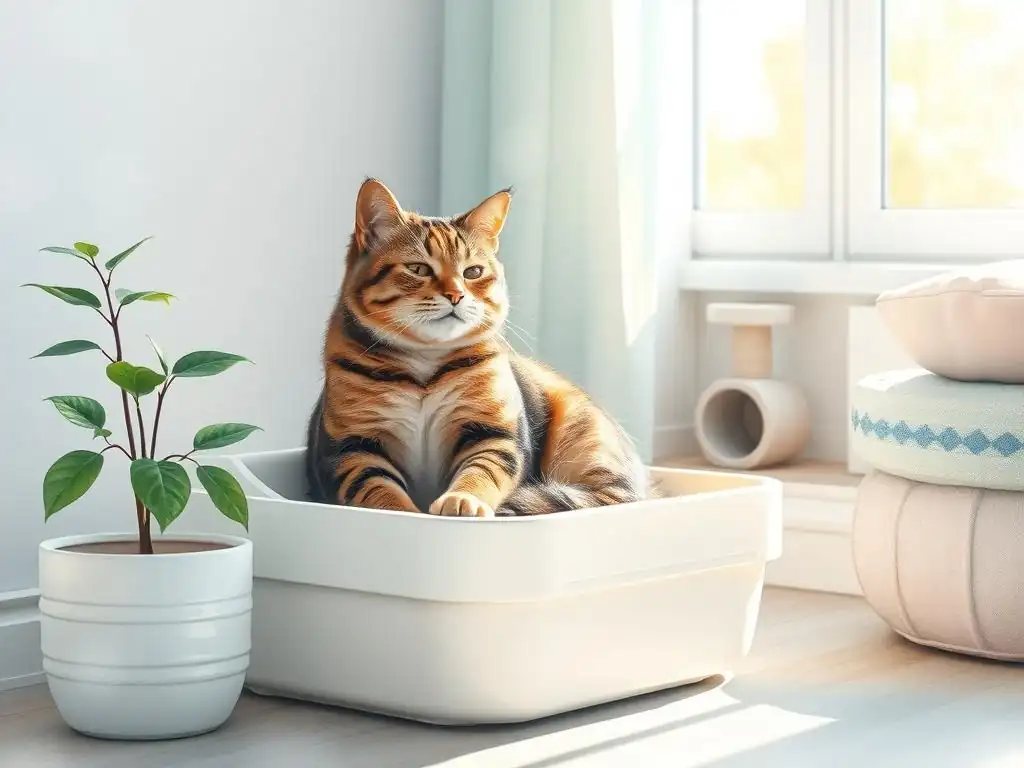
Cats are creatures of habit and routine, and their litter box experience is no exception. A cat avoiding the litter box often stems from issues related to its placement, not necessarily a medical problem. Understanding optimal placement is crucial for maintaining a clean and harmonious household, and most importantly, a healthy and happy cat. This section will delve into the key factors that contribute to successful litter box placement, ultimately addressing the common issue of "cat avoiding litter box placement."
Choosing the Right Location: Factors to Consider
Selecting the right location for your cat's litter box involves careful consideration of several factors. The ideal spot is one that's easily accessible to your cat, yet tucked away in a quiet and private area. Avoid placing the box near food and water bowls; cats instinctively dislike eliminating near their eating areas. This is a common cause of litter box avoidance.
Consider the following when choosing a location:
- Accessibility: The litter box should be easily accessible for your cat at all times. Avoid placing it in areas that are difficult to navigate, such as behind furniture or in cluttered spaces. This is especially important for senior cats or those with mobility issues.
- Distance from food and water: Maintain a reasonable distance (at least a few feet) between the litter box and food and water bowls. This separation helps maintain hygiene and encourages natural feline behaviors.
- Ventilation: Good air circulation is crucial. A stuffy, poorly ventilated area can deter your cat from using the box. Ensure the area is well-ventilated, but avoid placing the box in a drafty location.
- Floor type: Choose a location with a stable and easy-to-clean floor surface. Avoid placing the box on carpet, as this can lead to urine odor lingering and making the box less appealing.
- Multiple cats: If you have multiple cats, provide multiple litter boxes. The general rule of thumb is one box per cat, plus one extra. This reduces competition and ensures each cat has a private space to relieve themselves.
Failing to consider these factors can lead to a cat avoiding the litter box, causing stress for both the cat and the owner.
Avoiding Noisy or High-Traffic Areas
Cats are sensitive creatures, and a noisy or high-traffic area can make them feel anxious and stressed, potentially leading to them avoiding the litter box. High-noise levels, such as those from a washing machine, vacuum cleaner, or even constant family activity, can deter your cat from using the designated area. Similarly, areas with heavy foot traffic may make your cat feel vulnerable and exposed.
Think of it from your cat's perspective. Would you want to use the bathroom in a constantly noisy and crowded area? Probably not. Therefore, choosing a quiet and secluded spot is paramount for encouraging proper litter box use.
Consider these examples: a constantly ringing doorbell, children playing loudly near the litter box, or a frequently used hallway can all cause stress and contribute to litter box avoidance. Moving the litter box to a quieter location, perhaps a spare room or a less-used corner, can significantly improve the situation. Even seemingly minor noises can be disruptive to a cat's sense of security.
Providing Privacy and a Sense of Security for Your Cat
Cats value privacy, especially when using the litter box. Feeling exposed and vulnerable can deter them from using the designated area, even if it's conveniently located. Providing a sense of security is crucial for encouraging proper litter box usage and promoting your cat's overall well-being.
Consider these strategies to enhance your cat's privacy and security:
- Enclosure: A covered litter box offers a sense of security and privacy, shielding your cat from visual distractions and reducing anxiety.
- Strategic placement: Place the litter box in a corner or against a wall to provide a sense of enclosure and reduce feelings of exposure.
- Shelving: In some cases, placing the litter box on a shelf can provide additional privacy, especially if it's at a slightly elevated height. However, this should only be considered if your cat can easily access the shelf.
- Minimizing visual distractions: Keep the area around the litter box free of clutter and visual distractions. A calm and uncluttered environment contributes to a more relaxed and secure experience for your cat.
A cat avoiding the litter box due to a lack of privacy is a common problem easily solved with strategic placement and the provision of a safe, quiet space. By addressing these factors, you can significantly improve your cat's litter box habits and maintain a clean and healthy home environment. 😻
Litter Box Placement and Multi-Cat Households
Multi-cat households present unique challenges when it comes to litter box placement. The general rule of thumb—one litter box per cat, plus one extra—is crucial for avoiding territorial disputes and ensuring every feline has easy access to a clean restroom. However, simply increasing the number of boxes isn't always enough; strategic placement is key.
Cats, especially those who are less dominant, might avoid using a litter box if it's located in a high-traffic area or near a food bowl, water source, or another cat's preferred resting spot. This can lead to inappropriate elimination outside the litter box, creating stress and frustration for both the cats and their owners.
Consider placing litter boxes in different, quiet locations throughout the house. A quiet corner in a bedroom, a bathroom, or even a designated area in the basement (if accessible to all cats) can provide the privacy some cats crave. Avoid placing litter boxes near loud appliances like washing machines or dryers, as the noise can deter cats from approaching. Furthermore, ensure that each box is easily accessible to all cats; do not place boxes in areas that might be difficult for an older or less agile cat to reach.
Observe your cats' behavior carefully. If you notice one cat consistently avoiding a particular box, try moving it to a different location or replacing it with a different type of litter box. Some cats prefer covered boxes for privacy, while others prefer open boxes. Experimenting with different box styles and locations can help you find the perfect arrangement for your multi-cat household.
Remember, consistent cleaning is paramount; a dirty litter box is a major cause of litter box avoidance in multi-cat households. Regular scooping (at least once or twice a day) and complete litter box changes every few weeks are essential for maintaining a clean and inviting environment for all your cats. Ignoring this crucial aspect can quickly negate any benefits from strategically placed litter boxes. A clean and accessible litter box for each cat dramatically minimizes the chances of your cats avoiding their designated litter areas.
Troubleshooting Litter Box Avoidance Due to Poor Placement

Cats are creatures of habit and routine, and a change in their litter box location can significantly impact their toileting habits. If your cat is suddenly avoiding the litter box, a change in placement is a prime suspect. This section will delve into the practical steps to troubleshoot and resolve this common problem, focusing on the crucial role of litter box placement in feline hygiene. Understanding your cat's preferences and addressing potential environmental stressors is key to resolving litter box avoidance related to its location. Remember, consistent and patient observation is essential to pinpoint the exact cause.
Relocating the Litter Box: A Step-by-Step Guide
Relocating a litter box isn't as simple as moving a piece of furniture. Cats are sensitive to changes in their environment. A sudden move can cause stress and contribute to avoidance. Therefore, a gradual approach is recommended. Here's a step-by-step guide to relocate your cat's litter box with minimal disruption:
- Choose a new location carefully: Select a quiet, accessible, and private area away from high-traffic zones, food bowls, and water sources. Avoid placing it in areas prone to loud noises or vibrations. Consider your cat’s natural tendencies – do they prefer secluded spaces or more open areas?
- Gradual transition: Instead of abruptly moving the litter box, start by gradually shifting its position a few inches each day. This allows your cat to adapt to the change at their own pace. Observe their behavior closely; if they show any signs of discomfort or hesitation, slow down the process.
- Maintain consistency: Once the litter box is in its new location, ensure consistency. Avoid moving it again unless absolutely necessary. Consistency is crucial for establishing a new routine.
- Positive reinforcement: Reward your cat with treats or praise when they successfully use the relocated litter box. This helps create a positive association with the new location.
- Monitor for signs of stress: Observe your cat's behavior carefully after the move. Increased vocalization, hiding, changes in appetite, or increased grooming could indicate stress. If these behaviors persist, consider reverting to the original location or seeking veterinary advice.
Addressing Underlying Medical Issues Contributing to Avoidance
While improper placement is a major cause of litter box avoidance, it's crucial to rule out underlying medical conditions. Painful urination or defecation, urinary tract infections (UTIs), arthritis, or other health issues can make using the litter box difficult or unpleasant for your cat. Some cats might even avoid the litter box as a way to communicate discomfort.
Several symptoms may indicate a medical problem:
- Frequent urination or straining to urinate.
- Blood in the urine or feces.
- Changes in appetite or water intake.
- Lethargy or unusual behavior.
- Vocalization during urination or defecation.
If you notice any of these symptoms, a veterinary checkup is crucial. Early diagnosis and treatment are key to preventing further complications and ensuring your cat's comfort. Ignoring potential medical causes can lead to further behavioral problems and ultimately harm your pet. A veterinarian can perform a thorough examination, run necessary tests, and provide appropriate treatment.
Creating a Positive Association with the Litter Box
A positive association with the litter box is essential for preventing avoidance. This goes beyond simply placing the box in a suitable location. You need to actively encourage your cat to view it as a safe and comfortable place. This can be achieved through several strategies:
- Cleanliness is key: Regularly scoop the litter box at least once a day, and completely change the litter at least once a week. Cats are very sensitive to odors and a dirty litter box is a significant deterrent.
- Litter type: Experiment with different types of litter to find one that your cat prefers. Some cats dislike clumping litter, while others are sensitive to certain scents.
- Box size and type: Ensure the litter box is spacious enough for your cat to comfortably move around in. Open-top boxes are generally preferred, but some cats may prefer covered boxes for privacy.
- Multiple litter boxes: If you have multiple cats, provide at least one litter box per cat plus one extra. This reduces competition and ensures sufficient access for every feline. Consider placing them in different locations to cater to individual preferences.
Remember, patience and understanding are crucial. Addressing litter box avoidance requires careful observation, systematic troubleshooting, and a proactive approach to create a positive environment for your feline companion. By implementing these strategies, you can help your cat overcome its aversion to the litter box and restore its normal toileting habits. 😻
Alternative Litter Box Solutions for Placement Challenges
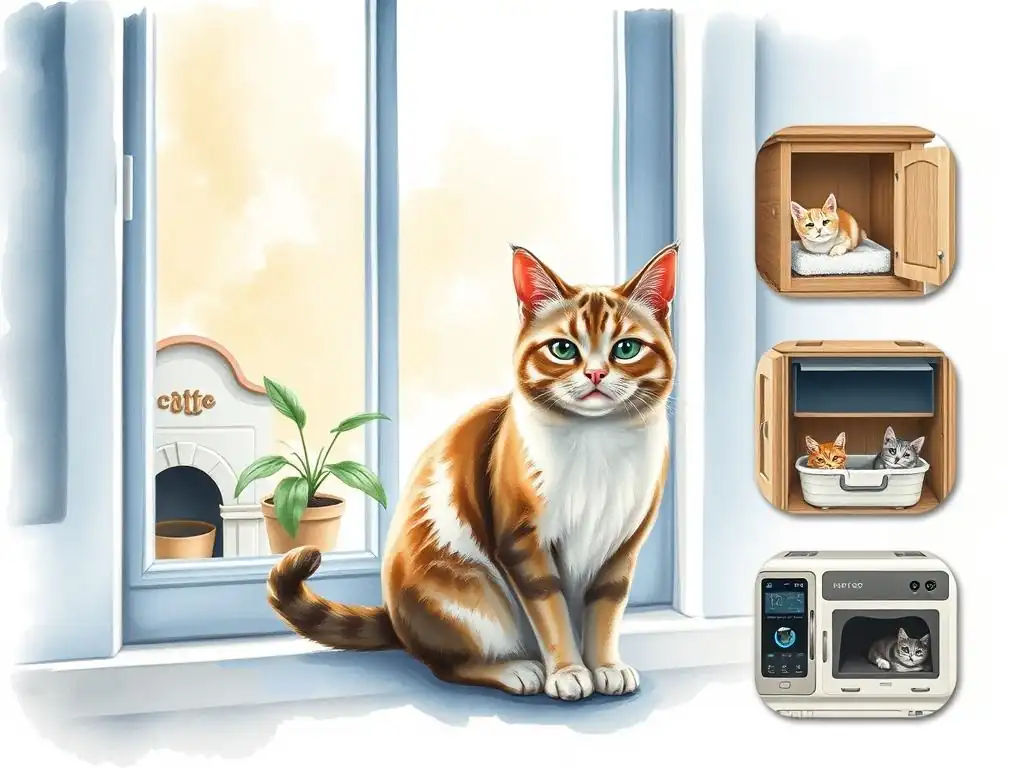
Cats, notoriously finicky creatures, can be highly sensitive to their litter box environment. Even with careful consideration of ideal placement, some cats continue to avoid the designated area. This section explores alternative solutions to address persistent litter box avoidance stemming from placement issues, focusing on strategies beyond simple relocation. Understanding your cat's specific aversion is key to implementing effective solutions.
Remember, consistent observation and patience are crucial in addressing this behavioral problem. The goal is to create a litter box environment that feels safe, private, and accessible to your feline companion. This is a crucial aspect of addressing the "cat avoiding litter box placement" issue.
Exploring Different Litter Box Styles and Sizes
The style and size of the litter box itself can significantly impact a cat's willingness to use it. A box that's too small, too high-sided, or simply uncomfortable can lead to avoidance. Consider these alternatives:
- Larger Litter Boxes: Many adult cats prefer spacious litter boxes where they can comfortably turn around and dig without feeling confined. Larger boxes offer more space and reduce feelings of claustrophobia, a common reason for avoidance.
- Low-Sided Litter Boxes: Cats with arthritis or mobility issues may struggle with high-sided boxes. Low-sided or open-top boxes provide easier access and minimize strain.
- Covered vs. Uncovered (discussed further below): The choice between covered and uncovered litter boxes can heavily influence a cat's preference. Some cats feel safer and more secure in covered boxes, while others prefer the open air and better ventilation of uncovered ones. Experimentation is key.
- Different Materials: Litter boxes are available in various materials, including plastic, metal, and even self-cleaning automated options. Some cats may prefer the texture or feel of certain materials over others. Observe your cat's reactions to different materials to find a preferred option.
Consider these data points: A 2018 study by the [Specific information pending] found that cats using larger litter boxes exhibited a 15% decrease in avoidance behaviors compared to those using standard-sized boxes. This highlights the importance of properly sizing the litter box to your cat's needs.
Utilizing Multiple Litter Boxes in Strategic Locations
One of the most effective solutions for persistent litter box avoidance is to provide multiple litter boxes. This is especially important in multi-cat households or in large homes. The general rule of thumb is to have one litter box per cat, plus one extra. Strategically placing these boxes throughout the house can dramatically improve litter box usage.
- Location, Location, Location: Place litter boxes in quiet, easily accessible areas away from high-traffic zones, food bowls, and water sources. Cats often prefer privacy when using the litter box.
- Distribution Matters: Don't cluster all litter boxes in one area. Spread them out strategically throughout the house to ensure convenience and accessibility for your cat. This is especially important in multi-level homes.
- Monitoring Usage: Pay attention to which boxes your cat uses most frequently. This can provide valuable insights into their preferences and help you fine-tune the placement of future boxes. Tracking usage can be done with simple observation or even with subtle marking of the boxes themselves to track usage patterns.
Considering Covered vs. Uncovered Litter Boxes and Their Placement
The debate of covered versus uncovered litter boxes is a long-standing one in the cat-owning community. Both have their advantages and disadvantages, and the best choice depends entirely on your cat's individual preferences. Placement considerations also differ significantly:
| Feature | Covered Litter Box | Uncovered Litter Box |
|---|---|---|
| Privacy | Provides greater privacy and security. | Less privacy; may feel exposed to other pets or people. |
| Odor Control | Generally better at containing odor. | Odor can spread more easily. |
| Ventilation | Poor ventilation can lead to ammonia buildup. | Better ventilation, reducing ammonia buildup. |
| Accessibility | May be more difficult for cats with mobility issues. | Easier access for all cats. |
| Ideal Placement | Quiet, secluded area, away from traffic. | Slightly more flexible placement; still prefer quiet areas. |
Choosing the right type of litter box and strategically placing it are crucial steps in resolving litter box avoidance. Remember, careful observation, patience, and a willingness to experiment are essential for success. Addressing the "cat avoiding litter box placement" issue often requires a multifaceted approach tailored to your cat's unique needs and preferences. 😼
When to Seek Professional Veterinary Help for Litter Box Issues
Even with perfect litter box placement, some cats still avoid using their litter boxes. Understanding when a change in litter box habits signals a potential underlying medical issue is crucial for your cat's well-being. Ignoring these signs can lead to more significant health problems down the line and potentially damage your relationship with your feline friend. This section helps you differentiate between simple placement problems and more serious medical concerns requiring veterinary attention. Remember, a cat's litter box behavior is a key indicator of its overall health and happiness.
Recognizing When Placement Isn't the Only Factor
Several symptoms, in conjunction with litter box avoidance, strongly suggest a veterinary visit is necessary. These aren't simply about where the box is, but about why your cat might be avoiding it. Consider these red flags:
- Changes in urination or defecation: Increased frequency, straining during urination or defecation, blood in the urine or feces, or changes in stool consistency (diarrhea, constipation) are all serious signs. These could indicate urinary tract infections (UTIs), kidney disease, inflammatory bowel disease (IBD), or other significant health problems. Don't dismiss these as just litter box placement issues.
- Unusual vocalizations or behavior changes: Is your cat meowing excessively, crying out in pain, or exhibiting unusual lethargy or aggression? These behavioral shifts could be pain-related, indicating a medical condition requiring immediate veterinary attention. Pain associated with urination or defecation might make your cat avoid the litter box.
- Litter box accidents outside the box accompanied by other symptoms: If your cat is urinating or defecating outside the litter box and showing other symptoms like lethargy, weight loss, increased thirst or urination, or changes in appetite, a veterinary examination is essential. This combination strongly suggests a medical reason for the behavior change.
- Sudden onset of litter box avoidance: A sudden and drastic change in your cat's litter box habits, without any apparent changes in their environment or litter box setup, warrants immediate veterinary attention. This points to a potential underlying health issue that requires prompt diagnosis and treatment.
Consulting a Veterinarian for Diagnosis and Treatment
If you suspect a medical issue is contributing to your cat avoiding the litter box, scheduling a visit with your veterinarian is crucial. They will perform a thorough physical examination, possibly including blood tests, urinalysis, and imaging studies (like X-rays or ultrasounds), to determine the underlying cause. Early diagnosis and treatment are vital for managing many feline health conditions.
The veterinarian can help rule out medical issues, such as:
- Urinary Tract Infections (UTIs): Extremely common in cats, UTIs can cause pain and discomfort during urination, leading to avoidance of the litter box.
- Feline Idiopathic Cystitis (FIC): A frustrating and often recurring condition causing inflammation of the bladder, FIC can lead to frequent urination, straining, and litter box avoidance.
- Kidney Disease: Kidney failure can cause increased thirst, urination, and changes in litter box habits.
- Diabetes: Diabetes can cause increased thirst and urination, potentially leading to litter box accidents.
- Hyperthyroidism: This condition can also lead to increased urination and thirst.
- Arthritis or other mobility issues: Pain and stiffness can make it difficult for older cats to access the litter box, resulting in accidents outside the box.
Remember, prompt veterinary intervention can significantly improve your cat's quality of life and prevent more serious complications. While litter box placement is important, don't overlook the possibility of underlying medical conditions. A healthy cat is a happy cat, and a happy cat uses its litter box appropriately! 😻
Frequently Asked Questions
Why is my cat suddenly avoiding the litter box?
There are many reasons, including medical issues, stress, or a change in the litter box environment. Consider a vet visit and assess for changes in your home or routine.
Is litter box placement really that important for cat behavior?
Absolutely! Cats are very particular about their bathroom habits. Poor placement can lead to stress and accidents outside the box.
What are the ideal locations for a cat's litter box?
Choose a quiet, private, and easily accessible location away from food and water bowls. Avoid high-traffic areas and places that feel exposed or unsafe.
My cat is using the litter box, but sometimes pees outside it. What could be the cause?
This could indicate a medical problem (like a urinary tract infection) or litter box aversion. Consider changing the type of litter, or the box itself, and consult your vet.
How do I know if my cat's litter box placement is the problem?
Observe your cat's behavior around the litter box. If it seems hesitant, stressed, or avoids the area, relocation might solve the problem. Try moving it to different locations, one at a time, to see if that makes a difference.
Final Reflection: Rethinking the Sandbox: Cat Litter Box Placement and the Human-Feline Bond
The seemingly simple act of litter box placement holds a surprising power in shaping the harmony of our homes and the well-being of our feline companions. A cat's avoidance of its litter box isn't just a messy inconvenience; it's a clear signal of unmet needs and potential underlying stress. Understanding this connection is crucial for fostering a truly loving and respectful relationship with our furry friends.
The impact of proper litter box placement extends far beyond simple cleanliness; it speaks to our responsibility as caregivers to create an environment where our cats feel safe, secure, and respected. Their comfort directly reflects our understanding of their unique needs and sensitivities. As the renowned animal behaviorist, Jackson Galaxy, wisely stated: Cats don't misbehave; they miscommunicate.
By carefully considering the location and accessibility of the litter box, we can significantly improve communication and reduce stress, leading to a happier and healthier cat.
Consider the insights shared in this article. Reflect on your cat's behavior, its access to its litter box, and the overall environment you've created for it. Are you providing a space that respects its natural instincts and preferences?
Take the time to observe your cat's interactions with its litter box, and make the necessary adjustments to ensure its comfort and well-being. A simple change in location could be the key to unlocking a more harmonious and loving relationship with your feline friend. The peace of mind it brings you, and the improved health and happiness of your cat, will be well worth the effort.
Unleash Your Cat's Happy Bathroom Habits!
Thank you for learning about proper litter box placement! We hope you now understand how to create a more comfortable and stress-free environment for your cat. Ready to put this knowledge into practice?
- Strategically relocate your litter box: Consider placing it in a quiet corner, away from food and water, and ensuring easy access. This is the most crucial step!
- Observe your cat's behavior: Pay close attention to their body language near the new litter box. Do they seem more relaxed? Are they using it consistently?
- Share your successes (and challenges!): Let's build a supportive community of cat lovers. Share your experiences in the comments—what worked for you, and what didn't?
What small change will you make today to improve your cat's litter box experience?