Dental Diets: How Food Choices Impact Your Cat's Dental Health
😊 Discover the crucial link between diet and your cat's dental health. Learn how choosing the best cat dental diet food can…
Read article
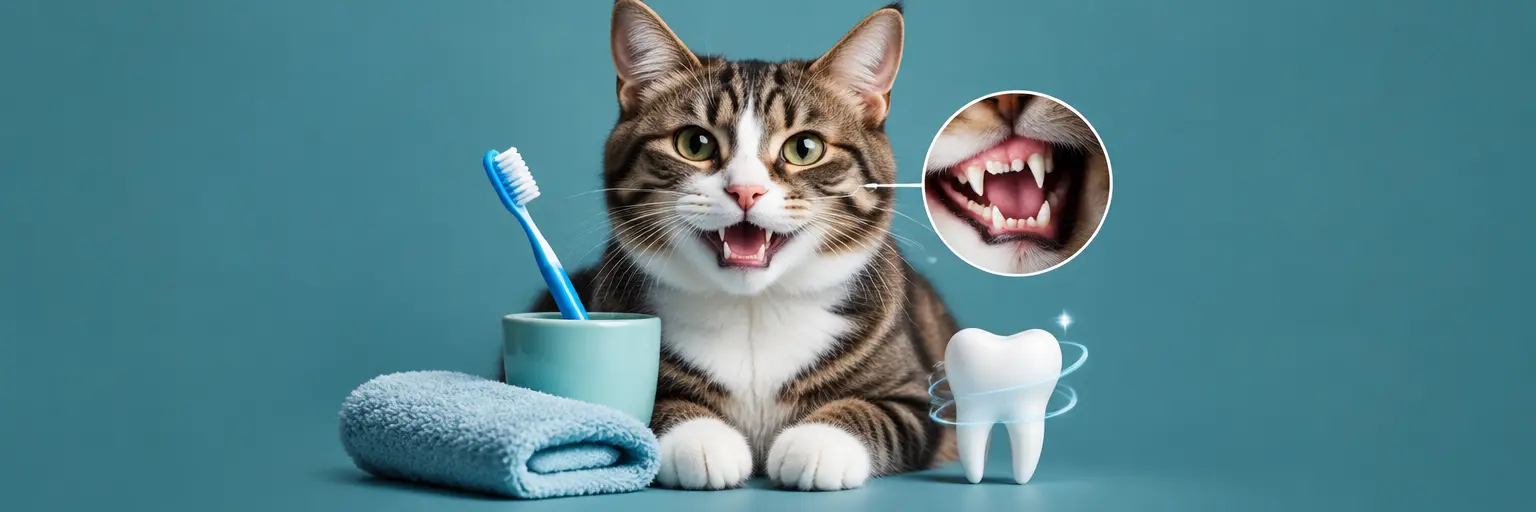
A healthy smile is a cornerstone of your cat’s overall well-being, yet feline dental care is often overlooked until problems arise. From persistent bad breath and tartar buildup to painful gingivitis and tooth resorption, oral health issues can silently affect your cat’s comfort, eating habits, and even their heart and kidneys. This guide empowers you with expert-approved, practical strategies for maintaining optimal oral hygiene at home, including tooth-brushing techniques, dental diets, water additives, and safe chew toys. Discover how to recognize early warning signs of dental disease, when to seek professional veterinary cleanings, and how to make daily care a stress-free bonding ritual. By prioritizing your cat’s dental health, you’re not just preventing bad breath—you’re protecting their long-term vitality and ensuring a happier, healthier life. Let’s unlock the secrets to a purr-fectly clean mouth and a radiant feline grin.

😊 Discover the crucial link between diet and your cat's dental health. Learn how choosing the best cat dental diet food can…
Read article
😊 Ignoring your dog's dental health is costly. Our "Dog dental neglect cost guide" reveals how seemingly small issues escalate into expensive…
Read article
😊 Protect your feline friend's health and happiness! Discover the long-term benefits of diligent cat dental care, from preventing painful infections to…
Read articleWelcome to PetCareWorld’s dedicated hub for feline dental care and hygiene, a critical yet often overlooked pillar of your cat’s well-being. Dental disease affects up to 70% of cats by age three, leading to pain, tooth loss, and systemic issues affecting the heart, kidneys, and liver. Our expert-backed guides cover everything from daily brushing techniques and dental diets to professional cleanings and at-home oral health checks. Whether you have a kitten or a senior cat, you’ll find actionable, safe, and proven strategies to prevent plaque, tartar, gingivitis, and periodontal disease. Let’s empower you to keep your feline friend’s teeth sparkling, breath fresh, and life comfortable—starting today.
Feline dental disease begins with a thin biofilm of bacteria called plaque, which mineralizes into rough tartar within days if not removed. Tartar accumulates beneath the gum line, causing inflammation (gingivitis), then progresses to periodontitis, where the supporting structures—ligaments and bone—are destroyed. Common signs include red or bleeding gums, halitosis, pawing at the mouth, drooling, and difficulty eating. Beyond oral pain, bacteria can enter the bloodstream and damage vital organs, making proactive hygiene a life-saving measure. Our guides explain each stage, from the early reversible signs to advanced disease, so you can recognize red flags early and seek veterinary intervention promptly.
You’ll also learn about tooth resorption, a painful condition affecting up to 60% of cats, where the body destroys tooth structure. We demystify the difference between normal dental wear, fractured teeth (common in outdoor cats), and cavities (rare). By understanding what’s normal versus pathological, you’ll be equipped to perform routine at-home inspections confidently. We emphasize that regular veterinary dental exams—ideally yearly—are non-negotiable for early detection. Our content simplifies complex veterinary terminology, giving you a clear roadmap to prevent the most common and costly dental diseases through consistent care.
Daily brushing is the gold standard for preventing plaque buildup, yet most cat owners skip it due to common challenges like movement or anxiety. Our step-by-step guides break down the process: start by letting your cat lick poultry-flavored toothpaste from your finger, then gradually introduce a finger brush, and finally a soft-bristled toothbrush specifically designed for cats. We cover proper angles (45° toward the gum line), gentle circular motions, and the importance of focusing on the outer surfaces of the back teeth where tartar forms fastest. Never use human toothpaste—fluoride and xylitol are toxic to cats. Instead, we recommend enzymatic varieties that dissolve even without brushing, acting as a helpful fallback.
We tackle behavioral hurdles with proven desensitization techniques, including short positive sessions and high-value treats. You’ll learn a backup routine: if brushing fails, use dental wipes, oral gels, or water additives containing chlorhexidine or zinc gluconate. We also compare popular brands, examine ingredient safety, and offer tips for multi-cat households where one feline resists more than another. Consistency beats intensity—even two to three minutes, three times weekly, dramatically reduces calculus. Our FAQ clarifies whether dry food cleans teeth (it does not) and why raw bones are risky for dental health. Arm yourself with patience and the right tools, and your cat may soon tolerate—or even enjoy—brushing.
While no diet replaces mechanical brushing, formulations specifically engineered for dental care can significantly reduce plaque and tartar. Look for the Veterinary Oral Health Council (VOHC) seal, which certifies that a food or treat meets scientific standards for controlling accumulation. These kibbles are larger, fibrous, and textured to encourage chewing, which scrapes tooth surfaces and stimulates saliva production, buffering acids. Our in-depth comparisons of prescription dental diets (e.g., Hill’s t/d, Royal Canin Dental) versus over-the-counter options help you choose the right fit for your cat’s age, weight, and existing oral condition. We also discuss raw diets, canned food, and their impact—wet food is higher in protein but can promote tartar if not supplemented with hygiene.
Beyond kibble, dental treats and chews are a popular addition. However, not all are created equal; we review safe, digestible options like freeze-dried chicken necks or dental sticks with astringent properties. We debunk common myths, such as that hard bones naturally clean teeth—they frequently cause fractures and dental emergencies. Our guides also cover omega-3 fatty acids and probiotics for reducing gum inflammation and supporting the oral microbiome. For cats with existing dental disease, we provide soft-food recipes that reduce pain during eating. Remember, a diet change works best as part of a comprehensive plan—combining professional cleanings, at-home brushing, and annual vet exams yields the highest success rate in keeping your cat’s mouth disease-free.
Even the most diligent home care cannot remove established tartar or treat subgingival disease—that requires professional intervention. During a dental cleaning, your cat is placed under general anesthesia for safety, then we explain the full process: scaling above and below the gum line, polishing to smooth the enamel surface, and probing for periodontal pockets. We discuss the importance of pre-anesthetic blood work, IV fluids, and monitoring equipment to minimize risks, especially for senior or immunocompromised cats. Our guide helps you assess whether your vet uses dental X-rays—absolutely crucial for detecting conditions hidden beneath the gum, such as tooth resorption, abscesses, or bone loss. We demystify the cost, typically $300-$800, and advise on pet insurance or wellness plans.
We also cover advanced procedures, including extractions (often necessary for severe periodontitis or resorptive lesions), root planing, and antibiotic therapy. You’ll learn how to prepare your cat for the procedure—fasting instructions, stress reduction, and post-operative care—plus what to expect during recovery: soft food, pain medication, and limited activity. We tackle the controversial topic of anesthesia-free dental scaling, explaining why it’s both ineffective (misses subgingival area) and unethical (frightening and painful). By choosing proper professional care, you’re not only alleviating pain but also preventing tooth loss, systemic infection, and costly future treatments. Our expert advice ensures you make informed decisions with your veterinarian, tailored to your cat’s unique health profile.
Building a sustainable oral care routine takes planning. We provide a weekly calendar checklist: Monday—brush teeth; Wednesday—check gums for redness or swelling; Friday—give a dental treat; Sunday—inspect for bad breath or drool. You’ll learn to use oral gels or rinses as adjuncts, apply plaque-preventive sealants, and introduce chew toys designed to massage gums. For multi-cat homes, we recommend individual brushes and paste to prevent cross-contamination of bacteria. Our guides also cover how to create a positive stress-free environment: place your cat on a towel, use calm voices, and reward after each session. Consistency is key, but so is patience—some cats adapt in days, others take months, and we offer alternatives like slow-feeder bowls to reduce rapid eating (which traps food against teeth).
Monitoring your cat’s oral health at home is vital. We teach you how to gently lift the lips to check for yellowing, dark spots, or lesions, and how to distinguish benign ulcers from serious issues like stomatitis (widespread inflammation requiring intensive therapy). Digital thermometers and puppy teething rings aren’t suitable—stick to cat-specific tools. We also highlight the link between oral pain and behavior changes, such as hiding, aggression, or reduced grooming. Our downloadable chart tracks weight, appetite, and breath quality to share with your vet. By integrating these habits, you transform dental care from a stressful chore into a bonding activity. Remember, early detection saves your cat from suffering and saves you from expensive emergency visits—routine vigilance is your best defense.
Ideally, brush your cat’s teeth every day. If that’s unrealistic, aim for at least three to four times per week. Daily brushing removes plaque before it mineralizes into tartar within 48 hours, while intermittent brushing still significantly reduces calculus. Pair brushing with dental-approved treats and annual vet cleanings for best results.
No, it’s not recommended. Anesthesia-free scaling only removes visible tartar above the gum line, leaving disease-causing plaque below the gums untouched. It also causes stress and pain—cats cannot stay still without sedation, risking injury. Always opt for a professional cleaning under general anesthesia, which allows thorough subgingival treatment and X-rays.
Watch for bad breath, drooling, red or bleeding gums, pawing at the mouth, reluctance to eat hard food, weight loss, or chewing on one side. Changes in behavior like hiding, hissing, or reduced grooming also indicate oral pain. Schedule a vet exam immediately if you notice any of these, as dental disease progresses quickly.
Never use human toothpaste—it contains fluoride and xylitol, both toxic to cats. Baking soda is also harmful due to high sodium and abrasive texture. Always choose veterinary-approved, meat-flavored enzymatic toothpaste, which is safe to swallow and helps break down plaque without brushing. Water additives and oral gels are safe alternatives.
Most dry foods do not clean teeth effectively—kibble shatters upon biting, so it doesn’t scrape the crown’s surface. Only specially designed dental diets with VOHC approval use a fibrous matrix to create a mechanical scrubbing action. However, no diet replaces brushing; combine dental food with daily hygiene for maximum plaque control.







