Decoding Feline UTIs: Early Signs and Crucial Actions for Cat Owners
😊 Spotting Cat UTI early signs is crucial. Learn how to identify symptoms and implement effective Cat UTI treatment strategies at PetCareWorld,…
Read article
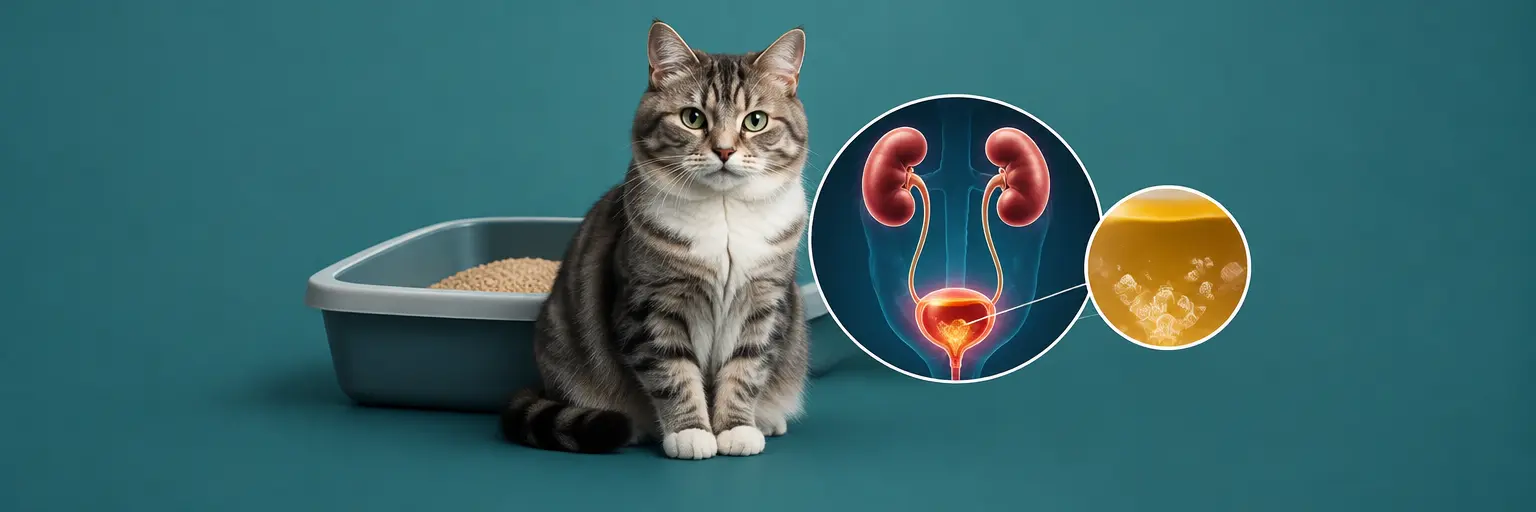
Feline urinary tract diseases are among the most common and concerning health issues for cats, yet many owners miss the early warning signs. From painful blockages to chronic inflammation, these conditions can escalate quickly, threatening your cat’s comfort and even their life. Understanding the subtle symptoms—frequent trips to the litter box, straining, blood in urine, or unusual vocalization—is the first step toward fast, effective care. Our expert guidance at PetCareWorld breaks down the causes, prevention strategies, and treatment options, helping you protect your feline companion from recurring urinary distress. Stay informed, act early, and give your cat the healthy, happy life they deserve. 🐾🔍
😊 Spotting Cat UTI early signs is crucial. Learn how to identify symptoms and implement effective Cat UTI treatment strategies at PetCareWorld,…
Read article
😊 Discover effective at-home pain relief solutions for your cat suffering from a UTI. PetCareWorld offers expert advice on managing your cat's…
Read article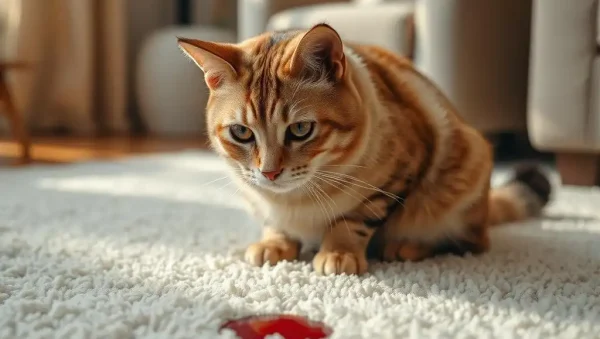
🤔 Finding blood in your cat's urine? PetCareWorld explains the potential causes and stresses the importance of a prompt vet visit for…
Read articleFeline Urinary Tract Diseases (FLUTD) represent a group of conditions that affect a cat’s bladder and urethra, causing discomfort, pain, and potentially life-threatening blockages. For cat owners, recognizing the signs early is critical, as these diseases are among the most common reasons for veterinary visits. This subcategory provides a comprehensive, SEO-optimized resource covering symptoms, causes, treatments, and prevention strategies, empowering you to safeguard your cat’s urinary health and well-being.
Early detection of urinary tract issues can prevent severe complications like urethral obstruction, which is a medical emergency. Common signs include frequent trips to the litter box, straining to urinate with little output, blood in the urine, or urinating outside the box on cool surfaces like tile or bathtubs. Cats may also vocalize in pain or excessively groom their genital area. If you observe any of these symptoms, especially in a male cat, contact your veterinarian immediately.
Beyond obvious clinical signs, subtle behavioral changes—such as lethargy, decreased appetite, or hiding—can indicate urinary discomfort. Monitoring your cat’s daily habits, including litter box usage, is essential. Keep a log of any changes in frequency or volume of urination, as this information helps your vet diagnose the underlying cause. Remember, some cats with FLUTD show no visible signs until the condition becomes severe, so routine wellness exams are invaluable for early intervention.
Feline Lower Urinary Tract Disease (FLUTD) is not a single disease but a syndrome with multiple potential causes. The most frequent culprits include idiopathic cystitis (inflammation with no identifiable cause, often stress-related), urinary stones or crystals (such as struvite or calcium oxalate), bacterial infections, and anatomical abnormalities. Stress is a major trigger, especially in multi-cat households, due to changes in routine, new pets, or even dirty litter boxes.
Understanding the root cause is crucial for effective treatment. For example, struvite crystals may dissolve with a prescription diet, while calcium oxalate stones often require surgical removal. Idiopathic cystitis may respond to environmental enrichment and stress reduction rather than antibiotics. Your vet will perform urinalysis, blood work, and imaging (X-rays or ultrasound) to differentiate these conditions. Never self-treat with over-the-counter remedies, as misdiagnosis can worsen the problem.
A urethral blockage is a life-threatening emergency where a plug of crystals, mucus, or stones obstructs the urethra, preventing urination. Male cats, especially neutered males, are anatomically prone to this condition. Symptoms include straining painfully with no urine output, vomiting, collapse, and a tense, painful abdomen. Without immediate veterinary intervention, a blocked bladder can rupture, leading to kidney failure and death within 24-48 hours.
If you suspect a blockage, treat it as a 911 event—do not wait to see if it resolves. At the clinic, your vet will relieve the blockage via catheterization, flush the bladder, and provide intravenous fluids to correct electrolyte imbalances. Hospitalization and monitoring are often required for several days. Even after recovery, recurrent blockages are common, so your vet may recommend a special diet, increased water intake, and possibly surgery (perineal urethrostomy) in severe cases. Always have an emergency kit and a 24-hour vet contact.
Diet plays a pivotal role in both treating and preventing FLUTD. For cats with struvite crystals, vet-prescribed therapeutic diets acidify the urine and reduce magnesium content, dissolving existing crystals. For calcium oxalate stones, the goal is to maintain dilute, neutral urine. Increased water consumption is universally recommended, as diluted urine reduces crystal formation and flushes irritants. Consider wet food, water fountains, or adding water to dry kibble.
Over-the-counter maintenance diets are only suitable after a diagnosis and veterinary approval. Avoid high-magnesium or high-ash foods without professional guidance. Always provide fresh, clean water in multiple locations, and consider adding multiple litter boxes (one per cat plus one extra). Nutritional management is a long-term commitment; regular urine tests every 3-6 months help adjust the diet as needed. Never abruptly switch diets without a transition period to avoid gastrointestinal upset.
Stress is a primary contributor to idiopathic feline cystitis, a common form of FLUTD. Environmental enrichment aims to reduce anxiety by satisfying your cat’s natural instincts. Provide vertical spaces (cat trees, shelves), hiding spots, scratching posts, and interactive feeders that encourage foraging. Use synthetic pheromone diffusers, which mimic calming facial pheromones, to create a soothing atmosphere. Maintain a consistent daily routine for feeding and play.
In multi-cat homes, resource guarding can cause stress. Ensure each cat has its own food, water, litter box, and resting area, placed in separate locations. Increase playtime with wand toys to provide mental and physical stimulation. Avoid sudden changes like moving or introducing new pets without a gradual integration plan. If urinary symptoms persist despite environmental changes, your vet may prescribe anti-anxiety medications or supplements like L-tryptophan to help manage chronic stress.
A thorough diagnosis is essential to tailor treatment. Your vet will start with a physical exam, palpating the bladder, and collect a urine sample via cystocentesis (directly from the bladder) to avoid contamination. Urinalysis checks for blood, crystals, bacteria, and pH. If infection is suspected, a urine culture identifies the specific bacteria and effective antibiotics. Imaging, including abdominal X-rays or ultrasound, detects stones, tumors, or structural issues, while blood work assesses kidney function.
Treatment varies by cause. For bacterial infections, a 7-14 day course of antibiotics is typical, with a repeat culture to ensure clearance. For sterile cystitis, anti-inflammatory medication, pain relief, and environmental changes are the focus. For stones, dietary dissolution may take weeks, while surgery is required for large or obstructive stones. In all cases, increasing water intake and reducing stress are supportive measures. Follow-up visits are crucial to confirm resolution and prevent recurrence, so adhere to your vet’s recheck schedule.
Early signs include frequent litter box visits, straining to urinate, blood in the urine, and urinating outside the box, often on cool surfaces. Your cat may also lick its genital area excessively or cry out when urinating. If these symptoms appear suddenly, especially in a male cat, contact your vet right away to rule out a blockage.
Yes, a urethral blockage is a life-threatening emergency. If untreated, the bladder can rupture, and toxins build up in the bloodstream, leading to acute kidney failure and death within 24-48 hours. Signs include painful straining with no urine, vomiting, and collapse. Immediate veterinary care, including catheterization and fluids, is critical for survival.
The best food depends on the type of issue. For struvite crystals, prescription diets like Hill’s c/d or Royal Canin Urinary SO dissolve them by acidifying urine. For calcium oxalate, diets that promote dilute, neutral urine are recommended. Always use a vet-prescribed diet over over-the-counter options, and incorporate wet food to boost hydration.
Prevention focuses on hydration, stress reduction, and regular monitoring. Provide fresh water via fountains, feed wet food, and offer multiple litter boxes in quiet areas. Minimize stressors with environmental enrichment and consistent routines. Schedule veterinary checkups every 6-12 months, including urine tests, and stick to any prescribed maintenance diet indefinitely.
No, FLUTD is not contagious to other cats or humans. It is not caused by a single infectious agent but rather by multifactorial issues like stress, diet, or anatomical problems. However, if a bacterial urinary infection is present, the specific bacteria could theoretically spread, but that is rare and not typical of FLUTD. Always practice good hygiene when handling litter.







