
Pain Relief for Cats with UTIs: Ensuring Comfort During Treatment and Recovery

Welcome to PetCareWorld, your ultimate guide to a happier, healthier life for your beloved companions! Are you searching for effective and compassionate cat UTI pain relief home remedies? Discover expert advice and practical solutions to ease your feline friend's discomfort and support their recovery. We delve into natural remedies, supportive care, and preventative measures to ensure your cat's journey back to purrfect health is as smooth as possible. Let's explore the best ways to provide comfort and care for your kitty.
- Understanding Cat UTI Pain and Discomfort
- Home Remedies for Cat UTI Pain Relief
- When to Seek Veterinary Care for Cat UTI Pain
- Preventing Future UTIs in Cats
- Supporting Your Cat During Recovery from a UTI
- Frequently Asked Questions
- Final Reflection: A Purrfect Path to Comfort: Understanding and Addressing Feline UTI Pain
- Unleash Your Cat's Comfort: Next Steps for UTI Relief
Understanding Cat UTI Pain and Discomfort
Urinary tract infections (UTIs) are a common and often painful ailment affecting cats. While seemingly a "simple" infection, a UTI can significantly impact a cat's quality of life, leading to discomfort, behavioral changes, and even more serious health complications if left untreated.
This article focuses on providing cat owners with crucial information regarding pain relief for cats suffering from UTIs, emphasizing home-based comfort measures and supporting veterinary treatment. We will explore how to recognize the signs of a UTI, understand the impact on your feline friend's behavior and well-being, and highlight why effective pain management is paramount for successful treatment and recovery.
This guide aims to empower cat owners to provide the best possible care for their beloved pets during this challenging time, offering practical advice and strategies to alleviate their cat's suffering and promote a faster return to health. Remember, always consult your veterinarian for diagnosis and treatment; this information is for educational purposes only and should not replace professional veterinary guidance.
Recognizing the Signs of a UTI in Cats
Identifying a UTI in your cat early is key to minimizing discomfort and ensuring effective treatment. Unfortunately, cats are masters at masking illness, making early detection challenging. However, certain signs can indicate a potential UTI. These signs often aren't immediately obvious and may develop gradually. Pay close attention to changes in your cat's behavior and elimination habits.
Several key indicators to watch out for include:
- Frequent urination: This might manifest as your cat using the litter box more often than usual, even at night.
- Straining to urinate: Observe your cat during urination; straining, crying out, or squatting for extended periods suggests difficulty.
- Small amounts of urine: Even with frequent trips to the litter box, the amount of urine produced might be significantly reduced.
- Blood in the urine (hematuria): This is a serious sign and requires immediate veterinary attention. Look for pink, red, or brown discoloration in the urine.
- Changes in litter box habits: Your cat might start avoiding the litter box, urinating outside the box, or exhibiting signs of discomfort while using it.
- Increased vocalization: Your cat may meow or cry out more frequently, especially during urination.
- Lethargy and loss of appetite: A UTI can cause general malaise, leading to reduced activity levels and decreased interest in food.
- Increased water intake: Your cat might drink more water than usual due to the body's attempt to flush out the infection.
It's crucial to remember that these symptoms can also be indicative of other feline urinary issues. Therefore, a veterinary examination is essential for accurate diagnosis and appropriate treatment. Don't delay seeking professional help if you suspect your cat has a UTI.
The Impact of UTIs on Cat Behavior and Comfort
A UTI can significantly affect your cat's behavior and overall comfort. The pain associated with inflammation and infection in the urinary tract can lead to a range of behavioral changes that may not be immediately linked to the underlying medical condition. This can make diagnosis challenging for both the owner and the veterinarian.
The pain from a UTI can manifest in several ways:
- Increased irritability: Your usually cuddly cat may become more withdrawn, easily startled, or aggressive when approached.
- Restlessness and pacing: Your cat may exhibit unusual restlessness, pacing back and forth, or showing signs of discomfort when lying down.
- Vocalization: Increased meowing, yowling, or crying, particularly during attempts to urinate, is a strong indicator of pain.
- Changes in appetite and grooming habits: A cat with a UTI might lose interest in food or exhibit changes in its grooming habits, such as neglecting its fur.
- Depression and lethargy: The pain and discomfort can lead to significant lethargy and a general decrease in activity levels.
Understanding these behavioral changes is crucial for early detection and effective management of the pain associated with a UTI. Providing a comfortable and stress-free environment can significantly contribute to your cat's overall well-being during treatment.
Why Pain Management is Crucial for Cat UTI Treatment
Effective pain management is absolutely vital for cats suffering from UTIs. Untreated pain not only causes significant discomfort but can also negatively impact the overall treatment process and recovery. Pain can lead to increased stress, hindering the body's ability to fight the infection and potentially prolonging the illness. Furthermore, chronic pain can lead to behavioral problems and a diminished quality of life for your feline companion.
The benefits of pain management extend beyond simply relieving discomfort:
- Improved appetite and hydration: Pain relief allows your cat to eat and drink normally, which is crucial for maintaining energy levels and supporting the immune system.
- Reduced stress and anxiety: Easing the pain reduces stress hormones, allowing the body to focus on healing.
- Faster recovery: A more comfortable cat is more likely to cooperate with treatment, leading to a faster recovery time.
- Enhanced overall well-being: Pain management ensures your cat maintains a better quality of life during treatment, minimizing suffering and promoting a quicker return to normalcy.
Veterinarians will typically prescribe pain medication tailored to your cat's specific needs and the severity of the UTI. Following your veterinarian's instructions carefully is essential for achieving the best possible outcome. In addition to medication, creating a calm and comfortable environment at home plays a crucial role in managing your cat's pain and promoting a smoother recovery.
Home Remedies for Cat UTI Pain Relief
Experiencing a urinary tract infection (UTI) can be incredibly painful for cats, leading to discomfort and behavioral changes. While veterinary care is crucial for diagnosis and treatment of UTIs, several home remedies can complement professional medical intervention, offering additional comfort and support during the healing process. These home remedies focus on managing symptoms and improving your cat's overall well-being, thereby enhancing their quality of life while undergoing treatment.
Remember, these strategies should always be used in conjunction with, and never as a replacement for, veterinary care. A proper diagnosis and treatment plan from a veterinarian are essential for successful UTI management.
Gentle Hydration Strategies for Cats with UTIs
Dehydration exacerbates UTI symptoms in cats. Increasing water intake is paramount for flushing out bacteria and reducing pain. However, simply placing more water bowls around the house isn't always effective. Cats can be picky drinkers! Here are some gentle hydration strategies that can significantly improve fluid intake:
- Warm Water: Cats often prefer lukewarm water over cold. Try warming the water slightly before refilling your cat's bowls.
- Fresh Water: Change the water frequently throughout the day to ensure it's always fresh and appealing. Stagnant water can become less desirable.
- Fountains: Many cats are drawn to moving water. A cat water fountain can encourage increased water consumption.
- Wet Food: Canned or wet food contains a significant amount of water, contributing to overall hydration. Increase the proportion of wet food in their diet.
- Broth: Small amounts of low-sodium chicken or tuna broth (ensure it's free of onions and garlic which are toxic to cats) can be added to their food to boost hydration. Always check the ingredients carefully.
Remember to monitor your cat's urination frequency and the color of their urine. Pale yellow urine indicates adequate hydration, while dark yellow or amber urine suggests dehydration and requires immediate attention.
Dietary Adjustments to Soothe the Urinary Tract
Dietary changes can significantly impact a cat's UTI recovery. Certain foods can help reduce inflammation and promote urinary tract health. However, always consult your veterinarian before making any significant dietary changes, especially if your cat has underlying health conditions. They can advise on the best approach for your individual cat's needs.
- Acidifying Diets: Some veterinary diets are formulated to acidify the urine, creating an environment less hospitable to bacteria. These diets often contain specific ingredients that help achieve this effect.
- High-Quality Protein Sources: Ensure your cat's diet includes high-quality protein sources, which are crucial for overall health and tissue repair.
- Limited Ash Content: Foods with lower ash content can be beneficial as high ash levels can irritate the urinary tract.
- Avoid Foods High in Magnesium: Magnesium can contribute to the formation of struvite crystals, which are often associated with UTIs. Check food labels carefully.
The following table summarizes ideal dietary considerations for cats with UTIs:
| Dietary Factor | Recommendation | Rationale |
|---|---|---|
| Protein Source | High-quality, easily digestible sources | Supports tissue repair and overall health |
| Ash Content | Low | Reduces irritation of the urinary tract |
| Magnesium Content | Low | Prevents struvite crystal formation |
| Urinary pH | Slightly acidic (consult your vet for specifics) | Creates an environment less favorable for bacterial growth |
| Hydration Level | High (through wet food and water) | Flushes out bacteria and reduces urinary tract irritation |
Creating a Comfortable and Stress-Free Environment
Stress can worsen UTI symptoms in cats. A comfortable and stress-free environment is vital for promoting healing and reducing pain. Consider these strategies:
- Quiet and Safe Space: Provide your cat with a quiet, dark, and safe space where they can rest undisturbed. A comfortable bed in a quiet room can make a significant difference.
- Litter Box Access: Ensure easy access to a clean litter box. A difficult-to-reach or dirty litter box can increase stress and worsen symptoms. Consider multiple litter boxes, especially for multi-cat households.
- Gentle Handling: Handle your cat gently and avoid any unnecessary stress. Speak to them in a soothing voice.
- Reduce Noise and Activity: Minimize loud noises and excessive activity in the house to create a calm atmosphere.
- Environmental Enrichment: While minimizing stress, also provide some enriching activities appropriate for your cat's condition, such as quiet playtime with a feather wand or interactive puzzle feeders.
Remember, providing a supportive and comfortable environment is crucial for your cat's recovery from a UTI. By combining these home remedies with veterinary care, you can significantly improve your cat's comfort and help them through this challenging time. Always consult your veterinarian for personalized advice and treatment. 😻
Using Warm Compresses
Applying warm compresses to your cat's abdomen can provide soothing relief from the discomfort associated with a UTI. The warmth helps relax the muscles and can ease the pain associated with bladder spasms. It's crucial to remember that the compress should never be too hot; test the temperature on your own wrist before applying it to your cat. A comfortably warm, not scalding, temperature is essential.
Apply the compress for 10-15 minutes at a time, several times a day. You can use a clean washcloth soaked in warm water, or a commercially available heating pad set on a low setting. Always supervise your cat during this process to ensure they don't become agitated or try to remove the compress themselves.
Observe your cat closely for any signs of discomfort or distress; if they seem unhappy, stop immediately. Remember, this is a supplemental comfort measure and not a replacement for veterinary care. A veterinarian can provide a proper diagnosis and treatment plan for your cat's UTI.
Offering Low-Sodium Broth
Dehydration is a common concern with UTIs, and encouraging fluid intake is vital for flushing out bacteria and easing discomfort. Low-sodium chicken or beef broth can be a palatable option to supplement your cat's water intake. The warmth of the broth can also be soothing. However, only offer small amounts at a time, as too much broth can upset their stomach.
Always ensure the broth is low-sodium, as high sodium content can exacerbate kidney issues, which can sometimes be associated with UTIs. Avoid broths that contain onion or garlic, as these ingredients are toxic to cats. Monitor your cat's fluid intake closely, and consult your veterinarian if you notice any significant changes in their urination habits or overall health.
Remember that broth is a supplement, and clean, fresh water should always be readily available. Providing multiple water sources around the house can also encourage your feline friend to drink more. This is a supportive measure and should not replace prescribed medication or veterinary treatment.
Providing a Litter Box with Easy Access
Cats with UTIs often experience pain and discomfort when urinating, making it difficult and potentially painful for them to use their litter box. To alleviate this, ensure that your cat has easy and readily accessible access to their litter box. This means placing the litter box in a convenient location, free from obstructions or obstacles. Consider reducing the amount of litter in the box, so it's easier for your cat to get in and out.
If your cat is elderly or has mobility issues, a low-sided litter box or even a ramp can be helpful. Keep the litter box meticulously clean. The smell of urine can exacerbate the discomfort and make it even harder for your cat to use the box. Regular cleaning, ideally several times a day, is crucial.
If your cat is still having difficulty using the litter box despite these measures, consult your veterinarian immediately. Painful urination can be a serious sign, and prompt veterinary attention is essential to ensure your cat’s well-being and to properly manage their UTI. A vet can also rule out other underlying conditions that might be causing discomfort.
When to Seek Veterinary Care for Cat UTI Pain
Cat UTI pain relief at home can be managed with some supportive measures, but knowing when professional veterinary intervention is crucial is paramount for your cat's well-being. Delaying treatment can lead to serious complications, including kidney damage and potentially life-threatening conditions. This section outlines key indicators that necessitate immediate veterinary attention.
Identifying Situations Requiring Immediate Veterinary Attention
Several warning signs indicate that your cat's UTI pain requires immediate veterinary care. Don't hesitate to contact your veterinarian if you observe any of the following:
- Straining to urinate with little or no urine produced: This is a classic sign of a severe blockage, a life-threatening emergency. The longer a blockage persists, the greater the risk of kidney failure. This situation demands immediate veterinary attention.
- Blood in the urine (hematuria): The presence of blood in your cat's urine is a significant indicator of a potentially serious problem, often signifying inflammation or infection within the urinary tract. While some minor bleeding might resolve with treatment, it warrants immediate veterinary assessment.
- Lethargy and loss of appetite: A significant decline in your cat's energy levels and refusal to eat are serious indicators that something is wrong. These symptoms, combined with urinary issues, suggest a more severe underlying condition requiring prompt veterinary care.
- Vomiting and/or diarrhea: These digestive upsets, particularly when combined with urinary problems, point to a possible systemic infection or severe dehydration, necessitating swift veterinary intervention.
- Fever: A high temperature is a strong indicator of infection. While UTIs can cause fever, other infections can mimic UTI symptoms. Your vet needs to determine the underlying cause.
- Painful abdomen: Gentle palpation of your cat's abdomen might reveal tenderness or pain. If your cat shows signs of discomfort when touched in this area, immediate veterinary assessment is warranted.
Remember, "Cat UTI pain relief home" strategies are helpful for managing mild discomfort, but they are not substitutes for professional veterinary care when faced with these critical symptoms. Early intervention significantly improves the chances of a full recovery. The sooner your cat receives professional treatment, the better the outcome.
The Role of Veterinary Diagnostics in UTI Management
Accurate diagnosis is the cornerstone of effective UTI management. Your veterinarian will utilize various diagnostic tools to confirm the presence of a UTI and determine its severity. These tools might include:
- Urinalysis: A crucial step, urinalysis examines the physical and chemical properties of your cat's urine, identifying the presence of bacteria, crystals, blood, and other abnormalities. This test is essential for confirming the diagnosis and guiding treatment.
- Urine culture: This test identifies the specific type of bacteria causing the infection, allowing for targeted antibiotic therapy. Knowing the specific bacteria is key to successful treatment and prevents antibiotic resistance.
- Blood tests: Blood work helps assess your cat's overall health, checking for signs of dehydration, kidney dysfunction, and other complications associated with UTIs. This comprehensive evaluation helps your vet make informed decisions about treatment.
- Imaging techniques (ultrasound, X-rays): In cases of suspected urinary obstruction or other structural abnormalities, imaging techniques may be employed to visualize the urinary tract. These tests help identify underlying causes of the UTI or related complications.
Accurate diagnostics ensure the most effective "Cat UTI pain relief home" strategies are implemented alongside appropriate veterinary interventions. The information gathered from these tests allows the veterinarian to tailor the treatment plan to your cat's specific needs and ensure the best possible outcome.
Pain Medication Options Prescribed by Veterinarians
Veterinarians have several pain medication options to alleviate your cat's discomfort associated with UTIs. The choice of medication depends on the severity of the pain, the overall health of your cat, and the presence of any other underlying conditions. Commonly prescribed medications include:
- Analgesics: These medications are aimed at reducing pain and inflammation. Non-steroidal anti-inflammatory drugs (NSAIDs) like meloxicam are often prescribed, but their use requires careful monitoring due to potential side effects.
- Antibiotics: These are essential for treating the underlying bacterial infection causing the UTI. The specific antibiotic chosen will depend on the results of the urine culture. Antibiotics address the infection directly, reducing inflammation and pain.
- Muscle relaxants: In cases where the pain is associated with significant muscle spasms, muscle relaxants might be prescribed to alleviate discomfort and promote relaxation.
It's crucial to follow your veterinarian's instructions carefully regarding medication dosage and administration. Never administer human pain medication to your cat without explicit veterinary guidance, as many human medications are toxic to cats. Your vet will monitor your cat's response to the medication and adjust the treatment plan as needed to ensure effective pain relief and a swift recovery. Remember, responsible pet ownership involves seeking professional veterinary care for effective "Cat UTI pain relief home" and beyond.
Post-Treatment Pain Management and Monitoring
Even after successful treatment of a UTI, your cat may experience lingering discomfort. Pain management doesn't end with antibiotics; continued monitoring and supportive care are crucial for complete recovery. Many cats exhibit subtle signs of pain, so vigilant observation is key. Look for changes in litter box habits – straining, frequent attempts to urinate with little or no output, or crying while urinating are all potential indicators of ongoing pain. Changes in appetite, lethargy, or hiding behavior can also signal discomfort.
Providing a comfortable and stress-free environment is paramount. A quiet, warm, and easily accessible litter box is essential. Consider using a low-sided litter box or even removing the sides entirely to minimize strain. Switching to a softer, clumping litter might also help. Gentle petting and reassurance can offer comfort, but avoid forceful handling or activities that might exacerbate pain.
Pain medication, as prescribed by your veterinarian, should be administered diligently. Never adjust the dosage or frequency without consulting your vet. Accurate record-keeping of medication administration is vital, helping you track effectiveness and identify any potential problems. Regular follow-up appointments are crucial for monitoring your cat's progress and ensuring the UTI is fully resolved.
Your vet may perform additional urine tests or ultrasounds to confirm the absence of infection and rule out any underlying conditions that could contribute to persistent pain. Remember, even subtle changes in your cat's behavior post-treatment warrant a call to your veterinarian. Early intervention can prevent complications and ensure a swift and complete recovery. Don't hesitate to contact your vet if you have any concerns regarding your cat's pain levels or overall well-being, even if it seems minor.
Proactive monitoring and communication are key to ensuring effective pain relief and a successful outcome for your feline companion. Early detection and prompt veterinary care are essential for managing cat UTI pain effectively and preventing complications. A proactive approach to post-treatment care will significantly improve your cat’s comfort and quality of life.
Preventing Future UTIs in Cats
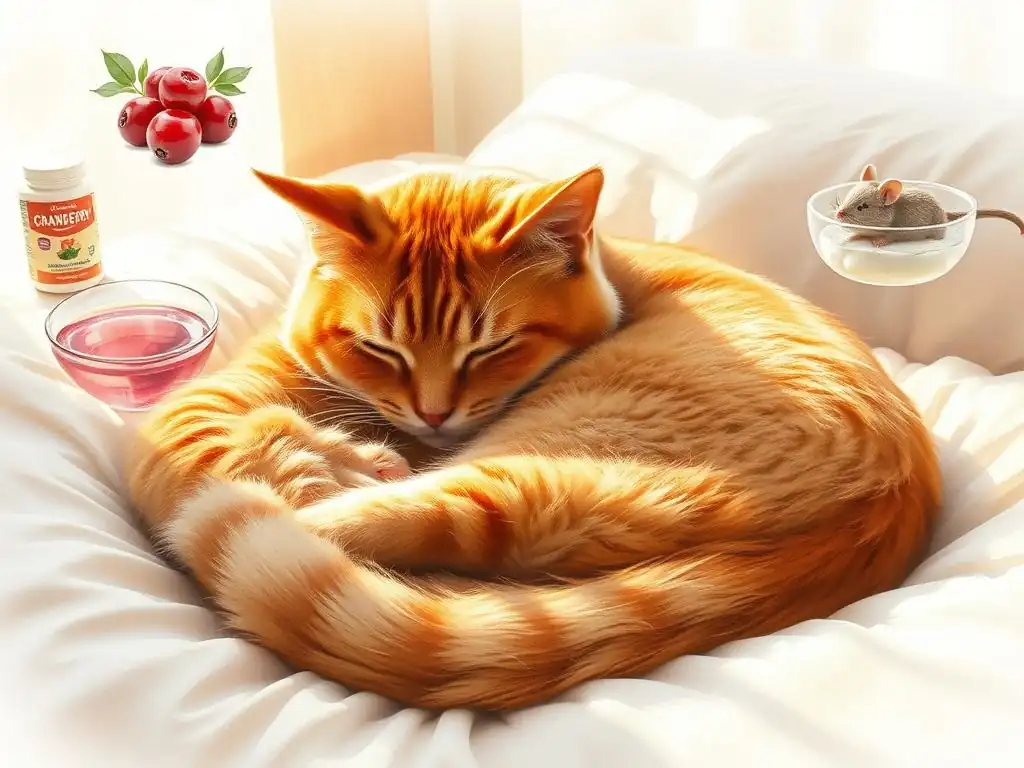
Preventing future urinary tract infections (UTIs) in cats is crucial for their long-term health and well-being. A multi-faceted approach, combining dietary adjustments, hydration strategies, and stress reduction techniques, offers the best chance of minimizing recurrence. Cat UTI pain relief at home is important, but prevention is even better! This section focuses on proactive measures to keep your feline friend healthy and happy.
Dietary Changes to Prevent Recurrent UTIs
Dietary modifications play a significant role in preventing recurrent UTIs in cats. Certain foods can contribute to the formation of crystals and stones in the urinary tract, increasing the risk of infection. Therefore, switching to a diet specifically formulated to support urinary tract health is often recommended by veterinarians.
These diets typically have a lower mineral content, especially magnesium, which can contribute to struvite crystal formation. They also often include ingredients that help acidify the urine, making it less hospitable to bacterial growth. For instance, some diets incorporate cranberries, known for their ability to prevent bacteria from adhering to the urinary tract walls.
It's vital to consult your veterinarian before making any significant dietary changes. They can assess your cat's specific needs and recommend an appropriate diet based on their age, breed, and overall health. They can also help you transition your cat to the new food gradually to avoid digestive upset. A gradual transition is key to success, and remember to monitor your cat's urine output and overall health closely after any dietary changes.
Maintaining Adequate Hydration
Maintaining adequate hydration is paramount in preventing UTIs. Cats with insufficient water intake are more prone to developing concentrated urine, which creates an ideal environment for bacterial growth. Dehydration increases the risk of crystal formation and makes it harder for the body to flush out bacteria.
Encouraging water consumption can be achieved through several strategies. Providing multiple fresh water bowls in different locations around the house can significantly improve water intake. Using a pet fountain, which circulates the water, can also entice cats to drink more, as the moving water often appeals to their natural instincts.
Adding a small amount of low-sodium broth or tuna juice (in moderation) to their water can sometimes stimulate their thirst. However, always consult your vet before introducing these additions to ensure they don't negatively impact your cat's health. Monitoring your cat's hydration levels—checking the elasticity of their skin, for example—is an important part of preventative care. Remember, consistent access to fresh, clean water is crucial for preventing UTIs.
Stress Reduction Techniques for Cats
Stress is a significant factor that can weaken a cat's immune system, making them more susceptible to infections, including UTIs. Cats are sensitive creatures, and environmental changes, new pets, or even loud noises can trigger stress. Therefore, creating a calm and stable environment is essential for preventing UTIs.
Several strategies can help reduce stress in cats. Providing plenty of vertical space, such as cat trees or shelves, gives them a sense of security and control over their environment. Enrichment activities, such as interactive toys and puzzle feeders, can help keep them mentally stimulated and prevent boredom. Regular playtime also helps release pent-up energy and reduce stress.
Creating a safe and quiet space where your cat can retreat when feeling overwhelmed is also beneficial. This could be a comfortable bed in a quiet corner or a cat cave. Consider using pheromone diffusers or sprays, which release calming scents that can help reduce anxiety. Remember, a happy, relaxed cat is a healthier cat, less prone to UTIs and other health problems. Addressing stress proactively is a key component of preventing future UTIs in cats.
Regular Veterinary Check-ups for Early Detection
Regular veterinary check-ups are crucial for preventing future UTIs in cats. These visits allow for early detection of any urinary tract issues, even before your cat shows noticeable symptoms. Early diagnosis significantly improves the chances of successful treatment and minimizes the duration and severity of discomfort.
During these check-ups, your veterinarian can perform a thorough physical examination, including palpation of the abdomen to assess the bladder and kidneys. They may also recommend routine urine tests to check for the presence of bacteria, crystals, or other abnormalities indicative of a developing UTI or predisposition to one. The frequency of these check-ups will depend on your cat's age, breed, and overall health, but generally, annual check-ups are recommended for adult cats, with more frequent visits for kittens and senior cats or those with a history of UTIs.
Don't underestimate the power of preventative care; catching a UTI early can prevent it from progressing to a more serious and painful condition. Early detection through regular check-ups is one of the most effective strategies in "cat UTI pain relief home" management.
Early detection is key not only for mitigating pain but also for preventing long-term kidney damage. Untreated or recurrent UTIs can lead to chronic kidney disease, a serious and often irreversible condition. Regular vet visits help identify subtle changes in your cat's urinary health that you might miss at home. For example, a slight increase in urinary frequency or a change in urine color might be an early sign of a developing UTI.
Your veterinarian can interpret these subtle indicators and initiate treatment before the condition worsens. This proactive approach reduces the need for more aggressive and potentially stressful treatments later on. Remember, a healthy cat is a happy cat, and regular veterinary care is an investment in your feline companion's long-term well-being. This preventative approach is a crucial part of comprehensive "cat UTI pain relief home" strategy.
Supporting Your Cat During Recovery from a UTI
This section focuses on providing crucial post-treatment care for your cat recovering from a urinary tract infection (UTI). Effective pain management and a supportive environment are key to ensuring a swift and comfortable recovery. Remember, even after veterinary treatment, your active participation is vital for your cat's well-being. This includes diligent monitoring and a proactive approach to preventing future UTIs. This holistic approach to "Cat UTI pain relief home" management will significantly contribute to your feline friend's overall health and happiness.
Providing a Supportive and Loving Environment
A calm and stress-free environment is paramount during your cat's recovery. Stress can exacerbate UTI symptoms and hinder the healing process. Consider these strategies:
- Quiet and Comfortable Space: Designate a quiet, comfortable area for your cat to rest. This could be a cozy bed in a less trafficked room, away from loud noises and other pets. Ensure the area is warm and free from drafts.
- Increased Affection: Offer extra cuddles, gentle stroking, and playtime (as tolerated by your cat). Positive interaction can reduce stress and promote bonding.
- Easy Access to Resources: Place food, water, and the litter box within easy reach to minimize exertion. Consider using shallow food and water bowls to make eating and drinking more comfortable. A low-sided litter box might also be beneficial.
- Dietary Adjustments: Your veterinarian may recommend a specific diet to support urinary tract health. Strictly adhere to these dietary instructions. Providing fresh, clean water at all times is crucial for proper hydration.
- Pain Management: Carefully administer any prescribed pain medication as directed by your veterinarian. Never exceed the recommended dosage. Monitor your cat for any adverse reactions to medication.
Gradual Return to Normal Activities
Avoid rushing your cat back into their usual routine. A gradual return to normal activities will prevent straining and potential setbacks.
- Rest is Key: Initially, encourage plenty of rest. Limit strenuous activities like jumping and climbing.
- Gradual Increase in Playtime: Start with short, gentle play sessions and gradually increase the duration and intensity as your cat's energy levels improve. Observe your cat's behavior for any signs of discomfort or fatigue.
- Controlled Access Outdoors: If your cat is an outdoor cat, supervise their outdoor time closely, ensuring they don't overexert themselves. Limit their outdoor time in the initial stages of recovery.
- Monitor Litter Box Use: Keep a close eye on your cat's urination habits. Any changes in frequency, pain during urination, or straining should be reported to your veterinarian immediately. This is crucial for early detection of any recurrence.
Monitoring for Signs of Recurrence
Even with successful treatment, UTIs can recur. Regular monitoring is essential to catch any potential relapse early.
- Frequent Urination: Increased frequency of urination, even if small amounts are passed, can indicate a problem.
- Straining to Urinate: Observe your cat closely during urination. Straining, vocalizing, or squatting for extended periods are warning signs.
- Blood in Urine: The presence of blood in the urine (hematuria) is a significant indication of a potential UTI recurrence.
- Changes in Behavior: Changes in appetite, lethargy, or increased vocalization can also be indicators of a relapse.
- Regular Veterinary Check-ups: Schedule regular check-ups with your veterinarian, especially if your cat has a history of UTIs. Preventative measures, such as dietary changes and increased water intake, may be recommended to reduce the risk of recurrence. This proactive approach to "cat UTI pain relief home" management is critical for long-term health.
Remember, consistent monitoring and a supportive environment are vital components of successful UTI recovery and prevention. Early detection and prompt veterinary intervention are key to minimizing discomfort and ensuring your cat's long-term well-being. Always consult your veterinarian for any concerns regarding your cat's health.
Long-Term Strategies for UTI Prevention in Cats
Preventing future UTIs in cats requires a multifaceted approach focusing on diet, hydration, and lifestyle modifications. A crucial aspect is maintaining optimal hydration. Cats, notoriously picky drinkers, often suffer from dehydration, which concentrates urine and increases the risk of crystal formation, a major contributor to UTIs.
Encourage water intake by offering fresh, clean water in multiple locations around the house, using a pet fountain to entice them with moving water, or adding a small amount of low-sodium broth to their water bowl. Avoid using flavored water additives unless specifically recommended by your veterinarian, as some can be harmful. Monitoring your cat's water intake is also important; a significant decrease can be an early warning sign of illness.
Dietary changes can significantly impact UTI prevention. Switching to a prescription urinary diet formulated to alter urine pH and reduce crystal formation is often recommended by veterinarians. These diets are specifically designed to create a less hospitable environment for bacteria and crystal growth. For example, diets with increased moisture content can help dilute urine.
However, it's vital to consult your veterinarian before making any significant dietary changes, as they can assess your cat's individual needs and recommend the most appropriate diet. Avoid sudden changes in diet as this can upset your cat's digestive system and may not be helpful in preventing UTIs. Gradual transitions are essential.
Maintaining a clean and hygienic environment is also crucial. Regularly cleaning your cat's litter box is paramount. Bacteria can thrive in dirty litter boxes, increasing the risk of infection. Aim for at least daily cleaning, especially if you have multiple cats. The type of litter you use can also play a role.
Some litters may be more likely to trap moisture and contribute to bacterial growth. Consider switching to a low-dust, clumping litter that is easy to clean. Also, ensure your cat has easy access to the litter box. Multiple litter boxes, strategically placed throughout the house, can prevent accidents and encourage regular urination, flushing out potential bacteria.
Finally, regular veterinary check-ups are essential for early detection and prevention. Annual check-ups allow your veterinarian to monitor your cat's overall health, detect any subtle signs of UTI development, and provide proactive advice on prevention strategies. Early detection significantly improves treatment outcomes and reduces the risk of complications.
Don't hesitate to contact your veterinarian if you notice any changes in your cat's urination habits, such as increased frequency, straining to urinate, or blood in the urine—these could all be indicators of a recurring UTI. Proactive care and a watchful eye are your best allies in ensuring your feline companion remains healthy and happy. Remember, prevention is always better than cure when it comes to feline UTIs.
Frequently Asked Questions
What are the common signs of a UTI in cats?
Cats with UTIs often exhibit changes in urination habits, such as straining to urinate, increased frequency, or accidents outside the litter box. They may also show signs of pain or discomfort while urinating.
Can I give my cat over-the-counter pain relief for a UTI?
No, never give your cat human pain relievers without consulting your veterinarian. Many human medications are toxic to cats. Your vet can recommend safe and effective pain management options.
What home remedies can ease my cat's UTI pain?
While home remedies can't cure a UTI, providing a warm, comfortable environment and ensuring plenty of fresh water can help. A warm compress on the abdomen might offer some temporary relief.
How can I encourage my cat to drink more water to help with their UTI?
Offer fresh, clean water in multiple locations. Consider adding water fountains or flavored water (vet-approved) to entice your cat to drink more. This helps flush out the urinary tract.
When should I take my cat to the vet for a suspected UTI?
If you suspect your cat has a UTI, it's crucial to schedule a veterinary appointment immediately. UTIs can become serious if left untreated, leading to further complications.
Final Reflection: A Purrfect Path to Comfort: Understanding and Addressing Feline UTI Pain
The silent suffering of cats with UTIs is a pervasive problem, demanding our immediate attention and compassionate response. Millions of cats experience the excruciating pain of urinary tract infections each year, often silently enduring discomfort until their condition becomes critical. This underscores the urgent need for pet owners to understand the signs, seek veterinary care promptly, and implement effective pain management strategies.
Witnessing a beloved feline friend struggle with the agony of a UTI is heartbreaking. The subtle shifts in behavior—the strained urination, the increased vocalization, the lethargy—are often overlooked until the situation becomes dire. The greatest gift you can give your cat is a life free from unnecessary suffering.
This simple truth highlights the profound responsibility we bear as caregivers to ensure our feline companions receive the best possible care, including effective pain relief during their illness. Understanding the nuances of feline pain and recognizing the subtle signs of discomfort is crucial in providing timely and appropriate intervention.
You, as a caring cat owner, now possess the knowledge to navigate this challenging situation. Remember the importance of early detection, prompt veterinary consultation, and a holistic approach to pain management. Don't hesitate to advocate for your cat's comfort. By actively participating in their care and understanding their needs, you can empower them to heal and return to their playful, purring selves. Take the steps outlined in this article, and together, we can make a difference in the lives of countless cats suffering from UTIs.
Unleash Your Cat's Comfort: Next Steps for UTI Relief
Thanks for learning about supporting your cat through a urinary tract infection. We hope this guide provided valuable insights into managing their discomfort and ensuring a speedy recovery. Now, let's focus on how you can help your cat feel their best.
- Prioritize your cat's comfort: Make the dietary and environmental changes suggested in this article. Even small adjustments can significantly reduce their pain and improve their overall well-being.
- Share your experience: Connect with other pet owners on our PetCareWorld forums—your insights could help others! Sharing your journey and successes can inspire hope and provide valuable support.
- Create a personalized enrichment plan: Go beyond the basics! Add playful activities or comforting scents to boost your cat's happiness during recovery. Consider calming music or interactive toys.
What small, positive change will you make today to help your cat feel more comfortable and loved?