
Senior Cat Nutrition: Meeting the Dietary Needs of Older Cats

Welcome to PetCareWorld, your ultimate guide to a happier, healthier life for your beloved companions! Are you ready to unlock the secrets to thriving senior cat companionship? Discover our expert recommendations on the best senior cat food brands and ensure your feline friend enjoys their golden years to the fullest. Dive into our comprehensive guide on senior cat nutrition and learn how to provide the optimal care your aging cat deserves – their well-being is just a click away.
- Understanding Senior Cat Nutritional Needs
- Best Senior Cat Food Brands: A Comprehensive Guide
- Senior Cat Food Ingredients to Look For and Avoid
- Feeding Your Senior Cat: Practical Tips and Considerations
- Supplementing Your Senior Cat's Diet
- Maintaining a Healthy Lifestyle for Senior Cats
-
Frequently Asked Questions
- What are the nutritional needs of senior cats?
- Why is choosing the right senior cat food so important?
- What are some key ingredients to look for in senior cat food from PetCareWorld?
- How do I know if my senior cat's food is right for them?
- What are some of the best senior cat food brands recommended by PetCareWorld? (This will be answered in the main article)
- Final Reflection: Nourishing the Golden Years: A Legacy of Love and Longevity
- Unlock Your Senior Cat's Vibrant Years
Understanding Senior Cat Nutritional Needs
As our feline companions age, their nutritional requirements change significantly. Just like humans, senior cats (generally considered 7 years and older) experience metabolic shifts that impact their overall health and well-being. Providing your aging cat with the right nutrition is crucial for maintaining their quality of life, extending their lifespan, and mitigating age-related health problems.
This comprehensive guide explores the specific dietary needs of senior cats, focusing on the key changes that occur with age and how to choose the best senior cat food brands to support their health. We will delve into the specifics of metabolism changes, common health concerns, and the optimal balance of macronutrients (protein, fat, and carbohydrates) for a thriving senior cat.
Choosing the right food isn't just about convenience; it's about investing in your cat's longevity and happiness. This article aims to equip you with the knowledge to make informed decisions about your senior cat's diet, helping you select from the best senior cat food brands available.
Changes in Metabolism and Digestive Function in Older Cats
Senior cats often experience a decrease in metabolic rate, meaning they require fewer calories than their younger counterparts. Simultaneously, their digestive system may become less efficient, leading to potential issues with nutrient absorption. This can manifest in several ways: a slower digestion process, reduced appetite, and increased sensitivity to certain ingredients. For example, a senior cat might struggle to digest high-fiber foods as easily as a younger cat.
Understanding these changes is crucial in selecting a food that is easily digestible and provides concentrated nutrition to compensate for potential absorption issues. Many of the best senior cat food brands focus on highly palatable, easily digestible ingredients to address this. We'll explore specific ingredient examples later. The reduction in metabolic rate also necessitates a careful adjustment of calorie intake to prevent weight gain, a common problem in aging cats that can exacerbate existing health issues.
Common Health Concerns in Senior Cats and Dietary Implications
Several health problems commonly affect senior cats, and diet plays a vital role in managing or preventing these conditions. Chronic kidney disease (CKD) is particularly prevalent, requiring a diet low in phosphorus and often supplemented with specific nutrients to support kidney function. Arthritis, another common ailment, can be managed through diets that support joint health, often containing glucosamine and chondroitin. Obesity, as mentioned earlier, increases the risk of various health problems and should be addressed through careful calorie control and a balanced diet.
The best senior cat food brands often cater to these specific health concerns by offering specialized formulations. For instance, some brands offer renal support diets for cats with CKD, while others focus on joint health or weight management. Choosing the appropriate diet based on your cat's specific health needs is paramount. We'll examine examples of how different dietary components address these health issues.
Nutritional Requirements for Senior Cats: Protein, Fat, and Carbohydrates
The balance of protein, fat, and carbohydrates is crucial for senior cat nutrition. While the overall calorie intake should be lower than in younger cats, the quality of the nutrients is even more important. High-quality protein is essential for maintaining muscle mass, which tends to decline with age.
Senior cats benefit from easily digestible protein sources, such as chicken, turkey, or fish. Fat provides essential fatty acids, crucial for maintaining a healthy coat and skin, and also contributes to energy intake. However, the fat content should be carefully considered, as excessive fat can contribute to weight gain.
Carbohydrates should be present in moderation, opting for easily digestible sources. The best senior cat food brands carefully formulate their products to provide an optimal balance of these macronutrients, tailored to the specific needs of senior cats. We will look at examples of food labels and analyze their macronutrient composition to illustrate best practices for selecting a suitable diet for your senior cat.
Essential Vitamins and Minerals for Senior Cat Health
As cats age, their bodies become less efficient at absorbing and utilizing essential nutrients. This means that providing a balanced diet rich in key vitamins and minerals becomes even more crucial for maintaining their health and well-being. A deficiency in even one vital nutrient can significantly impact their quality of life, leading to a decline in energy levels, weakened immune systems, and increased susceptibility to illness.
One of the most important vitamins for senior cats is Vitamin A, vital for maintaining healthy vision, skin, and a robust immune system. A deficiency can manifest in dry eyes, skin problems, and increased vulnerability to infections. Many commercial senior cat foods are formulated to include adequate levels of Vitamin A, but always check the label to ensure it meets your cat's specific needs. Consider consulting your veterinarian if you have concerns about your cat's Vitamin A intake, especially if they exhibit any symptoms of deficiency.
Another critical nutrient is Vitamin B12, essential for nerve function, red blood cell production, and overall energy levels. Older cats can sometimes struggle to absorb Vitamin B12 efficiently, potentially leading to anemia and neurological issues. Supplementation may be necessary in some cases, so regular veterinary check-ups are vital to monitor your cat's health and identify potential deficiencies early. Your vet can perform blood tests to assess your cat's B12 levels and recommend appropriate action.
Vitamin E, a powerful antioxidant, plays a crucial role in protecting cells from damage caused by free radicals. This protection becomes increasingly important as cats age, helping to combat age-related diseases and maintain overall health. Foods rich in Vitamin E, or supplements, can help bolster your senior cat's defenses against age-related decline. Always remember to consult your veterinarian before introducing any supplements to your cat's diet.
Minerals are equally important. Calcium is essential for strong bones and teeth, preventing age-related bone loss and fractures. However, excessive calcium can also be detrimental, so maintaining a balanced intake is key. Phosphorus works in conjunction with calcium to maintain bone health. An imbalance between calcium and phosphorus can lead to serious skeletal problems. The precise ratio of these minerals should be carefully considered, and the information provided on the senior cat food packaging is crucial.
Finally, Taurine, an amino acid, is particularly important for senior cats' heart and eye health. Deficiencies can lead to heart problems and vision impairment. Reputable senior cat food brands will ensure adequate taurine levels in their formulations, but it's always wise to double-check the nutritional information.
Choosing a high-quality, specifically formulated senior cat food is the best way to ensure your feline companion receives the essential vitamins and minerals they need to thrive in their golden years. Remember, regular veterinary check-ups and monitoring of your cat's condition are vital components of maintaining optimal senior cat health. Don't hesitate to discuss your cat's dietary needs with your veterinarian to create a personalized nutrition plan.
Best Senior Cat Food Brands: A Comprehensive Guide
Choosing the right food is crucial for maintaining the health and well-being of your senior cat. As cats age, their nutritional needs change significantly. Understanding these changes and selecting a food that addresses them is paramount for extending their quality of life.
This section will explore some of the best senior cat food brands available, helping you make an informed decision for your beloved feline companion. Finding the best brand often depends on your cat's individual needs and preferences, so consider this a starting point for your research. Remember to always consult with your veterinarian before making significant changes to your cat's diet.
Choosing the Right Senior Cat Food: Key Considerations
Several key factors should guide your selection of senior cat food. Senior cats often experience decreased metabolism, leading to weight gain and a higher risk of obesity. They may also develop age-related health issues like kidney disease or arthritis. Therefore, the ideal senior cat food should address these potential problems.
Here's a checklist to consider when choosing a senior cat food:
- Higher Protein, Lower Carbohydrate Content: Senior cats often need a higher protein intake to maintain muscle mass and support their immune system. Lower carbohydrate content helps manage weight and prevent blood sugar spikes.
- Increased Fiber: Fiber promotes healthy digestion, which is particularly important for older cats who may experience constipation.
- Essential Fatty Acids: Omega-3 and Omega-6 fatty acids support healthy skin and coat, reducing inflammation and improving joint health. These are crucial for managing arthritis, a common issue in older cats.
- Added Taurine: This amino acid is essential for heart health and vision, and levels can decline with age. Ensure the food contains sufficient taurine.
- Phosphorous Control (for Kidney Health): For cats with kidney issues, selecting a food with controlled phosphorous levels is vital for protecting their kidneys.
- Palatability: Even the most nutritious food is useless if your cat refuses to eat it. Consider trying different brands and flavors to find one your cat enjoys. A gradual transition to a new food is always recommended.
Top-Rated Senior Cat Food Brands for Weight Management
Maintaining a healthy weight is critical for senior cats. Obesity can exacerbate existing health problems and reduce life expectancy. Several brands excel in providing nutritionally balanced food formulated for weight management in older cats. These brands often incorporate ingredients like high-quality protein sources, fiber, and controlled calories to help your cat shed those extra pounds without sacrificing essential nutrients.
Look for foods that specify "weight management" or "senior" on the packaging. Data on specific weight loss success rates varies considerably between brands and individual cats, so close monitoring is key. Remember that consistency is crucial; sudden diet changes can be detrimental.
Best Senior Cat Food Brands for Kidney Health
Chronic kidney disease (CKD) is a common ailment in older cats. Specialized diets can help slow the progression of CKD and improve your cat's quality of life. These foods typically have lower phosphorus and controlled protein levels to reduce the strain on the kidneys. They may also include antioxidants to combat oxidative stress. Several reputable brands focus on providing renal support, often featuring veterinary formulated recipes.
While these foods can be beneficial, they should only be used under veterinary guidance. Always discuss your cat's kidney health with your veterinarian before switching to a renal support diet. Early detection and management are essential for slowing the progression of CKD and improving your cat's overall health and longevity. Remember to always check the label for specific nutrient levels and consult your veterinarian for personalized recommendations.
Best Senior Cat Food Brands for Sensitive Digestion
Senior cats, much like senior humans, can experience digestive sensitivities as they age. Their digestive systems may become less efficient, leading to issues like diarrhea, vomiting, and gas. Choosing the right food can significantly alleviate these problems. Several brands cater specifically to these sensitivities, focusing on highly digestible ingredients and fiber sources that promote healthy bowel movements.
Look for foods that utilize easily-digested protein sources like hydrolyzed protein or novel proteins (such as venison or duck), which are less likely to trigger allergic reactions. These proteins are broken down into smaller peptides, making them easier for the cat's body to process. Furthermore, the inclusion of prebiotics and probiotics can further enhance gut health by promoting the growth of beneficial bacteria in the intestinal tract. These beneficial bacteria aid in digestion and help maintain a balanced gut microbiome.
Brands often highlight these features on their packaging; check for terms like "easily digestible," "sensitive stomach," "hydrolyzed protein," "prebiotic," and "probiotic." Remember to consult your veterinarian before making significant changes to your cat's diet, especially if they have pre-existing digestive conditions. They can help you select the best senior cat food brands and formulas that are tailored to your cat's specific needs and sensitivities. A gradual transition to a new food is also crucial to avoid upsetting your cat's digestive system further.
Best Senior Cat Food Brands for Dental Health
Dental disease is a common problem in older cats, often leading to pain, discomfort, and even systemic health issues. Choosing a food designed to support dental health can significantly improve your cat's quality of life. Look for brands that incorporate ingredients and formulations specifically targeted at plaque and tartar control. Some senior cat food brands incorporate kibble designed with a unique texture or shape to help scrape away plaque as your cat chews.
This mechanical action assists in reducing tartar buildup. Moreover, some brands incorporate ingredients like enzymes that help break down plaque, or chelating agents that help to remove minerals from the teeth. The inclusion of antioxidants can also help to combat the oxidative stress that contributes to dental disease.
Remember, while specialized dental diets can help, regular dental checkups and professional cleanings remain crucial for maintaining your senior cat's oral health. Don't rely solely on food to address existing dental issues; these foods are preventative and supportive, not a replacement for veterinary care. Choosing a senior cat food brand that prioritizes dental health can be a proactive step in keeping your aging feline friend happy and healthy, but professional veterinary attention is essential for optimal dental care.
Senior Cat Food Ingredients to Look For and Avoid
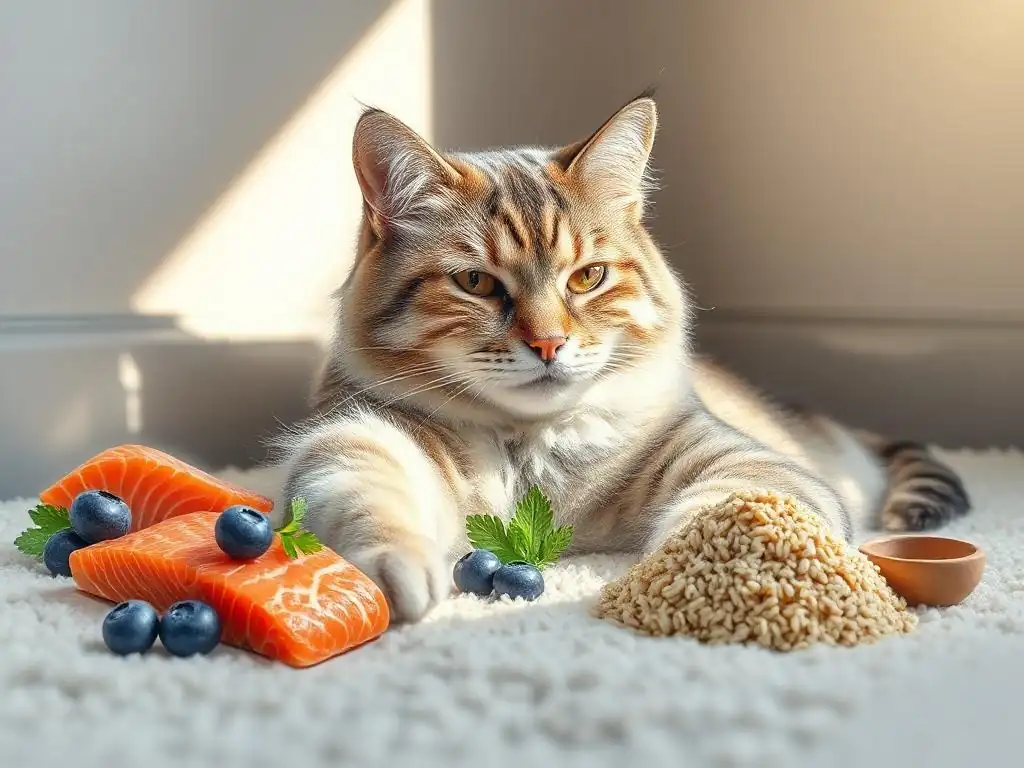
Choosing the right food for your senior cat is crucial for maintaining their health and well-being. Understanding the ingredients listed on the label is key to selecting a diet that provides optimal nutrition while avoiding potentially harmful components. This section will guide you through the essential ingredients to seek out and those to steer clear of when choosing the best senior cat food brands.
High-Quality Protein Sources for Senior Cats
As cats age, their ability to efficiently process and utilize protein can decline. Therefore, providing high-quality protein sources is paramount. Look for foods that list named meat sources, like chicken, turkey, salmon, or lamb, as the first ingredients.
Avoid vague terms like "meat by-products" or "meat meal," which may contain lower-quality ingredients and less digestible protein. The ideal protein source should be easily digestible to minimize strain on their aging digestive system. For instance, hydrolyzed protein is a great option for senior cats with sensitive stomachs, as it's broken down into smaller peptides, making it easier to digest.
Aim for a protein content of at least 30% on a dry matter basis for senior cats to maintain muscle mass and overall health. This is especially important as they naturally lose muscle mass with age. A good rule of thumb is to check the guaranteed analysis on the food label for the minimum crude protein percentage.
Remember, the quality of the protein is just as important as the quantity. Look for clearly identified meat sources, not ambiguous terms.
Healthy Fats for Senior Cat Coats and Joints
Healthy fats are essential for maintaining a senior cat's shiny coat, supporting cognitive function, and lubricating their joints. Look for foods that include sources of omega-3 and omega-6 fatty acids, such as fish oil (salmon oil is excellent), flaxseed oil, or chicken fat. These fatty acids have anti-inflammatory properties, which can help alleviate age-related joint pain and stiffness – a common issue in older felines.
However, be mindful of the total fat content; excessive fat can contribute to weight gain, which can further exacerbate joint problems. A balanced approach is key. The best senior cat food brands typically provide a precise balance of healthy fats without excessive levels.
| Fat Source | Benefits | Potential Drawbacks |
|---|---|---|
| Salmon Oil | Excellent source of Omega-3s, supports coat and brain health | Can be pricey, potential for rancidity if not stored properly |
| Flaxseed Oil | Rich in Omega-3s and fiber | Can have a slightly fishy taste |
| Chicken Fat | Good source of energy, supports absorption of fat-soluble vitamins | Can be high in saturated fat if not carefully processed |
Essential Fiber for Digestive Health in Older Cats
Maintaining a healthy digestive system is crucial as cats age. Fiber promotes regular bowel movements, prevents constipation, and supports a healthy gut microbiome. Look for foods that include sources of soluble and insoluble fiber, such as beet pulp, psyllium husk, or oat fiber. These fibers add bulk to the stool, helping to regulate bowel movements and prevent straining, which can be particularly important for cats with arthritis or other mobility issues. Insufficient fiber can lead to constipation, hairballs, and other digestive problems.
Remember to introduce fiber gradually to avoid digestive upset. The best senior cat food brands often incorporate prebiotics and probiotics to further support healthy digestion and gut flora in senior cats. These beneficial bacteria help improve nutrient absorption and boost the immune system. A healthy gut equals a healthier, happier senior cat! 😻
Additives and Preservatives to Avoid in Senior Cat Food
As your feline companion enters their senior years, their digestive system becomes more sensitive. Certain additives and preservatives commonly found in commercial cat food can exacerbate existing health issues or create new ones. Therefore, choosing a senior cat food with minimal or no artificial additives is crucial for maintaining their well-being. Understanding which ingredients to avoid is a key step in selecting the best senior cat food brands.
One of the most common additives to watch out for is artificial colors. These often contribute little to the nutritional value of the food but can potentially trigger allergic reactions or digestive upset in sensitive senior cats. Similarly, artificial flavors mask the taste of lower-quality ingredients and might not be easily processed by an aging cat's system. These artificial flavors can sometimes lead to gastrointestinal distress, impacting their appetite and overall health.
Another significant concern is the presence of BHA (butylated hydroxyanisole) and BHT (butylated hydroxytoluene). These are synthetic preservatives used to extend shelf life, but they've been linked to potential health problems in some studies, including cancer. While the research is ongoing and the impact on cats specifically is still being investigated, many pet owners choose to avoid these preservatives as a precautionary measure, especially for their senior pets.
Furthermore, excessive levels of salt can contribute to hypertension and kidney problems in older cats, both common health concerns in this age group. Always check the ingredient list for sodium content and opt for food with lower sodium levels. Similarly, high levels of phosphorus can strain the kidneys, which are already under more stress in senior cats. Therefore, monitoring phosphorus content is another vital aspect of choosing a suitable senior cat food. Looking for foods that are formulated specifically for kidney health can be beneficial.
Finally, some fillers, like corn and wheat, offer minimal nutritional value and can contribute to digestive issues in senior cats. While not strictly additives or preservatives, these ingredients are often included to reduce manufacturing costs, making the overall nutritional quality of the food less beneficial for older cats. Prioritizing protein sources and choosing foods with minimal fillers is a better approach for supporting your senior cat's health. Remember, reading the ingredient list carefully and understanding what to avoid is critical to finding the best senior cat food brands for your beloved pet.
Feeding Your Senior Cat: Practical Tips and Considerations
Senior cats, generally considered to be those seven years and older, have unique nutritional needs that differ significantly from their younger counterparts. Their metabolic rate slows down, their activity levels often decrease, and they may experience age-related health issues impacting their digestion and nutrient absorption. Therefore, choosing the best senior cat food brands and adjusting feeding strategies is crucial for maintaining their health and well-being.
This section will explore practical tips and considerations for feeding your aging feline companion. Remember, always consult your veterinarian before making significant changes to your cat's diet, especially if they have pre-existing health conditions. They can provide personalized recommendations based on your cat's individual needs and health status.
Adjusting Food Portions for Older Cats
As cats age, their caloric needs generally decrease. Overfeeding a senior cat can lead to weight gain, which increases the risk of obesity-related health problems like diabetes, arthritis, and heart disease. Instead of sticking to the feeding guidelines on the food package, carefully monitor your cat's weight and adjust portion sizes accordingly. Start by slightly reducing the amount of food you give them and observe their response. Look for signs of weight loss or excessive hunger.
A gradual reduction is safer than making drastic changes. Consider using a measuring cup to ensure consistency in portion control. You can also use a body condition score chart (available from your veterinarian or online) to assess your cat's body fat and muscle mass. A healthy weight is essential for a long and happy life for your senior cat.
Remember, a slightly leaner cat is healthier than an overweight one. Regular weigh-ins are recommended, ideally monthly, to track any changes and adjust feeding accordingly. This proactive approach contributes significantly to your senior cat's overall health and longevity. Don't forget to factor in any treats you give them into their daily caloric intake.
Monitoring Your Senior Cat's Weight and Body Condition
Regularly monitoring your senior cat's weight and body condition is paramount for ensuring they receive appropriate nutrition. Simply weighing your cat monthly isn't enough; you also need to visually assess their body condition. Feel their ribs – you should be able to feel them easily, but not see them prominently. Look at their waist – there should be a noticeable tuck-in behind the ribs. If your cat is overweight, you'll see a significant layer of fat covering their ribs and a lack of a defined waist.
Conversely, a cat that's too thin will have prominent ribs and hip bones. Use a body condition scoring chart as a guide. These charts usually range from 1 (emaciated) to 9 (extremely obese), with 4-5 representing an ideal body condition. Maintain a detailed record of your cat's weight and body condition score over time.
This creates a valuable baseline for identifying any sudden changes that might indicate underlying health issues. This proactive monitoring allows for timely intervention, helping you to avoid more serious health problems down the line. Remember, maintaining a healthy weight is crucial for the overall health and well-being of your senior cat. Early detection of weight changes is key to ensuring your beloved pet enjoys a long and comfortable life.
Providing Fresh Water for Hydration
Dehydration is a common problem in senior cats, often due to decreased kidney function and reduced thirst sensation. Ensuring your senior cat has access to plenty of fresh, clean water is crucial for their overall health. Multiple water bowls placed in different locations around the house can encourage them to drink more. Consider using a water fountain, as the moving water often encourages cats to drink more than from a still bowl.
Monitor the water bowl frequently to ensure it's always full and clean. You can also add a bit of low-sodium broth to their water to make it more appealing. However, avoid adding milk or sugary drinks, as these are not beneficial for their health. Observe your cat's urination habits; decreased urine output can indicate dehydration.
If you notice any signs of dehydration – such as lethargy, dry gums, or sunken eyes – contact your veterinarian immediately. Adequate hydration is essential for supporting kidney function, regulating body temperature, and aiding in nutrient absorption. Providing fresh, clean water consistently is a simple yet vital aspect of caring for your senior cat and contributes to a higher quality of life.
Recognizing Signs of Digestive Issues in Senior Cats
As cats age, their digestive systems can become less efficient, leading to various issues. Recognizing these problems early is crucial for maintaining your senior cat's health and comfort. Several signs can indicate digestive distress. Changes in bowel movements are a key indicator. This could manifest as diarrhea, constipation, or changes in stool consistency – becoming softer, harder, or more frequent.
Increased straining during defecation or urination is another warning sign, potentially indicating underlying issues like inflammatory bowel disease (IBD) or urinary tract infections (UTIs). Vomiting, particularly if chronic or containing undigested food, warrants immediate attention. A loss of appetite, a significant change in food intake, or a decrease in overall activity levels can also accompany digestive problems. Furthermore, weight loss, even without a change in appetite, can be a subtle but serious indication of malabsorption or other digestive disorders.
Finally, observe your cat's behavior; lethargy, abdominal discomfort (indicated by vocalization or reluctance to be touched in the abdomen), and dehydration (indicated by dry gums and decreased skin elasticity) are all potential warning signs needing veterinary assessment. Early detection and intervention are vital in managing digestive problems in senior cats and ensuring their well-being. Regular veterinary check-ups, including fecal exams, are essential for proactive monitoring and early identification of potential issues. Don't hesitate to consult your veterinarian if you observe any of these signs in your aging feline companion.
Transitioning to Senior Cat Food Gradually
Switching your senior cat to a new food, especially a senior formula, requires a gradual approach to avoid digestive upset. A sudden change can lead to vomiting, diarrhea, and decreased appetite. The transition process should be slow and steady, ideally spread over 7-10 days. Begin by mixing a small amount (around 25%) of the new senior cat food with their current food. Observe your cat for any adverse reactions during this initial phase.
Over the next several days, gradually increase the proportion of the new food, decreasing the amount of the old food accordingly. Aim to reach a 50/50 mix by day 3 or 4, then 75% new food by day 5 or 6. By day 7-10, your cat should be completely transitioned to the new senior formula. Throughout this process, monitor your cat's stool consistency and overall health. If you notice any digestive upset, such as diarrhea or vomiting, slow down the transition process, going back to a higher ratio of the old food and gradually increasing the new food again at a slower rate.
Some cats may be more sensitive than others, requiring an even more extended transition period. Patience and careful observation are key to a smooth transition and ensuring the continued health of your beloved senior cat. Remember, choosing the best senior cat food brands is only half the battle; a gradual introduction is crucial for successful adoption.
Supplementing Your Senior Cat's Diet
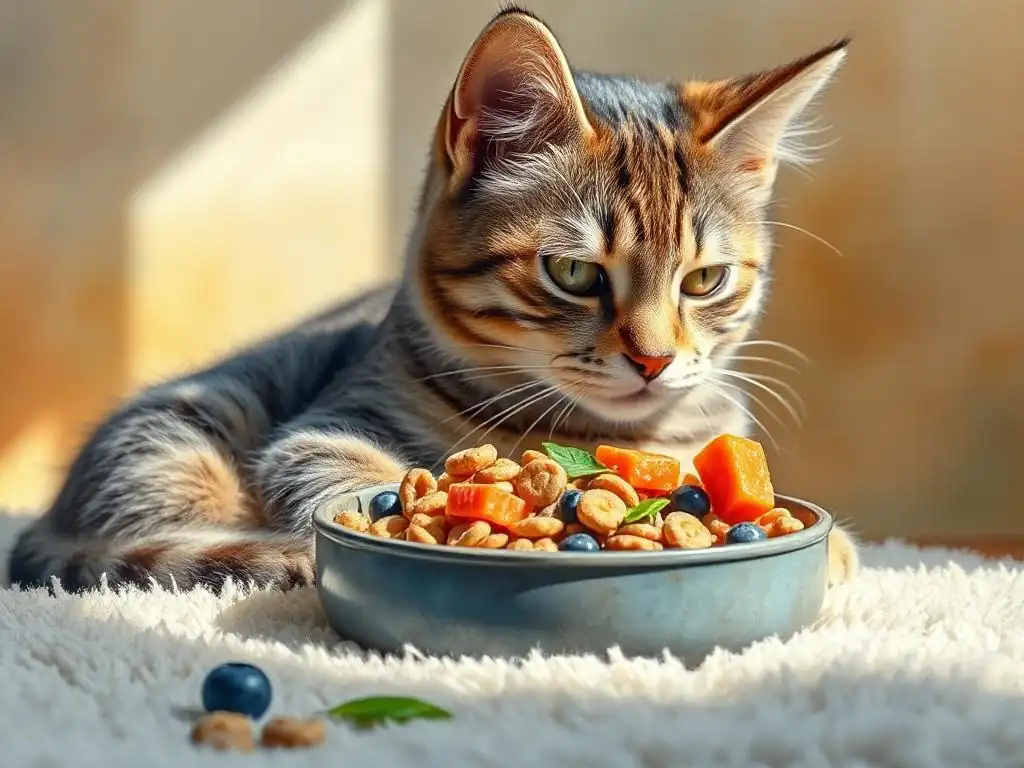
As your feline companion enters their golden years, their nutritional needs evolve. While a high-quality senior cat food forms the cornerstone of their diet, supplementing with specific nutrients can significantly enhance their health and well-being. This isn't about replacing a balanced diet, but rather about strategically adding components to address age-related challenges and support overall vitality. Remember, a holistic approach—combining proper nutrition with regular veterinary checkups and a loving environment—is crucial for a happy senior cat. Choosing the best senior cat food brands is a great start, but understanding supplementation can elevate their care further.
When to Consider Nutritional Supplements for Senior Cats
Determining when to incorporate supplements into your senior cat's diet requires careful observation and, importantly, veterinary guidance. Several signs may indicate a need for additional nutritional support. These include:
- Decreased Appetite: A noticeable reduction in food intake, especially if accompanied by weight loss, might signal a need for supplements to boost calorie density and improve palatability. This could be due to age-related dental issues or decreased taste sensitivity.
- Joint Stiffness or Arthritis: Senior cats often experience joint problems. Supplements like glucosamine and chondroitin can help support joint health and mobility, improving their quality of life. Look for signs like difficulty jumping, reluctance to climb, or stiffness after rest.
- Dull Coat or Skin Issues: Changes in coat condition, such as dullness, dryness, or excessive shedding, may indicate deficiencies in essential fatty acids or other nutrients. Supplementation can help restore a healthy, shiny coat.
- Weakened Immune System: Older cats are more susceptible to infections. Certain supplements, such as antioxidants, can support their immune function and help them fight off illness.
- Cognitive Decline: Some senior cats experience age-related cognitive dysfunction, exhibiting symptoms like disorientation or changes in behavior. Specific supplements may be recommended to support brain health, but always consult your veterinarian first.
Remember, these are just indicators. A thorough veterinary examination is essential to diagnose any underlying health issues and determine the appropriate course of action, including whether supplementation is necessary and, if so, which supplements are best suited for your cat's individual needs.
Popular Supplements for Senior Cat Health (e.g., Glucosamine, Chondroitin)
Several supplements are commonly used to support the health of senior cats. It's vital to choose high-quality products from reputable brands. Always follow the recommended dosage instructions carefully.
| Supplement | Benefits | Potential Side Effects | Considerations |
|---|---|---|---|
| Glucosamine & Chondroitin | Supports joint health, reduces inflammation, improves mobility | Gastrointestinal upset (rare) | Best for cats with arthritis or joint stiffness |
| Omega-3 Fatty Acids | Improves coat and skin health, reduces inflammation, supports brain function | Mild gastrointestinal upset, potential for blood thinning | Crucial for maintaining a healthy coat and skin |
| Taurine | Essential amino acid, supports heart and eye health | Generally well-tolerated | Especially important for cats with heart conditions |
| Antioxidants (Vitamins C & E) | Supports immune function, protects cells from damage | Generally well-tolerated | Important for bolstering the immune system |
| Probiotics | Improves gut health, supports digestion | Generally well-tolerated | Beneficial for cats with digestive sensitivities |
Choosing the right supplement depends on your cat's specific needs. For example, a cat with arthritis might benefit from glucosamine and chondroitin, while a cat with a dull coat might need omega-3 fatty acids.
Consulting Your Veterinarian About Dietary Supplements
Before introducing any supplements to your senior cat's diet, it’s absolutely crucial to consult your veterinarian. They can assess your cat's overall health, identify any potential underlying conditions, and recommend appropriate supplements and dosages. They can also help you avoid potential interactions between supplements and existing medications. Never self-diagnose or self-treat your cat.
Your veterinarian is your best resource for ensuring your senior cat receives the optimal nutrition for a long and healthy life. They can also guide you on selecting the best senior cat food brands that complement your supplementation strategy. A collaborative approach, involving both you and your veterinarian, is key to providing the best possible care for your aging feline friend. 😻
Maintaining a Healthy Lifestyle for Senior Cats
Senior cats, like senior humans, require a tailored approach to maintain their health and well-being. As cats age, their nutritional needs change, and their activity levels may decrease. Understanding these changes and adapting your care accordingly is crucial for ensuring a happy and healthy life for your feline companion. This section focuses on the lifestyle adjustments that complement a nutritious diet and contribute significantly to your senior cat's quality of life. Choosing the best senior cat food brands is only one piece of the puzzle; a holistic approach encompassing lifestyle factors is key to maximizing their longevity and comfort.
Importance of Regular Veterinary Checkups for Senior Cats
Regular veterinary checkups are paramount for senior cats. Unlike younger cats, who might mask illness, older cats often show subtle signs of disease. These subtle changes might be missed by an untrained eye, making proactive veterinary care essential. The frequency of these checkups should increase with age; a yearly checkup for a younger adult cat might become a semi-annual or even quarterly visit for a senior cat. These visits aren't just about vaccinations; they are crucial for:
- Early Disease Detection: Regular blood work can detect kidney disease, hyperthyroidism, and diabetes—common ailments in older cats—at early, more treatable stages.
- Weight Management: Your vet can monitor your cat's weight and adjust their diet accordingly to prevent obesity, a significant contributor to health problems in senior cats. Obesity increases the risk of arthritis, diabetes, and heart disease.
- Dental Health Assessment: Dental disease is prevalent in senior cats and can lead to pain, infection, and systemic problems. Regular dental cleanings and assessments are vital for maintaining oral health.
- Monitoring for Cognitive Decline: As cats age, they might experience cognitive decline similar to dementia in humans. Your vet can assess for signs of cognitive dysfunction and recommend supportive care strategies.
Consider creating a detailed record of your senior cat's health history. Note significant events, medications, and any observed changes in behavior or appetite. This detailed log will be invaluable for your veterinarian during checkups. Remember, prevention is key; early intervention often leads to better outcomes.
The Role of Exercise and Play in Senior Cat Health
While senior cats may be less energetic than their younger counterparts, maintaining a degree of physical activity is crucial for their overall health. Exercise helps to:
- Maintain Muscle Mass and Joint Mobility: Gentle exercise, even short sessions, can help prevent muscle atrophy and stiffness associated with aging. This is particularly important for cats prone to arthritis.
- Stimulate Mental Acuity: Interactive play sessions, even if they are shorter and less vigorous, provide mental stimulation and can help combat cognitive decline. Simple games like chasing a feather wand or playing with a toy mouse can make a difference.
- Manage Weight: Maintaining a healthy weight is vital for senior cats. Exercise helps to burn calories and prevent obesity-related health issues.
The type of exercise should be tailored to your cat's physical limitations. Avoid strenuous activities. Instead, opt for short, gentle play sessions using low-impact toys. Observe your cat closely during playtime and stop if they show signs of fatigue or discomfort. Consider enriching their environment with climbing structures and interactive toys to encourage spontaneous play. Remember to prioritize your senior cat's comfort and well-being.
Creating a Safe and Comfortable Environment for Your Senior Cat
As cats age, they may experience changes in their physical abilities and sensory perception. Creating a safe and comfortable environment is crucial for their well-being. This involves:
- Providing Easy Access to Resources: Ensure that food and water bowls are easily accessible, avoiding stairs or other obstacles. Litter boxes should also be readily available and easy to enter and exit. Consider low-sided litter boxes for cats with arthritis.
- Creating a Warm and Cozy Space: Senior cats often appreciate extra warmth and comfort. Provide soft bedding, blankets, and warm spots where they can relax.
- Eliminating Hazards: Remove any potential hazards that might cause injury, such as loose rugs or electrical cords. Ensure that stairs are well-lit and have good traction.
- Providing Sensory Enrichment: Senior cats may experience decreased vision or hearing. Provide tactile stimulation through soft toys and blankets. Use calming pheromone diffusers to reduce stress and anxiety.
Creating a comfortable environment is not just about physical comfort. It's also about reducing stress and anxiety, which can contribute to health problems in senior cats. A secure and predictable environment helps to promote their overall well-being and quality of life. Remember, a happy and comfortable cat is a healthy cat. By implementing these lifestyle changes and providing the best senior cat food brands, you can significantly contribute to your senior cat's health and happiness.
Frequently Asked Questions
What are the nutritional needs of senior cats?
Senior cats require food with higher levels of protein to maintain muscle mass, increased fiber for digestive health, and added taurine for heart health. They often need lower calorie options to prevent weight gain.
Why is choosing the right senior cat food so important?
Selecting the best senior cat food is crucial for maintaining your cat's overall health and well-being as they age. The right nutrition can help prevent age-related illnesses and extend their lifespan.
What are some key ingredients to look for in senior cat food from PetCareWorld?
Look for foods with high-quality protein sources, healthy fats, and added vitamins and minerals tailored to senior cat needs. Avoid artificial colors, flavors, and preservatives.
How do I know if my senior cat's food is right for them?
Observe your cat's energy levels, coat condition, and stool quality. Consult your veterinarian if you notice any changes or have concerns about your cat's diet. Regular vet checkups are essential.
What are some of the best senior cat food brands recommended by PetCareWorld? (This will be answered in the main article)
PetCareWorld provides detailed reviews and comparisons of various brands, helping you choose the best senior cat food based on your cat's specific needs and preferences. Check out our in-depth guides for more information!
Final Reflection: Nourishing the Golden Years: A Legacy of Love and Longevity
The nutritional needs of senior cats are often overlooked, yet providing the right diet can significantly extend their comfortable, happy lives and improve their quality of life. Failing to address these specific needs can lead to a decline in health and vitality, robbing our beloved companions of precious time with us. This is not simply about feeding; it's about investing in a deeper, more meaningful bond.
The journey of caring for a senior cat is a profound experience, a testament to the enduring power of companionship. It's a time when we witness the graceful aging of a creature who has brought so much joy into our lives. Choosing the right food is a crucial part of this journey, a tangible way to show our love and commitment. The best mirror is an old friend.
This holds true for our feline companions; their aging reflects our own journey of care and responsibility. Understanding their changing nutritional needs allows us to actively participate in their well-being, extending those precious years of shared love.
Now, consider your own senior cat. What steps can you take today to ensure they receive the best possible nutrition? Are you providing a diet rich in the nutrients they need to combat age-related ailments? Take the time to research the best senior cat food brands, consult your veterinarian, and make informed choices. Remember, every bowl of food is an act of love, a commitment to the enduring bond you share. Let's dedicate ourselves to nourishing not just their bodies, but their golden years.
Unlock Your Senior Cat's Vibrant Years
Thank you for exploring the world of senior cat nutrition! We hope you've gained valuable insights into maintaining your feline companion's health and happiness as they age. Now, let's put that knowledge into practice.
- Prioritize a Senior-Specific Diet: Gradually transition your cat to a food formulated for senior cats. These diets address the specific nutritional needs of older cats, often focusing on joint health and digestive support. This is a crucial step in ensuring your cat's well-being.
- Schedule a Wellness Check-up: Remember to schedule a veterinary check-up to discuss your cat's individual needs and address any concerns. Your veterinarian can provide personalized recommendations and monitor your cat's health.
- Share Your Success Story: We'd love to hear about your experience with senior cat nutrition! Share your tips and tricks in the comments below – your insights could be invaluable to other cat owners.
Ready to see your senior cat thrive? What small step will you take today to improve their quality of life?